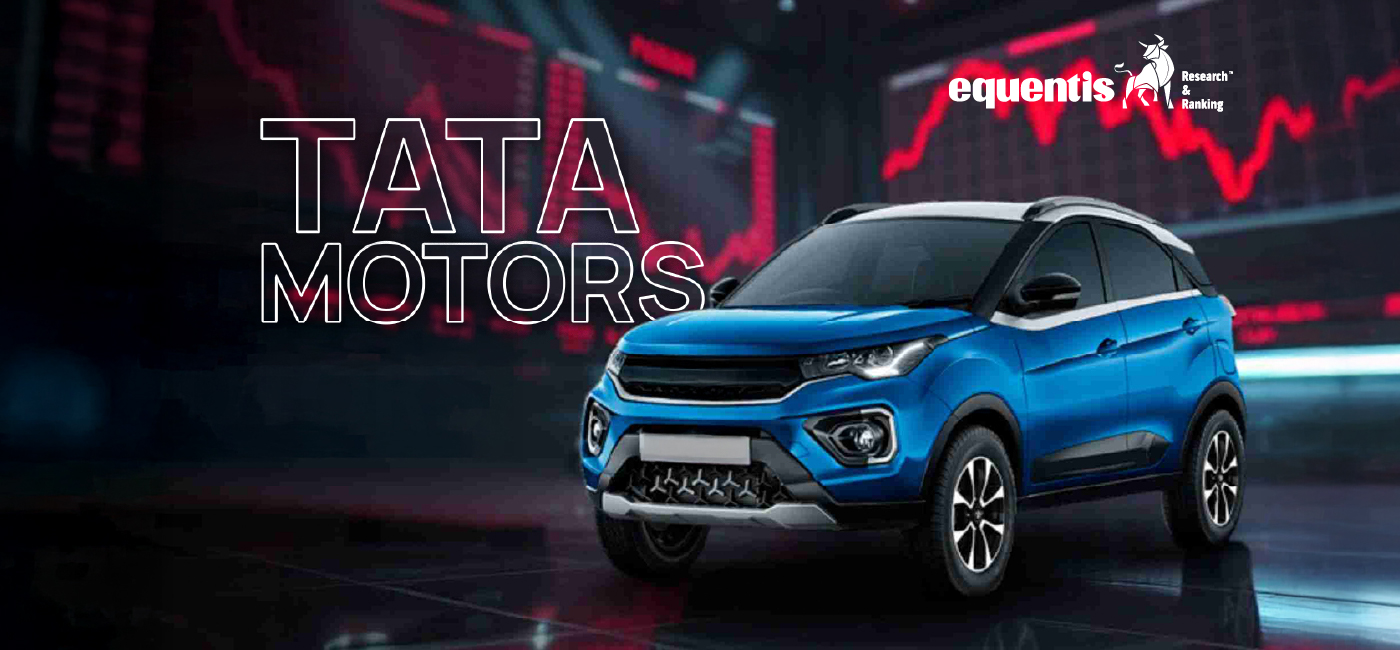

Tata Motors has been at the forefront of India’s automotive evolution for over eight decades. From building locomotives in its early years to becoming a diversified global auto leader, the company’s journey reflects resilience, bold strategies, and an enduring connection with consumers. In FY25, Tata Motors achieved a record consolidated revenue of ₹4,39,695 crore with EBITDA of ₹57,649 crore, while in Q1 FY26, it reported consolidated revenue of ₹1,04,407 crore, down 2.5% year-on-year. Despite near-term pressures, its legacy of innovation and trust continues to shape the future of mobility.
Foundations and Early Growth
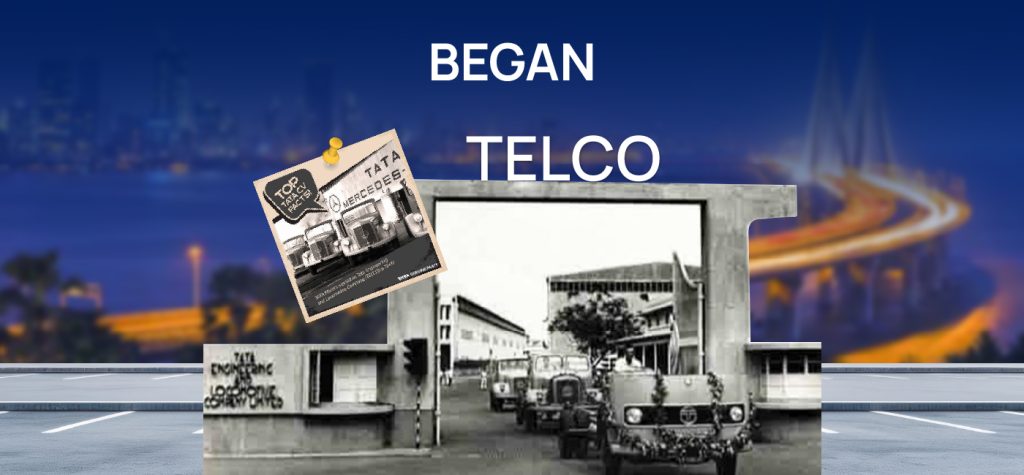
Founded in 1945 as TELCO (Tata Engineering & Locomotive Company), Tata Motors began by manufacturing locomotives and industrial vehicles. The company entered commercial vehicles in 1954 through a collaboration with Daimler-Benz, setting up operations in Jamshedpur. These early years built its reputation as a reliable partner in India’s industrialization.By the 1990s, Tata Motors had stepped into passenger vehicles. The Sierra SUV (1991) marked its first bold experiment, followed by the Indica in 1998—the first passenger car designed and manufactured entirely in India. This launch positioned Tata as more than a commercial vehicle maker; it became a symbol of Indian engineering ambition.
Key Milestones and Expansion
Market Leader in Commercial Vehicles: Tata emerged as India’s leading CV manufacturer, powering the nation’s transport and logistics backbone.
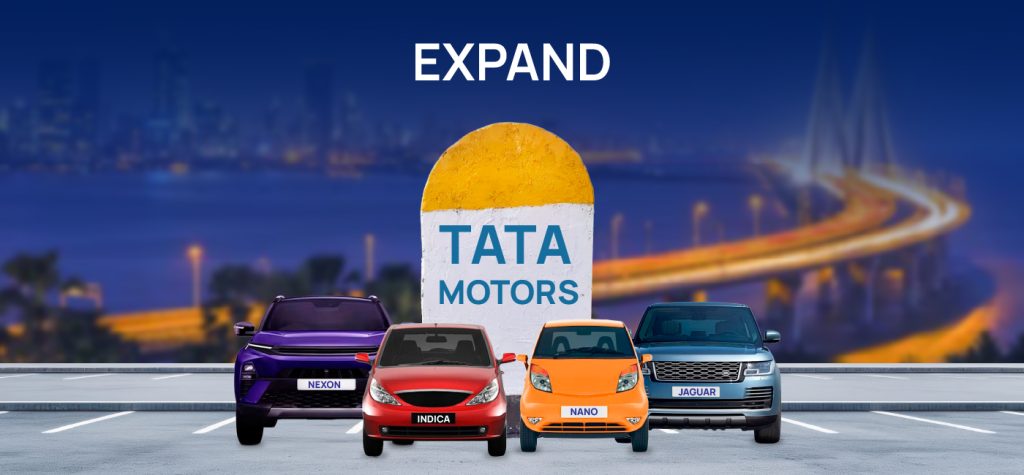
Indica & Nano: The Indica won market acceptance, while the Nano (2008)—touted as the world’s most affordable car—showed Tata’s innovation in frugal engineering.
Jaguar Land Rover Acquisition (2008): A defining moment came when Tata acquired Jaguar Land Rover (JLR) for $2.3 billion. This expanded its global reach and gave it a premium luxury portfolio.
Safety as a Differentiator: In the 2020s, models like the Nexon and Altroz became the first Indian cars to secure 5-star Global NCAP safety ratings, reshaping consumer perception.
EV Leadership: Launching the Nexon EV, Tata became the first mover in India’s growing electric mobility segment, capturing early market share.
Navigating Challenges
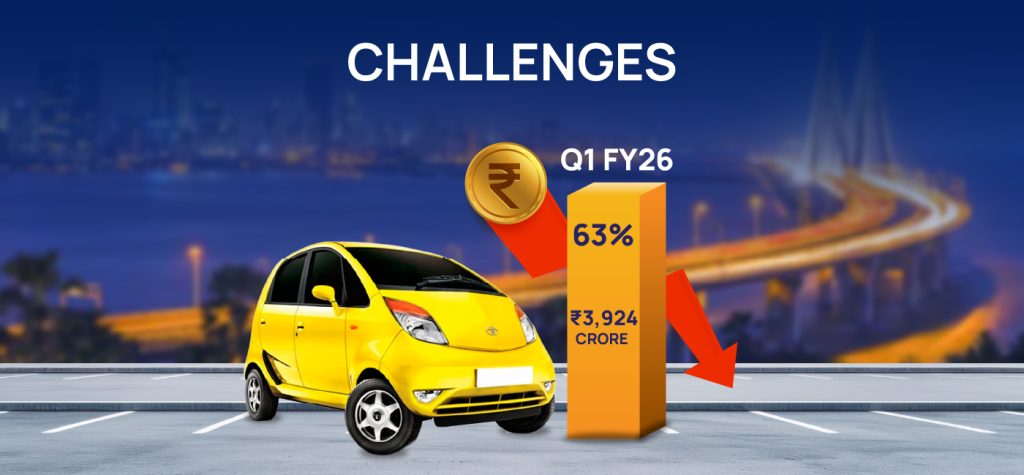
Tata Motors’ journey has not been without setbacks. The Nano project, despite global attention, failed to gain scale. The company also faced challenges with global slowdowns impacting JLR, margin pressures in domestic markets, and competition from international automakers.In Q1 FY26, Tata’s net profit dropped sharply by nearly 63% year-on-year to ₹3,924 crore, mainly due to weak JLR performance and tariff-related headwinds. These challenges highlight the volatility in global automotive markets and the need for agility.
Strategies that Drove Growth
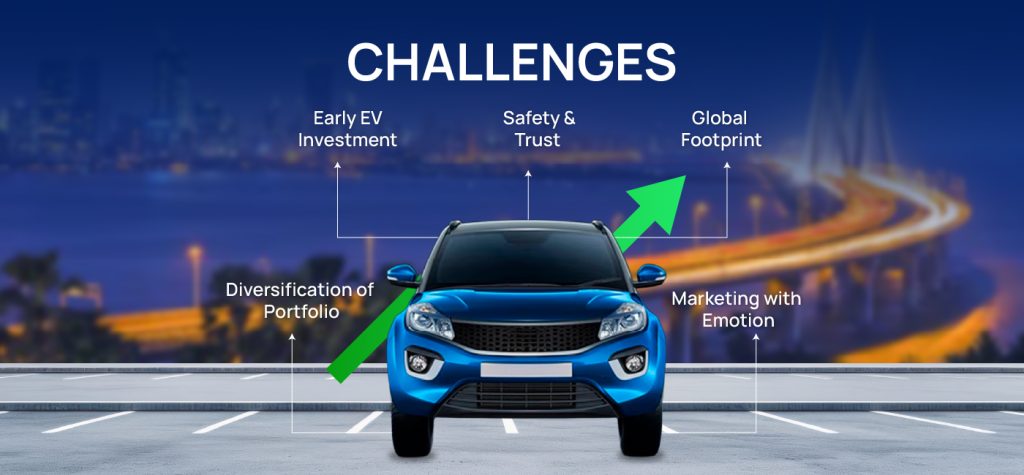
Diversification of Portfolio – Tata balanced risk across commercial vehicles, passenger cars, and JLR’s premium segment, ensuring resilience.
Safety & Trust – By making safety a core brand promise, Tata aligned with evolving consumer expectations.
Early EV Investment – With a strong government push toward electrification, Tata’s first-mover advantage in EVs has built a strong consumer base.
Global Footprint – JLR remains a key revenue driver, and Tata’s recent €4.5 billion deal to acquire Iveco’s truck and bus business signals its intent to expand globally.
Marketing with Emotion – Campaigns often highlight national pride, safety, and innovation, creating a deep emotional connection with Indian buyers.
Cultural Relevance and Consumer Trust
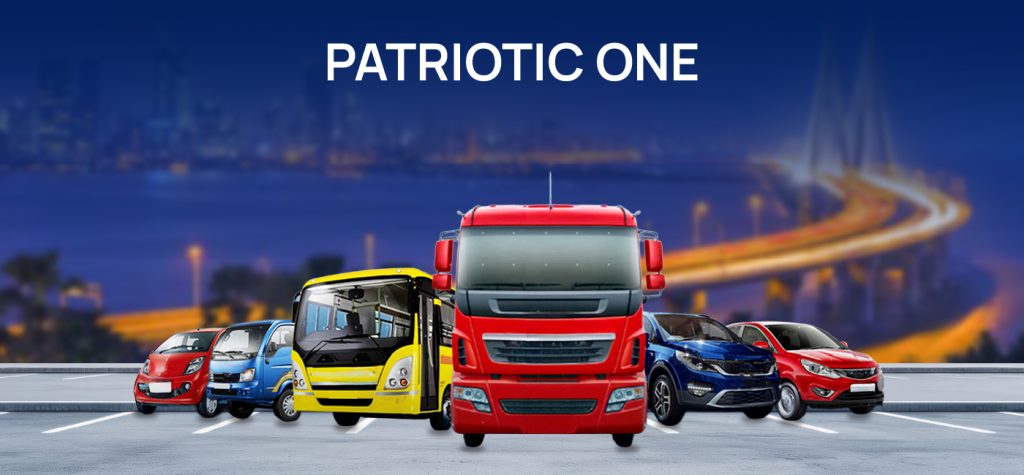
What makes Tata Motors stand apart is its emotional bond with India. For decades, its trucks and buses have powered commerce, while cars like the Indica, Nexon, and Harrier became part of family aspirations. Buying a Tata car today is often seen as not just a rational choice but also a patriotic one—supporting an Indian brand that stands for safety, innovation, and trust.
Looking Ahead
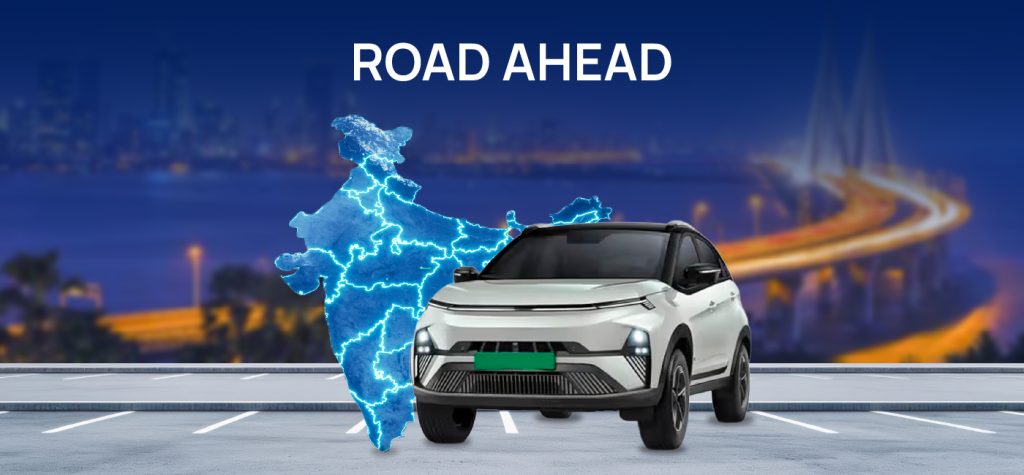
Tata Motors, now over 80 years old, is at a crucial inflection point. The company must continue scaling its EV ecosystem, reduce dependence on JLR, and strengthen profitability in domestic markets. At the same time, it has an opportunity to position itself as a global Indian automotive icon, leading the shift toward sustainable and safe mobility.
From locomotives in 1945 to leading India’s electric vehicle adoption today, Tata Motors has shown that brands can thrive when they combine innovation with purpose. Its journey is not just about vehicles—it’s about driving India’s progress and ambition into the future.