

IPO Performers
Listed IPOs performing on the stock exchange


Get your portfolio
What are IPO Performers?
Listed IPOs doing well on the exchange
IPO Performers are companies that have shown strong stock performance after their Initial Public Offering. These companies have delivered notable returns to investors since their listing, often reflecting their strong fundamentals, investor interest, and market demand.
Such IPOs indicate solid business models, robust financials, or favorable industry trends. Analyzing IPO performers lets investors gain insights into successful market entrants and potential long-term growth opportunities.
IPO Performers
Get all the details here!

 Unlock Stock of the Month
T&C*

IPO reads
Stay updated with the latest IPO developments


February 27, 2025 | 5 min read
₹50.11 Cr Balaji Phosphates IPO Opens Feb 28. Issue Details and SWOT AnalysisRead More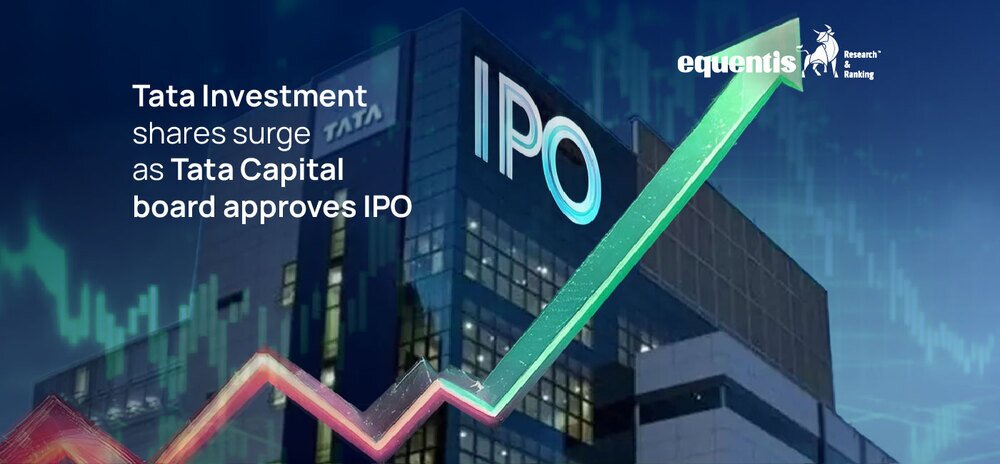
February 25, 2025 | 5 min read
Tata Capital Board Approves ₹15,000 Cr Plus Mega IPO; Tata Investment Shares Soar 8%Read More
February 18, 2025 | 5 min read
Busy Week Ahead: 2 SME IPOs and 9 Market Listings – Get the Complete Details HereRead More
October 25, 2024 | 5 min read
Waaree Energies IPO: GMP Soars 106% Amid 76.34x Subscription – Check Your Allotment Status!Read More
October 22, 2024 | 5 min read
Upcoming IPOs: 9 Public Issues Set to Raise ₹10,984.8 Cr – Key Insights Inside!Read More
October 17, 2024 | 5 min read
Hyundai IPO Hits a Speed Bump With 42% Subscription On Day 2 : 4 Reasons WhyRead More
September 6, 2024 | 5 min read
Bajaj Housing Finance IPO: All You Need to KnowRead MoreOctober 17, 2024 | 5 min read
Hyundai IPO Hits a Speed Bump With 42% Subscription On Day 2 : 4 Reasons WhyRead More
August 26, 2024 | 5 min read
Premier Energies IPO: Key Details Ahead of the ₹2,830.40 Cr Issue LaunchRead More


Spotlight on IPOs
Breaking down IPOs for you!
FAQs on IPO performers
Find answers to common questions!
- Jyoti CNC Automation (January 16, 2024): Listed at ₹372, it surged to ₹1,278.35 by August 2024, delivering a 244% return.
- Ola Electric Mobility (August 9, 2024): With an issue price of ₹76, it gained 68%, reaching ₹127.48 by August.
- Bharti Hexacom (April 12, 2024): Listed at ₹755, it saw a rise of 57%, reaching ₹1,182
- Go Digit General Insurance (2024): A standout in the insurance sector with solid market performance.
- High Demand: Oversubscription indicates strong interest from investors.
- Strong Fundamentals: Companies with solid financials and sustainable business models often outperform their competitors.
- Growth Sector: Initial Public Offerings (IPOs) in high-growth industries, such as technology, electric vehicles, and insurance, typically attract more investors.
- Market Conditions: A favorable market environment, characterized by economic optimism and positive investor sentiment, is crucial for attracting investment.
Look for sections dedicated to "IPOs" or "Markets." Stock exchanges: The websites of major stock exchanges often maintain archives of listed IPOs, including performance data. Search for "listed IPOs" or "historical data" on the exchange's website.
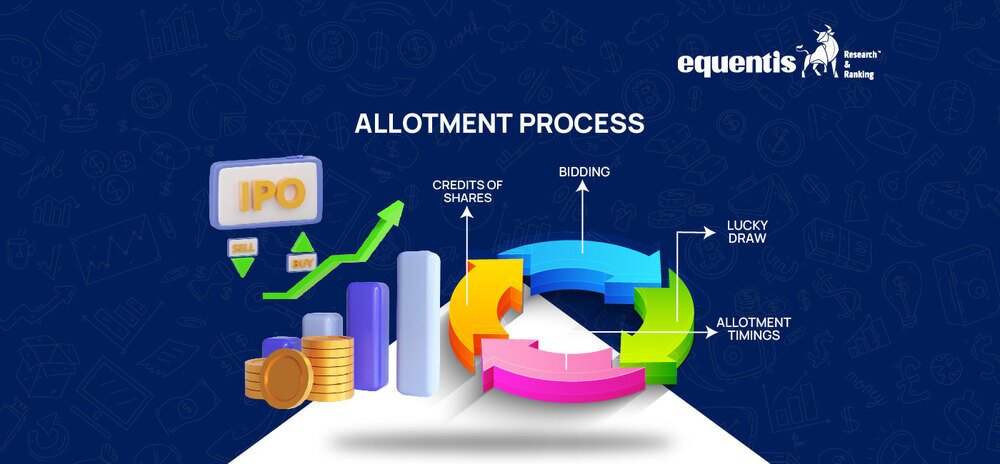
Selection: A computerized system impartially selects winning bids based on predetermined criteria, often considering factors like bid price, investor type (retail vs. institutional), and reservation categories. Allocation: Winning applicants receive confirmation and have their shares credited to their accounts. Unsuccessful applicants receive a refund.
Stock Exchange Platform: Some stock exchanges also provide allotment status checks on their websites. Look for sections dedicated to "IPOs" or "Investor Services" and search for the specific IPO you applied for.
The investment bank appointed for the IPO thoroughly analyses market demand, investor interest, and the company's financial health. Working closely with the issuer company, the investment bank advises and collaborates to determine a suitable price range that aligns with market conditions and investor expectations. This collaborative effort ensures a comprehensive evaluation and fair pricing strategy for the IPO.
Second, the company's size and valuation play a significant role; larger companies may opt for larger lot sizes to accommodate higher investment amounts. Additionally, accessibility for retail investors is a priority, ensuring a balance between affordability and encouraging broader participation from individual investors.
The ultimate objective is to establish a feasible lot size for investors and enable the company to raise its targeted capital effectively. The number of shares within a lot remains fixed, allowing investors to apply for multiples of the lot size during the IPO application period.
Therefore, thorough research is essential before considering any latest IPO listing. It involves delving deep into the company's financials, industry trends, and market conditions. This research will help you understand the potential risks and rewards associated with the investment.
Ultimately, investing in listed IPOs should be based on your circumstances. Consider your long-term investment goals and risk tolerance. If you are a risk-averse investor seeking short-term gains, newly listed IPOs may not be suitable. Carefully analyzing and aligning your financial objectives are crucial before making investment decisions.
Here's a breakdown: Issue price: This is the price at which the company offers shares to investors during the listed IPO application window. Listing price: This is the initial price at which the shares start trading on the stock exchange after the listed IPO process is complete.
Therefore, if the listing price is higher than the issue price, investors allotted shares during the listed IPO application process experience a listing gain.
This gain is calculated by subtracting the issue price from the listing price and multiplying the result by the number of shares allotted. It's important to remember that listing gains are not guaranteed and can be volatile. While some listed IPOs experience significant gains on the listing day, others might not or even trade below the issue price, resulting in a loss for investors.