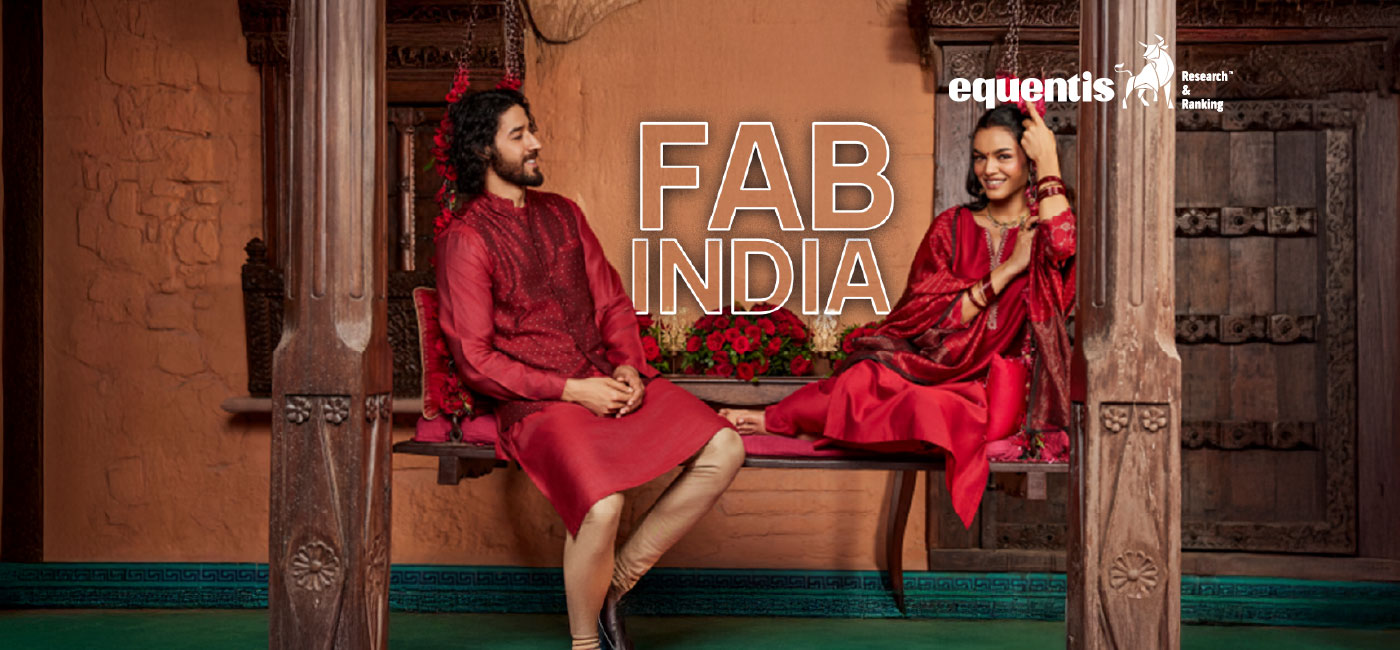

Few Indian brands have managed to blend tradition, craftsmanship, and modern retail excellence the way Fabindia has. From its humble beginnings in 1960 to becoming one of India’s most trusted lifestyle and apparel brands, Fabindia’s story is one of purpose, persistence, and people. It is a brand that did not just sell products—it sold a way of life deeply rooted in India’s cultural fabric.
A Purpose Beyond Profit
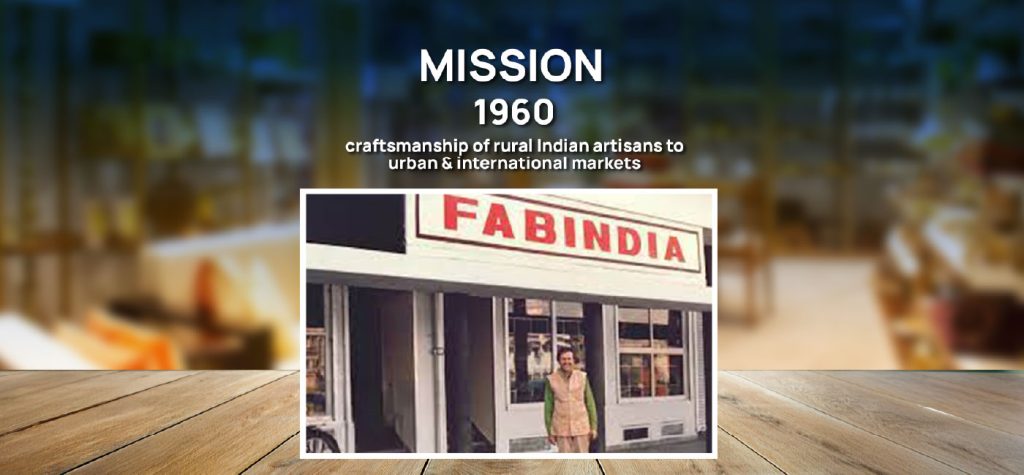
Fabindia was founded in 1960 by John Bissell, an American working with the Ford Foundation. His vision was simple yet profound—to bring the craftsmanship of rural Indian artisans to urban and international markets. What began as a small export business for home furnishings soon evolved into a mission to empower local communities while celebrating India’s handmade traditions.
Bissell started Fabindia from two rooms in Delhi’s Golf Links, with the intent to provide sustainable employment to artisans and preserve indigenous craftsmanship. In 1976, Fabindia opened its first retail store in Greater Kailash, New Delhi, marking its transition from an export house to a retail brand. From this point on, Fabindia was no longer just a business—it became a movement connecting the rural craftsperson to the urban consumer.
Growth Milestones: From Handlooms to Lifestyle
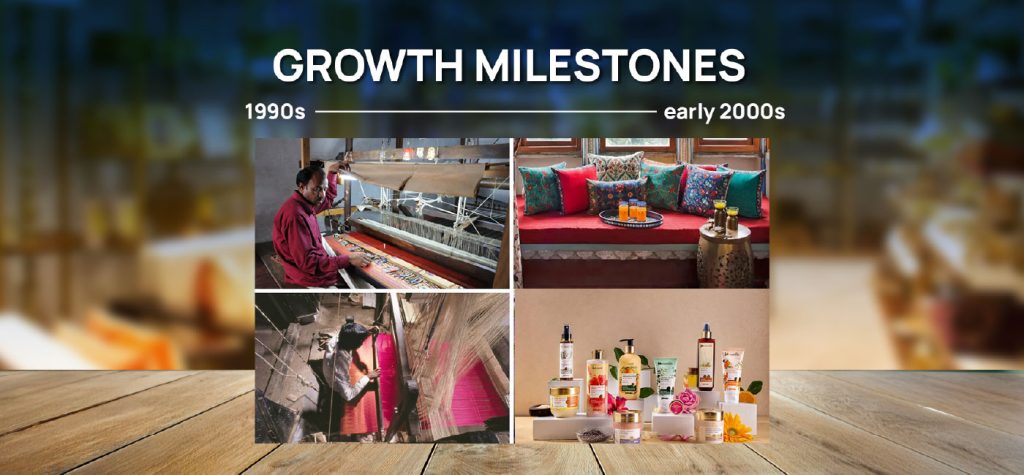
Fabindia’s growth has been driven by consistency, innovation, and diversification. During the 1990s and early 2000s, the company expanded its product lines from textiles to home décor, furniture, and personal care. By the mid-2000s, Fabindia had ventured into organic foods, jewelry, and accessories—each addition carefully curated to align with its philosophy of authenticity and sustainability.
Revenue growth reflected this diversification. From around ₹89 crore in FY2004-05 to over ₹200 crore by FY2006-07, the company’s steady expansion showed its ability to scale without compromising its identity. By 2019, Fabindia’s revenue crossed ₹1,100 crore, with profits reaching ₹116 crore. Even in challenging years like FY2023, when revenue stood near ₹1,688 crore, the brand remained resilient despite pressures from competition and rising costs.
Fabindia’s introduction of Experience Centres in 2017-18 further transformed the retail experience. These stores combined fashion, home décor, wellness, and cafés under one roof, allowing customers to interact with the brand on a sensory and emotional level. It wasn’t just shopping anymore—it was a cultural experience.
The Heart of Its Strategy: Craft, Community, and Connection
At its core, Fabindia’s success lies in how it has used storytelling and emotional branding to connect with consumers. The brand doesn’t just sell clothes or furniture; it sells a story—one of artisans, handlooms, and heritage. Each product represents a piece of India’s cultural soul, and every purchase supports rural livelihoods.
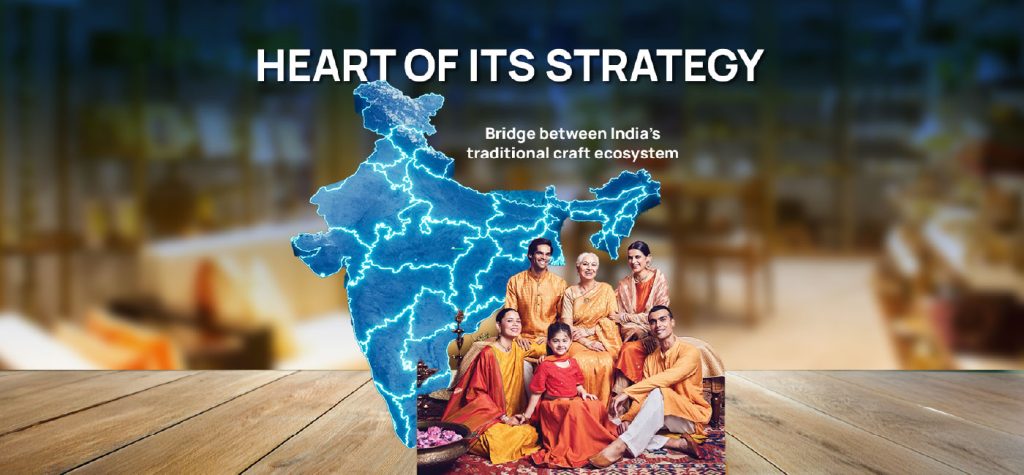
This human-centered approach helped Fabindia build strong consumer trust and loyalty. Its marketing has always been subtle yet powerful, focusing on the authenticity of the process rather than aggressive advertising. The company positioned itself as a bridge between India’s traditional craft ecosystem and the modern consumer, emphasizing values such as sustainability, fair trade, and social responsibility.
Over time, Fabindia also modernized its offerings. Contemporary designs, fusion apparel, and home products tailored for urban lifestyles ensured the brand stayed relevant to evolving tastes. The company’s entry into online retail and omnichannel distribution helped expand its reach among younger, tech-savvy audiences.

Challenges and Turning Points
Like every legacy brand, Fabindia faced its share of headwinds. Events like demonetization and GST rollout disrupted rural supply chains, while the rise of fast-fashion competitors put pressure on its premium pricing model.
In certain years, profitability declined even as revenues grew. For instance, in FY2018, profits fell by around 42% to ₹59 crore due to market disruptions and cost inflation. The pandemic years also tested the company’s endurance, but Fabindia bounced back with renewed focus on digital channels, product curation, and consumer experience.
Another challenge has been staying relevant to younger audiences. The brand’s earthy aesthetic, while deeply admired by loyal customers, sometimes risked being perceived as too traditional. In response, Fabindia began refreshing its designs, experimenting with younger silhouettes, and infusing its campaigns with contemporary storytelling to attract new generations.
A Brand That Wove Culture into Commerce
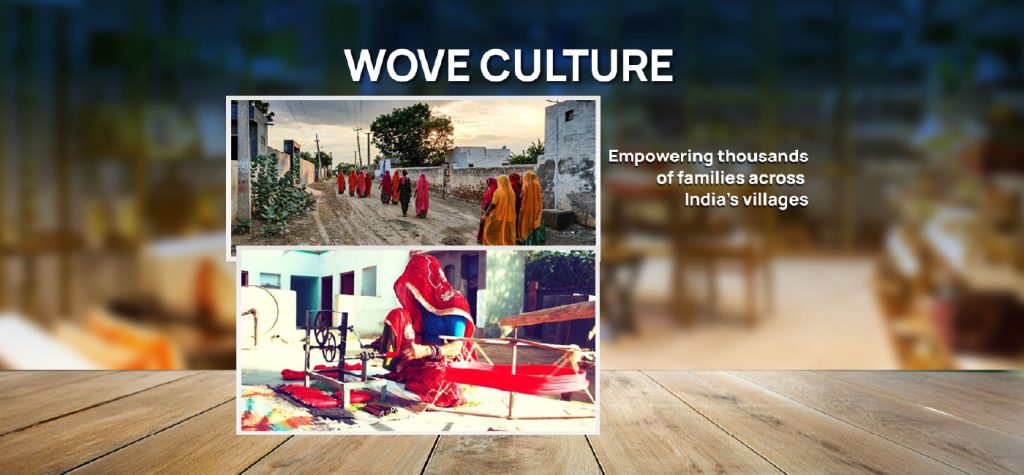
Fabindia’s greatest strength lies in its ability to balance purpose with profit. Its network of rural artisans—many of whom are shareholders in community-owned enterprises—embodies inclusive capitalism. The company’s growth directly translates into social impact, empowering thousands of families across India’s villages.
Beyond its economic success, Fabindia’s cultural contribution is immense. It helped redefine what “Indian design” means in a modern context, transforming handcrafted goods from mere tradition into symbols of conscious living. It created a category of retail that resonated emotionally with consumers seeking authenticity and sustainability.

The Road Ahead
As Fabindia moves forward, its focus is clear: modernisation without losing soul. The company continues to expand its Experience Centres, optimize supply chains, and integrate digital solutions to enhance both efficiency and engagement. New product lines, collaborations, and a stronger online presence are all part of this evolution.
While competition in India’s lifestyle retail space is intensifying, Fabindia’s distinct brand philosophy remains its strongest differentiator. In an age of fast fashion and mass production, Fabindia stands as a reminder that business can thrive when it celebrates culture, supports communities, and respects craftsmanship.
Legacy and Lessons
For business leaders, Fabindia’s journey offers timeless lessons. It shows that longevity in retail doesn’t come from trends but from trust. It proves that growth can coexist with ethics and that scale can be achieved without abandoning purpose.
From two small rooms in Delhi to revenues exceeding ₹1,600 crore, Fabindia’s story is not just a tale of business success—it is a testament to India’s creative resilience. The brand’s ability to remain relevant while preserving its heritage makes it a case study in building legacy with integrity.
Fabindia didn’t just craft products—it crafted a cultural movement that continues to inspire both consumers and entrepreneurs alike.