
Sula Vineyards, today synonymous with India’s wine revolution, began as a dream rooted in Nashik’s sun-kissed hills. From a humble beginning in the late 1990s to emerging as India’s largest wine producer with annual revenues crossing ₹600 crore, Sula’s story is a powerful example of visionary leadership, brand-building excellence, and sustained strategic execution.
This article traces Sula’s rise, exploring its emotional origins, breakthrough milestones, business strategy, and financial trajectory throughout a narrative suited for business readers and SEO-aligned with brand legacy, growth strategy, and consumer connection.
A Vision Takes Root: The Emotional Foundation
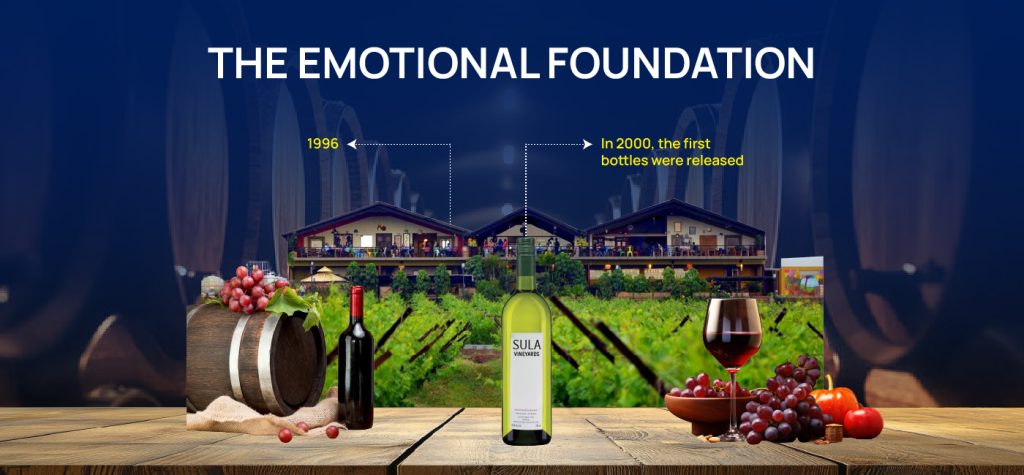
The journey began in 1996 when a young entrepreneur, inspired by global wine culture, returned to his family’s land in Nashik and saw the possibility of creating India’s first truly modern winery. Instead of traditional crops, he envisioned vineyards, varietals, and a new cultural experience for the Indian consumer.
Naming the brand after his mother brought a layer of emotional authenticity—Sula was not just a commercial venture; it was a personal legacy. In 2000, the first bottles were released, signalling the birth of a category India had barely explored.
From day one, Sula positioned itself as accessible, warm, and culturally relevant—bringing wine out of premium hotels and into everyday celebrations.
Key Growth Milestones: From Startup to Industry Leader
Sula’s expansion over the years reflects a clear long-term strategy:
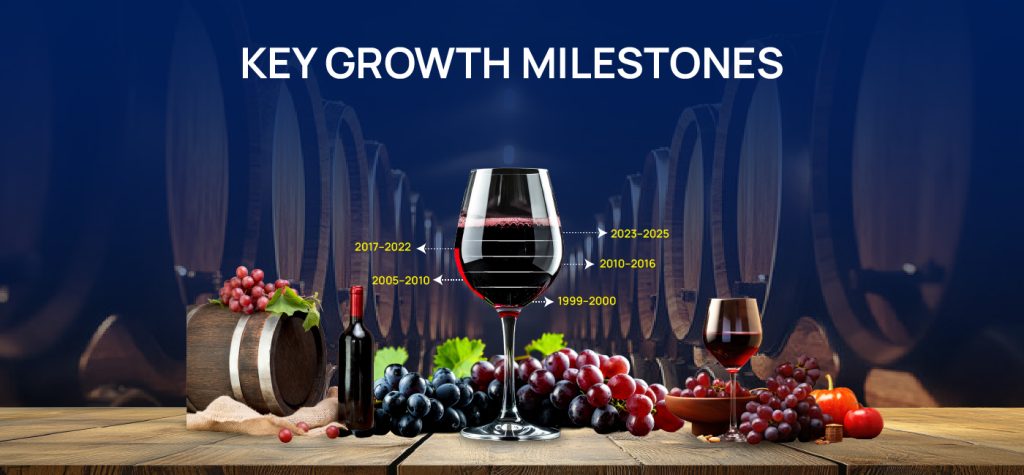
- 1999–2000: First winery launches in Nashik; Sauvignon Blanc and Chenin Blanc become early favourites.
- 2005–2010: Vineyard acreage expands rapidly, with partnerships across Maharashtra and Karnataka.
- 2010–2016: Sula becomes the country’s largest wine brand; launches wine tourism, wine festivals, and premium product lines.
- 2017–2022: Sula strengthens its premium portfolio, expands distribution to 25+ states and multiple international markets.
- 2023–2025: Crossing revenue of ₹600 crore+; premium and elite wines form the majority of sales; wine tourism emerges as a strong secondary business line.
Each milestone shows how Sula moved from being a pioneer to being the company that defined India’s wine landscape.
Marketing Strategy: Blending Emotion, Experience and Accessibility
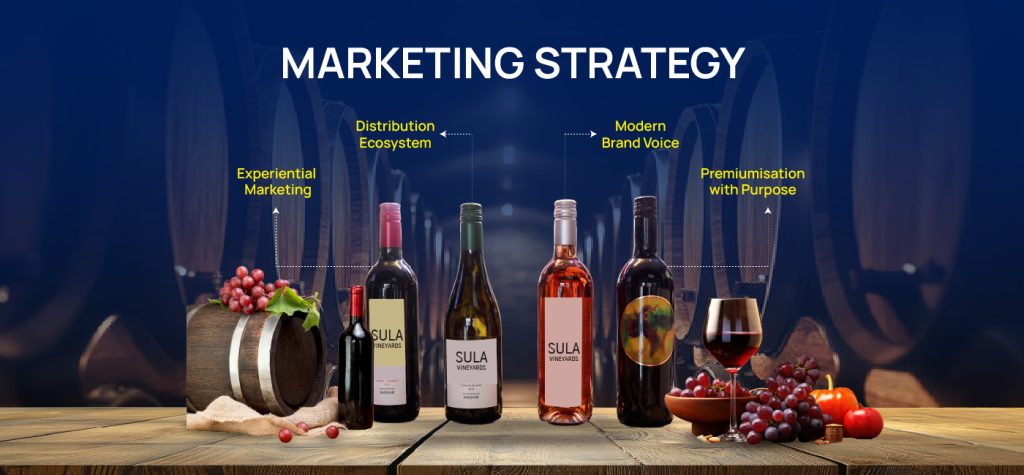
Sula did not simply sell wine—it sold a lifestyle. The brand built its relevance through:
a) Experiential Marketing
Sula introduced India to wine tourism. Visitors walked through grapevines, toured cellars, and tasted wines at their source. This created a deep emotional connection, turning consumers into brand advocates.
b) Premiumisation with Purpose
While the company offered entry-level wines, its core growth came from mid-premium and premium segments. This shift lifted margins and elevated brand perception.
c) Strong Distribution Ecosystem
Sula built presence in modern retail, restaurants, duty-free stores, state outlets and tier-2/3 urban markets—ensuring unmatched availability.
d) Youthful and Modern Brand Voice
From festivals to fashion collaborations, Sula positioned itself as young, vibrant and inclusive, making wine appealing to India’s evolving urban audience.
Challenges on the Path to Leadership
Sula’s rise came with unavoidable hurdles:
- Regulatory Complexity: Alcohol regulations vary across states, affecting pricing and logistics.
- Category Education: India’s wine category was small, requiring the brand to invest heavily in educating consumers.
- High Production Costs: Grapes, barrels and skilled labour increased cost pressures.
- Competition from Spirits and Beer: Wine consumption competes with far larger categories in India.
- Economic Cycles: Wine, being a discretionary product, is sensitive to shifts in household spending.
But Sula responded with innovation, diversification and a laser focus on premium wines—which offered price resilience and brand strength.
Financial Growth: A Clear Upward Trajectory
Sula’s financial performance over the last decade reflects a mature, disciplined FMCG-style operation:
- Revenue Scale: Crossed ₹600 crore+ annually.
- Year-on-Year Growth: Consistent mid-single to double-digit revenue expansion driven by premium wines and tourism.
- Strong Market Share: More than 50% of India’s domestic wine market.
- Premium Contribution: Premium and elite wines form the majority of revenue, strengthening margins.
- Tourism Revenue: Winery tours, tastings and resorts contribute significantly and are growing rapidly.
This blend of strong branding + diversified revenue has created long-term financial stability.
Cultural Impact: Turning Wine Into an Indian Lifestyle
Perhaps Sula’s greatest achievement is cultural relevance.
It normalised wine for Indian consumers bringing it from five-star exclusivity into homes, parties, cafés and gifting occasions. Its vineyard festival became a youth magnet; its tours became a bucket-list experience; and its labels became symbols of modern Indian taste.
Sula didn’t follow India’s wine culture.
It created it.
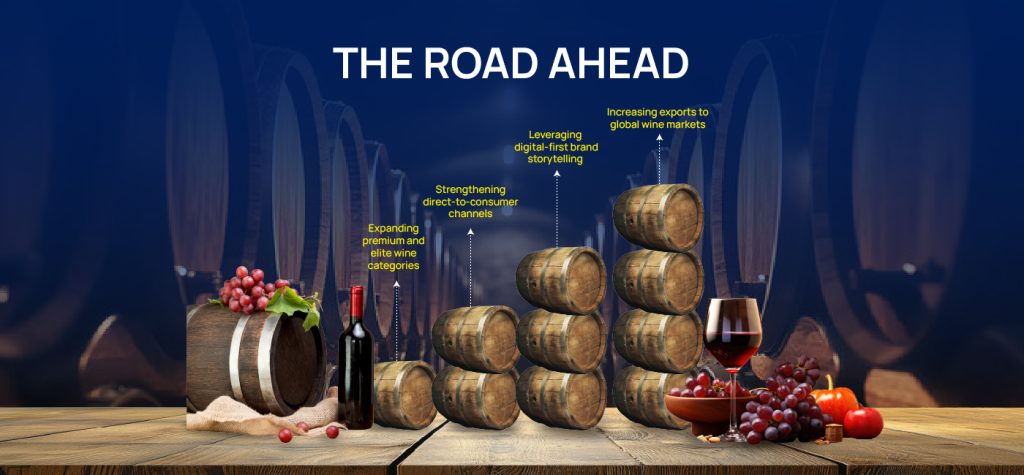
The Road Ahead: Scaling Legacy Into the Future
Looking forward, Sula’s strategy focuses on:
- Expanding premium and elite wine categories
- Growing wine tourism through resorts and curated experiences
- Increasing exports to global wine markets
- Emphasising sustainable winemaking and green energy
- Strengthening direct-to-consumer channels
- Leveraging digital-first brand storytelling
With growing urbanisation, rising disposable incomes and lifestyle shifts, Sula is positioned to capture the next wave of premium Indian consumption.
Conclusion
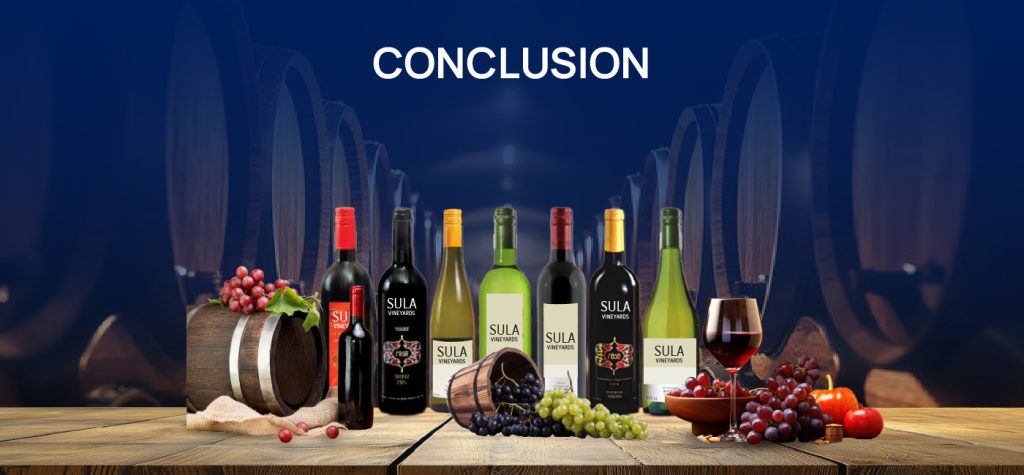
Sula Vineyards’ rise from a single vineyard in Nashik to India’s largest wine company is a masterclass in brand-building, consumer insight and long-term strategic execution. It turned a niche category into an experience, a lifestyle and a business worth hundreds of crores.
For business readers, the lessons are clear:
- Emotional storytelling builds trust.
- Premiumisation strengthens margins.
- Experiences create lifelong consumers.
- Early-mover advantage matters when backed by innovation.
- Category leadership is built on consistency, not shortcuts.
Sula isn’t just India’s biggest wine brand.
It is the brand that taught India how to enjoy wine.