
Leverage in stock market investing is a powerful concept that allows investors to take larger positions using borrowed funds. While leverage can increase profits, it can also magnify losses if markets move against you. That’s why understanding leverage thoroughly is essential before using it.
In this complete guide, we explain leverage in simple language, cover its benefits and risks, and help you decide whether leverage fits your investment strategy. If you’re learning basic financial terms, consulting a stock market advisor, or wondering can stocks make you rich, this guide will give you clarity.
What Is Leverage in the Stock Market?
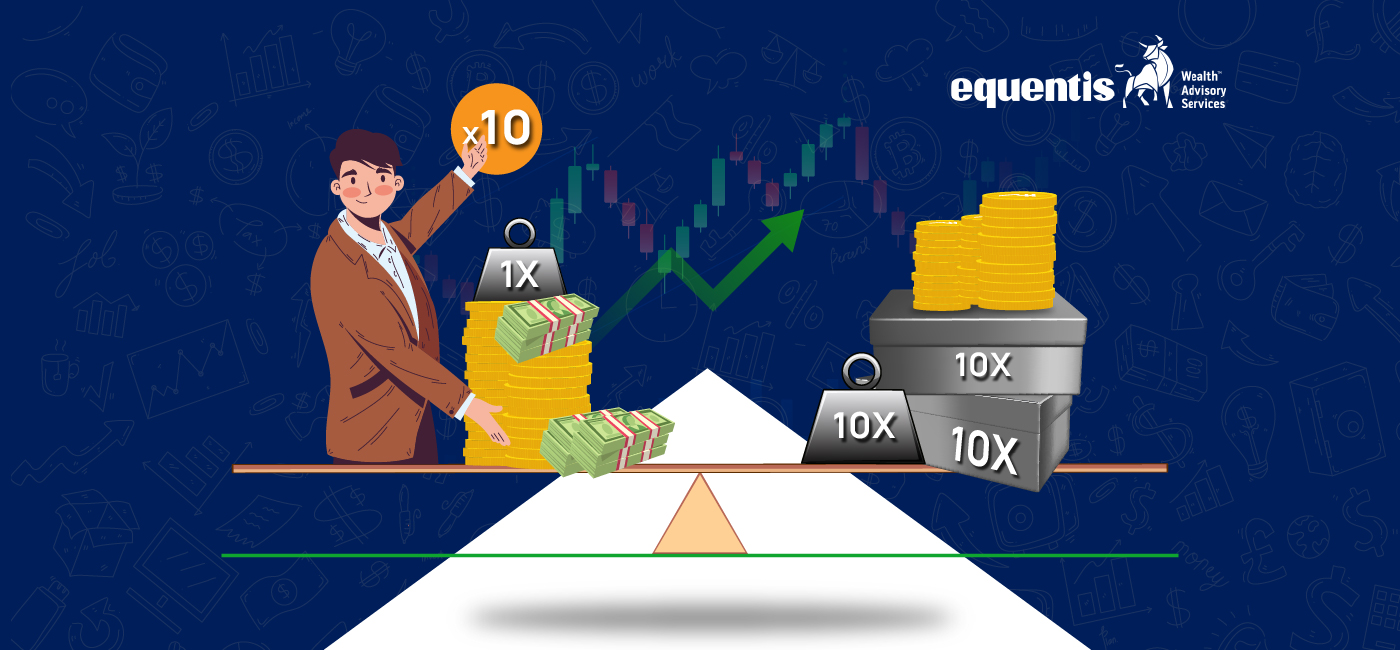
Leverage in the stock market refers to using borrowed money from a broker to invest more than your actual capital. Instead of investing only your own funds, leverage allows you to control a larger investment amount.
For example, if you invest ₹1 lakh and your broker provides leverage, you may be able to invest a much larger amount. Your profits and losses are calculated on the total investment value, not just your own capital.
How Leverage Works in Stock Market Investing
Leverage works through margin-based investing. You deposit a portion of the total investment as margin, and the broker funds the remaining amount. Interest is charged on the borrowed money, and the position must maintain minimum margin levels.
If stock prices rise, returns are amplified. If prices fall, losses increase rapidly, which can lead to margin calls or forced selling.
Common Ways Leverage Is Used in the Stock Market
Leverage is commonly used through margin trading, intraday trading, and derivatives like futures and options. Intraday trades often come with higher leverage since positions are closed the same day. Derivatives inherently involve leverage because they allow exposure to large values with relatively small capital.
Most experienced traders use leverage cautiously, while long-term investors usually avoid it.
Why Do Investors Use Leverage?
Investors use leverage to increase potential returns, optimize capital usage, and take advantage of short-term market opportunities. However, leverage requires discipline, market knowledge, and constant monitoring.
This is why many investors seek guidance from a professional stock market advisor before using leverage.
Benefits of Leverage in Stock Market
Leverage can significantly enhance returns if markets move in your favor. It allows you to participate in larger opportunities without deploying full capital. Leverage also offers flexibility for traders who want to capitalize on short-term price movements.
When used responsibly, leverage can improve capital efficiency.
Risks Involved in Using Leverage
Leverage increases losses just as much as it increases profits. Even small adverse movements can lead to large losses. Margin calls can force you to add funds or close positions at a loss. Emotional stress and interest costs further reduce profitability.
For beginners, leverage often does more harm than good.
Is Leverage Suitable for Long-Term Investors?
Leverage is generally not suitable for long-term investors. Long-term investing relies on compounding and stability, whereas leverage increases volatility. Before using leverage, investors should assess their portfolio using a portfolio review calculator to understand risk exposure.
Can Stocks Make You Rich Using Leverage?
Stocks can make you rich, but leverage is not the primary reason. Wealth creation in the stock market comes from long-term investing, quality stock selection, and disciplined investing. Leverage may accelerate gains temporarily, but it also increases the probability of large losses.
Most successful investors focus on consistency rather than aggressive leverage.
When Should You Avoid Leverage?
You should avoid leverage if you are new to the stock market, have low risk tolerance, cannot actively track your investments, or are investing for long-term financial goals. Leverage is also unsuitable if market volatility makes you uncomfortable.
Importance of a Stock Market Advisor in Leveraged Investing
A qualified stock market advisor can help you understand leverage risks, choose appropriate exposure levels, and align strategies with your financial goals. Professional advice is especially important when dealing with leveraged positions.
How to Manage Risk While Using Leverage
Risk management is crucial when using leverage. Investors should use strict stop-loss levels, limit exposure, avoid overtrading, and regularly review portfolios. Tools like a portfolio review calculator help in evaluating whether leverage is increasing overall portfolio risk.
Key Basic Financial Terms Related to Leverage
Before using leverage, investors must understand essential basic financial terms such as margin, exposure, volatility, risk-reward ratio, stop-loss, and margin call. These concepts form the foundation of responsible leveraged investing.
Final Thoughts on Leverage in Stock Market
Leverage in the stock market is a double-edged sword. While it can boost returns, it significantly increases risk. For most investors, especially beginners, focusing on long-term investing without leverage is a more sustainable path to wealth.
If you are unsure, consult a stock market advisor and review your portfolio carefully before using leverage.
Disclaimer Note: The securities quoted, if any, are for illustration only and are not recommendatory. This article is for education purposes only and shall not be considered as a recommendation or investment advice by Equentis – Research & Ranking. We will not be liable for any losses that may occur. Investments in the securities market are subject to market risks. Read all the related documents carefully before investing. Registration granted by SEBI, membership of BASL & certification from NISM in no way guarantee the performance of the intermediary or provide any assurance of returns to investors.
Frequently Asked Questions (FAQs)
1. What is leverage in stock market?
Leverage in stock market means using borrowed money to increase investment exposure.
2. Is leverage risky in stock market?
Yes, leverage amplifies both profits and losses, making it high risk.
3. Is leverage suitable for beginners?
No, beginners should avoid leverage until they gain experience.
4. How does margin trading relate to leverage?
Margin trading is the most common way leverage is used in stock market investing.
5. Can leverage cause total capital loss?
Yes, excessive leverage can wipe out your entire investment.
6. Is leverage allowed in India?
Yes, leverage is allowed under SEBI-regulated margin trading rules.
7. Do long-term investors use leverage?
Most long-term investors avoid leverage due to higher risk.
8. What is a margin call?
A margin call is a demand from the broker to add more funds when losses increase.
9. Does leverage increase returns?
Leverage increases return potential but also increases losses.
10. Is intraday leverage safe?
Intraday leverage is very risky and requires expertise.
11. Can stocks make you rich without leverage?
Yes, long-term investing and compounding can create wealth without leverage.
12. Do brokers charge interest on leverage?
Yes, interest is charged on borrowed funds.
13. Should I consult a stock market advisor before using leverage?
Yes, professional advice is strongly recommended.
14. How can I control leverage risk?
By limiting exposure, using stop-losses, and disciplined investing.
15. What role does a portfolio review calculator play?
It helps assess risk and suitability of leverage in your portfolio.
16. Are futures and options leveraged?
Yes, derivatives offer built-in leverage.
17. Is leverage suitable during volatile markets?
Leverage is riskier during high volatility.
18. What happens if markets move sharply against me?
You may face margin calls or forced liquidation.
19. Is leverage necessary to succeed in stock market?
No, many successful investors avoid leverage completely.
20. What is the safest way to invest in stocks?
Long-term investing with proper risk management is considered safer.

Parvati Rai is the Vice President of the Research team at Equentis. She has over 15 years of equity-research and strategy-consulting experience. A specialist in deep-dive valuations, financial modelling, and forecasting, she has built research desks from the ground up, by steering buy-side, sell-side, and independent coverage across sectors. When she isn’t fine-tuning models, Parvati unwinds on nature treks and mentors aspiring analysts.