The Spark: A Brand Born in Uncertainty
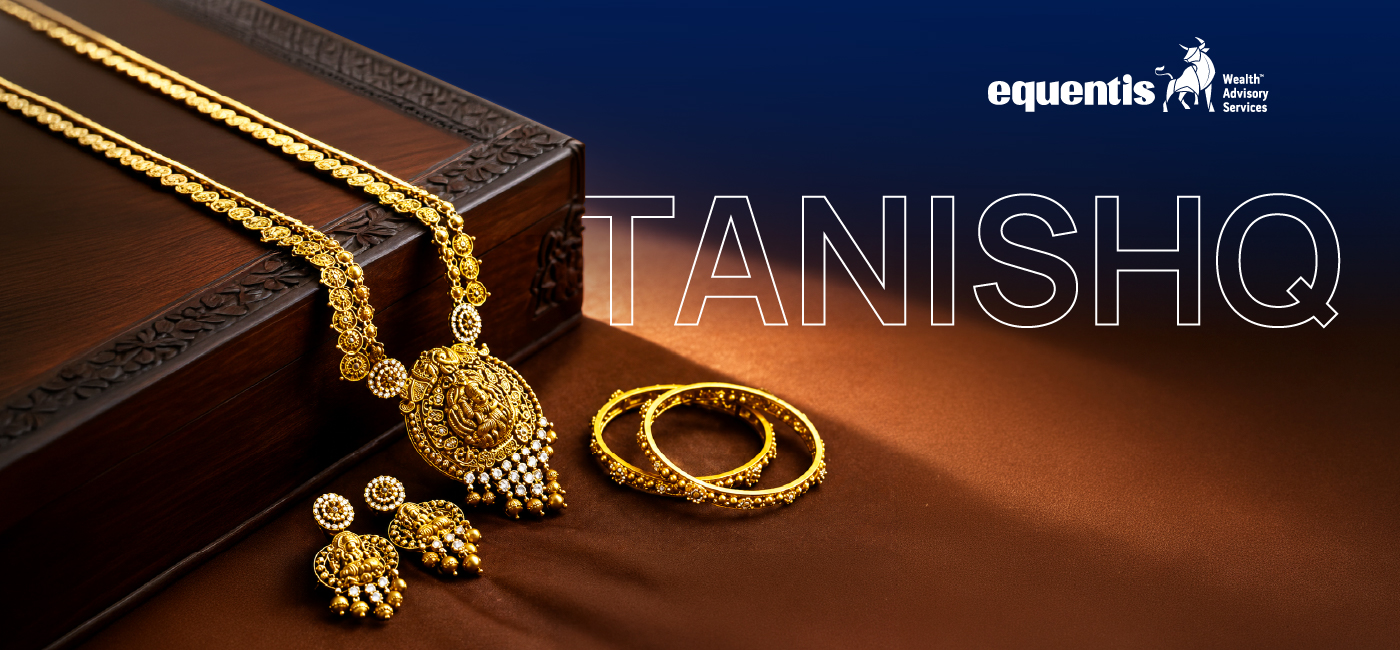
In 1994, Tanishq entered a market that was deeply rooted in tradition but lacked transparency. Backed by Titan Company, the brand was initially designed to target international markets, particularly in Europe and the United States. The idea was to position Indian craftsmanship globally and earn foreign exchange.
However, the early strategy failed to gain traction. The designs did not fully resonate with global tastes, and domestically, Indian consumers were hesitant to trust a corporate brand over their long-standing family jewellers. Tanishq faced heavy losses in its initial years, making its future uncertain.
But this phase of struggle laid the foundation for one of the most powerful pivots in Indian brand history.
The Pivot: Reinventing Trust in a Traditional Market
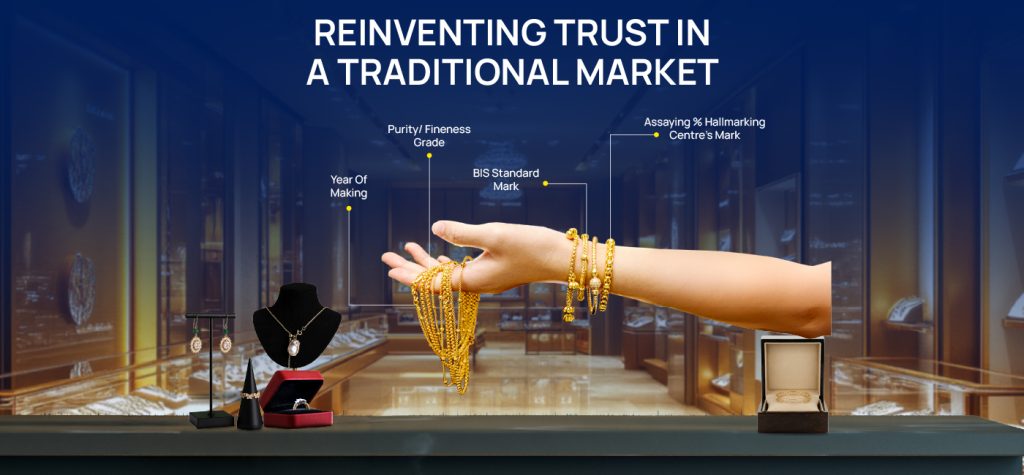
By the late 1990s, Tanishq made a bold decision. It shifted its focus from exports to Indian consumers. Instead of competing on price or following traditional norms, the brand chose to challenge the industry’s biggest weakness: lack of transparency.
The introduction of the Karatmeter became a defining moment. It allowed customers to check the purity of gold in real time, something unheard of in a market built on blind trust. This move did more than just differentiate the brand. It disrupted the status quo.
Jewellery in India is deeply emotional. It represents weddings, family heritage, and financial security. By ensuring purity and transparency, Tanishq connected with consumers on both rational and emotional levels. It did not just sell jewellery. It sold confidence.
This shift transformed Tanishq from a struggling exporter into a consumer-centric brand that stood for trust.
Building Scale: Retail Expansion and Strategic Segmentation
Once trust was established, the next challenge was scale. Tanishq began expanding its retail footprint across India, opening its first showroom in Chennai and gradually entering major cities and emerging markets.
Over time, the brand built a strong omnichannel presence with more than 400 stores across India and international markets like the UAE and the US. This aggressive expansion helped it become one of the most visible and accessible jewellery brands in the country.
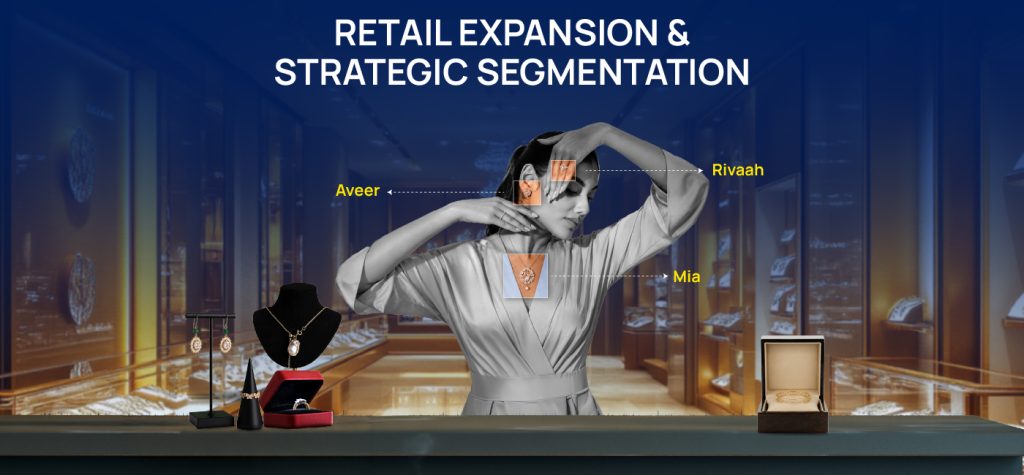
At the same time, Tanishq refined its strategy by launching sub-brands to target specific customer segments:
- Mia focused on modern, working women seeking lightweight and contemporary designs
- Rivaah catered to wedding jewellery, tapping into India’s largest consumption category
- Aveer addressed the growing demand for men’s jewellery
This segmentation allowed Tanishq to expand its reach without diluting its core brand identity. Each sub-brand spoke directly to a unique audience while maintaining the overarching promise of trust and quality.
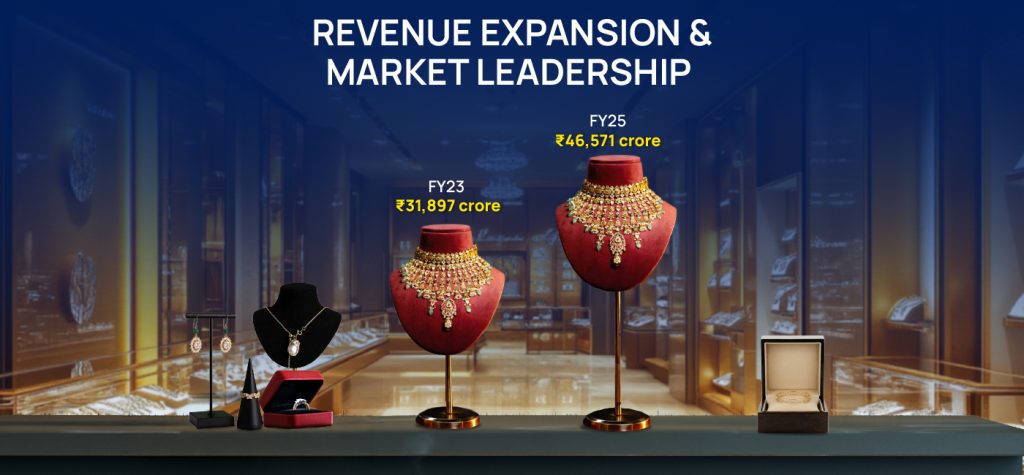
Growth Story: Revenue Expansion and Market Leadership
Tanishq’s transformation is best reflected in its financial performance. Today, it is the primary growth engine of Titan Company and a dominant force in India’s jewellery market.
- FY23 jewellery revenue stood at approximately ₹31,897 crore
- FY25 jewellery revenue crossed ₹46,571 crore
- Recent quarters have recorded growth rates of 40% or more year on year
Jewellery contributes nearly 85–90% of Titan’s total revenue, highlighting Tanishq’s critical role in the company’s success.
In terms of market position, Tanishq commands around 7–8% share of India’s overall jewellery market. More importantly, it holds close to 40% share in the organized segment, making it a clear leader in a largely fragmented industry.
This growth has been driven by multiple factors:
- Rising consumer preference for branded jewellery
- Premiumisation and higher ticket sizes
- Strong store expansion strategy
- Increasing trust in certified gold and transparent pricing
Tanishq did not just grow. It grew consistently, building both scale and credibility.
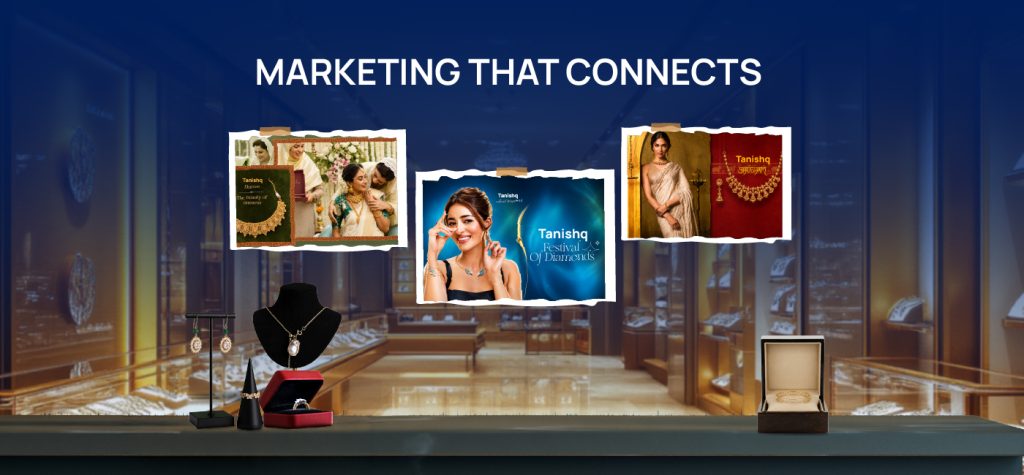
Marketing That Connects: Beyond Jewellery
One of Tanishq’s biggest strengths lies in its marketing approach. Instead of focusing purely on products, the brand chose to tell stories that reflect changing societal values.
Its campaigns have addressed themes like:
- Second marriages and new beginnings
- Interfaith relationships and inclusivity
- Empowerment of modern Indian women
These campaigns often sparked conversations and, at times, controversy. But they achieved something far more valuable: cultural relevance.
Tanishq became a brand that people could relate to, not just a store they visited. It aligned itself with the evolving mindset of Indian consumers, especially younger generations who value both tradition and modernity.
This emotional storytelling has been a key driver of long-term brand loyalty.
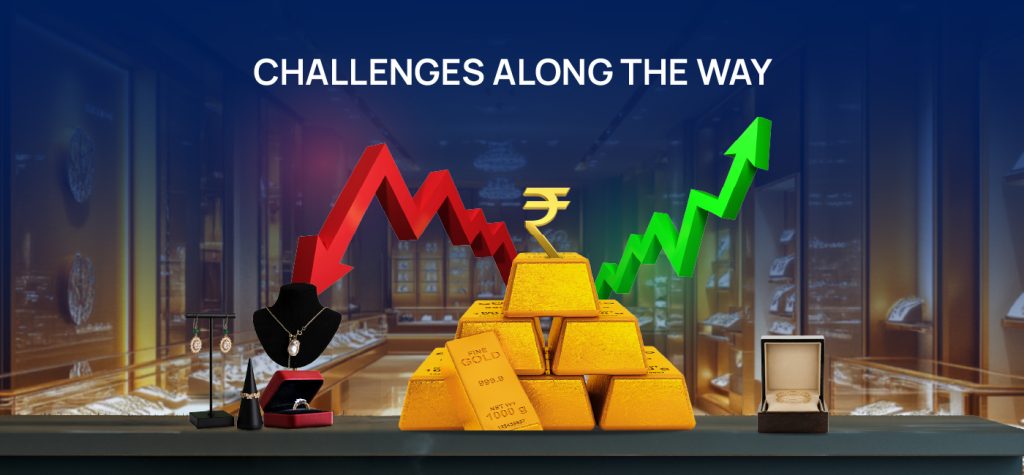
Challenges Along the Way
Despite its success, Tanishq’s journey has not been without obstacles.
One of the biggest challenges has been gold price volatility. Rising prices can impact demand, especially in price-sensitive segments. At the same time, consumer preferences have been shifting towards lighter, more affordable jewellery, which can affect margins.
Competition has also intensified. Local jewellers continue to hold strong relationships with customers, while new-age digital brands are entering the market with innovative business models.
Additionally, Tanishq has faced occasional backlash for its advertising campaigns. While these moments tested the brand’s resilience, they also reinforced its willingness to stand by its values.
To navigate these challenges, Tanishq has continuously evolved:
- Introducing exchange and upgrade programs
- Expanding digital and online channels
- Offering a mix of traditional and contemporary designs
Adaptability has remained a core strength.
The Present: A Symbol of Trust and Transformation
Today, Tanishq is more than just a jewellery brand. It is a benchmark for quality, transparency, and design in India.
It has played a significant role in transforming the jewellery industry by:
- Bringing standardization and certification into mainstream buying
- Encouraging consumers to demand purity and transparency
- Creating a branded retail experience in a traditionally unorganized sector
With Titan Company’s overall revenue crossing ₹57,000 crore, Tanishq continues to be its most important business pillar.
The brand has also expanded globally, targeting the Indian diaspora and introducing its trusted model to international markets.
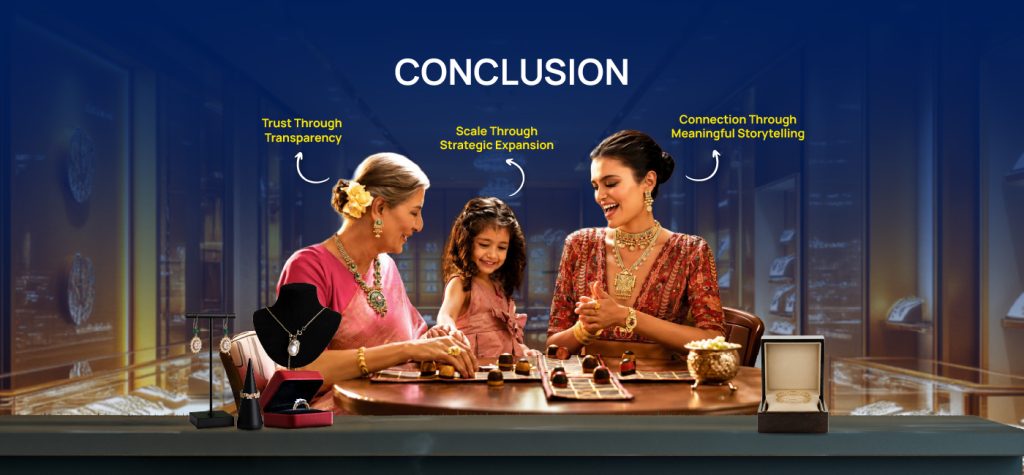
Conclusion: A Legacy Built on Reinvention and Trust
The story of Tanishq is not just about growth. It is about reinvention.
From a struggling export-focused business to a ₹46,000+ crore powerhouse, the brand’s journey highlights the importance of understanding consumers and adapting to their needs.
Three key pillars define its success:
- Trust through transparency
- Scale through strategic expansion
- Connection through meaningful storytelling
For business leaders and marketers, Tanishq offers a powerful lesson. Success does not come from following the market. It comes from reshaping it.
By challenging norms, building trust, and staying culturally relevant, Tanishq has not only built a leading brand but also redefined how India buys jewellery.
And that is what makes its journey truly iconic.

Parvati Rai is the Vice President of the Research team at Equentis. She has over 15 years of equity-research and strategy-consulting experience. A specialist in deep-dive valuations, financial modelling, and forecasting, she has built research desks from the ground up, by steering buy-side, sell-side, and independent coverage across sectors. When she isn’t fine-tuning models, Parvati unwinds on nature treks and mentors aspiring analysts.