
Navigating the financial markets requires a deep understanding of the various tools available to manage risk and execute trades with precision. One of the most critical instruments for any participant is the stop limit order. This advanced order type allows you to have more control over the price at which your trade is executed, bridging the gap between automated response and price sensitivity. Whether you are exploring the nuances of investing vs trading, knowing how to use this order can be the difference between a calculated exit and an unexpected loss.
Understanding the Stop Limit Order
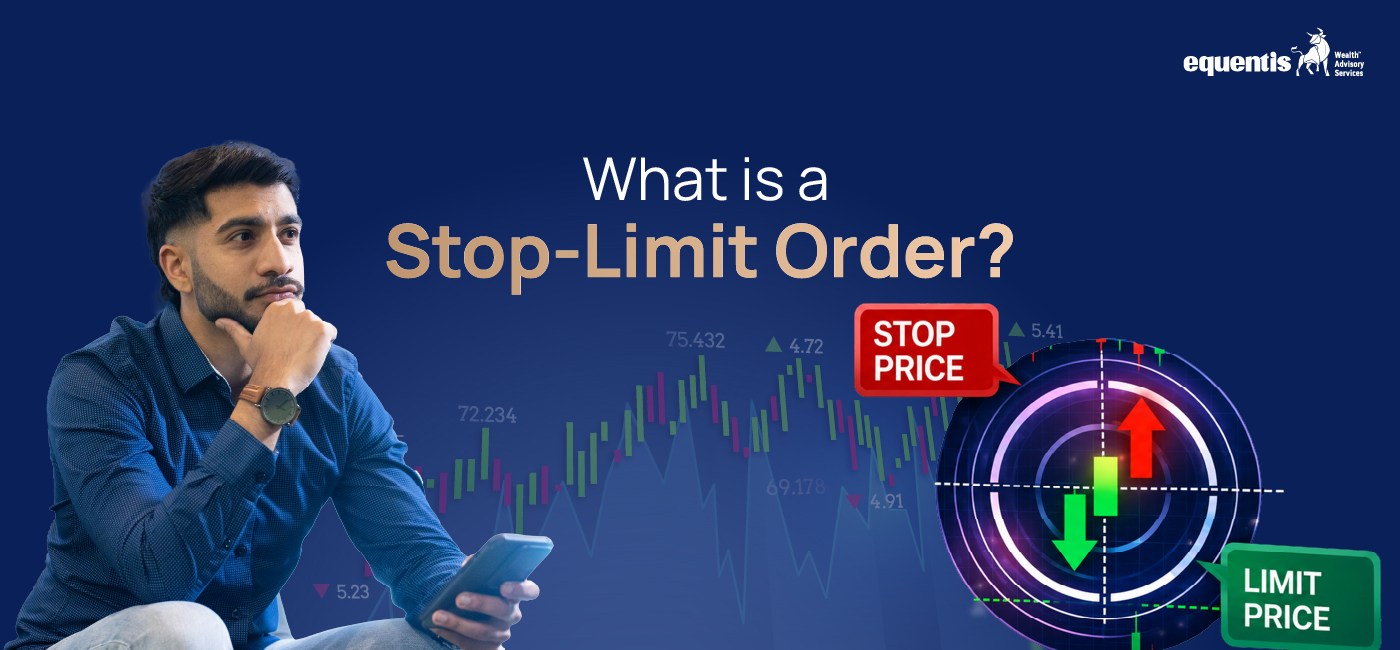
A stop limit order is a conditional trade that combines the features of a stop order with those of a limit order. To understand it, one must first look at its two distinct price triggers: the stop price and the limit price. Once the market reaches the stop price, the order is no longer hidden; it becomes a live limit order. This means the trade will only be executed at the limit price or better.
In the context of a stock market advisory service, professionals often recommend this order type to clients who want to protect their portfolios without being vulnerable to sudden market gaps. Unlike a standard stop-loss order, which converts to a market order and fills at any available price, the stop limit order ensures you do not sell for less than you intended or buy for more than your budget allows.
The Two Pillars: Stop Price and Limit Price
The functionality of a stop limit order rests on two specific price points. The stop price acts as the activation trigger. When the stock price hits this level, the order is triggered. However, the trade does not necessarily happen immediately.
The limit price is the second boundary. It sets the maximum price you are willing to pay if you are buying, or the minimum price you are willing to accept if you are selling. By setting these two points, you create a window of execution. If the market moves too quickly and jumps past your limit price, the order will remain unfilled, protecting you from a bad fill but potentially leaving you in the position.
How the Order Operates in Real Time
To visualize how this works, imagine you own shares of a technology company currently trading at one hundred dollars. You want to protect your gains but are worried about a sudden dip. You might place a stop limit order with a stop price of ninety five dollars and a limit price of ninety four dollars.
If the stock price declines to ninety five dollars, your order is activated. It is now a limit order to sell at ninety four dollars or higher. If the price continues to slide but stays above ninety four dollars, your shares are sold. However, if the stock suddenly gaps down to ninety dollars due to bad news, your order will not execute because ninety dollars is below your ninety four dollar limit. This level of control is a hallmark of sophisticated market participation.
Strategic Differences in Investing vs Trading
The application of a stop limit order varies significantly depending on your methodology. In the debate of investing vs trading, the time horizon and risk tolerance dictate how these boundaries are set.
Traders often use stop limit orders to enter a position during a breakout. They might set a stop price just above a resistance level, ensuring they only enter the trade when momentum is confirmed, while the limit price prevents them from overpaying if the stock spikes too quickly.
Investors, on the other hand, might use these orders to manage long term holdings. A stock market advisory firm might suggest using them to lock in profits on a stock that has reached its valuation target, ensuring the liquidation happens only within an acceptable price range.
Advantages of Using Stop Limit Orders
The primary benefit of a stop limit order is the precision it offers. It eliminates the risk of a bad fill that often accompanies market orders in volatile conditions. You have the peace of mind knowing that your trade will only happen at a price you have pre approved.
Another advantage is the automation. You do not need to sit in front of a screen all day watching every tick. Once the parameters are set, the brokerage system monitors the price for you. This is particularly useful for those who balance market participation with a full time career.
Risks and Limitations to Consider
While the control offered is significant, the stop limit order is not without risks. The biggest drawback is the possibility that the order never executes. In a fast moving market or a significant gap, the price might move past your limit before the order can be filled.
In such cases, you might be left holding a falling stock that you intended to sell. This is why many experts in stock market advisory suggest a careful gap between the stop and limit prices to increase the likelihood of execution while still maintaining a safety net.
Conclusion on Market Execution
The stop limit order is a sophisticated tool that empowers individuals to trade with the discipline of a professional. By understanding the interplay between the trigger and the limit, you can navigate the complexities of the market with greater confidence. Whether you are focusing on long-term growth or short-term gains, mastering these order types is a fundamental step in your financial journey.
Frequently Asked Questions
What is the main purpose of a stop limit order?
The primary purpose is to provide traders with control over the execution price of a trade after a specific trigger price has been reached.
How does a stop price differ from a limit price?
The stop price is the trigger that activates the order, while the limit price is the specific price or better at which the trade must be executed.
Can a stop limit order fail to execute?
Yes, if the market price moves past the limit price too quickly, the order may remain unfilled.
Is a stop limit order better than a stop loss order?
It depends on your goal. A stop loss guarantees execution at the next available price, while a stop limit guarantees the price but not the execution.
When should I use a buy stop limit order?
This is typically used to buy a stock when it breaks above a certain resistance level while ensuring you do not pay too much.
When is a sell stop limit order most effective?
It is most effective when you want to sell a stock if it falls to a certain level but want to avoid selling at a deeply discounted price during a flash crash.
Does a stop limit order protect against market gaps?
It protects you from being filled at an unfavorable price during a gap, but it does not guarantee that you will exit the position.
What happens if the stop price is reached but the limit price is not?
The order becomes a live limit order and stays active until the limit price is reached or the order expires.
Are stop limit orders useful for volatile stocks?
They can help manage entry and exit prices, but the risk of non execution is higher in highly volatile markets.
Do I need to monitor the market after placing a stop limit order?
No, the order is automated, although it is wise to check whether it was filled if the market moves significantly.
What is the difference between investing and trading when using these orders?
Traders use them for precise entries and exits based on technical analysis, while investors use them more for long term risk management and profit booking.
Can I cancel a stop limit order after it is placed?
Yes, you can cancel or modify the order as long as it has not been fully executed.
Is there an expiration for these orders?
You can usually set them as day orders or good till cancelled (GTC) orders depending on your brokerage platform.
Does a stock market advisory usually recommend stop limit orders?
Many advisory services recommend them for strategies where price precision is more important than immediate execution.
What is a gap in the stock market?
A gap occurs when a stock opens at a price significantly higher or lower than its previous closing price with no trading in between.
Can I use stop limit orders for penny stocks?
Yes, but low liquidity in penny stocks increases the risk of non execution.
Is a stop limit order a type of advanced order?
Yes, it is considered more advanced than a basic market or limit order because it involves multiple conditions.
How wide should the gap be between the stop and limit price?
This depends on the volatility of the stock. A wider gap increases the chance of execution.
Are there extra fees for using stop limit orders?
Most brokerages charge the same commission as standard orders, though it is best to confirm with your broker.
Can I use stop limit orders for after hours trading?
Most stop limit orders are active only during regular market hours, although some brokers provide extended hours functionality.
Disclaimer Note: The securities quoted, if any, are for illustration only and are not recommendatory. This article is for education purposes only and shall not be considered as a recommendation or investment advice by Equentis. We will not be liable for any losses that may occur. Investments in the securities market are subject to market risks. Read all the related documents carefully before investing. Registration granted by SEBI, membership of BASL & certification from NISM in no way guarantee the performance of the intermediary or provide any assurance of returns to investors.

Parvati Rai is the Vice President of the Research team at Equentis. She has over 15 years of equity-research and strategy-consulting experience. A specialist in deep-dive valuations, financial modelling, and forecasting, she has built research desks from the ground up, by steering buy-side, sell-side, and independent coverage across sectors. When she isn’t fine-tuning models, Parvati unwinds on nature treks and mentors aspiring analysts.