Introduction
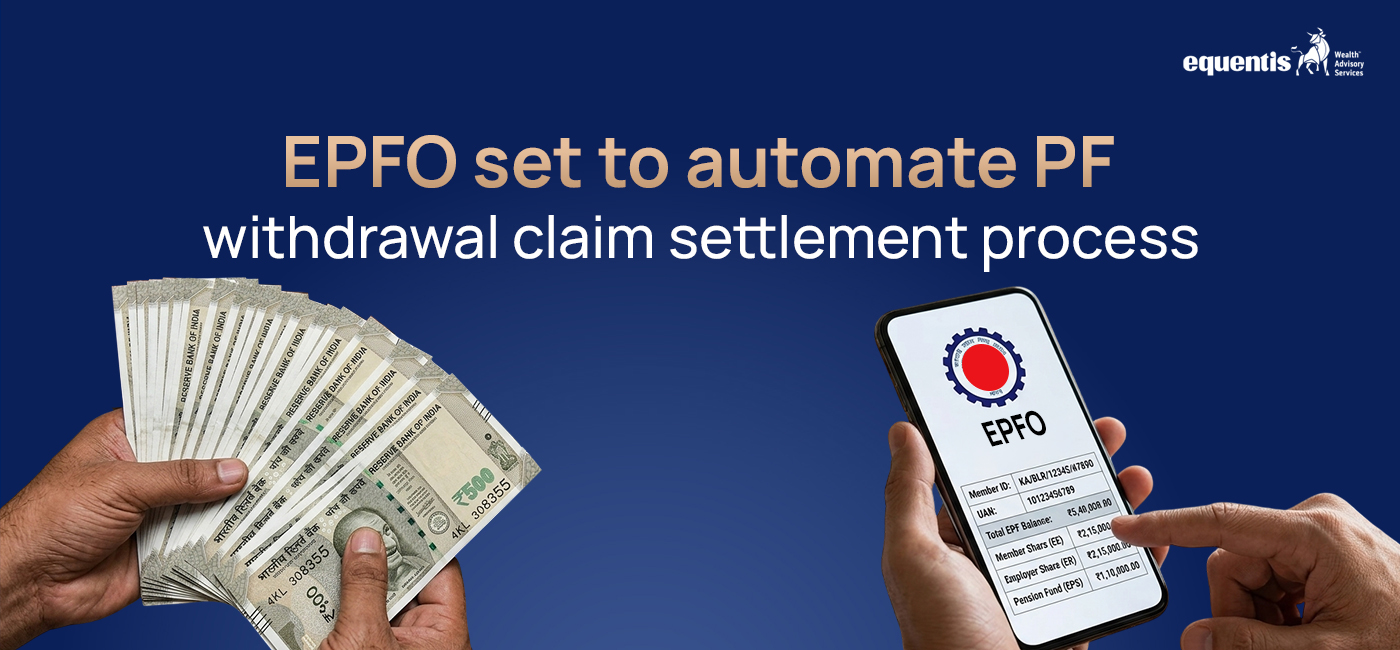
The Employees’ Provident Fund Organisation (EPFO) is preparing to automate the Provident Fund withdrawal claim settlement process, a move that could significantly reduce processing time and improve efficiency for millions of salaried employees across India. The initiative is part of the government’s broader push toward digital governance and streamlined public service delivery. Automation in PF claim settlements is expected to reduce paperwork, improve transparency, and minimize delays that employees often face during withdrawal requests.
The development is especially important because EPFO manages retirement savings for a massive workforce base in India. Faster and more efficient withdrawal processing could improve user experience while strengthening trust in India’s social security infrastructure.
Understanding EPFO and PF Withdrawals
EPFO is one of the world’s largest social security organizations and manages provident fund accounts for salaried employees working in the organized sector.
Employees and employers both contribute toward PF accounts, which serve as long term retirement savings instruments.
PF withdrawals are allowed under various conditions including:
- Retirement
- Job changes
- Medical emergencies
- Home purchase
- Education needs
- Marriage related expenses
Traditionally, claim processing involved multiple verification stages, documentation requirements, and manual approvals.
Why Automation Matters
Automation can significantly improve service delivery within large public systems.
Faster Processing
Digital verification can reduce claim settlement timelines.
Reduced Human Error
Automation minimizes manual processing mistakes and inconsistencies.
Improved Transparency
Applicants may receive better visibility into claim status and timelines.
Lower Administrative Burden
Digital workflows can improve operational efficiency for EPFO offices.
Better User Experience
Employees increasingly expect faster and digitally integrated financial services.
India’s Push Toward Digital Governance
The automation initiative aligns with India’s broader digital transformation efforts across:
- Banking
- Taxation
- Welfare systems
- Public services
- Financial infrastructure
Government agencies are increasingly adopting technology driven systems to improve efficiency and reduce procedural delays.
The success of platforms such as:
- UPI
- Aadhaar integration
- DigiLocker
- GST systems
has accelerated confidence in digital public infrastructure.
Challenges Faced in PF Claim Processing
Employees have historically faced issues such as:
- Documentation mismatches
- Delayed approvals
- KYC inconsistencies
- Employer verification delays
- Technical processing errors
Automation could help reduce several of these friction points.
Impact on Employees
Faster Access to Funds
Employees may receive funds quicker during emergencies or transitions.
Improved Financial Planning
Predictable settlement timelines help individuals plan finances more effectively.
Reduced Dependency on Physical Processes
Digital workflows reduce paperwork and branch visits.
Impact on Employers
Employers may also benefit through:
- Reduced administrative workload
- Faster verification systems
- Better employee satisfaction
Risks and Concerns
Technology Dependence
System failures or technical glitches may disrupt operations.
Data Accuracy Issues
Incorrect KYC or Aadhaar linkage can still delay claims.
Cybersecurity Risks
Large scale digital systems require strong cybersecurity infrastructure.
Future Outlook
EPFO’s automation plans reflect a larger transformation in India’s public financial infrastructure. Analysts believe digital claim processing could improve efficiency significantly over the coming years.
Future developments may include:
- AI based verification
- Real time claim tracking
- Integrated employee portals
- Faster grievance resolution
Conclusion
EPFO’s move toward automated PF withdrawal claim settlements could improve convenience, transparency, and operational efficiency for millions of Indian employees. As India continues building digital public infrastructure, automation within retirement and social security systems may become increasingly important for improving citizen services and financial accessibility.
FAQs
1. What is EPFO?
EPFO manages provident fund accounts for salaried employees in India.
2. What does PF withdrawal automation mean?
It means claims may be processed digitally with minimal manual intervention.
3. How can automation help employees?
It can reduce delays and improve transparency in claim settlements.
4. Will PF claims become faster?
The goal is to reduce settlement timelines significantly.
5. What are common reasons for PF withdrawal?
Retirement, emergencies, education, housing, and job transitions.
6. Can technical issues still delay claims?
Yes, incorrect KYC or technical glitches may still create delays.
7. Is EPFO fully digital now?
EPFO has already digitized many services and continues expanding automation.
8. Why is digital governance important?
It improves efficiency, transparency, and accessibility for citizens.
9. Could cybersecurity become a concern?
Large digital systems require strong cybersecurity measures.
10. What should employees ensure for smoother claims?
Employees should keep KYC details updated and linked correctly.
Disclaimer Note: The securities quoted, if any, are for illustration only and are not recommendatory. This article is for education purposes only and shall not be considered as a recommendation or investment advice by Equentis. We will not be liable for any losses that may occur. Investments in the securities market are subject to market risks. Read all the related documents carefully before investing. Registration granted by SEBI, membership of BASL & certification from NISM in no way guarantee the performance of the intermediary or provide any assurance of returns to investors.

Parvati Rai is the Vice President of the Research team at Equentis. She has over 15 years of equity-research and strategy-consulting experience. A specialist in deep-dive valuations, financial modelling, and forecasting, she has built research desks from the ground up, by steering buy-side, sell-side, and independent coverage across sectors. When she isn’t fine-tuning models, Parvati unwinds on nature treks and mentors aspiring analysts.