
Understanding the Mechanics of Bid Ask Spread in Modern Trading
Entering the financial markets for the first time often feels like learning a new language. You encounter a variety of numbers, ticker symbols, and flashing green and red indicators. Among the most fundamental yet frequently misunderstood concepts is the bid ask spread. This metric is more than just a difference in price; it serves as a vital pulse check on the health, liquidity, and efficiency of the market for any given security. Whether you are trading high growth stocks or diversifying into mid cap stocks, the spread directly affects the execution price of your trades and, consequently, your overall profitability.
To navigate these waters successfully, investors often seek the guidance of a stock market advisor to understand how these price gaps impact long term portfolio performance. This guide provides a comprehensive look into what constitutes a bid ask spread, how it functions, and why it remains a critical factor for every participant in the stock market.
Defining the Core Components of Market Pricing
At any given moment, a stock does not have just one single price. Instead, it has a range defined by the competing interests of buyers and sellers. This range is anchored by two specific figures: the bid and the ask.
The Role of the Bid Price
The bid price represents the maximum amount a buyer is willing to spend to acquire a specific security or asset. From the perspective of an investor looking to sell, the bid price is the most immediate price at which they can exit their position. If multiple buyers are interested in the same stock, the highest among their offers becomes the prevailing bid price. This figure is inherently linked to the buyer’s perspective and serves as a primary indicator of demand for the asset.
The Role of the Ask Price
Conversely, the ask price, also frequently called the offer price, is the minimum price a seller is willing to accept for their shares. From the perspective of someone looking to buy, this is the price they must pay to acquire the security instantly. The ask price represents the starting point for negotiations from the seller’s side. Because sellers want to maximize their gain and buyers want to minimize their cost, the ask price is almost always higher than the bid price.
What Is a Bid Ask Spread?
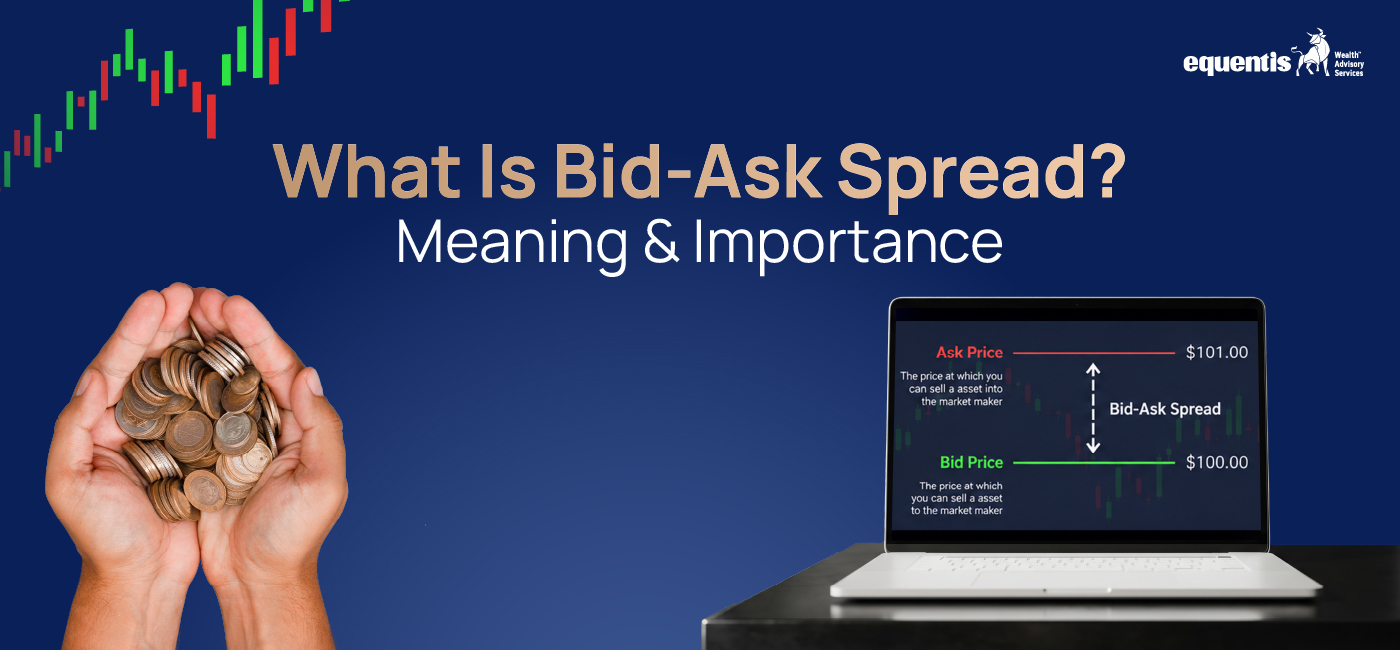
The bid ask spread is defined as the numerical difference between the highest price a buyer is willing to pay and the lowest price a seller is willing to accept. It acts as a measurement of the supply and demand for a particular security. In a perfectly efficient market with infinite participants, this gap would be nearly invisible. However, in the real world, this spread exists as a transaction cost and a reflection of market risk.
The calculation is straightforward: you subtract the bid price from the ask price. For example, if a company has an ask price of 202 and a bid price of 198, the spread is 4. While this might seem like a small amount, it represents a percentage of the total trade value that the investor loses immediately upon execution if they buy at the ask and sell at the bid without any price movement in between.
The Relationship Between Spread and Market Liquidity
One of the most important lessons a stock market advisor will teach is the inverse relationship between the bid ask spread and liquidity. Liquidity refers to the ease with which an asset can be converted into cash without affecting its market price.
A narrow or thin bid ask spread indicates a highly liquid market. This usually occurs in large cap stocks where there are millions of shares traded daily and thousands of active participants. In such environments, competition is fierce, and the gap between buyers and sellers naturally shrinks as they move closer to a consensus price.
On the other hand, a broad or wide bid ask spread signifies a less liquid market. This is common in small cap stocks or specialized assets where trading volume is low. When there are fewer participants, sellers can demand much higher prices while buyers offer much lower ones, leading to a wider gap. Investors dealing with wide spreads face the challenge of higher transaction costs and the risk that they may not be able to exit a position quickly at a fair price.
Factors That Cause a Bid Ask Spread to Increase
Market dynamics are never static, and several factors can cause the spread to widen unexpectedly. Understanding these triggers can help traders avoid entering or exiting positions at unfavorable times.
Market Volatility and Uncertainty
Volatility is perhaps the most significant driver of wider spreads. When the market experiences rapid price fluctuations, the risk for market makers and dealers increases significantly. To protect themselves from the danger of buying a stock that is crashing or selling one that is skyrocketing, these participants adjust their prices, leading to a broader bid ask spread. High volatility often leads to increased price uncertainty, making it difficult for buyers and sellers to agree on a stable valuation.
Low Trading Volume
The number of shares traded in a day, known as trading volume, directly impacts the spread. Low trading volume means there are fewer participants for any given transaction. With fewer buyers and sellers competing, the urgency to narrow the price gap disappears. In stocks with very low volume, an investor might find that the bid price is significantly lower than the last traded price, creating a hurdle for profitability.
Higher Transaction and Information Costs
Transaction costs are another reason behind wider spreads. Brokers and market dealers often use the bid ask spread as a way to compensate for the costs of facilitating trades and managing the inventory of stocks. Furthermore, if there is a significant amount of asymmetric information, meaning some participants know more about a company’s future than others, market makers may widen the spread to protect themselves against the risk of trading with someone who has an information advantage.
Why the Bid Ask Spread Matters to Your Portfolio
The importance of the bid ask spread cannot be overstated for long term wealth creation. While many investors focus solely on the commission fees charged by their brokers, the spread is a hidden cost that can be much more impactful.
For a trader who frequently moves in and out of positions, paying a wide spread on every trade significantly erodes the total return. Even for a long term investor, entering a position with a wide spread means starting the investment in the red. The asset must appreciate by more than the spread just for the investor to break even. This is why many professional strategies prioritize assets with high liquidity and narrow spreads.
Using the bid ask spread as an indicator allows you to gauge market depth. It provides a window into how easily you can enter or exit a position during different market sessions, such as the pre open market session, where spreads might be wider due to lower initial participation.
Strategies for Managing Bid Ask Spreads
Savvy investors use various techniques to mitigate the impact of the spread. One common method is the use of limit orders instead of market orders. A market order executes immediately at the best available current price, which means buying at the ask or selling at the bid. A limit order allows you to specify the maximum price you are willing to pay or the minimum you are willing to accept. By setting a limit price between the current bid and ask, you can potentially reduce your transaction costs, though there is no guarantee the order will be filled.
Consulting with a stock market advisor can also provide insights into which times of day offer the most favorable spreads. Typically, the middle of the trading day sees more stability and narrower spreads compared to the volatile opening and closing bells.
Summary of Key Market Mechanics
The bid ask spread is the silent engine of the stock market. It represents the difference between the buyer’s maximum bid price and the seller’s minimum ask price. It serves as a fundamental measure of liquidity, where a lower ratio implies a highly liquid market and a broader spread indicates low supply and demand. By monitoring this metric, investors can better understand the true cost of their trades and the underlying demand for the assets they hold in their portfolios.
While it is a helpful factor, it should be considered alongside other research. Successful investing requires a holistic view that combines technical indicators like the spread with fundamental analysis of high return stocks and general market trends.
Frequently Asked Questions
What is the definition of a bid ask spread?
The bid ask spread is the difference between the highest price a buyer is willing to pay for a security (the bid price) and the lowest price a seller is willing to accept (the ask price).
How do you calculate the bid ask spread for a stock?
The bid ask spread is calculated by subtracting the current bid price from the current ask price.
Formula:
Bid Ask Spread = Ask Price − Bid Price
Why is the bid price always lower than the ask price?
The bid price is usually lower because buyers aim to purchase a security at the lowest possible price, while sellers seek to sell it at the highest possible price. The difference between these two prices creates the bid ask spread.
What does a narrow bid ask spread tell an investor?
A narrow bid ask spread generally indicates that the stock is highly liquid, actively traded, and has strong participation from buyers and sellers. It usually allows investors to trade with lower transaction costs.
What are the primary causes of a high bid ask spread?
A wider bid ask spread is commonly caused by low trading volume, limited market liquidity, high price volatility, or uncertainty surrounding the security. Market makers may also widen spreads during periods of increased risk.
How does the bid ask spread affect my investment profit?
The bid ask spread represents an indirect transaction cost. When you buy at the ask price and sell at the bid price, the stock must move enough to cover the spread before you start earning a profit.
Is the bid ask spread higher in small cap stocks?
Generally, yes. Small cap stocks often have lower trading volumes and fewer market participants, resulting in lower liquidity and wider bid ask spreads than large cap stocks.
Can I avoid paying the bid ask spread?
No, you cannot eliminate the bid ask spread entirely. However, you can reduce its impact by using limit orders instead of market orders and by trading during periods of high market liquidity.
What happens to the spread during a pre open market session?
During the pre open session, bid ask spreads may be wider because there are fewer active buy and sell orders. Once regular trading begins and liquidity improves, spreads often narrow.
Does a stock market advisor help with understanding spreads?
Yes. A SEBI registered investment adviser can help you understand how bid ask spreads affect trading costs, identify more liquid securities, and develop investment strategies that take transaction costs into account.
Disclaimer Note: The securities quoted, if any, are for illustration only and are not recommendatory. This article is for education purposes only and shall not be considered as a recommendation or investment advice by Equentis. We will not be liable for any losses that may occur. Investments in the securities market are subject to market risks. Read all the related documents carefully before investing. Registration granted by SEBI, membership of BASL & certification from NISM in no way guarantee the performance of the intermediary or provide any assurance of returns to investors.

Jaspreet Singh Arora is the Chief Investment Officer at Equentis, where he heads a seasoned team of equity analysts and turns two decades of market experience into portfolios that consistently beat the benchmark. A go-to voice on cement, building-materials, real-estate, and construction stocks, Jaspreet previously ran research desks at leading brokerages, honing an eye for the metrics that truly move share prices. His plain-spoken analysis helps investors cut through noise and act with conviction. When he’s not deep-diving into earnings calls, you’ll find him unwinding over sports, weekend cricket or a good history podcast.