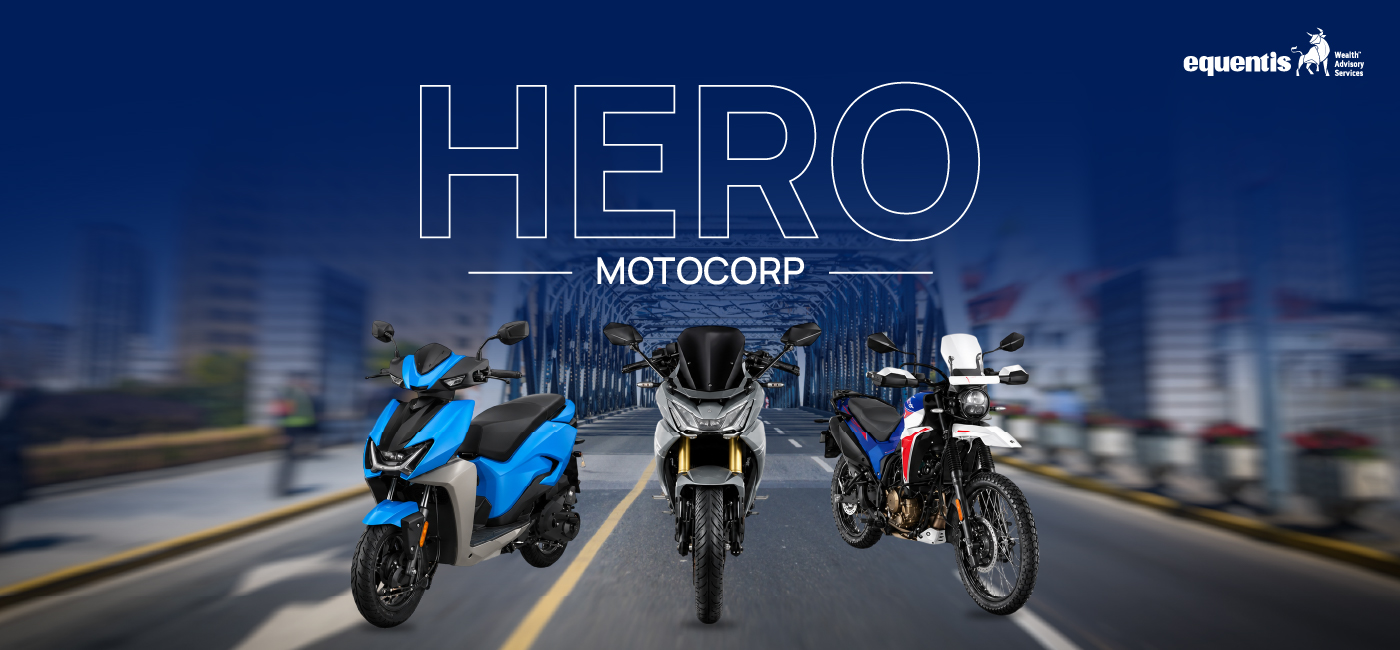

Every successful brand begins with a simple purpose. For Hero MotoCorp, that purpose was to make personal mobility affordable, reliable, and accessible to millions of Indians. What started as a joint venture in 1984 has grown into one of the world’s largest two-wheeler manufacturers, serving more than 125 million customers across over 50 countries. Today, Hero MotoCorp is not just a motorcycle company; it is a brand deeply woven into India’s economic and social progress. Its journey is a powerful example of how customer trust, continuous innovation, and strategic leadership can create a lasting business legacy.
1. 1984: The Beginning of a Vision
Hero MotoCorp was incorporated as Hero Honda Motors Ltd. on January 19, 1984, as a joint venture between the Hero Group and Honda Motor Co., Japan. At a time when India was witnessing rising demand for affordable transportation, the partnership combined Hero’s understanding of the Indian market with Honda’s engineering expertise. This laid the foundation for a company focused on dependable and fuel-efficient mobility.
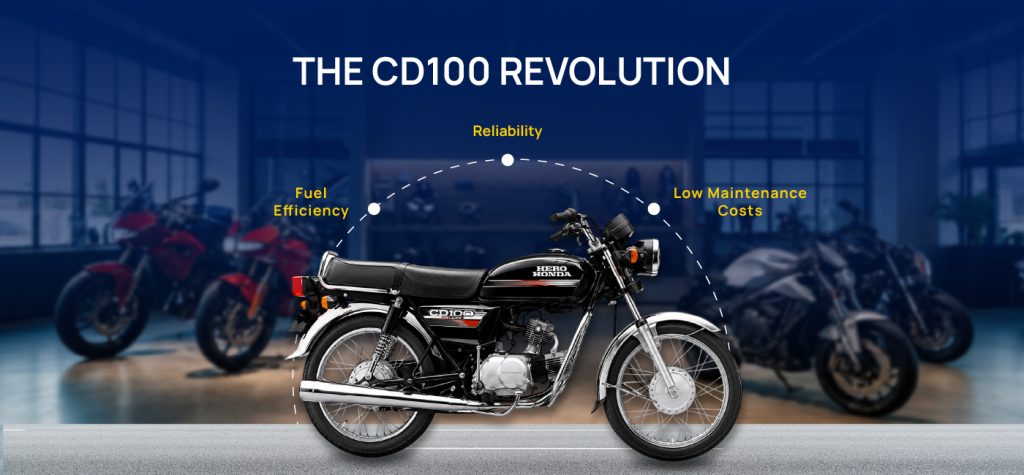
2. 1985: The CD100 Revolution
The launch of the Hero Honda CD100 transformed the Indian motorcycle market. Known for its exceptional fuel efficiency, reliability, and low maintenance costs, the motorcycle quickly became a preferred choice for middle-class families and working professionals. It helped establish Hero’s reputation as a brand that understood the practical needs of Indian consumers.
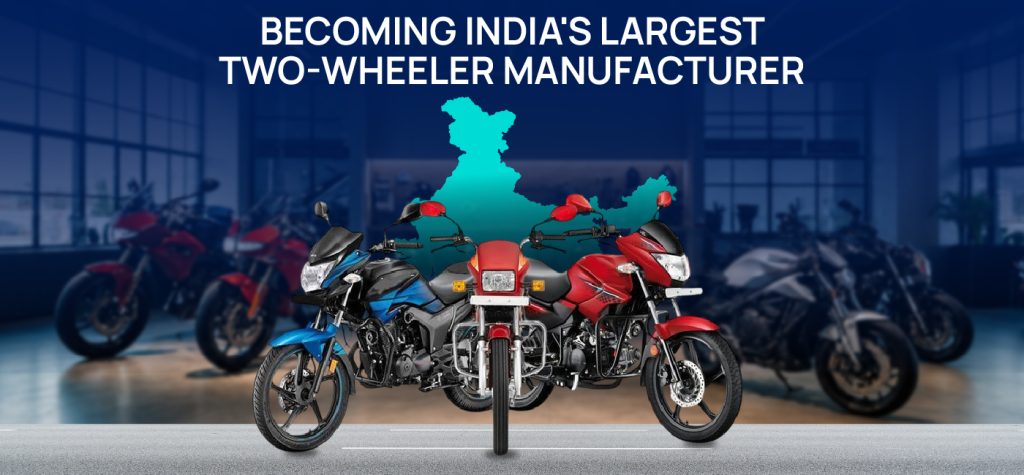
3. 2001: Becoming India’s Largest Two-Wheeler Manufacturer
Less than two decades after its inception, Hero Honda achieved a significant milestone by becoming India’s largest two-wheeler manufacturer. The company strengthened its leadership through popular products such as Splendor, Passion, and CBZ, while expanding its dealership and service network across urban and rural India. This customer-centric strategy enabled Hero to build long-term loyalty that competitors found difficult to match.
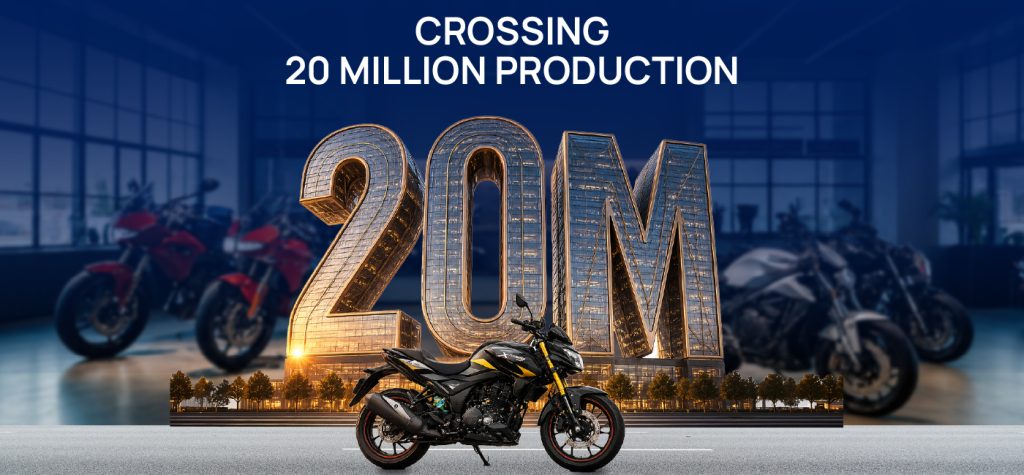
4. 2004: Crossing 20 Million Production
As demand continued to grow, Hero crossed the landmark of producing 20 million motorcycles. This achievement reflected not only increasing consumer confidence but also the company’s manufacturing excellence and efficient supply chain. Large-scale production helped Hero improve operational efficiency while maintaining product quality.
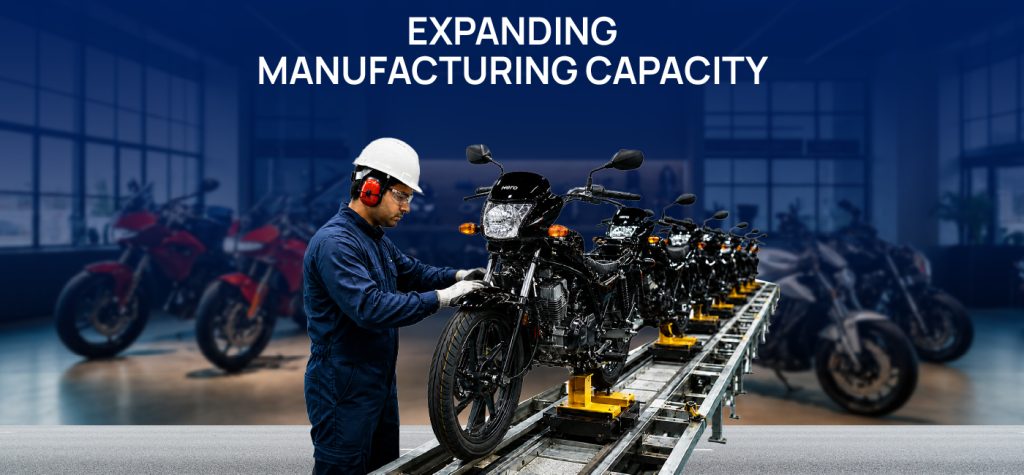
5. 2008: Expanding Manufacturing Capacity
To support rising demand, Hero inaugurated its Haridwar manufacturing facility in Uttarakhand. The new plant significantly increased production capacity and strengthened the company’s ability to serve customers across India. Continuous investments in manufacturing infrastructure became a key pillar of Hero’s long-term growth strategy.
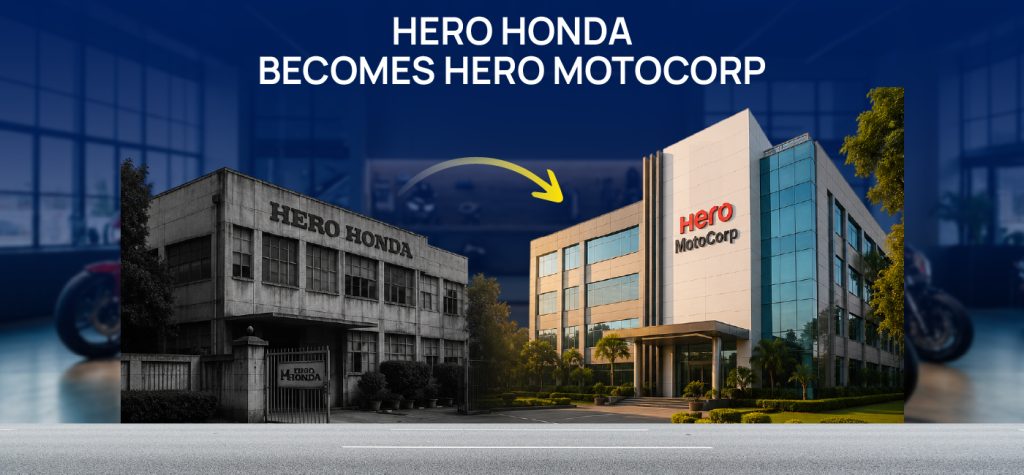
6. 2011: Hero Honda Becomes Hero MotoCorp
One of the defining moments in the company’s history came in 2011 when the joint venture with Honda ended. The company rebranded itself as Hero MotoCorp. While many questioned whether Hero could succeed independently, the company responded by investing heavily in research and development, building global technology partnerships, and creating its own innovation capabilities. The successful transition demonstrated Hero’s resilience and strategic vision.
7. 2012: Crossing 50 Million Motorcycles
Within a year of becoming Hero MotoCorp, the company crossed the production milestone of 50 million motorcycles. This achievement reinforced its position as one of the world’s largest motorcycle manufacturers and highlighted the trust that customers had placed in the brand for decades.
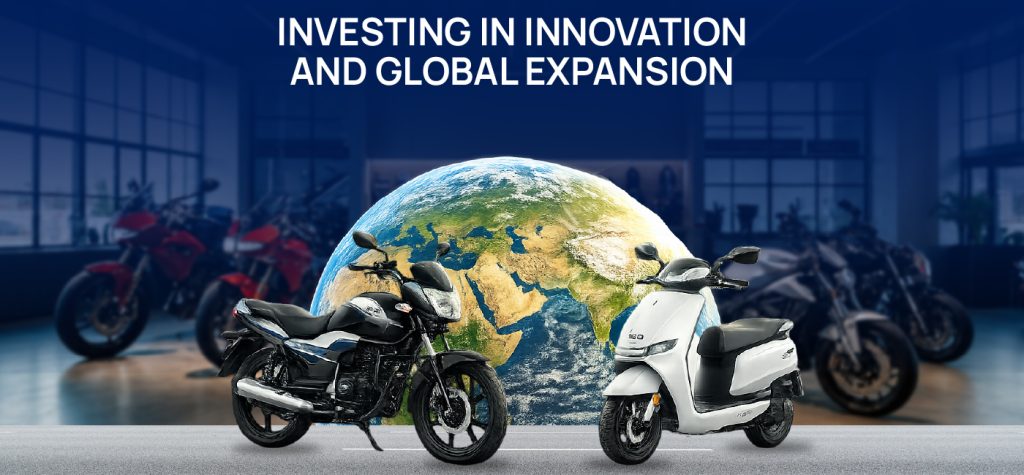
8. Investing in Innovation and Global Expansion
Following its transformation into Hero MotoCorp, the company accelerated investments in research, product development, and global expansion. It established advanced engineering capabilities and entered several international markets across Asia, Africa, and Latin America. At the same time, Hero diversified its portfolio by introducing premium motorcycles, scooters, and strategic partnerships to meet evolving customer preferences. Innovation became central to sustaining long-term competitiveness.
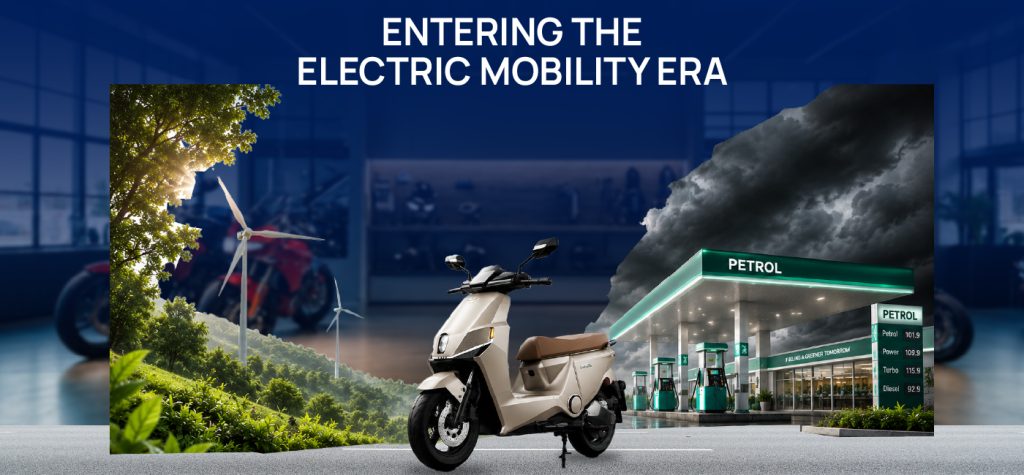
9. Entering the Electric Mobility Era
Recognising the shift toward sustainable transportation, Hero introduced the VIDA brand, marking its entry into the electric mobility segment. The launch demonstrated the company’s commitment to future-ready technologies while continuing to strengthen its traditional motorcycle business. Alongside electric scooters, Hero also expanded its premium offerings through Hero Premia retail outlets and collaborations in the premium motorcycle segment.
10. FY2025–26: Record Financial Performance
Hero MotoCorp delivered its strongest financial performance in FY2025–26, reporting its highest-ever revenue from operations of ₹46,830 crore, a 15% year-on-year increase over ₹40,756 crore in FY2024–25. Profit after tax (PAT) rose 14% to ₹5,268 crore, while annual sales increased 10% to 6.469 million (64.69 lakh) motorcycles and scooters. The company also improved its operating performance, with EBITDA rising to ₹6,871 crore and the EBITDA margin expanding to 14.7%. Hero MotoCorp retained its position as India’s leading two-wheeler manufacturer for the 25th consecutive year, supported by strong demand across commuter and premium motorcycles, growth in exports, operational efficiencies, and continued investments in electric mobility through the VIDA brand. The Board also announced a total dividend of ₹185 per share for FY2025–26, reflecting the company’s strong cash generation and shareholder-focused capital allocation
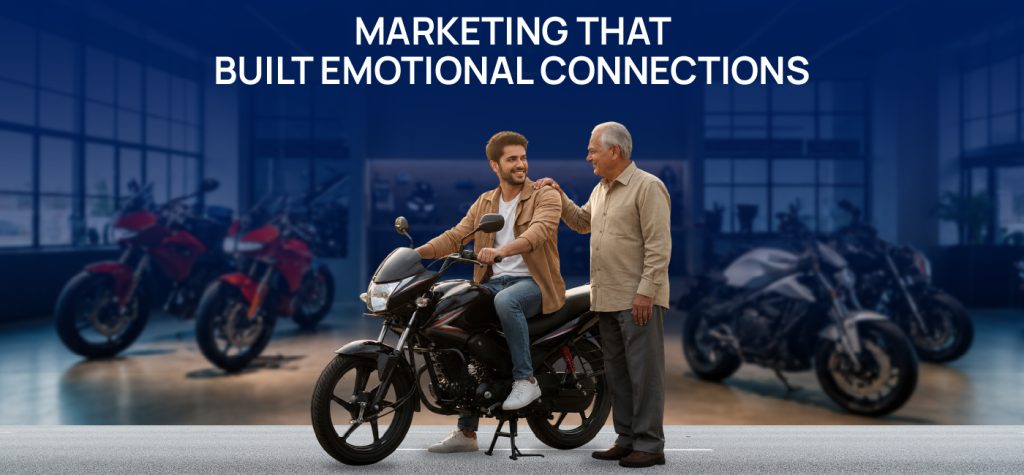
Marketing That Built Emotional Connections
Hero MotoCorp’s success has never been driven solely by engineering excellence. Its marketing consistently celebrated everyday achievements and aspirations. Iconic campaigns such as “Fill it, Shut it, Forget it” highlighted fuel efficiency, while later campaigns focused on trust, progress, and personal freedom. Rather than selling motorcycles, Hero positioned itself as a partner in helping millions of Indians achieve their dreams.
The company’s association with global sporting events, including cricket, golf, football, and motorsports, further strengthened brand visibility and reinforced its image as a trusted mobility partner.
Challenges That Strengthened the Brand
Hero’s journey was not without obstacles. The end of the Honda partnership, increasing competition from domestic and international manufacturers, changing consumer preferences, and the rise of electric vehicles all tested the company’s adaptability. Instead of reacting defensively, Hero invested in innovation, diversified its product portfolio, expanded internationally, and embraced emerging mobility trends. These strategic decisions enabled the company to maintain market leadership despite industry disruptions.
Conclusion
Hero MotoCorp’s growth story is one of resilience, customer centricity, and continuous transformation. From launching the fuel-efficient CD100 in 1985 to delivering record revenues of over ₹40,756 crore in FY2024–25, the company has consistently evolved with changing consumer expectations while remaining true to its founding purpose of making mobility accessible.
More than four decades after its inception, Hero MotoCorp continues to shape the future of mobility through innovation, sustainability, and strong consumer relationships. Its journey demonstrates that enduring market leadership is built not only through scale but through trust, strategic execution, and an unwavering commitment to customers.

Parvati Rai is the Vice President of the Research team at Equentis. She has over 15 years of equity-research and strategy-consulting experience. A specialist in deep-dive valuations, financial modelling, and forecasting, she has built research desks from the ground up, by steering buy-side, sell-side, and independent coverage across sectors. When she isn’t fine-tuning models, Parvati unwinds on nature treks and mentors aspiring analysts.