Economy

This section offers content on things happening in the country. Any news update on India, its GDP, plans and levels globally will be included in this section.

Amid the rising interest rates, chatter around the impending recession in 2023 is slowly gaining strength. And, with recent bank runs in the US and the forced merger of Credit Suisse with rival UBS, the predictions of a recession in 2023 appear to be coming true. We hope this doesn’t occur.

So, why are economists predicting recession in 2023? Let’s find out.

State of Global Financial System

The global financial system is highly complex, and economic growth is not entirely driven by corporate profits or buoyancy in government tax collections but by interest rates. Yes, you read that correctly.

In 1976, the global financial system witnessed a fundamental shift when US President Nixon ordered moving away from the Bretton Woods system, wherein the value of each dollar circulating in the economy was defined in gold, meaning each dollar in circulation was backed by gold and turned the monetary system into a flat one.

The dollar’s value was market determined with strict supervision of the Federal Reserve. It reduced the risk of overburdening the system with gold, allowing the government to raise more debt to fuel the country’s economic growth.  

Since then, the global financial system has become heavily debt-driven. The total public debt as a percentage of GDP in the US had reached 120% by the end of 2022. Over $23.9 trillion in US treasury securities are outstanding in the market. It is also true for most developed economies.

Even a small percentage change in the interest rates can impact the stability of various economies. So, a delicate balance is needed when changing interest rates at regular intervals to avoid an inflationary situation without affecting the growth levels.

Inverted Yield Curve Has Economists Predicting Recession

When economies are overdependent on debt, the chances of economic accidents are always high, which can derail global economic growth. An inverted yield curve is one such financial accident. Usually, the return on long-term debt paper should always be higher than short-term debt papers in all circumstances, as long-term holders assume more risk by locking their money for longer.

But, when the yield on short-term debt papers exceeds that of long-term debt papers because of multiple rate hikes at short intervals, it results in an inverted yield curve.

An inverted yield curve occurs when the yield on 2-year Treasury securities exceeds the yield on 10-year Treasury securities in the market. As market participants become pessimistic about the economy’s outlook, demand for longer-dated bonds increases, driving down the yield.

US bond

The chart above shows that yield on 2Y US Government Bonds exceeded 10Y papers around July last year and continues to be in an inverted state. For example, at the start of March 2023, the 10-Y yield was around 4%, and the 2-Y yield was about 4.8%.

In 2023, the yield curve witnessed the deepest inversion since 1981.

iyc

Furthermore, as the yield on 2Y US bonds increases, the market value of previously issued 10Y bonds on lower rates falls, resulting in long-term holders of the debt paper suffering significant mark-to-market (MTM). It is one of the few reasons why the SVB and Signature Bank in the US collapsed.

Does an Inverted Yield Curve Indicate an Impending Recession?

An Inverted Yield Curve is not ideal for any economy as it destabilizes the debt market. Whether an inverted yield curve indicates, an impending recession is a much-debated topic. However, looking at the past will show that an economic slowdown always follows a yield inversion.

Since 1978, the global financial system has witnessed six yield curve inversions, and the gap between the start of inversion and recession ranged between 6 to 22 months. For instance, the 2008 global financial crisis happened 22 months after the first inversion of the yield curve was reported.

Number of months between yield curve inversion and the start of recession 1978-2022

inverted yileds statista

Why does an Inverted Yield Curve indicate a Recession?

In an inverted yield curve scenario, investors’ expectation in the long term decline and tries to focus and profit from short-term bets. Similarly, businesses also put their long-term expansion plans on hold due to the evolving conditions, resulting in little demand for long-term funds. Therefore, overall demand takes a massive hit.

With the wider spread, the chances of an impending recession grow, and because of the pessimism surrounding the market gives way to fear that increases the likelihood of a recession.

Given the current global economic trajectory, where IMF has projected global growth to slow down to 2.9% in 2023 from 3.4% in 2022, which is why economists predicting recession is inevitable in 2023. In a WSJ survey in Jan 2023, economists have put a 61% probability of a recession in 2023.

FAQs

What is an inverted yield curve?

An inverted yield curve happens when short-term government bond yields exceed long-term government bond yields.

Does yield curve inversion indicate a recession?

Yes, yield curve inversion indicates a recession. For every downturn since 1978, yield curve inversion took place at least six months to one year before.

Why does yield curve inversion impacts economic growth?

Due to higher borrowing costs, businesses put a hold on their expansion plan and avoid taking risks, thus impacting overall demand.

This update from the World Meteorological Organization (WMO) may worry you and affect the choice of food on your plate in the coming months. On March 1, 2023, WMO, an UN-based agency responsible for promoting international cooperation in atmospheric science and climatology, predicted that 2023 will be a year of El Nino.

The agency’s long-lead forecast has indicated 55-60% chances of El Nino from June to August. For the government and policymakers in India, it’s not a piece of good news either.

Let’s look at the economic impact of El Nino in the past to see which sectors will suffer the most.

What is El Nino?

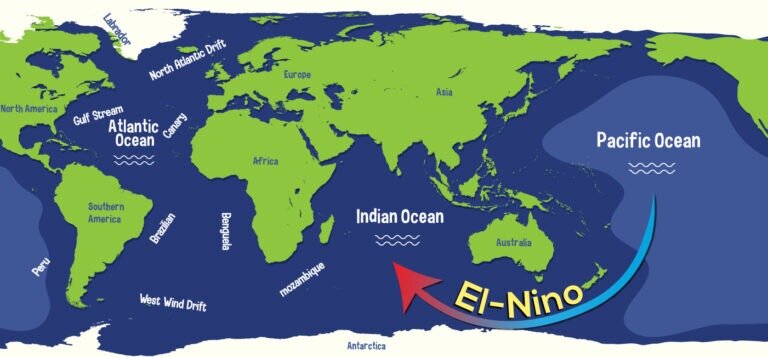
El Nino is an unusual weather pattern in the Pacific Ocean and is associated with more rain in one part of the world and a drought-like situation in the other. The global climate depends a lot on surface water ocean temperatures, as they directly impact the rain on the earth. A warm ocean always results in higher rains around the region, so the oceanic region near the equator receives more rainfall than other parts.

In normal conditions, the wind blows the warm oceanic water in the pacific region near South America westward toward Indonesia, and the cool water below the equator rises toward the coastal surface of South America and then moves northwards.

However, when these winds are weaker and insufficient to move the warm surface oceanic water westwards, it begins to move in the opposite direction towards South America. Then it moves northwards, bringing in much rainfall around the region. While other parts of the world receive lesser-than-average rainfall that develops into El Nino-like conditions.

El Nino in India

The El Nino weather condition was first recorded or observed in 1578 by fishermen and occurs every two to seven years. During El Nino conditions, fish and other water bodies move to a cooler place or die due to the ocean’s water temperature change.

In recent times, India has experienced El Nino like conditions in 2009, 2014, 2015, and 2018. According to statistics, India has experienced drought-like conditions 60% of the time during El Nino years. The Indian Meteorological Department (IMD) has not confirmed or issued a statement regarding El Nino in 2023. And the intensity of El Nino conditions must be factored in while making any forecast.

Economic Impact of El Nino on India

If the forecast of El Nino becomes true, India will witness a spoiled southwest monsoon, which will directly affect the growth of the agriculture sector in 2023. El Nino Could Hurt India’s GDP, with every sector feeling the impact.

Let’s discuss the possible impact on the agriculture sector

During the monsoon, Kharif crops (rice, maize, cotton, oilseeds, sugar) are grown in India, and the season accounts for almost 80% of India’s total rice production. And, if you look at the total rain-fed agricultural land, it’s closer to 50% of the total cropped area in the country.

According to a government release in 2020, only 96,622 thousand hectares of cropped land had irrigation facilities in 2015-16 out of 1,97,054 thousand hectares of cropped land. However, the World Bank report suggests that nearly 40% of total agricultural land was irrigated in India in 2019. Whatever the percentage of total irrigated agricultural land in India is, the share of rain-fed agricultural land is still significant. It has the potential to impact food grain production and food inflation.

A study by ASSOCHAM in 2014 stated that a 5% deficit in rainfall due to the El Nino factor could result in a loss of ₹1,80,000 crores or 1.75% of the GDP. The study also revealed that a percentage point growth in agriculture leads to a 0.47% increase in demand for industrial goods and a 0.12% increase in demand for services. For every per cent deficit in average rainfall, the GDP will fall by 0.35%. Therefore, not just the agriculture sector but El Nino will spirally impact other sectors. The rural economy will be the worst hit, as they depend entirely on agriculture.

El Nino’s Impact on the Global Economy: An IMF Study

The International Monetary Fund (IMF) conducted a study in 2016 to analyze the macroeconomic impact of El Nino shocks between 1979 and 2013.

Considering factors such as energy and commodity prices, trade, etc., the study found that economies around Southeast Asia – India, Indonesia, Australia, New Zealand, South Africa, and others experience a short-lived fall in economic activity in response to the El Nino shock. But countries like the US, Mexico, Canada, Argentina, etc., benefit from El Nino activity due to the spillovers from other major trading partners.

image 29
Source: IMF report

Country-wise, El Nino Impact

India: As El Nino coincides with the monsoon season, it hurts the agriculture sector and increases domestic food prices. As food has the highest weight in India’s CPI basket, the change in inflation will be higher than in other affected economies.

Australia: Experiences dry and hot summers while the frequency and severity of bushfires increase. Such conditions reduce wheat exports, thus increasing wheat prices in the international market.

Indonesia: Badly impacts the country’s economy, as the output of coffee, cocoa, and palm oil falls, pushing up their prices. The country depends on hydropower to mine. It refines Nickel, the metal used to strengthen steel. So, the production and export of the metal will take a direct hit.

United States: Wet weather around California results in higher production of almonds, avocados, lime crops, and others. Also, warm weather in the northeast and high rainfall in the south result in diminished tornado activity and hurricanes and higher real GDP growth.

Canada: Enjoys warm winters, which is good for fisheries and improves crude oil production, thus bringing in higher revenue for the country.

One can only hope for better weather patterns, reducing the likelihood of an El Nino in 2023 and that India receives adequate annual rainfall.

FAQs

What is El Nino?

El Nino is an unusual weather pattern that occurs due to changes in the temperature of surface water in the Pacific Ocean, resulting in abnormal rainfall around the globe.

Is India affected by El Nino?

India is at higher risk of El Nino as it coincides with the country’s domestic monsoon season.  El Nino-like conditions happened in 2009, 2014, 2015, and 2018.

What are the sectors affected by El Nino?

Agriculture is the worst hit sector during El Nino like conditions and results in less output of food grains. Less rainfall affects every other sector of the economy.

UPI Payment for International Travellers

RBI extended UPI payments for international travellers facilitating local payments at G20 meeting venues and more than five lac merchant outlets across India to provide a seamless travelling experience. This facility is available only to selected G20 travellers at selected international airports but will soon be rolled out across all entry points.

While announcing the Monetary Policy Committee (MPC) on February 8th, the Central Bank, RBI, disclosed its plans to allow inbound G20 travellers to make UPI payments at selected destinations. Later, the RBI would expand this service to all entry points, including all international airports in India.

Let us walk you through the process of making UPI Payment for Foreign tourists & travellers, including eligibility, where the new facility is available, how it works, and much more. On the way, we’ll talk about the RBI’s pilot project launch to install QR-based coin vending machines (QCVM) in 12 cities.

UPI Payment for International Travellers Eligibility Criteria

The UPI payment for international travellers from G20 countries is available at three international airports: Bengaluru, New Delhi, and Mumbai. The G20 presidency keeps rotating annually, and in 2023, India holds the presidency from 1st December 2022 to 30 November 2023.

It is a prestigious moment for India as its first-ever G20 summit is hosted in India and South Asia. Members of G20 countries include Argentina, Australia, Brazil, China, France, Italy, Germany, Italy, Japan, the Republic of Korea, Mexico, Russia, Saudi Arabia, South Africa, Turkey (Turkiye), the United Kingdom, and the United States.

But RBI has proposed extending the UPI payment facility for foreign tourists and travellers after successfully framing necessary policies and guidelines based on learnings from this initiative. It will profit foreign visitors and highlight India’s technological progress to the rest of the world.

UPI Payment for International Travellers How Will It Work?

As per the Developmental and Regulatory Policy Statement released by RBI on 8th February 2023, the facility of UPI payments to international travellers has been launched. It will let foreign travellers make local payments to identified Merchants(P2M) through a Unified Payment Interface (UPI) platform.

Eligible travellers will receive a Prepaid Payment Instrument (PPI) in the form of wallets linked to their UPI for use only at selected merchant establishments (P2M). The PPI issuer is responsible for ensuring that the PPI issuing and operating company has the required permits. And to keep RBI informed regarding the names of companies that facilitate UPI payments to international travellers.

PPIs can be loaded/ reloaded by designated Banks and non-Banks in exchange for cash or any other payment instrument. PPIs for UPI payments to international travellers are issued after complete verification of their Passport and Visa at the issuance site.

UPI Payment for International Travellers -Supporting Banks

For now, ICICI and IDFC First Bank, both banks, and Pine Labs and Thomas Cook, both non-banks, have partnered with the National Payments Corporation of India (NPCI) to ensure safe, secure, and hassle-free UPI payments to international travellers from G20 countries.

RBI issued Policy Guidelines on Prepaid Payment Instruments (PPIs) to assist UPI payment for foreign tourists & travellers. To better understand the newly introduced policy guidelines on UPI payment for travellers, it is imperative to know about PPIs.

What are PPIs?

Prepaid Payment Instruments (PPIs) allow you to purchase goods and services, financial services, remittance facilities, and so on, using the stored value of the instrument. PPIs are only issued with the RBI’s approval or authorization.

Types of PPIs

Small PPIs and Full-KYC PPIs are the two types of PPIs. PPIs can be in the form of cards, wallets, or any other instrument that can be used to retrieve the amount contained in the PPI.

Small PPIs or Minimum-detail PPIs – These instruments can be issued after knowing a few basic details of the PPI holder and are restricted to purchasing goods and services only. Cash withdrawal and transfer facilities are not allowed in this category of PPIs.

Full-KYC PPIs– These instruments are issued only after completing the PPI holder’s complete Know Your Customer (KYC) and can be freely used to purchase goods and services, withdraw cash and transfer money.

PPI guidelines for foreign nationals and non-resident Indians (NRIs) visiting India:

  • Foreign nationals or NRIs visiting India can obtain rupee-denominated Full-KYC PPIs from approved banks or non-banks. This UPI payment facility for international travellers has been made available only to inbound travellers from G20 countries on a trial basis at selected airports. Considering what was learned and the system’s viability, it will be expanded to all entry points for travellers.
  • PPI Issuer is responsible for physically verifying the foreign national and NRI’s visa and passport and maintaining records for future use.
  • PPIs under UPI payment for international travellers can be issued only through wallets linked to their APIs. The amount in PPI wallet at any instance must not exceed the limit prescribed for the full-KYC list, i.e. Rs. 2,00,000/- at any time.
  • You can encash any unutilized balance in PPI in foreign exchange or transfer it back to the payment source only in compliance with the foreign exchange regulations under FEMA.
  • Conversion of PPIs into foreign currencies can be done only at FEMA-authorized centres.
  • Loading or reloading balances in PPIs shall be against receipt of foreign exchange in cash or any other payment instrument as prescribed.

Conclusion

UPI transactions in India have grown more than eight times in 2021-22 and almost 50 times in the last four years with several initiatives taken by Government, Banks, and NPCI.

Earlier, NRIs from selected countries (Singapore, Australia, Canada, Hong Kong, Oman, Qatar, USA, Saudi Arabia, United Arab Emirates, and the United Kingdom) could avail of the facility of UPI payments if their international mobile numbers were linked to their NRE/NRO accounts.

image 21

India has achieved global recognition due to its extraordinary commitment to transitioning from cash to digital payments. This initiative has alleviated the burden of carrying cash, rushing to currency exchange centres, international travellers, and reliance on international debit cards with high fees. The ability to make UPI payments to international travellers will boost UPI’s acceptance and prominence in foreign territories and help it establish itself as a global payment and money transfer network.

FAQs

Who is allowed to create PPI wallets linked to UPI for international travellers?

Only two banks, ICICI and IDFC First Bank and two non-banks, Pine Labs Pvt Ltd and Transcorp International Limited have been initially authorized to issue UPI-linked wallets.

How is this facility of UPI payment for international travellers different from UPI payments to NRIs?

The main distinction is that PPI issued under the UPI payment for international travellers is a pre-paid instrument. In contrast, UPI for NRIs is associated with fully KYC-compliant NRO/NRE accounts.

NRIs will have to link their bank accounts to their non-Indian mobile phone number with international country codes to avail of the service. When UPI is used, money is directly deducted from their linked bank accounts. In the case of the former, unutilized money can be returned to the customer, whereas in the latter case, this is unnecessary.

Can international mobile numbers used by NRIs be registered for making UPI payments during their visit to India?

 Yes, NRIs who maintain their NRE or NRO accounts in India can now link their international numbers for making UPI payments for foreign tourists and travellers, but there are certain conditions to be fulfilled-
 – Non-Resident External (NRE) or Non-Resident Ordinary (NRO) account holders must comply with the Foreign Exchange Management Act (FEMA) or RBI regulations issued from time to time. Also, NRIs can use UPI hassle-free only with their international mobile number linked to their NRE or NRO account.
 – To combat the financing of terrorism and anti-money laundering (AML), both the beneficiary and the member Bank must follow the guidelines  (KYC), AML/CFT) issued in this regard.  

Read more:  How Long-term investing helps create life-changing wealth – TOI.

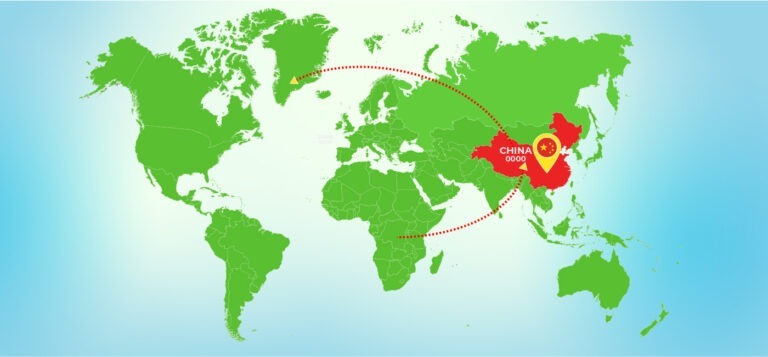
China borders reopening in 2023 marked a highly anticipated event for global trade and investments after extended travel restrictions due to the COVID-19 pandemic.

The impact of COVID-19 on China’s consumption and export/import sectors has been profound, with citizens opting for essential goods and online shopping. China’s monetary and fiscal policies, as well as the manufacturing, travel, and housing sectors, are all affected by the pandemic.

However, the question is, will reopening provide the anticipated economic boost? The pandemic had a significant impact on the Chinese economy. So let’s take a closer look to understand the effect of COVID and the changes coming through China borders reopening.

The Chinese citizens transitioned to substantial savings

Chinese households have increased savings from 17% to 33% of their income due to economic uncertainty rather than pent-up demand caused by the COVID-19 pandemic.

According to recent data from China’s central bank, Chinese bank deposits increased by 26.3 trillion Chinese yuan ($3.9 trillion) in 2022, with household savings accounting for 17.8 trillion yuan. China’s strict COVID-19 containment measures drove the increase in savings as it forced many people to remain indoors for long periods, resulting in suppressed consumer spending.

While some excess savings could be spent as “revenge spending,” a significant portion reflects Chinese households’ preference for precautionary savings in bank deposits and housing investments.

Even if consumer spending returns to normal, the uncertainty in the economy could prevent Chinese households from investing in housing or stocks, causing bank deposits to remain high. A household survey by the People’s Bank of China during Q3 of 2022 showed that only 22.8% of respondents wanted to buy more things, while 58.1% preferred to increase their savings.

Although consumption is expected to recover in 2023, Chinese households may maintain higher precautionary savings in the long term due to mounting economic uncertainty.

image 9
Source: Financial Times

To encourage spending, the Chinese government must address the cost-of-living crisis that has made Chinese consumers reluctant to spend. This can be achieved by making housing affordable in major cities, offering welfare benefits for low- and middle-income families, and increasing social protection. Excessive household savings could severely impede China’s long-term economic prospects without significantly overhauling its fiscal policy and tax system.

China’s consumption faced a crushing blow in 2022.

In 2022, China’s consumption suffered a significant blow, leading to a surge in excess savings. However, the situation appears to be improving with the country’s mobility index improving and major cities offering consumption vouchers to tap into the pent-up spending desire of consumers.

The graph below shows a decline in total retail sales between 2021-2022.

image 10
Source: China Breifing

Beijing has also decided to provide cash subsidies to around 300,000 low-income residents to counter the impact of high food prices. Despite this, consumers seem cautious due to the prevailing economic uncertainty, which has impacted household borrowing demand. The data shows a decline in new loans, condo transactions, and new mortgages, with money trapped in banks, leading to a growing gap between deposits and loans.

China’s trade: A pandemic-proof powerhouse?

Imports and exports remained resilient during the pandemic, only slightly dipping towards the end of 2022. Despite the setbacks, they outperformed pre-COVID levels, highlighting the country’s economic prowess.

The graph presented below shows the movement of China’s trade between 2017 to 2022.

image 11
Source: Statista

As China’s borders reopen, the import and export trade is expected to hold steady, paving the way for promising economic growth.

Will the monetary and fiscal policies support economic recovery with China borders reopening?

With China borders reopening, monetary and fiscal policies are critical for the government to manage its economy and ensure stability. According to a recent Reuters report, China’s economy is expected to rebound in 2023, driven by a substantial expansion in domestic demand. China’s accommodative fiscal and monetary policies will likely support this growth, designed to spur economic activity and support businesses.

On the fiscal side, the Chinese government has introduced targeted stimulus measures such as tax cuts and infrastructure spending to support businesses and households. The government aims to boost consumer spending and increase investment in critical sectors of the economy.

The People’s Bank of China has implemented monetary policies such as cutting interest rates and reducing reserve requirements for banks to encourage lending and boost liquidity. In 2022, China’s monetary policies included profit transfer to the government, reserve requirement ratio (RRR) cuts, loan prime rate (LPR) cuts, re-lending programs, and medium-term lending facility (MLF) rate adjustments.

In March 2022, the PBOC announced an RMB 1 trillion profit transfer to support local businesses and people. Additionally, RRR and LPR cuts freed up funds for banks to provide more loans to struggling businesses. The People’s Bank of China (PBOC) also launched re-lending programs worth RMB 100 billion for the transport industry and RMB 40 billion for elderly care. The MLF is a critical channel through which the PBOC can inject liquidity into the banking system.

In January 2022, the PBOC reduced the MLF rate to 2.85% on one-year MLF loans worth RMB 700 billion. In addition, in May 2022, the PBOC cut the five-year LPR by a record amount, from 4.6% to 4.45%, to help boost the property sector. These measures aim to increase credit availability and lower borrowing costs for businesses.

China’s policymakers are expected to maintain an accommodative stance to support economic recovery and promote sustainable growth as the country’s borders continue to reopen. China’s policy measures can help to drive economic growth and maintain financial stability in the post-pandemic era by providing targeted support to businesses and households.

China’s monetary and fiscal policies are critical tools that will play a significant role in driving economic growth and maintaining financial stability as the country reopens its borders and emerges from the pandemic.

China’s Manufacturing, Travel, and Housing

Manufacturing: China’s manufacturing sector showed improvement in January as the Caixin/S&P Global manufacturing purchasing managers’ index rose to 49.2, up from 49.0 in December. However, the official PMI survey reported a better-than-expected reading of 50.1, possibly due to its focus on larger state-owned businesses.

Travel: Domestic travel within China is recovering, with 308 million tourism trips made during the recent Lunar New Year period, a recovery to 88.6% of 2019 levels. International travel remains slow, with airlines only offering 11% of 2019 capacity levels, expected to increase to 25% by April.

Housing: Falling home prices, sales, and investments are pressuring China’s economy, with the property market likely to remain weak due to sluggish income expectations and concerns about home delivery. The government is attempting to support the industry by lifting a ban on fundraising via equity offerings for listed property firms. Still, the decline in home prices has become broader, with prices falling in 68 cities on December 22 compared to 57 cities on November 22.

Final Words

China’s borders reopening and travel restrictions being lifted, consumer spending could increase, but economic instability and income disparity may continue influencing people’s buying patterns. The government’s efforts to provide social protection and stimulate expenditure may be beneficial, but individual attitudes and preferences will determine the outcome.

As you can see, there are both pro and con arguments for China borders reopening. The country can alter the global economy significantly. Will China, strengthen or weaken the global economy? Only time will tell.

FAQs

How might China’s border reopening impact global inflation?

According to the Swiss Re Institute research, China’s border reopening may slow the expected decline in global inflation because it could increase demand for goods and services, pushing up prices. This effect could be significantly pronounced if China’s reopening spurs a broader economic recovery.

What are the potential spillover effects of China’s border reopening on commodity prices?

Swiss Re Institute’s research suggests that reopening China’s borders could spillover effects on commodity prices. Specifically, it could increase demand for oil, metals, and agricultural products, increasing prices. This effect could be significantly pronounced if China’s robust economic recovery significantly increases demand.

How might China’s border reopening affect the pace of economic recovery in the global economy?

China’s border reopening could positively and negatively impact global economic recovery. It could increase demand, boosting exports and growth in other countries. However, there is a risk of a COVID-19 resurgence, harming growth. Moreover, a slower-than-expected recovery in China could also dampen global growth prospects.

Read more:  How Long-term investing helps create life-changing wealth – TOI.

The Indian Ministry of Electronics and Information Technology (MeitY) published its fourth draft of the proposed privacy law, renamed the Digital Personal Data Protection Bill, 2022, on November 18. Ashwani Vaishnaw, Union Minister for Communications, Electronics, and Information Technology, introduced the bill for public comment.

What is the Digital Personal Data Protection Bill?

The Digital Personal Data Protection Bill comes nearly four to five months after the Supreme Court directed the government to develop a set of data protection rules that prioritize privacy as a fundamental right. The renamed bill is the fourth iteration of the proposed law.

Let us quickly review the key points of the widely debated Digital Personal Data Protection Bill and the rights it confers on individuals.

What data is considered personal under the proposed Digital Personal Data Protection Bill?

According to the Digital Personal Data Protection Bill, personal data is any data that can help identify an individual easily. The data protection bill defines identifiable personal data as information about an individual, such as name, contact information, bank account details, biometric data, etc.

With consent or deemed consent, such personal data may be used by data fiduciaries (any person or a group of persons entrusted with data processing) for lawful purposes such as enforcing a judgment, responding to a medical emergency, and preventing a disaster, and so on.

What are an individual’s rights under the Digital Personal Data Protection Bill?

Right to information about the processing and summary of their data

The Digital Personal Data Protection Bill, 2022 confers certain rights to the Data Principal (the individual whose personal data is being shared) as Data Fiduciaries (individuals or businesses who determine the purpose and method of data processing) have obtained his personal data:

  • The right to confirm that the Data Fiduciary is processing or has processed the Data Principal’s personal data.
  • Overview of the personal data being processed as well as the processing activities carried out by the data fiduciary about the data collected.
  • The identities of all data fiduciaries with whom personal data has been shared.
  • Any additional information that may be required.

Right to Personal Data Correction and Erasure

  • The Data Principal has the right to have his/her personal data corrected and erased by applicable laws and in the manner prescribed.
  • The role of a data fiduciary upon receiving a request for correction and erasure from the data principal shall
    • a) Rectify incorrect or misleading personal data.
    • b) Complete the incomplete personal data
    • c) Update the Data Principal’s personal data
    • d) Erase the personal data that is no longer needed unless retention is mandated by law

Right of Grievance Redressal

According to the Digital Personal Data Protection Bill, the data principal has the right to file a complaint with the data fiduciary. If the Data Principal finds the Data Fiduciary’s resolution unsatisfactory, or if he or she does not receive a response even after seven days, the complaint can be escalated to the Board in the manner as prescribed.

Right to Withdraw Consent

The Digital Personal Data Protection Bill defines the consent of a Data Principal as a specific, clear, informed, and unambiguous indication of his/her wishes. It should be a positive action indicating approval of processing personal data for a specific purpose.

Where consent is given for personal data, the Data Principal reserves the right to withdraw consent at any time. The consequences of such withdrawal shall be borne solely by the Data Principal, but the withdrawal shall in no way affect the lawfulness of the data processed before the withdrawal. Furthermore, withdrawing consent should be as simple as giving consent.

Right to Nominate

According to the Digital Personal Data Protection Bill, a Data Principal shall have the right to nominate any other individual who shall, in the event of the Data Principal’s death or mental or physical infirmity, exercise the Data Principal’s rights by the provisions of this Bill.

Duties of an individual under the proposed Digital Personal Data Protection Bill

While giving Data Principals specific rights, the Digital Personal Data Protection Bill also has certain duties an individual must abide by:

  • Assuring the Data Principal complies with all relevant legislation while exercising his or her rights under this Law.
  • No individual must lodge a false complaint/grievance with the Data Fiduciary or the Board.
  • Under no circumstances shall the individual/Data Principal misrepresent any personal data related to proof of identity, address, or employment. No attempt shall be made to conceal any material information or to impersonate another person.
  • The individual must provide only certifiable and authentic information or documents when exercising the right to correction or erasure.

Key Takeaways

The Digital Personal Data Protection Bill 2022 draft bill envisions the establishment of Data Protection Boards of India to determine non-compliance with the draft Bill’s provisions, impose penalties for such non-compliance, and take action by the provisions of the Bill.

When passed, a well-designed Digital Personal Data Protection Bill will provide a legal foundation for citizens’ entitlements by clearly defining the scope of the basic right to privacy and the Data Fiduciaries. Though it still has some gaps in safeguarding the citizens from a data breach, when it is revamped to remove the flaws and fully implemented, India’s data protection will be on par with that of developed nations.

FAQs

What are SDFs or Significant Data Fiduciaries in Digital Personal Data Protection Bill?

A significant data fiduciary is a data fiduciary, as the name implies. Still, they fall into a “significant” category according to data privacy and cybersecurity authorities depending on the type of personal data, its risks, and its sensitivity. Another critical point is that data fiduciaries in the significant category must meet the special accountability requirements detailed in the personal data protection bill.

What are the exemptions of the Digital Personal Data Protection Bill?

The exemptions to this Bill include situations where-
●  Personal data processing is required to enforce any legal right or claim
●  Personal data is processed to prevent or prosecute any crime or law violation.

Read more:  How Long-term investing helps create life-changing wealth – TOI.

The Economic Survey is an annual report published by the Government of India that reviews the country’s financial developments over the previous fiscal year. It also examines trends in various sectors of the economy, such as agriculture, industrial production, export, import infrastructure, and fiscal deficit, among many others.

Overview of the Economic Survey

According to the Economic Survey 2022-23, the year 2022 has been particularly intriguing, with India completing its full recovery from the pandemic ahead of many other countries, despite the challenges of a depreciating rupee, rising global commodity prices, and surging inflation.

The Economic Survey presented by Finance Minister Smt Nirmala Sitaraman forecasts 6.5% real GDP growth in FY 2024. These projections correspond to statistics provided by multilateral agencies such as the World Bank and the IMF and domestic agencies such as the RBI and ADB.

image 11
Source: Press Information Bureau (PIB), GOI

Let us take a bird’s view of the Economic Survey 2022-23, which discusses the six key highlights driving future economic growth.

Credit Growth

Credit growth has been wide-ranging across sectors, with retail credit primarily driving growth due to rising demand for home loans.

image 13
Economic Survey: GOI

According to the Economic Survey, the Non-food bank credit growth accelerated to 15.3% year on year in December 2022. It indicates an acceleration in current economic activity growth with an expectation of momentum continued in the future.

image 12

According to the Economic Survey 2022-23, the credit growth in the Micro, Small, and Medium Enterprises (MSME) sector has been remarkably high, at more than 30.6% on average between January and November 2022. Thanks to the Union government’s extended Emergency Credit Linked Guarantee Scheme (ECLGS), Production-linked incentive scheme, and improvement in capacity utilization.

A rebound in credit-fueled growth in the services sector to NBFCs, commercial real estate, and trade industries. Increasing credit disbursal to Non-Banking Financial Corporations (NBFCs) was primarily attributed to improved asset quality and increased profitability.

image 14

The dramatic industrial credit growth implies brighter prospects for CAPEX investments. The PLI schemes are intended to increase manufacturing capacity, boost exports, reduce reliance on imports, and create skilled and unskilled labor jobs. Despite the global headwinds, the credit growth in India should continue to grow, supported by resilient demand conditions.

Current Account Deficit (CAD)

Per the Economic Survey, India recorded a Current Account Deficit (CAD) of 3.3 % of GDP in H1FY23 compared to 0.2% in H1FY22. This increase is triggered by an uptick in the merchandise trade deficit and higher net investment income outgoing.

image 15

The reason for the widening of CAD and the high inflationary pressures in net importing countries like India is the pandemic-induced shrinkage in production worldwide and the inflation the Russian-Ukraine conflict fuelled. It led Central Banks around the World, influenced by the Federal Reserve, to hike their interest rates to fight inflation.

The US Fed’s rate hike drew capital into US markets, causing the US Dollar to rise against most currencies. It led to the widening of CAD. If the current account deficit grows, the rupee could depreciate.

A domestic shipping and shipbuilding industry can help reduce freight costs and forex outflows, lowering the current account deficit.

Export Outlook

According to the Economic Survey, exports stood at a record high of $422 billion in FY 22. In a global slowdown marked by slowing international trade, a downturn in Indian exports is unavoidable. Significant measures to evolve the whole eco-system in an export-friendly direction over time would include-

  • The National Logistics Policy would reduce the cost of internal logistics to encourage Indian exports.
  • In 2022, India signed several Free Trade Agreements with the countries such as UAE and Australia that would create opportunities for exports at concessional tariffs or no tariffs barriers on goods and services.
  • In July 2022, RBI allowed invoicing, payment, and settlement of exports in Indian Rupees (INR), thereby reducing the currency risk for Indian businessmen. Safeguarding the currency volatility not only lowers the cost of doing business but also allows for better business growth, increasing the chances of Indian businesses growing globally.

Because of the rise in global crude oil prices, petroleum products remained the most exported commodity in FY22 and April-December 2022, followed by gems and jewelry, organic and inorganic chemicals, and drugs and pharmaceuticals.

q8lO 6XDwRo9if9i3ttqceB JCAf3YYlnerc2aWx5mmmWyA6Ptdfe4nET Kng6ThN2pzjR4i3dxwMJ46umQEJcQ

Digital Infrastructure Roadmap

In the wake of COVID-19, when physical interactions have been restricted, the role of Digital Infrastructure has been significant in the country’s socioeconomic development. The economic Survey 2022-23 outlines a few significant developments in the sphere of digital infrastructure-

  • Under the ambitious flagship program Digital India launched in 2015, the rural and Urban teledensity gap has significantly improved.
  • The government has introduced Account Aggregator, a global techno-legal framework that gives individuals complete access to essential services such as finance, health, education, and skills. Allows you to securely share the data with any regulated third-party financial institution of your choice with due consent.
  • Low-cost accessibility, the success of citizen-centric services such as the Unified Payments Interface (UPI), massive adoption and reach (DigiLocker, MyGov), and the vaccine journey via Co-Win are all significant and powerful milestones in India’s digital infrastructure journey.

To summarize, the convergence of physical and digital infrastructure will be a dominant attribute of India’s future growth story.

Agri and Allied industries

According to the Economic Survey, the agriculture sector in India has grown at a 4.6% annual rate over the last six years. The key highlights of the survey related to agriculture and allied industries include the following-

  • The sturdy performance can be credited to the government’s efforts to promote farmer-producer organizations, encourage crop diversification, and boost agricultural productivity through mechanization assistance and the establishment of the Agriculture Infrastructure Fund.
  • Providing financial assistance to farmers to improve their weather resilience through programs such as the Pradhan Mantri Kisan Samman Nidhi (PM-KISAN). The government also promotes allied agricultural activities to allow the farmers to diversify their income.
  • India is rapidly emerging as a net exporter of agricultural products, and agricultural exports reached an all-time high of $50.2 billion in 2021-22.

The agricultural sector remains critical to India’s growth and employment trajectory and therefore needs to be encouraged through an affordable, inclusive, and timely approach to providing income support and adequate insurance coverage.

Recovery from COVID-19

Economic Survey 2022-23 says that the last three years have been extremely difficult for the real estate market. Due to the increasing uncertainty, health concerns, and stay-at-home orders, people delayed purchases.

However, thanks to government initiatives such as lowering home loan interest rates and bestowing subsidies and incentives, the housing sector has recovered from the pandemic’s impact.

  • In 2020, the government launched the Atmanirbhar Bharat Rozgar Yojna (ABRY) to stimulate the economy and increase employment generation in the post-Covid-19 recovery phase. It also incentivized the creation of new jobs, social security benefits, and restoring jobs lost during the pandemic.
  • The Economic survey describes how the government guided the economy through financial stress, repairing and restoring corporate, banking, and non-banking balance sheets.

Key Takeaways

According to the Economic Survey 2022-23, India, like the rest of the World, faced numerous challenges, such as the pandemic, geopolitical conflicts, soaring commodity prices, etc. However, India has fared better than many other countries in dealing with these challenges.

You can expect lower macroeconomic volatility in 2023 than in the previous fiscal year because the inflation risks from global commodity prices in advanced countries are likely lower.

Economic Survey states that we live in a new normal in which the global economy is still recovering from the effects of the pandemic and persisting geopolitical conflicts. Because of the dedicated support for infrastructure creation through increased capital expenditure and strong macroeconomic fundamentals, India could effectively navigate the situation.

FAQs

What is Economic Survey?

The Economic Survey of India is a comprehensive report on the country’s economic performance during the previous fiscal year. It contains information on all major government initiatives, key policies, and outcomes.

Who prepares the economic survey, and when is it presented?

The Department of Economic Affairs (DEA) prepares the Economic Survey under the watchful eye of the Chief Economic Advisor (CEA). It is presented a day before the actual budget is presented.

Does the Economic Survey affect the Union Budget?

Although the economic survey results are kept in the background while drafting the Union Budget, they do not necessarily affect each other. The government is not required to present the Economic Survey or to implement its recommendations. If it desires, it can even reject all of the suggestions in the document.

The EV market in India is expected to reach $47 billion by 2026, reducing our reliance on fossil fuels significantly over time. This advancement will increase energy efficiency and lower carbon emissions in the coming years. Government initiatives and eco-consciousness among buyers have opened doors to boundless opportunities for the emerging electric vehicles hub India.

Wondering why EV? What prompted India to be so bullish on the EV industry?

India currently has the fifth-largest automotive industry in the world, and it wants to move up to the third position. India’s transport sector is the largest fossil fuel user, accounting for 33% of our crude oil consumption. Consequently, it is the country’s second-largest source of CO2 emissions, accounting for almost 11% of total CO2 emissions from fuel combustion.

Catalyzing India EV potential to increase energy security and mitigate the negative environmental impacts of ICE (Internal Combustion Engine) vehicles is a must. Furthermore, focusing on the EV sector can open up new opportunities in EV battery and charging infrastructure while relieving the pressure on oil imports.

Electric Vehicle Hub India Future

With looming oil crisis, growing global warming, and increasing ailments due to poor air quality have triggered the demand for EVs in India. 

image 2

Vehicle Category-wise market share

More than 10 million EV vehicles are expected to be sold in India by 2030, with the two-wheeler category driving most of the growth. In India, the two-wheeler segment currently dominates the EV industry.

image 3

Among other measures, proper collaborative actions, reliable charging infrastructure, direct subsidies, further tax incentives, and easier norms for PLI eligibility undoubtedly unlock India EV potential.

5 Reasons Why Electric Vehicles Hub India is Possible

Governments worldwide are providing subsidies to encourage more consumers to choose electric vehicles over fossil-fuel-powered vehicles. 

Lower Operating and Maintenance cost

The decision to purchase any vehicle is primarily influenced by two factors: maintenance costs and operating costs. Unlike gasoline vehicles, electric cars have very few moving parts that break or need to be replaced. Furthermore, you spend less on fuel/energy, making it a very cost-effective option.

Eco-Friendly

Electric Vehicles have zero tailpipe emissions, allowing you to reduce your carbon footprint significantly. It can help save our environment from climate change and reduce the health issues caused by pollution.

Less Driving Fatigue

With electric vehicles, you can enjoy a stress-free and noise-free drive as these vehicles are gearless. In addition, the motors are less noisy than combustion engines and their exhaust systems. Therefore, less noise can help to reduce noise pollution.

Hassle-Free Charging

With 1800 electric vehicle battery charging stations already in place and many more on the way, charging your battery will be simpler than standing in queue for petrol/CNG refills. Using charging equipment, you can recharge your vehicle from the comfort of your home.

Tax Benefits

If you take a car loan to buy an electric vehicle, you can claim a deduction of Rs. 1 lac under Section 80 EEB on the interest paid. The government has reduced the GST on electric vehicles from 12% to 5%. The new Green Tax Policy requires you to pay road tax only when you renew your registration certificate after 15 years.

 India’s Challenges in the transition to electric vehicles

Lack of Charging Infrastructure

Availability of land for charging infrastructure building and electricity grid readiness are two critical bottlenecks to deep electric vehicle penetration in India.

Supply Chain Challenges

The reliance on imported automobile components such as lithium-ion batteries and semiconductors discourages companies interested in investing in the electric vehicles industry. Moreover, according to experts, battery shortages will reduce global production capacity by more than 20 million between 2020 and 29.

Battery Life

EV batteries are designed to last for a maximum of 6-8 years. As a result, when the battery’s life expires, the user is forced to purchase a new battery, which costs nearly 75% of the total vehicle cost. In the long run, such high battery costs could affect buyer psychology.

 Government policies to become a global EV hub

One of the key factors impeding the market penetration of EVs in India is the low acceptance rate. 

FAME- I & II

These schemes were launched in 2015 and 2019 to encourage the adoption of EVs in India and to reduce the use of gasoline and diesel in automobiles. It focused on supporting 5,00,000 e-3Wheelers, 7000 e-Buses, 55,000 e-passenger vehicles, and over a million 2-Wheelers with a budget of Rs. 10,000 crores.

PLI Scheme

Launched in June 2021 under the flagship mission “Atmanirbhar Bharat,” the PLI scheme was designed to entice domestic and international investors to invest in India’s Giga Scale ACC manufacturing facilities. Total Rs. 18,100 crores to be paid out over five years after the production facility becomes operational.

Special E-Mobility Zone 

Allocating mobility zones for electric vehicles will aid in preventing overcrowding caused by private cars. This, in turn, will help to increase the EV market share by encouraging more consumers to buy or rent one.

Lowering of Custom Duty

The government has lowered import duty on vital raw materials to give a competitive edge to domestic production of EV batteries. Custom duty on Nickel Ore has been reduced from 5% to 0%, Nickel Oxide from 10% to 0%, Ferro Nickel from 15% to 2.5%

Key Takeaways

India has become one of the most alluring destinations for investment in the manufacturing sector. Legacy players are catching speed, and many enthusiastic start-ups are ready to jump on the EV bandwagon. In the next decade, India can become the electric vehicle hub with a well-connected roadmap to build a sustainable and intelligent e-mobility landscape.

FAQs

What are Electric Vehicles?

Vehicles that deploy electric motors instead of ICE for power generation are called EVs.

What are the types of Electric Vehicles?

EVs can be Plug-in, Space Rover, Off-and On, Airborne Powered, Range-extended, Railborne, or Seaborne. And Electrically Powered Spacecraft types.

Read more:  How Long-term investing helps create life-changing wealth – TOI

Overview of the Steel Industry

Steel production emits over 3 billion metric tonnes of CO2 annually, making it the industrial material with the most significant impact on climate change. Owing to the energy-intensive manufacturing processes, the steel industry accounts for nearly 9% of total GHG emissions in the country. Furthermore, Indian steel companies import coking coal worth $ 8 -10 billion, accounting for almost 2% of India’s total import bill.

import export steel

As the government plans to double India’s steel manufacturing capacity to 300 million tonnes per annum (mtpa) by 2030, the steel industry coal usage, high CO2 emissions, and import dependence are expected to grow significantly.

Let us dig a little deeper into the Decarbonisation challenges and how the Indian steel industry is resilient in finding innovative solutions to boost our economic growth.

Transitions in the Indian Steel Sector

India plans to double its steel production capacity by 2030 compared to 2019 and achieve the voluntary net-zero emissions target by 2070. As a result, India’s policymaking is critical in accelerating the transition of the steel industry from a coal-intensive sector to green technologies.

We can ensure a smooth transition to energy efficient steel industry through retrofitting modern technologies, utilization of waste heat, use of better quality inputs, etc. 

Recently, PHDCCI organized a conclave that industry leaders attended to create a robust and structured mechanism to boost steel production to 300 MTPA levels in India. It requested that the government must establish a regulatory body for the steel industry to control rising steel prices, which have a direct impact on the ease of doing business and productivity of MSMEs. 

Carbon Emissions in the Indian Steel Industry

The energy consumption in India’s integrated steel industry is estimated to be 6-6.5 Giga calories per tonne, which is significantly higher than the global consumption benchmark of 4-4.5. It necessitates the development of an effective roadmap to reduce reliance on emission-intensive methods of steel production.

Antiquated plant infrastructure, old plant floors, operating practices, and poor quality raw materials such as high ash coal/coke and high alumina iron ore cause hard-to-abate emission in the steel industry. 

India is the only steel producer across the World to use Coal as the primary source of energy to separate oxygen from iron. This in turn adds to CO2 emissions. India to meet its pledge to mitigate CO2 emissions by 33% by 2030 needs viable green fuel alternatives. 

finished prices

 Challenges to Decarbonisation in the Steel Industry

Major challenges the Steel industry faces are-

  • Dependence on coal to produce high heat in the blast furnaces and a vital part of the production process.
  • Small businesses struggle with EBITDA due to low-profit margins and high capital intensity, so bearing the cost of decarbonization comes as a shock.
  • As also recommended by PHDCCI, the National apex body promoting the development of industries, there is a need for robust policy and incentives to make steel production more competitive.
  • There is a scarcity of high-quality iron ore suitable for decarbonization via the direct reduced iron-electric arc furnace (DRI-EAF).
  • Shortage of skilled workforce to support the steel industry’s low-carbon energy transition.
  • The present decarbonization methods are expensive. Green Hydrogen costs ~ Rs. 450 – 525 a kilo. Even carbon-reducing methods like EAF recycling involve high investments.

Decarbonization Strategies for the Steel Industry

1. Renewable Alternatives to Coal for lowering greenhouse gas emissions

Using Syngas Gas

Syngas is synthetic gas prepared by mixing hydrogen, carbon monoxide, and carbon dioxide in varying ratios.  Steelmaking using syngas is a revolutionary technique used to make DRI(direct reduced iron) in JSPL, Angul-I site. It is the World’s first DRI plant to use syngas as a reducing agent paired with a coal gasifier to produce sponge iron.

Using Green Hydrogen 

Recently Reliance Industries invested Rs. 75000 crores in producing clean energies like Hydrogen and Solar power. Other companies, too, are optimistic about the transition to green Hydrogen production. However, the growth of the steel industry to green hydrogen may appear costly now, leading to an increase in steel prices.

But its cost efficiency will increase over time. The high emission levels of fossil-based fuels will eventually raise the cost of coal, lowering the cost of renewable energies.

Using Solar Power

Tata Steel has partnered with Tata Power to build a 41-MW solar project in Jharkhand and Odisha. The project will generate solar power for the Jamshedpur and Kalinger steel production facilities using rooftop, floating, and ground-mounted solar panels, saving 45,210 metric tonnes of CO2 per year. Solar Power will play a key role in sustaining green steel production in India. 

2. Recycling of Steel Scrap

Globally, ~ 630 million tonnes of steel scrap are recycled annually, resulting in an annual CO2 emission reduction of approximately 950 million tons. In addition, reusing steel scrap reduces emissions by 86%, water consumption by 40%, and water pollution by 70%. Therefore, steel scrap recycling conserves energy and valuable natural resources, aiding the battle against climate change. 

3. Adopting Energy efficient measures

Greenhouse gas emissions can be easily captured and traded back to the market using Carbon Capture, Utilization, and Storage (CUS). Carbon storage steel can help companies reduce costs while moving toward net zero targets. Switching to energy-efficient ways such as Electric Arc Furnaces (EAF), optimizing the blast furnace mix, using biomass, new fuel injection technologies, etc., will help the steel industry decarbonize.

Key Takeaways

In 2022-23, the government allocated Rs. 47 crores to the Ministry of Steel to make India competitive in the global steel industry and achieve net zero ambitions. As a result, in India, crude steel production increased by 20.4% YOY, producing 96.9 MT of crude oil. As a result, India appears to be on track to become the world’s leading producer of green steel through an increase in energy-efficient production.

Disclaimer*: The numbers mentioned in this article are for information purposes only. He/she should not consider this a buy/sell/hold recommendation from Research & Ranking. The company shall not be liable for any losses that occur.

FAQs

What is Decarbonization?

Decarbonization is the process of reducing the carbon content in metals.

Why is Carbon used as input in the Steel Industry?

Carbon is a hardener, controlling ductility, hardness, and tensile strength.

Read more:  How Long-term investing helps create life-changing wealth – TOI.

Indian handicrafts are a vital part of the country’s cultural and economic fabric, with a long history dating back to ancient times. These handmade, traditional crafts are created using various materials, including wood, metal, textiles, and more, and are known for their intricate designs and high quality.

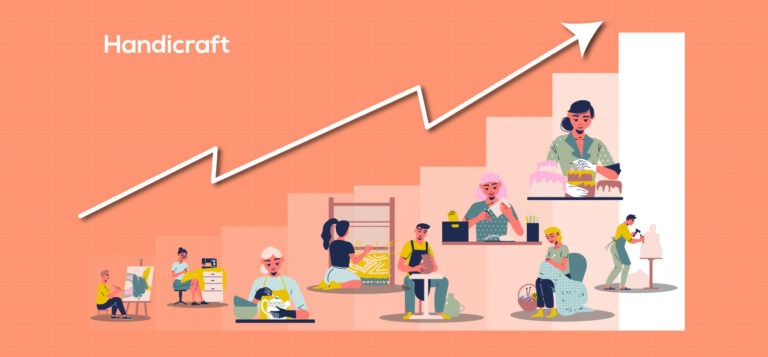
In recent years, the export of Indian handicrafts has been steadily rising, making it a significant contributor to the country’s economy.

Importance of Handicrafts Industry

One of the key benefits of the handicrafts sector is that it employs millions of artisans and craftspeople across the country, many of whom come from rural and disadvantaged communities. As a result, the industry is a vital income source for these individuals and supports the growth and development of their communities.

In addition to economic benefits, the handicrafts sector also plays a vital role in preserving and promoting India’s rich cultural heritage. Many handicrafts are created using traditional techniques and materials essential to the country’s cultural identity.

In recent years, the export of Indian handicrafts has been steadily rising, making it a significant contributor to the country’s economy. The steady growth in exports of Indian handicrafts has played a crucial role in driving economic growth and development in the country.

The growth of the Indian handicrafts market has been supported by advances in online availability and the expansion of the country’s travel and tourism industry.

As more tourists visit India, they spend money on souvenirs and other craft items, providing local artisans and craftspeople with increased opportunities to produce and sell their products. Additionally, the rising demand for handmade decor accessories in homes, offices, and restaurants, as well as from the gifting industry, has contributed to market growth.

The handicrafts sector is economically viable due to its low capital investment, high value-addition ratio, and high export potential.

Current Indian Handicraft Market

In 2022, the size of the Indian handicrafts market reached US$ 3,968.0 million. According to IMARC Group, this market is expected to grow at a CAGR of 7.7% between 2023 and 2028, reaching a size of US$ 6,218.4 million by 2028.

The Indian handicraft industry is supported by a network of 744 clusters that employ approximately 212,000 artisans and offer more than 35,000 products.

Some major clusters are Surat, Bareilly, Varanasi, Agra, Hyderabad, Lucknow, Chennai, and Mumbai. Many of these manufacturing units are situated in rural and small towns, but there is the significant market potential for their products in cities throughout India and abroad.

Covid-19 Impact On the Handicrafts Industry

The Covid-19 pandemic has had a significant impact on the handicraft industry, with decreased demand and sales, supply chain disruptions, and adverse effects on the livelihoods of artisans and handicraft producers.

Products in the Handicraft Industry

Woodware, Artmetal wares, handprinted textiles, embroidered goods, zari goods, imitation jewelry, sculptures, pottery, glassware, attars, agarbattis, and other items are produced in the country. Female artisans account for more than 56% of the total artisan population in India.

Below is the graph showing the percentage increase/decrease in handicraft products.

image 9
Source: Export Promotion Council of Handicraft

Export Trends

India is one of the top exporters of handicrafts and the market leader in both volume and value for handmade carpets. India exported US$ 120.06 million worth of handicrafts in May 2022, an increase of 1.01% from April 2022 (excluding handmade carpets).

Total exports of Indian handicrafts were valued at US$ 4.35 billion in 2021-22, a 25.7% increase over the previous year. Exports of handmade products, particularly carpets, have increased steadily over the last three years.

The following graph shows that Indian handicraft exports rose from 2016 to 2022.

image 10
Source: Export Promotion Council of Handicraft
*Data excludes exports of carpets

Export Destination

Due to their uniqueness and exceptional beauty, demand for Indian handicraft products in foreign markets has steadily risen. The graph below depicts India’s main handicraft export destinations.

image 11
Source: Export Promotion Council of Handicraft

India exports carpets to over 70 countries, with the main markets being the United States, Australia, and Europe.

image 12
Source: IBEF

The USA is a significant purchaser of shawls, zari woods, embroidered items, and handprinted textiles. Carpet exports to the United States were valued at more than US$1.2 billion in 2021-22.

The United Kingdom buys art, crocheted items, handmade handicrafts, wood wares, and imitation jewelry from India. The country has also been a significant importer of handmade carpets from India. In addition, the UAE is a substantial purchaser of handprinted textiles, embroidery goods, and art metalware.

Handprinted textiles, imitation jewelry, embroidery items, and art metals are popular purchases in Germany, which spent US$116.64 million on carpets in 2021-22.

Piyush Goyal’s take on the Indian handicrafts industry.

Union Commerce and Textiles Minister Piyush Goyal stated that Indian handicraft exports have been steadily increasing and are superior to machine-made products. Goyal emphasized the importance of the handmade products industry for a self-reliant India and mentioned the efforts of artisans to contribute to the “Atmanirbhar” (self-reliant) movement. He also said the need to work towards creating an inclusive society in India by 2047.

Government Initiatives

The National Handicraft Development Programme and the Comprehensive Handicrafts Cluster Development Scheme support and promote the handicraft industry in India through initiatives such as design and technology upgrades, training, marketing events, and shared facilities. These programs aim to increase exports and assist artisans and entrepreneurs in establishing modern units.

Final Words

India has a diverse and vibrant handicraft industry with various products, including textiles, ceramics, metalwork, and woodwork. The sector is an essential source of income and a significant contributor to the country’s economy, with India exporting handicrafts to many countries worldwide.

FAQs

What challenge is faced by handicrafts in India?

The handicraft industry in India faces challenges such as competition from cheaper mass-produced goods and difficulties in accessing markets and credit.

Which state is famous for making Indian handicrafts?

India has many states known for their particular handicraft products, such as Rajasthan for textiles and leatherwork, Gujarat for textiles and metalwork, Tamil Nadu for handloom textiles and leatherwork, and so on few of the examples.

Read more:  How Long-term investing helps create life-changing wealth – TOI.

UK Prime Minister Rishi Sunak reaffirmed UK’s commitment to a free trade agreement with India, stating that it would be a “win-win” for both nations. This move comes as part of a broader effort to deepen the Comprehensive Strategic Partnership between the UK and India, which Rishi Sunak announced earlier this year.

The UK-India Young Professionals Scheme

The UK-India Young Professionals Scheme was confirmed in late November 2022 and is just one example of the potential benefits of such an agreement. This scheme aims to strengthen ties between the two countries by providing young professionals with the opportunity to work and learn in each other’s countries. For up to two years, it offers 3,000 seats for degree-educated Indians between 18 and 30 to live and work in the UK.

But the potential impact of a free trade agreement between the UK and India goes far beyond just the exchange of young professionals. India is the world’s most important source of undiscovered and undervalued talent. A free trade agreement with the UK could provide Indian businesses with much-needed access to the UK market. It could lead to increased investment and job creation in India, helping to drive the Indian economy.

At the same time, the UK would also stand to benefit from such an agreement. India is a rapidly growing market with a middle class population. Access to this market could significantly boost UK businesses, particularly in the technology, healthcare, and education sectors.

India accounts for about 25% of all international students in the UK, and Indian investment in the country has produced or supported 95,000 jobs. In addition, statistics from the UK Home Office show that in the year ending June 2022, over 1,18,000 Indian students were granted student visas for the nation. It is an increase from the prior year of approximately 90%.

Free Trade Agreement

Overall, a free trade agreement between the UK and India would be a win-win situation for both countries. It would provide opportunities for businesses and professionals in both nations and could increase investment and job creation.

It would also strengthen the Comprehensive Strategic Partnership between the UK and India with significant political and strategic implications. It is encouraging to see Prime Minister Rishi Sunak’s dedication to such a deal, and the plan is that talks will progress smoothly in the months and years to come.

The bilateral trade between the UK and India presently amounts to about GBP 24.3 billion annually. However, according to official UK government figures, the goal is to at least double that by 2030. Rishi Sunak is taking an investor approach to strengthening the India-UK relationship.

According to Rishi Sunak, in contrast to Europe and North America combined, the Indo-Pacific region will account for more than half of global growth by 2050. As a result, we are signing a new Free Trade Agreement with India, pursuing one with Indonesia, and joining the CPTPP, a Trans-Pacific Partnership trade agreement.

Final Words

Rishi Sunak’s dedication to this agreement demonstrates United Kingdom’s determination to maintain a positive and fruitful relationship with India. It would expand economic prospects and improve the link between the two countries.

FAQs

Is there an alliance between India and the United Kingdom?

Strong historical and cultural ties exist between India and the UK. With its upgrade to a Strategic Partnership in 2004, India’s multifaceted bilateral engagement with the UK became more intense.

Does the UK value India?

As evidenced by the signing of the Defence and International Security Partnership between India and the UK in 2015, India is a crucial strategic partner for the UK in the Indo-Pacific regarding market share and defense.

How has Rishi Sunak’s approach to the India-UK relationship been received in India?

Rishi Sunak’s approach to the India-UK relationship has generally been well-received in India. Indian officials have welcomed his efforts to strengthen ties between the two countries and have praised his commitment to deepening cooperation in areas such as trade, investment, and technology. Sunak’s visits to India have also been seen as an opportunity to reaffirm the strong and longstanding relationship between the two countries and explore new cooperation areas.

How does Rishi Sunak, the UK Chancellor of the Exchequer, view the India-UK relationship?

As the UK Chancellor of the Exchequer, Rishi Sunak is responsible for managing the UK’s economic and financial policies, including its relations with other countries. Sunak has stated that he views the India-UK relationship as a “key partnership” and has emphasized the importance of deepening ties between the two countries in trade, investment, and technology. He has also highlighted the potential for further cooperation in defense and security and has expressed a desire to further strengthen the UK’s relationship with India.

Read more:  How Long-term investing helps create life-changing wealth – TOI.

Frequently asked questions

Get answers to the most pertinent questions on your mind now.

[faq_listing]
What is an Investment Advisory Firm?

An investment advisory firm is a company that helps investors make decisions about buying and selling securities (like stocks) in exchange for a fee. They can advise clients directly or provide advisory reports and other publications about specific securities, such as high growth stock recommendations. Some firms use both methods, like Research & Ranking, India’s leading stock advisory company, specializing in smart investments and long-term stocks since 2015.

An investment advisory firm is a company that helps investors make decisions about buying and selling securities (like stocks) in exchange for a fee. They can advise clients directly or provide advisory reports and other publications about specific securities, such as high growth stock recommendations. Some firms use both methods, like Research & Ranking, India’s leading stock advisory company, specializing in smart investments and long-term stocks since 2015.

An investment advisory firm is a company that helps investors make decisions about buying and selling securities (like stocks) in exchange for a fee. They can advise clients directly or provide advisory reports and other publications about specific securities, such as high growth stock recommendations. Some firms use both methods, like Research & Ranking, India’s leading stock advisory company, specializing in smart investments and long-term stocks since 2015.

An investment advisory firm is a company that helps investors make decisions about buying and selling securities (like stocks) in exchange for a fee. They can advise clients directly or provide advisory reports and other publications about specific securities, such as high growth stock recommendations. Some firms use both methods, like Research & Ranking, India’s leading stock advisory company, specializing in smart investments and long-term stocks since 2015.