Economy

This section offers content on things happening in the country. Any news update on India, its GDP, plans and levels globally will be included in this section.

The 18th of November, 2022, will be remembered as a watershed moment in the Space Tech history of India. On this day, India successfully launched its first private rocket, named Vikram S.

The rocket is a tribute to Vikram Sarabhai, widely regarded as the father of the Indian space program. Under the supervision of ISRO, the 545-Kg rocket Vikram S (VKS) was launched at 11:30 a.m. sharp from the Satish Dhawan Space Centre in Sriharikota. VKS hit an apogee of 89.5 kilometers before splashing into the Bay of Bengal 5 minutes after its launch.

Features of Vikram S – India’s first Rocket Launch

VKS has been designed and built by Skyroot, a brainchild of two promising engineers, Pawan Chandana and Bharath Daka. Vikram S, India’s first private rocket launched, can reach Mach 5, or five times the speed of light. It can even transport an 83 kg payload to a height of 100 kilometers.

Vikram-S has been unimaginatively built in a record time of just 2 years. Its success marked the foray of private players into the Space Tech dominated by the Government owned Indian Space Research Organization (ISRO).

The body mass of India’s first private rocket launched is 545 kg, the length is 6 meters, and the diameter is 0.375 meters. It is one of the most affordably priced launch vehicles. VKS carried three payloads into space- two from Indian customers (namely Chennai’s Spacekidz and Andra Pradesh’s N-Space Tech) and 1 foreign customer ( Armenian BazoomQ Space Research Lab)

India’s first private rocket launched, Vikram-S, is a single-stage spin-stabilized solid propellant rocket fuelled by cutting-edge aviation technology and a carbon core structure. The historic launch was a part of the Mission Prarambh, which marks a new beginning of the journey of private players in the Space launch sector.

Vikram-S (VKS) is a Small Satellite Launch Vehicle (SSLV) capable of delivering payloads weighing between 290 and 560 kg into sun-synchronous polar orbits. The Kalam-80 engine, named after our former President and renowned ISRO scientist Dr. APJ Abdul Kalam, powers VKS.

About Mission Prarambh

The mission, codenamed Prarambh, earmarks the foray of private players into the space launch market. This mission is authorized by IN-SPACe, a nodal body framed by the Government of India for permitting private companies to enter the Space market.

Vikram-S, India’s first private rocket launched, took off under the flagship program of Mission Prarambh. In June 2020, PM Narendra Modi announced the inauguration of IN-SPACe as the autonomous nodal agency to take care of the needs of the private payers entering the Space Tech.

ISRO will act as a facilitator for private companies, providing infrastructure, support, and guidance as needed. In addition, IN-SPACe is vested with the responsibility to track the space activities of both the Government and private bodies.

ISRO is looking to partner with private entities to expand its launch capacity as demand for satellites grows and more industries prepare to move into space.

space 3

About Skyroot and its Future Plans

Skyroot is a Hyderabad-based startup founded by two ingenious IIT engineers, Pawan Chandana and Bharat Daka, in 2018. Skyroot has set an ambitious target of reducing the developmental costs of launching small satellites by up to 90 %. It is the first private company to design and launch a rocket into space. So far, private player contributions to space tech have been limited to producing parts and systems for ISRO.

The ambitious launch of Vikram-S has paved the way for the active participation of private players such as Skyroot in Space Tech. After experiencing one-shot success with VKS, the company intends to launch more than 20,000 small satellites in stages over the next ten years.

Through its unparalleled mass production, the company intends to make satellite launching as simple as booking a cab. In the Vikram Series, Vikram I, Vikram II, and Vikram III will follow VKS. In addition, the company envisages using Space Tech to drive Vikram-S, Kalam-80, and 3-D printed thrusters in the upcoming Vikram series.

The upcoming Vikram series will use a variety of solid and cryogenic fuels and have a carbon composite core structure. Skyroot has received $68 million in funding, making it the most funding received by any Indian Space Tech start-up.

Booster for the Start-up Community

The event was graced by Dr. Jitendra Singh, Union Minister of Science and Space Technology, and MOS PMO, Atomic Energy and Space. He described the historic success of VKS, India’s first private rocket launched, as a defining moment for the country’s start-up movement.

After the successful launch of VKS, Dr. Jitendra Singh congratulated the Nation and thanked PM Narendra Modi for allowing Space Tech for public-private partnerships. He further enlightened us that ISRO has received applications from over 100 start-ups for collaborations in various areas of Space Tech.

Contribution to the Indian Economy

India occupies the sixth position in the list of most active countries in space exploration, and the USA leads the list. The shares of communication activities are expected to rise from 26 % to 50% of the global space economy by 2040. This growth will be achieved through improving space-based technology for research and exploration.

image 1 space
Image Source: Statista

Considering the present global space tech revenue to be 469.3 bn USD, India has significant untapped potential for boosting the economy.

space 2
I

Key Takeaways

The success of Vikram-S, India’s first private launch, will help many private entities realize their space ambitions. In addition, the entry of more private Space Tech firms into the space market would allow ISRO to use funds for research on impending missions.

While most Indian start-ups are still pre-commercial, a more significant influx of funds is expected as more space tech missions succeed.

FAQs

How much does it take for a Vikram-S rocket to launch?

India’s first private rocIndia’snched, VKS, can be assembled and launched in less than 72 hours.

How long does the VKS, India’s first rocket lauIndia’ske to completion?

The take-off gets completed in just 300 seconds.

Read more:  How Long-term investing helps create life-changing wealth – TOI.

Indian economic growth is overtaking the world economy. India is on track to overtake Japan and Germany as the world’s third-largest economy by 2027. After the COVID-19 epidemic, India’s economy showed strong indications of recovery in FY22.

Per IBEF, India’s GDP at current prices is projected to reach $ 447.44 billion (Rs. 36.85 lakh crore) in the first quarter of 2022–23, up from$ 394.13 billion (Rs. 32.46 lakh crore) in 2021–22, which is a growth rate of 13.5%.

image 11
Source: IBEF

According to these numbers, India is the world’s fastest-growing major economy. The Indian investment industry has benefited from this Indian economic growth. Domestic investments in the Indian market have increased from retail investors, mutual funds, and PE/VC firms. India stock market will be the third-largest in the world by 2030. Furthermore, it offers a developing and prosperous ecosystem for domestic and foreign investments in the India economy.

Domestic Investment in Indian Economic Growth

Retail investors made up an all-time high of 7.42% of shareholders in companies listed on the National Stock Exchange (NSE) as of March 31, 2022, up from 7.33% as of December 31, 2021.

Foreign Direct Investment (FDI) in Indian Economic Growth

The development of India’s financial system, infrastructure enhancement, and easing restrictions on Foreign Direct Investment (FDI) has contributed to the country’s investment boom. So, the government has promoted a favorable FDI policy to investors, with most sectors allowing 100% FDI via the automatic mechanism for better Indian economic growth.

The FDI policy is also revised frequently to keep the India stock market a desirable and welcoming place for investors. As a result, the India economy achieved its highest-ever annual FDI influx of $ 83.57 billion in FY22, an astounding 85.09% increase over FDI inflows of $ 45.15 billion in FY15.

A 76% YoY increase from $ 12.09 billion in FY21, FDI equity inflows into the manufacturing sector totaled $ 21.34 billion in FY22. Singapore had the most significant FDI equity inflow into India in FY22, followed by the US and Mauritius, as shown in the pie chart below.

image 12
Source: Ministry of Commerce & Industry

The top two States receiving FDI for FY22 are Karnataka and Maharashtra.

image 13
Source: Ministry of Commerce & Industry

The manufacturing sectors have seen a 76% growth in FDI equity inflow in FY 2021–2022 (USD 21.34 billion). On the other hand, the Computer Software and Hardware and the Services Sector have received the subsequent highest sector FDI Equity Inflow during FY2021–2022.

image 18
Source: Ministry of Commerce & Industry

Private Equity (PE)/Venture Capital (VC)

India’s Private Equity (PE)/Venture Capital (VC) investment environment is likewise scaling new heights, with growth in deal size, deal activity, and fundraising, as well as developments in term sheets and benchmarking procedures. So, PE/VC investment activity reached $ 34.1 billion across 714 deals in the first half of 2022 (January-June), representing a 28% YoY surge adding to the Indian economic growth. PE/VC made the most significant investments in startups, totaling $ 13.3 billion across 506 ventures.

image 15
Source: IVCA-EY Report

Let’s observe the factors that make India a desirable investment.

Global Offshore Workforce: One of the main forces behind the expansion of India’s economy has been outsourcing a wide range of services to that country. India has become a popular destination for companies looking to outsource non-core activities due to its large English-speaking workforce and low labor costs. As a result, the country’s services sector has expanded to account for more than half of its GDP in Indian economic growth.

Over the next decade, the number of people working in India for jobs outside the country is expected to more than double, reaching over 11 million, as global outsourcing spending rises from $180 billion per year to around $500 billion by 2030, according to Morgan Stanley Research. CEOs today are more at ease with working from home and India in a post-Covid environment.

India’s Consumer Spending, Credit, and Digitization: India consumer spending has skyrocketed. Non-grocery retail is seeing the most growth, including apparel and accessories, leisure and recreation, and household goods and services, among other things.

India’s income distribution could shift over the next decade, causing overall consumption to double from $2 trillion in 2022 to $4.9 trillion by the end of the decade. As India’s income distribution shifts, India’s overall consumption could more than double.

image 20
Source: Morgan Stanley Report

Over a decade ago, India launched the Aadhaar national identification program, which laid the groundwork for a more digital economy. Among other things, the Aadhar system generates biometric IDs to establish proof of residency and has been instrumental in digitizing financial transactions.

This project is now a component of IndiaStack, a decentralized public utility that provides a low-cost comprehensive digital identity, payment, and data-management system. IndiaStack has many applications, including a network for lowering credit costs and making loans more accessible and affordable to consumers and businesses. Credit availability is a critical factor in economic growth. The Morgan Stanley Research team estimates that the credit ratio to India’s GDP over the following decade could rise from 57% to 100%.

India’s Energy Access and Transition: India’s energy access and transition is the third pitch. India’s economic growth has traditionally been linked to the price of oil. However, optimists predict a significant green energy transition that will attract more investment and make India’s energy self-sufficient and competitive.

According to India Utilities and Industrials analyst, the increase in India’s energy sector investments will contribute to a virtuous investment cycle, with more jobs and income, savings, and in turn, more investment.

India’s Government Initiatives

The Indian government is undertaking several initiatives to boost the country’s economy, including structural reforms, infrastructure investment, and the promotion of entrepreneurship and innovation. These policies create a favorable environment for business growth and the overall expansion of India’s economy.

Manufacturing is another area where India has the potential for significant growth. The government has launched initiatives, such as the “Make in India” campaign, to promote the country as a manufacturing hub and attract investment in this sector. If these initiatives are successful, they may help to create jobs and propel Indian economic growth.

Apple may have migrated some of its manufacturing facilities to India during the year due to a substantial increase in iPhone 14 production. The business is currently finalizing the launch of iPad production in India.

The table below shows the manufacturing sector’s annual growth rate, as the National Informatics Center reported, demonstrating the industry’s steady but slow growth.

image 17
Source: Ministry of Commerce & Industry

The startup ecosystem in India is one area where India is seeing significant growth. The country is home to many technology startups dedicated to providing innovative solutions in fields such as e-commerce, fintech, and healthcare.

These startups are attracting significant investment from both domestic and foreign investors, and they are critical to Indian economic growth. However, investing in India is a long-term strategy. Therefore, it has some dangers, such as a protracted global recession, unfavorable geopolitical developments, changes in domestic policy, a shortage of skilled labor, energy constraints, and commodity volatility.

Final Words

As India’s economy develops over the next decade, it will become more relevant to global investors in the same way China is today. Emerging Market expert Mark Mobius is also allocating his investments to India. India’s upcoming decade may mimic China’s trajectory from 2007 to 2012. According to Morgan Stanley Reports, India has the most compelling growth prospect in Asia in the following years.

This customizable portfolio of the top long-term stocks from Research & Ranking will help you diversify, lower risk, and increase returns. It is called the 5-in-5 Wealth Creation Strategy. That may enable you to fulfill your long-term financial goals. So, invest in equity.

FAQs

How has the rupee performed during the year 2022?

In 2022, the Indian Rupee performed reasonably well compared to its counterparts from other emerging markets. Over this year, the rupee’s value has decreased by almost 10%. Even while it sounds like a lot, India hasn’t fared all that poorly compared to many of its peers in the emerging market.

Which industries in India are thriving?

The top sectors which are thriving and showing future growth are:
1. Healthcare and Insurance Sector
2. Renewable energy sector
3. IT Sector
4. Fast-Moving Consumer Goods Sector

India envisions excellent traction for digital healthcare in the coming years as a sustainable solution to meet unmet needs. However, a broader healthcare ecosystem and appropriate infrastructure are required to support the digital endeavor.

COVID-19 has been the cornerstone of emerging innovations in digital healthcare tools. Responsive to the pandemic, communities, and countries worldwide are now gearing up to scale up digital tools. Digital healthcare tools gained significance when the pandemic strained the global medical systems. In a crisis, these tools enhanced efficiency and enabled almost real-time data sharing, aggregation, and analysis.

Everyone is covered by digital healthcare, from healthcare professionals and managers to end users, such as caregivers and patients.

Global Digital Health Summit in India

India hosted its first-ever Global Digital Health Summit, Expo, and Innovation Awards in New Delhi on 22nd October. The two-day Global Digital Health Summit was inaugurated at Vigyan Bhawan, New Delhi. The grand event marked the launch of Digital Health Mission. United Nations and several other global bodies working towards digital healthcare tools attended this prestigious summit.

Sri Jitendra Singh, the Union Minister of State, believes that the launch of 5G will aid in digitalizing healthcare services. While speaking at the event, the Union Minister stated that India has been an example to other countries. Other countries look up to India for how it handled such a large and diverse population.

  • Democratization of Technology: The Global event emphasized that nearly 80% of individual doctors, small clinics, and small hospitals are still not using technology. Their concerns stem from the return on their investment in technology and application methods. The summit aims to enlighten healthcare providers about adopting new technologies.
  • Plan for modernizing traditional medical practices: This interactive summit sheds light on how 5G, Metaverse, and other technological advancements can reshape the standard medical setup. Eminent global leaders discussed how the latest technology can boost the return on investment for an individual or an organization.
  • Government Initiatives and Strategies for Digital Health Revolution: In this article section, we will learn how India is accelerating its pace to establish its digital healthcare footprint. We will also discuss the initiatives taken to leapfrog our penetration to the most remote parts of the country.

These initiatives are targeted to build our digital healthcare tools and digital infrastructure of the country. In addition, the Make in India initiative includes producing indigenous goods and developing autonomous healthcare systems.

The primary organizations responsible for governing and implementing the various initiatives are- the Ministry of Health and Family Affairs, the Ministry of Electronics and Information Technology, and the National Health Authority.
Ms. Binu Sharma, Senior Director of Nursing at Max HealthCare Institute, and other dignitaries from hospitals, pharma, and clinicians addressed the summit on the challenges and solutions of adopting Digital Healthcare tools.

About National Digital Health Mission (NDHM)

Digital Health Mission 01

On the eve of our 74th Independence Day, our Prime Minister, Shri Narendra Modi, launched the National Digital Health Mission. Our present digital infrastructure that connects people through Aadhar-based identification acts as a launching pad for NHDM.

NHDM is universal health coverage that is secure, inclusive, effective, and affordable. A few of the salient features of the scheme include the following-

  • Digi Doctor A repository of doctors with complete details such as name, address, experience, specialization, etc. This data will be shared and updated regularly.
  • Health Id- A unique Health Id (UHID) similar to Aadhar.The individual’s previous medical history and investigation results will be shared with healthcare providers and stakeholders with their consent.
  • Health Facility Register– Collective database of private and public health facilities across the country.
  • Personal Health Records (PHR)– Medical data of an individual in electronic form that can be accessed across multiple channels. Only the concerned individual can edit/update the PHR records.
  • Electronic Medical Records (EMR)– This application will hold all the patient details, such as past illness history and the line of treatment adopted. An essential tool for health providers to monitor health and suggest investigations when required.

Ayushman Bharat Digital Mission

image 34
Source: https://ndhm.gov.in

Our honorable PM launched the ABDM in August 2021 as the next step toward developing digital healthcare tools. This initiative is envisaged to standardize and simplify the healthcare system in the country. This scheme allows for digital consultation and the preservation of old medical histories while protecting the patient’s health-related information privacy.

The Ayushman Bharat Digital Mission’s essential parts include the following.

  • ABHA Number- Ayushman Bharat Health Account (ABHA) number is unique to each patient. Accessing medical records is not possible without proper authentication and consent of the patient.
  • Healthcare Professionals Registry (HPR)- Healthcare professionals who practice on traditional or digital platforms can now enroll here to provide their services.
  • Health Facility Register (HFR)– Inclusion in this repository will allow healthcare professionals to stay connected to India’s digital ecosystem.
  • Unified Health Interface (UHI)- Bridge the gap between patient and healthcare provider by facilitating teleconsultation and other services.
  • ABHA Mobile App (PHR)- Health-related information of an individual conforming to the national standards and privacy laws.

Revolutionizing Healthcare by Digitalizing Pharma Supply Chain

NHDM aims to achieve a resilient digital healthcare infrastructure in the country by investing in the digitalization of the pharma supply chain. Integrating digital healthcare tools and AI-driven technology to create a database that can be used for chronic disease treatment and human welfare.

Key Takeaways

India is at the cusp of a digital health revolution. Emerging health technologies such as telemedicine and artificial intelligence are changing India’s healthcare system landscape. With the growing global adoption of therapeutic digital healthcare tools investing in these tools is the right way to create a massive backup for research and convenience.

Increasing investments could also mean great opportunities to invest in stocks of such businesses. Invest only after thoroughly studying the company’s moats, opportunities, and financials. If you are confused, connect with a financial advisor to plan your investments.

FAQs

What are digital tools in healthcare?

Digital healthcare tools are software applications developed to improve healthcare services. These tools are used for clinical decision support or automating administrative or research processes within healthcare systems. These tools include robotic process automation (RPA), Blockchain for EHR, virtual clinical trials, and more.

What are 5 common technological devices used in healthcare?

The common tech devices used in healthcare are automated IV pumps, portable monitors, wearable devices, smart beds, and electronic health records.

What are the 4 significant digital challenges in the healthcare industry?

Interoperability, cybersecurity, privacy, and misinformation are four significant challenges in the healthcare industry.

Read more:  How Long-term investing helps create life-changing wealth – TOI.

Foreign trade in the current economic landscape is centered around US dollars. Financial experts refer to it as the ‘Dominant Currency Paradigm’ or DCP as it is undoubtedly the ‘go to’ monetary source, destination, and vehicle currency for most countries to carry out foreign trade.

This has been the case historically.                              

What’s the Backstory of the Trade Through Rupee Accounts?

The role and dominance of the dollar in foreign trade have been brought into question as the Biden administration, for the first time, attributed ‘inflation’ as a critical global threat with the likes of Russia and China. However, the US Strategy paper said that this inflation was no longer a domestic issue and highlighted the struggle of people all over the world.

You can lay partial blame on the Russia – Ukraine war and the pandemic that were the key reasons behind bolstering price rise and inflation across the globe.

The Federal Reserve, the US central bank, has periodically increased interest rates to curb price rise and inflation on the domestic front. However, it has not helped drive a reverse price rise trend in the long term. The significant consequence of this has been felt across developing nations despite many of them not carrying out foreign trade with the US directly.

What Does It All Mean for India and its People?

Inflation in the US spreading across the globe has led to a weakening rupee against the dollar as the US bank rates keep rising intermittently. This has created concern at the national level despite other vital factors, such as a positive increase in GDP driving growth in the Indian economy.

The typical Indian is the one who is most impacted by the weakening rupee and increase in dollar rates as India continues to transact the bulk of its foreign trade in US dollars. It will help to put things into perspective.

When it comes to India’s foreign trade, 60% of financial transactions are done in US dollars, 86% of which are for imports alone. Even if the exporter settles in rupees, the sovereign-level transaction happens in US dollars.

  • Every year India imports significant quantities of gram and dals which ultimately is food for Indians both rich and poor.
  • Palm oil is also a key commodity that India imports, which many Indian households use.
  • Also, consider the Indian students who are currently enrolled in US universities where parents are having to fund their education by shelling out more because the rupee is weak against the dollar

In a nutshell, the rise of the US dollar has been detrimental to India’s foreign trade.

Has India Found a Way Forward?

The rupee fell to a record low against the US dollar combined with a sharp price rise in global commodities such as oil. It has driven trade and current account deficits to worrying levels.

As the bulk of the foreign trade transactions takes place in US dollars it was important for the central government in collaboration with the Reserve Bank of India to come up with a way forward that will turn around the Indian economy for the better.

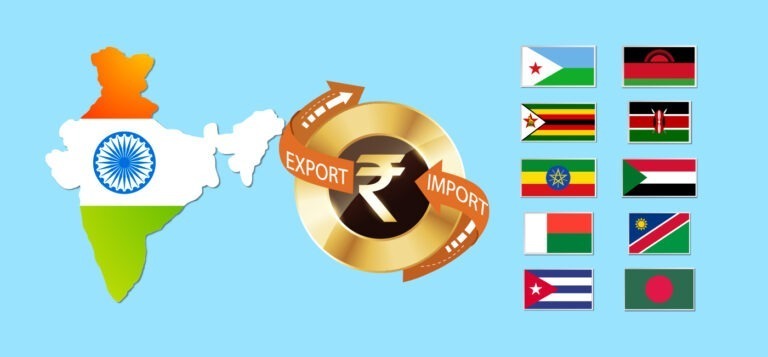
In alignment with this thought, the RBI issued a circular on the 11th of July 2022 that established a framework allowing Indian companies involved in foreign trade to invoice, pay, and settle their export and import orders in Indian currency in addition to the regular payment modes.

Promoting trade through a rupee account would help the interest of Indian exporters and support a global trading community wanting to do business in INR. The integration of the rupee AC will enable Indian companies to settle their accounts with other countries in INR. In theory, this move could possibly become an alternative to SWIFT.

The idea became more concrete when India wanted to trade with Russia as the US imposed sanctions and denied Russia access to the SWIFT system. Other than simplifying foreign trade with Russia, the system is designed to check the US dollar outflow from the country. This, in turn, would automatically help to slow down the pace of the rupee depreciation against the US dollar to some extent.

How does the Rupee AC Trade System Work?

The proposed Rupee AC trade framework by the RBI enables the settlement of foreign trade transactions with any partner country. To initiate the transactional relationship, Vostro accounts correspondent bank/s of the partner country would have to be opened in banks in India to kick off the trade. Indian importers will then be allowed to make payments for their imports into the country in Indian Rupee directly in these Vostro accounts.

What are the Long-Term Benefits for India?

RBI’s priority in encouraging a shift toward trading via rupee accounts was to minimize foreign trade deficits. This would allow India to raise its proportion of oil purchases from Russia at affordable prices. Moreover, this will establish a more transparent and efficient system of foreign trade and pave the way for the INR to be accepted as a global currency for foreign trade.

India already has new free trade agreements (FTA) with countries like Australia and the United Arab Emirates and is in the negotiating stage to sign more with the likes of the European Union, the UK, and Canada. India can potentially increase their level of economic engagement with FTA partner countries with a pre-existing international settlement mechanism in the Indian Rupee in place.

The Bottomline

India’s proposal of a Rupee AC has already sparked interest in the international community with four to five countries expressing interest in settling foreign trade transactions in Indian rupees. Moreover, a push towards de-dollarizing can promise several long-term structural benefits in India’s international trade going forward.

FAQs

1. Why does RBI want to settle foreign trade payments in INR?

Settling foreign trade payments in INR with help RBI minimize India’s dependency on US dollars to carry out international trade.

2. Is the Indian rupee free floating?

According to RBI Governor Shaktikanta Das, the Indian rupee is a free-floating currency with its exchange rate determined by prevailing market conditions.

3. Can Indian Rupee be used in foreign trade?

After RBI’s 11th July announcement, Indian Rupee can be used in international trade

Read more:  How Long-term investing helps create life-changing wealth – TOI.

Jogigpoha in Assam has recently been creating headlines in the leading national newspaper. Jogigpoha, a small town on the northern bank of the Brahmaputra River, will be India’s first MultiModal Logistics Park (MMLP) and be part of the “Kaladan Multi-Modal Transit and Transport Project” when linked to Myanmar through Mizoram.

Assam approved the transfer of 200 acres of land owned by the now-defunct Ashok Paper Mill for the project following the Government’s decision. Jogigpoha in the Bongaigaon district is strategically located and has the potential to significantly improve India’s logistics.

The Multimodal Logistics Park project will be carried out in two stages. In the first phase, 102 acres of the park will be outfitted with external roads and rail to connect to inland waterways. The remaining 88 acres for the inland water terminal will be developed in the second phase.

The upcoming project at Johigpoha, Guwahati, is perceived as a game-changer in improving India’s competence and quality in logistic services. According to a report by CII and Arthur D, the cost of transporting freight can account for up to (13-14%) of our GDP. It is nearly double the price of developed economies (7-8%) and significantly higher than other BRIC countries by 9-10%.

image 30
Source: https://www.gktoday.in/

First, let us look at the factors that give Jogigpoha a competitive advantage in becoming a significant logistics and export-import hub.

  • Jogigpoha connects not only the Northeast but also eastern India and countries such as Bhutan, Nepal, and Bangladesh. Products from these countries can be easily imported for further export or transported to other parts of the country.
  • Jogighopa is located 175 km by road from Phuentsholing, a significant trading and transit point on the Indo-Bhutan border.
  • Jogigpoha is 300 km from Kakarbhitta, a massive trading and trans-shipment hub on the Indo-Nepal border.
  • It will be easier to export products from North Bengal’s Dooars and Darjeeling Hills areas, which are well-connected with Jogigpura. In addition, Jogigpura can significantly reduce the burden on the overcrowded Bagdogra Airport in Siliguri.
  • Jogigpura is also close to the Brahmaputra River, our predominant inland waterway connecting Bangladesh. Goods in large volumes from Bhutan, North Bengal, and North East can easily be transported to other destinations.

This flagship project is part of the Government’s “Bharatmala Pariyojna” initiatives, which aim to make Northeast India’s economic powerhouse.

Overview of Multimodal Logistics Park (MMLP)

The National Highways Logistics Management Limited (NHLML) of the Ministry of Road Transport and Highways (MoRTH) and the National Highways Authority of India (NHAI) are in charge of the Multimodal Logistics Park, which is a Government of India initiative.

In 2017, the Government of India launched this program to build 35 MultiModal Logistics Park/s (MMLP) across the country through Public-Private-Partnerships. The proposed investment in this ambitious project is about Rs. 50,000 Crores. 

Objectives of India’s Multimodal Logistics Park(MMLP)

The intent driving the program was to reduce India’s logistics costs and combat five constraints-

  • aggregation and distribution of freight,
  • freight transportation via multiple modes,
  • storage and warehousing combined,
  • assistance with information technology, and
  • services with added value

How High Costs of Logistics Are Impeding Our Economic Growth

The high cost of freight transportation is putting pressure on manufacturers while significantly reducing their profit margins. Lower profits for an extended period may have an impact on India’s future as a manufacturing hub.

The cost of road transport is whooping high and dominates the price escalations in high-value items such as auto parts, automobiles, pharmaceuticals, hardware, tiles, marbles, sanitary items, furniture, fixtures, steel molded products, and a few more. 

Automobiles accounted for the greatest value in Indian transport equipment exports in the financial year 2022. This amounted to more than 6.8 billion US dollars.

image 31
Source: India: the value of transport equipment exports by type 2022 | Statista

In the financial year 2022, India’s value of exports of railway transport and parts was approximately 416 million US dollars. This was a sizable increase from the previous financial year’s figure of 135.3 million dollars.

image 32
India: the value of railway transport equipment exports 2022 | Statista

Reducing the monopoly of road transport can lead to robust economic growth. We must introduce special parcel trains, modernized cargo booking, delivery outlets, and high-speed freight corridors to give our Indian manufacturing industry a strategic edge.

Challenges in Roadmap to Reduce Logistics Cost

The major bottlenecks to production synergies and lowering logistics and trade costs are higher transportation costs and procedural delays.

  • Overpacked rail networks
  • Ships have a long turnaround time due to overcrowded berths and cargo evacuation delays.
  • Acceptance of technological advances

India’s first MultiModal Logistics Park is proposed to be built on a massive area of over 317 acres at Jogishopa in Assam. Loaded with multiple facilities like a Warehouse, cold storage, yard, petrol pump, parking, lodging, etc, MMLPs aim to reduce the logistics costs by a minimum of 10 %. 

Benefits of Multimodal Logistics Park and Lowering Freight Costs

If we work towards lowering our logistics costs and improving our transport systems, we can gain better access to international markets and increase trade. Mr. Nitin Gadkari, Union Minister of Road Transport and Highways, too emphasized the importance of lowering our current logistics costs by nearly 10% to achieve greater economic viability.

 Some of the appealing advantages are :

  • End-to-end transparency and visibility in the supply chain and logistics cost regulation.
  • Smooth management of storage and distribution of goods in warehouses.
  • Forecast product demand
  • Better inventory management and preventive maintenance.
  • Intelligent route planning to optimize delivery operations.

While addressing the event, “Climate Goals: Technological Roadmap to Net Zero”, he stated that by cutting our logistics costs, we can multiply our savings and boost exports by almost 50%. With technology, innovation, and research we can significantly lower our logistics cost building a fertile ground for manufacturers, entrepreneurs, and innovators at large. 

The Final Thought

MultiModal Logistics Park  (MMLP) lay the foundation to reshape the infrastructure and encompass various logistics segments. It aims to streamline freight traffic, cold chain transportation, and warehousing. The Government intends to use digitalization to expand India’s logistics landscape so that it can compete with its global counterparts.

FAQs

What is the operating model for the project?

The project is built on Hub and Spoke model aimed to integrate freight through highways, railways, and inland waterways.

How is the Multimodal Logistics Park an eco-friendly initiative?

Multimodal Logistics Park will reduce pollution significantly. MMLP has the potential to reduce carbon emissions by 50%. Replacing regular plastic packaging with biodegradable packaging and reducing reliance on railways would help.

When the first Multimodal Logistics Park is set to be functional?

Jogighopa, the first Multimodal Logistics Park could be set up by 2023.

Read more:  How Long-term investing helps create life-changing wealth – TOI

How does a successful technology transfer or manufacturing of high-tech products benefit a nation? To understand, we don’t have to look far beyond, as India is the best example. From manufacturing Covid-19 vaccines for the world to producing long-range air superiority fighters for the Indian Air Force, it has helped India to create an ecosystem of highly skilled workforce and capabilities to pursue new opportunities.

And Airbus Tata collaboration for manufacturing the C-295 transport aircraft is a shot-in-the-arm development. So let’s understand how it will push local manufacturing and benefit the Make in India initiative.

Overview of Airbus Tata Collaboration

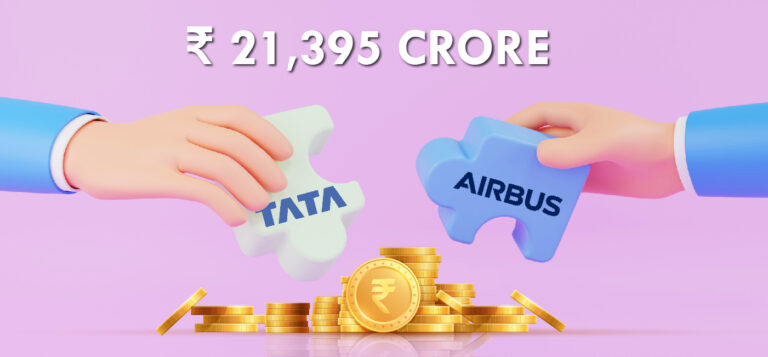
In September 2021, the Ministry of Defence (MoD) signed an estimated ₹21,395 crore deal for 56 C-295 transport aircraft with Airbus Inc for the Indian Air Force.

The entire project is unique, and the first-of-a-kind project for India as the military aircraft will be manufactured in India under the transfer of technology by a private sector company. To bag the deal, Airbus, along with its Indian partner, Tata Advanced Systems Ltd (TASL), placed the bid.

Only Hindustan Aeronautics Limited (HAL) was known to execute such transactions earlier. And the silver lining is that the production line will meet other countries’ export needs. Making significant progress on the deal, on October 30, 2022, Prime Minister Narendra Modi laid the foundation stone of the manufacturing facility in Vadodara, intending to roll out the first aircraft in September 2026.

Airbus Tata Collaboration- A Case of Make in India

The manufacturing of C-295 in the country is a significant development. It will help India become a global manufacturing hub, support the development of indigenous products and R&D, and allow rapid modernization. For instance, TASL will partner with TCS and more than 125 MSME suppliers to manufacture C 295. The project may generate 600 highly skilled jobs, over 3,000 indirect jobs, and additional 3,000 MSME opportunities generating 4.25 million man-hours of work.

The experience will go a long way in manufacturing high-tech defense products and create a new ecosystem for manufacturing fixed-wing aircraft, the capability which India lags.

For instance, HAL recently completed the deal of manufacturing 140 Sukhoi 30 MKI for the Indian Air Force. Over the year, HAL developed over 2,000 Micro, Small, and Medium Enterprise (MSME) vendor bases for the Sukhoi project that will now be used to ramp up the capacity to overhaul aircraft. Also, the production line can be used in manufacturing India’s next-generation fighter aircraft like the Tejas-MK-1A or building 5th-generation fighter aircraft.

Why is Defense the Focus in Make in India?

The Airbus Tata Collaboration is one more example of how the government is focusing on ramping up defense manufacturing capabilities under the Make in India initiative.

The country must have hi-tech manufacturing capabilities to catch up with the pace of the developed world and new emerging economic scenarios. And large defense orders with offset clauses play a significant role in developing hi-tech industrial capabilities for the country and generating meaningful employment opportunities.

And India wants to be a vital defense manufacturing hub. The government is helping through a five-pronged approach to working on that objective. In the last seven years, India’s defense spending doubled from $32.4 billion in 2015-16 to $62.8 billion in 2021-22. Simultaneously, the government has made 5 crucial policy changes in defense procurement:

New defense acquisition procedure: The Defense Acquisition Procedure (DAP) 2020 formulated rules for procuring new defense technology equipment with a greater focus on the Make in India efforts and MSMEs. Higher usage of indigenous content, design, and development and improving ease of doing business to attract foreign companies to manufacture in India.

Foreign Direct Investment (FDI): Allowing 74% FDI under automatic route will encourage foreign companies to invest and produce in India.

Technology Development Fund: The scheme aims to promote self-reliance in defense technologies and allow more MSMEs and startups in the defense manufacturing space.

Import Embargo: Banning the import of defense equipment that can be manufactured with indigenous technologies and foreign collaboration in India, thus making room for the private sector to invest and add capacities.

Growth in Exports: One of the key focuses of the new Defense Acquisition Procedure is to meet the requirement for India and make for the world. With exports of just under $255 million or  ₹ 1,940 crores in 2014-15, Indian defense exports have touched  ₹13,000 crores mark in 2021-22 fiscal and have already touched  ₹8,000 crores mark in the first six months of FY 2022-23.

With the government planning to make India a defense manufacturing hub for the world and grow the size of the Indian defense manufacturing industry to $5 trillion by 2047 from the current $1 trillion, it paints a bright picture and opportunities for MSMEs, startups, and private and public companies.

The Airbus Tata collaboration is a much-needed development in that direction. As the Prime Minister mentioned at the foundation stone laying ceremony of the C-295 manufacturing facility, India plans to become a significant transport aircraft producer and manufacture big commercial planes.

If things move in the right direction or as planned, the defense sector will also be the biggest wealth creator of the next decade. Stocks of defense companies like Hindustan Aeronautics, Bharat Dynamics, Solar Industries, Bharat Electronics, etc., have given investors higher double-digit CAGR returns in the last three years.

Does this mean that you blindly invest in defense stocks? No, remember FRAI – find, research, analyze and then invest.

Disclaimer Note: The stocks mentioned in this article are just for information. He/she should not consider this a buy/sell/hold from Research & Ranking. The company shall not be liable for any losses that occur.

FAQs

What is Airbus Tata collaboration?

Airbus has partnered with Tata Advanced Systems Ltd. to manufacture C 295 transport aircraft in India. TASL-Airbus signed a ₹ 21,395 crores deal with the Ministry of Defense.

How many C 295 will be manufactured in India?

A total of 40  C 295 transport aircraft will be manufactured for Indian Air Force, and the production line will also be used to meet export requirements.

Where C 295 aircraft will be manufactured in India?

TASL is building a manufacturing plant near Vadodara and has plans to roll out the first aircraft in September 2026.

Read more:  How Long-term investing helps create life-changing wealth – TOI

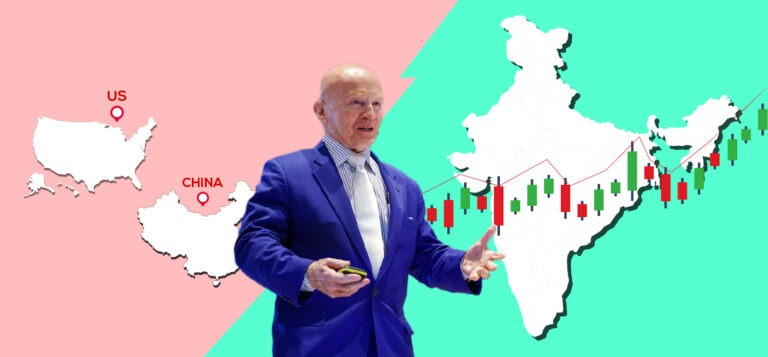
“India is on a 50-year rally.” Since early 2022, seasoned investor Mark Mobius has placed his hopes in the Indian market. Mobius mentioned this in an interview with Bloomberg Television.

Mark Mobius, an investor in emerging markets, told Bloomberg that he is placing significant bets on the Indian market to remedy the declining returns from his Chinese market investments

Bloomberg reports that the Mobius Emerging Markets Fund allocated 45% of its portfolio to India and Taiwan, with primary market holdings in technology hardware and software. In addition, Mobius has a stake in Persistent Systems, an Indian technology firm, which accounted for 4.2% of the fund at the end of July 2022.

Economic Overview

China accounts for 26.89% of the MSCI Emerging Markets Index, making it the most significant country weight. India accounts for 16.21% of the total. India is now in second place, just behind China.

image 26
Source: MSCI Emerging Market Index

According to Mark Mobius in a conversation with CNBC, the Chinese index is falling as President Xi Jinping secured a third term at the 20th Communist Congress and installed several loyalists on a critical leadership committee. As a result, it will shift more toward a Maoist economy.

This has raised concerns that PM Xi will wield even more power over China’s economy, which has slowed significantly due to lockdown restrictions and his “common prosperity” agenda.

Mark Mobius also noted that China is still recovering from lockdown restrictions, which has led the International Monetary Fund to forecast only a 3.2% increase in the country’s GDP this year. It could cause problems for its markets, especially since the government has withheld vital economic data and delayed other metrics, such as GDP figures. In contrast, India disclosed its GDP growth rate at 8.7% as of FY22.

That’s not a promising sign! But, as Mark Mobius reminded all, that indicates something is boiling beneath the surface of the Chinese market and won’t be good.

“In India, however, the opposite is true. The government is further opening up the market, welcoming foreign investors, and incentivizing people to enter. As a result, we are witnessing a massive change in the world as India and China, the world’s two most populous countries, move into a historical shift towards India.” says Mark Mobius.

Mark Mobius said, “India is possibly where China was a decade ago.” The Indian stock market has recently been on a roll. It will have a positive impact on the Indian Market Index.

Mobius highlighted earnings are closely linked to GDP. Many individual Indian company valuations are still “reasonable” based on forward-looking price-to-earnings and return-on-capital ratios.

Mark believed some Chinese companies would succeed only if they used a selective approach. In the current climate, active management is crucial. He believes investors must not bet on the Chinese index and expect it to succeed; it may not.”

The US-China Technology War Is Heating Up

It is a significant trend occurring for apparent reasons. First, China could face increasing limitations due to the technological competition between the U.S. and China. The COVID lockdown in China is damaging the country’s manufacturers. Therefore, Mobius believes there are many reasons why manufacturers of technological goods will turn their attention to India.

India Can Deal With Its Trade Deficit

Increased local manufacturing in India is needed to address the significant trade deficit with China. India has a demographic advantage over smaller competitors due to its size, making it capable of doing so. And having domestic manufacturing in India is the best way to achieve that. Nations with smaller populations, such as Vietnam, Thailand, and other smaller countries, may find it challenging to increase local manufacturing.

Still, with a billion people, competitive wages, and a young population, India can boost manufacturing and significantly reduce Chinese imports. He believes that because the supply chain still requires imports from China and other countries, the Indian government must not consider accomplishing its goals through input restrictions like higher import taxes.

What the Indian government should do is encourage local manufacturers so that many of the products now imported from China can be manufactured in India at a lower cost.

The long-term strategy for manufacturing companies should be to relocate to India.

Given that it costs a lot of money to establish manufacturing facilities in a nation, Mobius predicted that this manufacturing shift to India would likely last for a long time. But he added that it would mean businesses assume the environment for investments would remain favorable for the long term. Moreover, India’s infrastructure is good, and the government has friendly regulations; manufacturing will stay once it relocates to India.

Additionally, given that foreign investors have continued to pull their money out of Chinese markets, the investor anticipates that India will likely overtake China in manufacturing stocks.

Indian aspirations to become a global hub are being fueled by the booming manufacturing sector.

According to the FICCI Quarterly Manufacturing Survey findings, the manufacturing sector’s recent rapid expansion is expected to continue for 6 to 9 months. In addition, manufacturing currently has an average capacity utilization of 72%, which indicates sustained economic activity in the industry.

image 27
Source: IBEF Report Manufacturing Infographics August 2022

According to IBEF reports, India can develop into a central manufacturing hub and by 2030 it could contribute more than US$ 500 billion annually to the world economy. According to preliminary estimates of the gross domestic product for the first quarter of 2021–2022, India’s GDP, expressed in current prices, was Rs. 51.23 lakh crore (US$ 694.93 billion) in the first quarter of FY22.

The third quarter of FY22 saw an estimated manufacturing Gross Value Added at current prices of US$ 77.47 billion, according to an IBEF report. In June 2022, the production of coal increased by 31.1%, that of electricity by 15.5%, goods from refineries by 15.1%, fertilizers by 8.2%, cement by 19.4%, and natural gas by 1.2%. Purchasing Managers’ Index (PMI) for Manufacturing in India was 53.9 in June 2022.

The Production-Linked Incentive (PLI) was established with an allocation of Rs. 1.97 lakh crore (US$ 27.02 billion) over the following five years to create global manufacturing champions in 13 sectors beginning FY22.

India’s Government Is Acting Quickly

The progress is patchy because of the federal nature of the country’s political system. Still, Mobius felt the center was moving quickly to increase the ease of business in India. For instance, he suggested speeding up the paperwork so that licenses could be granted more quickly.

The speeding up of processes depends on each state in India. A few state governments in India have done a great job attracting investors. Mobius emphasized that India must prioritize manufacturing from a broad policy perspective even as its services sector experiences robust growth.

As noted in IBEF reports, India’s manufacturing sector has the potential to reach $1 trillion by 2025. Implementing the Goods and Services Tax (GST) has turned India into a common market with a GDP of US$ 2.5 trillion and a population of 1.32 billion, which is enticing investors. In addition, the government has plans to focus on developing industrial corridors and smart cities to ensure the nation’s holistic development.

Indian Governments Initiatives to boost manufacturing industry

Mr. Narendra Modi, the PM of India, launched his “Make in India” campaign not long after taking office in 2014 to make India a global manufacturing center. The campaign aims to ensure the manufacturing sector accounts for 25% of the economy, up from 15% in 2014.

image 28
Source: IBEF Report Manufacturing Infographics August 2022
The manufacturing sector has received significant investment

India received a total inflow of US$ 58.77 billion in foreign direct investment (FDI) in FY2021-2022, according to the Department for Promotion of Industry and Internal Trade (DPIIT). For almost two decades, the major industries which received FDI equity inflow are the automobile industry at 32.8%, the chemical industry at 19.5%, and pharma at 19.4%.

image 29
Source: IBEF Report Manufacturing Infographics August 2022

The National Manufacturing Policy wants manufacturing to account for 25% of the GDP by 2025. The Union Budget 2022–23 set aside Rs. 2,403 crores (about U.S. $315 million) to promote the production of electronics and IT hardware. The Production-Linked Incentives (PLI) for semiconductor manufacturing are set at Rs. 760 billion (US$ 9.71 billion) to make India one of the world’s major producers of this essential component.

Final Words

Investors should exercise caution when investing Chinese market, Mark Mobius advised. The Indian government has recognized the manufacturing industry’s potential growth and provided incentives and support to change the manufacturing industry.

At the same time, he highlights India’s potential to revolutionize hardware technology and provides a bullish perspective on the Indian market. Remember that due diligence before investing is crucial if you want to invest in China or India. So, thoroughly study the market, the company, its moats, challenges, and future prospects before investing. Long-term investments can help you create wealth.

FAQs

What is the historical gap between the Indian and Chinese Markets?

The $5 trillion collapse in the Chinese market widens the historical gap between Indian stock markets.

Which company relocated its manufacturing facility from China to India earlier in 2022?

Apple Inc. began shifting production from China to India after a flawless production rollout.

Read more:  How Long-term investing helps create life-changing wealth – TOI.

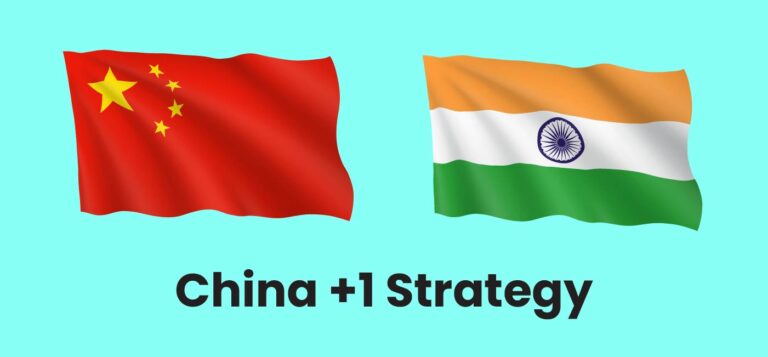
The China Plus One strategy became a hot topic of discussion once again as the Covid-19 pandemic engulfed the globe. The reason for this was a massive shift in the role of China’s manufacturing industry in the global export value chain.

With supply chain diversification at this level, it can be an excellent opportunity for Indian players to recapture a significant chunk of the international pie.

Let us first dive into what triggered this change in the Chinese manufacturing sector, thus adding fuel to the China Plus One strategy.

Why Are Companies Leaving China?

The most important reason that is driving the companies away from China is the implementation of the Personal Information Protection Law that came into effect in November 2021

For companies that do business with China, this legislation increases compliance costs while creating an environment of uncertainty. Furthermore, those flouting it will be liable to penalties for up to US$7.8 million, or 5% of their annual revenue.

Chinese regulators are cracking down on these technology giants, driving them towards considering the China Plus One strategy.

What is China Plus One Strategy?

Businesses from the western world have always found the low production and labor costs very attractive in mainland China. Along with affordable manufacturing came access to a large domestic consumer market. These were the primary reasons that have driven companies to invest in China for the last two decades.

image 16

The adverse impact of this voluminous demand has increased operational costs for manufacturers in China. The benefit of low prices and consumer demand no longer existed compared to what countries in the ASEAN region could offer these companies.

The China Plus One strategy, on the other hand, is a business strategy that deters companies from investing in China. The goal here is to diversify the supply chain across different, more favorable manufacturing geographies around the globe.

Companies looking to diversify are looking for stability – a stable economy, a stable government, and consistent consumer demand that countries like India, Vietnam, Indonesia, Malaysia, Thailand, the Philippines, and Bangladesh have to offer.

image 17
Data is generated from the China Business Report issued by the
American Chamber of Commerce Shanghai

Needless to say, the China Plus One strategy comes with its own challenges. Corporations will be subject to navigating new laws, new markets, and streamlining the business over multiple locations. However, the advent of Covid-19 and the China-US trade war expedited the rise of the China Plus One strategy over the last two years.

How Can India Benefit from the China Plus One Strategy?

Companies globally are looking to de-risk their supply chain. Therefore, the China Plus One strategy can open many doors for Indian manufacturers, primarily in the auto and auto components, engineering-related products, and chemical sectors.

India offers the cost advantage and benefits from a lower-cost sourcing point which global companies will not be able to overlook altogether.

The way for India to capitalize on the China Plus One strategy is to learn what China did right and do it better. This includes focusing on low operational costs, maintaining quality standards, timely delivery, and establishing reliability as a global manufacturing partner.

Indian companies looking to increase their footprint in the global supply chain will have to relook at their models of capacity utilization. The idea is to bifurcate resources where domestic demand should not be combined with meeting international needs. Both are different business opportunities and must be treated accordingly.

Going forward, this will allow Indian companies to scale and invest in exclusive capacity to give their customers confidence by manufacturing in volumes enabling them to gain credibility in the international supply chain ecosystem.

The government of India is also supporting the China Plus One strategy by improving the ease of doing business. This has incentivized new undertakings with lower tax liabilities for companies.

What Opportunities Have Emerged for India?

With the China Plus One strategy already playing out, India has benefited somewhat from this opportunity. Experts believe that within the manufacturing sector, any area that offers scale can be an opportunity for India.

For instance, China has always been the dominant leader globally across several industries, such as home textiles and cotton apparel. However, with the shift in production strategy and inadequate supply of cotton year, Chinese manufacturers are concentrating more on man-made fibers. This led to a rise in demand from Indian players, which could lead to an additional CAPEX of Rs 120 billion in the next decade for India.

Another opportunity emerged when Chinese majors began to shift from APIs toward formulations. However, this impeded Indian companies, especially during COVID times, as India could replace imported players with the government’s encouraging gestures.

Footwear is another industry that has gained as most South Asian and Chinese competitors lost traction because of low-value addition and wage pressures.

Looking Forward

Despite the challenges, India is an attractive option for companies adopting the China Plus One strategy. Strategic location, a large domestic market, skilled labor, and low labor costs are key factors that will help corporations decide where to take their business.

FAQs

Why did western companies start pulling out of China?

China has made a strategic shift from the production of low-value goods to high-value goods. This triggered global technology companies to either downsize their operations or completely pull out from mainland China.

Why did the China Plus One strategy find renewed vigor among corporations?

China’s strict data privacy law outlined that companies would be legally bound to abide by the data collection and storage terms, thus limiting control over sensitive information that is incremental to business success.

How has the government encouraged international companies to bring their business to India?

Bilateral and multilateral free trade agreements have been signed or are in the negotiating stage by the central government with 40+ countries. This will enable companies from these geographies to avoid the high-tariff trade barrier set up in India when doing business. This is encouraging more global companies to consider India as an alternative to China.

Read more:  How Long-term investing helps create life-changing wealth – TOI.

In the expedition to the digitalization of money, RBI recently rocket-launched its first pilot project of wholesale CBDC on November 1. However, the Central Bank Digital Currency (CBDC) or eRupee is merely another form of sovereign paper currency and is not intended to be a replacement.

According to RBI, the rapid mushrooming of cryptocurrencies pose a potential threat to the country’s financial ecosystem. Therefore, the essential motivation driving RBI’s CBDC is to maintain the continuum with the digital revolution while hedging against credit and liquidity risks.

India has come a long way, from commodities to precious metals to paper currency to the recently launched digital currency. Accordingly, RBI has launched the eRupee in phases via multiple pilot projects. When put to viability tests, RBI envisages detecting privacy issues and its implication on banking systems and financial stability.

Do you want to know how CBDC will affect the country’s financial landscape? Or will the digital Rupee mark the end of the cryptocurrency era in India? Are you wondering how safe and secure this new legal tender is? If yes, you have landed at the best place to find answers to all your questions related to the central bank digital currency.

Overview of Central Bank Digital Currency (CBDC)

CBDC or eRupee has been introduced by RBI as a digital form, the same as sovereign currency exchangeable at par (1:1) with fiat currency. The primary consideration of RBI is to create a digital rupee closest to its physical form and make the execution process seamless. In the pilot project, wholesale CBDC will cover only secondary market transactions in government securities. The digital retail currency will also be introduced later based on the merits and transactional benefits. 

The RBI has currently identified nine banks for the pilot launch- State Bank of India (SBI), Bank of Baroda (BOB), the Union Bank of India (UBI), HDFC Bank, ICICI Bank, Kotak Mahindra Bank, Yes Bank, IDFC First Bank, and HSBC.

The key intent is to.

  • Make interbank transactions more efficient.
  • Make transactions safe, smooth, cheap, and interoperable within and across the country.
  • Ensure monetary and financial integrity.
  • Provide a risk-free platform to deal in virtual currencies.

Features of CBDC

  • It is a sovereign currency Central Banks issue based on their monetary policy.
  • The eRupee will appear as a liability on the central bank’s balance sheet
  • It will be accepted as a medium of payment, legal tender, and a safe store of value by all citizens, enterprises, and government agencies.
  • Freely convertible against commercial bank money and cash
  • Fungible legal tender for which holders need not have a bank account
  • Expected to lower the cost of issuance of money and transactions

Types of Central Bank Digital Currencies

Based on the use case, digital currency can be broadly categorized into- Wholesale (CBDC-W) and Retail (CBDC-R). CBDC-W is designed for the settlement of interbank and related wholesale transactions.  While CBDC-R, the digitalized form of physical cash is intended to make retail financial transactions more safe and efficient.

Forms of Central Bank Digital Currencies

RBI will float its digital currency in form of- token-based, account-based, or a combination of both. A token-based CBDC system is similar to a “bearer-instrument”, where the holder of the instrument at a given time is considered the owner. In an account-based CBDC system, you would require the records of balances and financial transactions of all the holders to establish ownership.

The digital currency for wholesale will be issued through an account-based system, allowing instant transfer and incorporating a well-understood and established legal system. Whereas retail digital currency will be issued through a token-based system as it ensures universal access and robust security.

CBDC
Source: rbidocs.rbi.org.in

Benefits of Issuing Central Bank Digital Currencies

According to the latest reports, 105 countries that constitute almost 95% of the World’s GDP are in the pilot stage of launching their own CBDC framework. The most recent launch is JAM-DEX, Jamaica’s digital currency which created a global buzz. Then, Sand Dollar (Bahamas) is proclaimed the most developed retail digital currency worldwide.

image 3
Source: https://www.cbdc.cc

Let us try to understand the intrinsic values and benefits that are driving digital currency’s global acceptance. Though CBDC is in its early stages of research and development in India, we can anticipate a few advantages:

  • Adopting digital reforms reduces reliance on cash.
  • Reduced Currency management cost like the cost of printing, storing, transporting, and replacing bank notes.
  • The e-Rupee system will boost India’s digital economy, augmenting financial inclusion and making monetary and payment systems more efficient.
  • Convenient for Businesses and the Public.
  • E-Rupee settlements are final thereby lowering settlement risks.
  • The ease of use gives space for innovative products and services.
  • More regulated, dependable legal tender, and real-time cross-border payments.
  • Using Central Bank’s digital currency in offline mode as well will help cover the unbanked and deprived sections of our society.

What are the Challenges of Central Bank Digital Currency?

In the roadmap to launch a successfully functioning CBDC-W and CBDC-R, there is plenty that must be done. A few challenges the RBI faces include-

  • Need for a strong data protection policy to prevent exploitation of any vulnerabilities in the infrastructure.
  • Incorporate universality, finality, and anonymity in the same way that physical currency does. Dealing with this is difficult because all digital transactions leave a trail.
  • Application user interfaces (APIs) should be used effectively to allow for the quickest recovery in the event of a system breach.
  • Enhancing technical infrastructure to foster the recall feature that helps the system to release new security features if a series of tokens get hacked.
  • Maintaining privacy and combat technology risks and other prevalent threats.
  • Making a high-standard Business Continuity Plan.

Key Takeaways

We have demonstrated our appetite for digitalization and rapid acceptance of digital modes over time. COVID-19 has prompted the need to accelerate the payment digitalization process and find a substitute for the most preferred mode of transactions i.e. Cash. CBDC has revolutionized the payment landscape via ease of use coupled with a sovereign guarantee. Similar to the fiat currency, CBDC appears on the liability side of the Central Bank’s balance sheet.

CBDC Chart

With the RBI’s CBDC digital footprints, you can envision a more secure financial environment, mitigate cross-border and cross-currency risks, and reach out to the unbanked and financially disadvantaged segments of society. Another reason for introducing digital currency is to safeguard the public from the alarming volatility of virtual currencies. CBDC’s interactive technology design and expected benefits make it as appealing as physical cash, if not more so.

FAQs

Will the Digital Rupee be built on blockchain technology?

Yes, the digital rupee is built on blockchain and other technologies to ensure a smooth and efficient cash management system.

Will the Digital Rupee increase lending?

Yes, the CBDC is expected to increase lending in the economy.  The outflow of the digital rupee creates competition among banks to bring in more deposits and increase retail and MSME lending.

Will the Digital Rupee eventually supplant physical currency?

No, the digital rupee has been introduced to supplement instead of replace the physical currency. It is introduced to strengthen digital initiatives and enhance security and payment systems.

What is the difference between CBDC and Digital Assets?

Digital assets are decentralized and not controlled by anybody whereas CBDC is governed by the Central Bank, RBI.

Digital assets are highly volatile and have yet to gain global acceptance, whereas CBDC is much more stable and is also gaining universal recognition.

India’s life insurance sector is witnessing a structural change, and the pandemic at the start of the decade has hastened the process. Greater risk awareness among the general population and accelerated digitization of the user journey process- from comparing policies and buying to claim filings are some positive structural developments in the insurance sector in India.

According to a global reinsurer Swiss Re, the Indian life insurance industry is set to grow at an exceptional rate of 6.6% in 2022. And the premium collection is expected to cross the $100 billion mark for the first time, whereas the global life insurance premium growth is muted and expected to increase by 1.9% in 2023. 

According to a KPMG report, the Indian insurance sector is expected to grow at around 15% annually for the next three to five years.

So, do life insurance stocks make a case for becoming the next multibaggers in the Indian stock market or just a fad that should be ignored at all costs?

The factors that will be discussed in this blog article will help you come to a decision.

Life Insurance Sector in India: Industry Overview

India’s insurance sector is divided into life and non-life insurance, with 57 companies operating in the industry and 24 in the life insurance vertical. Of the 24 companies, LIC has the highest market share at 68.57% until July 2022, and HDFC Life comes a distant second with 18.4% in new business received premium.

The life insurance sector in India is growing at a rapid pace at 32-34% annually and is the fifth largest life insurance market in the emerging insurance economies globally. Some of the key highlights of the sector are:

  • The life insurance to GDP ratio, an important metric to measure insurance penetration in the country, has grown to 3.2% in December 2021, up from 2.8% the previous year.
  • Life insurers collected ₹3.10 lakh crore as premiums in FY22, up from ₹2.7 lakh crore in FY21. By FY31, the premiums from India’s life insurance industry are expected to reach ₹24 lakh crore ($318 billion).
  • India is Asia’s second-largest insurance tech market, witnessing almost 35% of the $3.66 billion insurance-focused venture capital funding. In addition, the online market is estimated to be $1.25 billion by FY25, more than three times $365 million in FY20.
  • During FY 2020-21, 28 million new life insurance policies were sold in India, with group non-single policies registering a healthy growth of 6.3%.

The Macro Growth Drivers

The following are the factors that could lead to the expansion of the user base in the Indian life insurance sector:

Demographic Advantage: India has the world’s largest youth and adolescent population and will continue to rise till 2030, according to UNFPA. In terms of life insurance market potential, there is an enormous untapped market as the cohort will continue to push growth until 2050.

Aspiring Middle Class: As per a World Economic Forum (WEF) report published in 2019, India will transform itself from an economy led by the bottom of the pyramid to one led by the middle-class segment. Nearly 80% of the growth contribution will come from the middle class, from the present 50%. The middle-class and upper-middle-class segment is expected to expand by 34% and 44% by 2030, with a significant reduction in the low-income segment.

Rising GDP per capita income: In March 2022, India’s GDP per capita income reached $2,231 compared to $1,968 the previous year and is expected to be around $5,700 by 2030.

High Mortality Protection Gap: It refers to differences in actual life cover taken against the required cover to ensure complete protection. India has the highest mortality protection gap in the Asia Pacific at 92%, meaning only ₹8 is in place in the form of savings and insurance for every ₹100. This offers life insurers a vast untapped market for excellent opportunities over the next 10 to 30 years.

The Micro Growth Drivers

The micro-growth drivers refer to the changes the insurance companies brought in response to the changing demand while entering a highly untapped market.

Customer Centricity: The simplification of the user journey process, from considering and buying to filing the claims. Leveraging technology, omnichannel presence, simplification of product construct, and user experience are helping to increase penetration and provide a superior customer experience.

Sachet product and customization: Every individual has different needs, and no one product fits all. Innovations like add-on covers that give additional policy coverage by paying a little extra premium over the base cover help customize the policy coverage according to one’s need. For example, taking critical illness add-on coverage with the base term life insurance helps to expand the policy’s scope and increase protection with a small extra premium amount.

Innovation and Use of Digital Channels: Mis-selling was rampant in the Indian life insurance sector before the digitization and online availability of insurance products. Steps like investment in creating knowledge resources by private life insurers to improve awareness and reducing the premium cost by selling insurance products directly have helped to clock growth in premium revenue. For instance, HDFC Life recorded 87% renewals based on premiums and 96% renewals based on the number of policies originating from digital channels collected online.

Big Data: One of the critical enablers in driving growth in the insurance sector in recent times is the use of big data to design products that suit dynamic users’ needs, smoothen customer acquisition, renewals and claim management process, and fraud management.

Indian Life Insurance Players

The Life Insurance sector in India is dominated by a recently listed, state-backed life insurance major LIC. However, private life insurers are steadily improving their market share through better customer outreach strategy, omnichannel presence, superior product construct, etc.

The major private life insurance players listed on the Indian stock market include HDFC Life, ICICI Pru Life, SBI Life, and Max India. At the end of September 2022, the market share of private life insurers was at 31.75%, while LIC held the remaining.

Conclusion

Although a vast untapped business potential exists for Indian life insurers, challenges remain. Risks like the Covid-19 pandemic have hurt the financials of life insurance companies. In addition, higher death claims and reduced new business growth in FY21 resulted in reduced profitability and underperformance of stocks by a large margin against the broader market.

However, the pandemic blip in life insurance stocks is not something big to worry about as it is an ordinary course of the business and will push for higher subscriptions to life and health insurance policies.

In the next few years, big things to watch out for are the reforms pushed by the government in the life insurance sector and how private life insurance players improve their market share. Synergies between the government and private insurance players can bring new possibilities for the industries and, possibly, wealth creation for insurance stockholders. 

FAQs

What is the size of the Indian life insurance market?

India is the fifth-largest life insurance market with a 3.2% life insurance penetration, ahead of China (at
2.4%.

Which life insurance stocks are available in India?

Life insurance stocks in India include Life Insurance Corporation, HDFC Life Insurance, SBI Life
Insurance, and ICICI Prudential Life Insurance.

What is the market share of LIC in the life insurance sector in India?

LIC has the highest market share at 68.57% until July 2022 and HDFC Life comes a distant second with 18.4% in new business received premium.


Frequently asked questions

Get answers to the most pertinent questions on your mind now.

[faq_listing]
What is an Investment Advisory Firm?

An investment advisory firm is a company that helps investors make decisions about buying and selling securities (like stocks) in exchange for a fee. They can advise clients directly or provide advisory reports and other publications about specific securities, such as high growth stock recommendations. Some firms use both methods, like Research & Ranking, India’s leading stock advisory company, specializing in smart investments and long-term stocks since 2015.

An investment advisory firm is a company that helps investors make decisions about buying and selling securities (like stocks) in exchange for a fee. They can advise clients directly or provide advisory reports and other publications about specific securities, such as high growth stock recommendations. Some firms use both methods, like Research & Ranking, India’s leading stock advisory company, specializing in smart investments and long-term stocks since 2015.

An investment advisory firm is a company that helps investors make decisions about buying and selling securities (like stocks) in exchange for a fee. They can advise clients directly or provide advisory reports and other publications about specific securities, such as high growth stock recommendations. Some firms use both methods, like Research & Ranking, India’s leading stock advisory company, specializing in smart investments and long-term stocks since 2015.

An investment advisory firm is a company that helps investors make decisions about buying and selling securities (like stocks) in exchange for a fee. They can advise clients directly or provide advisory reports and other publications about specific securities, such as high growth stock recommendations. Some firms use both methods, like Research & Ranking, India’s leading stock advisory company, specializing in smart investments and long-term stocks since 2015.