Economy

This section offers content on things happening in the country. Any news update on India, its GDP, plans and levels globally will be included in this section.

Gold prices have reached an all-time high, surging past $3,100 per ounce for the first time. This remarkable rally has been fueled by growing concerns over U.S. trade tariffs, geopolitical tensions, and increasing economic uncertainty.

Investors looking for a haven have turned to gold as a hedge against market volatility and inflation. Spot gold prices recently hit a record-breaking $3,106.50 per ounce, marking a significant milestone this year in the precious metal’s journey. Source: Economic Times

Gold Outshines Equities in FY25 with a 32% Surge in Domestic Markets

In the Indian market, the Financial Year 2024-25 emerged as a golden year for gold, significantly outperforming equities. As per MCX data, Indian spot gold prices surged 32% in FY25, while the Nifty 50 registered a modest gain of just over 5%.

On March 28, 2024, gold prices stood near ₹67,000 per 10 grams, rising sharply to approximately ₹88,700 within a year. In the derivatives market, MCX Gold futures settled marginally higher on March 28, closing 0.05% at ₹88,850 per 10 grams. Source: LiveMint

AD 4nXd5vDTm8HwB5
Source: LiveMint

Can Gold Prices Reach ₹1 Lakh in FY26? 

According to market experts, gold’s outlook for FY26 remains bullish, supported by geopolitical uncertainty, central bank buying, and potential US Federal Reserve rate cuts. Emerging market central banks are likely to continue accumulating gold, which could push prices higher. If interest rates decline, a weaker dollar could further drive gold demand, possibly taking it to $3,200. Source: LiveMint

Experts believe gold could breach the ₹1 lakh mark if major global events unfold, such as:
  • A deeper trade war – A prolonged trade war between major economies, such as the U.S. and China, could disrupt global supply chains, weaken currencies, and drive investors toward gold as a hedge against economic instability.
  • Escalations in the Middle East or Russia-Ukraine conflict – Rising geopolitical tensions could trigger market volatility, energy price surges, and inflationary pressures, leading investors to seek safe-haven assets like gold, pushing prices toward the ₹1 lakh mark.
  • Signs of stagflation in the US economy – If the U.S. experiences slow economic growth alongside high inflation, investors may lose confidence in equities and the dollar, increasing gold’s appeal as a stable store of value amid economic uncertainty.

Realistic Projections

Per market analysts, domestic gold prices in India could reach around ₹95,000 per 10 grams by the end of FY26. While long-term fundamentals remain strong, additional catalysts like severe currency depreciation or geopolitical shocks would be needed for gold to surpass ₹1 lakh per 10 grams. Source: LiveMint

5 Reasons Why Gold Prices Are Rising?

Gold has always been considered a safe-haven asset, especially during financial uncertainty. Several key factors are driving this rapid surge in gold prices:

  1. U.S. Tariff Concerns: Policies introduced by  U.S. President Donald Trump, including a proposed 25% tariff on imported cars and additional tariffs on Chinese imports, have fueled market instability. These uncertainties have pushed investors toward gold as a protective measure.
  2. Geopolitical Tensions: Ongoing conflicts and diplomatic tensions worldwide, especially involving major economies, have led investors to seek the stability of gold.
  3. Inflation and Economic Worries: With inflation rates rising, the value of paper currency is diminishing, making gold an attractive alternative.
  4. Strong Central Bank Demand: Many central banks, including those in China and India, are increasing their gold reserves, further boosting demand.
  5. Exchange-Traded Fund (ETF) Inflows: A rise in investments into gold-backed ETFs has contributed to the soaring prices.

Source: Economic Times

A Year of Record-Breaking Highs

Gold prices have been consistently upward throughout the year, gaining more than 18% so far. Earlier this month, gold broke the psychological $3,000 per ounce barrier for the first time, reflecting a growing sense of economic instability among investors. Analysts suggest that this bullish trend will continue as global economic uncertainty persists.

Banks Adjust Their Gold Price Forecasts

Given the extraordinary rally, several major financial institutions have revised their gold price forecasts upward:

  • Goldman Sachs predicts gold will reach $3,300 per ounce by year-end, increasing from their earlier estimate of $3,100.
  • Bank of America (BofA) has adjusted its expectations, forecasting gold to trade at $3,063 per ounce in 2025 and $3,350 per ounce in 2026, up from previous estimates of $2,750 and $2,625, respectively.
  • UBS and other investment firms have also raised their gold price targets, anticipating continued bullish momentum. Source: Economic Times

Challenges: Slowing Demand and Market Competition

Despite strong fundamentals, most bullish factors are already factored into current gold prices. Gold may consolidate at higher levels without fresh triggers due to demand fatigue and profit booking. A stock market rebound and a stronger US dollar could pose significant challenges to further price gains.

While short-term corrections are possible, gold’s long-term fundamentals suggest continued investor interest in FY26. The yellow metal is expected to remain a preferred safe-haven asset as uncertainty persists.

What’s Next for Gold Prices?

Market experts believe that gold prices will likely continue their upward climb unless geopolitical risks subside and economic uncertainty stabilizes. Factors such as future U.S. trade policies, global inflation trends, and central bank decisions will be crucial in determining the metal’s future trajectory.

Experts believe that tariff disputes will keep pushing gold prices upward until the ongoing trade war is resolved. Meanwhile, strong central bank demand and rising ETF inflows will further fuel this rally.

Final Thoughts

Gold’s rise past $3,100 per ounce shows its strong appeal as a safe-haven asset. With economic uncertainty, inflation, and global tensions, investors continue to rely on it. While prices may stabilize or climb further, gold remains highly valued. As analysts raise their forecasts, it’s clear that gold’s rally is far from over.

FAQs

  1. Why is gold’s price surging past $3,100?

    Gold’s rise is due to increased safe-haven demand, fueled by U.S. tariff concerns and global economic uncertainty. Investors seek gold to hedge against potential market instability and geopolitical risks.

  2. What impact do U.S. tariffs have on gold prices?

    U.S. tariffs create economic uncertainty, prompting investors to seek safe-haven assets like gold. This increased demand drives gold prices higher as investors try to protect their assets.

  3. How does geopolitical uncertainty affect gold’s value?

    Geopolitical tensions increase market volatility. In such times, gold is seen as a stable asset. This safe-haven demand pushes gold prices up, as investors seek to minimize risk.

  4. Is this gold price surge expected to continue?

    Analyst forecasts vary, but current trends suggest continued upward pressure on gold prices. Factors like ongoing trade tensions and economic uncertainty will dictate future price movements.

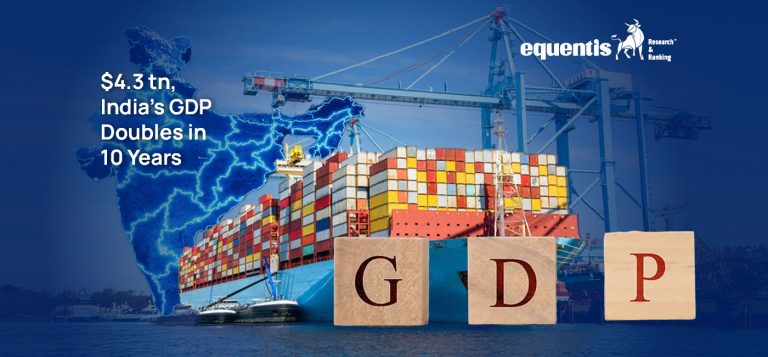
India’s economic landscape has undergone a remarkable transformation over the past decade, with its Gross Domestic Product (GDP) soaring from approximately $2.1 trillion in 2015 to an impressive $4.3 trillion in 2025. This 105% increase underscores India’s robust growth trajectory and positions it ahead of the global average GDP growth during the same period. 

AD 4nXfiFY4XAopYkzzyqcn3A0z5Pvb2EpJ9nj5V08uY rpFloSMX6zCu1kHZ3HojMeFlhHkZUD683vPqg 9yoR6iRn4b uu4McPqFKIW9EqbCRljn7DSVKq b5h5OrOhESx1dXrCwehw?key=Lr4F6fuwUn E fjoH4FkX3eT
Source: Statista

Such an unprecedented rise prompts an in-depth exploration of the key drivers behind this economic expansion, its implications for the nation, and the potential future impact on markets and investors. Additionally, the global economic climate, particularly the possibility of a US recession, may indirectly benefit India.  

Key Drivers of India’s GDP Growth

1. Service Sector Dominance

India’s services sector has been the primary driver of economic growth, contributing approximately 55% to the GDP. The rise of Information Technology (IT), business process outsourcing (BPO), and fintech industries has fueled both domestic consumption and export earnings. Companies like TCS, Infosys, and Wipro have expanded their global footprint, attracting foreign investment and boosting employment opportunities.

Additionally, India’s digital revolution has significantly impacted the service sector. The penetration of mobile internet, aided by affordable data costs, has catalyzed growth in e-commerce, fintech, and online education. For instance, the Unified Payments Interface (UPI) has transformed digital transactions, making India a leader in real-time payments globally.

2. Manufacturing and Industrial Growth

India’s “Make in India” initiative has been pivotal in transforming the country into a global manufacturing hub. The Production-Linked Incentive (PLI) scheme has attracted significant investments in electronics, pharmaceuticals, and automobiles. Major international firms, including Apple and Tesla, are expanding their manufacturing base in India, strengthening their export potential.

Infrastructure development has also played a crucial role, with initiatives such as the Bharatmala and Sagarmala projects improving logistics and connectivity. Expanding industrial corridors and smart cities fosters urbanization and industrial growth, increasing employment and productivity.

3. Agricultural Advancements and Rural Economy

Despite rapid urbanization, agriculture remains a crucial component of India’s economy. Introducing high-yield crop varieties, precision farming, and digital agri-tech startups has enhanced productivity. The Pradhan Mantri Kisan Samman Nidhi (PM-KISAN) scheme and rural credit initiatives have provided farmers with financial security and boosted rural consumption.

The shift towards agri-tech and food processing industries has also contributed to higher value addition. Companies like DeHaat and Ninjacart are leveraging technology to connect farmers directly with markets, improving price realization and reducing supply chain inefficiencies.

4. Demographic Dividend and Labor Force Growth

India’s population of 1.4 billion, with a median age of around 29, provides a significant workforce advantage. Expanding the gig economy and startups has created diverse job opportunities, while government-led skill development programs, such as Skill India and Digital India, have enhanced employability.

A growing middle class with rising disposable incomes has fueled consumption in real estate, automobiles, and consumer goods. The retail industry, both online and offline, has seen exponential growth, contributing to overall GDP expansion.

5. Economic Reforms and Policy Initiatives

Over the past decade, India has undertaken structural economic reforms that have enhanced business efficiency. Implementing the Goods and Services Tax (GST) has streamlined taxation, reducing compliance costs and boosting tax revenues. Foreign Direct Investment (FDI) liberalization across defense, retail, and insurance sectors has attracted multinational corporations.

The Insolvency and Bankruptcy Code (IBC) has improved credit discipline, reducing the banking sector’s non-performing assets (NPAs). India’s robust forex reserves and a stable monetary policy framework have strengthened macroeconomic stability, fostering investor confidence.

Implications of GDP Growth for India

1. Poverty Reduction and Socioeconomic Development

India’s rapid GDP growth has translated into rising per capita income, helping lift millions out of poverty. According to the World Bank, India has seen a significant decline in extreme poverty levels, with higher job creation in urban and semi-urban areas contributing to improved living standards.

2. Infrastructure and Urbanization

Government spending on infrastructure—such as highways, railways, and metro projects—has increased. The expansion of smart cities, affordable housing projects, and renewable energy initiatives has supported industrialization and job creation, accelerating urban economic activity.

3. India’s Global Standing

India has gained greater influence as the world’s fifth-largest economy in international trade and economic forums. The country is actively negotiating free trade agreements (FTAs) with key partners, including the European Union and the UK, to enhance export opportunities. Its membership in global economic alliances such as BRICS and the G20 has strengthened its geopolitical standing.

Future Impact on Markets and Investors 

1. Bullish Equity Markets

India’s GDP expansion is closely linked with stock market performance. The Nifty 50 and Sensex indices have consistently reached new highs, driven by strong earnings growth and increasing retail participation. Key sectors expected to benefit include technology, consumer goods, infrastructure, and renewable energy.

2. Foreign Direct Investment and Market Liquidity

India continues to be an attractive destination for global investors. FDI inflows, particularly in technology, infrastructure, and renewable energy, are expected to rise. Sovereign wealth funds and institutional investors are increasing their allocation to Indian equities and bonds, providing greater market liquidity.

3. Currency and Inflation Dynamics

A growing economy typically supports a stable currency. However, external factors such as global interest rate movements and trade imbalances may impact the rupee. India’s inflation trajectory remains a key concern, with supply-side disruptions influencing price stability.

Potential Benefits from a US Recession

1. Lower Commodity Prices 

A slowdown in the US economy often reduces global demand for commodities, resulting in lower oil and raw material prices. As a net importer of crude oil, India stands to benefit from lower energy costs, which could help curb inflation and improve the current account deficit.

2. Investment Diversion to Emerging Markets

Global investors seeking higher returns might shift capital from developed economies to high-growth emerging markets like India. With India’s strong economic fundamentals and policy stability, foreign portfolio investments (FPI) will likely increase.

3. Diversified Export Markets

While a US recession could dampen demand for Indian exports, the country’s diversified trade relationships with Europe, the Middle East, and Southeast Asia may cushion any adverse impact. Additionally, India’s growing domestic market can help mitigate external risks.

Conclusion

India’s journey from a $2.1 trillion to a $4.3 trillion economy within a decade is a testament to its resilience, strategic reforms, and dynamic workforce. As the nation continues on this upward trajectory, it must navigate global uncertainties, leverage its demographic advantages, and implement policies that sustain inclusive growth. For investors, India’s expanding economy offers a landscape rich with opportunities, provided they remain cognizant of both domestic and international developments.

India and Singapore have recently signed a Letter of Intent (LOI) to develop a Green and Digital Shipping Corridor (GDSC), marking a significant advancement in maritime collaboration between the two nations. This initiative focuses on maritime digitalization and decarbonization projects, aiming to drive innovation, accelerate the adoption of low-emission technologies, and strengthen digital integration in the marine sector. ​The Economic Times

Understanding the Green Shipping Corridor

A Green Shipping Corridor is a designated maritime route where vessels operate using low or zero-emission technologies, supported by digital innovations to enhance efficiency and sustainability. The primary objectives are to reduce greenhouse gas (GHG) emissions, promote the use of alternative fuels, and implement advanced digital systems for optimized maritime operations.

The India-Singapore Green and Digital Shipping Corridor (GDSC) is an ambitious initiative to make maritime trade between the two nations more sustainable and efficient. With both countries being key players in global trade, this corridor has the potential to revolutionize the shipping industry by integrating eco-friendly fuels, digital tracking systems, and AI-driven operational efficiencies. 

Implications for India and Singapore

For India and Singapore, establishing the GDSC is an environmental initiative and a strategic economic move with significant long-term benefits.

India’s Perspective

  1. Becoming a Green Fuel Hub: India has made strides in renewable energy, mainly green hydrogen and biofuels. This initiative allows India to position itself as a major supplier of green marine fuels, attracting foreign investments and boosting local industries. To achieve its ambitious goal of 500 GW of non-fossil fuel power by 2030, India requires an annual investment of ~ USD 68 billion​ and a total of USD 300 billion by 2030.
Source: Financial Times & Business Standard
  1. Technological Advancement: Developing smart ports, automated logistics, and AI-driven tracking will enhance India’s maritime infrastructure. This could lead to the creation of high-skilled jobs in AI, data analytics, and naval engineering.
  2. Strengthening Trade and Logistics: With reduced emissions and improved efficiency, India’s ports—especially in Mumbai, Chennai, and Visakhapatnam—could see increased traffic, making them more competitive in global shipping networks.
  3. Regulatory Compliance and Cost Savings: The International Maritime Organization (IMO) has set strict carbon emission targets. By adopting green shipping early, India can avoid potential carbon taxes and non-compliance penalties, giving its maritime sector a competitive edge.

Singapore’s Perspective

  1. Maintaining Leadership in Maritime Innovation: As the world’s busiest transshipment hub, Singapore has long been a leader in maritime technology. This initiative further solidifies its status as an innovation-driven port city.
  2. Enhancing Port Efficiency: AI-powered logistics management and blockchain-based documentation can significantly reduce operational delays, making Singapore’s ports even more attractive for global shipping companies.
  3. Sustainability as a Competitive Advantage: With major economies shifting towards carbon-neutral shipping, ports that offer green fuel bunkering and digital efficiencies will be preferred. Singapore stands to gain as an early adopter.
  4. Strengthening Regional and Global Alliances: Partnering with India on this initiative demonstrates Singapore’s commitment to sustainable trade practices and improving diplomatic and economic ties between the two nations and beyond.

Economic Impact of the Collaboration

The economic ramifications of the GDSC are profound and multifaceted:

  1. Boost to Renewable Energy and Green Fuel Industry: With rising global demand for low-carbon shipping, India’s investment in green hydrogen, biofuels, and ammonia-based fuels will create a multi-billion-dollar export industry.
  2. Increase in Trade Volume and Efficiency: Enhanced digital integration, including real-time tracking and AI-driven forecasting, will improve shipping efficiency, reducing delays and operational costs. This will make trade between India and Singapore more cost-effective and predictable.
  3. Job Creation and Skill Development: The shift towards digital and green shipping will require new expertise in software development, AI-driven logistics, renewable energy technologies, and environmental engineering. This could create thousands of new jobs across both nations.
  4. Reduction in Carbon Costs: Shipping contributes around 3% of global CO2 emissions. By transitioning to greener fuels, India and Singapore can save millions in carbon credits and compliance costs.
  5. Increased Competitiveness of Indian Ports: Major shipping players may choose Indian ports over higher-cost alternatives, leading to increased revenue and global positioning.

Global Implications of the India-Singapore Corridor

The India-Singapore GDSC is a bilateral initiative and a potential blueprint for future maritime sustainability projects worldwide. Its impact can be categorized into three key areas:

  1. Setting a Benchmark for Sustainable Shipping: If successful, this corridor could inspire similar agreements between other major trading hubs, accelerating the global transition to green shipping corridors. This aligns with the IMO’s target of cutting GHG emissions by 50% by 2050.
  2. Catalyzing Global Investments in Green Shipping: The success of this project could attract global investments from companies and nations looking to develop their eco-friendly shipping solutions. Major shipping lines like Maersk and MSC are already investing in green fuels, and initiatives like this make large-scale adoption more viable.
  3. Reducing Global Maritime Emissions: According to the International Energy Agency (IEA), maritime transport accounts for roughly 940 million tonnes of CO2 emissions annually. The widespread adoption of green shipping corridors could significantly lower this figure, contributing to global climate goals. 

Global Shipping Industry CO₂ Emissions (1990-2023) 

AD 4nXf2tOpxXrdCE2M4LwlQTQnaHG4 8J3bWuiUTaZuY4ZaX5 1w nlPdpXMhnuiZo7vkGYNMgl0IkRd27
Source: Statista

  1. Enhancing Indo-Pacific Trade Relations: Given that the Indo-Pacific region accounts for nearly 60% of global maritime trade, a sustainable corridor between India and Singapore could encourage further regional cooperation on green trade policies.

Conclusion

The India-Singapore Green and Digital Shipping Corridor represents a significant step towards sustainable maritime trade. By leveraging green energy, digital advancements, and regulatory foresight, both nations stand to gain economically and environmentally. Moreover, this initiative sets the stage for a broader global shift towards decarbonized shipping, reinforcing the economic and environmental sustainability of the maritime industry. 

India is poised to contribute 6% to global trade growth over the next five years, positioning itself as the third-largest driver after the United States and China. This projection underscores India’s burgeoning role in the global economy and invites a closer examination of its implications from an economic standpoint.​

Global Trade and Its Major Contributors

Global trade has been a cornerstone of economic development, facilitating the exchange of goods, services, and capital across international borders. Trade routes like the Silk Road and transatlantic trade networks have shaped civilizations and economies. In the modern era, global trade has expanded exponentially, driven by technological advancements, policy liberalizations, and the rise of multinational corporations.​

The United States and China have traditionally been the primary engines of global trade growth. With their vast consumer markets and technological innovation, the U.S. and China, the world’s manufacturing hubs, have significantly influenced global trade dynamics. However, emerging economies like India are now playing increasingly pivotal roles.​ 

AD 4nXdSehW1 MH lc8rHZTvfgM5BbyodmFMCB6 Jitwofu7MmZHKJLhFaGx yFFIvACgH7rsadab46b4BjXe0sH1iP2aFm8aZvCo6pomlvTgnwaRbykdUbiogR3k1mPjxUwwRu1pXYxZA?key=ZERVeFqkBGQI2M7Vxnwz3 Ek
Source: World Trade Stats Review

India’s Evolution in Global Trade

After independence, India adopted a protectionist trade policy, focusing on self-reliance and import substitution. This approach led to a highly regulated economy with limited global integration. However, the economic reforms of 1991 marked a paradigm shift toward liberalization, privatization, and globalization. These reforms dismantled the ‘license raj’ and opened the Indian economy to global markets.​ 

Since then, India’s trade landscape has transformed remarkably. Merchandise exports have grown from just over $1 billion in 1948 to $451 billion recently. The country’s export portfolio has diversified from traditional goods like jute and tea to engineering goods, petroleum products, and pharmaceuticals.

AD 4nXenkOXX6EBS7X7rhW0HJMk t4F5UEB7Gsg9Z9EdIKBmXpBYGjHDOyIqx2dueHzU4V2JxUY9JhhnqLHKHhBfJRrpddMUm7yWNW5WZra3smlXlfNJpPafzdtU9B45Z0XxiOTF1PfH?key=ZERVeFqkBGQI2M7Vxnwz3 Ek
Source: Countryeconomy.com

Initiatives such as the Production-Linked Incentive (PLI) scheme aim to boost manufacturing and exports further.​Financial Times, Vox

Economic Implications of India’s Growing Trade Contribution

  1. Diversification of Global Supply Chains: India’s increased participation in global trade offers an alternative to existing manufacturing hubs, contributing to the diversification of global supply chains. This shift can enhance global economic resilience by reducing over-reliance on a single country or region.​
  2. Attraction of Foreign Direct Investment (FDI): A robust trade environment makes India an attractive destination for FDI. Investors seeking to capitalize on India’s growing market and export potential may inject capital into various sectors, fostering economic growth and employment.​
  3. Technological Advancement and Innovation: Engagement in global trade exposes domestic industries to international competition, compelling them to innovate and adopt new technologies. This dynamic can lead to productivity improvements and the development of high-value industries.​
  4. Enhancement of Infrastructure: To support increased trade activities, India may invest heavily in infrastructure development, including ports, highways, and logistics networks. Such investments can have multiplier economic effects, improving efficiency and connectivity.​
  5. Geopolitical Influence: A more significant share in global trade enhances India’s geopolitical clout. As an emerging economic power, India can be more influential in international trade negotiations, standard-setting, and global economic governance.​

Challenges and Considerations

While the prospects are promising, several challenges need addressing to sustain and enhance India’s contribution to global trade growth:

  • Infrastructure Bottlenecks: Despite progress, infrastructural deficits, particularly in logistics and transportation, can hinder trade efficiency. Continuous investment and modernization are crucial.​
  • Trade Policy Reforms: Regulatory frameworks must be simplified and bureaucratic red tape reduced to facilitate smoother trade operations and attract foreign investors.​
  • Skilling the Workforce: Aligning the workforce’s skills with industry requirements ensures that India can meet the demands of global markets, particularly in high-tech and specialized sectors.​
  • Global Economic Conditions: India’s trade growth is susceptible to global economic fluctuations, protectionist tendencies, and geopolitical tensions. Diversifying trade partners and products can mitigate some of these risks.​

Future Outlook

India’s anticipated contribution to global trade growth signifies an economic milestone and a strategic opportunity to reshape its position in the global economic order. By leveraging its demographic dividend, expanding its manufacturing capabilities, and enhancing its service sectors, India can sustain its upward trajectory in global trade.​

Moreover, embracing digital technologies and e-commerce can open new avenues for trade, allowing small and medium enterprises (SMEs) to access international markets. Sustainable and inclusive trade practices will ensure that the benefits of globalization reach a broader section of society, fostering equitable growth.​

Conclusion

India’s projected 6% contribution to global trade growth is a testament to its evolving economic landscape and integration into the world economy. This development presents numerous opportunities for economic advancement, technological progress, and geopolitical influence. 

However, realizing this potential requires strategic planning, infrastructural development, policy reforms, and a commitment to sustainable and inclusive growth. As India navigates this path, its role in global trade will become increasingly significant, heralding a new chapter in its economic narrative.

Introduction

India is at an energy crossroads. The country must rethink its power generation strategy with a booming economy, rising energy demand, and climate commitments. While coal still dominates (70% of electricity generation), and renewables are scaling up, they come with their limitations.

India’s quest for sustainable and reliable energy sources has renewed its focus on nuclear power. Nuclear energy is a potential game-changer as the nation strives to balance economic growth with environmental responsibility. 

With government initiatives, technological advancements, and a push for net-zero emissions by 2070, nuclear energy might be the missing piece in India’s energy puzzle. Could nuclear power be the game-changer in India’s clean energy transition? Let’s find out. 

India’s Nuclear Energy Landscape

India’s nuclear journey began in the 1950s with the formation of the Atomic Energy Commission (AEC). 22 operational reactors contribute about 3.2% of India’s electricity generation today. While this share is small, plans are in place to ramp up nuclear capacity from 8 GW to 60 GW+ by 2040 (Department of Atomic Energy, 2024).

Government Initiatives Boosting Nuclear Power

Recognizing the potential of nuclear energy, the Indian government has launched several initiatives to bolster its nuclear capacity:

  • Budget 2025: National Nuclear Energy Mission – Aims to accelerate nuclear infrastructure development.
  • National Nuclear Energy Mission: Announced in the Union Budget 2025, this mission allocates ₹20,000 crore to develop Small Modular Reactors (SMRs) by 2033. The goal is to achieve 100 GW of nuclear power capacity by 2047, aligning with India’s clean energy objectives. 
  • Legislative Reforms: Two task forces have been established to amend the Atomic Energy Act and address concerns related to the Civil Liability for Nuclear Damage Act. These reforms aim to encourage private sector participation and streamline regulatory frameworks.  The Economic Time
  • Capacity Expansion: India plans to increase its nuclear power capacity by approximately 70% over the next five years, reflecting a robust strategy to enhance energy security and reduce carbon emissions. India is building 10 new reactors simultaneously, cutting costs and increasing efficiency. It will also develop Small Modular Reactors (SMRs), which will be compact, scalable nuclear technology for industrial and urban needs. 
  • International Collaboration – Agreements with Russia, France, and the U.S. to expand nuclear capacity.  India Today

Need For Nuclear Energy Despite Coal & Renewables 

While coal remains India’s primary energy source, accounting for over 70% of electricity generation, its environmental impact and rising global carbon regulations make it unsustainable in the long run. Renewables like solar and wind are expanding rapidly but have intermittency issues, requiring backup energy sources like coal or battery storage, which increases costs. 

Nuclear power bridges the gap by offering a clean, reliable, high-capacity energy source. Unlike renewables, nuclear plants run 24/7, ensuring grid stability and supporting industrial growth. Given India’s rising energy demands—expected to double by 2040—nuclear energy provides a sustainable, cost-effective alternative to power the economy without jeopardizing environmental commitments.  

YearNuclear Capacity (GW)Nuclear Share in Power Mix (%)Cost of Nuclear Power (USD/MWh)
202483.20%60
2026124.50%58
2028186%55
2030256.50%53
2032358%50
204060+12%48
Sources: Department of Atomic Energy (DAE), Central Electricity Authority (CEA), International Energy Agency (IEA), 2024 

Why Nuclear Energy is Key to Net-Zero

  1. Coal Dependency & Emission Challenges: India still relies on coal for over 70% of its power generation (CEA, 2024), making it one of the top carbon emitters globally. While renewables like solar and wind are expanding, they face storage and intermittency issues, limiting their ability to provide stable, 24/7 energy.
  2. Nuclear Power’s Role in Carbon Reduction: Zero Direct Carbon Emissions: Unlike coal, nuclear power plants emit no CO₂ while generating electricity. A single 1 GW nuclear reactor can replace multiple coal-fired plants, cutting emissions significantly.
  3. Global Lessons: Nuclear as a Decarbonization Tool: France: Achieved low-carbon electricity (70% nuclear) while maintaining economic growth. China: Has 55 nuclear reactors and aims to quadruple capacity by 2050 for clean energy goals. India: With just 3.2% nuclear energy share, expanding this sector is crucial for meeting net-zero targets.

Economic Implications of Embracing Nuclear Energy

The strategic shift towards nuclear power carries profound economic ramifications:

  1. Energy Security and Reliability: Nuclear power offers a stable and continuous energy supply, reducing dependence on fossil fuels and mitigating the volatility associated with renewable sources like solar and wind. This stability is crucial for sustaining industrial growth and attracting investments.
  2. Cost-Effectiveness: While the initial capital investment in nuclear infrastructure is substantial, the long-term operational costs are competitive. The high capacity factor of nuclear plants ensures consistent energy output, leading to economies of scale over time.
  3. Technological Advancements and Employment: The development of indigenous reactor technologies, such as SMRs, positions India as a leader in nuclear innovation. This advancement fosters technological self-reliance and generates employment opportunities across various sectors, including engineering, manufacturing, and research.
  4. Environmental Benefits: Nuclear energy produces minimal greenhouse gas emissions, contributing to India’s commitment to the Paris Agreement and its net-zero emissions goal by 2070. Reducing air pollution also translates to public health benefits, potentially lowering healthcare expenditures.

Future Prospects and Challenges

The trajectory of nuclear energy in India appears promising, yet certain challenges must be addressed to harness its potential fully:

  1. Public Perception and Safety: Ensuring the safety of nuclear installations is paramount. Transparent communication and robust safety protocols are essential to gain public trust and dispel apprehensions associated with nuclear energy.
  2. Waste Management: Developing sustainable solutions for nuclear waste disposal remains a critical concern. Investing in research for effective waste management techniques is imperative for the long-term viability of nuclear power.
  3. Financing and Investment: Attracting private investments necessitates a conducive policy environment and assurance of returns. The proposed legislative amendments aim to create a more investor-friendly landscape, but their effective implementation will be key.
  4. Integration with Renewable Energy: A balanced energy mix requires harmonizing nuclear power with renewable sources. Strategic planning is essential to optimize the complementarities of different energy modalities.

The Future of Nuclear Energy in India

India’s nuclear energy journey is at a turning point. With government backing, global collaborations, and technological advancements, atomic power is poised to be a key driver in the country’s clean energy strategy. While challenges exist—high initial costs, regulatory hurdles, and public perception—the long-term benefits of energy security, cost stability, and emission reduction make nuclear power an essential pillar of India’s energy future.

Key Takeaways:

Nuclear energy offers 24/7 reliability, unlike solar and wind.
It reduces dependence on coal, helping India meet carbon net-zero goals.
Government policies and new reactor technologies will accelerate growth.
Economic benefits include stable energy costs and job creation. 

Final Thought

  • Nuclear power is not just an alternative—it’s needed to achieve India’s carbon neutrality. By integrating nuclear energy into its clean energy mix, India can cut coal dependence, stabilize power supply, and reduce emissions, bringing the 2070 net-zero goal closer to reality.
  • Nuclear power is not just an option—it’s a necessity for a cleaner, self-reliant, and economically strong India. The time to act is now. 

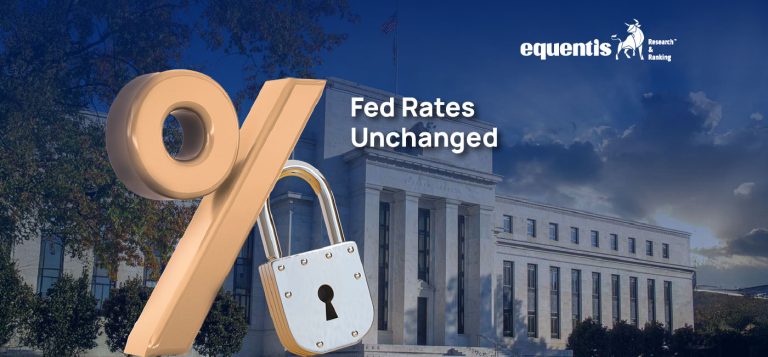
On March 19, 2025, the Federal Reserve announced its decision to maintain the federal funds rate within the target range of 4.25% to 4.50%. This decision aligns with market expectations and reflects the Fed’s cautious approach amid prevailing economic uncertainties. Notably, the Fed’s projections indicate two potential quarter-point rate cuts by the end of the year, signaling a shift in monetary policy aimed at sustaining economic growth. Axios

AD 4nXfGGnQihsTxB05LX0Lh P zuxSlZ8b6gQo RMl2 IfXXITkH1wDu4EFlpsdLL4WVX Cd8sGlSvGIbhPVeWdl0SYO349z98KrAzwsX3B5OSeMScSQ 1E m9bq8OIfN9uAv6od4k Bg?key=86gZA5V0m wACu09hbaRs4 5
Source: Federal Reserve Economic Projections, March 2025

Domestic Economic Outlook

Several key domestic economic indicators influence the Fed’s decision:

Inflation Trends: The Federal Open Market Committee (FOMC) has revised its inflation forecast upward to 2.7% for 2025, an increase from the previous estimate of 2.5%.This adjustment reflects persistent price pressures that have not subsided as quickly as anticipated. The core Personal Consumption Expenditures (PCE) price index, a preferred inflation gauge, increased to a 2.8% annual rate in October from 2.7% in September.  Financial News and Analysis | CFO Dive

Economic Growth: The Fed lowered its GDP growth projection 2025 to 1.7%, down from the prior estimate of 2.1%. This downward revision indicates concerns about a potential economic slowdown. Despite robust consumer spending and a strong labor market, uncertainties stemming from trade policies and global financial conditions have tempered growth expectations. Business Insider

Labor Market: The unemployment rate has stabilized at a low level in recent months, and labor market conditions remain solid. However, there are signs of a cooling labor market, with unemployment rising to 4.2% from 3.7% at the start of the year. This stabilization suggests that while employment remains strong, job growth may moderate. Forexlive

Global Economic Implications

The Fed’s monetary policy decisions have far-reaching effects on the global economy:

  1. Currency Valuations: Anticipation of lower U.S. interest rates can lead to a depreciation of the U.S. dollar. A weaker dollar makes U.S. exports more competitive but increases the cost of imports, affecting trade balances worldwide. Conversely, other currencies may appreciate, impacting their export competitiveness.
  2. Capital Flows: Lower U.S. interest rates may prompt investors to seek higher yields in emerging markets, leading to increased capital inflows. While this can stimulate growth in these economies, it also poses risks of overheating and financial instability if not managed carefully.
  3. Commodity Prices: A weakening dollar often leads to higher commodity prices, as commodities are typically priced in dollars. For instance, gold prices have reached record highs following the Fed’s announcement, reflecting investor behavior in response to anticipated rate cuts.

Impact on Investments

The prospect of future rate cuts influences various investment avenues:

  • Equities: Lower interest rates can boost stock markets by reducing borrowing costs for companies and encouraging investment. Indeed, U.S. stock indexes rose in anticipation of the Fed’s announcement, with the S&P 500 increasing by 0.7%, the Dow Jones Industrial Average growing by 237 points, and the Nasdaq composite rising by 0.9%. New York Post
  • Fixed Income: Anticipated rate cuts can lead to lower yields on new bonds, affecting income for bond investors. However, existing bonds with higher rates may become more valuable. U.S. government debt rallied after the Fed’s decision, significantly dropping the 2-year Treasury yield.  MarketWatch
  • Commodities: As noted, commodities like gold have seen price increases, with MCX Gold hitting record highs following the Fed’s signal of potential rate cuts. 

The Federal Reserve’s decision to maintain current interest rates while signaling potential cuts later in the year reflects a strategic response to a complex economic environment. This approach balances the goals of sustaining domestic economic growth and maintaining global financial stability. Investors and policymakers worldwide will closely monitor these developments, adjusting strategies to navigate the evolving economic landscape.

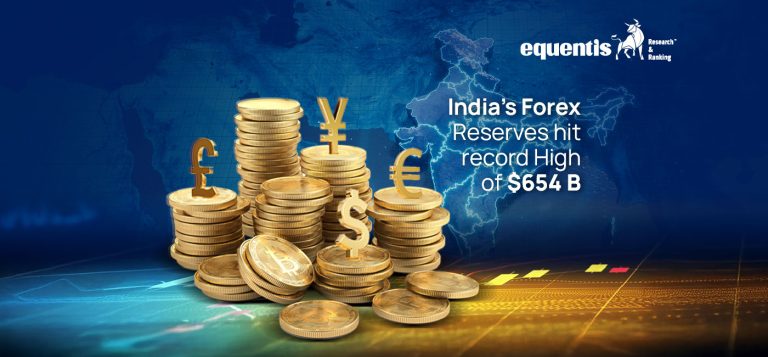
India’s foreign exchange reserves have surged by $15.27 billion to $653.97 billion as of March 7, 2025. This is the largest weekly jump in two years and underscores the country’s growing economic resilience. The sudden spike in reserves comes amid a complex global financial landscape characterized by volatile capital flows, inflationary pressures, and geopolitical uncertainties.

A strong forex reserve position is a crucial economic indicator, signaling financial stability and strengthening investor confidence. As India emerges as one of the fastest-growing economies, the reserve surge brings opportunities and challenges. This article delves into the history of India’s forex reserves, the significance of this surge, and its impact on investments and the broader economy.

India’s Forex Reserves: A Historical Perspective

Significant milestones have marked India’s journey in accumulating foreign exchange reserves:

  • 1960s-1980s: 1960 forex reserves covered just 8.6 weeks of imports. By 1980, India’s reserves stood at over $7 billion, surpassing China’s.
  • 1991 Economic Crisis: By 1990, reserves had dwindled to a critical level, covering only 4.8 weeks of imports. This led to the liberalization of the economy and structural reforms.
  • 2004 Milestone: India’s forex reserves crossed the $100 billion mark, reflecting increased foreign investment and export growth.
  • 2020-2024 Boom: Reserves touched $500 billion in June 2020, surpassing $600 billion in June 2021. The highest recorded level was $704.89 billion in September 2024, following strong capital inflows and policy measures.

The latest reserve increase is part of this long-term upward trajectory, reinforcing India’s position as a robust economic force.

Source: RBI, Business Standard, StatistaAD 4nXdAU3VtduPcmHxJbw6dut1lQZj CevtBDSY0lnGotrBSw1 yYdk4PluVcSOAFxyYpgLwroKp1CVUb7eRcNJpYcAjkaaV E8sqRx1dryr6JI7eTu3HcTHkBCzWr uNMkTDW0Gyw5Jw?key=ubLcCf6qbSiG1

Source: RBI, Business Standard, Statista

Implications of the Surge in Forex Reserves

The significant increase in forex reserves has far-reaching economic implications, influencing monetary policy, financial stability, and investment flows.

1. Strengthening the Rupee and Exchange Rate Stability

The Reserve Bank of India (RBI) actively manages the exchange rate by buying and selling foreign currency. Its strong reserve position allows the RBI to intervene in currency markets, mitigating volatility and preventing excessive rupee depreciation. This is particularly crucial when global markets experience fluctuations due to shifting U.S. Federal Reserve policies and geopolitical tensions.

2. Boosting India’s Import Cover and Trade Resilience

Forex reserves are a buffer to finance imports in case of external economic shocks. India’s rising energy and technology imports make it essential to maintain adequate reserves. The current level provides over 10 months of import cover, ensuring the country can manage supply-chain disruptions and oil price volatility.

3. Enhancing Sovereign Credit Ratings and Investor Confidence

Credit rating agencies closely monitor forex reserves as an indicator of financial stability. A higher reserve position strengthens India’s sovereign credit profile, potentially leading to lower borrowing costs for the government and corporates. This, in turn, attracts foreign direct investment (FDI) and portfolio inflows, bolstering economic growth.

4. Greater Flexibility in Monetary Policy

With ample reserves, the RBI gains greater flexibility in managing liquidity and interest rates. This enables the central bank to focus on domestic economic priorities, such as controlling inflation and fostering sustainable growth, without the immediate risk of external shocks triggering capital outflows.

5. Reducing External Debt Vulnerability

India’s external debt obligations, including repayments of government and corporate borrowings, are better managed with strong forex reserves. This reduces dependence on foreign borrowing and insulates the economy from sudden capital flight during periods of global financial stress.

6. Supporting Economic Growth and Market Stability

Higher forex reserves contribute to a stable macroeconomic environment, benefiting industries reliant on global trade and investment. Information technology (IT), pharmaceuticals, and manufacturing sectors benefit from improved investor sentiment and enhanced economic credibility.

Impact on Indian Investments

The surge in forex reserves has a direct and indirect impact on investment dynamics across asset classes:

1. Increased Foreign Institutional Investment (FII) Inflows

Foreign institutional investors (FIIs) track reserve levels to assess India’s economic health. Rising reserves signal confidence in the economy, leading to increased capital inflows into equity and debt markets. The Indian stock market, already witnessing strong performance, could see further growth as FIIs seek stability in emerging markets.

2. Stable Bond Yields and Lower Interest Rates

Higher reserves contribute to a stable bond market by reducing risks associated with external debt repayments. It helps keep government bond yields in check, lowering borrowing costs for businesses and consumers.

3. Strengthened Banking Sector Liquidity

A higher forex reserve position ensures that the RBI has sufficient liquidity to inject into the banking system if required. This facilitates credit expansion, supporting small and medium enterprises (SMEs) and infrastructure development projects.

4. Impact on Gold Reserves and Diversification Strategies

India’s forex reserves include foreign currency assets, gold reserves, and SDRs (Special Drawing Rights). With reserves rising, the RBI may diversify holdings by increasing gold reserves, reducing exposure to U.S. dollar fluctuations, and hedging against global uncertainties.

5. Potential for Currency Appreciation and Export Competitiveness

While a strong forex position supports currency stability, excessive reserve accumulation could lead to rupee appreciation. This may impact export competitiveness, making Indian goods more expensive in global markets. Policymakers will need to balance exchange rate management to ensure continued export growth.

Looking Ahead: Future Considerations

While India’s forex reserves have surged, certain challenges remain:

  • Forward Dollar Positions: The RBI’s net short dollar position in forwards and futures reached $77.5 billion in January 2025. This reduces the effective import cover to 9.4 months instead of 10.7 months 
  • Global Economic Trends: International interest rate decisions, particularly those of the U.S. Federal Reserve, influence capital flows. Any shift in global risk sentiment could impact reserve accumulation and currency movements.
  • Inflation and Policy Adjustments: Managing inflation while sustaining growth remains a challenge. The RBI’s ability to navigate monetary policy effectively will determine the long-term impact of reserve accumulation.(Reuters)  

Conclusion

India’s record surge in forex reserves marks a significant milestone, reinforcing economic stability and enhancing investor confidence. As the country continues its growth trajectory, prudent reserve management will be crucial in sustaining long-term financial resilience. 

With global uncertainties persisting, India’s strong reserve position provides a much-needed cushion against external shocks, ensuring macroeconomic stability and continued investment inflows. 

The Indian rupee opened 4 paise higher against the U.S. dollar today, reflecting a complex interplay of global economic factors, including a declining U.S. dollar index and falling crude oil prices. While a 4 paise appreciation may seem insignificant, it holds substantial implications for India’s trade balance, inflation trajectory, and capital inflows. 

Currency market movements often reflect broader macroeconomic trends, investor sentiment, and policy actions undertaken by central banks and governments worldwide. The recent shift in the rupee’s value coincides with heightened volatility in global markets. 

The U.S. dollar has been on a downward trajectory amid concerns over trade tariffs imposed by the Trump administration, slowing economic growth, and the Federal Reserve’s cautious stance on interest rate hikes. Meanwhile, crude oil prices have declined, reducing import costs for India, a net oil importer. These factors combined have strengthened the rupee’s position against the greenback.

To understand the broader economic implications, it is essential to examine the driving forces behind the rupee’s appreciation, the global market dynamics influencing currency movements, and how this affects Indian businesses and the economy. 

Over the past five years, the Indian rupee (INR) has experienced notable fluctuations against the U.S. dollar (USD), influenced by various global and domestic economic factors. Below is a summary of the annual average exchange rates from 2020 to 2024:

AD 4nXdGpNZwMhrpXoKwUzk13lSAGk7VL8rxXqV10mA wKsr3cO6MfBhVv3JiXFcDTjHOm1M1lYWhfbKoT24RFjGyYFzKB 3DOxuxENxb 83ba48c hT1MEBzrMicqAGS PbIYssHI9g?key=gUILt4t3bw9qT3eC0moL4YJk
Source: XE Currency Charts.

Note*: Exchange rates are subject to fluctuations due to various economic factors, including inflation rates, interest rates, foreign investment, and geopolitical events.

Factors Driving Rupee Appreciation

  1. Weakening U.S. Dollar Index: The U.S. dollar index (DXY), which tracks the dollar’s value against a basket of six major currencies, has declined nearly 3% this week, hitting its lowest level since November 2024. This decline has been fueled by fears of an economic slowdown in the U.S. due to recently imposed tariffs on key trading partners, including China, Canada, and Mexico. Investors have been paring their long bets on the dollar, shifting towards emerging market currencies like the rupee (Reuters).
  2. Falling Crude Oil Prices: Brent crude oil prices have dropped from $78.92 per barrel in October 2024 to $70.50 per barrel. Since crude imports account for a significant portion of India’s trade deficit, lower oil prices help ease pressure on the rupee, reducing outflows and improving the country’s current account balance (MoneyControl).
  3. Reserve Bank of India’s (RBI) Intervention: The RBI has been actively intervening in the forex markets to manage excessive volatility. By selling dollars and purchasing rupees within the 87.40-87.50 range, the central bank has stabilized the currency and boosted investor confidence.

Global Market Dynamics and Their Impact

1. U.S. Economic Policy and Tariffs

The Trump administration’s decision to impose fresh tariffs on Chinese, Canadian, and Mexican goods has escalated trade tensions, triggering a risk-off sentiment in global markets. While these tariffs aim to protect domestic industries, they have increased costs for American businesses reliant on imported goods. The ripple effect of these tariffs is visible in declining consumer confidence, with the Conference Board’s Consumer Confidence Index dropping 7 points to 98.3, its lowest since August 2021 (Barron’s).

2. Declining U.S. Dollar and Emerging Market Currencies

With the dollar weakening, investors are reallocating funds to emerging market currencies, including the Indian rupee. Historically, a weaker dollar has made emerging market assets more attractive, as it reduces debt servicing costs for countries with dollar-denominated liabilities. This shift is evident in rising foreign portfolio investment (FPI) inflows into India, with net equity inflows crossing $2.5 billion in February 2025.

3. Global Interest Rate Trends and Monetary Policies

Despite earlier expectations of further hikes, the Federal Reserve’s decision to maintain interest rates at current levels has led to a decline in U.S. bond yields. As a result, investors are seeking higher returns in emerging markets. Meanwhile, the European Central Bank (ECB) and the Bank of Japan (BOJ) have also accommodated monetary policies, leading to a weaker dollar environment that benefits the rupee.

4. China’s Economic Slowdown

China, a major driver of global economic growth, has been experiencing a slowdown in industrial output and consumer demand. This has had a deflationary impact on global commodity prices, further benefiting energy-importing nations like India. Lower commodity prices reduce India’s import costs, strengthening the rupee in the process.

5. Oil-Producing Nations and OPEC Policies

OPEC’s recent decision to maintain output levels despite geopolitical tensions has contributed to the fall in crude oil prices. While this benefits importers like India, oil-exporting economies like Russia and Saudi Arabia face fiscal pressures, potentially influencing their geopolitical and trade policies.


Implications for India

  • Inflation Control: A stronger rupee makes imports cheaper, helping contain inflation. This benefits essential commodities, industrial inputs, and energy costs, reducing business production expenses.
  • Trade Balance: Lower crude oil prices offset concerns of a widened trade deficit caused by cheaper imports.
  • Foreign Investment: The rupee’s stability enhances India’s appeal to foreign investors, supporting equity and bond market inflows.

Impact on Indian Businesses

  1. Exporters: A stronger rupee makes Indian exports more expensive in global markets, potentially impacting sectors like textiles, IT services, and pharmaceuticals.
  2. Importers: Businesses reliant on imported raw materials benefit from lower costs and improved profitability.
  3. Manufacturers: Falling crude oil prices reduce input costs for industries reliant on petroleum-based products, such as chemicals and plastics.

Conclusion

The rupee’s 4 paise appreciation reflects broader global economic shifts, including a weakening U.S. dollar, declining crude oil prices, and shifting investor sentiment. While this trend provides benefits such as inflation control and lower import costs, it also poses challenges for exporters and requires businesses to adapt strategically. 

India’s currency trajectory will depend on evolving trade policies, global economic conditions, and RBI’s policy decisions.


The trade war initiated by former U.S. President Donald Trump significantly altered global trade patterns, affecting multiple economies, including India. The conflict began in 2018 when the Trump administration imposed tariffs on Chinese imports, citing concerns over intellectual property theft, forced technology transfers, and the widening trade deficit. These measures soon expanded to include tariffs on Mexico and Canada, sparking retaliatory actions from affected nations.

By 2025, the repercussions of these protectionist policies will continue to shape international trade, affecting businesses, supply chains, and economies worldwide. While the direct conflict involved the U.S., China, Mexico, and Canada, the ripple effects extended to emerging economies like India, influencing export opportunities, investment flows, and overall market dynamics.

Tariffs Imposed by the US

The Trump administration adopted an aggressive stance by imposing high tariffs on imports from its key trading partners:

  • China: In 2018, tariffs on $200 billion worth of Chinese goods were initially set at 10% and later increased to 25%. In 2025, an additional tariff hike raised duties on critical Chinese exports like electronics, textiles, and machinery to 30%.
  • Mexico and Canada: The U.S. levied a 25% tariff on steel and a 10% tariff on aluminum imports from these two North American partners, which strained trade relations and led to countermeasures from both countries.
  • Other Countries: The U.S. also imposed global tariffs on products such as solar panels, washing machines, and automobiles, affecting various nations reliant on the American market.
U.S. Tariffs and Retaliatory Measures (2018–2025)
YearU.S. Tariffs on China (%)U.S. Tariffs on Mexico (%)U.S. Tariffs on Canada (%)China’s Retaliation (%)Mexico’s Retaliation (%)Canada’s Retaliation (%)
201810% on $200B goods25% on steel, 10% on aluminum25% on steel, 10% on aluminum5%-10% on U.S. soybeans, cars, chemicals5%-15% on pork, apples, whiskey10%-25% on dairy, steel, aluminum
2019Increased to 25%25% on all steel imports25% on all steel imports25% on U.S. goods worth $60B20% on key U.S. exports25% on U.S. exports
202025%-30% on additional goodsNo new tariffsNo new tariffsTariffs sustainedNo new tariffsNo new tariffs
202130% on electronics, textiles10%-15% on auto parts10%-15% on aluminum products20%-30% on U.S. goods15%-20% on U.S. goods10%-15% on U.S. goods
2022Tariffs remain highNo major changesNo major changesNo major changesNo major changesNo major changes
202530% on electronics, 35% on key industrial goods15% on auto parts15% on aluminum, 10% on energy exports35% on U.S. exports25% on key U.S. imports25% on steel, food, and U.S. goods
Source: USTR, Chinese Ministry of Commerce, Statista, WTO reports (2018–2025).

Reciprocal Tariffs by China, Canada

In response, the affected nations imposed counter-tariffs on U.S. goods:

  • China: Raised duties on U.S. agricultural products, automobiles, and chemicals, targeting states that were politically crucial for the Trump administration.
  • Mexico: Imposed tariffs on key U.S. exports such as pork, apples, and whiskey, impacting American farmers and businesses.
  • Canada: Responded with tariffs on U.S. dairy products, steel, and aluminum, intensifying economic tensions between the two nations.

These retaliatory measures disrupted global supply chains, forcing companies to seek alternative suppliers and leading to price hikes in several industries.

Impact on India

India, although not directly targeted, felt the impact of the trade wars in multiple ways, both positive and negative:

1. Export Growth and Trade Diversion

One of the unintended benefits for India was the increase in exports to the U.S. due to trade diversion. With tariffs making Chinese products more expensive, American importers turned to Indian suppliers for goods like:

  • Textiles and Apparel: India’s textile exports to the U.S. surged as Chinese products faced higher duties.
  • Engineering Goods: The U.S. increasingly sourced auto components and machinery from India.
  • Pharmaceuticals: Indian pharma companies expanded their presence in the U.S. as Chinese competitors struggled with tariff constraints.

According to Trading Economics, India’s exports to the U.S. rose from $54.3 billion in 2019 to $85.5 billion in 2024, reflecting the shifting trade patterns.

2. Market Volatility and Currency Fluctuations

The imposition of tariffs led to heightened market uncertainty, triggering fluctuations in stock markets worldwide. The Indian stock market saw periods of volatility, with the Nifty 50 index reacting sharply to trade-related developments. However, despite initial shocks, the Indian rupee demonstrated resilience, aided by strong foreign exchange reserves and supportive monetary policies.

3. Increased Cost of Raw Materials

While Indian exports benefited from the trade war, specific industries faced higher input costs due to increased global tariffs:

  • Electronics Manufacturing: India imports key components from China, and higher tariffs led to costlier inputs.
  • Automobiles: Rising steel and aluminum prices impacted car manufacturing costs in India.
  • Consumer Goods: Indian businesses that relied on Chinese imports for intermediate goods faced increased expenses, affecting profitability.

4. Impact on India’s Aviation Industry

The war also had repercussions on India’s aviation sector, primarily due to rising costs and disruptions in global supply chains:

  • Aircraft and Component Costs: India’s airline industry relies heavily on aircraft and components from U.S.-based manufacturers like Boeing. Higher tariffs on raw materials like aluminum increased aircraft production costs, leading to higher prices for Indian airlines.
  • Fuel Price Volatility: Trade tensions contributed to global crude oil price fluctuations, directly affecting aviation turbine fuel (ATF) costs, a significant airline expense.
  • Supply Chain Disruptions: Imposing tariffs on China impacted the availability of key aircraft components, delaying aircraft deliveries and increasing maintenance costs.
  • Passenger Traffic and Pricing: Rising operational costs forced Indian airlines to adjust fares, affecting travelers’ affordability and demand in domestic and international segments.

5. Strategic Trade Negotiations

India actively pursued trade deals to capitalize on the shifting global landscape. Key developments included:

  • Bilateral Trade Talks: India engaged in trade discussions with the European Union and the United Kingdom, seeking preferential access to these markets.
  • Strengthening U.S. Trade Relations: India leveraged the trade war to expand its footprint in the American market, negotiating favorable terms for its exports.

Conclusion

The Trump-led trade war had far-reaching consequences, affecting the nations and economies directly involved, such as India. While some sectors face increased competition and market volatility, others stand to gain from diverted trade flows and new export opportunities. 

As the world adapts to evolving trade dynamics, India’s strategic engagement in international trade negotiations and ability to adapt to these changing dynamics will be crucial in leveraging the potential benefits of this global economic shift.

Saudi Arabia’s ambitious $63 billion Diriyah project, known as “The City of Earth,” is transforming the outskirts of Riyadh into a global cultural and tourism hub. This giga-project has garnered significant attention from international investors, notably prominent Indian conglomerates such as the Tata Group and the Oberoi Group. (Economic Times)

Diriyah: A Blend of Heritage and Modernity

Diriyah holds a special place in Saudi history as the birthplace of the Kingdom and the ancestral home of the Al Saud royal family. The development spans 14 square kilometers and is adjacent to the UNESCO World Heritage Site of At-Turaif. The project’s vision includes:

  • Residential and Commercial Spaces: Accommodating 100,000 residents and providing office spaces for an equal number of professionals. (Economic Times)
  • Hospitality and Retail: Featuring over 40 high-end hotels, more than 1,000 retail outlets, and over 150 dining venues. (Skift)
  • Cultural and Recreational Facilities: Including a university, multiple museums, arts, and cultural centers, an opera house, a 20,000-seat multipurpose event arena, a golf course, and an international equestrian and polo center. (Business Traveller)

The project aims to attract 50 million visitors annually by 2030, positioning Diriyah as a premier global destination. (FDI Intelligence)

Indian Investments: Strengthening Economic Ties

Indian companies have shown a keen interest in contributing to Diriyah’s development:

  • Tata Group: Engaged in discussions to invest in various sectors within the project. (Economic Times)
  • Oberoi Group: Exploring opportunities in the hospitality segment that align with Diriyah’s luxury tourism objectives. (Economic Times)

These collaborations reflect the growing economic partnership between India and Saudi Arabia. As of August 2023, Indian investments in the Kingdom have reached approximately $3 billion, spanning sectors such as management consultancy, construction, telecommunications, IT, financial services, and pharmaceuticals. (Embassy of India, Riyadh)

Economic Implications of Indian Involvement

The participation of Indian conglomerates in the Diriyah project is poised to yield substantial economic benefits:

  • Diversification and Growth: Investing in Diriyah allows Indian companies to diversify their portfolios and tap into the Middle Eastern market, fostering growth beyond domestic boundaries. The Middle East, particularly Saudi Arabia, is a lucrative market for Indian infrastructure, hospitality, and technology businesses.
  • Employment Opportunities: The collaboration is expected to generate significant employment across both nations. In Saudi Arabia, the construction and operational phases of Diriyah will require a skilled workforce, potentially creating thousands of jobs for Indian expatriates. Simultaneously, Indian firms involved in engineering, IT services, and project management will expand their workforce at home.
  • Boost to Indian Exports: The demand for construction materials, engineering expertise, and hospitality services will increase Indian exports to Saudi Arabia. This includes steel, cement, IT solutions, and luxury goods, benefiting Indian industries.
  • Knowledge and Technology Transfer: Indian firms bring expertise in IT, infrastructure development, and hospitality management, facilitating a mutual exchange of knowledge and technological advancements. As a global leader in digital services, India’s role in Diriyah’s smart city infrastructure could enhance digital integration in the project.
  • Strengthening Bilateral Relations: Such investments enhance diplomatic and economic ties, paving the way for future collaborations across various industries. India and Saudi Arabia are major trading partners, with bilateral trade exceeding $52 billion in 2023. Increased investments will further cement this economic relationship.
  • Long-Term Revenue Generation: Indian businesses operating in Diriyah can expect steady revenue streams from hospitality, retail, and services. Given Saudi Arabia’s vision to boost tourism revenue from 3% to 10% of its GDP by 2030, the project presents a lucrative opportunity for Indian firms. 

Projected Economic Impact: A Graphical Representation

Economic IndicatorProjected Impact
Total Investment by Indian Firms$1.5 billion
Jobs Created20,000 (10,000 in Saudi Arabia, 10,000 in India)
Annual Revenue Generation$500 million
GDP Contribution$1 billion over five years
Source: Economic Times & Indian Embassy, Riyadh 

Conclusion

Diriyah exemplifies Saudi Arabia’s commitment to preserving its rich cultural heritage while embracing modern development. The active participation of Indian corporate giants showcases the project’s global appeal and signifies a deepening of economic ties between the two nations. As Diriyah evolves, it is set to become a beacon of cultural preservation and economic prosperity, offering mutual benefits to all stakeholders involved.

Frequently asked questions

Get answers to the most pertinent questions on your mind now.

[faq_listing]
What is an Investment Advisory Firm?

An investment advisory firm is a company that helps investors make decisions about buying and selling securities (like stocks) in exchange for a fee. They can advise clients directly or provide advisory reports and other publications about specific securities, such as high growth stock recommendations. Some firms use both methods, like Research & Ranking, India’s leading stock advisory company, specializing in smart investments and long-term stocks since 2015.

An investment advisory firm is a company that helps investors make decisions about buying and selling securities (like stocks) in exchange for a fee. They can advise clients directly or provide advisory reports and other publications about specific securities, such as high growth stock recommendations. Some firms use both methods, like Research & Ranking, India’s leading stock advisory company, specializing in smart investments and long-term stocks since 2015.

An investment advisory firm is a company that helps investors make decisions about buying and selling securities (like stocks) in exchange for a fee. They can advise clients directly or provide advisory reports and other publications about specific securities, such as high growth stock recommendations. Some firms use both methods, like Research & Ranking, India’s leading stock advisory company, specializing in smart investments and long-term stocks since 2015.

An investment advisory firm is a company that helps investors make decisions about buying and selling securities (like stocks) in exchange for a fee. They can advise clients directly or provide advisory reports and other publications about specific securities, such as high growth stock recommendations. Some firms use both methods, like Research & Ranking, India’s leading stock advisory company, specializing in smart investments and long-term stocks since 2015.