Personal Finance

In our households, the art of saving is deeply ingrained with spending wisely. It’s a practice that often starts in childhood, as we save for toys, dollhouses, sports watches, mobile phones, or even our future dream homes.

This approach to saving is formally known as life-stage saving. As savings grow, the next natural step is investing, which is referred to as life-stage investing. This investment strategy aims to cater to each life stage’s financial needs and goals.

What is Life Stage Investing?

Life stage investing typically encompasses four main phases: starting a career, getting married, starting a family, and retirement. Each of these stages brings its own financial responsibilities and, therefore, requires a different approach to investment planning.

This blog explores the various stages of life and offers insights into how to approach investing during each stage. It also provides tips on navigating the transitions between these stages more smoothly. Before discussing the different life stages, let’s examine some of the variables that influence how we invest in our lives.

Earnings and their Origin

Income is a critical consideration, but equally important is its source. What is your income level? More importantly, where does it come from? Is it steady, or do you face fluctuations? Will it be sustainable over time? These aspects heavily influence your investment approach.

Obligations and Commitments: Your responsibilities act as anchors, tethering you to certain financial obligations. Whether you are a carefree bachelor or a parent on the brink of retirement, these responsibilities sculpt the contours of your investment landscape.

Outflows: Next on the list are expenditures. As life progresses, so do our priorities and spending habits. Ultimately, these outflows wield considerable sway over our investment philosophies.

Chronological Positioning: Age also merits consideration. It’s a pivotal determinant in investment strategies, as it often dictates the level of risk one can comfortably undertake.

Market Forces: This factor focuses on the current market and economic scenario. Market and economic conditions have a very important influence on investment decisions.

Disposable Income: Disposable income is what remains in your pocket once you have taken care of all your necessities and desires. It fluctuates through life based on factors such as family size and total earnings.

Life Stage Investing Strategies for Each Phase

The key life stages where investing plays a crucial role. Let’s delve into each stage and its corresponding investment approach:

Entering Stage 1: The Bachelorhood

Life stage investing begins when you are single. It’s that pivotal moment when you land your first job and gain financial independence. With a steady income stream, you manage your expenses—rent, groceries, transportation—and maybe even save a bit.

Your goals must include: Your main financial priority now is to make sure your income sufficiently covers all your expenses to avoid falling into debt. If your expenses exceed your income, you must either cut back on spending or seek additional income sources.

Investing at this stage:

  • Firstly, you must understand your financial planning goals and decide your steps accordingly.
  • Save 3-6 months’ worth of living expenses in a high-yield savings account. This will be your emergency fund.
  • To start investing, you should look at less risky options and develop savings habits. SIPs and FDs are some options you can explore.
  • At this stage, you tend to follow what your friends or known people advise, but it is always better to research before investing.
  • Other investing options include mid-cap funds, small-cap funds, equity funds, stocks, and mutual funds.

Stage 2: Marriage

Getting married is the next step in your life stage investing strategy. Marriage is a time of both accumulation and transition. Marriage is a stage where you need to focus more on your responsibilities and goals. This stage sets the benchmark for your financial planning. It’s important to understand your risk profile at this stage

Responsibilities: Building a career, accumulating wealth, and achieving milestones like buying a home. As you progress, you will likely make additional purchases, such as a car or household items, which may require using some savings or investments.

Investing at this stage:

  • Firstly, both partners should discuss and be clear about the goals they want to achieve.
  • Your investment plan should include your long-term and short-term goals. 
  • Before investing, you should ensure both partners have adequate health insurance and purchase life insurance, especially if one spouse is the primary breadwinner.
  • In this stage, you can invest safely with options like mutual funds and SIPs or take a risky approach. You can add lower-risk, lower-volatility products such as bond funds for the short term.

Stage 3: Becoming Parents

Becoming parents is another crucial step in your life stage investing approach. Stepping into parenthood is a different experience entirely. Your expenses shoot up, and you have more responsibilities too.

Responsibilities: It’s time to plan ahead for important milestones like your kids’ education, their weddings, your retirement, and more. Some of these moments are pretty much set in stone, making it vital to start investing with clear goals in mind before and during parenthood. Identify what you’re saving for and when you’ll need the funds.

Investing at this stage:

  • The basic step to plan at this stage is financial planning for children. You should open and contribute to education savings accounts.
  • You should also increase your emergency fund to cover additional family expenses.
  • Update your life insurance plans. Your life insurance should include cover for your family’s financial future. Also, ensure comprehensive health insurance for the entire family.
  • This stage requires short-term and long-term goals. To achieve this, diversify your investing. Explore options like debt funds, fixed deposits, and hybrid funds.

Stage 4: Married with Older Children

At this step of life stage investing, your focus shifts as your children grow and your career blossoms. It’s a time of transition and accumulation. You will need to start thinking about their higher education and possibly even their weddings.

Investing at this stage:

  • As the goals in this stage change, your investment strategy must also be relooked.
  • Consider increasing contributions to your portfolio, particularly in equity, but maintain a diversified approach to manage risk.
  • As you near retirement, you must ensure adequate health and life insurance plans.

Stage 5: Retirement

Retirement is the final step in your life stage investing approach. It marks the start of a new chapter where you get to enjoy the fruits of your labor. This phase, known as the distribution stage, is when you can benefit from the wealth you’ve built up over the years. It’s important to have enough savings to generate income to support your lifestyle and any dependents you may have.

Investing at this stage:

  • Investing in lower-risk options like debt mutual funds is wise. Combined with a Systematic Withdrawal Plan (SWP), these investments can provide a steady income stream.
  • However, with advancements in healthcare and a focus on fitness, people are living longer. This means it might be prudent to keep a portion (around 20-25%) of your portfolio in wealth-generating assets like reliable stocks and diversified equity mutual funds.
  • While enjoying your retirement, it’s wise to cut back on unnecessary expenses to build a safety net for unexpected costs, such as medical emergencies.

Conclusion:

Life doesn’t always go as planned. Unexpected events, both positive and negative, can occur anytime. While creating a life stage investing plan might seem complex, it’s actually simple. It’s about finding the right balance in your finances and staying aware of your situation. By doing this, you can navigate challenges and reach your financial goals. Taking control now will make it easier to build a secure future.

FAQs

  1. Should I invest differently based on my age?

    Your investment strategy should evolve as you move through different life stages. Younger individuals can afford to take more risks and focus on growth-oriented investments, while those nearing retirement should prioritize capital preservation and income generation.

  2. How can I adjust my investments as I approach retirement?

    As retirement approaches, consider gradually shifting your portfolio towards more conservative investments, such as bonds and cash equivalents, to reduce volatility and protect your savings.

  3. Is it too late to start investing if I’m already in my 40s or 50s?

    It’s never too late to start investing, but you may need to adjust your strategy to meet your financial goals within a shorter time frame. Focus on maximizing contributions to retirement accounts and consider working with a financial advisor to develop a plan tailored to your needs.

Understanding tools like the Piotroski score is crucial for making informed investing decisions. Investors, including investment advisory firms or portfolio management services, rely on such metrics to identify suitable investment opportunities in the market. 

Especially in sectors like technology and the healthcare sector, where volatility and innovation go hand in hand, assessing companies’ financial health becomes paramount. For instance, when analyzing top tech or healthcare stocks, investors often turn to comprehensive metrics like the Piotroski score to gauge these companies’ stability and growth potential amidst rapid technological advancements and market shifts.

What is the Piotroski Score?

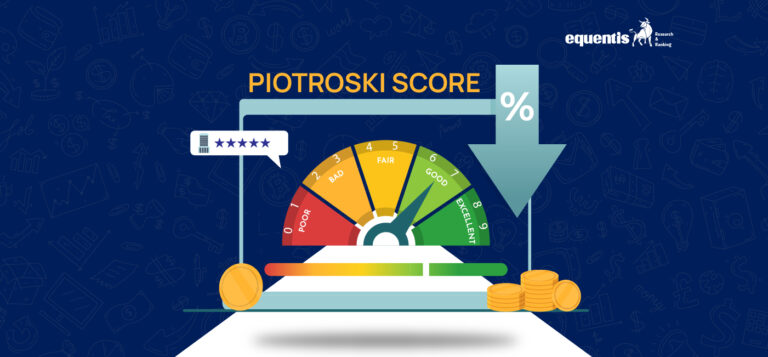
The Piotroski score is a numerical ranking system ranging from 0 to 9. Developed by Professor Joseph Piotroski, it assesses a company’s financial strength based on nine criteria derived from its financial statements. Each criterion met earns the company one point, finishing with a final score that reflects its overall financial well-being.

Interpretation of the Piotroski Score:

  • High Score (7-9): Companies with Piotroski scores in this range are generally considered financially robust, exhibiting strong profitability, efficient operations, and a conservative financial structure. These companies could be potential candidates for value investing strategies.
  • Mid Score (4-6): This range indicates a company with an average financial position. Further analysis might be required to determine its suitability for an investment portfolio.
  • Low Score (0-3): Companies scoring low on the Piotroski score scale might need help. They could be experiencing declining profitability, weak liquidity, or excessive debt. Investors should exercise caution when considering investing in such companies.

Understanding the Piotroski Score

The Piotroski score meaning can be better understood by dissecting it into three key areas that assess a company’s financial health: profitability, financial strength, and operational efficiency. Let’s delve deeper into each of these categories and the specific criteria they encompass.

Also Read: SEBI Registered Investment Advisor: Meaning & Eligibility

1. Profitability: This category gauges a company’s ability to generate profits. The Piotroski score awards points for positive net income, positive return on assets (ROA), positive operating cash flow, and strong cash flow from operations relative to net income (indicating high-quality earnings).

Criteria for Profitability:

  • Positive net income (1 point)
  • Positive return on assets (ROA) in the current year (1 point)
  • Positive operating cash flow in the current year (1 point)
  • Operating cash flow exceeding net income (quality of earnings) (1 point)

2. Financial Strength (Leverage, Liquidity, and Source of Funds): This section examines a company’s financial structure and capacity to meet its debt obligations. The score rewards companies with decreasing debt burdens, improving liquidity (measured by the current ratio), and conservative financing practices (avoiding new share issuance).

Criteria for Leverage, Liquidity, and Source of Funds:

  • Lower long-term debt compared to the previous year (decreased leverage) (1 point)
  • Higher current ratio this year compared to the previous year (more liquidity) (1 point)
  • No new shares issued in the last year (no dilution) (1 point)

3. Operational Efficiency: This category evaluates how effectively a company utilizes its assets to generate sales. The Piotroski score grants points to companies demonstrating improved gross margin (indicating better cost management) and a higher asset turnover ratio (signifying efficient asset utilization).

Criteria for Operating Efficiency:

  • Higher gross margin compared to the previous year (1 point)
  • Higher asset turnover ratio compared to the previous year (1 point)

Benefits of Using the Piotroski Score:

  • Simplicity: The Piotroski score is a straightforward metric easily calculated using publicly available financial statements.
  • Focus on Fundamentals: By analyzing core financial health metrics, the Piotroski score helps investors identify companies with strong underlying fundamentals, potentially leading to long-term investment success.
  • Value Investing: The Piotroski score is particularly beneficial for value investors seeking undervalued companies with potential future growth.

Limitations of the Piotroski Score:

  • Backward-Looking: The score relies on historical financial data and may not always capture future trends or sudden changes in a company’s financial health.
  • Industry Dependence: Certain criteria within the Piotroski score might only be universally applicable across some industries. Investors should consider industry-specific factors when evaluating the score.
  • Single Metric: While valuable, the Piotroski score should not be the sole factor driving investment decisions. A comprehensive analysis incorporating other financial ratios and market trends is crucial for informed investment choices.

Piotroski Score Screener and Investment Strategies

With the growing popularity of the Piotroski score, several online financial platforms offer Piotroski score screeners. These tools allow investors to filter companies based on their Piotroski scores, enabling them to build a shortlist of potential investments with solid financial foundations.

However, it’s important to remember that the Piotroski score is just one piece of the investment puzzle. Investors should seek guidance from a SEBI registered investment advisor (RIA) who can provide comprehensive portfolio management services. 

Beyond the Piotroski Score: Exploring Investment Opportunities

While the Piotroski score is valuable for value investors, it’s not the only path to successful stock selection. Here are some additional considerations to explore:

  • Growth Stocks: For investors seeking good Piotroski score stocks, focusing on companies in dynamic industries like technology (top tech stocks) or healthcare (top healthcare stocks) could be an option. However, such companies might exhibit lower profitability in the short term as they prioritize reinvestment for future growth.
  • Technical Analysis: Technical analysis studies historical price and volume data to identify potential trading opportunities. While not replacing fundamental analysis, technical analysis can provide valuable insights for short-term investment strategies.

A well-rounded investment approach considers various factors, including financial strength (as measured by the Piotroski score), growth potential, industry trends, and overall market conditions. Consulting with a qualified financial advisor can empower you to make informed investment decisions that align with your financial goals.

FAQs on Piotroski Score

  1. What is a good Piotroski score?

    A good Piotroski score indicates solid financial health. Scores range from 0 to 9, with higher scores being better. Companies scoring 7-9 are financially robust, while those with 0-3 may struggle. It’s a valuable tool, but there are other factors you must check. Consider seeking guidance from a qualified investment advisor for a well-rounded approach.

  2. What is the Piotroski score formula?

    There isn’t a single formula for the Piotroski score. It’s a ranking system (0-9) achieved by adding points based on nine criteria across profitability, financial strength, and operational efficiency. Each criterion met earns 1 point.

  3. How accurate is the Piotroski score?

    The Piotroski score isn’t inherently “accurate” as it reflects historical data. It’s more about identifying financially strong companies. Backtesting suggests companies with high scores (7-9) historically outperformed, but future performance isn’t guaranteed. It’s a valuable tool but can be used alongside other analyses.

The Interest Coverage Ratio is a critical metric that provides insight into a company’s ability to manage its debt obligations. Like PE Ratio, PB ratio, or debt-to-GDP ratio, this ratio is essential for investors, creditors, and financial analysts as it helps them assess the risk associated with lending to or investing in a firm. Let’s explore the interest coverage ratio’s meaning, types, interpretation, and importance.

What is Interest Coverage Ratio?

The interest coverage ratio is a financial ratio used to determine how easily a company can pay interest on its outstanding debt. It is calculated by dividing a company’s Earnings Before Interest and Taxes (EBIT) by its interest expense during a given period. 

The interest coverage ratio formula is EBIT/Interest Expense​

A higher interest coverage ratio suggests that a company can comfortably meet its interest obligations from its operating earnings, a sign of financial stability.

How the Ratio Reflects a Company’s Ability to Pay Interest on Its Debt

A higher interest coverage ratio indicates a strong financial position, where a company generates sufficient earnings to pay its interest expenses comfortably. Conversely, a lower ratio can signal financial distress, raising concerns about solvency.

Types of Interest Coverage Ratios

While the standard interest coverage ratio interpretation is centered around Earnings Before Interest and Taxes (EBIT), the financial landscape offers a spectrum of interest coverage ratio types, each incorporating different financial metrics to provide a nuanced view of a company’s interest-paying capacity. Let’s expand on these variations:

  1. EBITDA Interest Coverage Ratio: The EBITDA Interest Coverage Ratio broadens the scope by including Earnings Before Interest, Taxes, Depreciation, and Amortization (EBITDA). This variant of the interest coverage ratio is particularly insightful for companies with significant non-cash expenses like depreciation and amortization. By excluding these expenses, the EBITDA interest coverage ratio can offer a clearer picture of a company’s operating profitability and ability to cover interest expenses from its operational cash flow.
  1. Fixed Charge Coverage Ratio (FCCR): Moving beyond interest expenses, the Fixed Charge Coverage Ratio (FCCR) includes all of a company’s fixed financial obligations. This includes lease payments and other fixed charges in addition to interest expenses. The FCCR is a stringent test of a company’s financial strength, as it assesses the firm’s ability to cover all recurring fixed charges, not just interest, which is crucial for businesses with substantial lease commitments or other fixed contractual payments.
  1. EBITDA Less CapEx Interest Coverage Ratio: The EBITDA Less Capex Interest Coverage Ratio considers a company’s capital expenditures (CapEx).  CapEx indicates the company’s funds to acquire, upgrade, and maintain physical assets such as property, plants, buildings, technology, or equipment. It represents the amount a company invests in existing and new fixed assets to maintain or grow its business. By deducting Capex from EBITDA, this ratio provides a more conservative estimate of a company’s available cash flow for servicing interest expenses. It’s a vital metric for capital-intensive industries where regular, large-scale asset investments are necessary for continued operations. 
  1. EBIAT Interest Coverage Ratio: The EBIAT Interest Coverage Ratio offers an after-tax perspective using Earnings Before Interest After Taxes (EBIAT). This ratio is beneficial for understanding the impact of taxation on a company’s ability to pay interest. Since taxes can significantly affect a company’s net income, the EBIAT interest coverage ratio gives stakeholders a more realistic view of the firm’s interest coverage capabilities post-taxation.

Interpreting the Interest Coverage Ratio

The interpretation of the interest coverage ratio can vary. Still, generally:

An interest coverage ratio of 1 or less suggests that a company struggles to meet its interest obligations and may be at risk of default.

An interest coverage ratio of 1.5 to 2 indicates that a company is on solid financial ground with sufficient earnings to cover its interest expenses.

It’s important to note that the ideal interest coverage ratio can vary by industry due to different capital structures and operating risks. But in general, the higher the interest coverage ratio, the better. Let us take an example to understand it better.

Let’s say company XYZ has Earnings Before Interest and Taxes (EBIT) of Rs. 5,000,000 and interest expenses of Rs.1,000,000 for the year. The interest coverage ratio would be calculated as follows:

Interest Coverage Ratio = Earnings Before Interest and Taxes (EBIT) ​/ Interest Expenses

Interest Coverage Ratio= 5,000,000/1,000,000 ​= 5

This ratio indicates that Company XYZ has an interest coverage ratio of 5, which means it earns enough to cover its interest expenses five times over. This is a strong sign of financial health and suggests the company is not at risk of default.

Interruption: During the same fiscal year, Company XYZ faced an unexpected event that caused its EBIT to drop to Rs. 2,000,000. The new interest coverage ratio would be:

Interest Coverage Ratio= 2,000,000 / 1,000,000 ​= 2

With the new interest coverage ratio of 2, the company still maintains an excellent position to cover its interest expenses, but it’s a significant decrease from the previous ratio of 5. This could signal to investors and creditors that while the company is still on solid ground, it’s more susceptible to financial stress than before.

Importance of the Interest Coverage Ratio

Here are the key points about the Interest Coverage Ratio:

  • Vital Solvency Indicator: It’s crucial for assessing a company’s ability to pay interest on its debt.
  • Financial Health Snapshot: A quick look at how effectively a company can service its debt.
  • Long-term Viability: Essential for evaluating the sustainability of a company’s operations.
  • Strong Ratio: Indicates significant financial flexibility for the company.
  • Economic Resilience: Suggests the capacity to endure economic challenges.
  • Investment Potential: Reflects the ability to capitalize on growth opportunities.

In conclusion, the Interest Coverage Ratio is essential for analyzing a company’s financial strength. By understanding its meaning, types, and interpretation, stakeholders can make more informed decisions regarding their investments and the company’s creditworthiness. But before investing in any such company, it is always suggested that one should consider investment advisory services, as they’ll guide you to make the right decisions and provide you with stock recommendations.

How to Calculate Interest Coverage Ratio?

1. Formula: EBIT / Interest Expense

The formula is Interest Coverage Ratio = EBIT / Interest Expense

2. Breaking Down the Components:

  • EBIT (Earnings Before Interest and Taxes): Represents the company’s profitability before accounting for financing and taxation.
  • Interest Expense: Reflects the cost of servicing the company’s debt.

3. Step-by-Step Example of Interest Coverage Ratio Calculation:

Let’s consider a hypothetical company, XYZ:

  • EBIT: Rs. 5,000,000
  • Interest Expense: Rs. 1,000,000

The calculation: Interest Coverage Ratio = 5,000,000 / 1,000,000 = 5

This indicates that Company XYZ can cover its interest expenses five times over, showcasing strong financial health.

Also Read: Top Financial Ratios Every Investor Should Know

What is a Good Interest Coverage Ratio?

1. Understanding the Benchmarks for Different Industries

The ideal interest coverage ratio varies across industries. For example:

  • Capital-intensive industries may have lower benchmarks due to high fixed costs.
  • Service-based industries generally maintain higher ratios due to lower debt levels.

2. Ideal Interest Coverage Ratio: What Does It Indicate?

An ideal interest coverage ratio is typically above 3. This suggests that the company generates ample earnings to cover its interest expenses comfortably.

3. When a Low Ratio is a Red Flag for Investors

An interest coverage ratio below 1 indicates that the company’s earnings are insufficient to meet its interest obligations, posing a risk of default.

Interest Coverage Ratio Example

1. Real-World Calculation Using a Hypothetical Company

Consider Company ABC:

  • EBIT: Rs. 3,000,000
  • Interest Expense: Rs. 600,000

Interest Coverage Ratio = 3,000,000 / 600,000 = 5

This indicates that ABC earns five times the amount needed to cover its interest payments.

2. Analysis of the Results: What the Ratio Reveals About Financial Health

A ratio of 5 suggests that the company is financially stable and can comfortably manage its debt obligations. However, a significant drop in EBIT could weaken this position.

Common Mistakes in Analyzing Interest Coverage Ratio

1. Ignoring Industry-Specific Variations in Benchmarks

Different industries have varying standards for what constitutes a good ratio. Comparing across unrelated sectors can lead to inaccurate conclusions.

2. Misinterpreting Temporary Declines in the Ratio

Short-term fluctuations in EBIT or interest expenses may not accurately reflect a company’s long-term financial health.

3. Failing to Combine With Other Financial Metrics

Relying solely on the interest coverage ratio without considering other financial indicators can provide an incomplete picture of a company’s performance.

FAQs on Interest Coverage Ratio

  1. Is a higher interest coverage ratio better?

    Yes, a higher Interest Coverage Ratio is generally considered better. It indicates that a company has more than enough earnings to cover its interest expenses, which suggests good financial health and lower credit risk. A high-interest coverage ratio means the company can quickly meet Its debt obligations without straining its resources.

  2. What is the importance of the term interest coverage ratio?

    The term “Interest Coverage Ratio” is important because it measures a company’s ability to pay the interest on its debt with its current earnings. This is crucial for lenders and investors as it helps them assess the risk of default. A strong interest coverage ratio indicates that a company is less likely to face financial distress, making it a more reliable investment or credit prospect.

  3. How do you calculate the coverage ratio?

    The Interest Coverage Ratio is calculated using the Interest Coverage Ratio formula: Interest Coverage Ratio= EBIT/Interest Expense​ To calculate it, you take the company’s Earnings Before Interest and Taxes (EBIT) for a given period and divide it by the interest expense incurred during the same period. The result tells you how often the company can cover its interest payments with its operational earnings.

The international market is a fascinating world of diverse cultures, products, and opportunities. But for those just starting, it can seem overwhelming. Don’t worry; we have a guide that can be your compass for navigating the exciting world of international trade.

What is an International Market

What is an international market? Think of it as the exchange of goods and services across national borders. Countries sell things they produce and buy things they might not have in abundance (like oil from the Middle East or coffee from Brazil). This exchange creates a global network of trade, fostering economic growth and cultural exchange.

Investing Globally: The International Share Market

Now, let’s understand the concept of international share markets. 

The international stock market is a vast network where you can buy and sell shares of listed companies globally. It allows you to invest in companies beyond your borders, potentially profiting from solid performances in foreign markets. However, it also means navigating currency fluctuations, regulations, and unfamiliar companies. For the savvy investor, the international share market offers a chance to diversify their portfolio by investing in short-term stocks or through long-term investments.

Consider consulting a stock advisory service when venturing into international stock market investment. These firms provide research and recommendations on stocks, including those listed on international exchanges. Given the current market climate, keeping an eye on international markets is essential.

Types of Share Markets

Understanding the different types of share markets can be helpful:

  • Primary Markets: These are where companies first issue (sell) their shares to the public.
  • Secondary Markets are where investors buy and sell existing shares, such as the New York Stock Exchange (NYSE) and the London Stock Exchange (LSE).

Additional Share Market Types:

While primary and secondary markets are the main categories, there are sub-types based on the financial instruments traded in the international markets:

  • Equity Market: This is where you trade company stocks, representing ownership in those companies. International equity markets connect investors with companies worldwide. New York Stock Exchange, home to tech giants like Apple, to the historic London Stock Exchange, where established companies like Shell reside, these markets offer a diverse range of investment opportunities.

Debt Market: Here, investors buy and sell bonds issued by governments and companies. These bonds are essentially IOUs, promising a return on investment with interest. 

Here are a few examples of Government Debt Markets:

  • Treasury Market (US): This is the largest and most liquid debt market in the world, where the US government issues Treasury bills, notes, and bonds to finance its activities.
  • Gilt Market (UK): The UK equivalent of the Treasury market, where the British government issues gilts (government securities) to raise funds.

Corporate Debt Markets:

  • High-Yield Bond Market (US): Also known as the “junk bond” market, this market trades riskier corporate bonds with higher potential returns.
  • Investment-Grade Bond Market (US): This market trades corporate bonds issued by companies with solid creditworthiness, offering lower risk and returns than high-yield bonds.

Derivatives Market: This is a more complex market where investors trade contracts derived from the value of other assets, like stocks, bonds, or commodities (like oil). It’s for experienced investors due to its higher risk profile.

The derivatives market offers a diverse landscape for investors, but some key marketplaces stand out:

  • Regulated Exchanges: These are centralized platforms where derivatives contracts are traded under specific rules and regulations. Examples include the Chicago Mercantile Exchange (CME Group) for agricultural, energy, and interest rate futures contracts and the Eurex Exchange in Europe for similar products.
  • Over-the-Counter (OTC) Market: This is a decentralized network where derivatives contracts are directly negotiated between two counterparties, bypassing an exchange. OTC derivatives offer more flexibility for customization but can be less transparent and carry higher counterparty risk (the risk of the other party failing to meet their obligations).
  • Stock Exchanges: While not strictly a derivatives market, some stock exchanges offer derivative products like stock options contracts. Investors can trade these options contracts alongside the underlying stocks on the same exchange, 
  • Exchange-Traded Funds (ETFs): While technically not pure derivatives, ETFs function similarly. They are tradable baskets of securities (like stocks or bonds) that track an index or a specific investment strategy. Investors can buy or sell an ETF just like a stock, gaining exposure to a group of assets without buying them individually.

Why are international markets important? 

Let’s break it down. First, international markets offer a much larger pool of potential customers. Second, international markets expose businesses to new ideas and technologies. Businesses can learn and adapt by interacting with foreign companies and improving their products and services.

Now, how do these international markets function? There are several key players:

  • Businesses are companies that produce and sell goods or services. They can be small or large, from a local bakery exporting delicious cookies to a multinational car manufacturer.
  • Governments: They set trade policies, like tariffs (taxes on imported goods) and quotas (limits on the amount of a good that can be imported). These policies can influence the flow of goods and services.
  • International Organizations: These organizations, like the World Trade Organization (WTO), promote free trade and resolve trade disputes between countries.

Here are some tips for getting started in the international markets:

  • Research: Identify potential markets that fit your product or service well. Consider factors like economic conditions, consumer preferences, and government regulations.
  • Develop a plan: This plan should outline your marketing strategy, pricing strategy, and how you will handle logistics.
  • Find partners: Partnering with a local company in your target market can be a great way to gain valuable insights and navigate the business environment.
  • Be patient: Building success in the international market takes time and effort. Don’t get discouraged by setbacks.

Unlock exciting opportunities by understanding international markets and navigating the challenges.

FAQs on International Markets

  1. What are the international markets?

    The international market is a giant marketplace where countries trade goods and services across borders. You can understand the meaning of the international market with an example. It is like selling your delicious cookies worldwide, not just locally. This exchange fuels economic growth and cultural connections.

  2. What is an example of the international stock market?

    The New York Stock Exchange (NYSE) is a famous example of an international stock market. Here, investors can buy and sell shares (ownership pieces) of companies listed worldwide. This lets you invest in companies beyond your own country, potentially profiting from strong performances in foreign markets.

  3. What is the meaning of the world market?

    The world market is another term for the international market. It refers to the global network of trade that connects countries through exchanging goods, services, and investments. It’s a complex system that drives economic growth and fosters international cooperation.

Cybercrime is rising, particularly with the surge in digital transactions, leaving more individuals vulnerable to online fraud. Among the various tactics cybercriminals employ, SMS spoofing is a prevalent method for deceit.

SMS spoofing fraud has become a significant concern in India, with a marked increase in cases over recent years. The rise of digital communication and the proliferation of mobile devices have made SMS spoofing an attractive method for fraudsters. In 2023, the Indian government blocked over 3.2 lakh SIM cards and 49,000 IMEIs to curb fraudulent activities, highlighting the scale of the problem.

Although SMS technology is relatively new, spoofing and smishing techniques have existed for some time. Remember when your friends played pranks by pretending your crush had sent you a love letter, only to discover it was your friends behind it all?

That scenario is a classic example of spoofing. Nowadays, people are being deceived through SMS spoofing instead of using paper notes. Text messaging is a casual and easy means of communication, so it’s particularly vulnerable to such attacks.

In this blog, we will delve into the complexities of SMS spoofing, how to prevent it, the different types of spoofing, and much more. Let’s start by understanding the basics of SMS spoofing.

What is SMS Spoofing?

SMS spoofing involves a hacker sending a text message from a fake or unknown number. The message might come from a familiar contact or a trusted company. If you respond to the message or open links, your phone could be infected with malware. Depending on how well your antivirus software works, this malware could steal sensitive information like your bank details.

How Does SMS Spoofing Happen?

SMS spoofing is when someone changes the sender’s information on a text message to make it appear as if it’s coming from someone else. This trick is often done with special apps and is commonly used by scammers.

The process typically begins with the scammer pretending to be a well-known brand or famous person to carry out their scheme. They might send harmful files through WhatsApp, text messages, or social media platforms. If you click on one of these files, it could install malware on your device. This malware allows the scammer to forward your SMS messages to a fake number they control.

Once they access your messages, the scammer might try to register for fraudulent services like UPI and take control of your accounts. Be wary because scammers might also use social engineering tactics to trick you into revealing sensitive information like your MPIN, enabling them to carry out unauthorized transactions.

What are the Common Types of SMS Spoofing?

Here are a few common types of SMS spoofing that you might encounter on your smartphone device

Type of SMS SpoofingDescriptionExample
  Fake Sender IDThis method disguises the actual sender by using a trusted sender ID, often mimicking a known business or a contact from the victim’s list. It aims to deceive recipients into taking action, such as clicking on malicious links.Like spam emails, these SMS messages flood inboxes with irrelevant or misleading content. They may contain misspellings and appear as promotional messages, hoping to entice recipients into clicking on links that could lead to scams or malware.
Unsolicited Bulk MessagesScammers use personal information obtained through cybercrimes to harass victims, often threatening embarrassment or extortion. They may trick individuals into sending money under pretenses or manipulate them using fabricated emergencies involving friends or family.Get a free iPhone by clicking this link
HarassmentScammers use personal information obtained through cybercrimes to harass victims, often threatening embarrassment or extortion. They may trick individuals into sending money under false pretenses or manipulate them using fabricated emergencies involving friends or family.We have evidence of your browsing history. Keep it private by clicking here.
Corporate EspionageScammers promise money transfers, appearing to be from reputable financial institutions. They deceive victims into providing bank account details under pretenses, such as fake refunds or cashback offers. The goal is to steal sensitive financial information for fraudulent purposes.“Our system has been updated. Please click here to reset your password.
Fake Money TransfersScammers promise money transfers, appearing to be from reputable financial institutions. They deceive victims into providing bank account details under false pretenses such as fake refunds or cashback offers. The goal is to steal sensitive financial information for fraudulent purposes.Your Amazon refund is ready. Click to transfer funds to your account.
Identity TheftThis method aims to obtain personal information such as medical records, account credentials, and Social Security numbers. Scammers utilize spoofed messages to trick victims into divulging sensitive data, which they can use for various forms of identity theft and financial fraud.Your health insurance must be renewed. Click here to update your account.

How to Prevent SMS Spoofing?

If you have ever received deceptive messages, safeguarding against SMS spoofing is essential to safeguard your privacy and finances. Here are practical steps to take:

  • Steer Clear of Third-party APK Downloads: Avoid downloading APK files from sources other than official app stores to mitigate the risk of malware compromising your device security and personal data.
  • Exercise Caution with SMS Links: When encountering suspicious text links, resist the urge to click. Instead, contact the legitimate company using verified contact information.
  • Verify Sender Details: Scrutinize sender IDs and numbers for any subtle discrepancies or misspellings, as scammers often manipulate these details to deceive recipients.
  • Don’t React to Urgent Requests: Stay vigilant against texts that pressure you to act urgently, especially if they demand significant financial transactions or sensitive information like OTPs or card details.
  • Check for Encryption in Links: Before clicking any links in SMS messages, ensure they are encrypted (beginning with HTTPS) to avoid falling victim to phishing attempts.
  • Keep Sensitive Information Confidential:  Never disclose sensitive details such as OTPs, card information, or personal details.
  • Report Suspicious Activity: If you receive unsolicited calls or texts requesting personal information or money, immediately report and block the number. Verifying the authenticity of such communications can help prevent SMS spoofing scams.

In conclusion, SMS spoofing is a severe threat that can compromise your personal and financial information. By following these essential steps, you can protect yourself from SMS spoofing attacks and safeguard your digital identity.

FAQs

  1. How can I tell if a text message is spoofed?

    Look for signs such as unfamiliar sender numbers, unusual content, and requests for personal information. If in doubt, contact the sender through a known, secure channel to verify the message’s authenticity.

  2. Can SMS spoofing be used for legitimate purposes?

    Yes, SMS spoofing can be used for legitimate purposes, such as sending anonymous messages to protect privacy or testing security measures. However, it is often abused for fraudulent activities.

  3. Is SMS spoofing illegal?

    In many jurisdictions, SMS spoofing is illegal when used for fraudulent purposes, such as phishing scams or identity theft. It is important to use SMS spoofing responsibly and within the bounds of the law.

Looking for NFT meaning? Blockchain technology has ushered in a new era of digital ownership, epitomized by the rise of Non-Fungible Tokens (NFTs). These digital assets have captured the world’s imagination, offering a way to ascribe value and ownership to items that, until recently, seemed beyond the scope of such attribution.

Importance of Understanding NFTs in the Digital Age

Unless you’re living under a rock, you would have come across the term NFT. Blockchain technology has ushered in a new era of digital ownership, epitomized by the rise of Non-Fungible Tokens (NFTs). These digital assets have captured the world’s imagination, offering a way to ascribe value and ownership to items that, until recently, seemed beyond the scope of such attribution.

Overview of NFTs and Their Growing Popularity

The NFT market has seen explosive growth, with artists, musicians, gamers, and creators leveraging this new medium to monetize digital content. Platforms like OpenSea and Rarible have made it easier than ever to access the world of NFTs, attracting collectors and investors worldwide.

What is NFT?

An NFT is a digital asset representing real-world objects like art, music, in-game items, and videos. It is bought and sold online, frequently with cryptocurrency, and is encoded with the same underlying software as many cryptos.

How NFTs Are Different from Other Digital Assets (Fungible vs. Non-Fungible)

Unlike cryptocurrencies, NFTs are non-fungible, meaning each token is unique. While cryptocurrencies like Bitcoin or Ethereum are interchangeable and equal in value, NFTs cannot be traded on a one-to-one basis. Think of it like owning an original painting versus a print.

The Role of Blockchain in NFTs

NFTs are stored on a blockchain, most commonly Ethereum. This public digital ledger ensures that ownership records are secure, transparent, and tamper-proof.

What is NFT in Crypto?

Understanding NFTs in the Context of Cryptocurrency

What is NFT in crypto? NFTs operate on blockchain platforms like Ethereum, similar to cryptocurrencies, but serve a different purpose. While cryptocurrencies are used for transactions and investment, NFTs are used to represent ownership of unique digital items.

The Difference Between NFTs and Cryptocurrencies

The primary difference lies in fungibility. Cryptocurrencies are fungible and used as digital money. NFTs, being non-fungible, are more like digital collectibles that can appreciate in value based on demand and rarity.

How NFTs Work Within the Crypto Ecosystem

NFTs leverage the same infrastructure as cryptocurrencies. They are minted, stored, and traded using crypto wallets and blockchain protocols, integrating seamlessly into the broader crypto ecosystem.

How Do NFTs Work?

The Process of Creating NFTs

NFTs are minted from digital items – this process uploads a file to a blockchain and creates a unique token. Minting converts a digital file into a digital asset recorded on the blockchain.

How Ownership is Verified Using Blockchain

Each NFT contains metadata and a unique ID that verifies its authenticity and ownership. This data is publicly accessible on the blockchain, providing transparency.

The Role of Smart Contracts in NFT Transactions

Smart contracts automate NFT transactions. They also enforce royalties, meaning creators can earn a percentage every time their NFT is resold.

Common Examples of NFTs (Art, Music, Videos, etc.)

Popular NFT categories include digital art, music tracks, video highlights, virtual items in games, and even virtual real estate.

The Distinct Nature of NFTs

Unlike cryptocurrencies, NFTs are not mutually interchangeable, which means no two NFTs are the same. This non-fungibility is akin to owning an original painting. While prints or copies can be made, the original holds a distinct value due to its authenticity and the artist’s touch.

The History and Evolution of NFTs

NFTs have existed since the creation of the Ethereum blockchain with a standard known as ERC-721. This standard was developed to define the minimum interface—ownership details, security, and metadata—required for the exchange and distribution of gaming tokens. The ERC-1155 standard expanded upon this, enabling a single contract to contain fungible and non-fungible tokens, thus optimizing transactions and saving digital investing costs.

Exploring the NFT Market

The NFT market has exploded in popularity, with platforms like OpenSea and Rarible leading the charge as places to  create, buy, sell, and auction NFTs. This market has become a new frontier for artists and creators to monetize their work directly through digital ownership.

How Do NFTs Work?

NFTs exist on a blockchain, which is a distributed public ledger that records transactions. They are typically held on the Ethereum blockchain, although other blockchains also support them. An NFT is created or minted from digital objects representing   tangible and intangible items. It  includes everything from virtual real estate and virtual goods in video games to digital artwork and music files.

The Market for NFTs

The NFT market has seen a meteoric rise, with numerous platforms facilitating the creation, sale, and purchase of these tokens. The allure of NFTs lies in their ability to confer ownership of a digital item, which can be a lucrative prospect for collectors and artists alike.

The Meaning Behind NFTs

NFT stands for Non-Fungible Token, which signifies a non-interchangeable data unit stored on a blockchain. Each NFT can represent unique items and thus have a different value. They can be anything from collectible sports cards to virtual real estate and digital sneakers.

The Future of NFTs

As the NFT market grows, the potential applications of NFTs are limited by the imagination only. From representing physical property rights to securing digital identities, NFTs could play a pivotal role in the future of commerce, digital rights management, and even legal documentation.

How to Buy NFT

For those wondering how to buy an NFT, the process typically involves the following steps:

  1. Purchase Ethereum or another cryptocurrency used to trade NFTs.
  2. Transfer your cryptocurrency to a digital wallet that supports NFTs.
  3. Connect your wallet to an NFT marketplace.
  4. Browse the market for NFTs you’re interested in and make your purchase.

Remember, when buying an NFT, you’re not just buying a digital image or item; you’re buying a blockchain entry that proves your ownership of the original work.

How to Buy NFTs

Introduction to NFT Marketplaces (OpenSea, Rarible, etc.)

Marketplaces like OpenSea, Rarible, and Foundation are platforms where users can buy, sell, or create NFTs. Each has its own set of tools and community.

Step-by-Step Guide to Buying NFTs

Step 1: Set Up a Crypto Wallet (MetaMask, Coinbase Wallet)

Install a digital wallet to store your cryptocurrency and NFTs securely.

Step 2: Buy Cryptocurrency (Ethereum, etc.)

Purchase Ethereum or another accepted cryptocurrency from exchanges like Coinbase or Binance.

Step 3: Browse NFT Marketplaces

Connect your wallet to an NFT marketplace and explore listings by category, popularity, or creator.

Step 4: Make the Purchase and Transfer the NFT to Your Wallet

Place a bid or buy outright. Upon purchase, the NFT is transferred to your wallet and becomes part of your collection.

Important Considerations When Buying NFTs

Authenticity and Rarity of NFTs

Check for verified creators and metadata to ensure the NFT’s legitimacy.

Market Trends and Valuation

Understand current trends, evaluate historical prices, and compare similar NFTs to make informed decisions.

Why Are NFTs Valuable?

Scarcity and Uniqueness in NFT Value

NFTs derive value from scarcity and uniqueness. Limited editions or one-of-one pieces often fetch higher prices.

The Role of Creator Reputation and Demand in Pricing

Well-known creators or celebrity collaborations can significantly influence an NFT’s market value.

The Rise of NFTs in Art, Collectibles, and Entertainment

NFTs have gained traction in high-end art sales, music royalties, and as digital memorabilia in sports and entertainment.

Use Cases of NFTs

Art and Collectibles: Famous Artists and Their NFTs

Artists like Beeple have sold NFTs for millions, creating a new paradigm for digital art ownership.

Music and Entertainment: NFTs for Musicians and Creators

Musicians use NFTs to sell albums, backstage passes, or exclusive content directly to fans.

Gaming: Virtual Worlds and Video Game NFTs

Games like Decentraland and Axie Infinity offer NFT-based assets and virtual land, revolutionizing gaming economies.

Real Estate and Virtual Properties: NFTs in Digital Real Estate

Virtual real estate in metaverses is being bought and sold using NFTs, signaling a futuristic take on property ownership.

Risks and Considerations in the NFT Market

Volatility and Speculative Nature of NFTs

Prices can swing dramatically, and investing in NFTs involves a high level of risk.

Environmental Concerns Regarding Blockchain Networks

NFTs on Ethereum contribute to energy consumption, raising concerns about blockchain’s carbon footprint.

Potential Scams and Counterfeit NFTs

Always verify creators and use trusted marketplaces to avoid purchasing fake or duplicated NFTs.

Legal and Copyright Issues Around NFT Ownership

Owning an NFT doesn’t always grant copyright. Buyers must understand what rights come with the token.NFTs are more than just a trend – they are a transformative technology redefining ownership and creativity in the digital age. With their expanding applications, understanding what is NFT is crucial for both creators and investors. Before jumping in, consider financial advice and explore how NFTs fit into your broader digital and financial goals.

Conclusion

NFTs are more than just a trend; they are a transformative technology that redefines digital ownership and authenticity. As the NFT market grows, it will be fascinating to see how NFTs evolve and integrate into various aspects of our digital lives. But before considering it as a financial option,   you should consider taking the help of a share market advisory. They can also help you select high-growth Indian stocks to invest in.

NFTs are more than just a trend – they are a transformative technology redefining ownership and creativity in the digital age. With their expanding applications, understanding what is NFT is crucial for both creators and investors. Before jumping in, consider financial advice and explore how NFTs fit into your broader digital and financial goals.

FAQs on Non-Fungible Token (NFT)

  1. Is NFT a cryptocurrency?

    No, an NFT is not a cryptocurrency. While NFTs are created using the same kind of programming as cryptocurrencies like Bitcoin or Ethereum, they are different in that they are unique and can’t be exchanged on a one-to-one basis like cryptocurrencies, which are fungible.

  2. How does an NFT make money?

    NFTs can generate money through various means:
    Creators can sell their NFTs directly in the market and earn from sales.
    Royalties can be programmed into NFTs, allowing creators to receive a percentage of sales whenever the NFT is sold to a new owner.
    Investors and collectors can buy and sell NFTs, hoping their value will increase time.

  3. Is NFT a good investment?

    Whether NFTs are a good investment opportunity is complex and depends on various factors. With proper due diligence, NFTs can be a good investment, but they are also considered an extremely risky asset class. The value of NFTs can fluctuate greatly, and like any investment, there is no guarantee of profit. It is essential to research and understand the market before investing in NFTs.

  4. What is the difference between NFTs and cryptocurrencies?

    Cryptocurrencies are fungible digital currencies; NFTs are unique digital tokens used to represent ownership of digital assets.

  5. How can I create my own NFT?

    Use platforms like OpenSea or Rarible to mint NFTs. You’ll need a crypto wallet, digital file, and some ETH to cover fees.

  6. Can NFTs lose their value?

    Yes, NFTs can be highly volatile and may lose value based on market demand, creator relevance, or oversupply.

  7. Are NFTs a good investment?

    NFTs can offer high rewards but are also risky. Research thoroughly, follow trends, and consider your risk appetite.

  8. How can I ensure an NFT is authentic?

    Purchase from verified creators or platforms. Check token metadata and transaction history on blockchain explorers.

Imagine your smartphone as the guardian of your digital life, an indispensable tool that orchestrates your day, manages your finances, and connects you to the world. Yet, amidst the convenience lurks the shadow of security risks, particularly regarding rooted devices.

In today’s interconnected world, smartphones have evolved beyond mere communication devices to become our digital hubs. They facilitate everything from banking transactions to investment management through many mobile applications. However, the allure of rooting one’s device can compromise this security fortress.

In this blog post, we will explore the concept of rooted devices, examine methods to determine if your device is rooted, discuss the inherent dangers of using financial apps, and emphasize the advantages of opting for a non-rooted device in terms of security.

What are Rooted Devices?

Rooted devices refer to smartphones or tablets that have undergone a process known as rooting, which is primarily associated with Android devices. Rooting grants users elevated privileges and control over their devices’ operating system, akin to jailbreaking in Apple devices. This process allows users to customize their devices extensively, modify system settings and applications, install custom themes, and access specialized apps.

However, rooting can also lead to various issues, including data loss, the potential for rendering the device inoperable if not done correctly, and increased vulnerability to malware. Additionally, rooting may void the device’s warranty and is generally not recommended unless the user possesses significant technical expertise.

In India, rooted devices are sometimes used by tech-savvy users who want more control over their devices. For example, they might want to remove pre-installed apps that they don’t use, customize the appearance of their interface, or even install apps that are unavailable on the official app store. However, rooting a device can void its warranty and expose it to security risks if not done carefully.

So, while some people enjoy the freedom and customization options that come with rooting, others prefer to stick with the standard setup to ensure the security and stability of their device.

Security Risks of Rooted Devices

While rooting can offer greater control over a device, it also comes with substantial risks, particularly in the context of financial apps.

Malware and Vulnerabilities: Rooting bypasses the operating system’s built-in security features, making the device more susceptible to malware. Malicious apps can gain root access, which allows them to execute harmful operations without the user’s knowledge.

Data Theft: Financial apps store sensitive information such as account numbers, passwords, and personal details. Malware can exploit root access on a rooted device to steal this information.

Unreliable Software: Rooted devices often run custom ROMs or modified software that may not receive regular security updates, leaving them exposed to new vulnerabilities.

App Restrictions: Due to increased security risks, many financial apps refuse to run on rooted devices. If an app detects a device is rooted, it might block access to prevent potential security breaches.

How To Check if You Have A Rooted Device?

To determine if your device is rooted, you can employ the following methods:

Root Checker Apps

  • Numerous Root Checker Apps are accessible on the Google Play Store.
  • Download a reputable app to ascertain if your device has root access quickly.

System Settings:

  • Your device may offer an option in the system settings menu indicating its rooted status.
  • Search for terms like ‘Developer Options’ or ‘Root Access’ within Settings to locate this information.

How to Unroot a Rooted Device?

Have you discovered that your device is rooted and aims to revert to its original state? The unrooting process varies depending on your device and the rooting method used.

Standard techniques involve flashing the original firmware or employing specialized unrooting tools developed by the rooting community. Thoroughly researching and adhering to instructions tailored to your specific device is crucial for a successful unrooting endeavor.

What are the Essential Steps to Safeguard your Financial Apps?

Let’s delve into five essential steps investors can take to safeguard their financial apps and investments from potential threats rooted devices pose.

  • Understand the Risks: Rooted devices provide users with elevated privileges but also pose significant security risks. By rooting a device, users bypass manufacturer restrictions, which can potentially expose the device to malware, unauthorized access, and data breaches.
  • Use Secure Authentication Methods: To add more security to your financial apps, implement robust authentication methods such as biometric authentication (fingerprint, facial recognition) or two-factor authentication (2FA). These methods make it significantly harder for unauthorized users to access sensitive financial information, even if the device is rooted.
  • Regularly Update Apps and Operating Systems: Stay vigilant about updating your financial apps and device’s operating system. Developers frequently release patches and updates to fix vulnerabilities and enhance security measures. By keeping your apps and OS up to date, you can mitigate the risk of exploitation by malicious actors targeting rooted devices.
  • Install Trusted Security Software: Utilize reputable security software solutions specifically designed to detect and mitigate threats on rooted devices. These software packages often include features such as real-time malware scanning, device encryption, and app sandboxing, providing an additional layer of defense against potential security breaches.
  • Monitor Device Activity: Monitor your device’s activity by regularly reviewing app permissions, monitoring network traffic, and scrutinizing suspicious behavior. Implementing device management tools or security apps that offer comprehensive monitoring capabilities can help detect and mitigate security threats in real time.

In conclusion, safeguarding your financial apps and investments from the security threats posed by rooted devices in India requires a proactive approach. By understanding the risks, implementing robust authentication methods, staying updated with app and OS updates, installing trusted security software, and monitoring device activity, investors can significantly enhance the security of their financial transactions and sensitive information.

FAQs

  1. What is a rooted device, and why is it a security concern for financial apps?

    A rooted device is a smartphone or tablet that has undergone a process to gain privileged access to the Android operating system. While rooting offers users more control over their devices, it also exposes them to security risks such as malware attacks and unauthorized access, making it a significant concern for the security of financial apps.

  2. Can biometric authentication effectively secure financial apps on rooted devices?

    Yes, biometric authentication methods such as fingerprint and facial recognition can enhance the security of financial apps on rooted devices. These methods provide additional protection against unauthorized access, even if the device has been rooted.

  3. How often should I update my financial apps and operating system to mitigate security risks from rooted devices?

    It is recommended to regularly update your financial apps and the operating system of your device as soon as updates become available. Developers frequently release patches to address security vulnerabilities, and staying up to date with these updates is essential for mitigating the risk of exploitation by malicious actors targeting rooted devices.

What is Bank Nifty?

Bank Nifty, also known as Nifty Bank, is a pivotal stock market index that encapsulates the vitality and performance of the banking sector within the Indian economy. Launched by the National Stock Exchange (NSE) in September 2003, Bank Nifty Shares serve as a barometer for the banking industry, reflecting its constituents’ financial health and stability. It is a specialized index that tracks the performance of a select group of 12 highly liquid and large capitalized banks. These institutions range from well-established public sector units to dynamic private sector banks, each playing a crucial role in nationwide economic growth and credit facilitation.

Composition of Bank Nifty

The composition of Bank Nifty is a carefully curated mix of banks that are not only industry leaders but also exhibit high liquidity, making them attractive to investors and traders alike. The selection criteria ensure that the index represents the sector’s performance and is sensitive to the underlying changes within these financial institutions.

Here’s a more detailed look at the constituents of Bank Nifty Index and their respective weightage based on market capitalization:

  1. HDFC Bank Ltd. (HDFCBANK): With a weightage of 29.04%, HDFC Bank stands as the juggernaut of the index, reflecting its substantial market cap and influence in the banking sector.
  2. ICICI Bank Ltd. (ICICIBANK): Holding 23.82% of the index weightage, ICICI Bank is another titan whose performance significantly sways the index.
  3. Axis Bank Ltd. (AXISBANK): Contributing 9.76%, Axis Bank adds to the diversity and robustness of the index.
  4. State Bank of India (SBIN): As the most significant public sector bank, it commands a weightage of 9.57%, underscoring its pivotal role in the economy.
  5. Kotak Mahindra Bank Ltd. (KOTAKBANK): With 7.91%, Kotak Mahindra Bank brings its unique business model and growth trajectory to the index.
  6. IndusInd Bank Ltd. (INDUSINDBK): A weightage of 6.45% reflects its growing presence and performance in the banking sector.
  7. Punjab National Bank (PNB): PNB’s inclusion with 2.7% weightage represents the broader public sector banking space.
  8. Bank of Baroda (BANKBARODA): Holding 3.37%, it adds to the public sector’s representation in the index.
  9. AU Small Finance Bank Ltd. (AUBANK): With 1.96%, it signifies the emerging strength of small finance banks in India.
  10. IDFC First Bank Ltd. (IDFCFIRSTB): Its 2.09% weightage indicates its growing influence post the merger of IDFC Bank and Capital First.
  11. Federal Bank Ltd. (FEDERALBNK): A traditional player with a 2.34% stake, it shows the steady performance of old private sector banks.
  12. Bandhan Bank Ltd. (BANDHANBNK): The newest entrant, with 0.99%, represents the rapid growth of new-age banks in India.

The collective performance of these banks within the index offers investors and analysts a transparent view of the banking sector’s trends, challenges, and opportunities. The index is recalibrated semi-annually to remain current and reflect the sector’s dynamics.

How is Bank Nifty Calculated?

Bank Nifty Chart is meticulously calculated using the free float market capitalization method, a globally recognized indexing standard. This method takes into account the market capitalization of the constituent banks, which is derived from their current market price and the number of shares available for trading in the market, excluding the shares held by strategic investors such as promoters, governments, and other locked-in shares that are not available for trading in the open market.

The formula for calculating the free float market capitalization is as follows:

Free Float Market Capitalization = Current Market Price x Free Float Factor x Number of Shares Outstanding

The free float factor is a fraction representing the percentage of total shares readily available for trading. The index value is then scaled down to make the number more manageable. It is used to give investors a clear indication of the banking sector’s performance on the stock market. You can also learn more about gift nifty with our blog.

Importance of Bank Nifty

Bank Nifty is a critical benchmark for the banking sector in India. It encapsulates the collective performance of the sector’s most influential players, providing a snapshot of its overall health. Investors and market analysts closely monitor the index to make informed investment decisions, as it reflects the impact of economic policies, interest rate changes, and other macroeconomic factors on the banking industry.

 Bank Nifty is a popular choice for trading in the Futures and Options (F&O) segment. Its high liquidity and volatility make it an attractive instrument for traders looking to capitalize on market movements. The index’s movements are a bellwether for the broader market sentiment, influencing strategies in the equity market.

Trading Bank Nifty

For those looking to trade in the banking sector, Bank Nifty offers a comprehensive avenue through various financial products. These include index funds, which replicate the performance of the index; exchange-traded funds (ETFs), which offer the flexibility of stocks combined with the diversification of index funds; and derivatives like futures and options, which enable investors to hedge against market volatility or speculate on future movements of the index.

Trading Bank Nifty allows investors to take a consolidated position on the entire banking sector rather than on individual stocks, thus spreading the risk and offering a broader market exposure. It is particularly beneficial for investors who seek to gain from the sector’s performance but want to avoid the research and risk associated with selecting individual stocks. 

However, predicting Bank Nifty’s future is not easy, and It is always suggested that you get help from a stock market advisory for better results with stock recommendations. They can also help you choose the right stocks or provide a list of nifty sectors to watch for.

Conclusion

Bank Nifty is a crucial indicator of the Indian banking sector’s performance. Whether you are a seasoned investor or a newcomer to the stock market, understanding how Bank Nifty works can provide valuable insights into the banking industry and help you make strategic investment choices.

Bank Nifty: FAQs

  1. Who controls Bank Nifty?

    Bank Nifty, also known as the Nifty Bank Index, is managed by the National Stock Exchange (NSE). It is a well-known index that represents the performance of the banking sector in India and is calculated using the free-float market capitalization method.

  2. Who is the king of Bank Nifty?

    While there isn’t an official title of “king” in the context of Bank Nifty, individuals like Ghanshyam Yadav have gained recognition for their significant profits through options trading on Bank Nifty. Such traders are often colloquially referred to as the “kings” due to their success and influence in the market.

  3. How is Bank Nifty calculated?

    Bank Nifty is calculated using the free-float market capitalization method. This method considers the market capitalization of the 12 banks based on their current market price and the number of shares available for trading in the market. The index value reflects the total free-float market value of all the stocks in the index relative to a specific base market capitalization value.

In the investing world, there’s a strategy that goes against conventional investing methods. It’s called Contrarian Investing, and its motto can be summed up as “Buy when there’s blood in the streets.” 

This approach isn’t for the faint of heart; it requires courage, patience, and a strong belief in the fundamentals of the company and its analysis rather than following the herd mentality. Let’s delve into the fascinating world of Contrarian Investing and explore why it’s often a winning contrarian investment strategy.

What is Contrarian Investing?

Contrarian Investing is a strategy in which investors go against prevailing market trends. Instead of following the crowd, contrarians look for opportunities in assets currently out of favor or undervalued by the market—high-return stocks, in a nutshell. This approach is based on the belief that markets are inefficient and investor sentiment can lead to exaggerated price movements, creating opportunities for savvy investors.

The Philosophy Behind Contrarian Investing

At the heart of Contrarian Investing lies the philosophy that market extremes are often unjustified, whether in optimism or pessimism. When most investors are bullish on an asset, prices can become inflated, creating a bubble ripe for correction. Conversely, when fear and panic grip the market, assets can become severely undervalued, presenting buying opportunities for contrarian investors.

Timing is Key

Contrarian Investing requires patience and a keen sense of timing. Buying into a market or asset when it is deeply out of favor can be emotionally challenging, as it goes against popular opinion. However, contrarians understand that these moments of extreme pessimism often precede significant rebounds. Warren Buffett’s famous quote encapsulates this idea perfectly: “Be fearful when others are greedy and greedy when others are fearful.”

Risks and Rewards

You must be curious about what a contrarian investment strategy is. What are the risks and rewards related to it? Contrarian Investing has its risks and rewards. After making a contrarian bet, the investor must be prepared for short-term volatility and potential continued declines. However, if their analysis is sound and they have chosen assets with solid fundamentals, the potential rewards can be substantial, and if traded correctly, you can be one of the richest investors in India. Buying low-priced assets can lead to significant gains when the market turns positive.

Examples of Successful Contrarian Moves

History is filled with examples of successful contrarian investing moves that have paid off handsomely for investors. During the financial crisis of 2008-2009, many investors panicked and sold stocks indiscriminately, leading to widespread market decline. However, contrarian investors who saw value in fundamentally strong companies at deeply discounted prices were rewarded as markets eventually recovered.

Conclusion

Contrarian Investing is not about blindly going against the crowd; it’s about doing thorough research, analyzing fundamentals, and having the courage to act when others are fearful. While it requires discipline and a long-term outlook, the possibility of earning rewards can be significant for investors willing to go against the tide. To make the process easier, get help from a sebi-registered investment advisory and read books to become better investors who won’t harm you. Remember, Contrarian Investing isn’t just a strategy—it’s a mindset that challenges conventional wisdom and seeks opportunities where others see obstacles.

Contrarian Investing: FAQs

  1. Is Contrarian Investing Profitable?

    Contrarian Investing can be profitable over the long term for disciplined investors who carefully analyze undervalued assets and patiently wait for the market to move up.

  2. What is a Contrarian Investing Strategy?

    Contrarian Investing is a strategy in which investors defy prevailing market sentiment by buying undervalued or out-of-favor assets based on fundamental analysis, patience, and risk management.

  3. What is an Example of Contrarian Investing?

    During the financial crisis of 2008-2009, Warren Buffett’s investment in Bank of America exemplified Contrarian Investing. He saw value in strong banks when market sentiment was excessively negative, leading to significant profits as sentiment improved.

Picking stocks to invest is similar to sailing through a vast ocean to find the land of opportunities. It’s a journey that requires a map and a well-equipped vessel—your stock portfolio. A portfolio embodies your financial journey, a curated collection of stocks, bonds, and other securities representing your stake in the corporate and economic landscape.

What is a Portfolio in the Stock Market?

Your stock portfolio is a collection of all the stocks you are currently holding. It’s made up of different investments that show how much risk you’re comfortable taking, how smart you are about investing, and what you hope to achieve financially in the long run. Your stock portfolio is like your financial fingerprint—it shows how well you understand what will happen in the markets.

Building the Best Stock Portfolio

Constructing an optimal stock portfolio is an art and science, balancing the aggressive pursuit of growth and prudent risk management. It involves an extensive selection process, where each stock has a potential return against its inherent risk. Here’s how you can start shortlisting stocks for your stock portfolio:

  • Risk Tolerance Assessment: Understand your comfort with risk. Are you a risk-taker willing to bet on high-volatility stocks for potentially higher returns, or do you prefer the steady, slower growth of blue-chip companies?
  • Investment Horizon Planning: Determine your investment timeline. Are you building a corpus for retirement decades away, or are you saving for a more immediate goal, like buying a home in the next few years?
  • Financial Target Setting: Set clear, achievable financial goals. Whether reaching a million-dollar stock portfolio or generating a steady stream of passive income, your targets will guide your investment choices.

Once you have addressed all these points, you’ll be left with a handful of stocks. With some research, you’ll be able to decide which of these stocks should go into your stock portfolio. The following table suggests different strategies to balance your portfolio depending on your requirements.

Asset ClassConservative PortfolioBalanced PortfolioGrowth Portfolio
Stocks20-40%40-60%60-80%
Bonds40-60%30-50%10-30%
Short-Term Investments10-20%10-20%5-10%
International Stocks5-15%10-20%15-25%
Real Estate (REITs)5-15%5-15%5-15%
Commodities0-5%0-5%0-5%
Cash or Equivalent5-10%5-10%5-10%

The Role of SEBI Registered Advisory

Navigating the Complexities

Investing in the stock market is like heading up for an adventure—the twists and turns, the highs and lows—a journey that demands courage and knowledge. A SEBI-registered advisory can be a guiding light in this maze of financial possibilities. But what exactly do they do?

Expert Guidance

  1. Certified Compass: A SEBI (Securities and Exchange Board of India) registration ensures that the advisory adheres to regulatory standards. These professionals are well-versed in the movement of stocks, bonds, and market dynamics. Their expertise extends beyond theories; it’s grounded in practical experience.
  2. Navigating the highs and lows: A SEBI-registered advisor is your seasoned guide, leading you through the stock market’s movement. They understand market trends, analyze financial data, and provide actionable insights. Whether you’re a new investor or a seasoned player, their portfolio management services can be invaluable.
  3. Customized Strategies: No two investors are alike. Your financial goals, investment horizon, and risk appetite are unique. A skilled advisory tailors strategies to fit your individual needs. They consider factors like tax implications, liquidity requirements, and long-term objectives. 
  4. Risk Management: A SEBI-registered advisor helps you assess your risk tolerance, diversify your stock portfolio, and recommend suitable asset allocations. Their goal? To keep your ship steady, even during a market crisis. 

Incorporating Unlisted Shares

  1. Hidden Gems: While publicly traded companies are popular, there are lesser-known unlisted shares. These shares represent ownership in private companies. 
  2. Untapped Potential: A portfolio with unlisted shares may have unrecognized potential. Imagine investing in a startup before it becomes the next tech giant. These companies may eventually go public or get acquired, unlocking substantial gains. However, these trades have a higher risk as unlisted shares can be volatile and difficult to sell.
  3. Risk-Reward Balance: Including unlisted shares in your stock portfolio can enhance returns but requires caution. Research diligently, assess the company’s fundamentals, and understand the exit options to ensure a balance of risk and reward.

Guide to Diversification

  1. The Art of Spreading: Having a guide to diversification is your investment safety net. It’s like juggling multiple balls representing a different sector or asset class. If one ball falls, the others keep the show going. Here’s your guide:
    • Sectors: Spread your investments across various sectors—technology, healthcare, finance, and more. When one sector faces headwinds, others may thrive.
    • Industries: Within each sector, explore different industries. For instance, technology includes software, hardware, and e-commerce. Diversify to mitigate industry-specific risks.
    • Asset Classes: Don’t limit yourself to stocks alone. Bonds, real estate, and commodities offer diversification. Bonds provide stability, while real estate adds a tangible dimension.
  2. Volatility Buster: Diversification cushions the impact of market volatility. Over time, this balance smoothens your stock portfolio’s ride.
  3. Rebalancing Act: Regularly review your stock portfolio. If one asset class dominates, rebalance. Sell high-performing assets and buy underperforming ones, shaping your stock portfolio for optimal growth.

Final Thoughts

Your stock portfolio is ever-evolving with each market fluctuation. You can learn more about Radhakishan Damani’s portfolio with our blog. It demands vigilance and adaptability, requiring regular reviews and rebalancing to ensure it remains aligned with your financial objectives. With a thoughtful strategy and ongoing management, your stock portfolio can be a powerful engine for wealth creation and financial security.

Stock Portfolio FAQs

  1. What Is a Good Stock Portfolio?

    A good stock portfolio aligns with your financial goals, risk tolerance, and investment horizon. Here are key points to consider: diversification, Investment Goals, Risk Management, and Research Quality.

  2. How Do You Create a Stock Portfolio?

    Building a stock portfolio involves several steps:
    Allocate Funds: Determine how much money you can invest. Consider your income, living expenses, and emergency fund. Regularly contribute to your stock portfolio.
    Investment Style: Decide how you’ll manage your stock portfolio. Will you actively trade or take a more passive approach? Choose based on your time and expertise.
    Stock Selection: Research stocks. Read books and blogs and learn from seasoned investors. Start small, perhaps with a model stock portfolio, before diving into real investments.
    Diversify: Spread investments across sectors, company sizes, and geographic regions. Include other asset classes like bonds or real estate.

  3. Is a Stock Portfolio an Asset?

    Yes, a stock portfolio is considered an asset. It represents your stock ownership and contributes to your overall net worth. Your stock portfolio becomes a valuable part of your financial assets as it grows.

Frequently asked questions

Get answers to the most pertinent questions on your mind now.

[faq_listing]
What is an Investment Advisory Firm?

An investment advisory firm is a company that helps investors make decisions about buying and selling securities (like stocks) in exchange for a fee. They can advise clients directly or provide advisory reports and other publications about specific securities, such as high growth stock recommendations. Some firms use both methods, like Research & Ranking, India’s leading stock advisory company, specializing in smart investments and long-term stocks since 2015.

An investment advisory firm is a company that helps investors make decisions about buying and selling securities (like stocks) in exchange for a fee. They can advise clients directly or provide advisory reports and other publications about specific securities, such as high growth stock recommendations. Some firms use both methods, like Research & Ranking, India’s leading stock advisory company, specializing in smart investments and long-term stocks since 2015.

An investment advisory firm is a company that helps investors make decisions about buying and selling securities (like stocks) in exchange for a fee. They can advise clients directly or provide advisory reports and other publications about specific securities, such as high growth stock recommendations. Some firms use both methods, like Research & Ranking, India’s leading stock advisory company, specializing in smart investments and long-term stocks since 2015.

An investment advisory firm is a company that helps investors make decisions about buying and selling securities (like stocks) in exchange for a fee. They can advise clients directly or provide advisory reports and other publications about specific securities, such as high growth stock recommendations. Some firms use both methods, like Research & Ranking, India’s leading stock advisory company, specializing in smart investments and long-term stocks since 2015.