Saga

Ever walk into a place and instantly feel transported? You step through the door, and BAM! The air explodes with the rich aroma of chocolate, a symphony of scents that whisks you away to a world of pure indulgence. Plush interiors, a cozy vibe, and contagious happiness fill the room—it’s an experience of a European cafe dream.

Did you know: Two-thirds of the world shares your love for chocolate?

Calling all chocoholics this World’s Chocolate Day! Come indulge your senses in the story of a brand that made decadence a global phenomenon! 

The birth of the Chocolate Room

The Chocolate Room

Vikas Panjabi and Chaitanya Kumar weren’t your typical entrepreneurs. While studying in Australia, they discovered a world beyond coffee culture – a world of rich, decadent hot chocolate. 

They saw a gap in the Indian market, a nation yet to experience the magic of a dedicated chocolate cafe. This sparked a dream to bring a complete chocolate culture to India. Quickly, they put their thoughts into action and acquired the master franchise rights for The Chocolate Room. 

Chocolate room experiments

From Scratch to Success

The early days were a delicious experiment. They learned everything from scratch, from mastering the art of serving customers to navigating the complexities of running a restaurant. 

Their first outlet in their hometown, Ahmedabad, in 2007, stood out amidst the booming coffee house scene. The duo’s journey wasn’t easy. They discovered that the Indian palate craved a balance between sweet and savory.

The menu evolved, incorporating savory options alongside their signature chocolates. The crowd started pouring in from all corners. 

The chocolate room expanding

Building a Buzz in Tier II Towns

Forget the big city splash! The Chocolate Room started small, building a buzz in tier II cities.

Customers from Mumbai and Delhi would even trek to Ahmedabad to get their chocolate fix, urging them to expand. “We waited three years before opening in Delhi,” Vikas says. 

They focused on creating a following in smaller towns first, letting people discover the magic of chocolate cafes. Turns out, Mumbai, Bengaluru, Hyderabad, and Gurgaon became their lucky charms!

The chocolate room franchise

From One to Many

Limited funds demanded a clever strategy. Vikas and Chaitanya turned to franchising. However, ensuring consistency across outlets was paramount.

They meticulously sourced raw materials from Europe, created a foolproof operating model, and nurtured a strong in-house branding team. 

Unlike others, they believed in empowering their franchisees. They provided training and marketing support and even encouraged referral programs, building a strong network of brand ambassadors.

Live kitchen at the Chocolate room

The Secret Ingredient

Chaitanya admits that The Chocolate Room isn’t just about the food; it is about the experience, unlike cafes that serve pre-made treats.

The Chocolate Room offers live kitchen magic. Witnessing the creation of their desserts and savories adds a layer of freshness and theatricality, setting the brand apart from the competition. 

Vikas and Chaitanya heavily promote this unique aspect through online channels, attracting a diverse clientele – from families with young children to corporate professionals seeking a sweet escape.

Story of The Chocolate Room Storytelling 00 07

Innovation Breeds Resilience

The COVID-19 lockdown forced a new reality. People stayed home.

The founders adapted swiftly by introducing retail packaging of their menu favorites and hosting online contests, keeping the brand relevant. This agility ensured they not only survived but thrived during a challenging time.

The chocolate factory empowerment

More Than Just Chocolate

Coming from a humble background, Vikas and Chaitanya understood the importance of a happy workforce.

At the Chocolate Room, they foster an environment of open communication, regular training, and growth opportunities. Many who started as housekeepers have became store managers too. 

The company offers English language classes and loans to help employees build their lives, which means 90% of the initial staff has remained with the company for over 15 years.

The chocolate room supporting women

Women in Business

The Chocolate Room actively supports women entrepreneurs, with 30% of their franchisees being women.

Vikas proudly talks about the brand’s strong belief in empowering women to follow their dreams and build successful businesses.

Consistency of the chocolate room

The Recipe for Success

Maintaining a consistent taste across hundreds of outlets is crucial. The Chocolate Room ensures 90% of raw materials come from a central source. Standardized recipes, training manuals, and regular audits ensure quality control. 

Vikas also acknowledges the need for flexibility. Local preferences are catered to by adapting presentation and recipe elements without compromising the core chocolate experience.

Story of The Chocolate Room Storytelling 00 11

Innovative Treats & Interactive Experiences

The Chocolate Room isn’t afraid to push boundaries. They have introduced innovative concepts like the “Cuddle Cup” for comfortable sipping, the “Melting Pot” for interactive chocolate indulgence, and the “Aussie Cup” for a unique coffee and chocolate pairing.

Story of The Chocolate Room Storytelling 00 12

A Cup of Joy for the World

The Chocolate Room’s journey isn’t confined to India. They have ventured abroad, establishing a presence in Dubai, China, London, and several other countries.

Interestingly, their initial focus was tier II cities in India, creating brand awareness before entering metros.

Story of The Chocolate Room Storytelling 00 13

The Chocolate Dream

The Chocolate Room is far from finished. With over 395 stores in 11 countries, it serves more than 100 beverages and desserts made with pure Belgian chocolate. It plans to expand further into tier 2 and 3 Indian cities and across Africa. 

An IPO is on the horizon, fueling their ambitious growth plans. But Vikas and Chaitanya’s vision goes beyond just numbers. They want The Chocolate Room to continuously improve its digital presence, embrace technology, and provide an even more delightful experience for customers and franchisees alike. 

Other Stories You’d Like to Read

Have you ever been told “no” – a flat-out rejection based solely on your origins? Imagine pouring your heart into a product that could save lives, only to be dismissed by the original manufacturer because they couldn’t believe an Indian company could achieve such quality.

Fueled by rejection, he defied expectations. His company not only created the medication but also surpassed the strictest standards. Forget winning the doubters over; they became the biggest supplier of the very drug they were initially rejected for. 

This is the story of a man who transformed a moment of rejection into a ₹1 lakh crore healthcare legacy, making life-saving medication affordable for millions. Read on…

Story of Dr. Reddys Storytelling 00 02 2

Modest Early Life 

Born to Guntur’s (Andhra Pradesh) turmeric farmer family on 10 August 1941, Kallam Anji Reddy wasn’t destined for the fields. He dreamt bigger and was inspired by his father’s kindness, who made free herbal pills for those in need. So, young Reddy also set off on a path to make a difference.

Choosing science over farming, Reddy earned his BSc (Tech) degree from the University Department of Chemical Technology, Mumbai, and a PhD in Chemical Engineering from the National Chemical Laboratory in Pune. 

Story of Dr. Reddys Storytelling 00 03 1

A Peek into Pharma

Dr. Reddy first witnessed the power of medicine to change lives in 1969 while working at Indian Drugs and Pharmaceuticals Ltd (IDPL).

But he also saw the problem—essential drugs were expensive and out of reach for the commoner. It sparked a fire in him: to make quality medicine affordable. Thus, he left the stable job at IDPL in 1973.

Story of Dr. Reddys Storytelling 00 04 1

Entrepreneurship Ensues

What followed was turning entrepreneur with his companies—Uniloids, Standard Organics, and Cheminor—in quick succession.

His goal? ‘To bring new molecules into the country at a price the common man could  afford.’ 

Story of Dr. Reddys Storytelling 00 05 1

Making Way for One of the Most Successful Labs

Fast forward to 1984. With just ₹25 lahks in his pocket, Dr Reddy took a giant stride and founded Dr Reddy’s Laboratories (DRL) in Hyderabad.

Back then, life-saving medicines were only available from foreign companies, a privilege for the rich. But Dr Reddy vowed to change that. 

Story of Dr. Reddys Storytelling 00 06

The First Big Bet & Win

In 1986, Dr Reddy saw an opportunity. When DRL was just two years old, a crucial blood pressure medication (Methyldopa) was about to disappear from the market.

Dr Reddy approached the original company, Merck, with samples DRL had made, but they were rejected since Merck didn’t believe an Indian company could make such a high-quality drug. 

But Dr Reddy wasn’t one to give up. Within three months, DRL created the medicine that met the strictest standards, forcing the giant pharma company to accept it. 
 
As DRL became the most significant drug supplier to the company that invented it, the medicine became affordable for many, putting DRL on the map. 

Story of Dr. Reddys Storytelling 00 07 1

Sustaining Aggressive Growth

There was no looking back for DRL, but Dr Reddy needed funds to sustain his aggressive growth plans. Thus, DRL went public in May 1986, with an IPO aggregating Rs 2.46 crore in equity-linked debentures. 

Story of Dr. Reddys Storytelling 00 08

The Second Big Break

Soon after going public, Dr. Reddy had another breakthrough. In 1987, the United States Food and Drug Administration (USFDA) approved his manufacture of Ibuprofen.

This opened up a new world of opportunities for Dr. Reddy as he gained access to the world’s biggest drug market.

Story of Dr. Reddys Storytelling 00 09

Setbacks That Spoiled Plans But Not Dr Reddy’s Spirit 

The road wasn’t always smooth for Dr. Reddy. He faced challenges like losing a key business partner in 1990 and legal battles with pharma giants in 1991. But he never lost sight of his goal and even pushed the boundaries of science, investing in creating entirely new medications.

Story of Dr. Reddys Storytelling 00 10 2

A Strong Decade for DRL

1994: DRL goes global with a $50 million public stock offering.
2000: DRL cracks the top 3 spot among Indian pharmaceutical companies.
2001: Makes a historic listing on the New York Stock Exchange (NYSE), raising a significant $133 million despite economic challenges.
2002-2005: Expands international presence by establishing operations in Europe (2002) and Mexico (2005).
2006: Achieves a major milestone by acquiring Betapharm, the fourth-largest generic pharmaceutical company in Germany

Although DRL was turning into a major player with a 2009 partnership with GlaxoSmithKline (GSK), it faced legal battles with the pharmaceutical giant Pfizer over patent infringement. 

Story of Dr. Reddys Storytelling 00 11 1

A Commitment to Social Responsibility

Dr Reddy was passionate about business and deeply cared about giving back. In 1996, he co-founded the Naandi Foundation to tackle poverty and social issues in rural India. 

Story of Dr. Reddys Storytelling 00 12

Dr. Reddy Departs 

Shareholders were shocked to see Dr Reddy miss the AGM for the first time in 2012. Sadly, he breathed his last in Hyderabad on 15 March 2013 after a battle with liver cancer.

Story of Dr. Reddys Storytelling 00 13

The Legacy Lives On

Dr Reddy may have departed, but his legacy lives on. Today, DRL operates in 100+ countries, reaching over half a billion patients worldwide! Their goal? To touch the lives of over 1.5 billion people by 2030. 

As his son-in-law GV Prasad and son Satish Reddy handle the reins, the company has operations in the US, UK, Russia, Germany, and Brazil, along with joint ventures in China, South Africa, and Australia. 

With ₹27,916 Cr in revenues in FY24 and a total market cap of ₹1,00,878.70 Crore, Dr. Reddy’s dream of affordable medicine for all is well on its way to becoming a reality! 

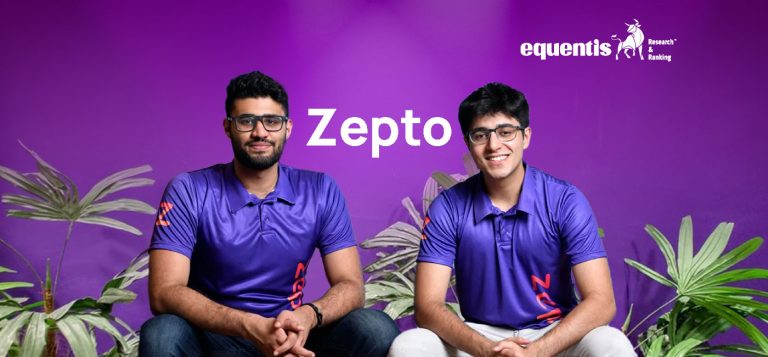
You know the feeling: another long day at work, stomach growling, and no cooking energy. Traffic? Forget it. An hour in the kitchen? Not tonight! But hey, there’s your phone – a few taps and bam – dinner dreams come true! Indian street food, grandma’s comfort food, or that trendy fusion place you’ve been eyeing? The world’s delicious oysters are delivered piping hot to your door.

For many Indians, this is now a delicious reality. But how did we get here? How did a nation known for loving ghar ka khana (home-cooked food) embrace an app that delivers restaurant fare?

Story of The Zomato Storytelling 00 02 1

How it all started

Flashback to 2008, when ordering food seemed like an ordeal. Deepinder Goyal and his colleague Pankaj Chaddah, both IIT Delhi alumni, found themselves wasting precious lunch breaks deciphering menus and waiting for colleagues to decide. 

This inefficiency fueled their entrepreneurial spirit. In 2008, their solution emerged – Foodiebay, a website that uploaded soft copies of restaurant menus, allowing users to browse and compare options at their leisure.

Story of The Zomato Storytelling 00 03

Office hack to citywide craze

Starting small, Foodiebay quickly gained traction within its office in Delhi. Its convenience spread like wildfire, attracting more users and prompting expansion to other major Indian cities like Mumbai and Kolkata. 

As their user base grew, the founders recognized the need for a more user-friendly and catchy name. Facing brand limitations with “Foodiebay,” they brainstormed for two weeks to find a name reflecting their broader ambitions.

They craved a timeless, catchy name that avoided confusion with eBay. Ultimately, “Zomato,” a playful twist on “tomato,” became their new identity in 2010. 

Story of The Zomato Storytelling 00 04

Mobile App Fuels Growth

The next hurdle was accessibility. Recognizing the growing smartphone revolution, the duo developed a mobile application, putting the power of food discovery and ordering at users’ fingertips. This move proved pivotal, skyrocketing Zomato’s popularity. 

Story of The Zomato Storytelling 00 05 2

Spam Email to $1 Million First Funding

Believe it or not, Zomato’s first significant funding was a hilarious case of missed connections, and good luck! Deepinder, Zomato’s founder, almost ignored an email from Sanjeev Bikhchandani (the guy behind Naukri.com and founder of Info Edge). Deepinder mistook Sanjeev’s email for spam!

Deepinder overslept before their first meeting and accidentally bumped into another car on the way to the rescheduled one. Luckily, there were no injuries. Despite the chaos, the meeting with Sanjeev went well. Deepinder initially aimed for a $500,000 investment, but Sanjeev offered a cool $1 million!

The whole deal took just 8 minutes to finalize. Deepinder jokes that Sanjeev might have just been eager to leave after the car crash story! This lucky break turned a “worthless company” at the time, into the $19 billion giant it is today.

Story of The Zomato Storytelling 00 06

Initial Hurdles

Growth, however, wasn’t without its challenges. Goyal and Chaddah’s initial struggle was ensuring comprehensive restaurant coverage across major cities. They strived to offer users diverse options, not just popular chains.

Additionally, convincing established fast-food giants with their delivery networks to partner with it proved challenging. 

Story of The Zomato Storytelling 00 07

The Winning Formula

Over time, the brand’s commitment to excellent service and user experience won over restaurants and customers.

Zomato’s model offered restaurants access to a wider customer base while streamlining their delivery operations. 

Soon, established chains began to rely on Zomato’s extensive delivery network, further solidifying their position in the market. 

Story of The Zomato Storytelling 00 08

Adapting and Overcoming

The road to success wasn’t always smooth. Accusations of unfair business practices, data breaches, and customer service issues arose. Swiggy, a fierce competitor, kept them on their toes. 

Investor exits, and market fluctuations demanded constant adaptation. However, the duo’s leadership shone through. They addressed legal issues head-on, streamlined operations, and implemented customer-centric policies to overcome these hurdles.

Story of The Zomato Storytelling 00 09 1

Building a Food Ecosystem

Deepinder and Pankaj didn’t just weather the storms; they steered Zomato toward a constantly evolving business model. The platform transformed from a discovery tool to a comprehensive food ecosystem. 

Zomato Pro (formerly Zomato Gold) offered loyalty programs and exclusive deals, while online table reservations further enhanced users’ dining experience. This constant innovation ensured that Zomato remained at the forefront of the food tech industry.

Story of The Zomato Storytelling 00 10 1

Investing for Growth

By 2011, the brand had established a strong presence in major Indian cities. Recognizing the global potential, the founders embarked on an international expansion journey, entering markets like the UAE, Sri Lanka, and the UK. 

Both of them understood the importance of expanding Zomato’s reach and capabilities. They invested in companies like Blinkit, UrbanPiper, Shiprocket, and Cult. Fit throughout their journey. 

These strategic moves diversified the offerings and helped Zomato build a more robust ecosystem. 

Story of The Zomato Storytelling 00 11

From Local Hero to Global Player

A landmark acquisition for Zomato was Urbanspoon in 2015, which allowed them to enter the US market. They acquired 15 other companies, including Uber Eats India, Runnr, and FITSO, and nearly $3 billion was raised over numerous funding rounds. 

Layoffs in 2015 marked the era for Zomato as it grappled with falling revenues. However, buying MapleOS boosted their directory and added features like online reservations. After a slow 2016 with more revenue losses, they streamlined operations, remotely managing presence in 9 countries to stay competitive.

The company claimed it was profitable in all 24 countries it served by 2017, processing over 3 million orders a month and delivering its 1 billionth order in 2021, solidifying Zomato’s position as a leading global food delivery industry player. 

Story of The Zomato Storytelling 00 12 1

Shifting of Roles

In May 2018, after ten years as Goyal’s “conscience keeper and a support system during upheavals,” Pankaj Chaddah decided to move on.

He founded Shyft (formerly Mindhouse), while Zomato promoted Aakriti Chopra, one of their early employees and wife of Blinkit’s chief Albinder Dhindsa, to Co-founder. 

Story of The Zomato Storytelling 00 13

Zomato Hits Refresh!

Undeterred by leadership shifts, they diversified beyond food delivery.
Zomato Wings – To connect restaurants with investors, fueling culinary growth.
Zomato AI – To personalize food discovery with AI-powered recommendations.
Zomato Future Foundation – To invest in delivery partners’ children’s education.
Zomato Hyperpure – To ensure fresh ingredients for restaurants through direct sourcing.
Zomaland – An offline food carnival brings Zomato Collections to life.
Xtreme – A new parcel delivery app that expands revenue streams.

Story of The Zomato Storytelling 00 14

Innovation & Engagement

Zomato’s marketing efforts have also been noteworthy. Their clever slogans and creative campaigns, like the #zomatoloot campaign, have resonated with audiences, showcasing their ability to engage beyond just food delivery. 

Story of The Zomato Storytelling 00 15

Zomato Eyes the Future

Looking ahead, Zomato is poised for further expansion. Goyal plans to leverage their extensive network to enter the large-order catering industry, catering to events and corporate functions. 

Additionally, his recent investment in quick commerce platform Blinkit highlights his focus on diversifying his offerings and exploring new avenues in the ever-evolving food tech landscape.

Story of The Zomato Storytelling 00 16

Finding Fortune via Food

Today, Zomato is valued at $19.14 billion and has delivered over 647 million orders. With a presence in over 800 cities, Zomato’s story is just beginning.

Zomato’s revenue continued to rise in Q4 FY2024, surging over 70% year-over-year, reaching ₹3797 cr from ₹2227 cr. They turned profitable, reporting a net income of ₹175 crore from a loss of ₹188 cr in Q4 FY2023, an increase of 193.09%. 

Their IPO in July 2023 was a hit. The stock price opened significantly at ₹116, a 52.63% premium to its offer price of ₹76, reflecting strong investor confidence.

Have you ever been turned away from a place simply because of your appearance? Imagine the anger and humiliation you would feel. Most of us would walk away, swearing never to return. But what if that experience ignited a fire within you, driving you to create an extraordinary legacy? 

You might be surprised to learn how an experience of humiliation, a leased piece of land, and family rejections transformed into a ₹4000 crore empire and a national symbol of hospitality. Interested in the story of the remarkable man whose grit and determination made this possible? Read on…

Story of The Taj Group Storytelling 00 02 1 1

A Turning Point

It all started in the late 19th century. Jamsetji Tata, a visionary industrialist, was on a trip to Europe when he was denied entry into Watson’s Hotel, a prestigious establishment. The reason?

Not because he lacked funds or status, but because of the color of his skin. This wasn’t just a personal affront; it was an insult to a nation brimming with potential, a nation on the cusp of change.

Story of The Taj Group Storytelling 00 03 1

The Early Challenges

The humiliation ignited a spark in Jamsetji. He vowed to create a hotel in India that would symbolize pride, inclusivity, and opulence. However, challenges arose.

When he decided to build the Taj Mahal Palace Hotel on a 10,000 square-yard plot he leased from the Bombay Port Trust in 1893, his own sisters were the first to object. They couldn’t believe their distinguished brother would even think of opening a “bhatarkhana” (eating house).

Story of The Taj Group Storytelling 00 04 1 1

A Bold Move and an Iconic Opening

Despite facing rejection, Jamsetji proceeded with his plan, and the Taj Mahal Palace welcomed its first guests on December 16, 1903.

Surprisingly, the central dome remained incomplete; only one wing had its first two floors ready, and the electricity and lifts were non-functional. The decision to open on this date was influenced by the family astrologer’s advice. 

Story of The Taj Group Storytelling 00 05 1 1

A Change of Plans

Initially, Jamsetji planned to sell the hotel, not intending to manage it long-term. However, a surprising obstacle emerged: the unusual placement of the kitchen on the top floor, a flaw fixed only in the 1930s, deterred buyers. 

Despite the lack of interest in the partially completed hotel, Jamsetji decided to continue construction, having already invested a substantial Rs 20 lakh. In spite of initial doubts and challenges, the Taj Mahal Palace soon became an iconic symbol of Indian hospitality.

Story of The Taj Group Storytelling 00 06 1 1

A Haven for the Elite

From the elegance of Maharajas to the charisma of Hollywood stars, its guest list reads like a who’s who of the 20th century.

Charlie Chaplin marveled at its beauty, while Jackie Kennedy found solace within its walls. Every corner whispered stories of opulence and exceptional service.

Story of The Taj Group Storytelling 00 07 1

A Fateful Blow

However, tragedy struck with Jamsetji’s untimely passing in Europe, just before the grand lighting ceremony for the hotel’s new electric lights.

His successor, J.R.D Tata, faced a grim reality: the finances were in disarray. Despite Indian princes enjoying the hotel’s freedom, the Taj became a financial burden.

Story of The Taj Group Storytelling 00 08 1 1

The Taj’s Turning Point

Desperate times called for desperate measures. Portions of the hotel were rented out as a gas station, car showroom, and even a taxi garage. Yet, a ray of hope emerged.

Recognizing the hotel’s significance, one prince extended a generous loan, saving the Taj from potential foreign ownership.

Story of The Taj Group Storytelling 00 09 1

A Twist of Fate

Another twist came with the post-war decline in 1947. JRD Tata’s criticisms were evident when a travel agent described Monsieur Gimpert’s mishaps, showing the hotel’s poor condition.

The turning point came in June 1962 when Colonel Leslie Sawhney, Dorabji Tata’s brother-in-law, took charge. With his team, they began the difficult task of reversing the decline.

The young team renovated the Taj’s interiors, transforming the heritage building while it remained occupied. This ambitious project marked a significant milestone in the country’s hospitality industry.

Story of The Taj Group Storytelling 00 10 1 1

A Symbol of National Pride

As India marched towards independence, the Taj stood tall as a symbol of national pride. It hosted important political gatherings and served as a platform to flaunt

India’s rich cultural heritage to the world. Whether it was witnessing the signing of the UN Charter in San Francisco or serving as the backdrop for unforgettable Bollywood movies, the Taj has been right at the heart of India’s global journey.

Story of The Taj Group Storytelling 00 11 2 1

A Diverse Portfolio for Every Traveler

Today, the Taj Group boasts a diverse portfolio of hotels, palaces, resorts, and safaris. Each property reflects the essence of its location, be it the serene backwaters of Kerala or the bustling heart of Delhi.

From the contemporary chic of Vivanta by Taj to the timeless elegance of SeleQtions, the group caters to every taste and travel style. The upscale “Vivanta” brand offers luxury, while “Ginger” caters to the mid-scale market.

SeleQtions, a collection of unique boutique hotels, brings a delightful charm. Meanwhile, the iconic Taj brand remains the pinnacle of high-end luxury. Through this brand diversification, the Taj brand has carved a dominant niche in the travel industry.

Story of The Taj Group Storytelling 00 12 1 1

Rising from the Ashes

The 26/11 attacks were a devastating blow. The hotel, once a symbol of grandeur, turned into a battlefield. However, amid the chaos and sorrow, a ray of hope emerged. Within weeks, a massive restoration effort kicked off. Architects, engineers, and countless workers worked tirelessly.

They painstakingly rebuilt, not only restoring the hotel’s former magnificence but also implementing the most robust security measures. It wasn’t just about rebuilding; it was a path to healing, showcasing the unwavering spirit of the Taj.

Story of The Taj Group Storytelling 00 13 1 1

Embracing Innovation in Uncertain Times

The global pandemic brought another challenge. Bookings vanished, and the once-bustling Taj halls stood silent.

Amidst the despair, defiance emerged. The team, undeterred, pursued their vision of expansion. Forty new hotels opened during those bleak days. This wasn’t reckless but strategic.

They cut unnecessary expenses, reduced fixed costs from 46% to 35%, streamlined payroll, and trimmed corporate overheads. This financial transformation, forged in crisis, became their greatest asset. 

Story of The Taj Group Storytelling 00 14 1 1

QMin Delivers a New Revenue Stream

IHCL (Indian Hotels Company Limited) saw another opportunity in the pandemic and launched QMin, a food delivery app. They cleverly leveraged underutilized kitchens to expand rapidly, offering delivery across four formats in 20 cities: app, food trucks, QMin shops in hotels, and QSR chains.

With a focus on maintaining profitability, QMin maximizes existing infrastructure and plans to utilize large Taj SATS kitchens for future growth. Their goal is to reach 25 cities with the most successful format for each location.

Story of The Taj Group Storytelling 00 15 3

Sustainable Hospitality for the Future

Sustainability is at the forefront of the Taj’s vision for the future. They’ve implemented eco-friendly practices, embraced renewable energy sources, and championed responsible tourism. The group is committed to preserving India’s rich heritage while positively impacting the environment.

Story of The Taj Group Storytelling 00 16 1 1

Spreading Indian Hospitality Globally

Today, with over 240 hotels, the Taj is a testament to its ability to adapt, innovate, and lead in hospitality. Sophisticated travelers in New York enjoy The Pierre, a Taj Hotel. Adventure seekers find wildlife at the Taj Safari in Zambia.

From the tropical Taj Exotica Resort & Spa in the Maldives to the urban St. James’ Court in London, the Taj offers Indian hospitality in coveted destinations worldwide.

Looking ahead, the Taj Group has its sights set on global expansion. They’re bringing their brand of Indian hospitality to international destinations, offering travelers a taste of India’s warmth and impeccable service beyond its borders.

Also Read: Top 10 Stock Market Movies to Watch

Let’s be real – the best part of the new school year was definitely the new stationery. The fresh compass box, the smell of new paper, crisp textbooks, the sound of a sharpened pencil, and the colorful burst of crayons in the drawing book are all memories as clear as day. And there was one brand that helped bring a smile to your face.

This beloved brand almost shut down but persevered, reaching an annual turnover of ₹1,439.36 crores in 2023-2024. Curious to know who we are speaking about? Read on

Story of Camlin Coloring Storytelling 00 02 2

Born in the Spirit of Swadeshi

It’s 1931, and India was buzzing with the Swadeshi movement promoting the use of local goods. Chemistry graduate Digambar Parashuram Dandekar (DP Dandekar) quit his secure government job to set up his business.

Since stationery was imported from Japan, the UK, and Germany, his engineer brother Govind Dandekar and he decided to live up to the era’s ‘make in India’ fervor and started Dandekar & Co. as a partnership company. 

Story of Camlin Coloring Storytelling 00 03 1

First of its Kind in India

Digambar Dandekar began manufacturing ink powder in his humble Girgaum Chawl residence. He would manufacture the product at night and then sell it to businesses around town during the day.

Soon, the powder turned into tablets, and liquid ready-to-use ink was sold in recycled glass bottles.

These were unbranded products that were still sold only on the quality and service. The brothers considered using a ‘horse’ as the brand name, but the hunt had to continue since it had already been taken.

Story of Camlin Coloring Storytelling 00 04 2

Due To Cheaper Imports

The demand for Dandekar & Co. ink and allied products rose among businessmen in Maharashtra and Gujarat, helping them expand their businesses.

But things became harder when new tax revisions made imported products cheaper than local ink. Cheaper options threatened to drown out the company’s early success, so much so that the Dandekars considered temporarily shutting shop. 

Story of Camlin Coloring Storytelling 00 05 1

The Horse Transforms Into a Camel

The brothers knew they needed something unique to grab people’s attention as they were branching out to manufacture fountain pens. Creativity struck over a cup of chai at an Iranian cafe.

DP Dandekar saw an ad for Camel cigarettes and was inspired to change the brand to Camel. It was easy to spell, pronounce, and remember, and the ship of the desert symbolized strength and endurance.

As the mascot became as iconic as the brand’s products, they moved from the one room to a bigger space in Mahim in 1939. 

Story of Camlin Coloring Storytelling 00 06 1

A Desi Artistic Awakening

Back in 1947, Camel wasn’t just selling crayons and sharing the love. As part of a business takeover, the company issued 600 shares to the vendors to acknowledge their contribution to its journey. No cash exchanged hands!

Another pivotal moment came in 1948 when an artist tasked with painting Gandhiji’s portrait after his assassination was forced to use imported materials.

The irony wasn’t lost on the Dandekars, who wanted to encourage artistic expression within India. So, they started making colored inks for artists. 

Story of Camlin Coloring Storytelling 00 07 1

Adding Color To Expression

Camlin’s founder, DP Dandekar’s son, Subhash Dandekar, realized making perfect colors was tricky, so he traveled to Glasgow to learn more about color science.

Back home, he set up a lab and created unique colors for India’s artists. Finally, in 1962, his hard work paid off!

Camel launched a whole line of art supplies, including paints, crayons, and pastels, which still hold a special place in our hearts. 

Story of Camlin Coloring Storytelling 00 08

The Flora Blooms

The company was taking things up a notch. In 1974, it set up a brand new, fully equipped factory in Tarapur, Maharashtra. This move allowed them to start producing their own wood-cased pencils.

Then, the legendary Flora pencil with pink and purple flowers arrived. Who said style and substance couldn’t go hand-in-hand?

The brothers had created a high-quality pencil that looked too pretty to put down. The smooth glide on paper brought childhood drawings and essays to life.

Story of Camlin Coloring Storytelling 00 09

Camel Makes Way for Camlin

The Camel brand got a new identity in 1988. ‘Camel’ and ‘Ink’ came together to form a new brand identity, Camlin. The Dandekar brothers retained Camel and Camlin within the Camlin Ltd umbrella entity.

This big move augmented their standing and introduced a wide range of products. The Camel label included drawing materials and paints; Camlin had pencils, accessories, pens, geometry sets, etc.

Story of Camlin Coloring Storytelling 00 10 1

Brushstrokes of Creativity

Didn’t you love submitting your drawings and paintings for contests as a kid? Camel brought excitement to millions of children with its All India Camel Colour Contest.

In 2011, the contest was named the largest art competition in the Guinness Book of World Records. A whopping 4.8 million students participated in 6,601 schools, and in 2021, the number grew to 5.1 million students from 6,565 schools!

Story of Camlin Coloring Storytelling 00 11

Nurturing Young Minds

In the interim, Camlin’s journey went beyond pencils and crayons. In 2009, the company embarked on a new adventure – early childhood education.

They opened their first Module preschool in Mumbai, creating a space where little ones could explore, learn, and discover their true potential.
The concept was a hit.

Since then, Camlin has opened three more preschools, becoming a popular choice among parents seeking a nurturing and stimulating environment for their tiny tots.

Story of Camlin Coloring Storytelling 00 12

Kokuyo Acquires Camlin

Today, Camlin is part of the Japanese stationery giant Kokuyo, which boasts a 100-year legacy. Kokuyo acquired a 50.74% stake in the company in 2012 and later took over completely. 

A new chapter began for the brand. The ownership changed, and while Camlin’s legacy of coloring Indian childhoods lived on, it expanded its reach to office stationery.

Story of Camlin Coloring Storytelling 00 13 1

The Camel Strides On…

India’s school stationery supplies market reached $2,377.9 million in 2023 and is likely to touch $3,834.9 million by 2032.

Camlin may be in the race with Cello, Apsara, DOMS, Natraj, Kores, etc., owned by a Japanese company, but it will still be remembered for coloring countless Indian childhoods. 

As you walk home, the scorching sun is melting you, and sweat sticks to your clothes. You turn on the fan, but all you get is the spark of a failing connection. Frustration washes over you, and the thought of waiting hours for an electrician adds to the misery.

This was the reality for millions of Indians just a few decades ago: flickering lights, dangling wires, faulty switches, and unreliable appliances were a daily struggle. But then, a school teacher with a vision for a brighter future stepped in, ready to rewrite the script.

So, what was the pathbreaking route he took that illuminated the lives of many? Read on…

Story of Havells Storytelling 00 02

Stepping Beyond the Classroom

Born in 1937 to a lower-middle-class family in Malerkotla, Punjab, India, Qimat Rai Gupta’s formative years were steeped in the essence of Indian culture and the wisdom of the Bhagavad Gita. While he began his career as a school teacher, he always wanted to explore new possibilities in the world of trade.

While visiting Delhi on a holiday, Gupta got a chance to manage his uncle’s electrical goods shop in Bhagirath Palace. Impressed by his enthusiasm, his uncle made him an equal partner in his trading business.

Story of Havells Storytelling 00 03

Birth of a Legacy

In 1958, with just Rs. 10,000, he established Guptaji & Company, an electrical trading business, in the bustling Bhagirath wholesale market for electrical goods.

His vision wasn’t limited to just trading; he envisioned building top-notch manufacturing facilities across India.

Story of Havells Storytelling 00 04 1

From Acquisition to Revolution

Qimat Rai Gupta had a decade-long experience in the electrical goods market and he had established his name in the market.

A pivotal moment arrived in 1971 when he acquired a small electrical goods business of Havells for Rs. 700,000.

Havells belonged to a switchgear company owned by Haveli Ram Gandhi, (the source of the Havells name). Gupta, who happened to be one of the distributors for Havells, saw the potential in the distressed company and acquired the entire business.

This seemingly ordinary event sparked a revolution in the FMEG (Fast-Moving Electric Goods) industry. 

Story of Havells Storytelling 00 05

The Cornerstone of Trust

Building a brand wasn’t easy. Back then, the market was flooded with generic electrical equipment. Gupta knew Havells needed to stand out. He focused on two crucial aspects: quality and innovation. 

Every Havells switch, every Havells cable, was meticulously crafted to be reliable and durable. This unwavering commitment to quality resonated with Indian consumers, and Havells slowly began establishing itself as a name synonymous with trust.

Story of Havells Storytelling 00 06

Cracking Havells Success Formula

Recognizing the limitations of a trading business, Gupta took a bold step in 1976. He established the company’s first manufacturing unit in Kirti Nagar, Delhi. This marked a turning point. 

Havells began producing rewireable and changeover switches, catering to a market with limited organized players. The strategy was simple: cater to the growing Indian market with high-quality, locally manufactured products.

Story of Havells Storytelling 00 07 2

Expansion of Havells Manufacturing

The success of the first manufacturing unit fueled further expansion. By 1979, Havells had set up two more plants, expanding its portfolio to include HBC fuses and high-quality energy meters. 

However, Gupta understood that organic growth alone wouldn’t suffice. He adopted a strategic approach to acquisitions, targeting loss-making companies with turnaround potential.

Havells bought a money-losing electrical meter maker, Towers and Transformers, and turned it profitable in just a year. This ability to identify and revive struggling businesses became a hallmark of their growth strategy.

Story of Havells Storytelling 00 08

Weathering the Storm

The late 80s witnessed a new challenge – the influx of cheap Chinese imports. While many domestic companies faltered, Gupta held firm to the company’s core principles. He refused to compromise on quality and remained committed to the Swadeshi approach.

This unwavering commitment, coupled with investments in brand building and R&D, proved to be a masterstroke. Havells not only survived but also thrived, establishing itself as a leader in the Indian electrical goods market.

Story of Havells Storytelling 00 09

Building a Brand Powerhouse

Havells’ growth trajectory took a sharp upward turn during this next phase. Qimat Rai Gupta, ever the strategist, spearheaded the company’s entry into new product categories like fans and lighting fixtures. 

A joint venture with the German company Geyer, followed by another with DZG, provided access to cutting-edge expertise, ensuring Havells remained at the forefront of innovation and quality..

Acquisitions continued to play a crucial role, with Havells adding established brands like Crabtree, Standard, and Duke to their portfolio.

Story of Havells Storytelling 00 10

Capitalizing on Opportunities

Gupta now set his sights on the consumer durables market in the early 2000s. He capitalized on the booming housing sector, introducing innovative products like India’s first ‘Green CFL’ and BEE five-star rated fan. 

This new line of business required a boost in terms of communication. Gupta understood the power of connecting with his audience. He moved away from generic advertising and adopted an out-of-the-box approach that made his products stand out.

Story of Havells Storytelling 00 11 1

Joining The Big Leagues

The year 2007 marked a significant milestone. Havells’ acquisition of Sylvania, a leading global lighting company, propelled them into the big league.

Gupta’s Havells was now rubbing shoulders with the world’s top lighting companies, a far cry from their humble beginnings in Bhagirath Place.

Story of Havells Storytelling 00 12

New Leadership, New Direction

The visionary leader who steered Havells from a fledgling business to a Rs. 1.15 lakh crore empire, sadly passed away in 2014. With his second born, Anil Rai Gupta taking over the business, Havells sold their profitable Sylvania business in 2015. While Europe stagnated, the Indian market boomed. 

The focus shifted back to India, prioritizing domestic growth over a global presence. They acquired Lloyd’s consumer business to expand their product range. This strategic shift prioritized domestic dominance over a global footprint.

Story of Havells Storytelling 00 13

A Well-Lit Path in a Competitive Landscape

Despite the crowded marketplace, Havells holds its ground in several highly competitive segments. In MCBs (miniature circuit breakers) and switches, they face off against foreign giants like Legrand, Schneider, and Anchor (now owned by Panasonic).

When it comes to the lighting and small domestic appliance space, the competition intensifies further with formidable giants such as Philips, Crompton, and Wipro.

The space of ACs, TVs, fridges, and washing machines sees them battle foreign players like LG, Samsung, Sony, Daikin, and Carrier, vying for market share alongside domestic giants like Voltas, the biggest AC player in India.

Story of Havells Storytelling 00 14

The Havells Advantage

Their unique strength lies in their deep and wide presence within Indian households. With over 13 manufacturing plants across India, the company produces 95% of its products domestically.

Their extensive product portfolio encompasses everything from fans and geysers to refrigerators and washing machines and caters to every household need.

Fueled by a net profit of Rs. 1270 crore in FY2024, Havells remains dedicated to its core strengths – innovation, manufacturing, and distribution.

Story of Havells Storytelling 00 15

The Future is Bright

Looking ahead, Havells plans to expand their distribution network significantly, targeting 2,800 additional towns across India with populations between 10,000 and 50,000. 

Havells has set their sights on international expansion, with the Middle East and Africa as potential new frontiers.

Another late night. Desperately searching for that important email. And where’s that presentation file? Missed deadlines and international phone calls at ungodly hours. Gosh! How does even one keep track of all these without feeling stressed?

This scenario wasn’t too long ago; it was simply how things were done for many businesses. Until a visionary entrepreneur stepped in, turning down millions and daring to dream of a better way. His story? As inspiring as the solutions his company offers.

Also Read: Top 10 Solar Energy Stocks in India

Read on to discover the revolutionary approach that is transforming businesses around the globe, ensuring you never face those stressful late nights again.

Sridhar Vembus Zoho Storytelling 03 02

It All Began In Chennai

This journey began in 1996, not in Silicon Valley but in Chennai. Sridhar Vembu’s brothers, Kumar and Shekhar, and their friend Tony Thomas had a burning desire to revolutionize network management with their company, AdventNet. 

In the beginning, Tony served as CEO. Sridhar Vembu, a Princeton Graduate who settled in Silicon Valley and worked as a wireless engineer for Qualcomm in California, was primarily a supporting figure. 

Sridhar Vembus Zoho Storytelling 02 03

From An Engineer

Tony tried to sell this software at the Las Vegas trade show and asked Sridhar to join him, but neither knew anything about sales. With his rusty skills, he made a few sales and became the first salesperson. 

Sridhar attracted major US clients, but the deals came at terrible margins. He readily admitted his lack of sales experience, and some clients even confessed they would have paid ten times more for the software if they’d known its true value. 

Sridhar Vembus Zoho Storytelling 02 04

And the Million-Dollar Leap

This realization fueled a crucial decision – reinvesting profits in a new product, Web NMS, an early foray into the Internet of Things (IoT) coupled with their lean operating model (thanks to a talented Indian workforce). The gamble paid off, propelling them past a million-dollar milestone in 1998. 

Sridhar Vembus Zoho Storytelling 03 05 1

From Crisis to Opportunity

As things looked up, the 2000 dot-com burst sent shockwaves through the tech world. At one point, they were down to 3 paying customers from an initial base of 150.

However, unlike many, AdventNet had a lifeline—a combination of three factors: a healthy cash reserve, no investors to answer to, and a lean operating model thanks to its Indian headquarters.

Sridhar Vembus Zoho Storytelling 02 06

Internal Issues To Saying No

Meanwhile, internal issues shook the company’s foundation—disagreements over strategy led to the departure of Sridhar’s brothers and Tony.

As the new CEO, Sridhar faced his darkest hour. He saw an opportunity in the crisis. Recognizing the growing needs of small and medium businesses (SMBs), ManageEngine, a suite of IT management tools, was born the same year; an investor was ready to invest $M10 in the company at a valuation of $M140, but Sridhar famously rejected the VC funding.

Sridhar Vembus Zoho Storytelling 03 07

From SOHO Dreams to ZOHO Suite

As their focus shifted towards small and home offices (SOHO), they wanted to incorporate “SOHO” into their new product offerings. Unfortunately, the domain soho.com was unavailable, so they landed on zoho.com. 

With the launch of the Zoho virtual office (2004), he offered a string of corporate workforce solutions under Zoho Suite—Zoho CRM Solutions, Zoho Writer in 2005; Zoho APIs, Zoho Show, Zoho Projects, Zoho Sheets, Zoho Projector, and so on, in 2006.

Sridhar Vembus Zoho Storytelling 03 08

Conquering the Cloud

With a passionate workforce, Zoho embraced the cloud revolution. They pioneered the Software-as-a-Service (SaaS) model, making high-quality business software accessible and affordable for small and medium-sized businesses. 

From Zoho Mail and Zoho CRM to Zoho WorkDrive, a comprehensive suite of applications emerged, catering to every facet of business operations.

Sridhar Vembus Zoho Storytelling 03 09

Rebranding

By 2008, their user base reached a staggering 1 million. Since the name Zoho became increasingly popular among its TG, the company officially rebranded itself from AdventNet to Zoho Corporation in 2009. 

Sridhar Vembus Zoho Storytelling 03 10

Bridging the Talent Gap

Success often also brings new challenges. As Zoho scaled, it faced a hurdle – a talent shortage for highly skilled engineers in India. Their cost-effective model wouldn’t hold up if they had to rely on expensive overseas talent. 

Sridhar , known for his unconventional solutions, devised a revolutionary plan – Zoho University to bridge the gap by nurturing brilliant minds from rural India. Imagine a completely FREE two-year English, Mathematics, and Computer Science program. 

Sridhar Vembus Zoho Storytelling 03 11

Zoho’s Remote Revolution

Among the most remarkable aspects of Zoho’s story is its location—the billion-dollar tech empire is operated from a remote village in India, hundreds of miles from the nearest major city.

Sridhar believes in the power of remote work. This philosophy resonates with a world increasingly embracing flexible work arrangements.

Global Powerhouse

Zoho’s growth trajectory continues to impress! In FY23, net profits climbed a healthy 3% to a staggering ₹2,836 crore, building upon the previous year’s impressive performance.

This growth is also mirrored on the revenue side, with a remarkable 30% surge to ₹8,703 crore – a testament to the enduring value Zoho delivers to its global user base.

Today, Zoho serves customers in over 150 countries and a robust infrastructure of 14 data centers humming with activity.  The Zoho family has grown to over 100 million users, with a diverse suite of 55+ products.  

Sridhar Vembus Zoho Storytelling 02 13 1

Innovation & Impact

Committed to sustainability, Zoho is harnessing the sun’s power, using a 5 MW solar farm to power their data centers and offices and reduce their carbon footprint by a staggering 7,200 tons annually – the equivalent of planting 14,400 trees!  

This dedication to innovation and social responsibility cemented Zoho’s leadership position. Its founder, Sridhar Vembu, is a true inspiration, rightfully recognized with the prestigious Padma Shri award in 2021.

Sridhar Vembus Zoho Storytelling 02 14

Prepare for Zoho 2.0

With over 100 million users worldwide, Zoho
The company is setting its sights on the future, investing in cutting-edge R&D projects that push the boundaries of technology.  

Apart from revolutionizing farming with smart solutions and bringing healthcare closer with telemedicine, Zoho is actively exploring AI’s potential, setting up a groundbreaking project where AI systems learn from each other, accelerating innovation at an unprecedented pace.

Were you ever allowed to drink colas during school as a kid? No way! It was only during summer vacations when our exams were done and it was time to have fun in the sun. Fast forward to today, and despite our parents’ stern warnings and the bizarre factoids floating around—like Coca-Cola being a handy toilet cleaner or a makeshift rust remover—we just can’t seem to get enough of the fizzy stuff.

Remember those pizza parties, movie marathons, or just hanging out with friends? It’s always ‘Yehi hai, right choice!’ for that spicy, bubbly burst. Heck, there’s even a recipe for Coke Chicken Wings that’s making rounds online! While social media buzzes with love and loathing for these sugary drinks, one thing is clear: cola is here to stay.

In 2023 alone, India guzzled down a staggering 6.94 billion liters of cola, and by 2027, this number is expected to soar to 7.82 billion liters. But our love affair with these fizzy delights is far from new. It’s a story that stretches back over 150 years, filled with twists, turns, and fizz.

Also Read: Top 10 Stock Market Movies to Watch

Dive into the zesty saga of the Cola Wars in India and discover how these drinks became an unshakable part of our lives. Buckle up; it’s going to be a fizzy ride!

Cola Wars Storytelling 02 02

Bubbling Under in the 1800s

It all began in 1837 when chemist Henry Rogers launched Club Soda in India. Its success inspired Pallonji’s raspberry-flavored soda in 1865, followed by Ardeshir’s in 1884 and Duke’s in 1889.

While Coca-Cola and Pepsi were battling it out in the US, these domestic brands and Goli Soda (Banta) competed in India.  

Cola Wars Storytelling 02 03 1

Parle Gives India its First Cola in 1950

Around the time Coca-Cola and Pepsi arrived here in the 1950s, Parle launched the first true Indian cold drink, Gluco Cola, named after Parle-G biscuits and later Parle Cola.

However, the brand was discontinued by 1951, and Parle launched an orange-flavored soda, Gold Spot, in 1952. Meanwhile, Pepsi’s sales dwindled, and Coca-Cola exited India by 1962.

Cola Wars Storytelling 02 04 1

The Bubble Bursts for Coca-Cola Too 

While we were drinking Parle’s lime and lemony Limca by 1971, the Government was implementing the Foreign Exchange Regulation Act (FERA) in 1973, asking foreign companies to give the country a 60% stake in their businesses.

To promote local products and nationalism, the Government also asked Coca-Cola to part with its secret formula. The softdrink giant refused, packed up, and left in 1977. 

Cola Wars Storytelling 02 05

India Chooses to Be Desi Instead

As Indians craved the fizzy drink, the Government launched its brand called Double 7.

Pure Drinks joined the bandwagon with Campa-Cola, and Parle jumped into the field with Thums Up, refusing to copy Coca-Cola’s taste. The soft drink war continued, albeit with different fighters.

Cola Wars Storytelling 02 06

Pepsi & Cola Return

Do you know how many bottles of softdrinks people were drinking by the late 80s?
A whopping 3 billion! With our economy liberalizing, Pepsi and Coke re-entered the market in 1990 and 1993. 

It was Pepsi Vs. Thumbs Up Vs. Coke. As Thums Up ruled, with 85% of the Indian market, Coca-Cola bought it for $60 million. 

Cola Wars Storytelling 02 07

Losing Iconic Brands in 2000

In 2000, India lost two super-popular softdrinks — Coca-Cola bought Gold Spot and Citra and replaced them with Fanta and Sprite, respectively.

Psst! The buzz is that they also planned to kick out Thums Up to increase Coca-Cola’s sales.

But the country loved the thunder too much, and it stayed. The fierce competition also forced CampaCola to exit around the same time.

Cola Wars Storytelling 02 08

New Entrants In The Market

With cold drinks’s demand increasing in the 2000s and people turning more experimental, the softdrink roster expanded.
Parle introduced Appy Fizz in 2005, and Bisleri launched Spyci, Limonata, Fonzo, and Pina Colada in 2016. 

Cola Wars Storytelling 02 09

The Softdrink War is Still Hot Today

Since 2023, CampaCola has returned, bought by Reliance Consumer Products (RCPL), bringing the total size of the soft drinks segment to $8.85 billion.

The distribution of aerated soft drinks shows that India has the biggest thirst for Coca-Cola brands. The company holds a total market share of ~ 59%, followed by PepsiCo at 36%.

The rest belongs to other brands, including local softdrink makers like Bisleri’s Spyci masala cola, Parle Agro’s Appy Fizz, Jeeru, etc. So, the next time you grab a softdrink, remember this fierce 125-year-long war being fought just for you!

Have you ever gone overboard with baby gifts? Scented lotions, fluffy towels, adorable bath toys, fantastic baby food, baby clothes… the list goes on! After all, you want the best for your kids, don’t you?

Amidst the excitement, have you ever wondered what ingredients lurk in those products? One couple was appalled at what they found made up of these baby products.

So, they embarked on a journey away from flashy packaging and embraced products rooted in safety and purity. Their quest, especially the mother’s wish for natural, gentle ingredients, was a game-changer in the personal care industry.

Want to unravel the story of this courageous couple who dared to redefine the standards of baby care? Read on…

Mamaearth Storytelling 02 02

When Excitement Turns to Concern

Like any first-time parents, Varun and Gazal Alagh were on cloud nine – a tiny human was about to join their world. Picking a name, decorating the nursery – the joys of preparation were endless. But beneath it all, a worry bloomed. 

Mamaearth Storytelling 02 03

Hidden Danger in Store Shelves

Ghazal, mindful of safe products from their time abroad, scanned Indian baby care options.

It sent shivers down her spine. Ingredients banned in other countries were still being used here, and importing reliable alternatives proved expensive and inconvenient. Ghazal realized they weren’t alone. Many parents in India shared this silent concern.

Mamaearth Storytelling 02 04

Taking Matters into Their Own Hands

Tired of chemical-laden baby products, Ghazal, the artist, and Varun, the Coca-Cola exec, took a wild chance.  They dreamed of safe, natural options for all parents, and in 2016, Mamaearth was born.

The name says it all: a brand built by parents, for parents, as gentle as a mother’s touch.
Ghazal wondered if parents cared about toxin-free products. “Who thinks of toxin-free products in India?” whispered her mind.

But Varun used to the big leagues of marketing, knew online was the perfect test market for their premium brand. It was a gamble.

Varun, who had enjoyed a comfortable career at Coca-Cola, Diageo, and Hindustan Unilever, was taking a major leap of faith. He was worried the online approach was unfamiliar, his experience rooted in traditional brick-and-mortar.  “Who sells only online?” some questioned.

But Varun was convinced it was the ideal way to test the waters for their small-scale brand targeting metro moms.  Would metro moms embrace their vision?  Only time will tell.

Mamaearth Storytelling 02 05

Early Struggles and the Power of “Why

Building a brand from scratch is no easy task. Mamaearth faced several challenges. Securing funding was a hurdle, with investors hesitant about a brand venturing into the uncharted territory of toxin-free baby care.

The couple, initially handling customer service themselves, received blank stares when they told an investor to call their customer care line. 

But Ghazal and Varun had a clear “why” driving them. Their belief in the importance of safe products for all babies fueled their perseverance.

They meticulously curated a team, conducted in-depth research, and prioritized acquiring the coveted Made Safe certification – the first Asian brand to do so.

Mamaearth Storytelling 02 06

Moms Know Best

Varun and Ghazal understood the power of community. They knew that mothers, more than anyone, craved safe and effective products for their little ones, so they went directly to them.  

Leveraging social media and influencer marketing, they connected with like-minded parents who prioritized natural solutions to establish Mamaearth as a brand that truly understood their needs. The “Mamaearth Mom” became their ideal customer – a woman who prioritized her child’s well-being and her own. 

Mamaearth Storytelling 02 07

From Niche to Inclusive

Initially, Varun and Ghazal focused on baby care, offering a range of toxin-free essentials, but they soon decided to extend their offerings.

They realized the need for safe and natural solutions transcended the age barrier. Haircare, skincare, and a range of natural ingredient products like onion, ubtan, and tea tree found their way into Mamaearth’s offerings.  

They catered not only to babies but also to their mothers. From sunscreen to stretch mark removal serums, Mamaearth addressed the many facets of motherhood. 

Mamaearth Storytelling 02 08

Learning from Mistakes

Mamaearth’s journey wasn’t without missteps. Varun and Ghazal wanted to explore the food and nutrition segment, but it backfired. Their brand identity, firmly established in personal care, wasn’t a natural fit for the new category. So, within six months, the duo had to wrap up the section.

Similarly, their initial beauty product line, targeted solely at expectant mothers, needed revision.  Consumers felt it was too niche. Never to shy away from learning, Varun and Ghazal embraced these experiences as valuable lessons.

They changed their strategies, shifting towards unisex products that catered to a broader audience. The move paid off. Soon, 48% of their personal care product buyers turned out to be men.

Mamaearth Storytelling 02 09

Navigating a Competitive Landscape

The Indian cosmetics industry is a battleground.  Established giants like Himalaya and Johnson & Johnson, alongside e-commerce giants like Nykaa, posed a formidable challenge.  Newer startups, too, were vying for a slice of the pie. 

Mamaearth carved its niche by emphasizing its commitment to natural ingredients and toxin-free formulations.  Their “Made Safe” certification, a first in Asia, further differentiated themselves from the competition.

Mamaearth Storytelling 02 10

A Brand on the Rise

In 2016, the company morphed from a small startup into a “house of brands.”  Strategic acquisitions like Mompresso, BBlunt, and Dr. Sheth’s broadened its reach and expertise.

They became one of India’s fastest-growing brands, crossing the 100 crore turnover mark within just four years. Their valuation soared to $1.2 billion, a testament to their impressive growth. 

Mamaearth Storytelling 02 11

Awards

They garnered recognition, receiving awards like “Young Turks Startup of the Year. “

Featured on the Forbes “Asia’s Power Businesswomen” list, Ghazal Alagh, the co-founder, became a role model for aspiring entrepreneurs.

Mamaearth Storytelling 02 12

Expanding Horizons

The duo couple’s vision doesn’t stop at the digital realm.  Recognizing the growing importance of offline retail, they’ve strategically opened brick-and-mortar stores across India. 

Partnerships with Yes Madam and Apollo Pharmacy further solidify their commitment to accessibility.  Global aspirations are also taking root, with their products finding a place in international markets.

Mamaearth Storytelling 02 13

Putting the Planet First

Since the beginning, both Varun and Ghazal have maintained a strict sustainability policy. Understanding the burden on our planet, they pioneered eco-friendly packaging solutions.

Recycled and recyclable materials became the norm, and the brand actively championed the concept of responsible consumption. It wasn’t just about what went inside the products but also about the footprint they left behind.

Mamaearth Storytelling 02 14 1

Safety and Sustainability

Mamaearth’s rise has transformed the personal care industry and paved the way for a more conscious consumer mindset.

Their focus remains steadfast – providing safe, natural, and effective products that cater to the evolving needs of a global audience. Their dedication to sustainability and responsible sourcing practices ensures a legacy that prioritizes both people and the planet.

Remember the biscuit you must have with your tea every morning? It’s not just a snack but a time machine that transports you to simpler times with every bite. When you tear open the yellow and red striped packet, a wave of nostalgia washes over you, bringing back memories of carefree afternoons and after-school treats. This desi videshi favorite’s history is as rich as its taste.

So, sip your cup of tea and dive into this interesting story of this pre-independence biscuit that has become a beloved part of nations globally today! Want to know? Keep reading

Parles Rise Storytelling 02 02 2

The Sweet Taste of Patriotism

The year was 1929, and the Swadeshi movement advocating for Indian goods gripped a silk trader from Mumbai, Mohanlal Dayal Chauhan, who ventured into confectionery. 

Inspired by his travels to Germany, skills, and machinery worth Rs 60,000, he set up a small factory between the villages of Irla and Parla, employing just 12 men. The family donned multiple hats of engineers, managers, and confectionery makers.

Parles Rise Storytelling 03

From Candies to Classics

The company entered the market with orange candies. But in 1939, it embarked on a journey defining its legacy—biscuit making. At that time, biscuits were a luxury, imported and enjoyed by the elite. The brand, however, had eyes on a different reality.

Parles Rise Storytelling 04

But They Forgot to Name It!

Believe it or not, the company was so dedicated to the venture that a basic but super-important detail slipped its mind! The name. So, it simply named itself after the company’s birthplace—Parle.

Parles Rise Storytelling 05

Making Biscuits Accessible

Parle Products wanted to create an affordable, nutritious biscuit accessible to the masses. Enter Parle Gluco. And India had its biscuit. Made in India, for India.

Parles Rise Storytelling 06

The Challenge of Standing Out

In the 1960s, Parle Gluco had many competitors. Britannia launched its range of biscuits, and as customers simply asked for “glucose biscuits,” the lines between the two brands blurred. 

Then Parle played a trump card—the iconic yellowish wax-paper wrapper featuring a charming little girl. This added to the visual appeal but didn’t solve the problem of brand differentiation.

Parles Rise Storytelling 07

A Rebranding Masterstroke

In 1982, Parle Gluco emerged as Parle-G, with the ‘G’ still standing for its core ingredient—glucose. The packaging material shifted to a low-cost printed plastic.

This rebranding and a commitment to quality and affordability made Parle-G an instant hit with the public.

Parles Rise Storytelling 08

Parle-G’s Winning Marketing Strategies

Besides its yummy taste and affordability, Parle-G has wowed users with its clever ad campaigns. From a family enjoying their ‘Swaad bhare, Shakti bhare’ moment together to the iconic pairing with the desi superhero Shaktimaan, Parle-G ads always hit home

Parles Rise Storytelling 09

Creating A Global Phenomenon

Throughout the 2010s, Parle-G has been the numero uno. From surpassing Oreo, Mexico’s Gamesa, and even Walmart’s house brands in 2011 to making China fall in love with it, the brand has factories in six countries—including the US, the UK, and Australia. 

In the 2010s, the ‘G Maane Genius’ tagline refreshed the brand’s messaging, boasting of the biscuit’s nutritional value. 

2013, Parle-G became the first Indian FMCG (Fast Moving Consumer Goods) brand to surpass the Rs 5,000 crore mark in retail sales. 

It became the ‘Unsung Hero of Biscuits’ in 2018 with a new ad campaign that reminded us to celebrate relationships that are just as precious but overlooked by us.

Parles Rise Storytelling 10

G for Goodwill

Parle-G ruled our hearts throughout the 2010s but showed its superpowers during the crazy lockdowns in 2020. It gained a market share of 5% in the biscuit segment because people chose to stock Parle-G in their kitchens and pantries during the pandemic.

But the brand didn’t prioritize profits, donating 3 crore packets of biscuits to those in need! 

Parles Rise Storytelling 11

Still Affordable and Delightful

Most products’ prices hit the roof, and brands blame inflation, not Parle. Its last price adjustment occurred in May 2022. 

New offerings, like Hide & Seek, Fills breakfast cereal, Parle-G Kismi Cinnamon Biscuits, Parle-G Oats & Berries Biscuits, cookies, and Parle-G Chakki Atta, keep the brand relevant.

Parles Rise Storytelling 12

Parle G is Still the OG!

It’s been 85 years since chai first met Parle G, and its popularity has remained unchanged. The company sells over a billion packets monthly, meaning 100 million individual biscuits and 14,600 crore biscuits annually!

That’s enough for every person in India (about 1.21 billion) to enjoy an average of 121 Parle-G biscuits. So, grab a pack, dip it in your chai, and ensure it doesn’t sink to the bottom!

Frequently asked questions

Get answers to the most pertinent questions on your mind now.

[faq_listing]
What is an Investment Advisory Firm?

An investment advisory firm is a company that helps investors make decisions about buying and selling securities (like stocks) in exchange for a fee. They can advise clients directly or provide advisory reports and other publications about specific securities, such as high growth stock recommendations. Some firms use both methods, like Research & Ranking, India’s leading stock advisory company, specializing in smart investments and long-term stocks since 2015.

An investment advisory firm is a company that helps investors make decisions about buying and selling securities (like stocks) in exchange for a fee. They can advise clients directly or provide advisory reports and other publications about specific securities, such as high growth stock recommendations. Some firms use both methods, like Research & Ranking, India’s leading stock advisory company, specializing in smart investments and long-term stocks since 2015.

An investment advisory firm is a company that helps investors make decisions about buying and selling securities (like stocks) in exchange for a fee. They can advise clients directly or provide advisory reports and other publications about specific securities, such as high growth stock recommendations. Some firms use both methods, like Research & Ranking, India’s leading stock advisory company, specializing in smart investments and long-term stocks since 2015.

An investment advisory firm is a company that helps investors make decisions about buying and selling securities (like stocks) in exchange for a fee. They can advise clients directly or provide advisory reports and other publications about specific securities, such as high growth stock recommendations. Some firms use both methods, like Research & Ranking, India’s leading stock advisory company, specializing in smart investments and long-term stocks since 2015.