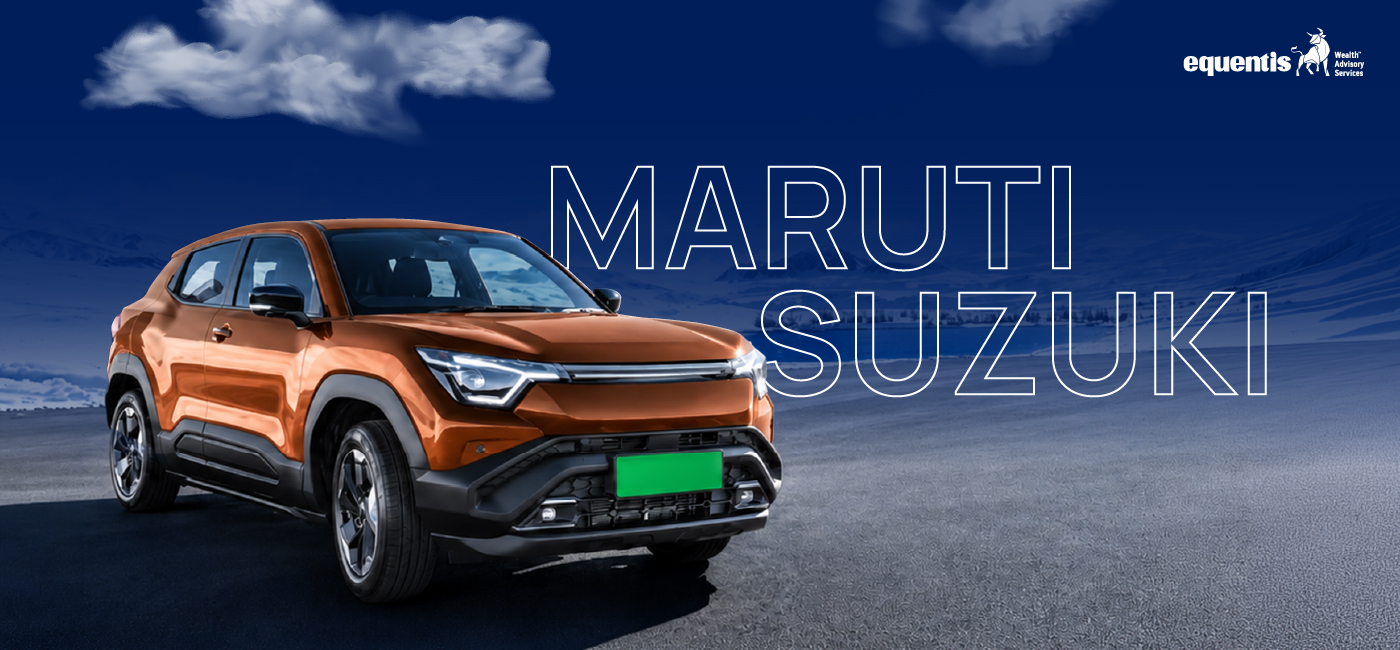

In the early 1980s, owning a car in India was not a middle-class aspiration. It was a luxury reserved for a small section of society. Cars were expensive, fuel hungry, difficult to maintain, and often came with years-long waiting periods. Then came a small hatchback that changed Indian roads forever. That car was the Maruti 800, and the company behind it, Maruti Suzuki, would go on to become one of India’s most influential consumer brands.
Today, Maruti Suzuki is not just India’s largest passenger car manufacturer. It is deeply woven into the country’s cultural and economic story. From first-time car buyers to growing families, the brand has become synonymous with affordability, reliability, and trust. Its rise from a government-backed initiative to a market leader with over 40% passenger vehicle market share is a case study in long-term brand building, operational excellence, and emotional consumer connection.
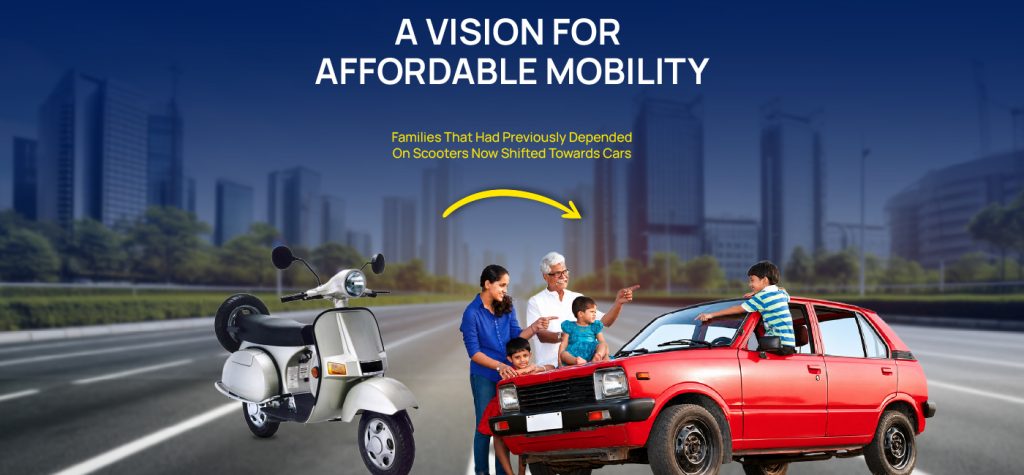
The Beginning: A Vision for Affordable Mobility
Maruti Udyog Limited was established in 1981 by the Government of India with a mission to create an affordable “people’s car.” The turning point came when Japan’s Suzuki Motor Corporation acquired a minority stake and brought global manufacturing expertise to India.
At a time when the Indian automobile market lacked innovation and accessibility, the launch of the Maruti 800 in 1983 transformed mobility. Compact, fuel efficient, and relatively affordable, the car quickly became a symbol of aspiration. Families that had previously depended on scooters suddenly had access to safer and more comfortable transportation.
The emotional connection began there. For millions of Indians, a Maruti car was not merely a purchase. It represented progress, ambition, and financial achievement.

Building a Brand Around Trust
What made Maruti Suzuki different was its understanding of Indian consumers. The company realized early that success in India was not just about selling cars. It was about building trust.
Maruti focused heavily on three areas:
1. Affordability and Fuel Efficiency
Indian buyers were highly price conscious. Maruti responded with vehicles that offered low ownership costs and excellent mileage. Cars like the Alto, WagonR, and Swift became household names because they aligned perfectly with middle class priorities.
2. Massive Service Network
One of the company’s smartest growth strategies was investing in after sales service. Maruti built one of India’s largest automobile service networks, reaching smaller cities and towns long before competitors expanded there.
This gave consumers confidence that maintenance would remain easy and affordable even years after purchase.
3. Emotional Marketing
Maruti’s advertising rarely focused only on specifications. Instead, campaigns highlighted family moments, road trips, first jobs, weddings, and emotional milestones.
The company positioned itself as part of the Indian family journey rather than just an automobile manufacturer.
Growth Milestones That Defined Its Legacy
Maruti Suzuki’s growth journey has been marked by several milestones that reshaped the Indian automobile industry.
The company opened its first manufacturing facility in Gurugram in 1982 and later expanded aggressively across India. Over time, iconic models such as the Swift, Dzire, Baleno, Ertiga, and Brezza helped the company dominate multiple categories.
The Swift alone crossed 30 lakh sales after becoming one of India’s most successful hatchbacks over two decades.
The company also emerged as Suzuki’s largest global subsidiary in terms of production and sales volume. In FY2025-26, Maruti Suzuki produced a record 23.4 lakh vehicles, the highest annual production ever achieved by a passenger vehicle manufacturer in India.
Financially, the brand has maintained impressive momentum:
Year
Key Growth Indicator
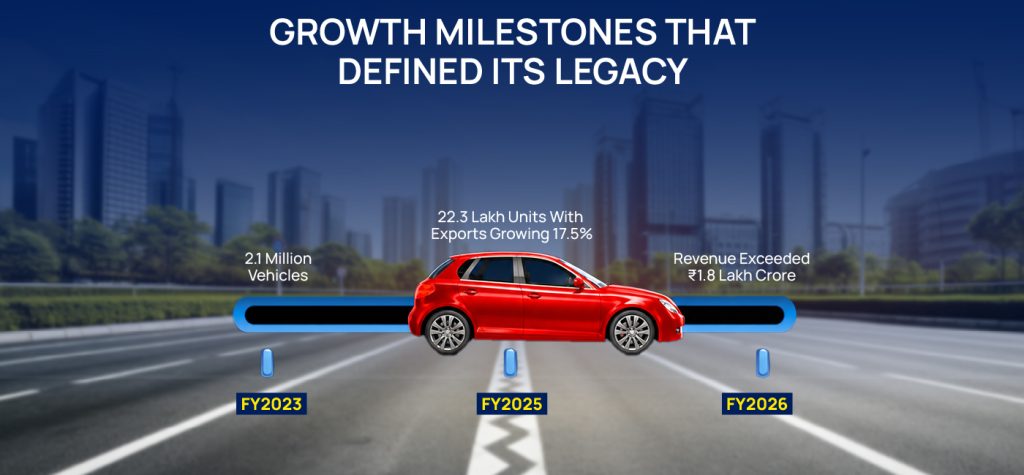
FY2023
Record annual sales of 2.1 million vehicles
FY2025
Total vehicle sales crossed 22.3 lakh units with exports growing 17.5%
FY2026
Consolidated revenue exceeded ₹1.8 lakh crore, up nearly 20% YoY Its market share has consistently remained above 40%, making it India’s dominant passenger vehicle player.
Challenges That Tested the Brand
The journey was not without obstacles.
As consumer preferences shifted toward SUVs and premium vehicles, Maruti faced criticism for being too dependent on small cars. Competitors like Tata Motors and Mahindra strengthened their SUV portfolios, increasing pressure on the brand.
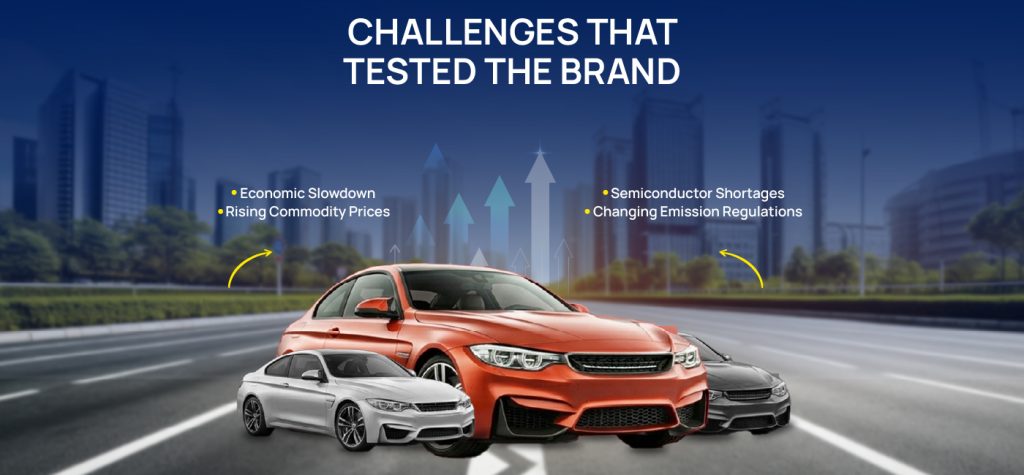
The company also encountered operational disruptions during periods of economic slowdown, rising commodity prices, semiconductor shortages, and changing emission regulations.
In recent years, profitability has occasionally been affected by higher material and employee costs despite strong sales growth.
However, Maruti adapted by expanding into SUVs, strengthening exports, investing in electric mobility, and modernizing manufacturing facilities. The launch of premium retail channel NEXA also helped reposition the brand for aspirational urban buyers.
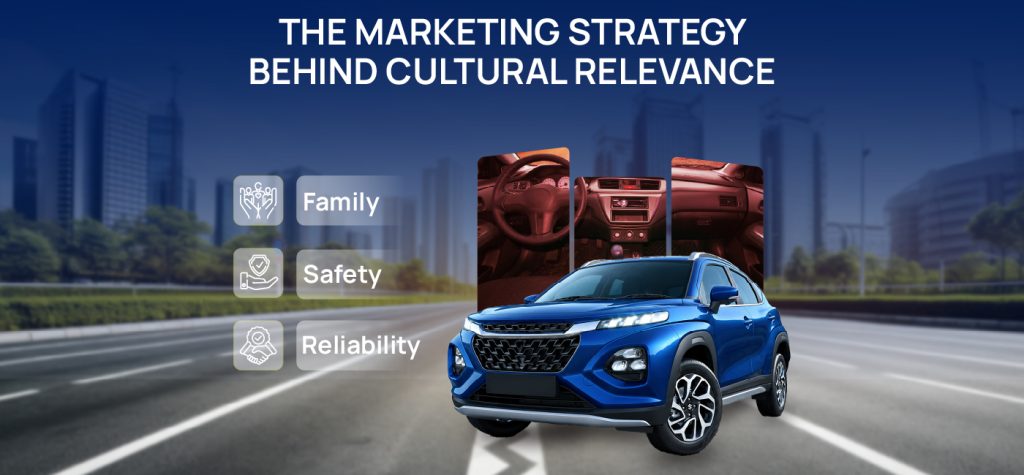
The Marketing Strategy Behind Cultural Relevance
Maruti Suzuki succeeded because it understood Indian society better than most global brands.
Instead of chasing only premium positioning, the company built emotional familiarity. Generations of Indians learned driving in a Maruti car. Many families upgraded from one Maruti model to another.
The company’s distribution strategy also played a major role. By reaching Tier 2 and Tier 3 cities early, Maruti became the first automobile brand many Indians experienced firsthand.
Its campaigns often reflected Indian values like family, safety, reliability, and practicality rather than aggressive luxury branding.
This consumer centric approach helped the brand remain culturally relevant across generations.
The Road Ahead
Today, Maruti Suzuki is entering a new phase of transformation. The company is investing heavily in electric vehicles, green manufacturing, exports, and digital retail experiences. It is also targeting a 50% passenger vehicle market share by FY2031.
Despite changing consumer trends and rising competition, Maruti continues to benefit from something difficult to replicate: trust accumulated over four decades.
For millions of Indians, the brand represents their first driving experience, first family car, or first major financial milestone.
That emotional legacy is what makes Maruti Suzuki more than just an automobile company. It is one of India’s most enduring consumer success stories.

Parvati Rai is the Vice President of the Research team at Equentis. She has over 15 years of equity-research and strategy-consulting experience. A specialist in deep-dive valuations, financial modelling, and forecasting, she has built research desks from the ground up, by steering buy-side, sell-side, and independent coverage across sectors. When she isn’t fine-tuning models, Parvati unwinds on nature treks and mentors aspiring analysts.