
Summary
In 2026, financial independence for mothers is no longer optional, it is essential. As economic uncertainties, rising living costs, and longer life expectancies reshape household dynamics, mothers must transition from being only caregivers to active wealth creators. This shift is not just about earning more, but about gaining control, security, and confidence in financial decisions. When moms prioritise financial independence, they strengthen not just their own future but the entire family’s financial stability.
Introduction: Why This Topic Matters Today
For decades, many mothers in India have been the silent backbone of families, managing homes, raising children, and often sacrificing their own careers and financial growth. While this role is invaluable, the reality of 2026 presents a different challenge.
Inflation is rising. Healthcare costs are climbing. Education expenses are increasing every year. And most importantly, financial dependency can leave women vulnerable during unexpected life events.
Today, financial independence is not about replacing caregiving, it is about complementing it. A financially aware and empowered mother can make better decisions, create long-term security, and build wealth that lasts generations.
The Changing Landscape of Motherhood and Money
The Shift from Single-Income to Dual Awareness
Earlier, households often depended on a single earning member. Today, even if there is one primary earner, financial awareness is becoming a shared responsibility.
Mothers are no longer passive participants in financial planning. They are:
- Managing household budgets
- Making investment decisions
- Exploring side incomes
- Planning children’s futures
This shift is crucial because financial literacy directly impacts wealth creation.
Rising Financial Risks in 2026
Several macro trends make financial independence more important than ever:
- Longer life expectancy means retirement planning is critical
- Increasing divorce rates and nuclear families reduce dependency safety nets
- Medical emergencies can disrupt finances overnight
- Job instability and economic cycles create uncertainty
In such a scenario, relying solely on one income source can be risky.
Why Financial Independence for Moms Is Crucial
1. Security Against Uncertainty
Life does not always follow a predictable path. Financial independence ensures that mothers can handle emergencies without stress or dependency.
2. Better Decision-Making Power
When mothers understand finances, they actively participate in key decisions such as:
- Investments
- Insurance
- Education planning
- Property purchases
This leads to more balanced and informed outcomes.
3. Role Modelling for Children
Children observe financial behavior at home. When they see their mother managing money wisely, they develop stronger financial habits.
4. Freedom and Confidence
Financial independence brings a sense of control. It allows mothers to:
- Make personal choices
- Pursue passions
- Support family without hesitation
Breaking the Myth: “It’s Too Late to Start”
One of the biggest barriers is the belief that financial planning should have started earlier.
In reality, 2026 offers more tools and opportunities than ever before:
- Digital investment platforms
- Easy access to financial education
- Low-cost mutual funds and SIPs
- Flexible income options
Starting late is still better than not starting at all.
Key Steps Moms Can Take to Build Financial Independence
1. Start with Financial Awareness
Understanding basics like budgeting, saving, and investing is the first step. Even simple knowledge can create a strong foundation.
2. Build an Emergency Fund
An emergency fund covering 6 to 12 months of expenses is essential. This provides immediate financial security during unforeseen events.
3. Invest Consistently
Consistent investing, even in small amounts, can create long-term wealth. The power of compounding works best with time and discipline.
4. Get Adequate Insurance
Health and life insurance protect against financial shocks. This is especially important for families with dependents.
5. Explore Income Opportunities
Mothers today have access to multiple flexible income options:
- Freelancing
- Home-based businesses
- Online services
- Content creation
Even small income streams can significantly contribute to financial independence.
The Role of Digital Platforms in Empowering Moms
Technology has removed many barriers that previously limited financial participation.
Today, mothers can:
- Track expenses through apps
- Invest in mutual funds online
- Learn finance through free resources
- Start businesses from home
Digital inclusion has made financial independence more accessible than ever.
Impact on Families and Society
Stronger Financial Stability
When both partners contribute to financial planning, families become more resilient.
Improved Wealth Creation
Diversified income and informed investment decisions lead to better long-term outcomes.
Economic Growth
When more women participate in financial systems, it boosts overall economic activity.
Opportunities for Mothers in 2026
Growing Financial Awareness
Financial literacy initiatives are increasing across India, making it easier for women to learn and grow.
Flexible Work Ecosystem
Remote work and gig opportunities provide income flexibility without compromising family responsibilities.
Investment Accessibility
Low minimum investment options allow mothers to start small and grow steadily.
Risks and Challenges to Watch
Lack of Financial Knowledge
Without proper guidance, investment decisions can lead to losses. Continuous learning is important.
Overdependence on Informal Advice
Relying on unverified sources or social media tips can be risky.
Inconsistent Investing
Stopping and starting investments reduces the benefits of compounding.
Balancing Responsibilities
Managing both family and financial growth can be challenging without proper planning.
Practical Tips to Overcome These Challenges
- Start with simple investment options
- Focus on long-term goals instead of short-term gains
- Avoid emotional financial decisions
- Seek professional advice when needed
- Stay consistent with savings and investments
The Bigger Picture: Financial Independence as Empowerment
Financial independence is not just about money. It is about:
- Self-reliance
- Confidence
- Stability
- Growth
When mothers become financially independent, they create a ripple effect that benefits families, communities, and future generations.
Conclusion: A Necessary Shift for 2026 and Beyond
The role of mothers is evolving. From managing households to managing wealth, this transition is both necessary and powerful.
Financial independence is no longer a distant goal. It is a practical step toward a secure future.
In 2026, the question is not whether moms should focus on financial independence. The real question is how soon they can start.
Because when a mother becomes financially strong, the entire family stands stronger.
FAQs: Financial Independence for Moms in 2026
1. Why is financial independence important for mothers?
It provides security, decision-making power, and long-term stability for both the mother and her family.
2. Can a homemaker become financially independent?
Yes, through investing, saving, and exploring income opportunities like freelancing or small businesses.
3. What is the first step toward financial independence?
Start with understanding basic financial concepts like budgeting and saving.
4. How much should mothers save every month?
Ideally, at least 20 to 30 percent of income, but even smaller consistent amounts help.
5. What are the best investment options for beginners?
Mutual funds, SIPs, and fixed deposits are common starting points.
6. Is it too late to start investing after 35 or 40?
No, starting anytime is beneficial compared to not starting at all.
7. How can mothers manage finances without a steady income?
By budgeting carefully, saving regularly, and investing small amounts consistently.
8. What is an emergency fund?
Savings set aside to cover unexpected expenses like medical emergencies or job loss.
9. Should mothers have separate bank accounts?
Yes, it helps maintain financial independence and better control over money.
10. How can moms learn about investing?
Through online courses, financial blogs, and credible advisory platforms.
11. What role does insurance play?
It protects against financial losses due to health issues or unforeseen events.
12. Can small investments really create wealth?
Yes, consistent small investments grow significantly over time due to compounding.
13. How can working moms balance time and finances?
By using digital tools and setting automated investments.
14. What are common financial mistakes to avoid?
Not saving regularly, ignoring insurance, and making impulsive investment decisions.
15. Is financial independence only about earning money?
No, it also includes managing, saving, and investing money effectively.
16. How can moms contribute to family wealth?
By planning investments, managing expenses, and creating additional income streams.
17. Are digital investment platforms safe?
Most regulated platforms are safe, but it is important to verify credibility.
18. What is the role of financial planning?
It helps set goals and create a roadmap for achieving them.
19. How can mothers teach kids about money?
By involving them in budgeting and explaining saving and spending habits.
20. What is the long-term benefit of financial independence?
It ensures financial security, peace of mind, and a stronger future for the entire family.
Disclaimer Note: The securities quoted, if any, are for illustration only and are not recommendatory. This article is for education purposes only and shall not be considered as a recommendation or investment advice by Equentis. We will not be liable for any losses that may occur. Investments in the securities market are subject to market risks. Read all the related documents carefully before investing. Registration granted by SEBI, membership of BASL & certification from NISM in no way guarantee the performance of the intermediary or provide any assurance of returns to investors.

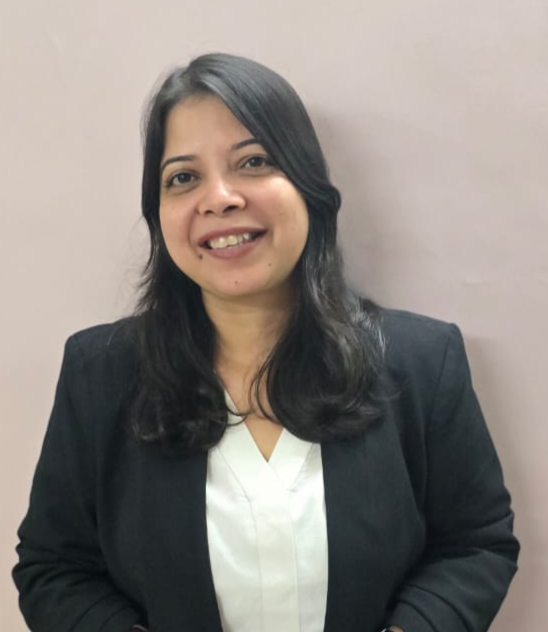
Parvati Rai is the Vice President of the Research team at Equentis. She has over 15 years of equity-research and strategy-consulting experience. A specialist in deep-dive valuations, financial modelling, and forecasting, she has built research desks from the ground up, by steering buy-side, sell-side, and independent coverage across sectors. When she isn’t fine-tuning models, Parvati unwinds on nature treks and mentors aspiring analysts.