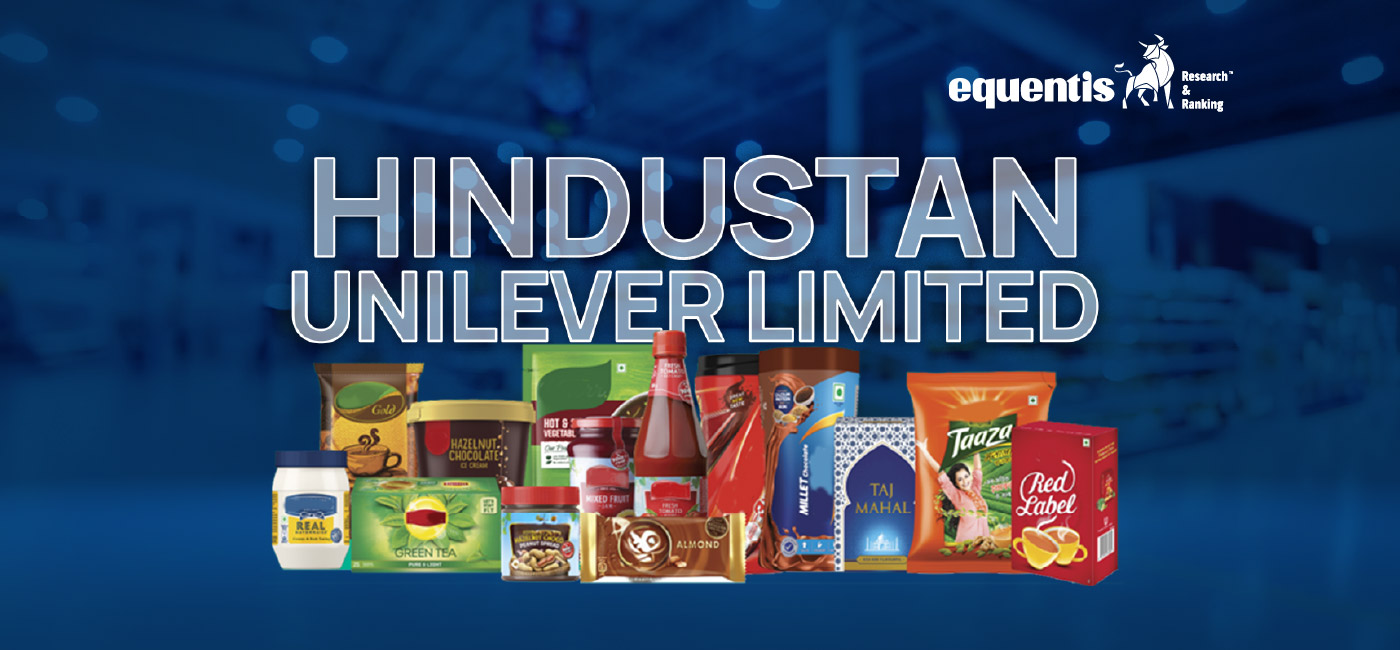

In 1888, a modest consignment of Sunlight soap arrived at Kolkata port. Nobody then could have imagined that this shipment would ignite the journey of what is today Hindustan Unilever Limited (HUL) a household name that now boasts ₹60,680 crore in annual revenues and a market capitalization of over ₹6.5 lakh crore.HUL isn’t just a company. It’s a part of India’s daily life touching kitchens, bathrooms, and living rooms across 9 million retail outlets and reaching 90% of Indian households. Its story is not just about soaps and shampoos it’s about building trust, staying resilient, and becoming a cultural icon.
A Legacy Born in Colonial India
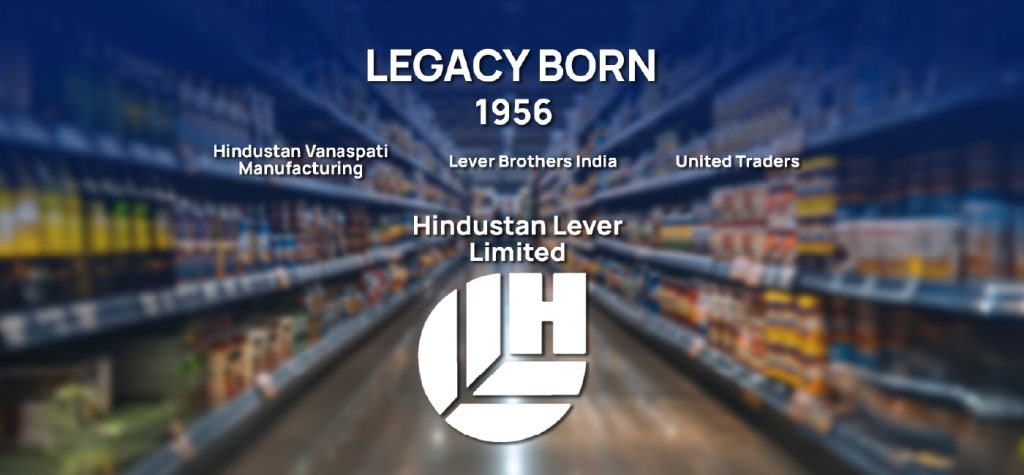
The roots of HUL lie in the arrival of Lever Brothers’ soaps like Lifebuoy, Lux, and Vim in India. By 1956, three entities Hindustan Vanaspati Manufacturing, Lever Brothers India, and United Traders merged to create Hindustan Lever Limited, setting the stage for a powerful consumer goods legacy.What made this merger historic was that HUL became the first multinational in India to offer equity participation to Indian shareholders, embedding inclusivity into its DNA. It wasn’t just about business it was about creating ownership in India’s consumer story.
Building Scale Through Bold Acquisitions
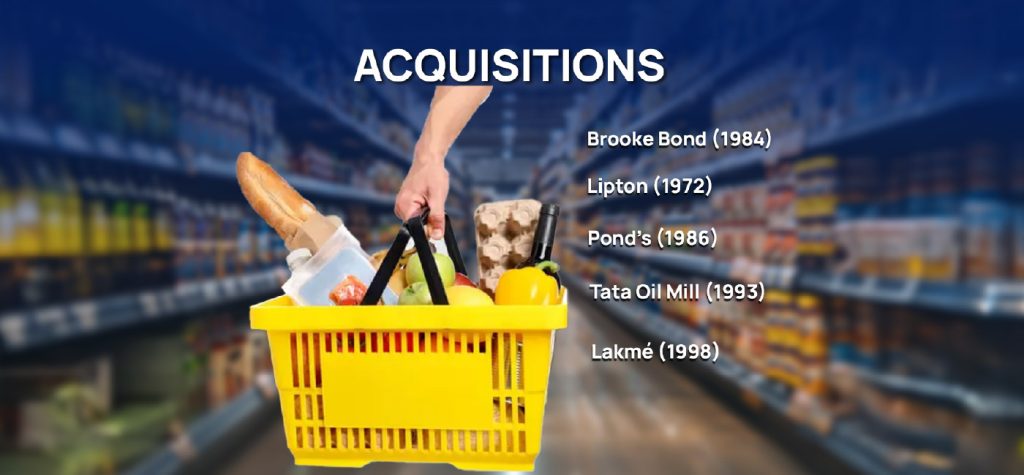
HUL’s rise wasn’t accidental it was built on strategic moves. The acquisitions of Brooke Bond (1984), Lipton (1972), and Pond’s (1986) expanded its portfolio. The 1990s liberalization era saw HUL seize opportunities merging with Tata Oil Mills in 1993 and acquiring Lakmé in 1998.By the early 2000s, HUL had crossed ₹10,000 crore in revenues, becoming a dominant FMCG force. But it didn’t stop there. With Project Shakti (2001), HUL empowered over 1,60,000 rural women as micro-entrepreneurs, ensuring that growth reached every corner of India.
Reinventing the Brand for a New Era
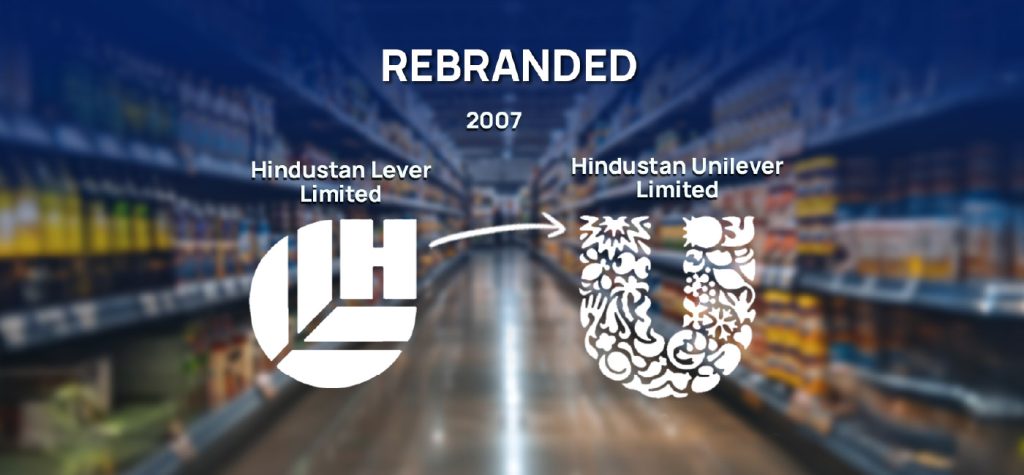
In 2007, Hindustan Lever Limited rebranded to Hindustan Unilever Limited, aligning with global strength while staying rooted in Indian values. The idea of “power brands” was introduced, sharpening focus on key leaders like Surf Excel, Dove, Vaseline, and Brooke Bond.This strategy worked wonders. Surf Excel and Brooke Bond each became ₹1,000 crore brands, while Wheel soared past ₹2,000 crore. By FY 2010, revenues climbed to ₹19,000 crore, reflecting HUL’s ability to balance mass-market appeal with premium aspirations.
Scaling Up to ₹60,000 Crore Revenues
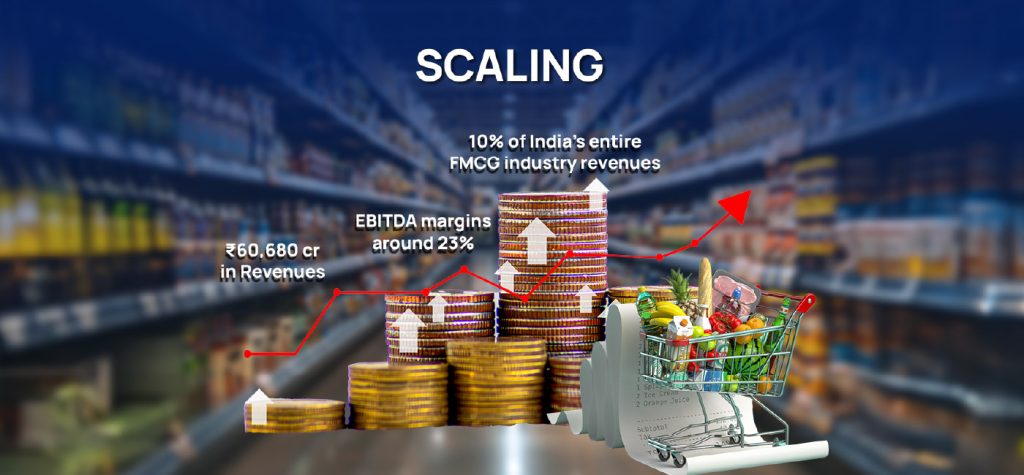
Fast forward to FY 2024-25: HUL clocked ₹60,680 crore in revenues with EBITDA margins around 23%, proving its operational efficiency and pricing power. With over 50 market-leading brands, it now contributes nearly 10% of India’s entire FMCG industry revenues.Strategic portfolio shifts kept the momentum alive. Exiting Pureit water purifiers in 2024, acquiring Minimalist in 2025, and preparing to spin off Kwality Wall’s into a global ice-cream entity showcased HUL’s agility.
Thriving Amidst Challenges
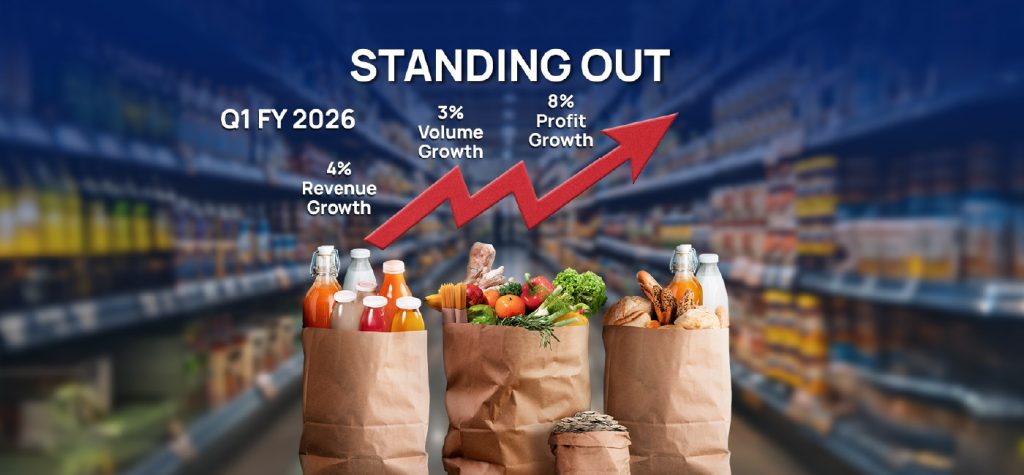
The FMCG sector isn’t without hurdles commodity inflation, demand slowdowns, and changing consumer habits. Yet, HUL’s resilience stands out. In Q1 FY 2026, despite inflationary pressures, it delivered 4% revenue growth, 3% volume growth, and 8% profit growth.
Its digital-first strategy has been a game-changer, with 40% of marketing spend going to digital channels and collaborations with over 12,000 influencers, ensuring deep resonance with younger consumers.Leadership continuity has also mattered. In 2025, Priya Nair became HUL’s first woman CEO, signaling both stability and fresh vision for the future.
Beyond Business: A Cultural Powerhouse
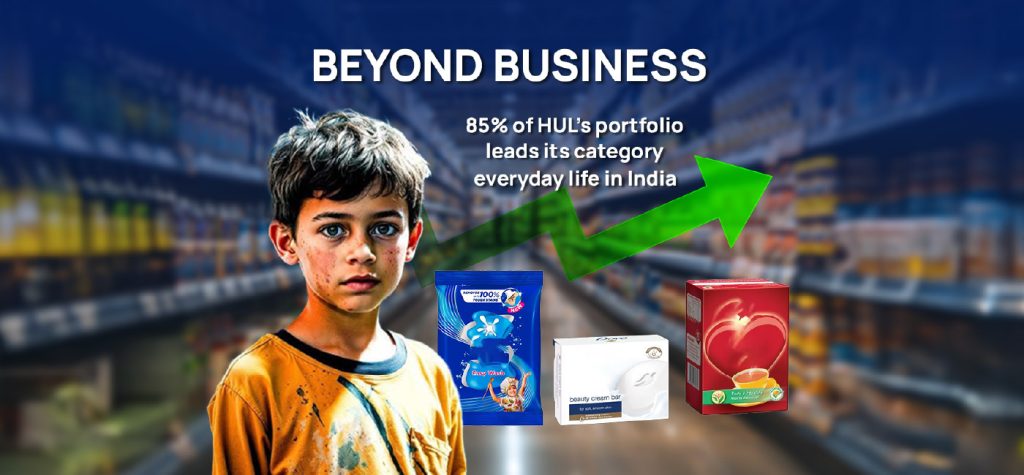
HUL is more than an FMCG company it’s a cultural institution. Campaigns like Surf Excel’s “Daag Achhe Hain”, Dove’s body positivity narratives, and Brooke Bond’s tea unity stories have gone beyond selling products; they’ve shaped conversations and cultural norms.In fact, 85% of HUL’s portfolio leads its category, making its products synonymous with everyday life in India.
A Future Built on Trust and Scale
From a small soap shipment in 1888 to ₹60,000 crore in annual revenues today, HUL’s journey mirrors India’s own growth. It has mastered the trifecta of brand legacy, growth strategy, and consumer connection touching billions of lives while delivering value to shareholders.As it steps into the next decade, one thing remains clear: HUL isn’t just selling consumer goods it’s shaping consumer culture. And in doing so, it continues to define what it means to be India’s FMCG titan.