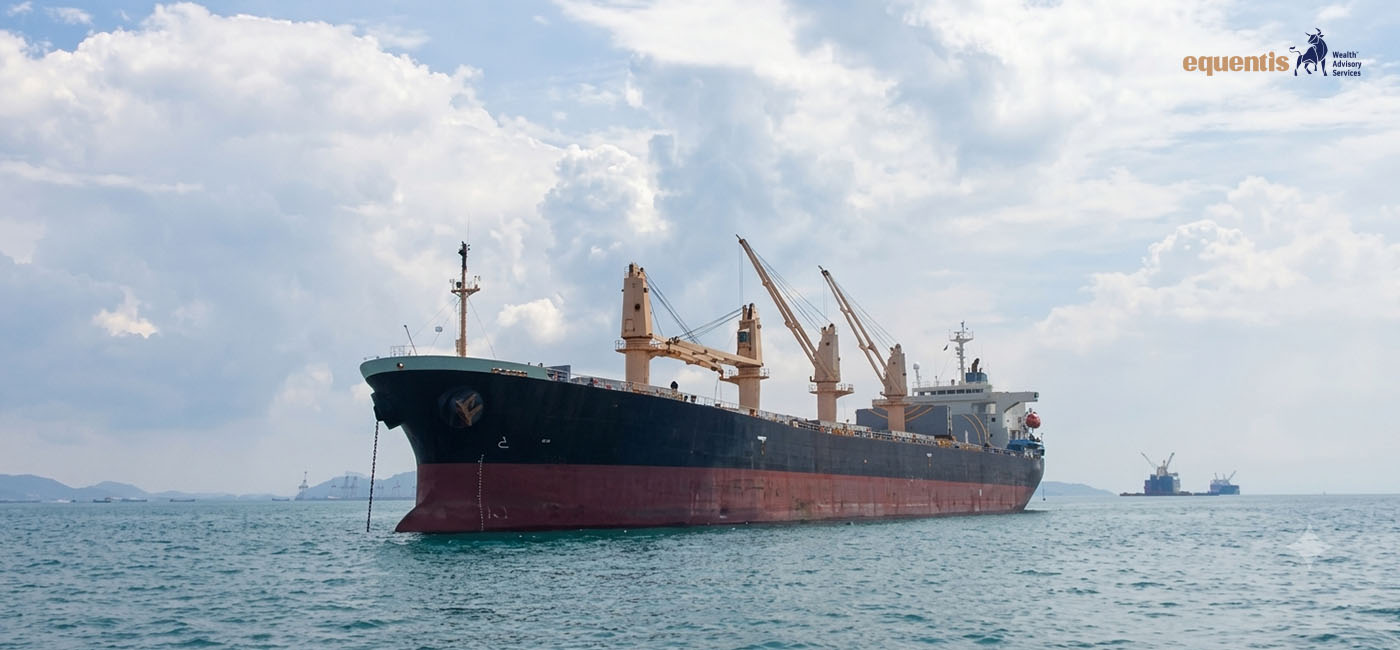

GRSE share price surged nearly 14% over two trading sessions in November 2026 following a major Indian Navy contract worth approximately ₹32,000 crore for five Next Generation Corvettes. However, Goldman Sachs remains bearish on Garden Reach Shipbuilders & Engineers (GRSE), maintaining its Sell rating despite raising its target price to ₹1,640 from ₹1,515. The brokerage believes expensive valuations, declining earnings visibility and pressure on operating margins could limit the stock’s upside. NDTV Profit+1
GRSE Share Price Rally: What Triggered the Surge?
The immediate trigger for the GRSE share price rally was a major defence contract signed with the Ministry of Defence on November 2, 2026.
The government signed contracts worth ₹53,866.50 crore for eight Next Generation Corvettes for the Indian Navy. Garden Reach Shipbuilders & Engineers will construct five vessels, while Goa Shipyard Limited will build the remaining three. NDTV Profit+1
GRSE shares gained sharply following the development, with the stock trading around ₹2,211.70 on November 3 during the morning session, representing approximately 14% gains over two sessions.
The contract strengthens GRSE’s order visibility and provides additional business over the coming years. For a defence shipbuilder, large contracts are particularly important because they support revenue planning, production schedules and long-term capacity utilisation.
What Is the Next Generation Corvette Contract?
Next Generation Corvettes are advanced warships designed to support India’s maritime security requirements.
These vessels are expected to feature indigenous stealth designs, advanced weapons, missile systems and modern sensors. Their operational capabilities include coastal security, anti-submarine warfare and other maritime combat missions.
The programme is also significant for India’s domestic defence manufacturing ecosystem.
By assigning construction to Indian shipyards, the government aims to strengthen indigenous shipbuilding capabilities and reduce dependence on foreign suppliers.
For GRSE, the construction of five corvettes provides a substantial addition to its project pipeline. However, investors must understand that the entire contract value does not translate into immediate revenue or profits.
Shipbuilding projects typically involve multiple years of construction, milestone-based payments and execution-related costs.
Why Goldman Sachs Remains Bearish on GRSE
Despite the latest order win, Goldman Sachs continues to maintain a cautious outlook on GRSE.
GRSE Navratna Status Boosts Kolkata PSU Amid India’s Defence Expansion – Shunyatax Global
Navy’s Quest for Modernisation
6
1. Expensive Valuation Compared With Global Shipbuilders
One of Goldman’s biggest concerns is GRSE’s valuation.
The brokerage believes Indian defence shipbuilders trade at a significant premium compared with global shipbuilding companies. This means investors are paying relatively higher prices for every unit of business or earnings generated by these companies.
When valuations become expensive, even strong business developments may not be sufficient to justify further share price appreciation.
2. Earnings Growth Could Slow
Goldman Sachs believes GRSE could face a weaker earnings phase as major vessel delivery programmes approach completion.
The brokerage has highlighted concerns about the timing of new contracts and the possibility that existing projects may not be replaced quickly enough to maintain earnings momentum.
The newly signed corvette contract improves the company’s earnings outlook for FY28 and FY29. Goldman reportedly increased its EBITDA estimates for these years by 11% and 40%, respectively.
However, the brokerage still expects profitability pressures over the next few years. NDTV Profit+1
3. Operating Margins Could Face Pressure
Operating margins indicate how much profit a company generates from its operating revenue before interest, taxes, depreciation and amortisation.
Goldman Sachs expects GRSE’s EBITDA margins to remain under pressure over the next three years.
Earlier vessel deliveries and favourable execution conditions had supported profitability. However, the brokerage believes these benefits may not continue at the same pace.
If execution costs increase or new projects generate lower margins, GRSE’s earnings could grow slower than investors currently expect.
Goldman Sachs GRSE Target Price: What Does ₹1,640 Mean?
Goldman Sachs has raised its GRSE share price target from ₹1,515 to ₹1,640 while retaining its Sell recommendation.
The revised target reflects improved earnings estimates following the Navy contract. However, it remains below the stock’s trading levels during the November 3 rally.
This highlights an important distinction between a company’s business prospects and its stock valuation.
A company can receive large orders, improve its revenue visibility and strengthen its long-term business outlook, while its shares may still appear expensive relative to expected earnings.
The brokerage’s bearish position is therefore not necessarily a rejection of India’s defence manufacturing growth. Instead, it reflects concerns about the price investors are paying for that growth. NDTV Profit+1
What Does the GRSE Rally Mean for Investors?
The recent movement in GRSE shares demonstrates how sensitive defence stocks can be to government contracts and policy announcements.
For retail investors, the development presents several important considerations.
Order Book Is Not the Same as Immediate Profit
A large order book provides revenue visibility, but execution determines how much revenue and profit a company eventually generates.
Investors should monitor:
- Order book growth and fresh contract announcements
- Quarterly revenue and profit growth
- EBITDA margins and execution costs
- Delivery timelines for major vessels
- Cash flow generated from operations
These indicators can provide a clearer picture of business performance than share price movements alone.
Defence Stocks Can Experience Sharp Volatility
Defence companies frequently react to contract announcements, government spending plans and brokerage reports.
A sharp rally does not necessarily mean the stock will continue rising. Similarly, a bearish brokerage rating does not guarantee that a share price will decline.
Investors should evaluate company fundamentals, valuation and financial performance rather than relying exclusively on short-term market sentiment.
GRSE Outlook: Opportunities and Risks Ahead
The long-term outlook for Indian shipbuilding remains connected to naval modernisation, indigenous manufacturing and maritime security requirements.
India’s defence procurement programmes could create opportunities for domestic shipyards over several years. GRSE may benefit from additional vessel orders, ship repair activities and technological development.
However, important risks remain.
- Order execution: Delays in construction or delivery can affect revenue recognition.
- Margin pressure: Higher costs can reduce profitability.
- Valuation risk: Expensive shares can correct even when business performance remains healthy.
- Order timing: Government approvals and contract negotiations may take time.
- Earnings volatility: Large projects can create uneven financial performance across quarters.
The balance between these factors will influence how investors assess GRSE’s future performance.
Conclusion
The GRSE share price rally of nearly 14% in two sessions reflects renewed optimism following the Indian Navy’s ₹53,866.50 crore Next Generation Corvette programme.
The allocation of five corvettes to GRSE strengthens its order book and improves long-term revenue visibility. However, Goldman Sachs remains bearish because it believes valuation, earnings sustainability and margin pressures continue to pose challenges.
For investors, the central question is whether GRSE can convert its substantial order pipeline into consistent earnings growth. Future quarterly results, project execution and fresh contract announcements will remain important indicators to watch.
A strong defence business and an attractive stock valuation are two different considerations, and understanding both is essential when evaluating GRSE shares.
Frequently Asked Questions
1. Why did GRSE share price jump 14% in two days?
GRSE shares rallied after the Defence Ministry signed contracts worth ₹53,866.50 crore for eight Next Generation Corvettes. GRSE will construct five vessels under the programme, strengthening its order book and improving revenue visibility. The contract announcement triggered renewed investor interest in the defence shipbuilding stock. NDTV Profit+1
2. Why is Goldman Sachs bearish on GRSE shares?
Goldman Sachs remains bearish because it considers GRSE expensive compared with global shipbuilding companies. It also expects earnings pressure, lower EBITDA margins and challenges in replacing completed projects with fresh orders quickly enough. Although the latest Navy contract improves earnings estimates, the brokerage believes the stock’s valuation remains stretched. NDTV Profit+1
3. What is Goldman Sachs’ GRSE share price target?
Goldman Sachs raised its GRSE share price target to ₹1,640 from ₹1,515 following the Next Generation Corvette contract. Despite the target revision, the brokerage retained its Sell rating. The target represents the brokerage’s valuation assessment and should not be interpreted as a guaranteed future share price. NDTV Profit
4. What is the GRSE Navy contract worth?
The Ministry of Defence signed contracts worth approximately ₹53,866.50 crore for eight Next Generation Corvettes. GRSE will build five vessels, while Goa Shipyard Limited will construct three. GRSE’s portion has been reported at approximately ₹32,000 crore, although the ministry’s announcement did not separately disclose the allocation. Peepals+1
5. What are Next Generation Corvettes?
Next Generation Corvettes are advanced naval warships designed for maritime security and combat operations. They are expected to feature indigenous stealth designs, modern sensors and advanced weapons systems. The programme supports the Indian Navy’s fleet modernisation plans while strengthening domestic warship manufacturing capabilities.
6. Is GRSE a defence PSU?
Yes. Garden Reach Shipbuilders & Engineers Limited is a government-owned defence shipbuilding company headquartered in Kolkata. It operates under the administrative control of the Ministry of Defence and manufactures warships, naval vessels and other marine platforms for defence and commercial customers.
7. Does a large order book guarantee higher GRSE profits?
No. A large order book improves revenue visibility but does not guarantee profitability. Earnings depend on execution efficiency, project costs, delivery schedules and contract margins. Investors should examine quarterly financial results, EBITDA margins and operating cash flow to understand whether new orders are translating into sustainable profits.
8. What are the major risks associated with GRSE shares?
Major risks include expensive valuations, execution delays, rising manufacturing costs, margin pressure and uncertainty surrounding future defence contracts. Since shipbuilding projects often span several years, changes in delivery schedules or costs can affect financial performance. Sharp market reactions to news can also increase short-term share price volatility.
9. How can investors evaluate GRSE’s financial performance?
Investors can monitor GRSE’s quarterly revenue, net profit, EBITDA margins, order book, cash flow and project execution updates. Comparing these indicators across financial periods can help identify whether business growth is sustainable. Valuation measures such as price-to-earnings ratios can also provide context when compared with relevant companies.
10. What should investors watch next for GRSE shares?
Investors should watch upcoming quarterly results, progress on the Next Generation Corvette programme, execution of existing contracts, new defence order announcements and changes in operating margins. These developments could help determine whether GRSE’s earnings growth can justify its valuation over the coming years.
Disclaimer Note: The securities quoted, if any, are for illustration only and are not recommendatory. This article is for education purposes only and shall not be considered as a recommendation or investment advice by Equentis . We will not be liable for any losses that may occur. Investments in the securities market are subject to market risks. Read all the related documents carefully before investing. Registration granted by SEBI, membership of BASL & certification from NISM in no way guarantee the performance of the intermediary or provide any assurance of returns to investors.

Jaspreet Singh Arora is the Chief Investment Officer at Equentis, where he heads a seasoned team of equity analysts and turns two decades of market experience into portfolios that consistently beat the benchmark. A go-to voice on cement, building-materials, real-estate, and construction stocks, Jaspreet previously ran research desks at leading brokerages, honing an eye for the metrics that truly move share prices. His plain-spoken analysis helps investors cut through noise and act with conviction. When he’s not deep-diving into earnings calls, you’ll find him unwinding over sports, weekend cricket or a good history podcast.