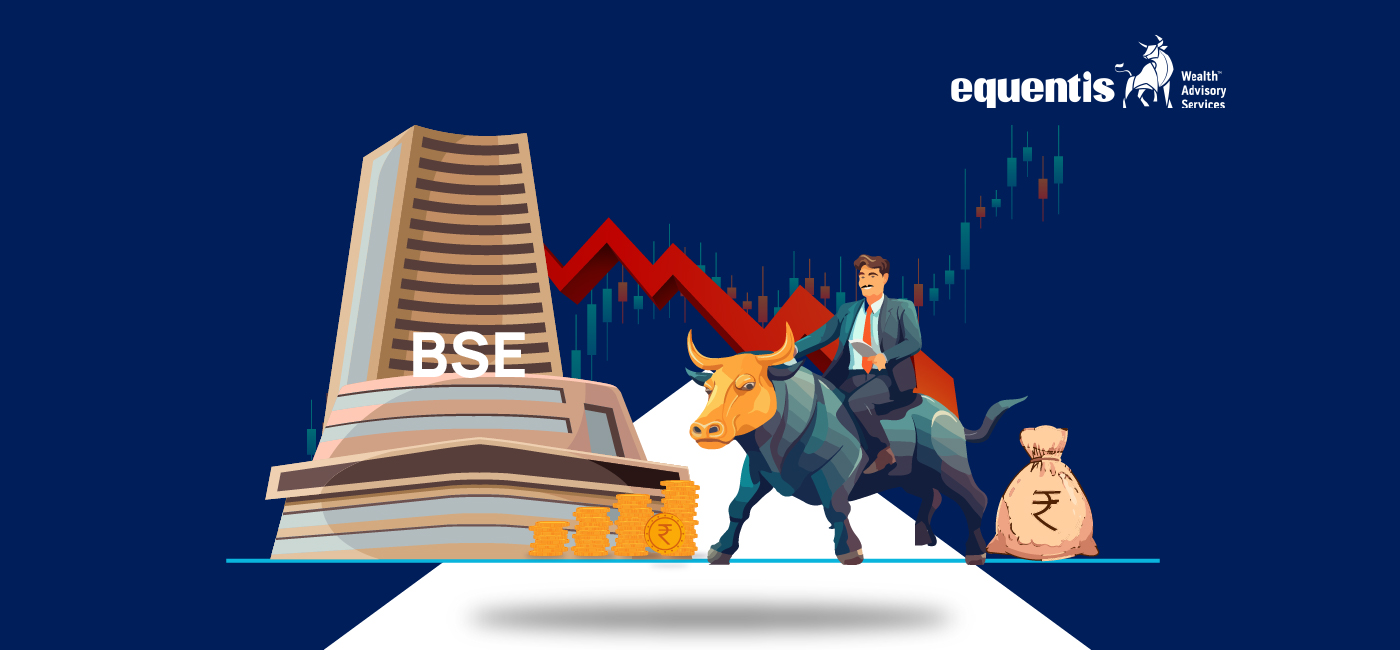

The Harshad Mehta scam is one of the most infamous financial frauds in Indian stock market history. Even decades later, Scam 1992 continues to be discussed by investors, regulators, and anyone interested in understanding how loopholes in the system can be exploited. Popularly known as the “Big Bull,” Harshad Mehta changed the face of Dalal Street forever – both positively and negatively.
This detailed guide breaks down the Harshad Mehta scam story, how it worked, why it shook India’s financial system, and what modern investors can learn from it.
Who Was Harshad Mehta?
Harshad Shantilal Mehta was a stockbroker who rose from humble beginnings to become one of the most powerful traders in India during the late 1980s and early 1990s. Starting as a jobber on the Bombay Stock Exchange (BSE), he gradually built a reputation for aggressive trading strategies and an uncanny ability to move markets.
At his peak, Harshad Mehta was credited with triggering a massive bull run in Indian equities, pushing the Sensex from around 1,000 points to over 4,500 points in a short span. For many retail investors, he symbolized opportunity, ambition, and fast wealth creation – until the truth came out.
What Is the Harshad Mehta Scam?
The Harshad Mehta scam refers to a massive securities fraud that took place between 1988 and 1992, involving the manipulation of the banking system to illegally divert funds into the stock market.
In simple terms, Harshad Mehta exploited loopholes in the inter-bank transaction system and used fake bank receipts to access thousands of crores of rupees. This money was then pumped into select stocks, artificially inflating their prices.
How the Harshad Mehta Scam Worked
To understand the scam clearly, it’s important to know how banking and government securities trading worked at that time.
1. Ready Forward (RF) Deals
Banks used Ready Forward deals to lend and borrow money for short durations using government securities as collateral. These deals were meant to be secure and low-risk.
2. Fake Bank Receipts
Instead of actual government securities, Harshad Mehta used fake bank receipts (BRs) issued by small banks. Large banks accepted these BRs without proper verification.
3. Flow of Illegal Money
Using these fake BRs, Harshad Mehta diverted huge sums of money from banks into the stock market. Since the money did not belong to him, this was essentially an interest-free, unsecured loan.
4. Stock Price Manipulation
He invested this money heavily in a few select stocks such as ACC, pushing prices up sharply. Rising prices attracted more retail investors, creating a self-feeding rally.
Why the Harshad Mehta Scam Collapsed
Every market manipulation eventually runs out of fuel. The Harshad Mehta scam collapsed when journalist Sucheta Dalal exposed the fraud in April 1992. Once banks started asking for their money back, the entire structure crumbled.
Stock prices crashed, banks were left with massive losses, and investor confidence was shattered.
Impact of the Harshad Mehta Scam on Indian Markets
The Harshad Mehta scam was a turning point for India’s financial ecosystem.
1. Stock Market Crash
The Sensex crashed sharply, wiping out billions of rupees in investor wealth.
2. Banking System Reforms
The scam exposed deep flaws in the banking system, leading to stricter controls and audits.
3. Strengthening of SEBI
The Securities and Exchange Board of India (SEBI) gained more regulatory powers after the scam. This marked the beginning of tighter oversight of brokers and exchanges.
4. Rise of SEBI Registered Investment Advisory
Post-scam, the importance of dealing with a SEBI registered investment advisory became increasingly evident for investors seeking transparency and accountability.
Role of Media in Exposing the Scam
Investigative journalism played a crucial role in uncovering the Harshad Mehta scam. The exposé highlighted how unchecked power, weak regulation, and blind trust can combine to create systemic risk.
Scam 1992 and Modern-Day Fraud Parallels
While the Harshad Mehta scam involved banks and stock markets, modern investors face different kinds of frauds such as cashback scams in India, fake trading apps, and unregistered tip providers.
The common thread remains the same – lack of due diligence and promises of unrealistic returns.
Key Lessons for Investors from the Harshad Mehta Scam
- Avoid herd mentality
- Question unusually high returns
- Verify credentials before investing
- Prefer regulated entities and SEBI registered investment advisory firms
- Understand where returns are coming from
Harshad Mehta Scam and SEBI’s Evolution
After Scam 1992, SEBI introduced reforms such as electronic trading, rolling settlements, stricter disclosure norms, and better surveillance systems. These changes laid the foundation for today’s relatively transparent Indian stock markets.
Is the Harshad Mehta Scam Relevant Today?
Absolutely. The Harshad Mehta scam is not just history – it is a case study in human psychology, regulatory failure, and market manipulation. Every new bull market brings fresh reminders of why these lessons matter.
FAQs on Harshad Mehta Scam
1. What was the Harshad Mehta scam?
The Harshad Mehta scam was a securities fraud where banking funds were illegally diverted into the stock market using fake bank receipts.
2. When did the Harshad Mehta scam happen?
The scam took place between 1988 and 1992 and was exposed in April 1992.
3. Why is it called Scam 1992?
It is called Scam 1992 because the fraud was publicly uncovered in 1992.
4. Who exposed the Harshad Mehta scam?
Journalist Sucheta Dalal exposed the scam through an investigative report.
5. How much money was involved in the Harshad Mehta scam?
The estimated amount involved was around ₹4,000–5,000 crore.
6. Which stocks were affected by the scam?
Stocks like ACC and other heavyweights were artificially inflated.
7. Was Harshad Mehta arrested?
Yes, Harshad Mehta was arrested multiple times and faced several legal cases.
8. Did Harshad Mehta go to jail?
He spent time in jail during the investigation and trial process.
9. How did the scam impact retail investors?
Retail investors suffered heavy losses after the market crash.
10. What changes did SEBI make after the scam?
SEBI strengthened regulations, introduced electronic trading, and improved surveillance.
11. Is the Indian stock market safe today?
It is far more regulated today, but investors must still remain cautious.
12. What is a SEBI registered investment advisory?
It is an entity registered with SEBI that follows strict compliance and investor protection norms.
13. Can scams like Harshad Mehta happen again?
Exact replicas are unlikely, but new forms of fraud can always emerge.
14. How can investors protect themselves from scams?
By verifying registrations, avoiding guaranteed returns, and staying informed.
15. What are common modern scams investors face?
Fake trading apps, tip scams, and cashback scams in India are common today.
16. Is the Scam 1992 web series accurate?
It is largely accurate but dramatized for storytelling.
17. What role did banks play in the scam?
Banks failed to verify documents and controls were weak.
18. What lessons should new investors learn?
Discipline, patience, and due diligence are critical.
19. Why is Harshad Mehta still remembered?
Because his actions reshaped Indian market regulations.
20. Should investors rely on unregistered advisors?
No, investors should always prefer SEBI registered investment advisory firms.
Final Thoughts
The Harshad Mehta scam remains one of the most important chapters in India’s financial history. It serves as a powerful reminder that markets reward patience and discipline – not shortcuts. By learning from Scam 1992 and choosing regulated, transparent investment paths, investors can avoid repeating the mistakes of the past.
Disclaimer Note: The securities quoted, if any, are for illustration only and are not recommendatory. This article is for education purposes only and shall not be considered as a recommendation or investment advice by Equentis – Research & Ranking. We will not be liable for any losses that may occur. Investments in the securities market are subject to market risks. Read all the related documents carefully before investing. Registration granted by SEBI, membership of BASL & certification from NISM in no way guarantee the performance of the intermediary or provide any assurance of returns to investors.

Parvati Rai is the Vice President of the Research team at Equentis. She has over 15 years of equity-research and strategy-consulting experience. A specialist in deep-dive valuations, financial modelling, and forecasting, she has built research desks from the ground up, by steering buy-side, sell-side, and independent coverage across sectors. When she isn’t fine-tuning models, Parvati unwinds on nature treks and mentors aspiring analysts.