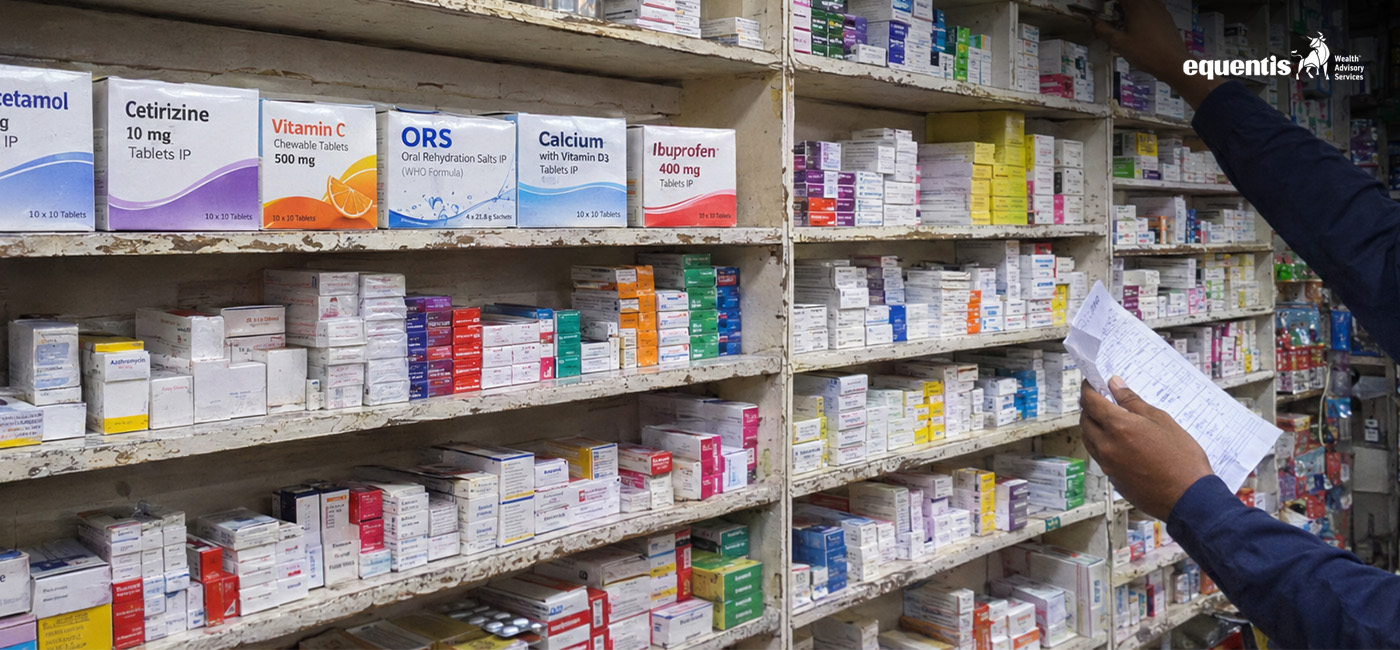

The Union Health Ministry has proposed bringing antimicrobials under central regulatory oversight by amending the New Drugs and Clinical Trials Rules, 2019. Announced on November 19, 2026, the proposal would require manufacturers to obtain approval from the Central Licensing Authority (CLA) before seeking manufacturing licences from state authorities. The move aims to improve medicine quality, strengthen patient safety and tackle the growing threat of antimicrobial resistance (AMR) in India.
Why Is the Health Ministry Proposing Stricter Antimicrobial Regulation?
Antimicrobial medicines play an important role in treating infections caused by bacteria, viruses, fungi and other microorganisms. Antibiotics, antivirals and antifungal medicines are widely used across hospitals, clinics and pharmacies in India.
However, concerns over the quality and effectiveness of certain antimicrobial products have highlighted gaps in the existing regulatory framework.
According to the Health Ministry, some manufacturing licences have been granted without adequate regulatory scrutiny, including assessments such as bioavailability, bioequivalence and stability studies.
These checks are important because patients depend on medicines delivering the intended therapeutic effect. If an antimicrobial product is substandard or ineffective, treatment may fail and contribute to the development and spread of drug resistance.
The proposed amendment is intended to address these concerns through stronger central-level supervision. Press Information Bureau+1
What Are Antimicrobials and Why Are They Important?
Antimicrobials are substances that kill microorganisms or prevent them from growing. They are used to treat and prevent infections in humans, animals and, in certain applications, other environments.
The major categories include:
- Antibiotics: Used to treat bacterial infections.
- Antivirals: Used to manage infections caused by viruses.
- Antifungals: Used to treat fungal infections.
- Antiparasitic medicines: Used against infections caused by parasites.
These medicines are essential to modern healthcare, particularly for treating serious infections, supporting cancer treatment and managing complications following surgeries.
However, their effectiveness can decline when microorganisms develop resistance to medicines that previously controlled them.
This problem is known as antimicrobial resistance, or AMR, and has become a major public health concern worldwide.
What Changes Under the Proposed Central Regulatory Oversight?
The Health Ministry has proposed an amendment to the New Drugs and Clinical Trials Rules, 2019, through draft Gazette Notification G.S.R. 983(E), dated November 6, 2026.
The proposal seeks to include antimicrobials within the definition of a new drug under Rule 2(1)(w)(v).
Under the proposed framework, manufacturers would need to obtain prior permission from the Central Licensing Authority before applying for a manufacturing licence from the concerned State Licensing Authority.
This would introduce an additional central approval requirement before manufacturing permissions are granted at the state level.
Understanding the New Approval Process
The proposed regulatory process can be understood in three stages:
- Central assessment: Manufacturers must approach the Central Licensing Authority for the required permission.
- Regulatory scrutiny: Antimicrobial products will undergo the applicable assessment of quality, safety and efficacy.
- State manufacturing licence: After obtaining central permission, manufacturers can apply to the relevant State Licensing Authority for a manufacturing licence.
The objective is to establish a more consistent regulatory approach across states rather than relying only on state-level manufacturing approvals.
Importantly, this is still a draft proposal. The government has invited objections and suggestions before deciding whether to finalise the amendment. Press Information Bureau+1
How Will the Proposal Help Control Antimicrobial Resistance in India?
Antimicrobial resistance occurs when microorganisms evolve and stop responding effectively to medicines designed to eliminate them.
For example, when bacteria become resistant to commonly used antibiotics, infections can become more difficult to treat. Patients may require alternative medicines, longer treatment periods or hospitalisation.
Several factors contribute to AMR, including unnecessary antibiotic use, incorrect prescriptions, incomplete treatment courses and inadequate infection control.
However, medicine quality is another important consideration.
If antimicrobial products do not meet the required quality and effectiveness standards, patients may not receive the intended treatment. This can create conditions that contribute to the emergence and spread of resistance.
The proposed regulatory framework aims to strengthen quality checks before antimicrobial products enter the manufacturing and distribution chain.
The initiative also supports the broader One Health approach, which recognises the connection between human health, animal health and the environment. Press Information Bureau+1
What Does the New Rule Mean for Pharmaceutical Companies?
The proposed amendment could bring significant changes for India’s pharmaceutical manufacturing industry, particularly companies producing antibiotics, antivirals and antifungal medicines.
Manufacturers may need to strengthen their regulatory documentation, quality-control systems and testing processes to meet the applicable central approval requirements.
This could increase compliance costs, particularly for smaller pharmaceutical manufacturers that may have limited regulatory and testing infrastructure.
For larger pharmaceutical companies with established research, manufacturing and quality-assurance capabilities, the transition may be relatively easier.
The proposal could also encourage greater investment in:
- Advanced drug-testing and quality-control facilities.
- Bioavailability and bioequivalence studies.
- Stability testing and manufacturing documentation.
- Regulatory compliance and product monitoring.
- Research and development of effective antimicrobial medicines.
For investors tracking Indian pharmaceutical stocks, the development is worth monitoring. Companies with strong compliance systems may be better positioned to adapt, although the actual financial impact will depend on the final rules and their implementation.
Government Also Proposes Separate Licensing Rules for Bulk Drugs
Alongside the antimicrobial regulation proposal, the Health Ministry has proposed amendments to the Drugs Rules, 1945, to introduce a separate licensing framework for the wholesale sale of bulk drugs.
Bulk drugs are pharmaceutical substances used as ingredients in medicines. These include active pharmaceutical ingredients (APIs), which provide the therapeutic effect of a medicine.
Currently, a common wholesale licence covers both pharmaceutical formulations and bulk drugs.
The proposed changes seek to introduce separate application and licence forms for bulk drug wholesalers. Licences would specify the categories of bulk drugs being handled, including substances covered under the Narcotic Drugs and Psychotropic Substances (NDPS) Act, 1985.
The proposal also seeks to ensure that bulk drug sales take place under the personal supervision of a competent person.
This could improve accountability, traceability and oversight across India’s pharmaceutical supply chain. NDTV+1
Opportunities and Challenges Ahead
The proposed changes could strengthen India’s pharmaceutical regulatory framework and improve confidence in the quality of medicines available in the domestic market.
Better central oversight may help reduce inconsistencies in manufacturing approvals and encourage companies to maintain higher quality standards.
It could also strengthen India’s position as a major pharmaceutical manufacturing destination by improving regulatory credibility.
However, implementation will require careful planning.
Smaller manufacturers may face higher compliance expenses, additional testing requirements and longer approval timelines. If the regulatory process is not managed efficiently, it could also affect product availability.
The government will therefore need to balance stricter quality requirements with the need to maintain affordable and accessible medicines.
The industry will also be watching how the proposed rules distinguish between different categories of antimicrobial products and how existing manufacturers will be expected to comply.
Conclusion: A Step Towards Stronger Drug Regulation in India
The Health Ministry’s proposal to bring antimicrobials under central regulatory oversight marks an important development in India’s efforts to address antimicrobial resistance and improve medicine quality.
By requiring prior permission from the Central Licensing Authority, the government aims to strengthen scrutiny of antimicrobial products before manufacturing licences are issued by state authorities.
The proposed separate licensing framework for bulk drugs further reflects the government’s focus on improving pharmaceutical supply-chain accountability.
However, the amendment is not yet final. The next important developments will be stakeholder feedback, finalisation of the draft rules and clarity on implementation requirements.
Ultimately, stronger regulation could benefit patients and the pharmaceutical industry, provided it improves medicine quality without creating unnecessary barriers to manufacturing and access.
Frequently Asked Questions
1. What has the Health Ministry proposed regarding antimicrobial drugs?
The Health Ministry has proposed amending the New Drugs and Clinical Trials Rules, 2019, to bring antimicrobials under central regulatory oversight. The proposal would require manufacturers to obtain prior permission from the Central Licensing Authority before applying for manufacturing licences from state authorities.
2. Why does the government want to regulate antimicrobials centrally?
The government wants to strengthen the quality, safety and effectiveness of antimicrobial medicines. Concerns have been raised about manufacturing licences being granted without adequate assessments, including bioavailability, bioequivalence and stability studies. Stronger oversight could help address medicine-quality issues and antimicrobial resistance.
3. What are antimicrobials?
Antimicrobials are substances that kill microorganisms or prevent their growth. They include antibiotics used against bacterial infections, antivirals for viral infections, antifungals for fungal infections and antiparasitic medicines. These products play an important role in preventing and treating infections.
4. What is antimicrobial resistance (AMR)?
Antimicrobial resistance occurs when microorganisms develop the ability to survive medicines designed to kill them or stop their growth. This makes infections harder to treat and can increase treatment costs, hospitalisation and health risks. Incorrect medicine use, overuse and poor-quality products can contribute to the problem.
5. What is the Central Licensing Authority (CLA)?
The Central Licensing Authority is the central regulatory authority responsible for granting permissions and approvals under applicable drug regulations. Under the proposed amendment, antimicrobial manufacturers would need to obtain its permission before approaching the relevant State Licensing Authority for a manufacturing licence.
6. Will the new antimicrobial rules apply to antibiotic manufacturers?
The proposal seeks to bring antimicrobials under the regulatory framework applicable to new drugs. This would cover relevant antimicrobial products, including antibiotics, antivirals and antifungals. The exact regulatory requirements and their application will depend on the finalised amendment and applicable provisions.
7. How will the proposed rules affect pharmaceutical companies in India?
Pharmaceutical manufacturers may need to strengthen quality-control systems, testing facilities and regulatory documentation. Additional approval requirements could increase compliance costs, particularly for smaller companies. However, stronger oversight could also improve product quality and confidence in India’s pharmaceutical manufacturing sector.
8. What are bioavailability and bioequivalence studies?
Bioavailability studies examine how quickly and how much of a drug reaches the bloodstream and becomes available to produce its intended effect. Bioequivalence studies compare two drug products to determine whether they deliver the active ingredient at sufficiently similar rates and levels. These assessments help evaluate medicine performance.
9. Has the Health Ministry’s antimicrobial regulation proposal become law?
No. As of November 19, 2026, the proposal remains at the draft notification stage. The government has invited objections and suggestions from stakeholders and the public before considering the amendment for finalisation.
10. How can stakeholders submit feedback on the proposed amendment?
Stakeholders and members of the public can submit objections and suggestions to the Under Secretary (Drugs), Ministry of Health and Family Welfare, Government of India. Submissions can also be sent to drugsdiv-mohfw@gov.in within 30 days from the date the relevant Gazette copies are made available to the public.
Disclaimer Note: The securities quoted, if any, are for illustration only and are not recommendatory. This article is for education purposes only and shall not be considered as a recommendation or investment advice by Equentis . We will not be liable for any losses that may occur. Investments in the securities market are subject to market risks. Read all the related documents carefully before investing. Registration granted by SEBI, membership of BASL & certification from NISM in no way guarantee the performance of the intermediary or provide any assurance of returns to investors.

Jaspreet Singh Arora is the Chief Investment Officer at Equentis, where he heads a seasoned team of equity analysts and turns two decades of market experience into portfolios that consistently beat the benchmark. A go-to voice on cement, building-materials, real-estate, and construction stocks, Jaspreet previously ran research desks at leading brokerages, honing an eye for the metrics that truly move share prices. His plain-spoken analysis helps investors cut through noise and act with conviction. When he’s not deep-diving into earnings calls, you’ll find him unwinding over sports, weekend cricket or a good history podcast.