The modern investment landscape has evolved significantly, offering retail investors access to sophisticated tools that were once the exclusive domain of institutional players. Among these tools, Exchange Traded Funds or ETFs have emerged as a powerhouse for those seeking to create a balanced and resilient investment strategy. Building a diversified portfolio using ETFs is no longer just a trend; it is a fundamental shift toward efficient, low-cost, and transparent wealth creation. This guide explores the intricacies of constructing such a portfolio, ensuring that your financial future is anchored in stability and growth.
Understanding the Role of ETFs in Modern Investing
Exchange-Traded Funds are investment vehicles that track an underlying index, commodity, or basket of assets. Unlike traditional mutual funds, ETFs are traded on stock exchanges throughout the day, providing liquidity and price transparency that is highly valued by active and passive investors alike. The primary appeal of using these instruments is the ability to gain exposure to a broad range of securities through a single purchase. This inherent characteristic makes them the ideal building block for anyone looking to implement a strategy centered around a diversified portfolio using ETFs.
When you invest in an ETF, you are essentially buying a small portion of everything that the index represents. If the index is the Nifty 50, your investment is spread across the fifty largest companies in India. This immediate diversification helps mitigate the risks associated with individual stock picking. While individual companies may face challenges, the broader index reflects the collective performance of the market, which historically trends upward over the long term.
The Core Principles of Diversification
Diversification is the practice of spreading your investments across different asset classes, sectors, and geographical regions to minimize the impact of poor performance in any single area. The goal is to reduce the overall volatility of your holdings while still capturing the growth potential of the market. A well-structured strategy for a diversified portfolio using etfs focuses on three main layers of protection.
First, there is asset class diversification. This involves balancing equities with fixed income, commodities like gold, and even international assets. Second, sector diversification ensures that you are not overly reliant on one industry, such as technology or banking, which might be susceptible to specific regulatory or economic shifts. Third, market capitalization diversification involves holding a mix of large-cap, mid-cap, and small cap companies to balance stability with growth potential.
Why You Should Consider a SEBI Registered Advisory
While the tools are accessible, the strategy behind them requires expertise. Navigating the hundreds of available ETFs in the Indian market can be overwhelming for a retail investor. This is where a sebi registered advisory becomes indispensable. Professional advisors provide research-driven guidance that aligns your investments with your specific financial goals and risk appetite.
A sebi registered advisory helps you develop an Investment Policy Statement or IPS. This document acts as a roadmap for your financial journey, outlining your objectives, investment tenure, and the specific asset allocation strategy that fits your profile. They analyze the historical performance and risk characteristics of various ETFs to recommend a mix that maximizes returns while staying within your comfort zone. Working with a professional ensures that your pursuit of a diversified portfolio using etfs is disciplined and informed rather than based on market speculation.
Building the Portfolio with Market Cap Strategies
A solid equity foundation often begins with large-cap ETFs. These funds track companies with high market capitalization, which are typically established leaders in their respective industries. They offer stability and are generally more resilient during economic downturns. Most advisors suggest making large-cap ETFs the core of your equity exposure, perhaps allocating fifty to sixty percent of your stock portion to this segment.
To enhance growth, you can then add mid-cap and small-cap ETFs. Mid-cap stocks represent companies that are in their growth phase, offering a balance of manageable risk and higher return potential compared to their larger counterparts. Small-cap ETFs provide exposure to emerging companies that could become the leaders of tomorrow, though they come with higher volatility. By blending these categories, you create a tiered structure that captures the full spectrum of market opportunities.
The Power of Sector and Industry Diversification
One common mistake investors make is concentrating too heavily in sectors they are familiar with. If you work in the technology sector, you might naturally gravitate toward tech stocks. However, if that sector faces a downturn, your professional income and your investment portfolio could suffer simultaneously. Using sector-specific ETFs allows you to hedge against this risk.
You can spread your investments across banking, healthcare, consumer goods, and industrials. For example, if tech stocks are underperforming due to global trends, your holdings in healthcare or consumer-focused companies may help balance the impact. Professional stock market advisory services track these developments across industries to ensure your portfolio remains balanced and less vulnerable to industry-specific downturns.
Geographical Diversification through International ETFs
In an increasingly interconnected global economy, limiting your investments to a single country can be risky. Geographical diversification involves investing in international markets to hedge against local economic or political risks. ETFs make this remarkably easy. By purchasing an ETF that tracks global indices like the S&P 500 or the Nasdaq 100, you can participate in the growth of global giants based in the United States and other developed markets.
Emerging market ETFs also provide opportunities for significant growth in developing economies. This layer of diversification ensures that your wealth is not entirely dependent on the domestic economy. It provides a cushion during periods when the local market might be stagnant while other global regions are thriving.
Implementing the Strategy with SIP in ETFs
One of the most effective ways to build wealth over time is through a systematic investment plan or sip in etfs. This approach involves investing a fixed amount of money at regular intervals, such as monthly or quarterly. By utilizing a sip in etfs, you benefit from the power of rupee cost averaging. When prices are low, your fixed investment buys more units, and when prices are high, it buys fewer units.
This disciplined approach removes the emotional stress of trying to time the market. It encourages long term thinking and ensures that you are consistently building your position regardless of short term market fluctuations. Many investors find that a sip in etfs is the most sustainable way to reach their long term financial goals, as it turns investing into a regular habit rather than a sporadic decision.
The Importance of Asset Allocation
Asset allocation is the process of deciding how much of your capital goes into different categories like stocks, bonds, and gold. It is widely considered the most important factor in determining the long term performance of a portfolio. A balanced mix can help manage risk significantly. While stocks offer higher growth, fixed income ETFs provide regular income and stability. Gold ETFs can act as a hedge against inflation and currency devaluation.
Your advisor will help you understand the role of each asset class and recommend a specific percentage for each based on your circumstances. For instance, a younger investor with a high risk tolerance might have a higher allocation to equity ETFs, while someone closer to retirement might shift toward a more conservative mix with a higher percentage of debt or liquid ETFs.
Regular Monitoring and Rebalancing
Creating a diversified portfolio using etfs is not a one time event. It requires regular monitoring and rebalancing. Over time, different assets will perform at different rates, which can cause your original asset allocation to drift. For example, if your equity ETFs perform exceptionally well, they might grow to represent a larger percentage of your portfolio than you originally intended, thereby increasing your overall risk level.
Rebalancing involves selling a portion of the overperforming assets and reinvesting the proceeds into the underperforming ones to bring the portfolio back to its target allocation. This process naturally forces you to buy low and sell high, which is the cornerstone of successful investing. A regular review, at least once or twice a year, is essential to adapt to market changes and ensure you stay on track toward your goals.
Avoiding Common Pitfalls
Even with the best tools, investors can make mistakes. One frequent error is over diversification. Owning too many ETFs can dilute your returns and make the portfolio difficult to manage. It is often better to focus on a few high quality, broad market ETFs that cover the necessary segments rather than holding dozens of overlapping funds.
Another mistake is ignoring correlation. If all the ETFs in your portfolio move in the same direction at the same time, you are not truly diversified. You should aim for assets with low or negative correlation to ensure that when one area is down, another has the potential to be up. Finally, neglecting the impact of fees and tracking error can slowly erode your wealth. Always look for ETFs with low expense ratios and high liquidity.
Conclusion
Building a diversified portfolio using etfs is a strategic and efficient path to long term wealth. By combining different market caps, sectors, and geographical regions, you create a robust investment structure capable of weathering market volatility. Utilizing a sip in etfs ensures a disciplined approach, while collaborating with a sebi registered advisory provides the professional insight needed to navigate complex market cycles.
Remember that the ultimate goal of investing is to achieve your personal financial objectives with a level of risk you can tolerate. ETFs offer the flexibility and transparency to customize your journey. With patience, discipline, and a focus on diversification, you can build a portfolio that stands the test of time and secures your financial future.
Frequently Asked Questions
What is the main benefit of a diversified portfolio using ETFs?
The primary benefit of a diversified portfolio using ETFs is risk reduction. By spreading investments across different asset classes, sectors, and market segments, ETFs help minimize the impact of poor performance in any single investment while aiming for more stable long term returns.
How does an SIP in ETFs help a retail investor?
An SIP in ETFs enables investors to benefit from rupee cost averaging and disciplined investing. By investing a fixed amount at regular intervals, retail investors can build wealth gradually without worrying about timing the market.
Why should I look for a SEBI registered advisory?
A SEBI registered advisory offers professional, research driven investment guidance based on your financial goals and risk profile. This helps investors make informed decisions within a regulated framework.
Can I diversify internationally using ETFs?
Yes. Many ETFs track global indices such as the S&P 500, allowing investors to gain exposure to international markets through their domestic trading and demat accounts.
What is the difference between large cap and mid cap ETFs?
Large cap ETFs invest in well established companies with high market capitalization and relatively stable performance. Mid cap ETFs focus on growing companies that may offer higher return potential but typically carry a higher level of risk.
How often should I rebalance my ETF portfolio?
Most financial experts recommend reviewing and rebalancing an ETF portfolio once or twice a year. Regular rebalancing helps maintain your preferred asset allocation and aligns your investments with your financial objectives.
Is gold a necessary part of a diversified portfolio using ETFs?
Gold is commonly included in diversified portfolios because it can act as a hedge against inflation and economic uncertainty. Gold ETFs can provide additional diversification alongside equity and debt investments.
What are sector-specific ETFs?
Sector-specific ETFs invest in companies within a particular industry, such as banking, information technology, or healthcare. They allow investors to gain targeted exposure to specific sectors of the economy.
Does diversification guarantee that I will not lose money?
No. Diversification does not eliminate market risk or guarantee profits. It is a risk management strategy designed to reduce the impact of losses by spreading investments across different assets.
Can I build a complete portfolio using only ETFs?
Yes. Since ETFs are available across multiple asset classes, including equities, debt, commodities, and international markets, investors can create a well diversified investment portfolio using only ETFs.
Disclaimer Note: The securities quoted, if any, are for illustration only and are not recommendatory. This article is for education purposes only and shall not be considered as a recommendation or investment advice by Equentis. We will not be liable for any losses that may occur. Investments in the securities market are subject to market risks. Read all the related documents carefully before investing. Registration granted by SEBI, membership of BASL & certification from NISM in no way guarantee the performance of the intermediary or provide any assurance of returns to investors.

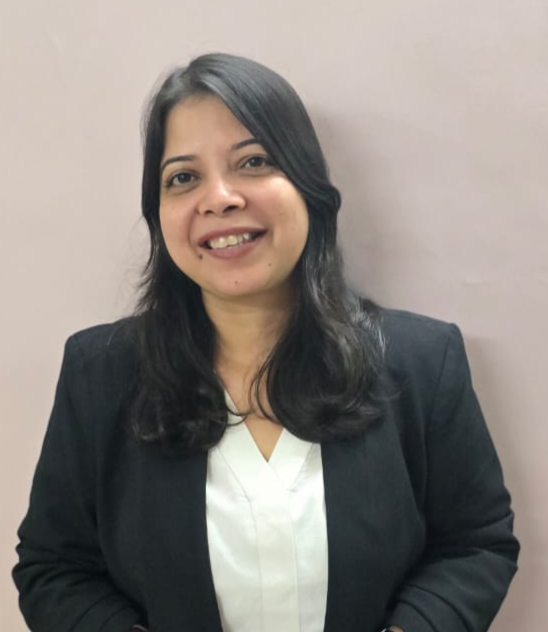
Parvati Rai is the Vice President of the Research team at Equentis. She has over 15 years of equity-research and strategy-consulting experience. A specialist in deep-dive valuations, financial modelling, and forecasting, she has built research desks from the ground up, by steering buy-side, sell-side, and independent coverage across sectors. When she isn’t fine-tuning models, Parvati unwinds on nature treks and mentors aspiring analysts.