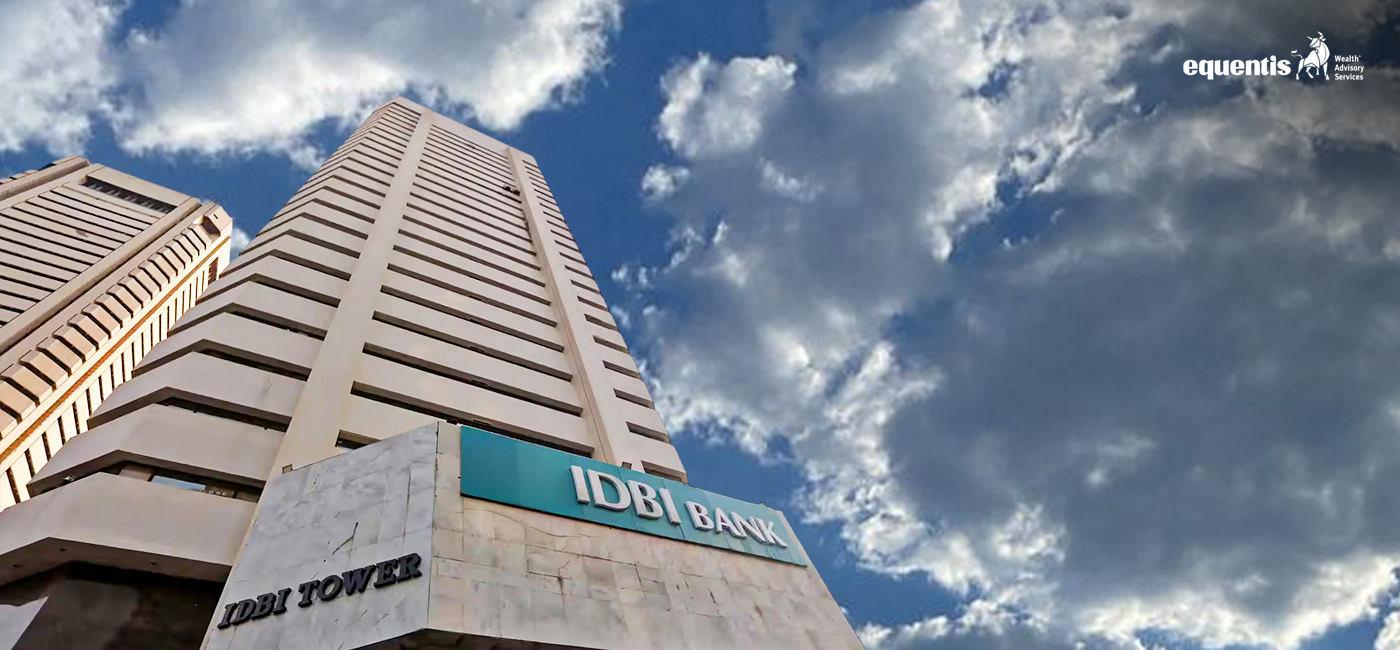

The government has clarified that the reserve price for the IDBI Bank disinvestment was neither increased nor reduced during the second round of bidding. In a statement issued on October 29, 2026, the Finance Ministry said the revised bidding process was conducted under the authority of the Core Group of Secretaries on Disinvestment (CGD) and helped increase the bid-discovered price by ₹3,917 crore. The clarification comes amid questions over the valuation and bidding process for the proposed sale of a 60.72% stake in IDBI Bank to Canada’s Fairfax Financial Holdings.
The proposed transaction, valued at approximately ₹52,878 crore, is an important development in India’s banking sector and government disinvestment programme. It could change the bank’s ownership structure, bring in a strategic investor and generate significant proceeds for the government and Life Insurance Corporation of India (LIC).
IDBI Bank Disinvestment: What Has the Government Clarified?
The Finance Ministry stated that the second round of bidding, also known as the best-offer round, followed a procedure determined by the Core Group of Secretaries on Disinvestment.
The initial bidding process was conducted by the Department of Investment and Public Asset Management (DIPAM) during FY2025-26. However, the initial financial bids submitted by interested parties were not approved because they did not meet the reserve price.
Following this development, the first bidding round ceased to have further effect. The government subsequently invited qualified bidders to submit their revised best offers.
The ministry clarified that the reserve price remained unchanged throughout the process. It also stated that the revised bidding mechanism increased the bid-discovered price by ₹3,917 crore, improving the financial value of the proposed transaction. Press Information Bureau+1
Why Did the Government Conduct a Second Bidding Round?
The initial financial bids received during FY2025-26 were below the reserve price determined for the transaction. As a result, the government did not approve those offers.
The Request for Proposal (RFP) included a provision allowing the government to decide the next course of action if the highest financial bid was below the reserve price.
The Finance Ministry explained that DIPAM’s internal guidelines were indicative rather than rigid regulations. Since there was no specific internal procedure for handling this situation, the Cabinet Committee on Economic Affairs (CCEA), through its August 16, 2017 decision, had empowered the CGD to address procedural difficulties and approve necessary deviations.
Using these delegated powers, the CGD determined the process for the second round of bidding.
The government said this approach was intended to ensure that the strategic disinvestment process could continue without compromising the valuation exercise. The New Indian Express+1
How Was IDBI Bank’s Valuation Determined?
Valuation was an important part of the government’s clarification. The Finance Ministry explained that the process involved independent assessments and confidential financial bids.
Two independent advisers conducted valuations using separate methodologies to assess the bank’s value.
1. Business valuation
The business valuation was conducted using the market multiple method. Professional experts considered comparable listed public sector banks because suitable comparable transactions were not available.
This approach helped assess IDBI Bank’s business value against the financial and market performance of similar banking institutions.
2. Asset valuation
The second assessment considered the bank’s assets and other relevant financial factors. It also accounted for a potential indemnity against disputed tax demands.
The government stated that the valuation methodology was reviewed by the CGD in April 2026. Following the publication of the bank’s financial accounts for the year ended March 31, 2026, independent valuation agencies began updating their assessments in May.
3. Double-blind valuation process
The ministry also highlighted that the valuation process followed a double-blind mechanism.
Under this arrangement, bidders did not have access to the independent valuation reports, while the valuation agencies could not access the confidential financial bids.
The CGD had access to both sets of information to evaluate whether the submitted offers were reasonable. DD India+1
What Is the IDBI Bank Stake Sale Deal Worth?
On October 14, 2026, the government approved the strategic restructuring of IDBI Bank through the sale of a combined 60.72% stake to a subsidiary of Canada’s Fairfax Financial Holdings.
The transaction involves the following shareholding:
| Shareholder | Stake proposed for sale |
|---|---|
| Government of India | 30.48% |
| Life Insurance Corporation | 30.24% |
| Total stake | 60.72% |
The approved bid price was ₹81 per share, valuing the transaction at approximately ₹52,878 crore.
Following the transaction, the government is expected to retain a 15% stake, while LIC will retain 19% ownership.
This means the proposed sale will transfer majority control to the strategic buyer while allowing the existing shareholders to retain minority interests in the bank. Press Information Bureau+1
Why Is the IDBI Bank Disinvestment Important for Investors?
The IDBI Bank stake sale has implications for the banking industry, government finances and shareholders.
For the government and LIC, the transaction represents an opportunity to unlock value from their existing investments and reduce their ownership in the bank.
For the banking sector, the entry of a strategic investor could influence the bank’s long-term business direction, capital allocation, technology investments and operational strategy.
For retail investors, the development is relevant because changes in ownership and management control can influence market expectations regarding a company’s future performance.
However, the proposed transaction should not automatically be viewed as a guarantee of improved profitability or higher share prices. The bank’s financial performance, asset quality, regulatory requirements and integration with the new controlling shareholder will remain important factors.
Opportunities and Risks: What Lies Ahead for IDBI Bank?
The proposed ownership change could provide IDBI Bank with a different strategic direction and potentially support long-term business development.
A strategic investor may bring additional financial resources, management experience and a fresh approach to banking operations.
However, the transaction also involves several considerations.
The completion of the deal remains subject to applicable regulatory and transaction requirements. The Reserve Bank of India and other relevant authorities will have an important role in the approval process.
The government has also disclosed a potential tax indemnity liability of ₹627 crore. This provision relates to disputed tax demands, with reimbursement applicable only if an additional demand is actually paid. The ministry described the possibility of such a liability arising as low. The Financial Express+1
Investors should therefore monitor regulatory approvals, transaction completion, ownership changes and subsequent financial disclosures rather than focusing only on the proposed sale price.
Conclusion
The government’s clarification confirms that the reserve price for the IDBI Bank disinvestment was not changed during the second bidding round. Instead, the revised best-offer process increased the bid-discovered price by ₹3,917 crore, strengthening the financial value of the proposed transaction.
With Fairfax Financial Holdings selected as the strategic buyer for a 60.72% stake at ₹81 per share, the transaction marks an important development in India’s banking sector.
The next important milestones will be regulatory approvals, completion of the transaction and the bank’s performance under its proposed new ownership structure.
Frequently Asked Questions
1. What is the latest update on IDBI Bank disinvestment?
The Finance Ministry clarified on October 29, 2026, that the reserve price for IDBI Bank’s strategic sale was neither increased nor reduced during the second bidding round. The revised best-offer process increased the bid-discovered price by ₹3,917 crore.
2. Why did the government conduct a second bidding round for IDBI Bank?
The initial financial bids received during FY2025-26 were below the reserve price and were not approved. The government subsequently invited qualified bidders to submit their best offers through a revised process determined by the Core Group of Secretaries on Disinvestment.
3. Was the IDBI Bank reserve price changed during the second bidding round?
No. The Finance Ministry explicitly stated that the reserve price was neither increased nor decreased. The second bidding round followed a revised procedure approved by the authorised government body after the initial bids were not accepted.
4. Who is buying IDBI Bank?
A subsidiary of Fairfax Financial Holdings, a Canadian investment company, has been selected as the strategic buyer for the proposed 60.72% stake in IDBI Bank. The transaction is valued at approximately ₹52,878 crore, subject to applicable approvals and completion requirements.
5. What is the total value of the IDBI Bank stake sale?
The proposed transaction is valued at approximately ₹52,878 crore. The approved bid price is ₹81 per share for the combined 60.72% stake being sold by the Government of India and Life Insurance Corporation of India.
6. How much stake will the government and LIC sell in IDBI Bank?
The government plans to sell 30.48% of its holding, while LIC will sell 30.24%. Together, they will transfer 60.72% of IDBI Bank’s equity to the selected strategic buyer.
7. How much stake will the government and LIC retain after the IDBI Bank sale?
After the proposed transaction, the Government of India is expected to retain a 15% stake in IDBI Bank, while LIC will retain 19%. The strategic buyer will acquire majority ownership and control through the proposed transaction.
8. What is the meaning of a double-blind valuation process in the IDBI Bank sale?
A double-blind valuation process means that bidders cannot access independent valuation reports, while valuation agencies cannot see confidential financial bids. This separation is intended to maintain independence and help authorities assess whether the submitted offers reasonably reflect the bank’s value.
9. How could IDBI Bank disinvestment affect retail shareholders?
The ownership change could influence investor expectations regarding management strategy, business expansion, operational efficiency and future profitability. However, the impact on IDBI Bank’s share price will depend on financial performance, regulatory developments, market conditions and the successful completion of the transaction.
10. What happens next in the IDBI Bank disinvestment process?
The next steps involve completing applicable regulatory approvals and transaction formalities before ownership and management control can be transferred. Investors should monitor official announcements from the government, IDBI Bank, LIC and relevant regulators for updates on the transaction’s completion.
Disclaimer Note: The securities quoted, if any, are for illustration only and are not recommendatory. This article is for education purposes only and shall not be considered as a recommendation or investment advice by Equentis . We will not be liable for any losses that may occur. Investments in the securities market are subject to market risks. Read all the related documents carefully before investing. Registration granted by SEBI, membership of BASL & certification from NISM in no way guarantee the performance of the intermediary or provide any assurance of returns to investors.

Parvati Rai is the Vice President of the Research team at Equentis. She has over 15 years of equity-research and strategy-consulting experience. A specialist in deep-dive valuations, financial modelling, and forecasting, she has built research desks from the ground up, by steering buy-side, sell-side, and independent coverage across sectors. When she isn’t fine-tuning models, Parvati unwinds on nature treks and mentors aspiring analysts.