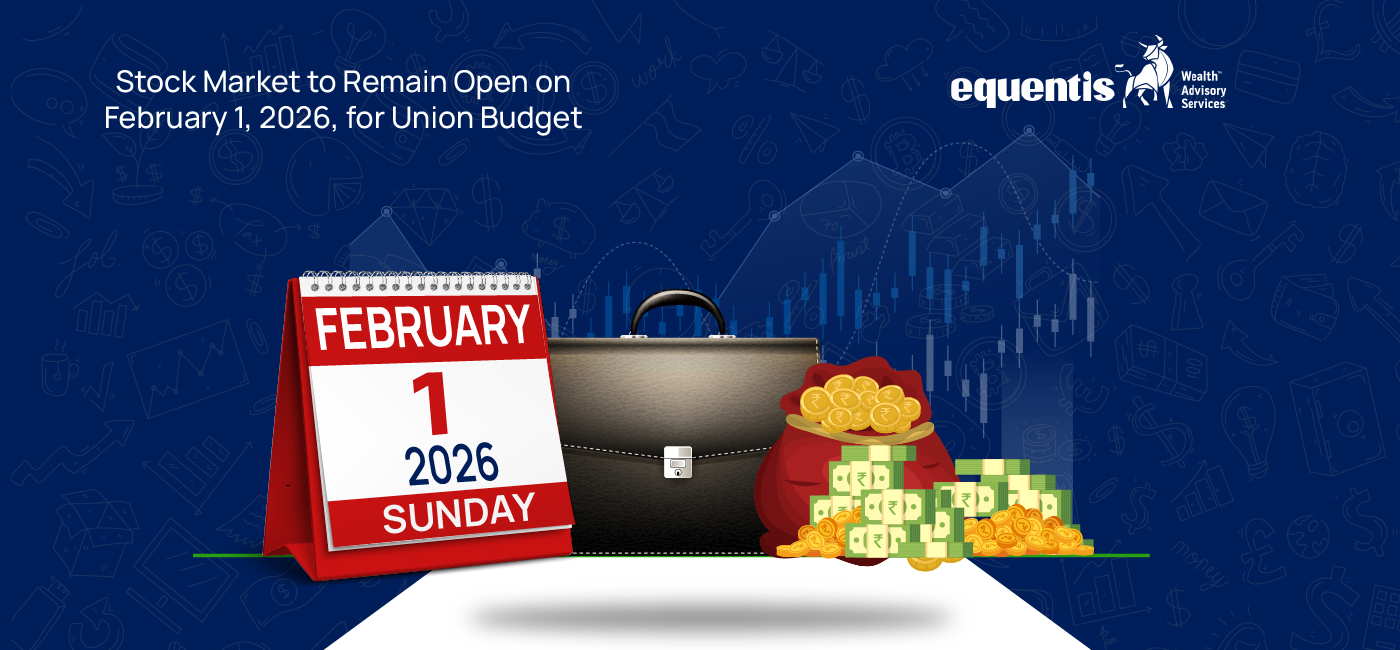

Why February 1 Matters for Market Participants
For Indian investors, February 1 is not just another date on the calendar. It is the day when the Union Budget sets the economic tone for the year ahead. In 2026, the decision to keep the stock market open on February 1 ensures that investors can react to policy announcements in real time. For participants tracking Large Cap Stocks and Mid Cap Stocks, this creates both excitement and caution, as market movements on Budget Day often reflect expectations around growth, taxation, and government spending.
Unlike a regular trading session, Budget Day carries heightened attention. News flows are faster, sentiment shifts quickly, and price movements can be sharper than usual. The fact that trading will continue without interruption makes this Budget even more relevant for investors who prefer clarity and transparency in how markets digest policy decisions.
Context and Background: Budget Day and Market Timings
Historically, the Indian stock market has remained open on most Budget Days, allowing immediate price discovery. However, there have been exceptions in the past when markets were closed due to holidays or special circumstances. Over time, regulators and exchanges have recognised that keeping markets open on Budget Day supports efficiency and reduces uncertainty.
The Union Budget is typically presented in the morning, and key announcements around fiscal deficit, taxation, infrastructure spending, and sector-specific incentives often influence investor behaviour. When markets are open, these announcements are reflected instantly in stock prices, bond yields, and broader indices. This real-time response helps investors assess how policies are being interpreted collectively, rather than waiting for the next trading day.
In 2026, February 1 falling on a regular trading day reinforces this practice, ensuring continuity and smoother market functioning.
Key Developments to Watch on Budget Day
The Budget speech itself is the central event, but the market’s response depends on several underlying factors. Investors usually track announcements related to capital expenditure, tax slabs, corporate tax policies, and sectoral allocations. Any signals on fiscal discipline or growth priorities can influence sentiment across equity, debt, and currency markets.
Market participants also pay close attention to commentary around reforms. Even subtle hints about future policy direction can shape expectations. On Budget Day, volatility often increases during and shortly after the speech, as traders and investors interpret the numbers and narratives.
Another important aspect is how different segments of the market respond. While headline indices may show sharp moves, sectoral indices often reveal a more nuanced picture, reflecting which parts of the economy are expected to benefit or face pressure.
Impact on Investors, Businesses, and Consumers
For investors, an open market on Budget Day offers immediate clarity. Instead of speculating overnight, they can observe how the broader market is reacting and adjust positions accordingly. This is particularly helpful for long-term investors who want to separate short-term noise from meaningful trends.
Businesses also benefit from real-time market feedback. Stock price movements can indicate how investors perceive policy changes affecting specific industries. This feedback loop can influence corporate communication, capital allocation decisions, and near-term strategy.
Consumers, though indirectly impacted, often feel the effects through market-linked investments such as mutual funds and retirement portfolios. Budget-related expectations around inflation, taxation, and public spending can influence household sentiment, and the market’s response provides an early indicator of how these factors are being assessed.
Opportunities and Risks on Budget Day
An open market on February 1 creates opportunities for informed investors. Clear policy signals can strengthen confidence in certain themes, such as infrastructure, manufacturing, or consumption. Long-term investors may use Budget Day reactions to evaluate whether market moves align with their broader investment thesis.
At the same time, risks cannot be ignored. Budget Day volatility can lead to sharp intraday swings, sometimes driven more by sentiment than fundamentals. Short-term traders may face rapid price changes, while inexperienced investors could be tempted to make impulsive decisions based on headlines.
A balanced approach is essential. Understanding that initial reactions may not always reflect long-term impact helps investors stay grounded. Budget announcements often take time to translate into real economic outcomes, and markets may recalibrate in the days and weeks that follow.
Conclusion: What to Expect Going Forward
The stock market remaining open on February 1, 2026, underscores the importance of transparency and real-time price discovery during the Union Budget. For investors, it offers an opportunity to observe and participate in how policy decisions are absorbed by the market without delay.
While Budget Day can be eventful, it is best viewed as one piece of a larger investment journey. Staying focused on fundamentals, maintaining discipline, and avoiding reactionary moves can help investors navigate the volatility that often accompanies this day.
As the Budget outlines priorities for the coming year, the market’s immediate response will provide insights into collective expectations. Over time, the true impact will be seen in economic data, corporate performance, and sustained market trends. For those prepared with context and patience, February 1 can be informative rather than intimidating.
Disclaimer Note: The securities quoted, if any, are for illustration only and are not recommendatory. This article is for education purposes only and shall not be considered as a recommendation or investment advice by Equentis – Research & Ranking. We will not be liable for any losses that may occur. Investments in the securities market are subject to market risks. Read all the related documents carefully before investing. Registration granted by SEBI, membership of BASL & certification from NISM in no way guarantee the performance of the intermediary or provide any assurance of returns to investors.

Parvati Rai is the Vice President of the Research team at Equentis. She has over 15 years of equity-research and strategy-consulting experience. A specialist in deep-dive valuations, financial modelling, and forecasting, she has built research desks from the ground up, by steering buy-side, sell-side, and independent coverage across sectors. When she isn’t fine-tuning models, Parvati unwinds on nature treks and mentors aspiring analysts.