
Summary
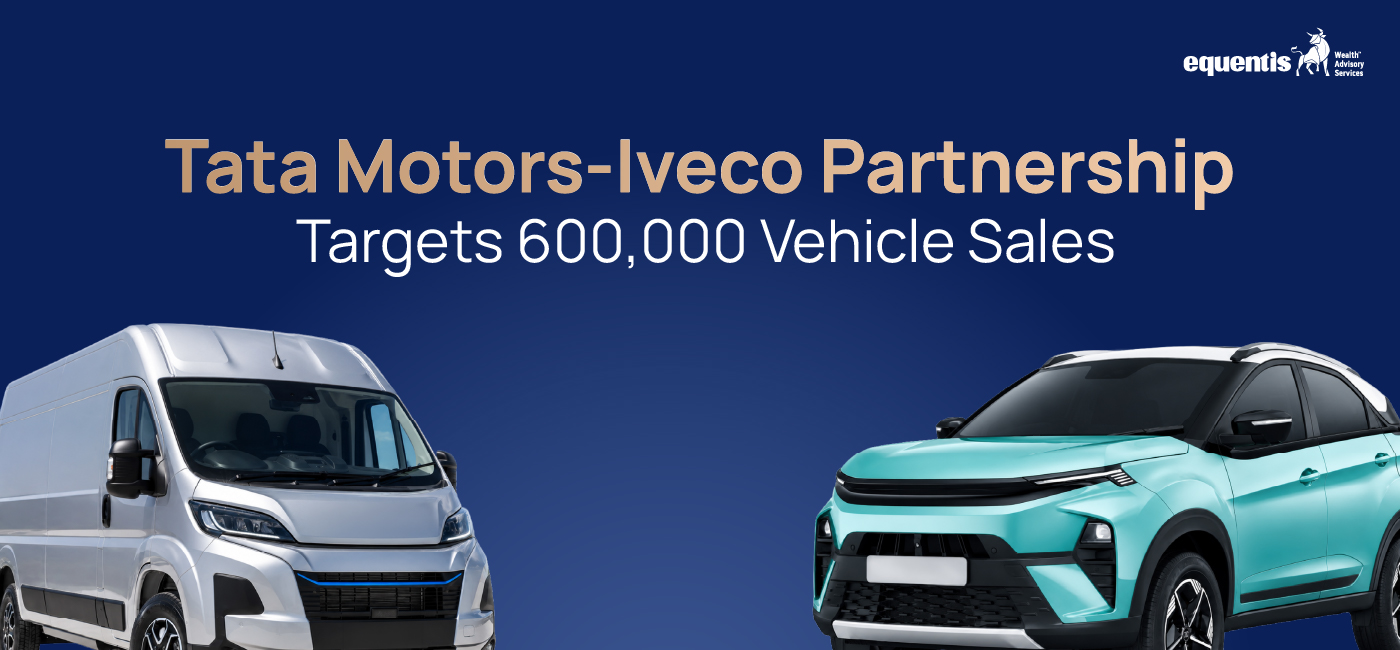
Tata Motors’ planned acquisition of Iveco’s commercial vehicle business is expected to create a global commercial vehicle company with annual sales of around 600,000 units. The combined business aims to strengthen its presence across Europe, India, Latin America, and Africa while expanding capabilities in electric mobility, alternative fuels, and commercial vehicle technology. Although the transaction is still subject to regulatory approvals, the proposed partnership marks an important strategic step for Tata Motors as it seeks to increase its global footprint in the commercial vehicle segment. For investors, the deal presents opportunities for growth but also raises questions about integration, financing, and execution.
Why the Tata Motors–Iveco Deal Matters
The commercial vehicle industry is undergoing rapid transformation. Demand for cleaner transportation, stricter emission standards, digital fleet management, and electric trucks is changing how manufacturers compete across global markets.
Against this backdrop, Tata Motors’ proposed acquisition of Iveco’s commercial vehicle business has drawn significant attention. If completed, the combined company would sell approximately 600,000 commercial vehicles annually, making it one of the leading players in the global commercial vehicle market. The deal would significantly expand Tata Motors’ international presence while complementing Iveco’s strong position in Europe and Latin America.
For investors and industry observers, this transaction represents more than just an acquisition—it reflects the growing trend of consolidation within the global automotive industry.
Understanding the Background
Tata Motors has long been one of India’s leading commercial vehicle manufacturers, offering trucks, buses, pickups, and electric commercial vehicles.
Iveco, headquartered in Italy, is a well-established manufacturer of trucks, buses, defence vehicles, and powertrain solutions, with operations across Europe, South America, and other international markets.
By combining their commercial vehicle businesses, the companies aim to leverage each other’s strengths in manufacturing, technology, research, product development, and market reach.
The proposed transaction excludes Iveco’s defence business, which is expected to be separated before the acquisition is completed.
Key Highlights of the Proposed Partnership
Creation of a Global Commercial Vehicle Leader
The combined entity is expected to achieve annual sales of nearly 600,000 vehicles across multiple markets.
The expanded scale could improve manufacturing efficiency, strengthen purchasing power, and enhance global competitiveness.
Wider Geographic Presence
The combined business would have a stronger presence across:
- India
- Europe
- Latin America
- Africa
- Selected Asia-Pacific markets
This diversified geographical footprint could reduce dependence on any single market.
Expanded Product Portfolio
The partnership would bring together expertise across several vehicle categories, including:
- Heavy commercial trucks
- Medium-duty trucks
- Light commercial vehicles
- Buses
- Electric commercial vehicles
- Alternative fuel vehicles powered by LNG, CNG, and hydrogen
A broader product portfolio may help the combined company serve a wider range of customers.
Focus on Future Mobility
Both companies have been investing in electric mobility and sustainable transportation.
The partnership could accelerate research and development in:
- Battery electric trucks
- Hydrogen-powered commercial vehicles
- Connected fleet technologies
- Digital mobility solutions
- Advanced safety systems
These technologies are becoming increasingly important as governments worldwide tighten emission regulations.
Why Is Tata Motors Pursuing This Acquisition?
Several strategic factors explain the proposed transaction.
Strengthening Global Presence
While Tata Motors has a dominant position in India’s commercial vehicle market, the acquisition offers greater access to developed markets, particularly Europe.
Technology Sharing
Iveco brings expertise in alternative fuel technologies, advanced engineering, and European commercial vehicle platforms.
Combining these capabilities with Tata Motors’ manufacturing strengths could improve future product development.
Better Economies of Scale
Larger production volumes often help manufacturers reduce costs through shared procurement, common platforms, and optimized manufacturing operations.
These efficiencies could improve competitiveness over time.
Revenue Diversification
The combined company would generate revenue from multiple regions, reducing dependence on any single economy or commercial vehicle cycle.
What Does This Mean for Investors?
Long-Term Growth Potential
If successfully integrated, the partnership could strengthen Tata Motors’ position in the global commercial vehicle industry.
Potential benefits include:
- Larger international market share
- Improved product portfolio
- Higher revenue diversification
- Greater technology capabilities
- Better operational efficiencies
These factors could support long-term business growth.
Short-Term Challenges
Major international acquisitions also present several uncertainties.
Investors are likely to monitor:
- Regulatory approvals
- Acquisition financing
- Integration costs
- Cultural integration
- Operational execution
- Future profitability
Market sentiment may remain sensitive until more details regarding implementation become available.
Opportunities and Risks
Potential Opportunities
The proposed partnership creates several possible advantages.
These include:
- Expansion into new international markets
- Stronger research and development capabilities
- Improved manufacturing efficiency
- Increased scale in commercial vehicle production
- Better competitiveness in electric and alternative fuel vehicles
Growing global demand for sustainable transportation may also support long-term business expansion.
Key Risks
Investors should also consider several challenges.
These include:
- Integration complexity
- Regulatory approvals across multiple jurisdictions
- Currency fluctuations
- Economic slowdown affecting commercial vehicle demand
- Competition from global manufacturers
- Execution risks associated with large acquisitions
Successfully managing these risks will be important for achieving the expected benefits.
What Should Investors Watch?
Rather than focusing only on the announced transaction, investors should monitor several important developments.
These include:
- Regulatory approvals
- Final transaction structure
- Integration roadmap
- Management guidance
- Synergy realization
- Commercial vehicle demand
- Electric vehicle strategy
- Quarterly financial performance
These indicators will help investors assess whether the acquisition is progressing as planned.
Conclusion
The proposed Tata Motors–Iveco partnership represents an important development in the global commercial vehicle industry. By targeting annual sales of around 600,000 vehicles, the combined business aims to strengthen its international presence, expand technology capabilities, and improve competitiveness in an industry undergoing rapid transformation.
For investors, the transaction offers meaningful long-term growth opportunities while also introducing execution and integration risks that are common in large cross-border acquisitions. The ultimate success of the partnership will depend on effective integration, disciplined capital allocation, and the ability to capitalize on evolving trends such as electrification, alternative fuels, and connected mobility.
As the transaction progresses through regulatory approvals, the market will continue evaluating whether the partnership delivers the strategic and financial benefits anticipated by both companies.
Frequently Asked Questions (FAQs)
1. What is the Tata Motors–Iveco partnership?
Tata Motors has announced plans to acquire Iveco’s commercial vehicle business, creating a combined company with annual commercial vehicle sales of around 600,000 units.
2. Why is Tata Motors acquiring Iveco?
The acquisition aims to expand Tata Motors’ global presence, strengthen its commercial vehicle portfolio, improve technology capabilities, and increase international market access.
3. How many vehicles is the combined company expected to sell annually?
The combined commercial vehicle business is expected to sell approximately 600,000 vehicles annually across global markets.
4. Will Iveco’s defence business be part of the transaction?
No. Iveco’s defence business is expected to be separated before the commercial vehicle acquisition is completed.
5. What markets will the combined company serve?
The combined business will have operations across India, Europe, Latin America, Africa, and selected Asia-Pacific markets.
6. How could the acquisition benefit Tata Motors?
Potential benefits include greater global scale, improved technology sharing, broader product offerings, stronger research capabilities, and diversified revenue sources.
7. What risks are associated with the acquisition?
Key risks include integration challenges, regulatory approvals, financing requirements, market competition, and economic uncertainty affecting commercial vehicle demand.
8. How does this partnership support electric mobility?
Both companies have been investing in electric trucks, alternative fuel vehicles, hydrogen technology, and connected mobility solutions, which could be further strengthened through the partnership.
9. What should investors monitor after the announcement?
Investors should follow regulatory approvals, transaction timelines, integration progress, management commentary, financial performance, and synergy realization.
10. Does this partnership immediately change Tata Motors’ financial performance?
No. The long-term impact will depend on successful completion of the transaction, regulatory approvals, integration, and the combined company’s operational performance after the deal closes.
Disclaimer Note: The securities quoted, if any, are for illustration only and are not recommendatory. This article is for education purposes only and shall not be considered as a recommendation or investment advice by Equentis. We will not be liable for any losses that may occur. Investments in the securities market are subject to market risks. Read all the related documents carefully before investing. Registration granted by SEBI, membership of BASL & certification from NISM in no way guarantee the performance of the intermediary or provide any assurance of returns to investors.

Parvati Rai is the Vice President of the Research team at Equentis. She has over 15 years of equity-research and strategy-consulting experience. A specialist in deep-dive valuations, financial modelling, and forecasting, she has built research desks from the ground up, by steering buy-side, sell-side, and independent coverage across sectors. When she isn’t fine-tuning models, Parvati unwinds on nature treks and mentors aspiring analysts.