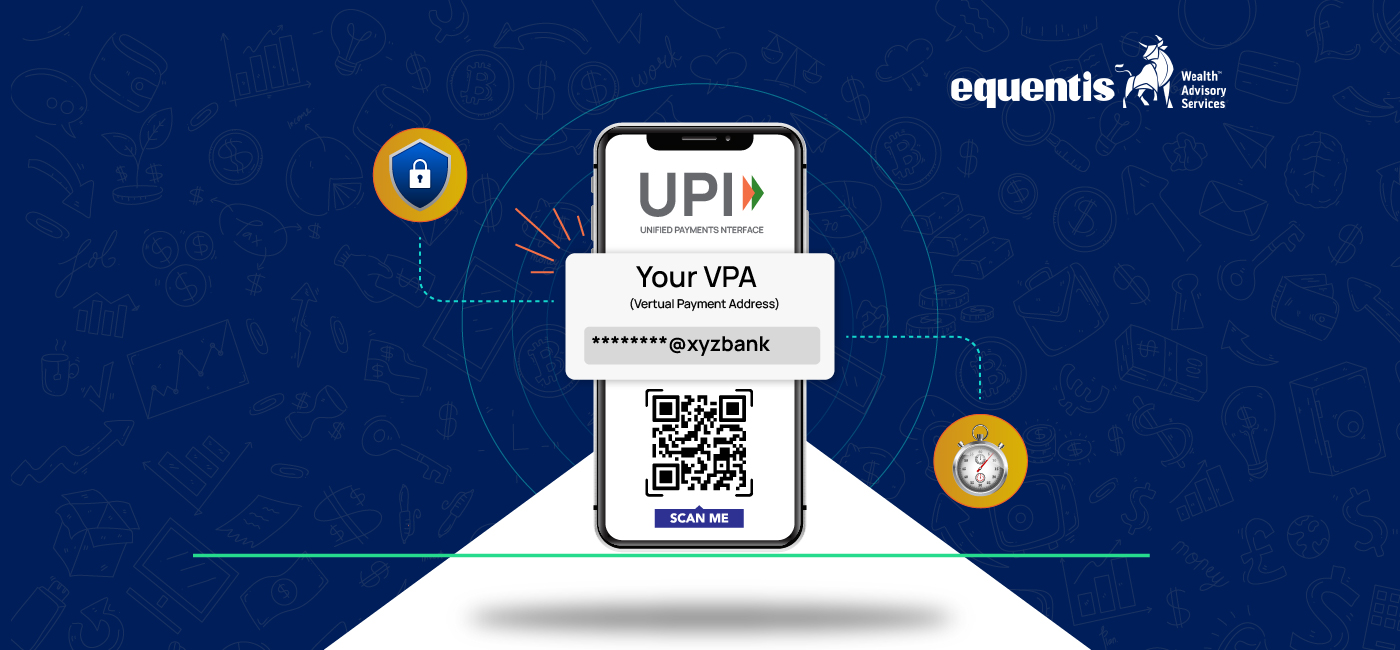

UPI has changed the way India sends and receives money. From paying grocery bills to investing online, everything now happens in seconds. At the heart of every UPI transaction lies a simple yet powerful identifier known as VPA. If you have ever wondered what VPA in UPI actually means, how it works, or whether it is safe, this guide covers everything in detail.
Understanding VPA is important not just for everyday payments but also for protecting yourself from UPI frauds, especially when making financial transactions linked to banking, investments, or even services like share market advisory platforms.
What Is VPA in UPI?
VPA in UPI stands for Virtual Payment Address. It is a unique ID that represents your bank account in the UPI ecosystem. Instead of sharing sensitive details like bank account number or IFSC code, you can simply use a VPA to send or receive money.
A VPA looks like an email ID but works as a payment address. For example, yash@upi or mobile@bankname. This single ID is enough to complete a UPI transaction securely.
In simple words, VPA acts as your digital identity for UPI payments.
Full Form of VPA in UPI
The full form of VPA is Virtual Payment Address.
It is called virtual because it does not expose your actual bank details and acts as a layer of protection during online payments.
Why VPA Is Important in UPI Transactions
VPA plays a critical role in making UPI fast, safe, and user friendly. Without VPA, users would have to enter bank details every time they make a payment.
Some key reasons why VPA in UPI is important include ease of use, improved security, faster transactions, and reduced chances of manual errors. It also enables businesses, merchants, and service providers to collect payments without sharing confidential banking information.
This is especially relevant for online financial services such as share market advisory platforms where frequent digital payments are involved.
How VPA in UPI Works
When you create a UPI ID through apps like Google Pay, PhonePe, Paytm, or BHIM, a VPA is automatically generated and linked to your bank account.
Here is how the process works step by step:
You create a VPA using your UPI app
The VPA gets linked to your selected bank account
When someone sends money to your VPA, UPI routes the request to your bank
You authorize the transaction using your UPI PIN
The money gets credited instantly
At no point does the sender or receiver see each other’s bank account details.
Examples of VPA in UPI
Some common examples of VPA in UPI include:
rahul@okhdfcbank
9876543210@upi
name@paytm
user@oksbi
Each VPA is unique and tied to a specific bank or UPI service provider.
How to Create a VPA in UPI
Creating a VPA is simple and takes just a few minutes.
First, download any UPI enabled app
Register using your mobile number linked to your bank account
Select your bank from the list
Create your UPI PIN
Choose or auto generate your VPA
Once created, your VPA is ready to use for sending and receiving money.
Can You Have Multiple VPAs?
Yes, you can have multiple VPAs. You can create different VPAs for different apps or purposes, all linked to the same bank account.
For example, one VPA for personal use and another for business transactions. This is useful for professionals, freelancers, and even financial consultants offering share market advisory services.
Is VPA in UPI Safe?
VPA in UPI is considered safe because it does not reveal sensitive banking information. However, safety also depends on user awareness.
Many UPI frauds happen not because of VPA misuse but due to users unknowingly approving collect requests or sharing OTPs and UPI PINs.
As long as you never share your UPI PIN and carefully verify payment requests, using VPA is secure.
Common UPI Frauds Related to VPA
With the rise of digital payments, UPI frauds have also increased. Some common frauds related to VPA include fake collect requests, impersonation using similar VPAs, phishing messages asking users to approve payments, and fake customer care calls.
Fraudsters often misuse trust by pretending to be banks, merchants, or even investment and share market advisory platforms. Always double check the VPA name before approving any transaction.
Difference Between VPA and Bank Account Number
A bank account number is a permanent and sensitive detail. A VPA is a virtual alias that hides your actual bank details.
While bank account numbers are static, VPAs can be changed or disabled. VPAs are designed specifically for digital transactions, making them safer and more convenient for daily use.
VPA in UPI for Businesses and Merchants
Businesses widely use VPAs to collect payments. Merchants display their VPA as QR codes or text IDs to receive payments instantly.
Many financial service providers, including investment and share market advisory firms, use dedicated VPAs to accept fees securely and efficiently.
Can a VPA Be Changed or Deleted?
Yes, most UPI apps allow users to change or delete their VPA. If you suspect misuse or receive suspicious requests, it is advisable to deactivate the VPA and create a new one.
This flexibility adds another layer of security against UPI frauds.
What Happens If You Enter the Wrong VPA?
If you enter an incorrect or non existent VPA, the transaction will fail. However, if you enter a valid but wrong VPA, the money may get credited to someone else.
Always verify the recipient name displayed on the screen before confirming the payment.
Role of VPA in QR Code Payments
QR codes are directly linked to VPAs. When you scan a UPI QR code, the VPA is auto filled, reducing manual errors and speeding up transactions.
This is why QR based payments are widely used across shops, online platforms, and service providers.
VPA and Its Role in Financial Awareness
Understanding concepts like VPA in UPI is an important part of financial literacy. As digital payments grow, users must know how identifiers work, how frauds happen, and how to stay safe.
Whether you are paying bills, investing, or using online share market advisory services, knowing how VPA works helps you make informed decisions.
FAQs on VPA in UPI
1. What is VPA in UPI in simple terms?
VPA in UPI is a virtual ID that allows you to send and receive money without sharing bank details.
2. Is VPA and UPI ID the same?
Yes, VPA and UPI ID refer to the same thing.
3. Can two people have the same VPA?
No, every VPA is unique.
4. Does VPA show my bank account number?
No, VPA hides your bank account details.
5. Can I change my VPA later?
Yes, most UPI apps allow you to change or delete your VPA.
6. Is it safe to share my VPA?
Yes, sharing your VPA is safe as long as you do not share your UPI PIN.
7. What should I do if I receive a suspicious collect request?
Do not approve it and report it through your UPI app.
8. Can fraud happen using only my VPA?
Fraud cannot happen without your approval or UPI PIN.
9. How many VPAs can one bank account have?
A bank account can have multiple VPAs.
10. Is VPA mandatory for UPI payments?
Yes, every UPI transaction requires a VPA.
11. Can I use VPA without the internet?
No, UPI requires an active internet connection.
12. What is an example of a VPA?
An example is name@upi or mobile@bank.
13. Are QR codes linked to VPAs?
Yes, QR codes are mapped to VPAs.
14. Can businesses have custom VPAs?
Yes, businesses can create branded VPAs.
15. Is VPA useful for online investments?
Yes, many platforms including share market advisory services accept payments via VPA.
16. How do I know the correct VPA before paying?
Always check the recipient name shown before confirming payment.
17. Can I deactivate my VPA temporarily?
Some apps allow temporary disabling, while others require deletion.
18. What is the role of VPA in UPI frauds?
VPA itself is safe, frauds happen due to user errors or social engineering.
19. Does changing VPA improve security?
Yes, changing VPA can help if you suspect misuse.
20. Is VPA used only in India?
Yes, VPA is specific to India’s UPI system.
Disclaimer Note: The securities quoted, if any, are for illustration only and are not recommendatory. This article is for education purposes only and shall not be considered as a recommendation or investment advice by Equentis – Research & Ranking. We will not be liable for any losses that may occur. Investments in the securities market are subject to market risks. Read all the related documents carefully before investing. Registration granted by SEBI, membership of BASL & certification from NISM in no way guarantee the performance of the intermediary or provide any assurance of returns to investors.

Parvati Rai is the Vice President of the Research team at Equentis. She has over 15 years of equity-research and strategy-consulting experience. A specialist in deep-dive valuations, financial modelling, and forecasting, she has built research desks from the ground up, by steering buy-side, sell-side, and independent coverage across sectors. When she isn’t fine-tuning models, Parvati unwinds on nature treks and mentors aspiring analysts.