

IPO watchlist
A gateway to investment opportunities


Get your portfolio
What is Initial Public Offering (IPO)?
Understanding the basics
An IPO (Initial Public Offering) is the first sale of a company's shares to the public, transforming it from a private entity to a publicly traded one. This process allows you, the investor, to own, buy, and sell a part of the company directly from stock exchanges.
Current IPOs
Track the hottest IPOs open for investment

Upcoming IPOs
Don’t miss these soon-to-launch IPOs.
Closed IPOs
Subscriptions closed. What’s next?
Listed IPOs
Track the hottest IPOs open for investment
 Unlock Stock of the Month
T&C*
IPO reads
Stay updated with the latest IPO developments


February 27, 2025 | 5 min read
₹50.11 Cr Balaji Phosphates IPO Opens Feb 28. Issue Details and SWOT AnalysisRead More
February 25, 2025 | 5 min read
Tata Capital Board Approves ₹15,000 Cr Plus Mega IPO; Tata Investment Shares Soar 8%Read More
February 18, 2025 | 5 min read
Busy Week Ahead: 2 SME IPOs and 9 Market Listings – Get the Complete Details HereRead More
October 25, 2024 | 5 min read
Waaree Energies IPO: GMP Soars 106% Amid 76.34x Subscription – Check Your Allotment Status!Read More
October 22, 2024 | 5 min read
Upcoming IPOs: 9 Public Issues Set to Raise ₹10,984.8 Cr – Key Insights Inside!Read More
October 17, 2024 | 5 min read
Hyundai IPO Hits a Speed Bump With 42% Subscription On Day 2 : 4 Reasons WhyRead More
September 6, 2024 | 5 min read
Bajaj Housing Finance IPO: All You Need to KnowRead MoreOctober 17, 2024 | 5 min read
Hyundai IPO Hits a Speed Bump With 42% Subscription On Day 2 : 4 Reasons WhyRead More
August 26, 2024 | 5 min read
Premier Energies IPO: Key Details Ahead of the ₹2,830.40 Cr Issue LaunchRead MoreIPO glossary
Master the language of IPOs with our comprehensive glossary
Allotment
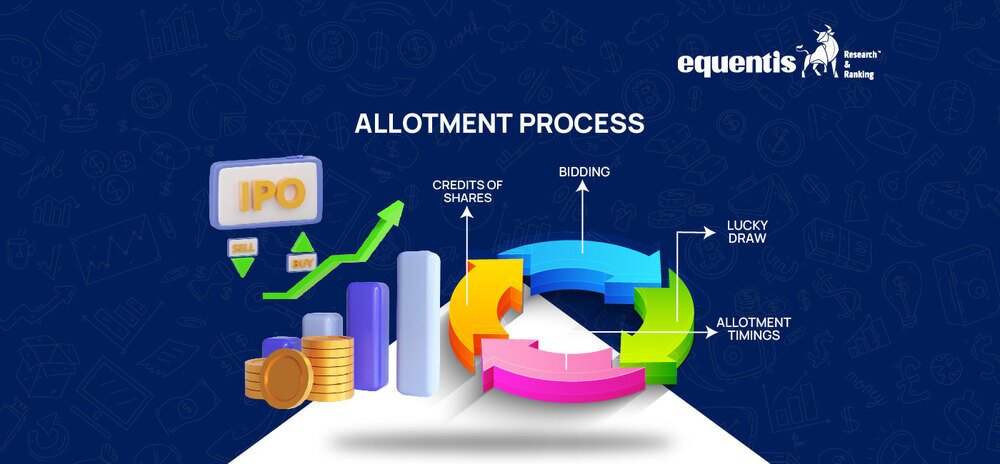
The process of distributing shares to investors who have applied for an IPO (Initial Public Offering). Once the IPO subscription period ends, shares are allotted based on the demand and availability. Investors receive an allotment notification, and their shares are credited to their demat accounts. Keeping track of allotment details is an essential part of IPO, as it determines the number of shares investors will receive.
Book Building IPO Type
A method where underwriters gauge investor interest to determine the offer price for an IPO (Initial Public Offering). Underwriters collect orders from private investors, indicating the number of shares they want and the price they are willing to pay. Investors express interest before the 'book' closes, and only a price range is disclosed upfront. Once the process is complete, the underwriter sets the initial selling price.
Broker
Individuals or firms that facilitate securities transactions between buyers and sellers. They earn a fee or commission for their services, as they do not own the securities themselves. Brokers play a critical role in the IPO process by managing trades on behalf of clients.
Capitalization
The total value of a company, calculated by summing its outstanding stock, short-term and long-term debt, retained earnings, and equity securities. Capitalization is an essential factor in understanding IPO meaning as it influences the company’s valuation when going public.
Comment Letter
A letter issued by regulatory authorities, like the SEC or UKLA, outlining necessary changes or additions to a company’s preliminary prospectus before the IPO can proceed. Companies looking to list on an IPO list must address any comments before final approval.
Cooling-Off Period
The period between the filing of a registration statement and the actual offering of securities during an Initial Public Offering (IPO). During this time, underwriters and selling groups may market the IPO through 'tombstone' ads and distribute preliminary prospectuses to generate interest without committing to specific prices.
Corporate Governance
The system of rules, practices, and processes by which a company is directed and controlled. Good corporate governance is essential for a successful IPO as it ensures accountability, fairness, and transparency in the company’s relationship with its stakeholders.
Depositary Receipts
A type of security issued by a foreign company, representing shares in that company, and offered for sale in a different country’s market. These depositary receipts may appear on an IPO list as companies seek international investors.
Due Diligence
An investigation conducted by company directors, officers, underwriters, and lawyers to verify that all information presented in the IPO prospectus is accurate and not misleading. Due diligence is key to a successful Initial Public Offering (IPO).
Effective Date
The date when the registration statement filed with the SEBI becomes effective, allowing the company to begin selling securities to the public. Investors typically mark this date on their IPO calendars as it signifies when trading can begin.
Exit Strategy
A business plan to liquidate financial assets, usually in response to unmet objectives or unforeseen financial challenges. Many companies use an IPO (Initial Public Offering) as an exit strategy for early investors, enabling them to sell their shares to the public.
Final Price
The price at which the security trades on the day of the IPO. It is the official price determined after the book-building IPO process or as disclosed in the final prospectus for fixed-price IPOs.
Final Prospectus
The official document that provides comprehensive details about the company, its operations, financials, and the terms of the IPO offering. This document is required before the company can be listed on an IPO list for public trading.
Fixed Price IPO Type
In this method, the issue price of the shares is pre-determined and disclosed in the final prospectus. The price remains unchanged during the IPO process, regardless of market fluctuations.
Grey Market
An unofficial market where IPO shares are bought and sold before they are officially available for trading on the stock exchange. Prices in the grey market can indicate investor sentiment and expected demand for the Initial Public Offering (IPO).
Going Public
The process by which a private company becomes publicly traded by offering shares to the public, usually through an IPO (Initial Public Offering).
Indicative Price
The estimated price range at which a company’s shares are expected to be sold during an IPO. It helps investors assess the potential value of the shares before the final price is set.
IPO Team: Lawyers
Two groups of lawyers are typically involved in an IPO: one advising the company throughout the process and another focusing on due diligence, reviewing company documentation, and identifying potential legal issues.
IPO Team: Auditors
Auditors review the company’s financial statements and prepare the required financial documentation for the IPO (Initial Public Offering). They address any regulatory or accounting concerns raised by authorities like the SEC or UKLA.
IPO Team: Printers
Responsible for printing the prospectus and registration statements. These documents must be professional and error-free, as they play a key role in attracting investors during the IPO process.
IPO Team: Listing Sponsor (Main Market – Premium)
A requirement for companies floating on the Premium Main Market in the UK, the Listing Sponsor leads a team of advisors and ensures ongoing regulatory compliance throughout the IPO process.
IPO Team: Corporate Broker
The broker engages with the market to assess investor demand for the company's shares. They are critical to marketing the shares to potential investors and achieving the company's financial goals for the IPO (Initial Public Offering).
IPO Team: Public Relations (PR)
A financial PR firm helps raise the company's profile and build relationships with investors and stakeholders by managing communications, marketing, and public relations throughout the IPO process.
IPO Team: Registrar
Responsible for managing the allocation of shares to eligible applicants, processing invalid applications, and issuing refunds. The registrar also handles the distribution of share certificates during the IPO (Initial Public Offering) process.
IPO Subscription
The process during which investors can apply for shares of a company’s IPO. The IPO subscription window is usually open for a few days, during which both institutional and retail investors can bid for shares.
Issue Price
The price at which shares are offered to the public during an IPO. The issue price is either determined through a fixed-price method or set via a book-building IPO process.
Investment Banker
An individual or firm that underwrites securities, provides financial advisory services, and facilitates mergers and acquisitions. Investment bankers are pivotal in the IPO process, guiding companies through pricing, regulatory compliance, and investor outreach.
Letter of Intent
A letter from the underwriter to the issuing company that outlines the key terms and conditions of the IPO. This document establishes the groundwork for the Initial Public Offering (IPO) and is an essential part of the process before the IPO listing becomes official.
Listing
The process of a company’s shares being admitted to trade on a stock exchange after a successful IPO. The company officially becomes publicly traded once listed, and its shares are available for purchase by the public.
Listing Application
A formal request made by a company to list its securities on a chosen stock exchange. This is a critical step for companies moving towards an IPO, as they aim to be included on the IPO list for public trading.
Lock-Up Period
A period, usually 90 to 180 days, during which insiders, such as company executives and early investors, are prohibited from selling their shares after the IPO.
Lot Size
The minimum number of shares that an investor can apply for in an IPO. The lot size is determined by the company and its underwriters, and it may vary depending on the share price and market regulations.
Mergers
The combination of two or more businesses into a single entity, often to expand market share or achieve synergies.
Options
Contracts that give the buyer the right, but not the obligation, to purchase a certain amount of shares at a predetermined price within a specified time frame. Options can be part of an IPO's employee compensation structure.
Over-Subscription
When the demand for an IPO exceeds the number of shares available for sale. In such cases, shares are often allocated proportionally among investors, or the issuer may increase the number of shares offered.
Price Band
A range of prices set for an IPO, which indicates the maximum and minimum price at which the shares can be offered to investors. The price band helps manage investor expectations and is crucial for determining the final offer price.
Price Stabilization
A process employed by underwriters to stabilize the share price of a newly listed IPO by buying back shares in the open market to prevent excessive price fluctuations.
Prospectus
A legal document that provides details about an investment offering, including information about the company, the risks involved, and the financial statements. The prospectus is essential for investors considering the IPO.
Public Offering
The sale of a company's shares to the general public, typically through an IPO. Public offerings allow companies to raise capital and increase their shareholder base.
Red Herring Prospectus
A preliminary version of the prospectus filed with regulatory bodies, outlining key details about the company and the IPO. The red herring prospectus is used to gauge investor interest before the final prospectus is issued.
Regulatory Authority
Government agencies responsible for overseeing the securities markets and protecting investors. Regulatory authorities review IPO documents to ensure compliance with securities laws before granting approval for the IPO.
Roadshow
A series of presentations made by company executives and underwriters to potential investors to generate interest in the IPO. Roadshows are crucial for gathering feedback and assessing demand before the IPO pricing.
Securities
Financial instruments that hold monetary value and can be traded, including stocks, bonds, and options. Securities play a vital role in the IPO process as companies issue shares to raise capital.
Share Capital
The total amount raised by a company through the issuance of shares. Share capital is essential in determining the company's financial structure and is influenced by the IPO process.
Shareholder
An individual or entity that owns shares in a company. Shareholders have the right to vote on company matters, receive dividends, and benefit from the company's growth.
Subscription Amount
The total monetary value that an investor commits to purchasing shares during an IPO. The subscription amount is based on the number of shares applied for and the issue price.
Underwriter
A financial institution that manages the issuance of new securities, helps determine the IPO price, and guarantees the sale of a certain number of shares. Underwriters play a key role in the IPO process, acting as intermediaries between the company and investors.
Valuation
The process of determining the economic value of a company, which is crucial for setting the offer price during an IPO. Valuation methods may include discounted cash flow analysis, comparable company analysis, and precedent transactions.
Testimonials
Our subscribers love us
Latest videos on IPOs
IPO highlights & details!
FAQs on IPOs
Find answers to common questions!
The IPO process involves several stages:
- Pre-IPO Preparation: The company prepares its financials, governance, and regulatory filings, including the prospectus.
- Book Building/Fixed Price Process: Depending on the method, the underwriters set the issue price of the shares through investor demand or a pre-determined price.
- IPO Subscription Period: Investors can apply to buy shares during this time, and based on the demand, shares are allotted.
- Listing: After the IPO, the company’s shares are listed on the stock exchange, where they can be freely traded.
Here’s what to expect:
- Price Fluctuations: The share price may fluctuate significantly based on market demand, investor sentiment, and broader economic factors.
- Lock-Up Period: For insiders (company executives and early investors), there may be a lock-up period where they cannot sell their shares, typically for 90 to 180 days.
- Volatility: Newly listed stocks often experience higher-than-average volatility, as investors adjust their positions based on the company's performance and outlook.
- Long-Term Performance: After the initial trading frenzy, the company’s stock performance will depend on its fundamentals, earnings reports, and market conditions. Investors can keep an eye on the IPO watch for post-listing performance and updates on newly listed companies.
Investors interested in pre-IPO opportunities typically have early access to growth companies, but such investments are usually reserved for institutional or wealthy individual investors, with access not listed on public IPO lists.