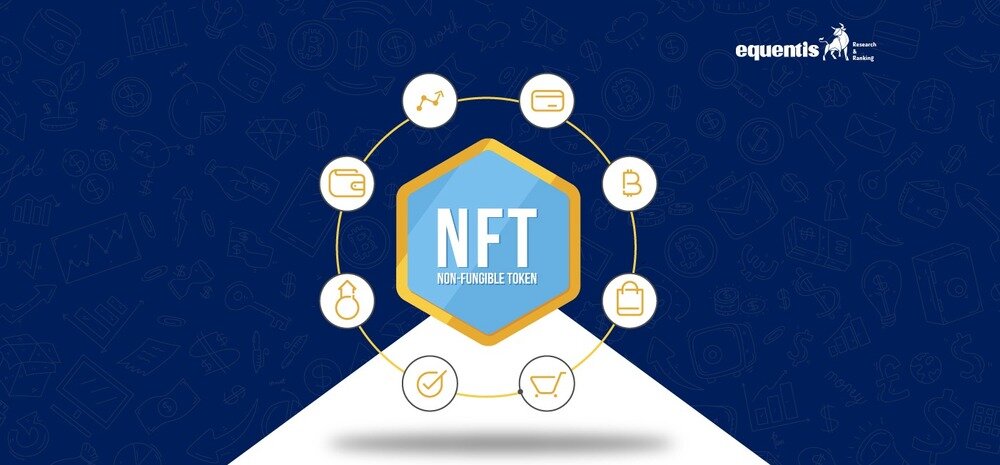

Looking for NFT meaning? Blockchain technology has ushered in a new era of digital ownership, epitomized by the rise of Non-Fungible Tokens (NFTs). These digital assets have captured the world’s imagination, offering a way to ascribe value and ownership to items that, until recently, seemed beyond the scope of such attribution.
Importance of Understanding NFTs in the Digital Age
Unless you’re living under a rock, you would have come across the term NFT. Blockchain technology has ushered in a new era of digital ownership, epitomized by the rise of Non-Fungible Tokens (NFTs). These digital assets have captured the world’s imagination, offering a way to ascribe value and ownership to items that, until recently, seemed beyond the scope of such attribution.
Overview of NFTs and Their Growing Popularity
The NFT market has seen explosive growth, with artists, musicians, gamers, and creators leveraging this new medium to monetize digital content. Platforms like OpenSea and Rarible have made it easier than ever to access the world of NFTs, attracting collectors and investors worldwide.
What is NFT?
An NFT is a digital asset representing real-world objects like art, music, in-game items, and videos. It is bought and sold online, frequently with cryptocurrency, and is encoded with the same underlying software as many cryptos.
How NFTs Are Different from Other Digital Assets (Fungible vs. Non-Fungible)
Unlike cryptocurrencies, NFTs are non-fungible, meaning each token is unique. While cryptocurrencies like Bitcoin or Ethereum are interchangeable and equal in value, NFTs cannot be traded on a one-to-one basis. Think of it like owning an original painting versus a print.
The Role of Blockchain in NFTs
NFTs are stored on a blockchain, most commonly Ethereum. This public digital ledger ensures that ownership records are secure, transparent, and tamper-proof.
What is NFT in Crypto?
Understanding NFTs in the Context of Cryptocurrency
What is NFT in crypto? NFTs operate on blockchain platforms like Ethereum, similar to cryptocurrencies, but serve a different purpose. While cryptocurrencies are used for transactions and investment, NFTs are used to represent ownership of unique digital items.
The Difference Between NFTs and Cryptocurrencies
The primary difference lies in fungibility. Cryptocurrencies are fungible and used as digital money. NFTs, being non-fungible, are more like digital collectibles that can appreciate in value based on demand and rarity.
How NFTs Work Within the Crypto Ecosystem
NFTs leverage the same infrastructure as cryptocurrencies. They are minted, stored, and traded using crypto wallets and blockchain protocols, integrating seamlessly into the broader crypto ecosystem.
How Do NFTs Work?
The Process of Creating NFTs
NFTs are minted from digital items – this process uploads a file to a blockchain and creates a unique token. Minting converts a digital file into a digital asset recorded on the blockchain.
How Ownership is Verified Using Blockchain
Each NFT contains metadata and a unique ID that verifies its authenticity and ownership. This data is publicly accessible on the blockchain, providing transparency.
The Role of Smart Contracts in NFT Transactions
Smart contracts automate NFT transactions. They also enforce royalties, meaning creators can earn a percentage every time their NFT is resold.
Common Examples of NFTs (Art, Music, Videos, etc.)
Popular NFT categories include digital art, music tracks, video highlights, virtual items in games, and even virtual real estate.
The Distinct Nature of NFTs
Unlike cryptocurrencies, NFTs are not mutually interchangeable, which means no two NFTs are the same. This non-fungibility is akin to owning an original painting. While prints or copies can be made, the original holds a distinct value due to its authenticity and the artist’s touch.
The History and Evolution of NFTs
NFTs have existed since the creation of the Ethereum blockchain with a standard known as ERC-721. This standard was developed to define the minimum interface—ownership details, security, and metadata—required for the exchange and distribution of gaming tokens. The ERC-1155 standard expanded upon this, enabling a single contract to contain fungible and non-fungible tokens, thus optimizing transactions and saving digital investing costs.
Exploring the NFT Market
The NFT market has exploded in popularity, with platforms like OpenSea and Rarible leading the charge as places to create, buy, sell, and auction NFTs. This market has become a new frontier for artists and creators to monetize their work directly through digital ownership.
How Do NFTs Work?
NFTs exist on a blockchain, which is a distributed public ledger that records transactions. They are typically held on the Ethereum blockchain, although other blockchains also support them. An NFT is created or minted from digital objects representing tangible and intangible items. It includes everything from virtual real estate and virtual goods in video games to digital artwork and music files.
The Market for NFTs
The NFT market has seen a meteoric rise, with numerous platforms facilitating the creation, sale, and purchase of these tokens. The allure of NFTs lies in their ability to confer ownership of a digital item, which can be a lucrative prospect for collectors and artists alike.
The Meaning Behind NFTs
NFT stands for Non-Fungible Token, which signifies a non-interchangeable data unit stored on a blockchain. Each NFT can represent unique items and thus have a different value. They can be anything from collectible sports cards to virtual real estate and digital sneakers.
The Future of NFTs
As the NFT market grows, the potential applications of NFTs are limited by the imagination only. From representing physical property rights to securing digital identities, NFTs could play a pivotal role in the future of commerce, digital rights management, and even legal documentation.
How to Buy NFT
For those wondering how to buy an NFT, the process typically involves the following steps:
- Purchase Ethereum or another cryptocurrency used to trade NFTs.
- Transfer your cryptocurrency to a digital wallet that supports NFTs.
- Connect your wallet to an NFT marketplace.
- Browse the market for NFTs you’re interested in and make your purchase.
Remember, when buying an NFT, you’re not just buying a digital image or item; you’re buying a blockchain entry that proves your ownership of the original work.
How to Buy NFTs
Introduction to NFT Marketplaces (OpenSea, Rarible, etc.)
Marketplaces like OpenSea, Rarible, and Foundation are platforms where users can buy, sell, or create NFTs. Each has its own set of tools and community.
Step-by-Step Guide to Buying NFTs
Step 1: Set Up a Crypto Wallet (MetaMask, Coinbase Wallet)
Install a digital wallet to store your cryptocurrency and NFTs securely.
Step 2: Buy Cryptocurrency (Ethereum, etc.)
Purchase Ethereum or another accepted cryptocurrency from exchanges like Coinbase or Binance.
Step 3: Browse NFT Marketplaces
Connect your wallet to an NFT marketplace and explore listings by category, popularity, or creator.
Step 4: Make the Purchase and Transfer the NFT to Your Wallet
Place a bid or buy outright. Upon purchase, the NFT is transferred to your wallet and becomes part of your collection.
Important Considerations When Buying NFTs
Authenticity and Rarity of NFTs
Check for verified creators and metadata to ensure the NFT’s legitimacy.
Market Trends and Valuation
Understand current trends, evaluate historical prices, and compare similar NFTs to make informed decisions.
Why Are NFTs Valuable?
Scarcity and Uniqueness in NFT Value
NFTs derive value from scarcity and uniqueness. Limited editions or one-of-one pieces often fetch higher prices.
The Role of Creator Reputation and Demand in Pricing
Well-known creators or celebrity collaborations can significantly influence an NFT’s market value.
The Rise of NFTs in Art, Collectibles, and Entertainment
NFTs have gained traction in high-end art sales, music royalties, and as digital memorabilia in sports and entertainment.
Use Cases of NFTs
Art and Collectibles: Famous Artists and Their NFTs
Artists like Beeple have sold NFTs for millions, creating a new paradigm for digital art ownership.
Music and Entertainment: NFTs for Musicians and Creators
Musicians use NFTs to sell albums, backstage passes, or exclusive content directly to fans.
Gaming: Virtual Worlds and Video Game NFTs
Games like Decentraland and Axie Infinity offer NFT-based assets and virtual land, revolutionizing gaming economies.
Real Estate and Virtual Properties: NFTs in Digital Real Estate
Virtual real estate in metaverses is being bought and sold using NFTs, signaling a futuristic take on property ownership.
Risks and Considerations in the NFT Market
Volatility and Speculative Nature of NFTs
Prices can swing dramatically, and investing in NFTs involves a high level of risk.
Environmental Concerns Regarding Blockchain Networks
NFTs on Ethereum contribute to energy consumption, raising concerns about blockchain’s carbon footprint.
Potential Scams and Counterfeit NFTs
Always verify creators and use trusted marketplaces to avoid purchasing fake or duplicated NFTs.
Legal and Copyright Issues Around NFT Ownership
Owning an NFT doesn’t always grant copyright. Buyers must understand what rights come with the token.NFTs are more than just a trend – they are a transformative technology redefining ownership and creativity in the digital age. With their expanding applications, understanding what is NFT is crucial for both creators and investors. Before jumping in, consider financial advice and explore how NFTs fit into your broader digital and financial goals.
Conclusion
NFTs are more than just a trend; they are a transformative technology that redefines digital ownership and authenticity. As the NFT market grows, it will be fascinating to see how NFTs evolve and integrate into various aspects of our digital lives. But before considering it as a financial option, you should consider taking the help of a share market advisory. They can also help you select high-growth Indian stocks to invest in.
NFTs are more than just a trend – they are a transformative technology redefining ownership and creativity in the digital age. With their expanding applications, understanding what is NFT is crucial for both creators and investors. Before jumping in, consider financial advice and explore how NFTs fit into your broader digital and financial goals.
FAQs on Non-Fungible Token (NFT)
Is NFT a cryptocurrency?
No, an NFT is not a cryptocurrency. While NFTs are created using the same kind of programming as cryptocurrencies like Bitcoin or Ethereum, they are different in that they are unique and can’t be exchanged on a one-to-one basis like cryptocurrencies, which are fungible.
How does an NFT make money?
NFTs can generate money through various means:
Creators can sell their NFTs directly in the market and earn from sales.
Royalties can be programmed into NFTs, allowing creators to receive a percentage of sales whenever the NFT is sold to a new owner.
Investors and collectors can buy and sell NFTs, hoping their value will increase time.Is NFT a good investment?
Whether NFTs are a good investment opportunity is complex and depends on various factors. With proper due diligence, NFTs can be a good investment, but they are also considered an extremely risky asset class. The value of NFTs can fluctuate greatly, and like any investment, there is no guarantee of profit. It is essential to research and understand the market before investing in NFTs.
What is the difference between NFTs and cryptocurrencies?
Cryptocurrencies are fungible digital currencies; NFTs are unique digital tokens used to represent ownership of digital assets.
How can I create my own NFT?
Use platforms like OpenSea or Rarible to mint NFTs. You’ll need a crypto wallet, digital file, and some ETH to cover fees.
Can NFTs lose their value?
Yes, NFTs can be highly volatile and may lose value based on market demand, creator relevance, or oversupply.
Are NFTs a good investment?
NFTs can offer high rewards but are also risky. Research thoroughly, follow trends, and consider your risk appetite.
How can I ensure an NFT is authentic?
Purchase from verified creators or platforms. Check token metadata and transaction history on blockchain explorers.

I’m Archana R. Chettiar, an experienced content creator with
an affinity for writing on personal finance and other financial content. I
love to write on equity investing, retirement, managing money, and more.