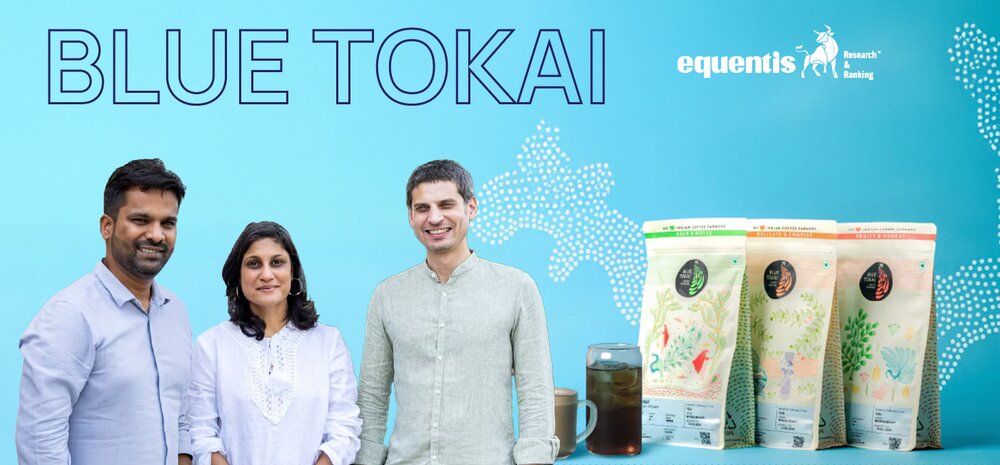

In a country where every street corner steams with chai and office breaks punctuated by cutting glasses, two quiet disruptors were brewing something radical.
It wasn’t a grand business plan or a Silicon Valley-backed blitz—just a tiny 1kg roasting machine in a kitchen and two people who believed that coffee in India could be more. More than instant powder. More than an occasional café treat.
Night after night, they roasted, packed, and shipped their first few batches by hand, fuelled not by investors but by instinct. No names on billboards. No slick campaigns. Just a burning question: What if India finally got to taste what real coffee feels like?
What started as a late-night side project would soon turn into a full-bodied revolution—one that changed the way a tea-loving nation woke up to coffee.
in a Tea-Tipped Land
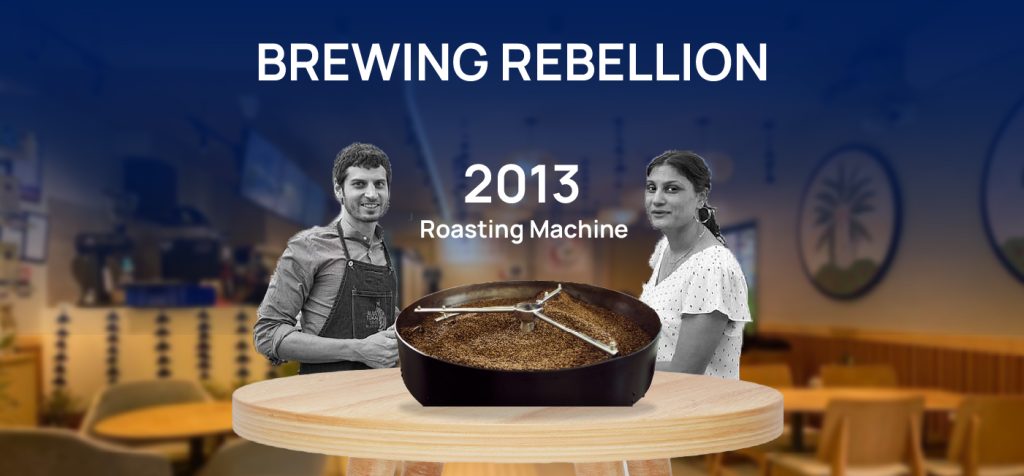
In a country where chai ruled every street corner and office pantry, two people dared to ask: What if coffee could be more than an afterthought? Matt Chitaranjan and Namrata Asthana weren’t trying to start a caffeine revolution—but that’s exactly what they ended up doing.
The year was 2013. Armed with a humble 1kg roasting machine in a tiny kitchen, the duo began their nights roasting coffee till sunrise—no marketing plan, no business blueprint, just a relentless pursuit of flavor. That pursuit would go on to transform the way Indians drink, savor, and view coffee.
in Passion
Blue Tokai wasn’t just born; it was roasted slowly, with care, in the middle of a home kitchen in Delhi. The name itself originated from the ancient Malabari term “tokai,” meaning “tail” of the peacock, a nod to their Indian roots and the elegance they hoped to infuse into every cup.
Their early days weren’t romantic; they were rugged. Packing orders by hand, roasting beans for 12 to 14 hours straight, handling customer queries—all without a team. But with every bag shipped, a new customer discovered what “real” coffee could taste like.
to Global Conversations
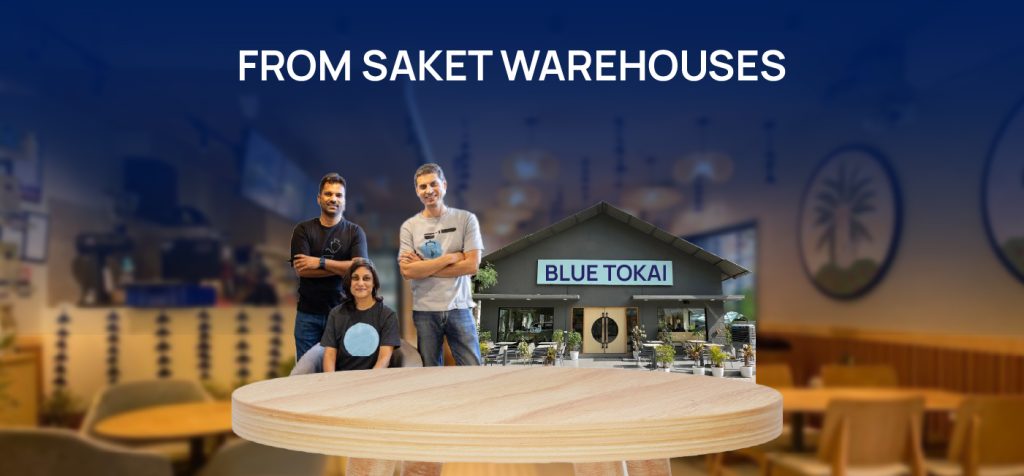
Things turned a corner when Matt and Namrata secured ₹3 crore in seed funding. The tiny kitchen gave way to a warehouse in Saket, and Blue Tokai’s first roastery was born. Delhi got its first whiff of what specialty coffee really meant.
Soon, Bombay followed. So did a kiosk at the Australian Embassy. But even as Blue Tokai’s footprint expanded, their mission stayed simple: educate India’s tea-loving crowd about the aroma, acidity, and artistry of specialty coffee.
Each café wasn’t just a place to grab a cuppa; it was a coffee classroom in disguise.
in Every Crumble
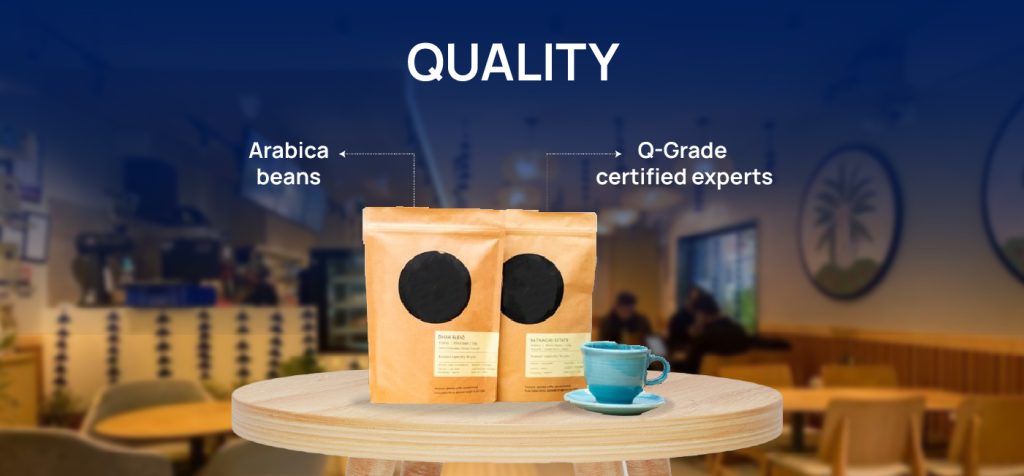
While most were chasing quantity, Blue Tokai doubled down on quality. Arabica beans. Q-Grade certified experts. Roasting units across Gurgaon, Mumbai, and Bangalore. And a promise that your cup in Delhi would taste just as fresh as one brewed in Pune.
Metro deliveries? Done in 24 hours. Packaging? Transparent about the estate it came from. Every detail was deliberate. “Consistency isn’t just a goal—it’s our promise,” Matt often said. And that promise brewed loyalty, one order at a time.
Beyond the Brew
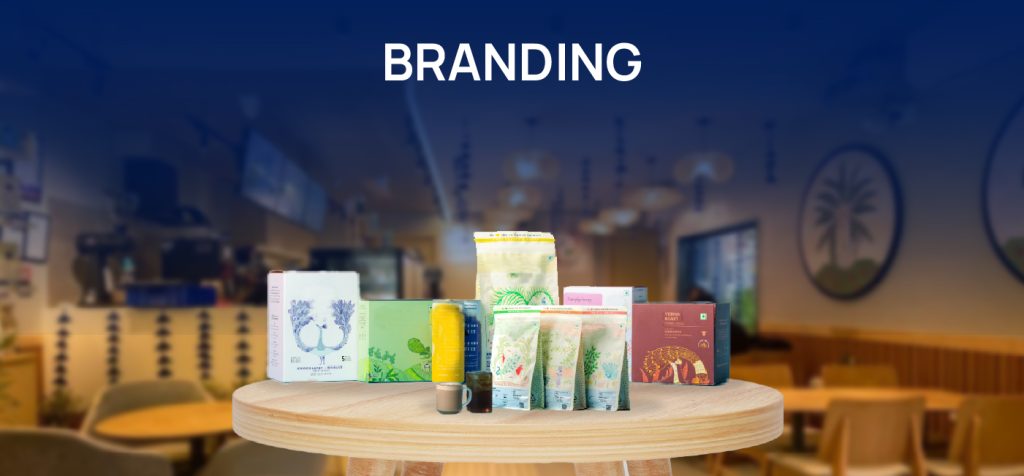
Blue Tokai’s magic didn’t end in the mug. They weren’t just selling coffee—they were selling a lifestyle. Their crisp Instagram aesthetic, detailed guides on brewing, and café experiences crafted a community of coffee enthusiasts who felt seen, heard, and well-caffeinated.
They weren’t shy about their values either. Every packet listed the farmer’s name. Ethical sourcing and sustainability weren’t side notes—they were center stage.

City by City
Expansion didn’t mean compromise. With 130 cafés and counting, Blue Tokai made sure that each new outlet stayed true to its mission—curated spaces that felt like a blend of quiet reflection and creative buzz.
From co-working nooks to weekend brunch stops, the cafes were designed with intent. “We didn’t just want to open cafes. We wanted to create experiences,” Namrata shared. And they did—one pour-over at a time.
for India’s New Generation
India’s 25–45-year-olds had been raised on chai, but they were ready for change. Blue Tokai knew that. Their multi-channel approach—70% café, 20% D2C, and 10% B2B—meant they weren’t just in your neighborhood, they were in your home, your office, your Instagram feed.
For many Indians, Blue Tokai was their first taste of specialty coffee. And once you’ve had that kind of brew, there’s no going back.
Bigger Dreams
Today, Blue Tokai is not just riding the wave. With $35 million raised in Series C funding and plans to launch 220 more cafés in the next three years, they’re aiming to be India’s answer to the global coffee movement.
The specialty coffee market in India is growing at 10–15% annually, and Blue Tokai is already ahead of the curve, with plans to strengthen B2B partnerships and scale their D2C play.
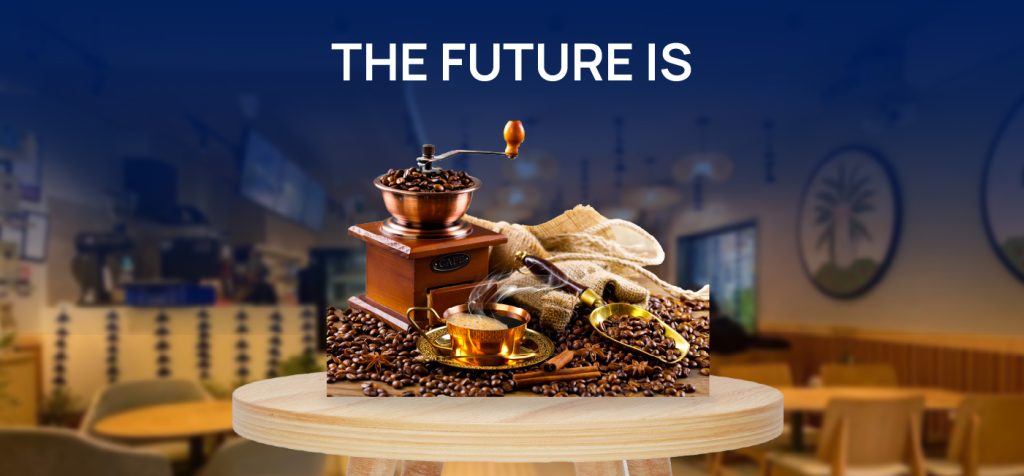
Freshly Roasted
Blue Tokai didn’t just sell coffee; they rewrote how India perceives it. From a late-night passion project to a pan-India café brand, their journey has been fueled by obsession—over flavor, over sourcing, over customer experience.
And as they step into their next chapter, one thing is certain—Blue Tokai isn’t just shaping the coffee scene in India. They are the scene.
So the next time you sip a Blue Tokai cappuccino, remember: it’s not just coffee—it’s a revolution in a cup.

Yash Vora is a financial writer with the Informed InvestoRR team at Equentis. He has followed the stock markets right from his early college days. So, Yash has a keen eye for the big market movers. His clear and crisp writeups offer sharp insights on market moving stocks, fund flows, economic data and IPOs. When not looking at stocks, Yash loves a game of table tennis or chess.