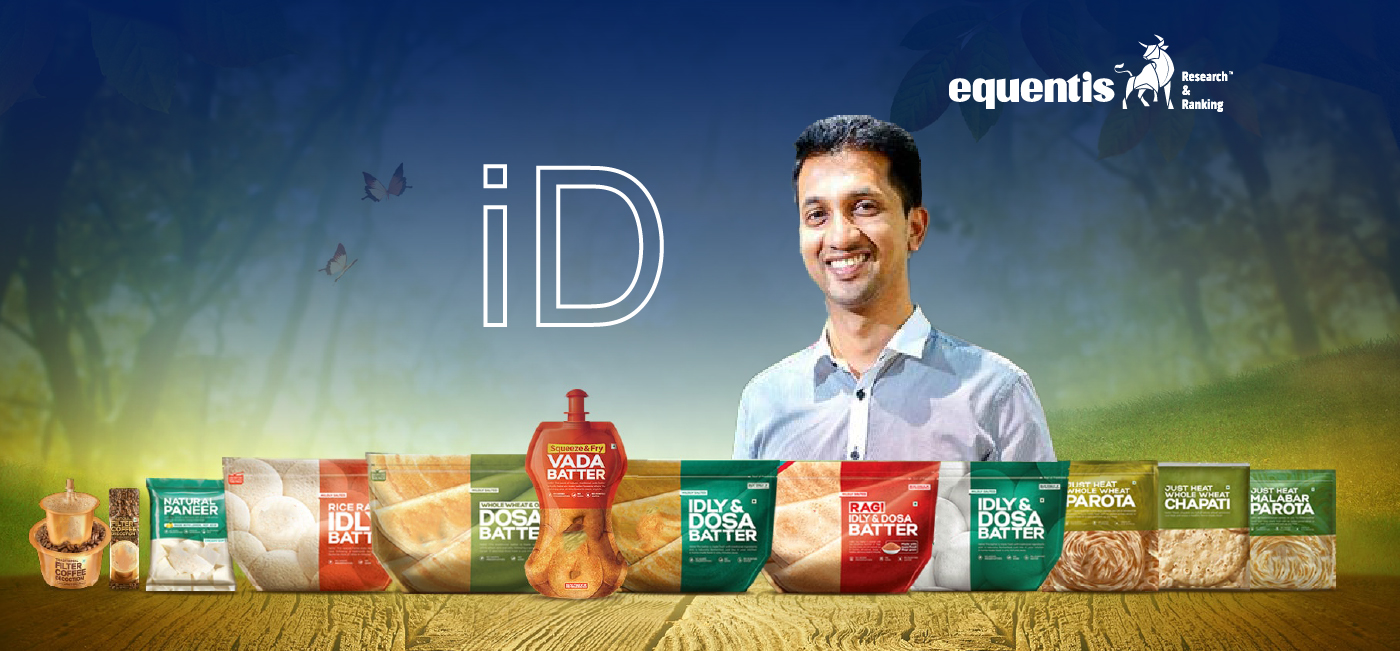

Ask anyone living away from home, and what they miss the most is usually ghar ka khaana. A simple ‘khaana khaya?’ brings back memories of home kitchens, Sunday dosas, and warm idlis in steel tiffins.
One man knew this feeling all too well. But instead of simply missing it, he decided to bring that comfort back, not just for himself, but for millions. Along with four cousins, what began as a simple idea grew into a ₹4,800 crore brand rooted in trust, tradition, and taste.
Read on to know how a longing for home-cooked food became a brand that brought the kitchen back to the city.
Beginnings
Before the business came the struggle. P C Musthafa grew up in Chennalode, a remote village in Wayanad. His family didn’t have much, and at one point, he dropped out of school and worked as a daily wage laborer. He failed Class 5. His cousin, Nazer, ran away from home, hoping for a better life.
But something shifted. Musthafa went back to school, studied hard, and eventually earned a seat at NIT Calicut. An engineering degree later, he began a successful tech career with MNCs in India and the Middle East.
In 2004, he returned to India—not to start a business, but to stay close to family, perhaps pursue higher studies, and maybe create jobs in his hometown.
That decision changed his life.
of a Dream
Back in Bengaluru, Musthafa spent his evenings catching up with his cousins—Shamsudeen, Nazer, Jafar, and Noushad—at their small kirana store. One evening, in the middle of shop talk, an idea popped up.
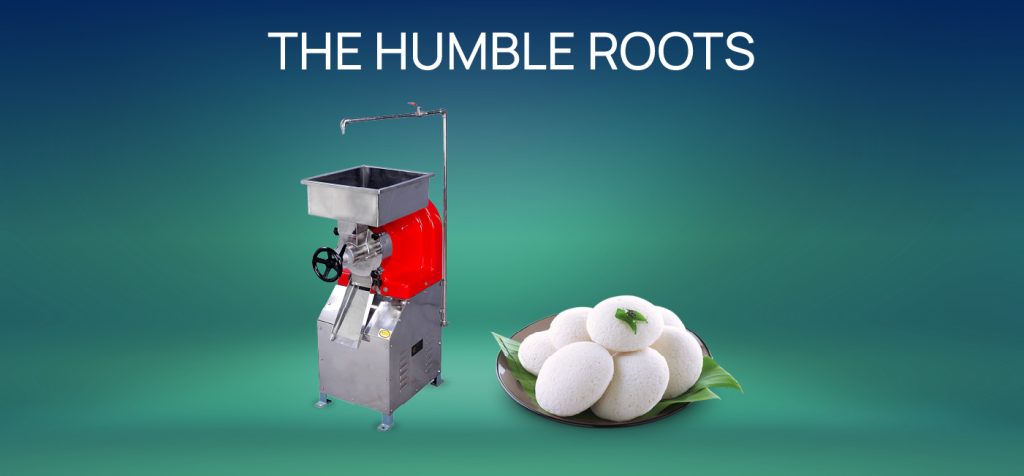
What if they sold fresh, homemade-style idli-dosa batter?
At the time, there were no branded, preservative-free options. Either you made it at home, or bought it from small, unbranded local shops. Homemakers were tired of grinding rice every few days. Working professionals didn’t have time. There was a clear need. They just had to build trust.
And so, the seed for iD was planted.
The First Batch
They called it iD—short for idli-dosa, and a cheeky nod to Musthafa’s ID card that was lying on the counter during one of their chats.
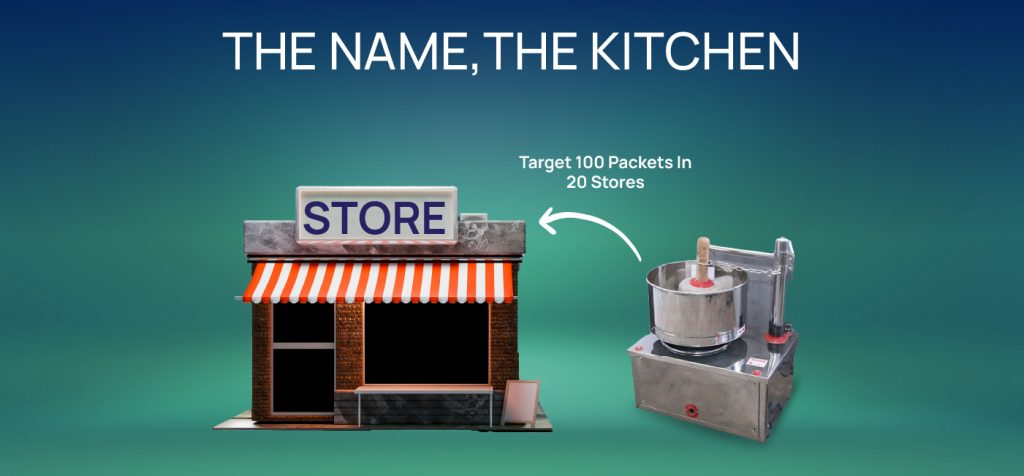
They scraped together ₹25,000, bought basic mixers and grinders, and started production in a cramped 50 sq. ft. kitchen. Their target: 100 packets in 20 stores. It took them nine months.
Packaged batter? With no preservatives? Consumers were skeptical. It was a new idea. Still, they earned ₹400 in profit on day one.
to a Better Product
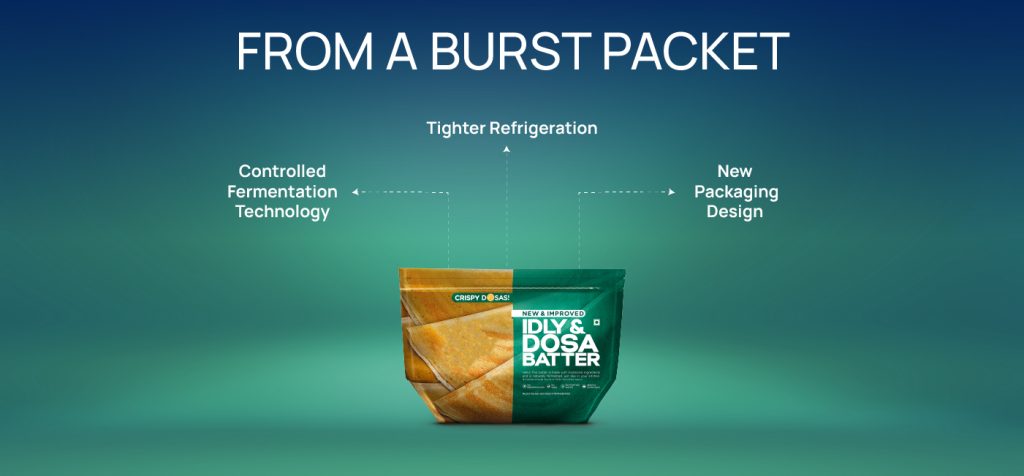
In 2006, a batch of batter fermented too much and exploded. It was a jolting reminder that the product needs a specific system to lock in that freshness.
They didn’t patch the problem, but solved it. Controlled fermentation technology, new packaging design, tighter refrigeration—everything was built from the ground up to ensure consistent quality.
Rolling
Despite the initial hurdles, Musthafa was encouraged by the traction and invested in better machinery and moved operations into an 800 sq. ft. space.
By 2007, he decided to leave his corporate job and join iD full-time as CEO.
It turned out to be a turning point. That same year, iD Fresh was already selling 3,500 kg of batter—every single day.
Growing with Purpose
While other startups were expanding, iD Fresh focused on just one thing: making the batter better. After the first few sales, Musthafa invested ₹6 lakh of his personal savings and even sold his land in Wayanad to fund a much larger 2,500 sq ft factory.
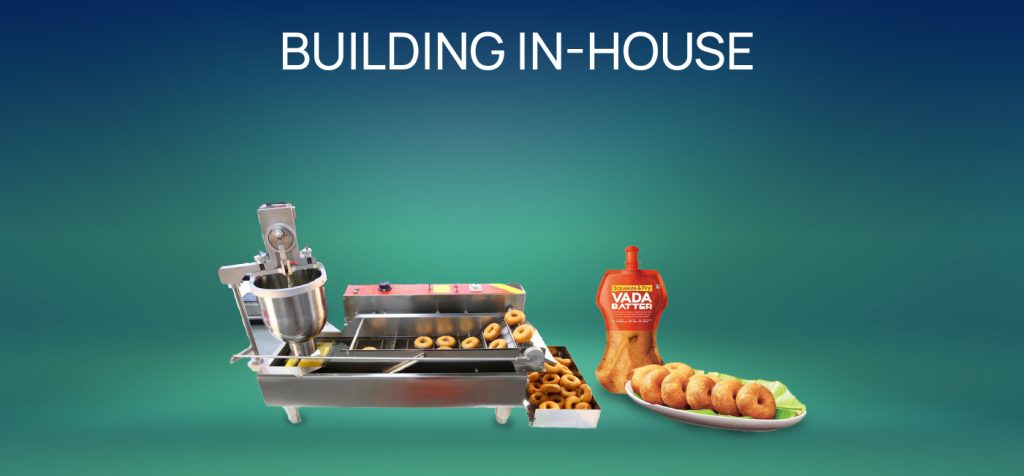
They didn’t buy machines off the shelf but Nazer took charge of designing custom machines.
When the existing machines from Coimbatore didn’t meet their stringent standards, they built their own unique, patent-pending machinery, like the innovative vada maker.

To Parothas
iD Fresh was spreading across geographies. In 2010, they tried to launch in Chennai. But they couldn’t compete with cheap, local batter options costing as little as ₹10. iD started losing money fast, had to shut the factory and pay salaries using rental deposits.
They went back to the drawing board and returned in 2012, not with batter, but with parottas. Slowly, they earned customer trust and brought the batter back.
It worked. This shaped their future strategy: presence from Kashmir to Kanyakumari.

the Fresh Way
After being bootstrapped for nearly 10 years, in 2014 they raised ₹35 crore from Helion Ventures. But by then, they were already clocking ₹50–60 crore in revenue.
In 2017, Premji Invest came in with $25 million. That capital was used to expand across five major cities—Bengaluru, Mumbai, Delhi, Kolkata, and even Ajman in the UAE.
But even with growth, their core remained the same: no preservatives, no shortcuts.
Beyond Batter
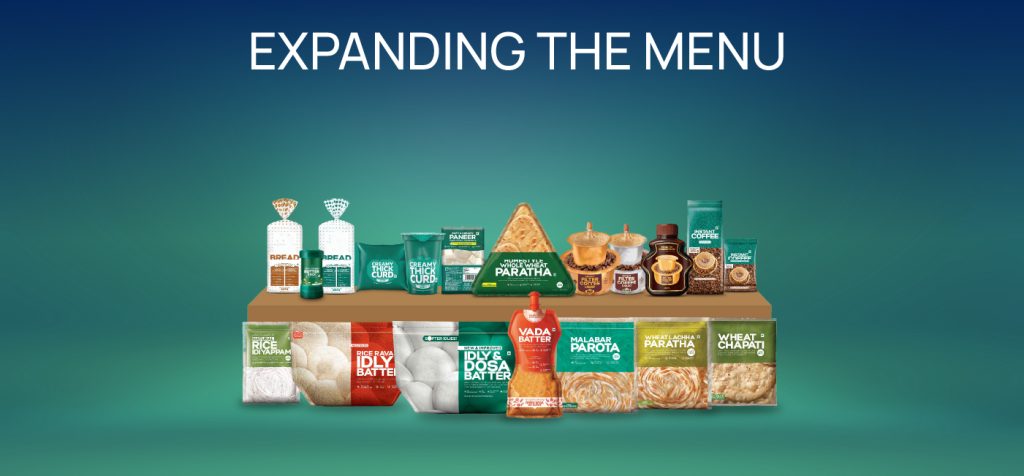
Today, iD is not just about idli-dosa batter. Their lineup includes parottas, paneer, ragi batter, vada batter, coffee decoction, chutneys, and even masalas.
Not every product hit the mark. Their coffee decoction didn’t take off, but their spices were premium and niche. And the guiding rule stayed: clean, fresh, and preservative-free.
Smarter Strategy
As the market grew, so did the competition.
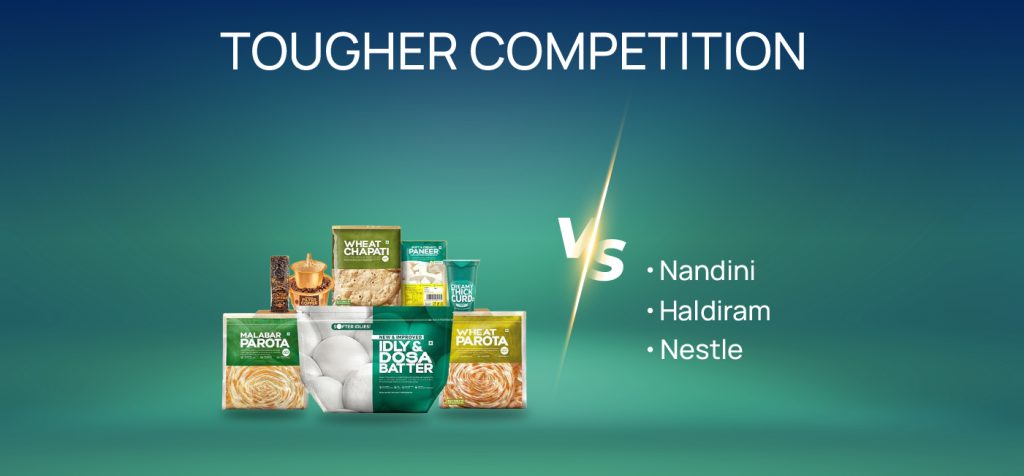
From regional giants like Nandini to national players like Haldiram and Nestle, big names entered the space. But iD stayed ahead—not by slashing prices, but by improving products and investing in R&D.
With a lower shelf life, iD’s products required cold chains, limiting their reach in Tier II & III towns. They also focused on better packaging, improved cold chains, and smarter delivery systems. It wasn’t easy, but they knew their audience valued trust and quality.
in Global Kitchens
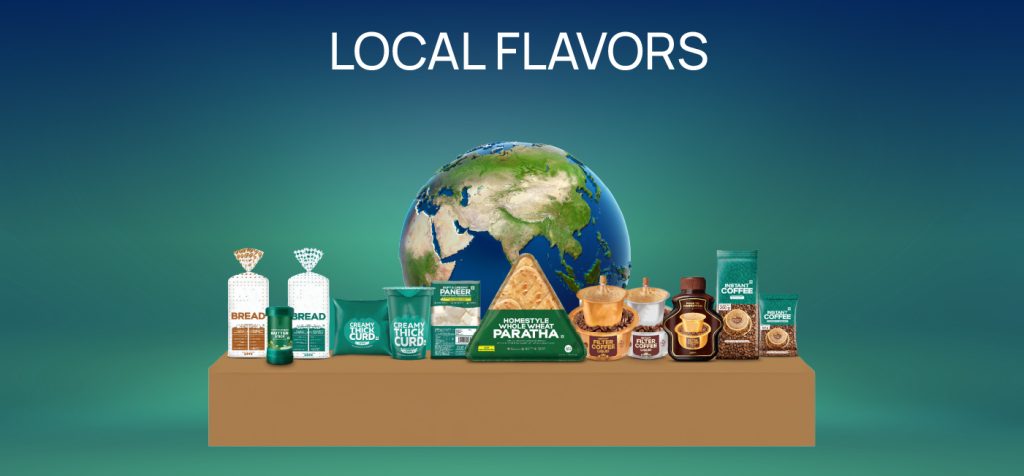
Today, iD Fresh operates in over 45 cities, including the UAE, US, and UK. Nearly a third of their revenue now comes from international markets.
Their reach? 55,000 kg of batter daily. Over 30,000 stores. ₹396 crore in FY24 revenue. In the cities they operate, they hold a commanding 75–80% market share.
From Wayanad to the world, iD has gone places—but the kitchen remains at the heart of everything they do.
Looks Super Exciting
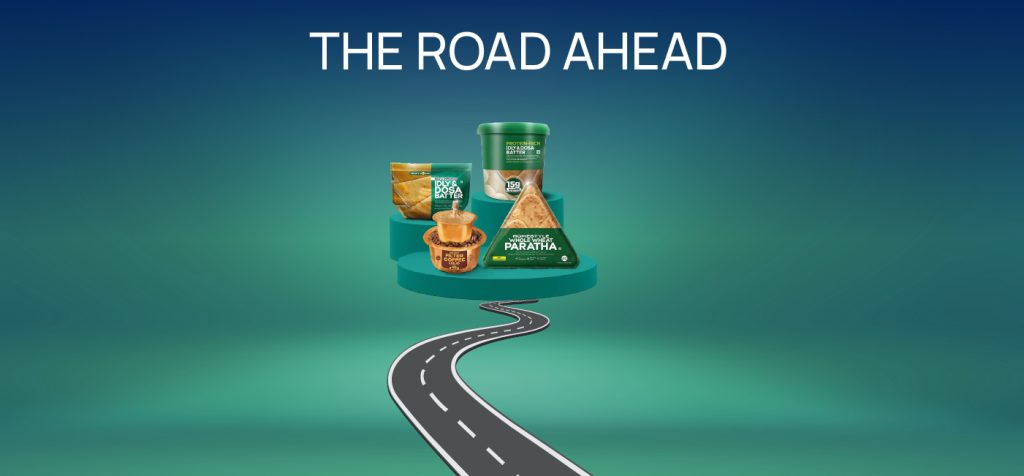
Three of their goals are clear: ₹1,000 crore in revenue, a stronger presence in North India, and a wider product mix that makes iD a trusted name in kitchens across the world.
Another vision they added to their board is to launch an IPO by 2027.
Their plan? Go deeper in existing cities and expand to new ones. Launch a new product every month while staying rooted in the ethos: fresh, real food, made with love.

A Legacy
Musthafa’s story is more than a startup tale. It’s about resilience, purpose, and rising at your own pace.
From a school dropout to the CEO of a ₹4,800 crore brand, his journey mirrors iD’s values—quiet confidence, consistent quality, and care in every batch.
Because some things, like the perfect idli, need time to rise.

Yash Vora is a financial writer with the Informed InvestoRR team at Equentis. He has followed the stock markets right from his early college days. So, Yash has a keen eye for the big market movers. His clear and crisp writeups offer sharp insights on market moving stocks, fund flows, economic data and IPOs. When not looking at stocks, Yash loves a game of table tennis or chess.