
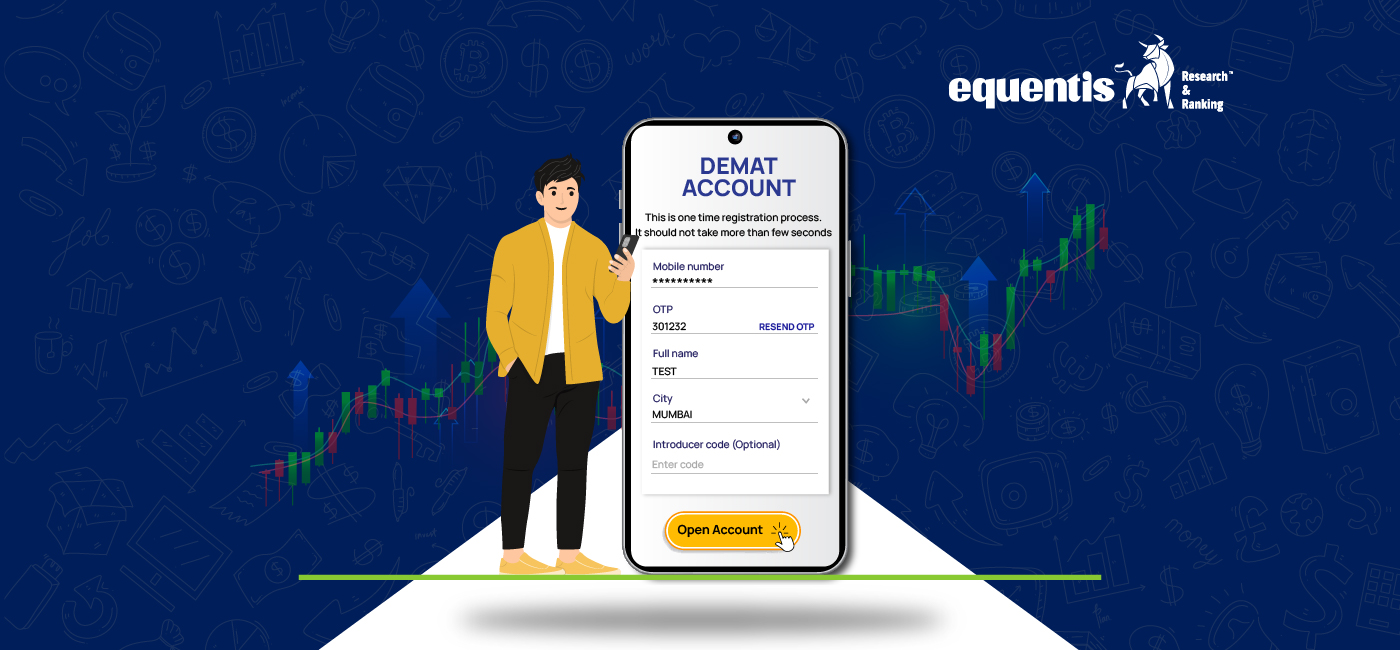

If you want to start investing in the stock market, the very first step is learning how to open a Demat account. A Demat (dematerialised) account allows you to hold shares and securities electronically, making trading seamless, fast, and secure. Whether you’re a beginner exploring how to invest in stocks or an experienced investor looking to streamline your portfolio, opening a Demat account is essential.
This comprehensive guide explains the process step-by-step, the documents required, how to choose the right broker, and how Demat accounts work — helping you begin your wealth-building journey with confidence.
What Is a Demat Account?
A Demat account is an electronic account where your shares, bonds, mutual funds, ETFs, and other securities are stored in digital form. Instead of receiving physical certificates, your assets are held safely with the depositories:
- NSDL (National Securities Depository Limited)
- CDSL (Central Depository Services Limited)
When you buy or sell shares through your trading account, the securities are credited or debited to your Demat account automatically.
Why You Need a Demat Account
Opening a Demat account is crucial for anyone who wants to learn how to invest in stocks. Some key benefits include:
- Safe electronic storage of securities
- Faster settlement of trades
- Reduced paperwork
- Lower risks of loss or forgery
- Easy tracking of your portfolio
- Hassle-free transfer and management of assets
Whether you are an active trader or a long-term investor, a Demat account simplifies the entire process.
How to Open Demat Account: Step-by-Step Guide
Here is a simple, clean, and beginner-friendly guide on how to open a Demat account:
1. Choose a Depository Participant (DP)
A DP is a broker or financial institution that provides Demat account services. Since you will use this platform daily, consider:
- Brokerage charges
- Account maintenance fees
- Trading platforms
- Research tools
- Customer support
- Reputation
Many brokerages offer powerful charting tools, AI-driven screeners, and even an asset comparison tool to help you evaluate stocks, mutual funds, and indexes before investing.
2. Fill Out the Online Account Opening Form
Nearly all brokers now offer an online process. You’ll be asked to fill in details like:
- PAN
- Aadhaar
- Address
- Bank information
- Income range
This process takes only a few minutes.
3. Verify Your Identity (KYC Process)
KYC is mandatory as per SEBI regulations. You’ll need:
- PAN card
- Aadhaar card
- Recent bank statement or passbook
- Passport-size photograph
- Digital signature or e-signature
Some brokers also perform a quick video KYC where you display your documents live on camera.
4. Complete In-Person Verification (If Required)
If your Aadhaar is not linked with your mobile number, some brokers may require a quick physical or video IPV. Most platforms complete this in under 2 minutes.
5. Sign the Agreement and Submit Documents
You’ll sign a standard agreement containing:
- Rights and duties of the investor
- Responsibilities of the DP
- Brokerage terms
Once submitted, your account typically gets activated within a few hours.
6. Get Your Login Credentials
After approval, you’ll receive:
- Demat account number
- Trading account details
- Login ID and password
You can now start investing through your broker’s platform.
Documents Required to Open a Demat Account
Here’s a quick list to make the process seamless:
- PAN card (mandatory)
- Aadhaar (linked with mobile)
- Proof of address (utility bill, Aadhaar, passport, etc.)
- Bank account details
- Income proof (for F&O trading only)
- Photographs (digital)
Things to Check Before Opening a Demat Account
To ensure a smooth experience, consider the following:
1. Charges and Brokerage
Compare account opening fees, maintenance charges, and brokerage costs.
2. Trading Platforms
Ensure the app/web platform is easy to use and equipped with tools like:
- Screeners
- Price alerts
- Charting tools
- An asset comparison tool
3. Support & Research
Platforms with research reports or tie-ups with investments advisory firms provide better guidance for long-term investors.
4. Additional Features
Look for features such as:
- Instant fund transfer
- API access for algo trading
- Integrated learning modules
- Easy portfolio tracking
How to Invest in Stocks After Opening a Demat Account
Once your Demat account is active, here’s how to begin your stock market journey:
Step 1: Fund Your Trading Account
Add money using UPI, net banking, or debit card.
Step 2: Research Stocks
Use broker tools, research reports, and fundamentals. A professional investments advisory can help beginners identify strong long-term stocks.
Step 3: Place Your Order
Choose from:
- Market order
- Limit order
- Stop-loss order
Step 4: Monitor Your Portfolio
Track performance regularly and adjust your holdings.
Learning how to invest in stocks becomes easier once you understand market basics and stay consistent.
How to Transfer Shares After Opening a Demat Account
If you want to move shares between Demat accounts, there are two ways:
1. Online Transfer (Easiest)
Use the CDSL Easiest or NSDL SPEED-e platform.
Steps:
- Register your Demat account
- Add the target Demat account as a beneficiary
- Select the shares you want to move
- Authenticate using OTP
- Transfer completes in 24–48 hours
2. Offline Transfer
Fill in a Delivery Instruction Slip (DIS) and submit it to your broker.
Learning how to transfer shares helps when:
- Changing brokers
- Consolidating family accounts
- Moving shares to a joint account
Benefits of Opening a Demat Account
1. Safety and Security
Your investments are stored digitally, reducing risk.
2. Convenience
Buy and sell from anywhere.
3. Quick Transactions
Settlements happen faster (T+1 in many cases).
4. Consolidated Portfolio View
View all your investments in one dashboard.
5. Easy Access to Market Tools
Research reports, screeners, and asset comparison tools enhance decision-making.
Why Beginners Should Consider an Investments Advisory
While a Demat account gives you market access, selecting the right stocks requires expertise. A registered investments advisory helps with:
- Stock selection
- Portfolio planning
- Risk management
- Market research
- Long-term investment strategies
This is especially important for beginners learning how to invest in stocks.
Final Thoughts
Opening a Demat account is the first and most important step toward building long-term wealth. Once you understand how to open a Demat account, you can easily begin investing, diversify your portfolio, and grow your wealth confidently.
Use the right broker, compare tools like an asset comparison tool, learn how to invest in stocks, and stay disciplined. If needed, take support from a professional investments advisory to build a strong and balanced portfolio.
Disclaimer Note: The securities quoted, if any, are for illustration only and are not recommendatory. This article is for education purposes only and shall not be considered as a recommendation or investment advice by Equentis – Research & Ranking. We will not be liable for any losses that may occur. Investments in the securities market are subject to market risks. Read all the related documents carefully before investing. Registration granted by SEBI, membership of BASL & certification from NISM in no way guarantee the performance of the intermediary or provide any assurance of returns to investors.
FAQs on How to Open a Demat Account
1. What is a Demat account and why is it important?
A Demat account is an electronic account used to hold shares and securities digitally. It is essential because it makes trading faster, safer, and more convenient by eliminating physical share certificates and reducing risks of loss or damage.
2. How to open a Demat account online?
To open a Demat account online, choose a broker, fill out an account-opening form, complete KYC verification, upload documents, e-sign the agreement, and wait for approval. The entire process typically takes less than 30 minutes.
3. What documents are required to open a Demat account?
You need a PAN card, Aadhaar card (linked with mobile number), proof of address, bank details, a recent photograph, and income proof if you want to trade in derivatives.
4. Do I need both a Demat and trading account?
Yes. A trading account is required to buy and sell securities, while a Demat account is used to hold them digitally. Most brokers offer both together as a 2-in-1 account.
5. Is PAN mandatory for opening a Demat account?
Yes, PAN is mandatory as per SEBI regulations. It is required for identity verification and tax compliance.
6. How much does it cost to open a Demat account?
The cost varies by broker. Many platforms offer zero account-opening charges, but you may still pay annual maintenance charges (AMC) and brokerage fees.
7. How long does it take to open a Demat account?
If your Aadhaar is linked to your mobile number, the process is completed instantly. Most accounts are activated within a few hours.
8. Can I open more than one Demat account?
Yes, you can open multiple Demat accounts with different brokers. However, using too many accounts can complicate portfolio management.
9. How do I choose the right broker for opening a Demat account?
Compare brokerage charges, trading app features, customer support, and research tools. Look for brokers offering screeners, an asset comparison tool, and easy-to-use dashboards for beginners learning how to invest in stocks.
10. Can a minor open a Demat account?
Yes, a minor can open a Demat account under the guardianship of a parent or legal guardian. Trading activities are restricted until the minor turns 18.
11. How to transfer shares from one Demat account to another?
You can transfer shares online using CDSL Easiest or NSDL SPEED-e, or offline using a Delivery Instruction Slip (DIS). Knowing how to transfer shares is useful when changing brokers or consolidating holdings.
12. Is a Demat account required for mutual funds?
No, it is optional. You can invest in mutual funds through platforms without a Demat account. However, having one helps you track all investments in one place.
13. Are Demat accounts safe?
Yes, Demat accounts are secure and regulated by SEBI. They are maintained by NSDL and CDSL, ensuring high safety standards and protection of investor assets.
14. Which is the best way for beginners to start investing after opening a Demat account?
Beginners should learn how to invest in stocks, use research tools provided by their broker, and consider guidance from a professional investments advisory to avoid common mistakes.
15. Can NRIs open a Demat account?
Yes, NRIs can open an NRI Demat account linked to an NRE or NRO bank account. Specific RBI guidelines apply to transactions.

Jaspreet Singh Arora is the Chief Investment Officer at Equentis, where he heads a seasoned team of equity analysts and turns two decades of market experience into portfolios that consistently beat the benchmark. A go-to voice on cement, building-materials, real-estate, and construction stocks, Jaspreet previously ran research desks at leading brokerages, honing an eye for the metrics that truly move share prices. His plain-spoken analysis helps investors cut through noise and act with conviction. When he’s not deep-diving into earnings calls, you’ll find him unwinding over sports, weekend cricket or a good history podcast.










