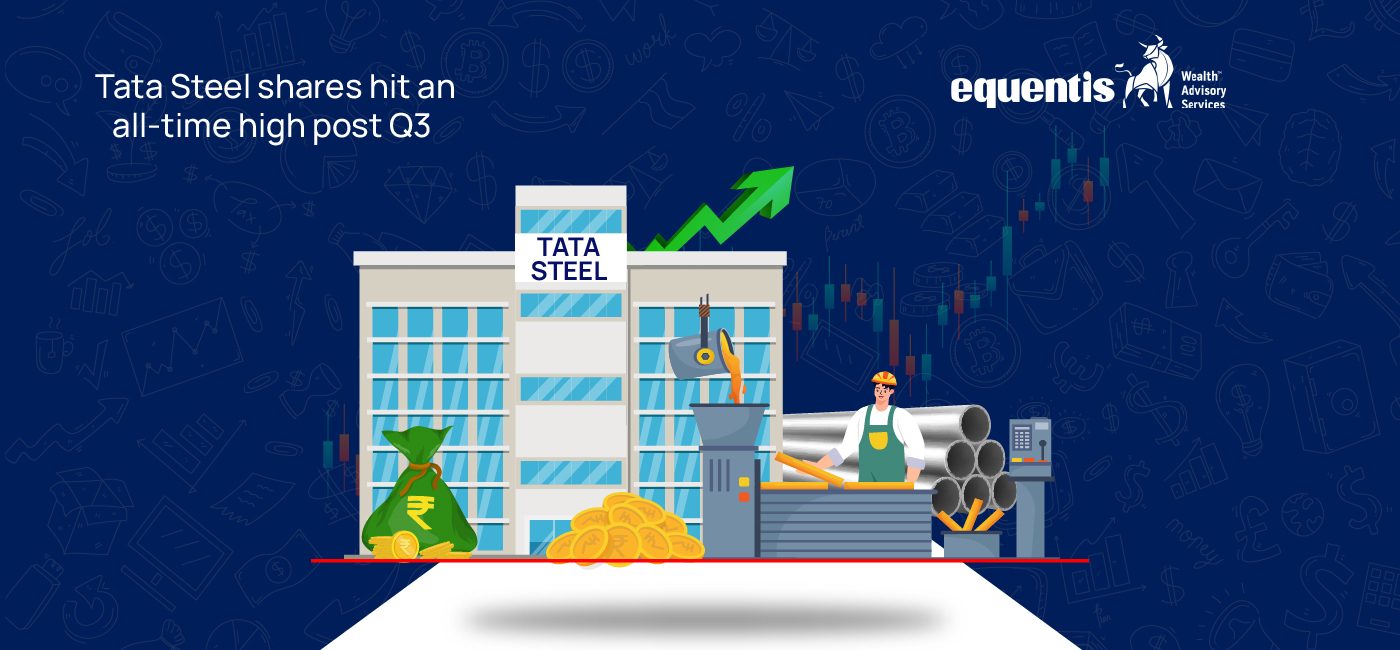

Introduction: Why Tata Steel’s Rally Is in Focus
Tata Steel shares moved to an all-time high after the company reported its Q3 results, with several brokerages raising their target price on the stock. The rally has caught the attention of both retail and institutional investors, especially at a time when global metal stocks have been dealing with fluctuating demand and volatile prices. For Indian markets, Tata Steel’s performance matters because it is not just a steel producer but also a key indicator of how the broader manufacturing and infrastructure cycle is shaping up.
The sharp move in the stock reflects growing confidence in the company’s earnings visibility, operational discipline, and balance sheet strength. However, it has also sparked a debate on whether the upside is still attractive from current levels.
Context and Background: Understanding Tata Steel’s Position
Tata Steel is one of India’s largest and most diversified steel producers, with operations spanning India, Europe, and other global markets. Over the past few years, the company has focused on reducing debt, improving cost efficiency, and strengthening its product mix. This effort came after a challenging phase marked by global demand slowdowns, high raw material costs, and pressure on margins.
The Indian steel sector has since benefited from strong domestic demand driven by infrastructure spending, housing, and industrial activity. At the same time, global steel prices have shown signs of stabilisation after a volatile period. Against this backdrop, Tata Steel’s Q3 performance has been seen as a signal that the company is navigating these cycles better than before.
Key Q3 Developments: What Drove the Stock Higher
Tata Steel’s Q3 results showed a noticeable improvement in profitability, supported by better margins and cost controls. Domestic operations continued to perform steadily, aided by healthy demand and relatively stable input costs. Improved realisations in the Indian business helped offset some of the pressures seen in overseas operations.
Another positive takeaway was progress on balance sheet management. Continued focus on deleveraging and disciplined capital allocation reassured investors about the company’s financial resilience. Lower debt levels reduce interest costs and provide flexibility during periods of industry volatility.
Brokerages responded positively to these developments. Several raised their target price, citing improving earnings visibility, stable domestic demand, and better-than-expected operational performance. This shift in analyst outlook played a key role in pushing Tata Steel shares to an all-time high.
Why Brokerages Remain Positive, Yet Cautious
While many brokerages raised their target price on Tata Steel, some also flagged that upside from current levels may be limited in the near term. This balanced view reflects the nature of the steel business, which is inherently cyclical.
Analysts acknowledged that near-term earnings appear stable, especially due to strong domestic operations. However, they also highlighted risks linked to global steel prices, demand conditions in Europe, and potential volatility in raw material costs. As a result, while long-term fundamentals look supportive, short-term returns may depend on how these external factors evolve.
This mixed but largely positive commentary explains why the stock rallied strongly while still facing selective profit booking at higher levels.
Implications for Investors: Reading the Signals Carefully
For investors, Tata Steel hitting an all-time high post Q3 sends an important signal about market confidence in the company’s execution and financial discipline. The rally suggests that the market is willing to reward consistency and balance sheet strength, even in a cyclical sector like metals.
However, investors should also be mindful of valuations. After a sharp run-up, returns may moderate unless earnings continue to surprise on the upside. Long-term investors may focus on Tata Steel’s ability to maintain margins, manage debt, and benefit from India’s infrastructure-led growth story.
Short-term investors, on the other hand, may need to track global cues more closely, as steel stocks tend to react quickly to changes in international prices and demand outlook.
Opportunities and Risks: A Practical Assessment
The opportunities for Tata Steel remain tied to strong domestic steel demand, driven by government-led infrastructure projects and private sector investment. A favourable demand-supply balance in India could help sustain realisations and volumes. Ongoing efficiency improvements and cost optimisation also provide support to margins.
On the risk side, global uncertainties cannot be ignored. Weakness in overseas markets, especially Europe, could impact consolidated performance. Fluctuations in raw material prices such as iron ore and coking coal may also affect profitability. Additionally, being a cyclical stock, Tata Steel is sensitive to broader economic slowdowns.
Investors should weigh these factors carefully rather than relying solely on recent price momentum.
Conclusion: A Strong Quarter, but Discipline Still Matters
Tata Steel’s move to an all-time high after its Q3 results highlights growing investor confidence in the company’s strategy and execution. Brokerages raising target prices reflects optimism around earnings stability and balance sheet strength, particularly in the domestic market.
At the same time, the cautious tone from some analysts serves as a reminder that steel remains a cyclical business. While the long-term outlook appears constructive, short-term movements may be influenced by global factors beyond the company’s control.
For investors, the key takeaway is to focus on fundamentals rather than just the headline rally. Tata Steel’s Q3 performance has strengthened its investment case, but sustained returns will depend on how well the company navigates industry cycles in the quarters ahead.
Disclaimer Note: The securities quoted, if any, are for illustration only and are not recommendatory. This article is for education purposes only and shall not be considered as a recommendation or investment advice by Equentis – Research & Ranking. We will not be liable for any losses that may occur. Investments in the securities market are subject to market risks. Read all the related documents carefully before investing. Registration granted by SEBI, membership of BASL & certification from NISM in no way guarantee the performance of the intermediary or provide any assurance of returns to investors.

Jaspreet Singh Arora is the Chief Investment Officer at Equentis, where he heads a seasoned team of equity analysts and turns two decades of market experience into portfolios that consistently beat the benchmark. A go-to voice on cement, building-materials, real-estate, and construction stocks, Jaspreet previously ran research desks at leading brokerages, honing an eye for the metrics that truly move share prices. His plain-spoken analysis helps investors cut through noise and act with conviction. When he’s not deep-diving into earnings calls, you’ll find him unwinding over sports, weekend cricket or a good history podcast.