

Introduction
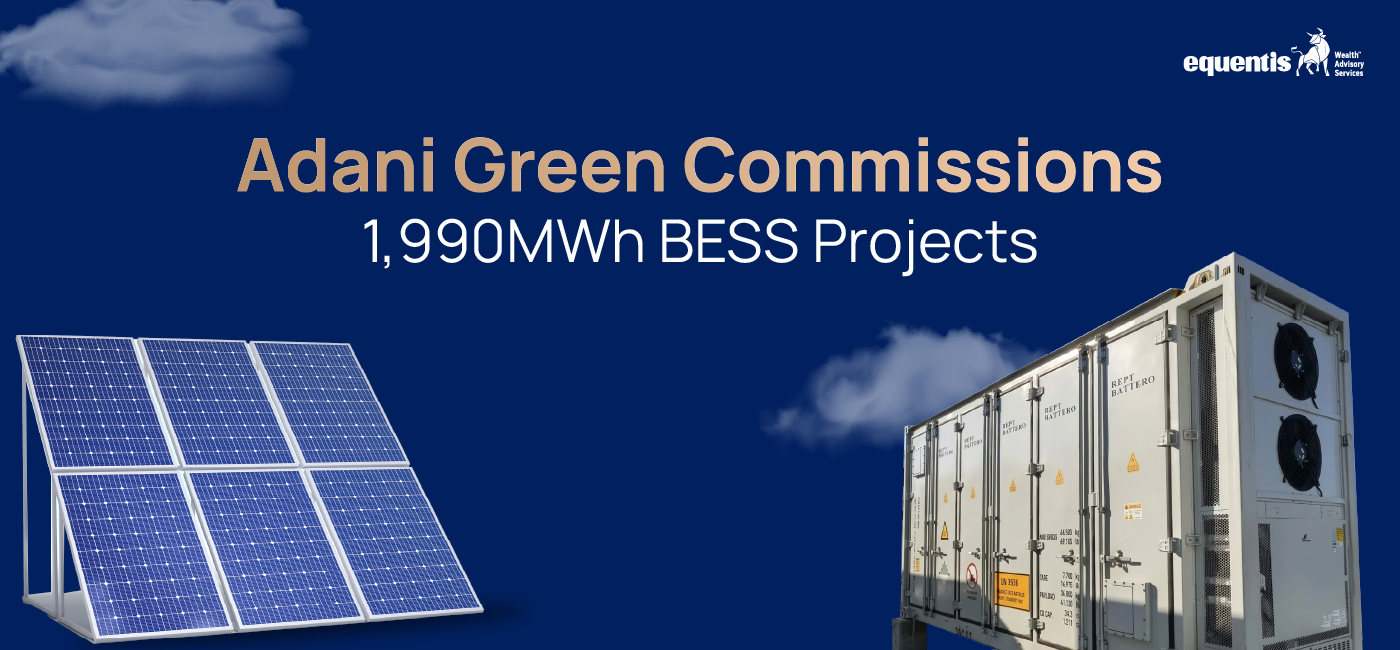
Adani Green Energy Limited has commissioned a 1,990MWh Battery Energy Storage System (BESS) project along with a 50MW solar power plant at Khavda in Gujarat, marking another major development in India’s renewable energy transition. The move comes at a time when energy storage is becoming increasingly important for balancing renewable power generation and ensuring grid stability. The project strengthens India’s clean energy infrastructure while also highlighting the growing role of hybrid renewable projects that combine solar generation with battery storage capabilities.
The latest development is significant because battery storage projects are becoming central to India’s energy strategy as the country pushes toward higher renewable energy adoption. Large scale storage systems help manage intermittency issues associated with solar and wind power while improving electricity availability during peak demand periods. The Khavda renewable energy zone is already emerging as one of the most ambitious clean energy projects globally, and this commissioning further boosts its importance in India’s renewable energy landscape.
Background and Context
India has been aggressively expanding its renewable energy capacity over the past decade. The government has set ambitious targets for solar and wind energy as part of its broader climate and energy security goals. Gujarat, especially the Khavda region in the Kutch district, has emerged as a major renewable energy hub because of its vast land availability and favorable climatic conditions.
Gujarat has consistently attracted renewable energy investments due to supportive policies, strong transmission infrastructure, and proactive industrial development initiatives. The Khavda renewable energy park is expected to become one of the world’s largest renewable energy installations once fully developed.
Battery Energy Storage Systems have also gained momentum globally as countries attempt to integrate higher levels of renewable power into national grids. Unlike traditional power generation, renewable sources such as solar and wind are weather dependent. This creates challenges in maintaining stable electricity supply throughout the day. Battery storage systems help address this issue by storing excess power generated during peak production hours and supplying it when demand rises or renewable output falls.
For India, large scale battery storage projects are particularly important because electricity demand patterns continue to evolve rapidly due to urbanization, industrial growth, and rising energy consumption.
Understanding the Khavda Renewable Energy Project
The newly commissioned 1,990MWh BESS project and the 50MW solar plant form part of Adani Green’s broader renewable energy expansion plans at Khavda. The project combines solar generation with advanced battery storage infrastructure to improve reliability and efficiency.
A Battery Energy Storage System works by storing electricity generated from renewable sources during periods of excess production. This stored energy can later be supplied to the grid during high demand periods or when renewable generation falls. Such systems are increasingly viewed as critical infrastructure for modern electricity networks.
The 50MW solar facility contributes clean electricity generation capacity while the storage component enhances dispatchability. This combination allows renewable power to become more dependable for utilities and consumers.
Khavda itself is strategically important because the region offers high solar irradiation and strong wind conditions. The government’s focus on creating integrated renewable energy parks has attracted major private sector investments into the area.
Why Battery Energy Storage Matters
Battery storage technology is rapidly becoming one of the most discussed segments within the global energy sector. As renewable energy penetration increases, storage solutions are necessary to ensure smooth power supply.
Traditionally, power grids relied heavily on coal, gas, or hydroelectric plants that could adjust output based on demand. Renewable energy sources do not operate in the same manner because solar generation depends on sunlight while wind generation depends on weather patterns.
This is where Battery Energy Storage Systems become valuable.
Key advantages include:
Improved Grid Stability
Battery storage systems can instantly release electricity into the grid when needed. This helps stabilize voltage and frequency fluctuations caused by variable renewable generation.
Peak Demand Management
Electricity demand often rises sharply during evening hours. Solar generation usually falls during this period. Storage systems allow solar energy generated earlier in the day to be supplied during evening demand peaks.
Reduced Dependence on Fossil Fuels
Storage infrastructure can reduce the need for backup thermal power plants, helping lower carbon emissions and fuel import dependence.
Better Renewable Energy Utilization
Excess renewable power that would otherwise go unused can be stored and utilized later, improving overall efficiency.
Economic Opportunities
The battery manufacturing and storage ecosystem also creates opportunities for domestic manufacturing, technology development, and job creation.
India’s Growing Focus on Energy Storage
India’s energy transition strategy increasingly includes energy storage as a major pillar. Policymakers have recognized that renewable energy targets cannot be achieved efficiently without adequate storage infrastructure.
The Indian government has introduced multiple policy initiatives to encourage battery manufacturing and storage deployment. These include production linked incentives, renewable integration programs, and storage focused tenders.
Several state utilities and renewable developers are now exploring hybrid projects that combine solar, wind, and battery storage systems. Industry experts believe storage deployment in India could accelerate sharply over the next decade as technology costs continue to decline.
The commissioning of large scale projects like the Khavda BESS system demonstrates how developers are preparing for the next phase of renewable energy growth.
Impact on Investors and the Renewable Energy Sector
The development is likely to strengthen investor attention toward renewable energy and storage related businesses in India. Companies involved in solar power, battery manufacturing, energy infrastructure, grid modernization, and clean technology may benefit from increasing sector investments.
For investors, the renewable energy sector represents both opportunities and evolving risks. Large infrastructure projects typically require substantial capital expenditure and long gestation periods. However, supportive policy frameworks and rising clean energy demand continue to attract institutional and long term investors.
The growing adoption of battery storage could also influence multiple industries, including:
- Battery manufacturing
- Lithium supply chains
- Grid infrastructure companies
- Renewable EPC firms
- Transmission equipment manufacturers
- Energy technology providers
India’s push toward clean energy is also being closely watched by global investors seeking exposure to emerging market sustainability themes.
Gujarat’s Role in India’s Renewable Push
Gujarat has established itself as one of India’s most important renewable energy states. The state has consistently attracted investments across solar, wind, green hydrogen, and transmission infrastructure projects.
Its strong industrial ecosystem, access to ports, and favorable renewable resources make it a strategic location for large scale clean energy developments.
The Khavda renewable energy region, in particular, has become a symbol of India’s ambitions to scale renewable capacity rapidly. Multiple companies are investing heavily in the region to build integrated energy projects.
The state government’s continued focus on infrastructure development and renewable policy support is expected to encourage further investment momentum.
Opportunities Emerging From Battery Storage Expansion
The expansion of Battery Energy Storage Systems opens several opportunities across the economy and energy value chain.
Manufacturing Growth
India may witness increased investments in battery cell manufacturing, component production, and recycling infrastructure.
Technology Development
Energy storage technologies continue to evolve rapidly. Companies focusing on battery efficiency, safety, and cost optimization could see rising demand.
Green Hydrogen Integration
Battery systems may complement future green hydrogen projects by improving renewable energy management.
Grid Modernization
Utilities may invest more heavily in smart grid systems capable of handling distributed renewable generation and storage networks.
Employment Generation
Large scale renewable infrastructure projects can create jobs across engineering, construction, operations, and maintenance segments.
Risks and Challenges
Despite the positive outlook, battery storage projects also face challenges.
High Initial Costs
Battery systems still involve significant upfront investment requirements, although technology costs are gradually declining.
Supply Chain Risks
Global battery supply chains remain dependent on minerals such as lithium, cobalt, and nickel. Price volatility and supply disruptions may impact project economics.
Technology Evolution
Rapid technological changes could create risks related to technology obsolescence or efficiency improvements.
Environmental Concerns
Battery disposal and recycling infrastructure need further development to manage long term environmental sustainability.
Policy and Regulatory Risks
Renewable energy projects often depend on regulatory clarity, transmission availability, and power purchase agreements.
Future Outlook
India’s renewable energy sector is expected to witness continued expansion over the coming years, with energy storage likely becoming an increasingly critical component of the ecosystem.
As solar and wind capacity additions accelerate, the need for reliable storage solutions will also rise. Falling battery prices, improving technology, and supportive government policies could further drive adoption.
The Khavda renewable energy developments may also encourage additional hybrid projects across other states. Industry participants are likely to focus more on integrated renewable solutions rather than standalone generation assets.
Global climate commitments, rising electricity demand, and energy security concerns are expected to keep clean energy investments at the center of long term infrastructure planning.
Conclusion
The commissioning of the 1,990MWh Battery Energy Storage System and 50MW solar plant at Khavda represents another important milestone in India’s renewable energy journey. The project reflects the growing importance of storage infrastructure in enabling large scale renewable integration and improving grid reliability.
For India, developments like these support broader energy transition goals while creating opportunities across manufacturing, infrastructure, and technology sectors. At the same time, challenges related to costs, supply chains, and policy execution will continue to shape the pace of adoption.
As the renewable energy ecosystem evolves, battery storage is likely to become one of the defining segments of the next phase of India’s clean energy expansion.
FAQs
1. What is the significance of Adani Green’s Khavda battery storage project?
The project highlights the growing importance of battery storage in supporting renewable energy integration and improving grid reliability in India.
2. What does BESS stand for?
BESS stands for Battery Energy Storage System, which stores electricity for later use.
3. Why are battery storage systems important for renewable energy?
They help manage intermittency issues associated with solar and wind power by storing excess energy and supplying it during high demand periods.
4. Where is the Khavda renewable energy project located?
The project is located in the Kutch district of Gujarat.
5. How does battery storage improve electricity supply?
Battery systems can quickly release stored electricity into the grid when renewable generation declines or demand rises.
6. What industries could benefit from India’s battery storage expansion?
Battery manufacturing, renewable infrastructure, transmission equipment, and energy technology sectors could benefit.
7. What are the major challenges for battery storage projects?
High costs, raw material supply risks, recycling challenges, and regulatory uncertainties remain key concerns.
8. Why is Gujarat becoming a renewable energy hub?
The state offers strong renewable resources, supportive policies, and robust infrastructure for large scale energy projects.
9. Can battery storage reduce dependence on coal power?
Yes, storage systems can reduce reliance on fossil fuel based backup generation by improving renewable energy utilization.
10. What is the future outlook for battery storage in India?
Industry experts expect strong growth in battery storage adoption as renewable energy capacity continues to expand across the country.
Disclaimer Note: The securities quoted, if any, are for illustration only and are not recommendatory. This article is for education purposes only and shall not be considered as a recommendation or investment advice by Equentis. We will not be liable for any losses that may occur. Investments in the securities market are subject to market risks. Read all the related documents carefully before investing. Registration granted by SEBI, membership of BASL & certification from NISM in no way guarantee the performance of the intermediary or provide any assurance of returns to investors.

Jaspreet Singh Arora is the Chief Investment Officer at Equentis, where he heads a seasoned team of equity analysts and turns two decades of market experience into portfolios that consistently beat the benchmark. A go-to voice on cement, building-materials, real-estate, and construction stocks, Jaspreet previously ran research desks at leading brokerages, honing an eye for the metrics that truly move share prices. His plain-spoken analysis helps investors cut through noise and act with conviction. When he’s not deep-diving into earnings calls, you’ll find him unwinding over sports, weekend cricket or a good history podcast.










