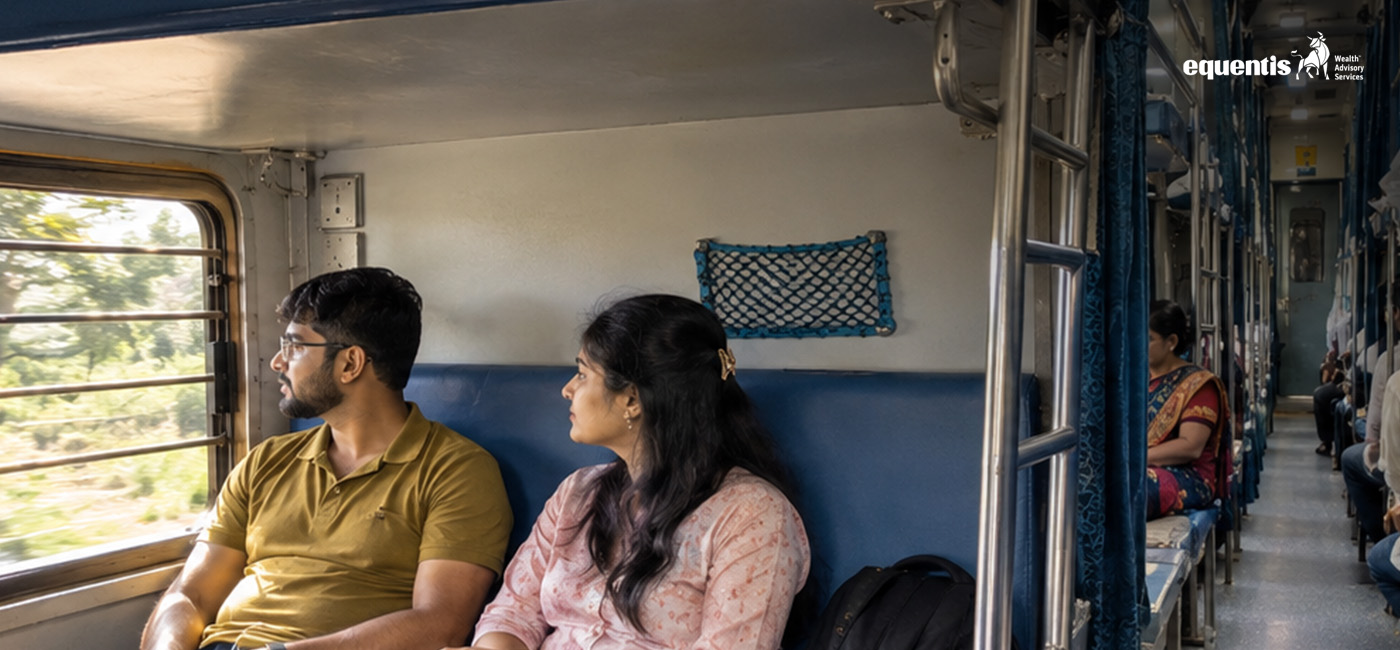

Indian Railways is reviewing its Reservation Against Cancellation (RAC) ticket system, with options including providing full berths to RAC passengers, charging reduced fares for shared accommodation, or introducing an alternative berth allocation mechanism. The review follows concerns over passengers paying the full ticket fare despite receiving only shared sleeping space. No final decision has been announced, and existing RAC ticket rules continue to apply. The Times of India+2
Introduction
RAC tickets have long helped Indian Railways accommodate more passengers on popular trains, particularly during holidays, festivals and peak travel seasons. However, the system has also raised questions about passenger comfort and whether the fare charged is appropriate when a traveller does not receive a full berth.
The Railway Board’s latest review could potentially reshape how passengers experience overnight journeys. Any change would have implications for ticket pricing, berth availability, railway operations and the booking experience for millions of travellers.
What Is the RAC Ticket System in Indian Railways?
RAC stands for Reservation Against Cancellation. It is a railway booking category that allows passengers to travel even when confirmed sleeping berths are unavailable at the time of booking.
Unlike a fully waitlisted passenger, an RAC ticket holder has reserved seating accommodation and is permitted to board the train.
How Does RAC Work Currently?
Under the existing arrangement, two RAC passengers may be allotted space on a single berth, effectively sharing the seating accommodation.
Both passengers pay the applicable ticket fare, but neither initially receives an individual full sleeping berth. If a confirmed passenger cancels their reservation or accommodation becomes available, an RAC passenger may receive an upgrade to a full berth.
RAC is therefore different from a confirmed ticket, which normally provides an individual berth in sleeping classes, and a waitlisted ticket, which does not initially provide reserved accommodation. India News – The Indian Express+1
Railway Board Reviews Possible RAC Ticket Rule Changes
The Railway Board is reportedly examining alternatives to the existing RAC arrangement, particularly the relationship between ticket fares and the accommodation provided.
According to reports published on November 13, 2026, the review includes several possible approaches. These are proposals under consideration rather than officially implemented changes. The Daily Jagran+1
1. Providing Full Berths to RAC Passengers
One option involves providing individual full berths instead of requiring two passengers to share sleeping accommodation.
This could improve comfort, particularly for passengers travelling overnight or covering long distances.
However, providing separate berths to every RAC passenger would require additional accommodation or a revised allocation system. Indian Railways would need to consider how this could work without reducing the number of passengers accommodated on busy trains.
2. Reduced Fare for Shared Berths
Another proposal involves charging a lower fare to passengers who continue travelling with shared accommodation rather than receiving a full berth.
This approach could address concerns about passengers paying the complete fare despite receiving less sleeping space.
A reduced-fare system would require clear rules regarding eligibility, the amount of reduction and when passengers qualify for a refund or adjustment.
3. Introducing an Alternative Upgrade Mechanism
The Railway Board may also consider changes to the way RAC passengers receive vacant berths.
A revised allocation mechanism could potentially improve transparency and passenger comfort while maintaining the ability to accommodate travellers when confirmed reservations are cancelled.
The details of any such mechanism have not yet been officially announced.
Why Is Indian Railways Reviewing the RAC System?
The debate around RAC tickets has gained attention because of passenger complaints about shared berths and the full fare charged for such accommodation.
A parliamentary Public Accounts Committee report presented in February 2026 also questioned the practice. The committee said charging full fare to RAC passengers who did not receive a full berth was not justified and recommended that the Railway Ministry develop a mechanism for partial fare refunds. The Indian Express+1
Passenger Comfort and Fair Pricing
Passenger comfort is a particularly important concern on long-distance trains. Sharing a berth can make overnight travel uncomfortable, especially when passengers have different sleeping schedules or are unfamiliar with each other.
The issue also raises questions about fairness. A passenger travelling for 12 or 15 hours may have a reserved seat but no individual sleeping space, despite paying the applicable fare.
The review could therefore be an attempt to balance affordability, accommodation availability and passenger expectations.
Impact of Potential RAC Ticket Changes on Passengers
Any modification to the RAC system could directly affect railway passengers across India.
What Could Change for Railway Travellers?
If reduced fares are introduced, passengers travelling with shared accommodation could potentially pay less than those receiving full berths.
If full berths become available to more RAC passengers, overnight travel could become more comfortable. However, this would depend on the number of berths available and how the railway manages reservations.
Passengers may also benefit from greater clarity regarding their booking status, upgrade eligibility and the accommodation they can expect during their journey.
Impact on Railway Operations
Indian Railways operates a large passenger network with considerable demand for reserved accommodation. RAC helps manage this demand by allowing passengers to travel with reserved seating even when full berths are unavailable.
A major change could require adjustments to reservation software, fare calculations, ticketing rules and the responsibilities of travelling ticket examiners.
The railway administration would also need to assess whether the changes affect train capacity, revenue and the availability of confirmed reservations.
Opportunities and Risks of Changing the RAC System
A revised RAC system could offer several potential benefits.
Possible benefits include:
- Fairer pricing for passengers who do not receive full sleeping accommodation.
- Better comfort during overnight journeys.
- Greater clarity regarding berth allocation.
- Reduced passenger dissatisfaction with shared accommodation.
- Improved transparency in railway reservation rules.
However, implementing these changes would involve challenges.
Providing full berths to more passengers could reduce the number of travellers accommodated unless additional capacity becomes available. Reduced fares could also affect railway revenue, depending on the pricing structure and passenger volumes.
Another important consideration is ensuring that the revised system remains practical during peak travel periods when demand frequently exceeds available accommodation.
The final policy would need to balance passenger welfare, operational efficiency and affordability.
What Should Passengers Know Before Booking RAC Tickets?
Until an official notification changes the rules, passengers should continue checking their booking status through the existing railway reservation system.
A few practical points are important:
- An RAC ticket permits travel, even if a full berth is not allotted.
- A full berth is not guaranteed unless the booking becomes confirmed or accommodation is subsequently allotted.
- RAC passengers may receive upgrades when berths become available.
- Passengers should check their PNR status before departure.
- Cancellation and refund rules depend on the ticket status and applicable railway regulations.
Passengers should avoid assuming that the proposed changes have already taken effect when booking their next journey.
Conclusion
The Railway Board’s review of the RAC ticket system could mark an important development in Indian railway passenger services. Options such as full berths, reduced fares and revised upgrade mechanisms aim to address concerns about shared accommodation and the full fare charged to RAC passengers.
However, these remain proposals under consideration rather than confirmed policy changes.
The final decision will determine whether Indian Railways changes its long-standing reservation arrangement and how passengers benefit from any revised system. Until then, travellers should continue following the existing RAC rules and monitor official railway announcements.
Frequently Asked Questions
1. Is the RAC ticket system changing in Indian Railways?
Indian Railways is reviewing the RAC ticket system, including possible changes to shared berths and fare structures. Options reportedly include full berths, reduced fares for shared accommodation and alternative upgrade mechanisms. However, no final decision has been announced. Passengers should continue following existing RAC rules until the Railway Board officially introduces any changes.
2. What is RAC in Indian Railways?
RAC stands for Reservation Against Cancellation. It allows passengers to travel with reserved seating accommodation even when confirmed sleeping berths are unavailable. Two RAC passengers may initially share a berth. If accommodation becomes available through cancellations or other circumstances, an RAC passenger may receive a full berth.
3. Why are RAC passengers charged full ticket fare?
Under the existing reservation system, RAC passengers pay the applicable fare despite initially receiving shared seating accommodation rather than an individual full berth. This arrangement has faced criticism from passengers and a parliamentary committee, which questioned whether full fare was justified when a full sleeping berth was not provided.
4. Will RAC passengers get full berths under the new proposal?
Providing full berths to RAC passengers is one of the options reportedly being examined by the Railway Board. However, it has not been implemented as an official rule. Whether this becomes possible will depend on the final policy, berth availability and operational arrangements introduced by Indian Railways.
5. Will Indian Railways reduce fares for RAC tickets?
Reduced fares for passengers travelling with shared accommodation are reportedly among the alternatives under consideration. Such a system could address concerns about paying the full fare without receiving a full berth. However, the railway authorities have not announced an approved reduced-fare structure or its implementation date.
6. Can an RAC ticket passenger travel on a train?
Yes. An RAC ticket allows the passenger to board and travel with reserved seating accommodation. Unlike a fully waitlisted ticket, RAC provides travel eligibility. However, an individual full sleeping berth is not guaranteed unless the ticket becomes confirmed or a berth is subsequently allotted.
7. Can an RAC ticket become confirmed before departure?
Yes. An RAC ticket can become confirmed if accommodation becomes available through cancellations or reservation adjustments. Passengers can check their PNR status to see whether their booking has moved from RAC to confirmed status. A confirmed ticket generally provides an individual berth in sleeping classes.
8. What did the parliamentary committee say about RAC ticket fares?
In February 2026, the Public Accounts Committee reportedly questioned charging full fare to RAC passengers who continued without receiving a full berth. It recommended that the Railway Ministry develop a mechanism for partial fare refunds for passengers denied full sleeping accommodation. This recommendation has contributed to the discussion around RAC reforms.
9. Will RAC ticket passengers receive refunds if they do not get full berths?
Currently, there is no automatic general refund simply because an RAC passenger travels without receiving an individual full berth. Refund eligibility depends on applicable railway cancellation and refund rules. A partial-fare refund mechanism has been recommended by a parliamentary committee, but a revised system has not yet been officially implemented.
10. When will new RAC ticket rules come into effect?
There is currently no confirmed implementation date for the proposed RAC ticket changes. The Railway Board is reviewing possible alternatives, but passengers should wait for an official announcement specifying the final rules, eligibility conditions and effective date before expecting changes to ticket fares or berth allocation.
Disclaimer Note: The securities quoted, if any, are for illustration only and are not recommendatory. This article is for education purposes only and shall not be considered as a recommendation or investment advice by Equentis . We will not be liable for any losses that may occur. Investments in the securities market are subject to market risks. Read all the related documents carefully before investing. Registration granted by SEBI, membership of BASL & certification from NISM in no way guarantee the performance of the intermediary or provide any assurance of returns to investors.

Jaspreet Singh Arora is the Chief Investment Officer at Equentis, where he heads a seasoned team of equity analysts and turns two decades of market experience into portfolios that consistently beat the benchmark. A go-to voice on cement, building-materials, real-estate, and construction stocks, Jaspreet previously ran research desks at leading brokerages, honing an eye for the metrics that truly move share prices. His plain-spoken analysis helps investors cut through noise and act with conviction. When he’s not deep-diving into earnings calls, you’ll find him unwinding over sports, weekend cricket or a good history podcast.