Author name: Archana Chettiar

I’m Archana R. Chettiar, an experienced content creator with
an affinity for writing on personal finance and other financial content. I
love to write on equity investing, retirement, managing money, and more.

Top 7 ETFs to Invest in for 2025
Investing

Top 7 ETFs to Invest in for 2025

If you’re looking for a smart way to invest in the stock market without picking individual stocks, an ETF to invest in could be your best bet. Exchange-traded funds (ETFs) are gaining popularity in India because they offer diversification, low costs, and ease of trading—just like stocks! But with so many options, how do you choose the right ETF to invest in? 
Doji Candlestick: What It Means for You & How Can It Help
Investing

Doji Candlestick: What It Means for You & How Can It Help

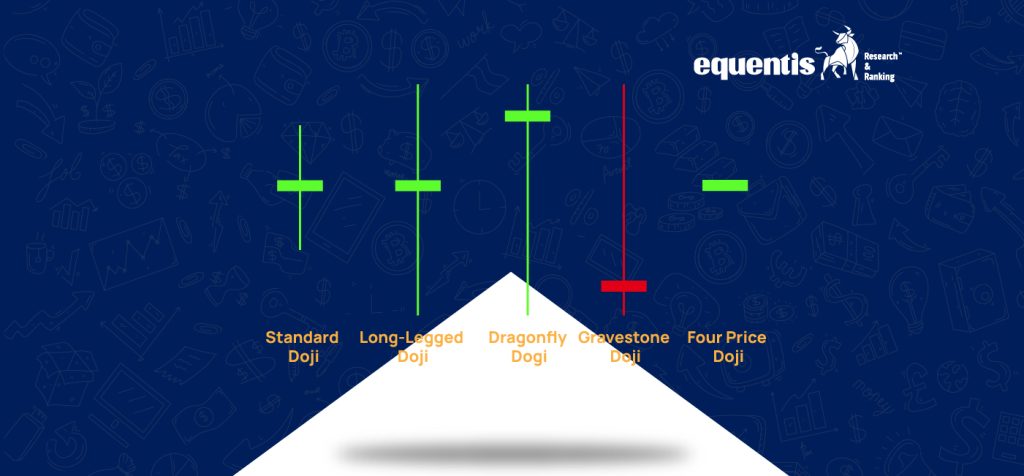
If you look at stock charts to decide when to buy or sell, you’ve probably heard about candlestick patterns. These patterns are like visual stories of price movements that can help traders and investors predict what may happen next. Among these patterns, the Doji candlestick Pattern is a key signal of market uncertainty.

Why Did Anil Ambani’s ADAG Stocks Surge Today?
News, Business

Why Did Anil Ambani’s ADAG Stocks Surge Today?

Stocks from the Anil Dhirubhai Ambani Group (ADAG) made a sharp upward move today, catching the attention of investors across Dalal Street. While benchmark indices like the Sensex and Nifty saw a pullback, Reliance Power jumped 11% intraday, Reliance Infrastructure surged 10% yesterday, and Reliance Capital climbed 2%, continuing a strong rally from earlier this week.

SIP vs RD
Investing

SIP vs RD: Which Investment Option is Better for Wealth Creation?

What is the first advice you often get when you plan to invest? Start small and stay consistent with saving a small portion every month. There are multiple strategies to match this disciplined style of investment, two of the common ones being SIP (Systematic Investment Plan) and RD (Recurring Deposits). Both options allow you to invest regularly, but their structures, risk levels, and return potentials differ significantly.