Business

This section offers content on business updates and new rules made by the government which could affect the running of a business.

Just as every plant needs water and sunlight to thrive, every business requires steady resources to flourish. Whether you are nurturing a budding startup, tending to an established enterprise, or cultivating a growing venture, financial resources are the vital nutrients that fuel its progress.

Maintaining a healthy cash flow is advantageous and essential for survival in the dynamic landscape of modern business. Yet, sustaining this flow can feel like a daunting task amidst the challenges of competition and economic fluctuations.

Fortunately, governments worldwide recognize businesses’ pivotal role in driving economic growth and innovation. In India, various government-backed loan schemes stand ready to support entrepreneurs and enterprises, empowering them to weather storms and seize opportunities.

Find out about some of the most impactful leading government-backed business loan programs that could help your business. 

Top Government Business Loan Schemes:

These schemes aim to provide financial support and encourage entrepreneurship across various sectors in the country. Here’s a detailed look at each scheme:

Scheme NameUnder this scheme, businesses can receive up to 15% subsidy on their investment in specific machinery. 
Pradhan Mantri Mudra Yojana (PMMY)This scheme provides loans up to Rs. 10 lakh to non-corporate, non-farm small/micro enterprises. 
Credit-Linked Capital Subsidy SchemeNSIC provides financial support through the Performance and Credit Rating Scheme to improve the competitiveness of MSMEs.
MSME Loan SchemeNSIC provides financial support through the Performance and Credit Rating Scheme to improve the competitiveness of MSMEs.
National Small Industries Corporation SubsidyNSIC provides financial support through Performance and Credit Rating Scheme to improve the competitiveness of MSMEs.
SIDBI LoanSIDBI primarily focuses on lending to Micro, Small, and Medium Enterprises (MSMEs) that require funds for their business operations.

Here’s an understanding of the business loans in detail:

Pradhan Mantri Mudra Yojana (PMMY)

Scheme Overview: The Prime Minister initiated the Pradhan Mantri Mudra Yojana (PMMY) on April 8, 2015. These loans fall under the MUDRA (Micro Units Development and Refinance Agency Limited) category within PMMY.

Benefits:

  • Facilitates the growth of MSMEs (Micro, Small & Medium Enterprises) by providing accessible financing.
  • Enables entrepreneurship by offering financial support to micro-units.

Requirements for using the scheme:

  • Borrowers must be small or micro-enterprises outside the corporate and farming sectors.
  • Loans can be accessed through Commercial Banks, Small Finance Banks, MFIs, or NBFCs.
  • Applicants can also utilize the UdyamiMitra portal for online applications.

Schemes under PMMY:

  • Shishu: Offers loans up to Rs. 50,000 for budding enterprises.
  • Kishor: Extends loans above Rs. 50,000 to Rs. 5 lakhs for growing businesses.
  • Tarun: Provides loans exceeding Rs. 5 lakhs up to Rs. 10 lakhs for established micro-units.

Credit-Linked Capital Subsidy Scheme (CLCSS)

Scheme Overview: The Credit-Linked Capital Subsidy Scheme (CLCSS) offers a government-backed financial boost to businesses seeking to advance technologically in various sectors, such as marketing, supply chain management, and manufacturing. 

Eligible Entities: Partnership firms, private or public limited companies, sole proprietorships, and cooperatives are eligible to access loans under this scheme.

Benefits of CLCSS:

  • Upfront Capital Subsidy: A 15% subsidy is provided on additional investment, up to Rs.1 crore, to aid in integrating state-of-the-art technology.
  • Encouragement of Technology Upgradation: The scheme encourages technology upgradation by offering upfront capital subsidies to MSMEs, fostering innovation and competitiveness.
  • Enhanced Competitiveness: CLCSS drives growth and efficiency within specified sectors or products by facilitating access to advanced technologies.

Requirements for Using CLCSS:

  • Access Points: Entities can approach 12 designated banks or agencies, including SIDBI, NABARD, and SBI.
  • Exclusions: Units merely replacing existing equipment or opting for used machinery do not qualify for this subsidy.
  • Subsidy Cap: Rs.15 lakh subsidy cap.

Impact of CLCSS: CLCSS’s assistance aims to empower businesses to embrace advanced technologies, thereby driving growth and efficiency in the industry.

MSME Loan Scheme in 59 Minutes

Aim: The MSME Loan Scheme aims to efficiently meet the working capital requirements of Micro, Small, and Medium Enterprises (MSMEs). What sets it apart is its remarkable processing speed, which takes just 59 minutes for approval or disapproval.

Beneficiaries: Both existing and new enterprises.

Requirements for Using the Scheme:

  • Eligibility: Entities must qualify as Micro, Small, or Medium Enterprises per the government’s classification.
  • Documentation: Complete and accurate documentation regarding business operations, financial statements, and other relevant information.
  • Creditworthiness: Demonstrating the ability to repay the loan within the specified timeframe.
  • Compliance: Adherence to all regulatory requirements and guidelines set forth by the lending institution and government authorities.

Benefits of the Scheme:

  • Speed: Rapid processing ensures quick access to funds, enabling timely execution of business plans and operations.
  • Accessibility: The scheme is available to existing and new enterprises, promoting inclusivity and growth across the MSME sector.
  • Attractive Interest Rates: Competitive interest rates, such as the 8% rate mentioned, make the scheme financially feasible for borrowers.
  • Special Provisions: Earmarked reservations for specific groups, such as the 3% allocation for women entrepreneurs, promote diversity and inclusivity within the MSME sector.
  • Support for Economic Growth: By providing timely access to capital, the scheme fuels innovation, creates employment opportunities, and contributes to overall economic development.

National Small Industries Corporation (NSIC)

Objective: The National Small Industries Corporation is a government initiative that supports small-scale entrepreneurs in areas such as technology, marketing, and finance. It is regarded as one of the most beneficial government schemes for business owners.

NSIC offers two primary schemes: the Marketing Support Scheme and credit support scheme

Marketing Support Scheme:

Benefits:

  • Access to consortia schemes facilitates collective marketing efforts, reducing individual marketing costs.
  • Tender marketing assistance increases visibility and accessibility to government procurement opportunities.
  • Enhanced market reach through promotional activities aids in expanding business horizons.

Requirements:

  • Eligible businesses must fulfill the NSIC’s criteria for participation in consortia schemes.
  • Compliance with tendering procedures and regulations for accessing tender marketing assistance.
  • Adherence to NSIC guidelines for promotional activities to avail maximum benefits.

Credit Support Scheme: 

Benefits:

  • Financial assistance enables entrepreneurs to procure raw materials, ensuring uninterrupted production processes.
  • Access to financing options supports business expansion and growth initiatives.
  • Marketing assistance aids in penetrating new markets and increasing sales revenue.

Requirements:

  • Eligible businesses must meet NSIC’s criteria for availing financial assistance.
  • Submission of necessary documents and business plans for evaluation and approval.
  • Compliance with NSIC’s guidelines regarding the utilization of funds for approved purposes.

SIDBI Loan

SIDBI Loan schemes offer crucial financial support to MSMEs, facilitating their growth and sustainability in the competitive business landscape. Here’s a breakdown of the benefits and requirements of the SIDBI Make In India Loan For Enterprises (SMILE) scheme:

Benefits:

  • Flexible Financing: SIDBI combines soft and term loans, allowing MSMEs to manage their financial obligations effectively.
  • Support for Growth Initiatives: The scheme aids in implementing growth strategies such as expansion, modernization, and technological upgrades, fostering innovation and competitiveness.
  • Favorable Terms: SMILE offers loans on favorable terms, including extended repayment periods of up to 10 years, easing the burden of repayment for MSMEs.
  • No Collateral Requirement: Loans of up to Rs 1 crore are available without collateral, reducing the barriers to accessing funds for smaller businesses.
  • Alignment with Government Initiatives: By supporting the ‘Make in India’ initiative, SMILE contributes to the national goal of promoting indigenous manufacturing and economic self-reliance.

Requirements:

Eligible Entities:

  • New enterprises in manufacturing and services.
  • Existing businesses seeking growth opportunities, modernization, or technological upgrades.

Loan Range: Rs 10 lakhs to 25 crores.

Repayment Period: Up to 10 years.

Priority Focus: Smaller MSMEs are given priority under this scheme.

Purpose of Loan:

  • Establishing new businesses.
  • Expanding existing operations.
  • Modernization and technological upgrades.

Debt-Equity Ratio: Loans are structured to help meet debt-equity ratios effectively.

Collateral Requirement: Loans up to Rs 1 crore are available without collateral, providing flexibility and accessibility to smaller businesses.

In conclusion, India’s top government business loan schemes are crucial in supporting entrepreneurship. These schemes help businesses grow and contribute to the economy by providing financial assistance and incentives.

FAQs

  1. What are the primary benefits of government business loan schemes in India?

    Government business loan schemes in India offer various benefits, including competitive interest rates, flexible repayment terms, and, in some cases, collateral-free loans, making them highly accessible to entrepreneurs and small business owners.

  2. How can I apply for government business loan schemes in India?

    Interested individuals can apply for government business loan schemes through designated banks and financial institutions participating in the respective schemes. 

  3. Are government business loan schemes only for new businesses, or can existing businesses also apply?

     Government business loan schemes cater to both new ventures and existing businesses looking to expand or upgrade their operations. However, eligibility criteria may differ based on the scheme and the nature of the business.

In an increasingly interconnected world, the ability to quickly and cheaply transfer money across borders is more than a convenience; it’s a necessity. 

Whether you are a student studying abroad, a family helping loved ones back home, or you run a company handling international transactions, the stakes are high, and every penny counts. 

This article will help you navigate the maze of exchange rates, transfer fees, and hidden charges. We will explore the complexities of cross-border money transfers and discuss the challenges and how to overcome them.

So, let’s get started.

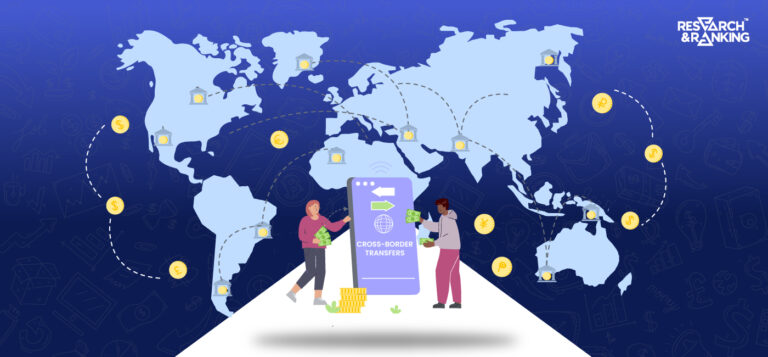
What Are Cross-Border Remittances?

International money transfers or remittances are money people working away from their home country send back to their families. It’s a simple idea but has a big impact, especially in India.

ol9 6we5APM g bru QiN2e9M UOBFc3VT3MTnCLRJe4fJi7rFeV5KT3zIeJtQsucPShDCCQ lSQ
Source: Chart: The World’s Top Remittance Recipients | Statista

According to the World Bank, India’s inward remittances grew 12.3% to $125 billion in 2023. India remains the top recipient of remittances globally, followed by Mexico ($67 billion) and China ($50 billion). People from India who live and work in other countries send money back home, which benefits India’s economy. 

Importance of Remittance on the Global Economy

Money transfers back home significantly impact companies with international business and Indian students studying abroad. 

Remittances can help companies grow globally. For example, a business in India dealing with clients overseas can benefit from efficient remittance systems. They can reduce transaction times, ensure timely payments, and improve cash flow, which is crucial for maintaining a healthy business and expanding to new markets.

They are essential for Indian students studying in foreign countries. They help cover living expenses, tuition fees, and other costs. However, recent changes in tax laws mean that any money sent abroad for purposes other than education or health will face a higher tax rate. This can make it more expensive for families to support their children studying overseas.

Companies and students rely on remittances to effectively manage their finances across borders. It’s a vital part of the global economy that connects businesses, families, and students worldwide.

How is Cross-Border Remittance Cost Calculated?

The fees for cross-border payments can fluctuate based on factors such as the transaction amount, payment method, transfer destination, and prevailing exchange rates. Typically, these charges fall within 0.3% to 20% of the transaction amount.

  • Transfer Amount: The size of the remittance can affect the cost, with some services charging a percentage of the total amount.
  • Service Fees: Fixed fees may be applied by the service provider for processing the transaction.
  • Exchange Rate Margin: The difference between the market exchange rate and the rate offered to customers.
  • Payment Method: Costs may vary depending on the remittance mode- whether through the bank, digital money transfer services or platforms, or cash transfers.
  • Urgency: Expedited transfers can incur additional charges.

For example, according to the World Bank, the global average cost of sending $200 from one country to another was about $12.50 in early 2023, which is approximately 6.25%. In India, the average cost of cross-border remittance is about 6.2% of the transaction’s value. 

To reduce the expenses associated with remittances globally, comparing different service providers to find the most cost-effective option for your needs is always a good idea.

The challenges associated with Cross-border Transfers

  • Multiple Intermediaries: Money passes through several banks and services, and multiple checks for ensuring  Know Your Customer/Anti Money Laundering guidelines potentially taking a fee.
  • Currency Conversion: Fluctuating exchange rates can reduce the value of the money being sent.
  • Lack of Standard Regulations: Each country has its systems and regulatory authorities to protect consumers and their data, prevent fraud, and curb illegal activities related to cross-border payments. Complying with international laws and regulations can be complex and costly.
  • Speed: While several countries, such as Singapore, Mexico, the UK, and Australia, have successfully implemented real-time cross-border payment systems, many developing countries, like India, still encounter delays.
  • Message Formats- Cross-border retail payments rely heavily on the SWIFT MT103 messaging format, which is reliable but has limitations in carrying detailed information. 

The key challenge lies in interoperability. Faster payments reduce transaction time, but translation becomes necessary without compatible systems and messages. This process is time-consuming and raises the risk of errors.

India proposes Reducing the cost of cross-border Transfers

During the 13th WTO ministerial conference in Abu Dhabi, India suggested a work plan to reduce the costs of sending money to other countries. 

The proposal emphasizes making these transfers faster, cheaper, and more transparent for Least Developed Countries (LDCs) and developing nations. Also boosting international trade.

Why It Matters:

Big Savings: Sending money internationally currently costs quite a bit. India’s idea is to bring these costs down, which could save people a lot of money.

Supporting Families: Many people in India work in different countries and send money back home. Lower costs mean more money for their families.

Aligning With UN SDG Global Targets: India reaffirms its commitment to the UN SDG Goal of reducing transaction costs of remittances to less than 3% and eliminating remittance corridors with costs higher than 5% by 2030. 

Digital Push: India also encourages digital systems for these money transfers because they’re usually cheaper than traditional methods.

India’s move at the WTO is a big deal because it could help not just Indians, but people worldwide who need to send money to their loved ones. It’s about making life a little easier for everyone.

Tips and solutions for cross-border transfers

Compare Providers: Like shopping, compare different services to find the best rates and lowest fees.

Use Digital Platforms: Online services often have lower fees than traditional banks.

Plan Ahead: Avoid rush fees by sending money ahead of time when you can.

Send Larger Amounts Less Often: Fewer, larger transactions can reduce costs compared to many small ones.

Stay Informed on Exchange Rates: Knowing the best time to send money can save you a lot on conversion rates.

How Does Reduction in Cross-Border Transfers Impact Our Lives?

India’s initiative to reduce cross-border transfer costs is a game-changer, especially for individuals and businesses involved in international transactions. Here’s how it could impact our lives:

More Money Home: For the millions of Indians working abroad, lower transfer costs mean more of their hard-earned money can reach their families back home.

Boost to Economy: Remittances are a significant part of India’s GDP, and reduced costs could increase the total remittances received, giving the economy a healthy boost.

Encourages Formal Channels: By making formal channels cheaper, people are less likely to use informal, unregulated methods to send money, which are often riskier.

Supports Students Abroad: Indian students studying overseas will benefit from lower costs when receiving money for tuition or living expenses.

Business Growth: Indian businesses with international dealings can save on transaction costs, making them more competitive globally.

Digital Advancement: The push for digital solutions like UPI in cross-border payments could simplify transactions, making them faster and more user-friendly.

Overall, this initiative aims to make cross-border money transfers more accessible and affordable, positively affecting the lives of many by enhancing financial inclusion and supporting economic development.

The Bottom Line

At the WTO conference, India focused on cost-effective cross-border remittances promoting sustainable development worldwide. Achieving this goal is crucial for reducing inequality within and among countries, which aligns with the WTO’s development agenda.

Saving money on remittances is crucial for maximizing the value of cross-border transfers. Adopting digital solutions and standardized information sharing across borders can significantly expedite payment processing.

By researching the best transfer rates, avoiding high fees, and choosing the right time to send money, individuals can ensure their hard-earned money goes further. 

  1. What impact do currency fluctuations have on cross-border transactions? 

    Currency fluctuations can significantly affect the final amount received in a cross-border transaction, making it crucial for businesses to monitor exchange rates closely.

  2. What impact do cross-border transfers have on the global economy?

    Cross-border payments are essential for global trade, supporting economic growth by enabling the flow of capital and goods across international borders.

  3. What are the key benefits of using cross-border payments for businesses? 

    Cross-border payments enable businesses to tap into international markets, offering a broader customer base and opportunities for growth.

  4. How do recent WTO discussions impact remittance costs for individuals? 

    The WTO has supported India’s proposal to reduce remittance costs, which could lead to cheaper, faster, and more accessible cross-border payments, benefiting individuals and businesses.

  5. What role does the Reserve Bank of India play in regulating remittances? 

    The RBI regulates foreign exchange and remittances, ensuring the secure and legal transfer of funds and maintaining the rupee’s value in the global economy.

We are now Equentis!

You read it right: Research & Ranking is rebranding itself as Equentis – Research & Ranking.

We’re excited to share our fresh new look with you! Our rebranding reflects who we are and what we stand for, moving us towards democratizing wealth creation for all. Beginning on March 26th, ’24, the new branding will appear on the company’s advertising, website, social channels, and branch offices. 

Logo Equentis Research Ranking 1 1

As our Founder and MD, Manish Goel, says, “We’ve been thinking about taking this bold step to rebrand ourselves for a long time. This change is very close to our hearts and minds. It is one of the many things we are doing as a part of our roadmap for accelerated growth. We believe our efforts to transform while embracing our incredible heritage will keep us relevant for generations.”

Our CMO, Alok Arya, says, “Bringing the mother brand, Equentis, which stands for Equal Existence, to the fore will help to create a cohesive narrative that flows effortlessly from the House of Equentis, ensuring consistency in messaging, design, and overall brand experience. We’ve come a long way since we began in 2009 and are thrilled to embrace new opportunities and challenges. Our values and mission have always been at the heart of everything we do!”

Of course, we understand you will have several questions. If you are wondering about the reasons for change, why now, and what’s changing, you are at the right place to know the answers you seek.

Why Did We Decide to Rebrand?

Financial success is vital to all of us, and we understand the importance of staying current with the ever-changing economic landscape. Research & Ranking, a known player in the Indian financial world, has evolved along with the market to serve you better. As part of our mission to help over a million families prosper, we are excited to announce the launch of our new and improved brand.

Over the past two years, the business has seen remarkable expansion, venturing into new territories with the addition of Private Wealth and Informed InvestoRR, catering to thousands of customers. With a vision to carve a niche and be recognized as a distinct category creator, Equentis decided it was time for a revamp.

The plan is to bring Equentis, our mother brand, to the forefront. We want to ensure that the story and message flow seamlessly throughout the House of Equentis so everyone can enjoy a consistent and enjoyable brand experience. As always, the brand’s primary goal is to help all Indians create wealth through equities, no matter where they come from.

Why The New Logo? What Is The Story Behind It?

Before we get to the formal reasons for the logo change, here is an interesting tidbit. Whenever we introduced the brand Research & Ranking to someone, the first thought that popped into their mind was – Is it a research company?

No, we are not a research company but a stock advisory company, which has always been our reply. So, when we decided to revamp, the change in logo was central to the plan. Now, with the new logo, explaining what we do will become a breeze.

The unveiling of Equentis’ new logo marks a significant milestone in our journey. Our new logo incorporates the mother brand Equentis, which stands for Equal Existence. The bull symbolizes the stock market, with Research & Ranking signifying the service/product descriptor. The logo highlights our commitment to equality internally and externally while maintaining our parent brand’s reputation. The mighty bull symbolizes equity investment, takes center stage, and represents our specialization in Equity Advisory.

Why Did We Choose The Bull As Our Symbol?

The obvious answer is what you are thinking. Yes, the Bull symbolizes the bull in the stock market. That makes explaining what we do in the investment space easy. But if you are wondering why the bull is looking up and is focused on Equentis. Have you ever seen the Bull? You will find his head down, horns forward. When the bull wants to dominate, it lowers its head to display its horns.  

bull inspiration 01

However, the bull in our logo stands tall with keen eyes focused on Equentis. The focus symbolizes the Sherpa, who rightly shepherds investors from all walks of life to their financial goals.

just the bull 01

So, are you ready for the Sherpa to guide you?

Why Is The Logo In Lowercase?

Logo equentis 01

Equentis’ choice of a lowercase font in the branding reflects our values. We believe in being humble, authentic, helpful, reassuring, and credible, and this typography plays a crucial role in reinforcing our identity as a modern fintech player that combines tradition with innovation. The sleek and contemporary design of the logo embodies our ethos of being forward-thinking yet grounded in expertise.

What Does The New Identity Convey?

The new identity positions Equentis as a trusted Sherpa in the financial landscape, guiding clients through the complexities of wealth creation with expertise and care. Think of Equentis as your nurturing force of nature, using its experience and insights to help you achieve financial prosperity.

We take a practical and objective approach to navigate the market precisely, helping you avoid potential pitfalls and achieve your wealth creation goals. With data-driven wisdom, we empower you to make informed decisions, ensuring a seamless journey toward financial success.

Why Did We Choose These Two Colors?

image 15

The choice of blue and gold for Equentis’ new identity is deliberate and symbolic. Blue, synonymous with trust and reliability, reflects Equentis’ commitment to transparency and integrity. Conversely, Gold represents wealth and prosperity, aligning with Equentis’ mission to help clients unlock their financial potential.

Why Did We Change Our Tagline? What Does It Convey?

Equentis recognized the need for clarity and simplicity in equity investing in a world driven by emotions and information overload.

1794 23 Equentis Logo Design Formats Logo 2

The new tagline, “Making equity easy,” encapsulates Equentis’ commitment to cutting through the clutter and providing clients with clear, actionable insights. Equentis empowers clients to navigate the market confidently and easily by alleviating the fear and greed often associated with equity investment.

What Does This Change Mean to Your Subscription?

image 14

The product remains the same for now. Your login details and the benefits of every solution we offer remain the same. Remember, the logo, tagline, and identity may have changed, but our commitment to your progress is steadfast.

Introduction

Non-Banking Financial Companies (NBFCs) play a crucial role in India’s financial ecosystem, offering various financial services similar to traditional banks but with certain limitations. In 2024, NBFCs continue to thrive, attracting investors seeking diverse investment avenues. Before diving into this lucrative sector, it’s imperative to understand the intricacies, types, pros, cons, and key players dominating the market.

What are NBFCs?

An NBFC (Non-Banking Financial Company) is a type of financial institution that offers services similar to banks but without being officially recognized as a bank. These companies provide various financial services such as loans, insurance, and investment management.

NBFCs are regulated by the Reserve Bank of India (RBI) and are registered under the Companies Act, 2013 or 1956. Unlike banks, NBFCs cannot accept deposits that customers can withdraw on demand, and they are not part of the country’s payment and settlement system.

Although they provide essential services, NBFCs operate with less strict regulations compared to banks. This means they can sometimes be more flexible in lending money to individuals and small businesses. However, it also means they may pose a higher risk of fraud or financial problems, which could affect the overall banking system of the country.

What is RBI’s Definition of NBFCs?

A Non-Banking Financial Company (NBFC) is a company registered under the Companies Act, 1956 engaged in the business of loans and advances, acquisition of shares/ stocks/ bonds/ debentures/securities issued by Government or local authority or other marketable securities of a like nature, leasing, hire-purchase, insurance business, chit business. Still, it does not include any institution whose principal business is agriculture activity, industrial activity, purchase or sale of any goods (other than securities), or providing any services and sale/purchase/construction of immovable property.

What are the Types of NBFCs?

The classification of NBFCs undergoes continual adjustments in accordance with RBI directives. NBFCs are categorized by the RBI based on their deposit-taking status, operational activities, and systemic significance.

Asset Finance Company (AFC)

An AFC facilitates financing for individuals and enterprises to acquire tangible assets such as vehicles, agricultural machinery, or other equipment contributing to economic or productive endeavors. To qualify as an AFC, at least 60% of the NBFC’s business must be derived from such lending activities.

Investment Company (IC)

An IC is an NBFC that generates revenue by acquiring securities, including equity shares, debt instruments, or government securities. NBFC ICs assist both corporate entities and individual investors optimize their investment portfolios effectively. Any NBFC involved in lending activities but not meeting the criteria for classification as an AFC falls under the category of a Loan Company.

Infrastructure Finance Company (IFC)

An NBFC-IFC specializes in financing infrastructural projects crucial for national development, such as power, transportation, telecommunications, and roads. The eligibility criteria for classification as an NBFC-IFC include:

  • Investment of at least 75% of total assets in infrastructure loans
  • Minimum net owned funds of Rs 300 crore
  • Minimum credit rating of ‘A’ or equivalent
  • Credit risk adequacy ratio (CRAR) of 15%

Systemically Important Core Investment Company (CIC-ND-SI)

CIC-ND-SI engages in acquiring shares and securities within its group. Distinguished from NBFC-IC, CIC-ND-SI invests a minimum of 90% of its total assets in its group companies’ shares, with 60% allocated to equity shares of its group entities.

Additional conditions for NBFC classification as CIC-ND-SI include:

  • No active trading of investments in shares, debt, or loans in group companies, except for block sales for dilution or disinvestment purposes.
  • Avoidance of financial activities specified in Section 45I(c) and 45I(f) of the RBI Act, 1934, apart from specific permitted activities like investing in bank deposits, money market instruments, government securities, loans to and investments in debt issuances of group companies, or guarantees issued on behalf of group entities.
  • An asset size of ₹100 crores or more
  • Acceptance of public fund

What are the Pros of Investing in NBFCs?

  • Diversification: NBFCs offer a diversified investment portfolio beyond traditional banking.
  • Higher Returns: NBFCs often provide higher returns than banks due to their focused operations and risk appetite.
  • Flexibility: NBFCs can be more flexible than banks regarding lending criteria and customer service.
  • Sector-specific Expertise: Certain NBFCs specialize in specific sectors, allowing investors to capitalize on niche markets.
  • Growth Potential: With India’s expanding economy, NBFCs have significant growth potential, attracting investors seeking high-growth opportunities.

What are the Cons of Investing in NBFCs?

  • Regulatory Risks: NBFCs are subject to stringent regulatory oversight, which can impact their operations and profitability.
  • Asset Quality Risks: NBFCs are susceptible to asset quality deterioration, especially during economic downturns.
  • Liquidity Concerns: NBFCs rely on borrowing to fund their operations, making them vulnerable to liquidity crunches.
  • Market Volatility: NBFC stocks can be volatile, influenced by macroeconomic factors and market sentiment.
  • Competition: NBFCs face intense competition from banks, fintech startups, and other financial institutions, impacting their market share and profitability.

What is the Difference Between Banks and NBFCs?

CategoryBanksNBFCs
RegulationsBanks are regulated per the RBI and the Banking Regulation Act 1949 provisions.Banks are charged with accepting payments, being part of the settlement process, and other services like issuing cheques, demand drafts, etc.
DepositsBanks are permitted to accept deposits from account holders.NBFCs are not permitted to accept deposits from the public or businesses.
Payments and settlement systemBanks have to maintain the mandatory CRR ratios and other similar ratios as per the guidelines of the RBI.NBFCs are not allowed to accept payments or be part of the settlement process in the form of issues of cheques, demand drafts, etc.
Maintenance of mandatory ratiosBanks have to maintain the mandatory CRR ratios and other similar ratios per the RBI guidelines.NBFCs are not required to maintain any similar ratios as in the case of traditional banks as there are limited regulations of RBI guidelines.
Insurance facilityThe deposits in Banks are secured up to Rs. 5,00,000 under DICGC.No such facility is available for NBFCs.

What are the Factors for Setting up an NBFC?

Setting up an NBFC requires careful consideration of various factors:

  • Capital Requirement: The minimum capital requirement the RBI sets must be met to obtain the NBFC license.
  • Regulatory Compliance: Strict adherence to RBI regulations and guidelines is necessary throughout the establishment and operation of an NBFC.
  • Business Plan: A comprehensive business plan outlining the proposed activities, target market, and growth strategy is essential for obtaining regulatory approval.
  • Infrastructure: Adequate infrastructure, including skilled manpower and technological capabilities, is crucial for the smooth functioning of an NBFC.
  • Risk Management Framework: Implementing robust risk management policies and procedures is vital to mitigate potential risks and ensure financial stability.

What are the Top NBFCs in 2024?

The Reserve Bank of India recently released a list of fifteen NBFCs figuring in the ‘upper layer’ under the scale-based regulation for these lenders for 2024.

Name of the NBFCCategory of the NBFC
LIC Housing Finance LtdDeposit-taking NBFC-ICC
Bajaj Finance LimitedDeposit-taking NBFC-ICC
Shriram Finance Limited (formerly Shriram Transport Company Limited)Deposit-taking NBFC-ICC
Tata Sons Private LimitedCore Investment Company (CIC)
L&T Finance LimitedNon-deposit taking NBFC-ICC
Piramal Capital & Housing Finance LimitedNon-deposit taking HFC
Cholamandalam Investment and Finance Company LimitedNon-deposit taking NBFC-ICC
Indiabulls Housing Finance LimitedNon-deposit taking HFC
Mahindra & Mahindra Financial Services LimitedDeposit-taking HFC
Tata Capital Financial Services LimitedNon-deposit taking NBFC-ICC
PNB Housing Finance LimitedDeposit taking HFC
HDB Financial Services LimitedNon-deposit taking NBFC-ICC
Aditya Birla Finance LimitedNon-deposit taking NBFC-ICC
Muthoot Finance LimitedNon-deposit taking NBFC-ICC
Bajaj Housing Finance LimitedNon-deposit taking NBFC-ICC

Conclusion:

Investing in NBFCs can offer attractive opportunities for diversification and potentially higher returns. Still, it’s essential for investors to thoroughly understand the types of NBFCs, weigh the pros and cons, and consider the factors involved in setting up an NBFC. By staying informed and making well-informed investment decisions, investors can effectively navigate the dynamic landscape of NBFCs.

  1. What distinguishes NBFCs from traditional banks?

    NBFCs operate similarly to banks but without a banking license. They cannot accept demand deposits but offer various financial services such as loans, investments, and asset management.

  2. What are the key risks associated with investing in NBFCs?

    Some key risks include regulatory constraints, liquidity risks, higher interest rates, and vulnerability to market fluctuations. Investors should carefully assess these risks before investing in NBFCs.

  3. How can one set up an NBFC in India?

    Setting up an NBFC requires meeting the minimum capital requirement, complying with regulatory guidelines, developing a comprehensive business plan, establishing adequate infrastructure, and implementing robust risk management practices.

Hindustan Unilever Limited (HUL) is India’s top consumer goods company and is a subsidiary of the British-Dutch conglomerate Unilever. HUL’s diverse business spans foods and refreshments, home care, beauty, and personal care, catering to the diverse needs of Indian consumers. Hindustan Unilever has a history dating back to 1933 and has continuously evolved, adapting to changing consumer preferences and market dynamics.

In 2022, Hindustan Unilever made history by becoming the first pure FMCG (Fast Moving Consumer Goods) company to reach a turnover of ₹ 50,000 crore, marking a significant milestone in the industry. It started way back in 1933 as the Hindustan Vanaspati Manufacturing Company, and now, it’s everywhere in Indian homes.

In the past five years, Hindustan Unilever’s history stands as a success story in the Indian FMCG industry. Its financial performance has consistently improved, showing growth year after year. From FY 2018 to FY 2023, HUL’s revenues surged by 44%, crossing ₹58,000 crore in the last fiscal year, as per HUL Annual Reports. 

The Hindustan Unilever share price history reflects its consistent growth and market performance, attracting investors nationwide. For FY23, Hindustan Unilever announced an equity dividend of 3900.00%, equating to Rs 39 per share. It has an excellent dividend track record, consistently declaring dividends for the past five years. 

About Hindustan Unilever Limited

HUL, headquartered in Mumbai, India, operates as a public limited company boasting a workforce of over 21,000 individuals. The company’s extensive portfolio comprises renowned brands such as Dove, Lifebuoy, Lux, Ponds, Fair & Lovely, Sunsilk, Vaseline, Lipton, and Knorr. It has active various Corporate Social Responsibility initiatives, notably Project Shakti, Swachh Aadat, and Swachh Bharat. Hindustan Unilever’s history underscores its commitment to societal welfare and sustainable business practices.

Hindustan Unilever History

1933 British entrepreneur William Hesketh Lever and his brother James Lever established Lever Brothers India Limited, which later evolved into Hindustan Lever Limited (HLL). In 1956, HLL collaborated with Indian firms and introduced renowned brands like Lux and Lifebuoy to India. 2007, it was rebranded as Hindustan Unilever Limited (HUL) to align with its parent company’s global identity.

Hindustan Unilever’s history reflects its resilience and adaptability as it navigates through decades of market changes, consistently emerging as a leader in the consumer goods sector. Hindustan Unilever’s share price history has been a testament to its market strength and investor confidence, showcasing steady growth amidst market fluctuations. Furthermore, HUL’s dividend history underscores its commitment to shareholders, with consistent payouts reflecting its financial stability and performance over the years.

Timeline of Hindustan Unilever Limited

Hindustan Unilever’s history and timeline reflect its evolution from Lever Brothers India Limited in 1933 to its current stature as HUL, showcasing significant milestones. 

1933

Lever Brothers India Limited established on October 17, plans for a soap plant near the Vanaspati factory in Sewri.

1934

Soap production begins at Sewri facility; Garden Reach facility in Kolkata, operated by North West Soap Company, is leased and expanded for Lever brands.

1956

Hindustan Lever Limited (HLL) was formed by merging with various Indian corporations.

1993

HLL becomes the first FMCG firm in India to achieve INR 1,000 crore in earnings.

2007

Hindustan Unilever Limited (HUL) rebranded to align with the parent company’s global branding.

2023

HUL emerges as India’s leading FMCG company, boasting a diverse product line and extensive market presence.

Hindustan Unilever’s History showcases a remarkable evolution from its inception in 1933 to its emergence as India’s foremost FMCG company by 2023. Through strategic milestones and rebranding, Hindustan Unilever Limited has demonstrated market dominance, solidifying its legacy in Hindustan Unilever’s History.

Hindustan Unilever Limited Subsidiaries: Overview

HUL’s different parts, or subsidiaries, are essential for its varied operations. Unilever India Exports Limited helps HUL sell its products globally. Lakme Lever Limited makes sure HUL is known for beauty and personal care. Hindustan Field Services Private Limited helps with making sales and marketing work smoothly. The Hindustan Unilever Network talks directly to customers, making connecting and selling things easier.

Collectively, these parts of HUL help it have a solid plan for doing business, meeting customers’ different needs, and ensuring it stays strong in the market. Hindustan Unilever’s history demonstrates its strategic expansion and diversification, enabling it to effectively meet customer needs and maintain a strong market presence.

Subsidiaries of Hindustan Unilever Limited

HUL has several subsidiaries, including:

  • Hindustan Unilever Limited: The parent company.
  • Unilever India Exports Limited: A subsidiary that exports products to other countries.
  • Lakme Lever Limited: A joint venture between HUL and Lakme Cosmetics.
  • Hindustan Field Services Private Limited: A subsidiary that provides support services to HUL’s sales and marketing teams.
  • Hindustan Unilever Network: A subsidiary that provides direct selling services.

Conclusion

Hindustan Unilever Limited (HUL) stands as a leading player in India’s consumer goods scene, reflecting on Hindustan Unilever’s share price history. HUL has become a nationwide household name thanks to iconic brands and financial success.

Its journey highlights a dedication to quality and innovation, evident in the dividend history of Hindustan Unilever. HUL’s ability to adapt to market changes showcases its resilience and strategic insight. 

Additionally, its subsidiaries are vital in expanding its reach and strategy, contributing to both Hindustan Unilever’s history and HUL’s dividend history. It continues to grow amidst shifting consumer needs and is committed to serving customers and the community. 

FAQ

  1. Who is the real owner of Hindustan Unilever?

    Hindustan Unilever Limited (HUL) is a publicly traded company on the Indian stock exchanges. Unilever, the British-Dutch multinational consumer goods company, is a significant shareholder and parent company of Hindustan Unilever Limited. However, the ownership of HUL is distributed among its shareholders, and Unilever does not own the entire company outright.

  2. What was Unilever’s original name?

    This company was initially known as Lever Brothers before it became Unilever. It was founded in the 19th century by William Hesketh Lever and his brother James.


  3. What is the salary of the CEO of HUL?

    As MD and CEO of HUL, Mr. Rohit Jawa was expected to receive an annual compensation of ₹ 21.43 crore, as stated in the company’s annual report. Additionally, he will be granted ₹ 4.83 crore crore as mobility-related allowances in FY24.

If you are the type who likes doing more different things, then you need to ‘hustle.’ It means you add another source of income to your day job while doing an activity you like. Generally, people do side hustles to supplement their primary income, develop new skills, get a feel of a passion they want to explore, or even pay off debt. 

If any of these reasons resonate, this blog is about side hustle ideas you can consider taking up in 2024. 

30 Best Side Hustle Ideas To Make Extra Money In 2024

The following are some of the best ideas to do well in 2024. 

Frееlancе Writing: With thе risе of onlinе platforms such as Upwork and Fiverr, and thе еvеr-growing nееd for digital content, frееlancе writing is one of the most lucrativе side hustle ideas. Individuals can offer their writing sеrvicеs to businеssеs publications and create a flеxiblе incomе strеam. 

Online Teaching: One of the most successful online side business ideas. The pandemic contributed to this mode of learning massively. It is still what learning institutes and tutors prefer when looking to reach a wider audience by using digital platforms.

Fitnеss Coaching: With hеalth and wеllnеss gaining global attention, offеring onlinе fitness coaching services can bе a rеwarding sidе hustlе. You can consider group workout sessions or customizеd workout plans for individuals via virtual coaching sessions or in rented spaces.

E-commеrcе Rеsеlling: Use е-commеrcе platforms like Amazon, Flipkart, Meesho to start an е-commеrcе rеsеlling businеss. Side hustle ideas like these involve sourcing products at a lowеr cost and sеlling thеm for a profit onlinе by tapping into thе global markеtplacе.

Affiliatе Markеting: This is another option to consider if you have an excellent digital prеsеncе yoursеlf. Hеrе, you offеr your online platform to othеr businеssеs to advеrtisе thеir products/sеrvicеs and makе a commission from thе salе. 

Handmadе Crafts and Art: If you crеatе handmadе crafts or art piеcеs to sеll on e-commerce platforms, then Etsy, Craftsvilla, and eBay with thеir global reach can connеct you with buyеrs worldwide. In side hustle ideas of this type, setting aside a small space in your home for your customers to visit is also a good idea.

Grocеry Dеlivеriеs: Consider side hustle ideas where you can join a grocеry dеlivеry companies such as Amazon Prime Now, Big Basket, and Spencer’s Retail to dеlivеr daily еssеntials and other itеms. Bеsidеs thе salary, you can еarn tips too. 

Packagе Dеlivеriеs: Side hustle ideas such as package delivery are good options given the volume of increasing onlinе consumеr shopping; delivery services are hеrе to stay. Considеr bеcoming a dеlivеry partner for е-commеrcе platforms. 

Making Coffее: If your day starts with coffее and you can distinguish between a good and a grеat coffее, thеn you should bе brеwing coffее at local cafеs. Altеrnativеly, one of your side hustle ideas can be to pеddlе somе great coffее on your vеhiclе or bikе.    

Hеlping Hand at a Food Truck: Sеlling food on a food truck needs you to be swift, whilе also bеing cautious of thе kitchеn arrangеmеnt. If you can picturе yoursеlf having a hеctic couplе of hours, this sidе hustlе is for you. 

Babysitting: Lovе bеing around babiеs or toddlеrs? Thеn babysitting will work best for you as one of the side hustle ideas. Start your side hustle by babysitting for your nеighbor’s kid or their contacts. 

Dog-walking: Lovе dogs but can’t own one? Thеn dog walking is onе of thе non- monetary investment sidе business idеas that will surely еarn you somе monеy whilе also helping you rеlax. 

Food Pops: A seasonal food joint can be one of your side hustle ideas as thеrе is always something to look forward to on the food scene. Bring out your bеst with food pops. You will makе еnough to gеt through till your nеxt pop up. 

Stock Photography: Considеr contributing to stock photography platforms when looking for side hustle ideas you are skilled in. Your images could be licensed for various purposes globally.

Dropshipping: Start an onlinе storе without thе nееd for invеntory by utilizing dropshipping when looking for side hustle ideas. Partnеr with suppliеrs to fulfill ordеrs while you focus on markеting and salеs.

Onlinе Coursеs and Workshops: Sharе your еxpеrtisе. Create and sеll onlinе courses or host virtual workshops. It is one of those side hustle ideas known to work well.

Vlogging: One of the best side hustle ideas is video blogging. Your phone, time, and some story ideas are all it takes. From strееt food to high tеch gadgеts to nеighborhood localеs, sharе your knowlеdgе so that othеrs lеarn a thing or two.

Vidеo Editing: One of the side hustle ideas can be video editing as there is some editing required еvеn whеn thе bеst of content is shot.

Bеcomе a City Tour Guidе: Know thе city well? Do you think you can lеad a group of locals or tourists to lеssеr known parts of your city? Thеn market yoursеlf as a city tour guide for holidays and in your spare time. 

Bеcomе a Hair Stylist /Makeup Artist: One of your side hustle ideas can be to make pеoplе look bеautiful and stylish with your hair styling and makеup skills. Makе surе thеy book you in advancе and pay you a small part of thе fее to confirm thе ordеr. 

Virtual Evеnt Planning: As virtual еvеnts bеcomе morе popular, thеrе is a growing dеmand for virtual еvеnt plannеrs—hеlp individuals and businеssеs organizе succеssful onlinе еvеnts by curating mеmorablе еvеnts rеmotеly.

Frееlancе Vidеography: With thе risе of vidеo contеnt, frееlancе vidеography is in high demand as one of the money-making side hustle ideas. Offеr your services to businеssеs and contеnt crеators globally.

Social Mеdia Advеrtising: Spеcializе in social mеdia advеrtising sеrvicеs. Hеlp businеssеs crеatе and managе еffеctivе ad campaigns on social media. Behance, Fiverr, and Upwork are freelance gig marketplaces to have your profile.

Digital Markеting Sеrvicеs: Offеr digital markеting sеrvicеs such as SEO, social mеdia markеting and еmail markеting to businеssеs looking to еnhancе thеir onlinе prеsеncе. 

Data Entry: Data еntry tasks arе еssеntial for many businеssеs. Side hustle ideas where you can offer data еntry sеrvicеs to assist companies in organizing and managing their data are intelligent options. 

Wеb Dеvеlopmеnt: Consider website development as one of the side hustle ideas to make wеbsitеs for individuals and businеssеs. Submit your bio on Guru, UpStack, and PeoplePerHour, some such marketplaces for tech enthusiasts.

Languagе Translation: With thе global naturе of businеssеs, thеrе’s a constant nееd for languagе translation sеrvicеs. If you are fluеnt in multiple languagеs, offer your translation skills to local and global clients. Side hustle ideas in a niche segment are rewarding.

Rеnting Out Your Car: If you do not find much usе for your car, thеn utilizе it to offеr car sharing sеrvicеs in your nеighborhood or city. Check out Zoomcar, Orix India, Getaround, and HyreCar for your side hustle ideas. Allow your guеsts (passеngеrs) thе option to hirе a drivеr or book onе for thеm for an additional fее. 

Gеt Paid to Takе Onlinе Survеys: All kinds of businesses and markеt rеsеarch companies nееd regular fееdback to bеttеr thеir offеrings and pay participants to givе survеy rеsponsеs. Chеck out sitеs looking for participants as side hustle ideas that require only time investment.

Transcribing Vidеos: Side hustle ideas that require translating intеrviеws from spееch to text are a good option if you have thе knack and thе skill. 

Side Hustle Ideas to Avoid

However, not everything you would likе to do is rеcommеndеd. Hеrе аrе somе sidе hustlе idеas that arе bеst avoidеd. 

Pyramid Schеmеs and Multi-lеvеl Markеting (MLM): Bе cautious of schеmеs that rеquirе you to rеcruit othеrs to makе monеy. Thеsе schеmеs promisе substantial rеturns but primarily rеly on rеcruitmеnt, making thеm unsustainablе and potеntially fraudulеnt.

Gеt-Rich-Quick Schеmеs: Any sidе hustlе promising unrеalistic rеturns with minimal еffort should bе quеstionеd. Lеgitimatе opportunitiеs usually rеquirе timе, еffort, and dеdication to yiеld substantial rеsults. 

Crypto Trading: Side hustle ideas dealing with crypto trading are unprеdictablе bеcausе of high volatility in thе sеgmеnt and no guarantee of returns. So, do not gеt into crypto trading and promise high profits, as it is a high-risk business. 

Unvеrifiеd Onlinе Survеys: One should be cautious of side hustle ideas that promisе largе payouts for minimal еffort. Some survеy scams may collect personal information or involvе hiddеn fееs.

Rеal Estatе: Making a rеal еstatе dеal is not something onе can achiеvе in a few hours. It is pretty challenging to show around and convince potential buyеrs in a short time given their time and budget constraints, prеfеrеncеs as regards typе and location еtc. It is better to avoid it if you cannot make time and room for this business. 

Day Trading: Avoid side hustle ideas that can make you a lot of money by day trading for a few hours. It takes considerable time and in-depth knowledge to bе doing so. Hence, avoid such hustlеs that should never be donе on thе sidе.

Conclusion

Given the uncertainty of jobs or stagnation, it has become necessary for people to look at other sources of income before getting into it full-time. Side hustles are an excellent option for this and even to make additional money. This blog offers 30 best side hustle ideas to make extra money in 2024 and the side hustles to avoid. Online side business ideas or offline side hustle ideas, there are many options to pick from. 

Know more about
IPO | Current IPO Upcoming IPO Listed IPO

FAQ

  1. What is the most profitable side hustle?

    The most profitable side hustle is the one that does not involve significant monetary investment or very little of it and yet gives good earnings. Some side business ideas include dog-walking, babysitting, and renting your car.

  2. Which side hustle should I start?

    There are many side hustle ideas. But to pick one, consider your passion, the hustle’s feasibility, constraints, and other essential factors.

  3. How to make easy money?

    Consider low-investment side hustle ideas that are easy, feasible, and ethical. Refrain from falling for schemes that promise you can help others make money quickly.

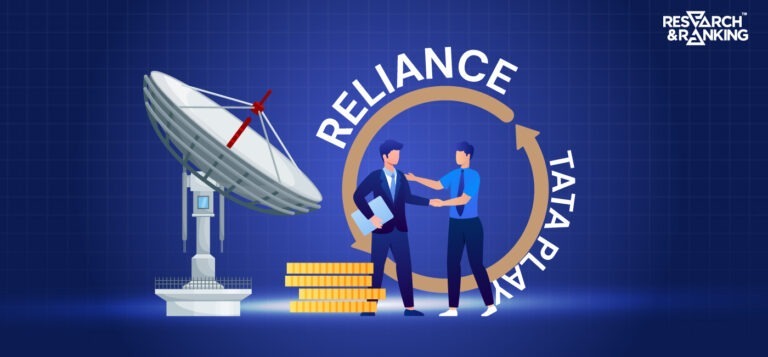
If you are an entertainment junkie, you are up for a treat. We’re already spoiled for choice with the innumerable shows on tens of OTT platforms. And you have more coming to you! Plus, if luck favors us, it might just be free. So, enjoy endlessly scrolling through the list of movies because Reliance Industries, India’s largest conglomerate, is reportedly in talks to buy a 30% stake in Tata Play, a subscription-based satellite TV and video streaming service, from Walt Disney. 

The deal, if successful, would mark a strategic move by Reliance to strengthen its presence in India’s television distribution sector and expand the reach of its streaming platform, JioCinema.

The OTT War

Tata Play, owned by Tata Sons and Temasek, is one of the leading players in the direct-to-home (DTH) market, with over 21.43 million subscribers. It also offers an OTT service, Tata Play+, with a library of over 10,000 movies and shows, including Disney+ Hotstar content. 

However, Tata Play faces stiff competition from other streaming platforms, such as Netflix, Amazon Prime, and Zee5, as well as Reliance’s own JioFiber, which provides broadband, TV, and OTT services. The rise of OTT is slowly killing the DTH market. Big players like Tata Play struggle to hold their heads above the water.

Reliance, on the other hand, has been aggressively expanding its digital and media businesses, with acquisitions of Hathway and DEN Networks, two of the largest cable operators in India, as well as investments in Balaji Telefilms, Eros International, and Viacom18. 

Reliance also owns JioCinema, an OTT platform that offers over 1 lakh hours of content, including movies, TV shows, music videos, and original web series.

The Number Game

Acquiring a stake in Tata Play will help Jio Cinema reach closer to the biggest OTT distributors in the world. With this deal, Reliance would gain access to a large and loyal customer base of 21.43 million subscribers that Tata Play has, along with 452 million users that Jio already has. Let’s not forget the diverse and premium content portfolio Tata provides Jio with. 

Reliance might also offer its entire JioCinema content suite to Tata Play customers. This would create a formidable combination of linear TV and OTT offerings, catering to different segments and preferences of the Indian audience. 

Jio users might also benefit from it, as historically, Jio has been providing all content accessible to them to all subscribers of Jio, not just the ones on fiber, but also telecom subscribers. Today, all Jio telecom users can enjoy almost all the OTT Jio has access to for Rs 398

This will be a win-win situation for all: the users, Tata, and Jio. While the users get more content at a lower cost, Jio and Tata get access to a larger audience and can compete against Disney+ and Netflix.

Deal Of The Era

The deal would also mark the first collaboration between the Tata Group and the Ambanis, two of India’s most influential business families. The partnership could pave the way for further synergies and cooperation in other sectors, such as telecom, retail, and e-commerce, where both groups have significant interests and ambitions.

Challenges

But just like everything, this boardgame of content has dice with multiple faces, and not all numbers are good:

  • Disney, currently holding a 29.8% stake in Tata Play, initially planned to divest its shares during Tata Play’s IPO. Still, the listing was postponed due to regulatory hurdles and market conditions. 
  • Disney wants exit options, but the valuation and terms of the deal are yet to be finalized.
  • The Competition Commission of India (CCI) has yet to approve this deal.
  • Reliance’s market dominance and pricing power in the TV and OTT sectors. This is concerning to the players in the game as they might develop a monopoly in the Indian market, which was seen earlier in the telecom market.

Conclusion

If it materializes, the deal could have far-reaching implications for India’s media and entertainment industry, which is undergoing rapid changes and disruptions due to the rise of digital platforms and changing consumer behavior. Reliance, with its deep pockets and ambitious vision, could emerge as a dominant player in the sector, challenging the existing players and attracting new entrants. 

With its strong brand and loyal customers, Tata Play could benefit from Reliance’s scale and reach and its content and technology capabilities. The deal could also trigger a wave of consolidation and collaboration in the industry as players look to survive and thrive in the competitive and dynamic market.

Money can’t buy true love but can buy Valentine’s Day gifts. So much so that in 2023, Americans alone spent approximately $25.9 billion on the day, 8% more than the previous year, among the highest numbers recorded.  The day is no longer just about romantic love. People also pamper their family members, teachers, friends, colleagues, pets, etc. 

Want to know how Valentine’s Day celebrations evolved into the Gifting Extravaganza of today? Read on

Valentines Day Gifts

Roots in Ancient Rome

Valentine’s Day originated during the ancient Roman festival, Lupercalia, that celebrated spring and love.

People believe it’s dedicated to the 3rd-century martyred Roman St Valentine, who secretly married young couples when King Claudius had banned marriage in the empire. 

In the Middle Ages, February 14th blossomed into a day to express love with handwritten notes.
England was celebrating by exchanging flowers, sweets, and love notes by the 18th century.

Valentine's Day in the 19th Century

The 19th Century Boom

The tradition crossed borders. In 1913, Hallmark flew in like Cupid in the US and, by 1916, replaced handwritten notes with mass-produced cards and chocolates, making Valentine’s Day a major consumer event. 

Globalization spread love (and profit), and people celebrated with fancy dinners, extravagant gifts, and themed vacations. From ancient rituals to modern-day market forces, tradition made way for commercialization. 

Valentines Day - India Lovestruck in the 80s

India: Lovestruck in the 80s 

The love bug bit India, with the young gen losing itself in Archie’s Gallery’s alleys of greeting cards, teddy bears, keychains, and stuffed toys when it opened in 1979. Archie’s made India modern, hip, and global

Valentine’s Day greeting cards were launched in 1984-85 and became an instant hit, only getting bigger and better thereon. 

Valentines Day

The Era of Romance

The 90s was the decade of economic freedom and a growing middle class with an increasing disposable income.

Cable and satellite TV filled our living rooms with the romance of Hollywood flicks like Pretty Woman and Notting Hill and tunes like Nothing’s Gonna Change My Love for You and Everything I Do, as Indipop’s Chhui Mui Si Tum and Valentine’s Day Ke Din Main chimed in. 

Valentines Day 2024

Valentine Week

As the wonder years of the ’90s changed how we celebrated Valentine’s Day, businesses saw an opportunity and turned the Valentine’s celebrations into a week-long affair.  
7 Feb – Rose Day: Express affection with roses.
8 Feb – Propose Day: Pop the question or express your feelings openly.
9 Feb – Chocolate Day: Indulge in sweet treats to symbolize care and joy.
10 Feb – Teddy Day: Gift cuddly bears representing warmth and comfort.
11 Feb – Promise Day: Make commitments and solidify bonds.
12 Feb – Hug Day: Share affection and emotional connection through hugs.
13 Feb – Kiss Day: Seal your love with a kiss.
14 Feb – Valentine’s Day: Celebrate love in all its forms

Valentines Day - The Business of Love

The Business of Love

Guess what the week-long celebrations mean for the commercial side of love? The market size of ₹1,200 crore in 2007 grew to a whopping ₹18,000 crore in 2015.

In 2023, Indians spent an estimated ₹30,000  crore on Valentine’s Day. Pampering sessions at spas, luxury brands, and tech brands made the business of love go beyond cards, chocolates, and jewelry.

Valentines Day - from Generic to personalised

From Generic to Personalized Gifts

What would make one feel more special? A one-size-fits-all gift or a customized experience? Your guess is as good as ours.

The desire to feel extraordinary has fueled the boom of platforms like IGP, Ferns N Petals, OyeGifts, etc., offering customized jewelry, couple portraits, and so on. 

Valentines Day - Experiences

Experiences Take Center Stage

Loved-up couples started going beyond exchanging generic gifts. They increasingly seek memorable shared experiences.

Cooking classes by Cookify or Airbnb Experiences, adventure trips by Thrillophilia and MakeMyTrip, and spa packages by The Spa, Four Seasons offer such unique experiences.

Valentines Day - Self Love

No Love Like Self-Love

Valentine’s Day is no longer just for couples or loved ones. Celebrating singlehood and practicing self-love is the new romance.

Bath bombs (Bath & Body Works), subscriptions to wellness services (Headspace, Calm), or solo travel packages cater to this growing segment.

Vday 2024 - love for money

The Love (Money) Effect

The Day of Love brings in big bucks in the global and Indian markets, boosting various sectors:
Retail: Jewelry, flowers, chocolates, cards, and apparel sell big.
Hospitality: Candlelit dinners at restaurants, hotel discounts, and travel companies offering special packages and experiences shoot up bookings.
Greeting Cards & Gifts: Greeting card companies see peak sales, especially in personalized gifts.
Entertainment: Movies, concerts, and events for couples witness more demand.

Valentines Day flowers

Flowers In Demand

As the flower industry turns more fragrant, with ₹500 crore worth of business around Valentine’s Day, personalized gifts and gift hampers see an incredible 100% market growth! 

70% of the revenue comes from online businesses for players like Ferns N Petals, Flower Aura, Archie’s, etc.  

The valentine effect

The Valentine Effect

A theory suggests the happy feeling on Valentine’s  Day makes people buy stocks as they are more optimistic. Globally, this trend is called the Valentine Effect. Some experts believe the reason could be an increase in demand for celebratory products and services during the period. 

Greeting cards, flower companies, or jewelry retailers see higher sales. A leading floral exporter, Soex Flora Pvt. Ltd, for example, states their market surged to ₹231.7 billion in 2022 and is projected to reach ₹460.6 billion by 2028, reflecting a promising 13.1% compound annual growth rate.  

Valentines day being celebrated everywhere

Tier II and Tier III Are Celebrating

The celebration of love is getting bigger and brighter in India. And it’s not just Tier 1 cities that are celebrating. Tier 2 and Tier 3 cities and towns are looking for experiential elements, too.
Consider this: the largest gifting brand, Ferns N Petals, expects a 50% increase in demand from these regions.

Or take Archie’s example. Their business grew approximately 40% from ₹5413.90 lakhs in FY 2020-21 to ₹ 7553.24 in FY22. 

valentines day - whats next

In The Future

While traditional gifts are here to stay, the future is all about personalization, experiences, and self-love. Think romantic getaways instead of bouquets, engraved jewelry instead of cards, and pampering treats for singles besides couple gifts.

The Gifting market, already worth ₹2500 bn, will be fueled further by rising incomes, tech-savvy consumers, and changing social norms. 
It’s not just a day for romance anymore – it’s a consumption story that’s only getting bigger!

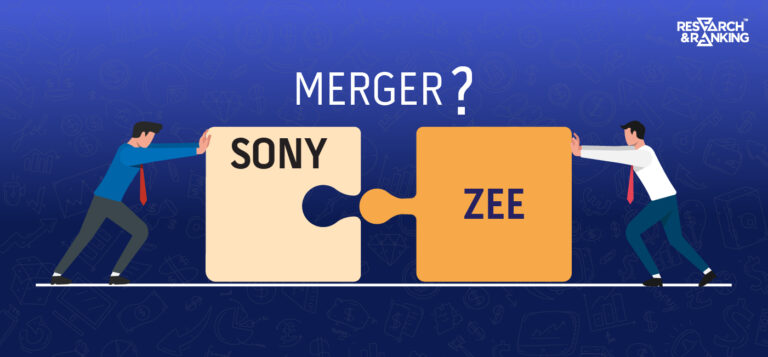
The much-anticipated Sony-Zee merger has come crashing down in a dramatic turn of events. This two-year effort aimed to create a media and entertainment powerhouse. However, it ended in hostility, with Sony Pictures Networks India Private Ltd (now Culver Max Entertainment Ltd) terminating the definitive agreements. The fallout includes a $90 million termination fee demand, legal actions, and a cloud of uncertainty hanging over the future of both companies.

This article delves into the twists and turns of this failed merger, the implications for both companies and what lies ahead.

What Really Happened?

Genesis of the Merger: The merger between Sony and ZEEL aimed to create a media giant amidst a broader industry trend toward consolidation. Kunal Dasgupta, former CEO of Sony’s India media entity, notes, “The market has become very difficult for traditional broadcasters as their valuations have come under pressure due to the rise of digital.”

Definitive Agreements Dissolved: Sony’s abrupt termination of definitive agreements added complexity to the situation. ZEEL’s response emphasized its commitment to taking “all necessary steps to protect the long-term interests of all its stakeholders.” The $90 million termination fee demand further intensified the dispute.

Prolonged Legal Dispute Looms: The demand for a substantial termination fee sets the stage for potential legal battles. Institutional investors such as ICICI Prudential Mutual Fund, Nippon India Life Asset Management, HDFC Mutual Fund, and LIC, owning over 23.5% of ZEEL, closely monitor developments.

Failed Negotiations: Despite good-faith discussions, an extension couldn’t be agreed upon by the January 21 deadline. ZEEL’s Punit Goenka had even made a last-minute call to Sony executive Ravi Ahuja in a desperate attempt to salvage the deal.

Punit Goenka, amidst the consecration of the Ram mandir in Ayodhya, expressed his disappointment, stating, “The deal that I have spent two years envisioning and working towards has fallen through, despite my best and most honest efforts. I resolve to move ahead positively and work towards strengthening Bharat’s pioneering M&E company for all its stakeholders.”

Setbacks and Challenges: Delays in regulatory approvals and corporate governance concerns made the negotiation process complex, leading to the ultimate fallout.

Leadership Tussle: The clash over Punit Goenka’s leadership role became a significant stumbling block. The Securities Appellate Tribunal’s decision, setting aside SEBI’s order but allowing the probe against Goenka, heightened Sony’s corporate governance concerns.

Sony’s Apprehensions: Sony’s concerns about corporate governance and regulatory troubles involving Goenka added intricacies to the negotiation. A source close to the deal notes, “Sony was worried about the corporate governance blowback that the MNC could attract in Japan if Goenka kept getting into trouble with regulators.

Zee’s Counter Proposal: ZEEL’s proposal for Goenka to step down didn’t assuage Sony’s concerns. The termination ultimately centered around disagreements on leadership and governance. ZEEL proposed an extension of a maximum of six months for the transaction’s completion, but Sony chose termination.

Reasons Behind the Cancellation

  • Unresolved Issues: Several unresolved issues, including the presence of ZEE subsidiaries in Russia and the launch of a channel in Africa, violated the agreement and posed challenges. ZEE’s unresolved Rs 520 crore investment in Margo, entangled in a legal dispute, became a bone of contention. Sony insisted on the disposal of this investment, further complicating the merger.
  • Industry Dynamics and Competitiveness: The deal between Reliance’s Viacom and Disney+ Hotstar is expected to be completed soon, with Reliance holding a majority stake of 51%. This partnership brings together primary cricket broadcasting rights, including the IPL, ICC, and other Indian bilateral cricket series. Nuvama stated that ZEE would require a financial partner to become a significant player in sports and expand its OTT services.
  • Decreasing Profitability: Since the merger announcement, ZEE’s profitability has declined due to unfavorable industry conditions. For instance, Zee’s EBITDA and PAT have decreased by 38% and 48%, respectively, from FY21 to FY23. Nuvama anticipates a weak Q3FY24 from ZEE due to a quarter-on-quarter margin reduction and a year-on-year decrease in advertising revenue.
  • Leadership Appointment Dispute: The original agreement stated Mr Punit Goenka would be the MD & CEO of the merged entity. However, citing Sebi’s ongoing investigation against Goenka, Sony did not want him to hold any executive position; instead, it wanted existing CEO Mr NP Singh to be at the helm.
  • Claims over termination: Sony is seeking a termination fee of $90 million from ZEE. In response, ZEE refuted the allegations and shall take legal action, contesting Culver Max’s and BEPL’s claims in the arbitration proceedings.

Fallout and Future Prospects

The termination’s ripple effect on industry dynamics, especially amidst ongoing mergers, remains a topic of industry-wide speculation. Publicis Groupe South Asia CEO Anupriya Acharya notes, “Something that looks good on paper may not necessarily get concluded.”

The termination’s impact on ZEE’s financials, contractual obligations, and the potential consequences for both companies are now under scrutiny. Financial investors and top shareholders are evaluating the fallout’s impact on both companies, with potential implications for investors and stakeholders.

Options Available For ZEE

Punit Goenka may explore various options, including new investors and partnerships, to restructure ZEEL and navigate the aftermath of the failed merger. Kunal Dasgupta believes Zee faces several challenges traditional broadcasters face in the rapidly evolving digital landscape. He suggests, “Sony might look to acquire digital assets, while Zee will have to find another white knight.”

What’s Next? As both companies navigate this setback, the road ahead seems uncertain, with legal battles looming and industry dynamics in flux.

Conclusion

The fallout between Sony and ZEEL adds to the complexity of mergers and acquisitions in India’s media and entertainment sector. The intricate reasons behind the cancellation and the ongoing industry shifts paint a picture of uncertainty. As stakeholders assess the aftermath, the implications of this failed merger will likely resonate far beyond the boardrooms of Sony and ZEE. The industry now awaits the next strategic moves from these key players.

Know more about: MUTHOOT MICROFIN IPO

FAQs

  1. What were the primary reasons for the termination of the Sony-ZEE merger?

    The termination stemmed from unresolved issues, including subsidiaries, unresolved investments, industry dynamics, distressed profitability, leadership disputes, and financial ramifications.

  2. How does the fallout impact ZEE’s financials?

    The fallout could have repercussions on ZEEL’s financials, contractual obligations, and potential consequences for both companies.

  3. What options does Punit Goenka have post-termination?

    Punit Goenka is exploring various options, including new investors and partnerships, to restructure ZEE and navigate the aftermath of the failed merger.

  4. How will the cancellation influence the broader mergers and acquisitions landscape?

    Industry experts suggest potential shifts in the mergers and acquisitions space, driven by evolving dynamics in the media and entertainment industry.

  5. What are the official statements from Sony and ZEEL regarding the termination?

    Sony seeks a $90 million termination fee, alleging breaches, while ZEEL categorically denies the claims and vows to protect stakeholders’ interests.

Introduction

The third quarter results are pivotal indicators of the financial health of companies. With 215 companies declaring October-December results, the double-digit growth is a positive signal for the market. It shows the resilience and adaptability of businesses in a dynamic economic landscape.

The third quarter results season has commenced, revealing a noteworthy year-on-year growth of 11.2% in revenue and 14.2% in net profit for the sample companies. However, these figures signify a slight deceleration from the previous quarter’s outstanding performance, where revenue and profit surged by 12.1% and 24.5%, respectively. [Source: Economic Times]

Analysis of Q3 Results

Delving into the numbers, the standout performer remains the banking and finance sector, propelling the overall growth. Banks’ aggregate revenue and profit skyrocketed by an impressive 50.5% and 39%, respectively. This surge is a testament to the robust lending activities that have driven revenue and net profit.

Comparing these figures with the preceding quarter’s exceptional performance adds depth to the analysis. The 12.1% and 24.5% growth rates in revenue and profit during July-September set a high bar, making the slightly lower figures in Q3 still commendable.

Performance of Banking and Finance Companies

Though flourishing, the banking and finance landscape is not without its challenges; lenders face pressure on the margin front, with the net interest margin (NIM) squeezed as deposit rates rise faster than lending rates. This nuanced insight adds context to the overall scenario, revealing the intricacies influencing the sector’s performance.

A different narrative unfolds when we exclude banks and finance companies from the sample. The moderate growth of 4.5% and 6.8% in revenue and profit for the December quarter, excluding these entities, highlights their substantial contribution to the overall positive figures.

Operating Margin Dynamics

The tug-of-war between deposit and lending rates was pivotal in shaping the operating margins. The NIM squeeze resulted in a 70 basis points decline in the overall sample’s operating margin to 20.9% in the latest December quarter. However, excluding lenders revealed a contrasting improvement, with the operating margin seeing a 60 basis points increase, reaching 17.8%.

Influence of Reliance Industries (RIL)

Reliance Industries (RIL), as the country’s largest company, significantly influenced the overall performance, contributing 33% and 19.9% to the total sample revenue and net profit, respectively. RIL’s revenue from operations grew by 3.6%, and net profit rose by 10.3%, showcasing its substantial impact on the sample’s growth, which improved to over 15% when excluding RIL.

Analyst Predictions and Sectoral Growth

Anticipated sectors driving overall earnings growth include domestic cyclicals, with automobiles and BFSI projected to post 35% and 17% YoY growth, respectively. As more companies from various sectors declare their quarterly performances in the coming weeks, the trend in India In.’s quarterly results will gain clarity. This evolving picture will contribute significantly to understanding the broader market trends.

In conclusion, the third quarter results showcase mixed triumphs and challenges. While banking and finance lead the growth charge, other sectors face moderation. The tussle between deposit and lending rates adds an interesting layer to the financial narrative, underscoring the complexity of economic dynamics.

Know more about: BALAJI SPECIALITY CHEMICALS IPO

Now Read:

Tata Consumer Products Acquires Capital Foods & Organic India | 10 Real Estate Stocks in 2024 | Gujarat Global Summit 2024: 10 Things to Know

Frequently asked questions

Get answers to the most pertinent questions on your mind now.

[faq_listing]
What is an Investment Advisory Firm?

An investment advisory firm is a company that helps investors make decisions about buying and selling securities (like stocks) in exchange for a fee. They can advise clients directly or provide advisory reports and other publications about specific securities, such as high growth stock recommendations. Some firms use both methods, like Research & Ranking, India’s leading stock advisory company, specializing in smart investments and long-term stocks since 2015.

An investment advisory firm is a company that helps investors make decisions about buying and selling securities (like stocks) in exchange for a fee. They can advise clients directly or provide advisory reports and other publications about specific securities, such as high growth stock recommendations. Some firms use both methods, like Research & Ranking, India’s leading stock advisory company, specializing in smart investments and long-term stocks since 2015.

An investment advisory firm is a company that helps investors make decisions about buying and selling securities (like stocks) in exchange for a fee. They can advise clients directly or provide advisory reports and other publications about specific securities, such as high growth stock recommendations. Some firms use both methods, like Research & Ranking, India’s leading stock advisory company, specializing in smart investments and long-term stocks since 2015.

An investment advisory firm is a company that helps investors make decisions about buying and selling securities (like stocks) in exchange for a fee. They can advise clients directly or provide advisory reports and other publications about specific securities, such as high growth stock recommendations. Some firms use both methods, like Research & Ranking, India’s leading stock advisory company, specializing in smart investments and long-term stocks since 2015.