Economy

This section offers content on things happening in the country. Any news update on India, its GDP, plans and levels globally will be included in this section.

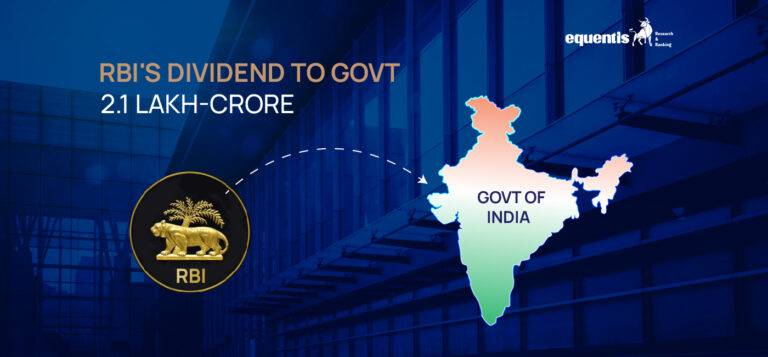
In a landmark move, the Reserve Bank of India (RBI) has announced a record dividend payout of Rs 2.1 lakh crore to the government. This substantial infusion of funds has sparked discussions about its potential impact on India’s credit rating. 

The RBI’s robust earnings are probably linked to various factors, one of which could be the increase in interest rates in the United States. RBI invests a substantial portion of its foreign currency reserves, which are valued at $644 billion, in U.S. bonds. Let’s explore the reasons in detail and examine how they might influence India’s creditworthiness on the global stage.

4 Factors Behind the Record Dividend Payout

  • Interest Rate Hike in the US: The US Federal Reserve’s decision to hike interest rates had a ripple effect on global financial markets. This translated into higher returns on the RBI’s holdings of US treasury bonds. Since the RBI holds a significant portion (around $644 billion) of its foreign exchange reserves in these bonds, the increased interest rates led to a substantial boost in income for the bank.
  • Forex Operations: The RBI actively intervenes in the foreign exchange market to maintain the stability of the rupee. These interventions involve buying and selling foreign currencies strategically. In the recent fiscal year, the RBI’s forex operations proved profitable. By carefully managing these interventions, the RBI generated additional income, further contributing to its surplus.
  • Domestic Interest Income: Besides foreign investments, the RBI holds domestic securities like government bonds. The recent rise in interest rates in India has also led to higher interest income on these domestic holdings. This additional income stream has contributed to increasing the RBI’s overall profits.
  • Complying with FRBM Act: The FRBM Act(Fiscal Responsibility and Budget Management) mandates that the RBI transfer a certain portion of its surplus profits to the government each year. The record dividend payout reflects the RBI’s adherence to this statutory requirement.

Record Dividend A Big Boost for the Government

This extra cash injection from the record dividend will help bridge the gap between government spending and income. It can be used to fund public projects and social programs, boosting the economy. Additionally, a stronger fiscal position due to the payout might improve India’s credit rating, attracting investments and lowering borrowing costs.

  • Strengthening Economic Position: The government has recently struggled with a widening fiscal deficit. The RBI’s dividend payout provides much-needed support to the government’s finances. This additional revenue can fund critical social and infrastructure projects, promoting economic growth and development.
  • Meeting Government Needs: The government faces significant expenditures on various fronts, including social welfare programs, defense, and infrastructure development. The RBI’s dividend payout helps bridge the gap between revenue and expenditure, allowing the government to meet its financial obligations more effectively.

Potential Impact on Credit Rating

The RBI’s hefty dividend payout holds promise for India’s credit rating in several ways:

  • Improved Fiscal Strength: The additional revenue from the RBI will boost the government’s fiscal position. This improved financial health can be a positive signal for credit rating agencies, potentially leading to an upgrade or a stable rating.
  • Reduced Fiscal Deficit: The dividend payout can help narrow the government’s fiscal deficit. A lower fiscal deficit indicates better fiscal management and a more sustainable debt burden, which are crucial factors considered by credit rating agencies.
  • Enhanced Investor Confidence: A stronger fiscal position and a narrowing fiscal deficit can boost investor confidence in the Indian economy. This improved sentiment can attract foreign investments, further strengthening the rupee and creating a more stable financial system.

It is important to note that the impact of the RBI’s dividend payout on India’s credit rating will also depend on various other economic factors. However, the payout is certainly a positive step towards fiscal consolidation and can potentially improve the rating.

The RBI’s record dividend payout to the government is a significant development with far-reaching implications. While the immediate benefit lies in improving the government’s finances, the potential impact on India’s credit rating cannot be overlooked. An improved credit rating can attract foreign investments, lower borrowing costs, and enhance India’s overall economic standing in the global arena. However, the long-term effect of the payout on the credit rating will hinge on the government’s prudent utilization of these funds and its commitment to fiscal discipline.

FAQs

  1. Why did the RBI pay such a large dividend to the government?

    The RBI’s record dividend payout reflects its strong financial performance in the recent year. This was driven by factors like higher interest rates on US treasury bonds (due to the US Fed’s hike) and profitable forex interventions. Additionally, the RBI is mandated by the Fiscal Responsibility and Budget Management (FRBM) Act to transfer a portion of its surplus profits to the government each year.

  2. How could this payout affect India’s credit rating?

    The additional revenue from the RBI can improve the government’s fiscal strength and potentially lead to a narrower fiscal deficit. These factors are positive signals for credit rating agencies, potentially resulting in an upgrade or a stable rating for India. Additionally, increased investor confidence due to a stronger fiscal position can attract foreign investments, further strengthening the rupee and contributing to a more stable financial system.

  3. Is this payout a guaranteed path to a better credit rating?

    The impact on India’s credit rating will depend on various other economic factors. While the payout is a positive step, the long-term effect hinges on the government’s prudent use of these funds and its commitment to fiscal discipline. Other factors like inflation control, economic growth, and external debt levels also play a crucial role in credit rating assessments.

Remember that trip to Europe you always dreamed of? Or that adventure to Southeast Asia that got put on hold? Well, it seems many Indians are finally making those dreams a reality. A recent report reveals a travel boom, with Indians spending a record-breaking $31.7 billion overseas in FY24. 

This overseas travel trend translates to a 17% increase compared to the previous year, highlighting a robust post-pandemic economic recovery. This increase from the previous year marks a significant trend, and international travel has emerged as the biggest expense category. 

According to the annual remittance data, there has been a remarkable surge in overseas travel spending, reaching $17 billion in FY24—up over 24.5% from $13.6 billion the previous year. Before the pandemic, the proportion of international travel in LRS spending soared to 53.6% in FY24, compared to 37% in FY20. During FY21, mobility restrictions dropped international travel spending to $3.2 billion.

STIlZSDYcjglkdSYA
 Source: Economic Times

International travel has dethroned education as the most significant expense under the Liberalised Remittance Scheme (LRS). In the pre-pandemic era, expenses like tuition fees and medical bills were the frontrunners. Now, 53.6% of the total LRS spending goes towards international travel.

6 Key Reasons For Boom in Overseas Travel

Post-Pandemic Pent-Up Demand: For over two years, international borders were closed, flights grounded, and travel plans remained unfulfilled. With restrictions easing, there’s a surge in demand for travel experiences. People are eager to explore, reconnect with the world, and create lasting memories.

Economic Recovery: The record-breaking spending signifies a robust economic rebound in India. Rising disposable incomes mean more Indians have the financial means to embark on dream vacations and explore new destinations.

Global Travel Boom: This trend isn’t unique to India. We’re witnessing a global travel boom as people seek to break free from pandemic restrictions and experience new cultures.

Shifting Priorities: Traditionally, education was a major expense for overseas spending. However, with the pandemic impacting international studies, there seems to be a temporary shift in priorities. This could be due to delayed study plans or a renewed focus on travel experiences.

Convenience and Accessibility: Online travel platforms and a more comprehensive range of travel options have made planning international trips more accessible and affordable. This increased accessibility fosters a culture of exploration.

Growing Global Citizenship: Indians are increasingly connected to the world. Globalization and the rise of digital communication create a desire to experience different cultures firsthand, leading to increased travel expenditure.

This trend aligns perfectly with the global travel boom we’re witnessing. After being cooped up for so long, people worldwide are eager to explore, experience new cultures, and create memories. And with rising disposable incomes in India, that dream vacation is becoming a reality for many. While travel spending has surged, there’s a different story with education expenditure.

Education Spending Abroad Takes a Backseat

During the pandemic (FY21), education remittances peaked at 30%, likely due to fewer travel opportunities. However, this share dipped to 26% in FY22 as travel restrictions eased. This decline continued with a drop in absolute spending on education. In FY23, education spending fell to $3.4 billion from $5.2 billion the previous year, bringing its share of overall expenditure down to 12%. Interestingly, despite the travel boom in FY24, education spending remained relatively flat at nearly $3.5 billion.

Is Overseas Travel Here to Stay?

Is this a temporary trend, a celebration of regained freedom, or a sign of things to come? The report suggests that education spending might reoccur in the coming years, potentially reclaiming its spot as the second-largest expense category. After all, India boasts a young and ambitious population with a strong focus on academic pursuits.

But let’s not forget the potential impact on the Indian economy. While increased spending abroad boosts foreign economies, it also allows the Indian travel and tourism industry to capitalize on this trend.

A Glimpse into the Future

What does this record-breaking overseas spending signify? It’s a testament to India’s economic resilience. The ability to spend such a significant amount on travel indicates a healthy financial situation for many Indians. 

Whether travel continues to reign supreme or education reclaims its position, one thing is sure: Indians are venturing out, exploring new horizons, and making their mark on the global travel map. 

FAQs

  1. Why are Indians spending more overseas?

    Rising incomes, easier travel due to globalization, a desire for foreign goods and experiences, and a stronger rupee are fueling Indians’ surge in overseas spending. 

  2. What are Indians spending money on abroad?

    Top categories include travel (flights, stays, sightseeing), education (tuition, living expenses for students abroad), healthcare (medical tourism), luxury goods (watches, jewelry), and online shopping.

  3. What’s the future outlook for overseas spending by Indians?

    With India’s economic growth, disposable incomes are likely to rise further, potentially leading to continued growth in overseas spending by Indians.

The European Union Deforestation Regulation (EUDR), set to take effect in December 2024, aims to address deforestation tied to EU consumption. It’s a noble goal, but it presents significant challenges for Indian businesses exporting certain commodities to the EU. How might the EUDR impact Indian businesses?

Let’s explore the potential effects of the EUDR on Indian exporters.

What implications does this have for India?

India exports approximately 479 items to Europe, valued at around 1.3 billion USD annually, covered by the EU’s deforestation regulation. With the EU accounting for about 23.6 of India’s global exports, this will have a negative impact. Particularly, India’s coffee, leather, paper, and wooden furniture industries will feel the brunt of the new law.

The Trade & Development Chart illustrates how much the EU’s deforestation regulation will impact a country’s exports as a percentage of its total exports or GDP.

Screenshot 2024 05 21 114909
Source: World Bank Computation with UN COMTRADE and IMF Data

Targeted Products and Stringent Due Diligence

The EUDR focuses on commodities like cattle, cocoa, coffee, palm oil, rubber, soy, and wood, along with derived products like leather, chocolate, furniture, and tires. Indian businesses exporting these products to the EU will be required to conduct thorough due diligence throughout their supply chains. This means ensuring:

  • Deforestation-free sourcing: Indian companies must prove their products weren’t produced on land deforested after December 2020. This necessitates robust traceability systems to map the origin of raw materials.
  • Compliance with local laws: The regulation mandates adherence to producer countries’ environmental and social laws. Indian businesses will need to verify their suppliers comply with relevant Indian regulations.
  • Minimal risk of non-compliance: Companies must issue a due diligence statement demonstrating a negligible risk of deforestation or legal breaches in their supply chains.
  • Challenges for Indian Businesses: Meeting these stringent requirements can be challenging for Indian businesses due to several factors:

Challenges for Indian Businesses

  • Complex Supply Chains: Indian exports often involve long and intricate supply chains, making it difficult to track the origin of raw materials accurately. Smallholder farmers supplying large companies might not possess adequate land use or ownership documentation, further obscuring the source.
  • Data Availability and Transparency: Obtaining verifiable data on land use and deforestation history, particularly from smaller producers, can be a hurdle. Lack of transparency within supply chains further complicates the process. Incomplete or unreliable data makes it challenging to demonstrate deforestation-free sourcing.
  • Cost of Compliance: Implementing robust due diligence systems requires investment in technology like satellite monitoring or blockchain for traceability. Training personnel and potentially conducting on-ground audits in source regions add to the financial burden. This can strain the budgets of small and medium-sized enterprises (SMEs) that may lack the resources for such upgrades.
  • Limited Awareness: Many Indian businesses, especially SMEs, might be unaware of the EUDR’s implications and deadlines. Transitioning to compliant practices will require significant knowledge dissemination and capacity-building efforts. Educating businesses on the regulation and giving them the tools and resources to achieve compliance is crucial.
  • Potential for Disruption: The EUDR may disrupt existing trade patterns. Indian businesses may struggle to find alternative suppliers who can meet the regulation’s strict requirements. This could lead to product shortages or price hikes for EU consumers, potentially impacting their buying behavior.

Potential Consequences of Non-Compliance

Failure to comply with the EUDR can have severe repercussions for Indian businesses:

  • Market Access Denial: Companies unable to demonstrate deforestation-free products or provide a compliant due diligence statement risk being barred from placing their goods on the EU market. This could lead to a significant loss of export revenue.
  • Reputational Damage: Failure to comply could tarnish a company’s reputation in the sustainability-conscious global market. It can make securing future partnerships and attracting ethically driven consumers difficult.
  • Financial Penalties: EU member states have the authority to impose financial penalties on non-compliant businesses, further impacting their profitability.

Opportunities for Adaptation

Despite the challenges, the EUDR presents opportunities for Indian businesses to become more sustainable and resilient:

  • Strengthening Supply Chain Management: The regulation incentivizes businesses to invest in robust traceability systems. This can improve overall supply chain efficiency and transparency in the long run.
  • Building a Sustainable Brand Image: Compliance with the EUDR allows companies to demonstrate their commitment to environmental responsibility. This can enhance brand image and attract environmentally conscious consumers in the EU and beyond.
  • Collaboration and Innovation: The EUDR can encourage collaboration between businesses, government agencies, and NGOs to develop innovative solutions for monitoring deforestation and ensuring sustainable sourcing practices.

Moving Forward

The EU Deforestation Regulation presents a significant adjustment for Indian businesses exporting targeted commodities to the EU. However, by proactively embracing sustainable practices, investing in robust due diligence, and collaborating with stakeholders, Indian businesses can navigate these challenges and emerge stronger in the global marketplace.

Here are some additional points to consider:

  • The Indian government’s role in supporting businesses through capacity-building programs and financial assistance for compliance measures.
  • The potential for the EUDR to drive positive change in forestry management practices within India.
  • The EUDR could serve as a model for stricter environmental regulations in other major importing countries.

By acknowledging the challenges and seizing the opportunities, Indian businesses can ensure continued and sustainable trade with the European Union.

FAQs

  1. What products does the EU Deforestation Regulation target?

    The EUDR focuses on commodities like cattle, cocoa, coffee, palm oil, rubber, soy, and wood, along with derived products like leather, chocolate, furniture, and tires. Indian businesses exporting these products to the EU will be most affected.

  2. How will the EUDR impact Indian businesses?

    Indian companies will need to demonstrate their products are deforestation-free and comply with stringent due diligence requirements throughout their supply chains. This can be challenging due to complex supply chains, limited data availability, and potential cost implications.

  3. What are the consequences of non-compliance?

    Failure to comply could lead to exclusion from the EU market, reputational damage, and financial penalties.

  4. Are there any opportunities for Indian businesses?

    The EUDR presents an opportunity to invest in sustainable practices, strengthen supply chain management, and build a strong brand image based on environmental responsibility. This can attract environmentally conscious consumers and create a competitive advantage in the long run.

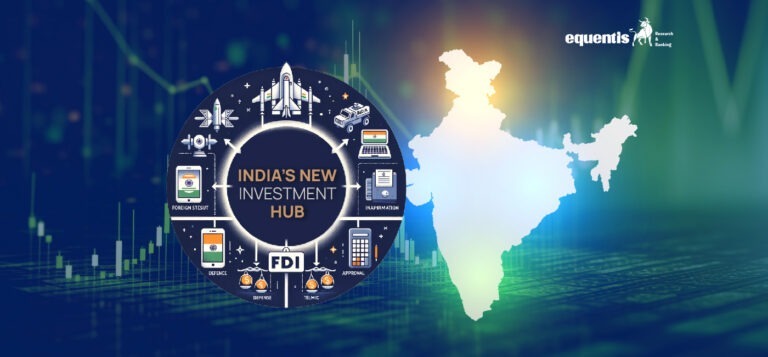
In the evolving narrative of global investments, India’s story is one of remarkable transformation and forward-thinking adaptation. With the digital economy taking center stage, India has redefined its investment appeal, no longer just a destination for manufacturing and inexpensive labor.

The stock market has become a vibrant digital medium, reflecting the country’s economic dynamism and attracting investors eager to participate in India’s financial success.

India’s Investment Landscape: A Digital Revolution

India’s investment environment is metamorphosing, reflecting its broader economic revolution. As the country transitions from traditional manufacturing to a digital-first economy, it’s capturing the attention of global investors. Initially focused on manufacturing, the “Make in India” initiative has evolved into “Digital India,” a campaign that underscores the nation’s commitment to becoming a global digital powerhouse.

This shift is evident in the rise of digital manufacturing and the integration of Industry 4.0 technologies such as the Internet of Things (IoT), artificial intelligence (AI), robotics, and data analytics into manufacturing processes. These advancements enhance productivity and transform India into an innovation hub, attracting FDI not merely for cost advantages but for its burgeoning digital ecosystem.

The Stock Market: A Gateway to India’s Economic Progress

The Indian stock market has become a digital gateway for investors to tap into the country’s economic progress. It’s no longer just about investing in tangible assets or manufacturing units; it’s about being part of a digital revolution reshaping India’s financial landscape. With a focus on tech-driven sectors like fintech, e-commerce, and IT services, the stock market offers a spectrum of opportunities for investors to align with India’s growth trajectory.

As India continues to demonstrate its prowess in technology and innovation, the stock market reflects this progress, offering a transparent and efficient platform for investment. It’s a testament to India’s robust regulatory framework and the growing confidence of domestic and international investors in its economic policies.

India’s Economic Ascendancy

India’s economic landscape is undergoing a profound transformation, setting the stage for the nation to emerge as a global economic superpower. With a GDP of $3.5 trillion, India is on an accelerated path to becoming the world’s third-largest economy by 2027 and more than double its GDP to over $7.5 trillion by 2031.

This remarkable growth trajectory is propelled by three pivotal megatrends: global offshoring, digitalization, and energy transition. These trends are not mere economic shifts; they fundamentally reorientate India’s role in the global market, positioning it as a central hub of innovation, manufacturing, and services.

India’s Market Stability and Returns: Outshining Peers

One of the most compelling aspects of India’s investment landscape is the relative stability of its market, combined with the promise of higher returns. Despite global economic fluctuations, the Indian market has demonstrated a remarkable resilience to volatility. Recent analyses suggest that Indian equities have been less volatile than many other emerging markets.

This stability is particularly notable given the high-performance trajectory of the Indian market, which has consistently delivered robust returns. The Indian stock market stands on the 5th rank in market capitalization compared to its global peers, surpassing the UK and Canada.

Country (or group)Market Cap
U.S$52.6T
Magnificent Seven$13.1T
China$11.5T
Japan$6.5T
India$4.4T
France$3.2T
UK$3.1T
Saudi Arabia$2.9T
Canada$2.6T
Germany$2.2T
Taiwan$2.0T
Switzerland$1.9T
South Korea$1.8T
Australia$1.6T
Netherlands$1.1T
Source: Visualcapitalist

Moreover, experts have observed that the Indian market continues to command a valuation premium, thanks to the increased participation from domestic investors through systematic investment plans (SIPs) and direct investments. This shift towards equity markets for long-term investment has been a significant factor in absorbing the impact of volatility, especially during periods of foreign institutional investors (FIIs) selling off their holdings.

Regarding returns, the Indian stock market has outperformed many global peers over the last decade, offering investors substantial growth potential. Over the past five years, the Indian market has shone with an 18.8% annualized return, surpassing the US, Japan, and UK markets. This trend is a short-term and sustained growth pattern, making India an attractive destination for investors seeking stability and superior returns.

This combination of lower volatility and higher returns positions India as a unique and promising hub for global investment, setting it apart from its peers and highlighting its potential as a cornerstone of the global economy in the years to come.

The Influx of Foreign Direct Investment

The surge in Foreign Direct Investment (FDI) into India is a testament to the country’s burgeoning potential and investor confidence. In FY2023, FDI inflows soared to Rs 49.93 lakh crore, a significant increase from Rs 46.72 lakh crore in the previous fiscal year.

The United States has been the most substantial contributor, infusing Rs 8.58 lakh crore into the Indian economy, which accounts for 17.2% of the total FDI share. This influx is primarily credited to India’s rapidly growing digital sector, bolstered by several government measures to liberalize the FDI regime and enhance the ease of doing business.

image 16
Source: Statista

Outward Direct Investment: India Goes Global

Parallel to the inflow of foreign capital, Indian firms are making their mark on the global stage through strategic Outward Direct Investment (ODI). In FY2023, there was a robust 19.46% increase in ODI, with investments reaching Rs 9.11 lakh crore. Singapore, known for its business-friendly environment, has emerged as the top destination for Indian ODI, signaling a clear intent of Indian firms to expand their international footprint.

Moreover, tax havens like Bermuda, Jersey, and Cyprus, among the top recipients of Indian ODI, underscore the strategic financial planning and global aspirations of Indian corporations.

Key Growth Areas and Investment Prospects

As we look towards 2024-25, several key industries stand out as beacons for foreign investment in India. The healthcare and insurance sectors are poised for exponential growth, driven by an aging population, rising chronic diseases, and increased disposable income.

The fintech sector is revolutionizing financial services with innovative solutions, while renewable energy and electric vehicles are at the forefront of the sustainable revolution. Additionally, the IT services sector continues to be a cornerstone of India’s economic strength, alongside burgeoning opportunities in real estate, infrastructure, fast-moving consumer goods (FMCG), and tech innovation. These sectors offer promising returns and the chance to be part of India’s dynamic growth story.

Conclusion

The shift in global investment trends toward India is a testament to the country’s robust economic policies, strategic market positioning, and the government’s commitment to fostering a conducive environment for investment. As India continues to grow and integrate into the global economy, it stands as a beacon of opportunity for investors worldwide.

India’s rise as a new hub for global investment is not just a fleeting trend but a reflection of its potential to shape the future of the global economy. The coming years will undoubtedly see India solidifying its position as a key player on the world stage, offering a wealth of opportunities for growth, innovation, and investment.

FAQs

  1. How is India’s economy transforming?

    India is on track to become the world’s third-largest economy by 2027, with its GDP expected to more than double to over $7.5 trillion by 2031. This growth is driven by global offshoring, digitalization, and energy transition.

  2. What makes India’s market attractive to investors?

    India’s market offers stability and higher returns. Indian equities are less volatile than other emerging markets and have delivered an 18.8% annualized return over the past five years.


  3. What has been the trend in FDI inflows into India?

    FDI inflows into India increased to Rs 49.93 lakh crore in FY2023, with the US being the most significant contributor, largely due to India’s growing digital sector.

  4. How are Indian firms expanding globally?

    Indian firms are increasingly investing abroad, with ODI reaching Rs 9.11 lakh crore in FY2023. Singapore is the top destination for Indian ODI, reflecting Indian companies’ aspirations to grow internationally.

  5. Which sectors in India are attracting foreign investment?

    Healthcare, insurance, fintech, renewable energy, electric vehicles, IT services, real estate, infrastructure, FMCG, and tech innovation are key growth areas for investment in India.

  6. What is the significance of India’s role in the global investment landscape?

    India’s rise as a hub for global investment highlights its strong economic policies, market positioning, and government support, making it a promising destination for investors worldwide.

Did you know India’s solar power installed capacity has shot up 30x over the last decade, from 2.6 GW in 2014 to 73.31 GW as of December 23? Doesn’t this sound interesting?

If you want to save money on your electricity bills while supporting India’s ambitious goal of achieving Net Zero Carbon emissions by 2070, you’ve come to the right place. This article will explain what Pradhan Mantri Suryodaya Yojna is about, including its features, eligibility, procedure, and much more. Also, we will explain how this scheme can help you save up to Rs. 18000 on your electricity bills.

Continue reading to find out how.

What is Pradhan Mantri Suryodaya Yojana (PMSY) and what are its objectives?

PMSY is a visionary initiative by Prime Minister Narendra Modi, who announced it in January 2024, shortly after the Pran Pratishtha ceremony at the Ayodhya Ram Mandir. PMSY is expected to boost India’s solar capacity over the coming years.

Pradhan Mantri Suryodaya Yojana (PMSY) is a government scheme that aims to provide free solar power to rural areas and help poor and middle-class people save on their electricity bills.

The scheme involves installing rooftop solar panels on one crore households nationwide, with financial support from the central and state governments.

The government will install free solar rooftops under this scheme. Even the beneficiaries of PMSY will get up to 300 units of free solar electricity.

Also, with this scheme, one can reduce dependence on traditional power grids and generate additional income of up to Rs. 18000/- from surplus electricity through net metering.

PMSY promotes self-reliance and energy security and contributes to a cleaner and greener environment. PMSY is a scheme that can transform the lives of millions of Indians and the future of the nation.

List the eligibility criteria for applying for PMSY

To be eligible for this scheme,

  • the applicant must be a citizen of India.
  • The electricity connection must be registered in the beneficiary’s name. In the case of a rented home, if you pay your electricity bill in your name and have permission from the owner to use the roof for solar rooftop installation, you can install the Rooftop Solar System.
  • The applicant must belong to the Economically Weaker Section (EWS), Lower Income Group (LIG), or Medium Income Group (MIG) categories.
  • The applicant must register on the National Portal for Rooftop Solar and submit the application form and the required documents, such as electricity bill, Aadhaar card, bank account details, etc.

Benefits of the Pradhan Mantri Suryodaya Yojana (PMSY)

  • PMSY is a government scheme that aims to provide reliable power to rural areas and help poor and middle-class people save on their electricity bills.
  • The scheme will create new opportunities for companies installing, maintaining, and operating rooftop solar systems.
  • The scheme will enhance India’s energy security and resilience, reducing the dependence on imported fossil fuels and the vulnerability to power outages.
  • The scheme will support India’s commitment to reduce greenhouse gas emissions and mitigate the impacts of climate change.
  • The scheme will also improve the beneficiaries’ quality of life and health, as it will provide access to clean, safe, and reliable electricity.

Process for Applying for Pradhan Mantri Suryodaya Yojna (PMSY)

Step 1: Register at the National Portal (https://solarrooftop.gov.in/) and submit your online application form and the required documents.

Step 2: Your application will be sent directly to the relevant DISCOM for technical feasibility approval. If all information is correct, the application will be approved. Otherwise, the application may be declined or returned for revision.

Step 3: After receiving TFR approval, sign an agreement with the registered vendor and install the plant. Registered vendors are under the ‘ vendors in my area’ tab in the applicant’s National Portal account.

Step 4: After installing the plant, submit installation details to the National Portal and upload a photo of the plant. Please provide these details for plant inspection and net metering.

Step 5: DISCOM (Distribution Company) officials will inspect the system based on MNRE’s technical criteria. Upon successful inspection, the DISCOM will install the net meter.

Step 6: After installing the net meter, the DISCOM official approves the details on the portal and generates an online commissioning certificate. The certificate will now be visible in your account.

Step 7: After generating the commissioning certificate, you can submit an online subsidy/CFA claim request by providing your bank details and a clear copy of a canceled bank cheque or passbook.

Step 8: If all details are correct, the subsidy/CFA will be released directly to your bank account within 30 days of submitting the claim.

Calculation of Subsidy Payable in PMSY

Plant Capacity (in kW)Applicable Subsidy in the General States/UTsApplicable Subsidy in Special Category States/UTs
Upto 3 kWRs. 18,000Rs. 20,000
Above 3 kW and up to 10 kW (subsidy limited to 10 kW capacity).  Rs. 18000/- per kW for the first 3 kW, followed by Rs. 9000/- per kW Rs. 20000/- per kW for the first 3 kW, followed by Rs. 10000/- per kW
For Resident Welfare Associations (RWA) and Housing SocietiesRs. 9000 per kWRs. 10,000 per kW

Conditions for Claiming Subsidy Under Pradhan Mantri Suryodaya Yojna

  1. Rooftop solar plants must be installed using only Indian-made solar panels/modules, including solar cells. Consumers should obtain certification from the vendor in this regard.
  • To calculate the CFA/subsidy, use the lower total solar module capacity, solar inverter capacity, or DISCOM-approved capacity.
  • The applicant must provide their mobile number and email to register on the National Portal. If the vendor’s email or mobile number is provided, it will be rejected, and the vendor will be blacklisted from further participation in the program/scheme.
  • The applicant’s electricity connection and bank account must be in their name; otherwise, the application will be rejected.

The Bottom Line

With a clear sky on average 200-250 days per year, India provides a tremendous opportunity for solar platforms. The Pradhan Mantri Suryodaya Yojana (PMSY) is a groundbreaking scheme designed to offer greener and free power to rural areas while also assisting financially struggling people in saving money on their electricity bills.

The Pradhan Mantri Suryodaya Yojana (PMSY) aims to install rooftop solar panels in one crore households across the nation. This will reduce the dependence on carbon-intensive electricity sources and generate additional income from surplus electricity through net metering and subsidies.

With India ranking fifth in solar installation capacity globally, PMSY can promote self-sufficiency and energy security while contributing to a healthier, more sustainable environment. Applying for this scheme allows you to participate in the solar revolution and change your life and the country’s future.

  1. What is the National Portal for Rooftop Solar?

    The national rooftop solar portal, launched by PM on 30.07.22,  is a unified online platform to apply for rooftop solar plant installation and receive solar subsidy benefits. This portal allows for online tracking of the installation and subsidy release processes.

  2. How much will a solar rooftop panel cost?

    The initial investment covers the cost of components, labor, and panel mounting modules. Houses with maximum solar access can recoup their installation costs in approximately 6-8 years.

  3. What is Net Metering, and how Can I earn from it?

    Net metering is a system in which solar panel owners receive credits for excess electricity they generate and return to the grid. These credits can be used to offset the cost of electricity purchased from the grid when your solar panels do not produce enough power. Or you can sell excess power to commercial units and make money.

  4. What are the advantages of a rooftop solar system?

    Some of the benefits that rooftop solar system has include- 
    Massive cuts in electricity bills
    No need for additional transmission and distribution lines.
    Reduces T&D losses because power consumption and generation are colocated.
    Improved tail-end grid voltages and reduced system congestion.
    Long-term energy and environmental security by lowering carbon emissions.

Introduction

In the dynamic landscape of India’s financial sector, digital lending has emerged as a transformative force, revolutionizing the way individuals and businesses access credit. With the advent of innovative online lending platforms, the fintech industry has witnessed unprecedented growth, reshaping traditional lending practices. Digital lending in India has witnessed exponential growth in recent years.

In this article, we delve into the nuances of digital lending in India, shedding light on its evolution, impact, and the essential steps investors can take before diving into this dynamic market.

What is Digital Lending?

Digital lending refers to the process of providing loans or financial services to individuals or businesses through digital platforms, such as websites or mobile apps, instead of traditional brick-and-mortar institutions like banks. It leverages technology to streamline the lending process, making it faster, more convenient, and accessible to a broader range of people.

In simple terms, it’s like borrowing money online instead of going to a physical bank branch. With digital lending, borrowers can apply for loans, submit necessary documents, and receive funds entirely online, often with quick approval times. It’s revolutionizing the way people access credit, offering greater flexibility and convenience while also reducing paperwork and bureaucracy typically associated with traditional lending institutions.

What are the RBI Guidelines for Digital Lending?

In November 2021, the Reserve Bank of India (RBI) introduced the Digital Lending Guidelines, aimed at overseeing the operations of digital lending platforms across India.

These guidelines extend their coverage to various financial entities, including banks, non-banking financial companies (NBFCs), and peer-to-peer (P2P) lending platforms, with a focus on safeguarding customer data, ensuring transparent reporting, and enforcing due diligence within this rapidly expanding sector.

Within the framework of these guidelines, the RBI identifies two primary entities: Lending Service Providers (LSPs) and Digital Lending Apps (DLAs), thereby delineating the key players in the digital lending landscape.

Undoubtedly, the introduction of the RBI Digital Lending Guidelines marks a significant milestone in the regulation of India’s digital lending domain. Positioned to shield consumers from potential exploitation and unjust lending practices, these guidelines promise to instill confidence in the digital lending ecosystem. Nonetheless, the long-term impact of these directives on the industry’s growth trajectory remains to be observed.

How Digital Lending Functions?

Digital lending operates through a straightforward online application process, requiring just a few clicks to complete. After submitting personal details and necessary documentation, the application undergoes processing. Sophisticated algorithms and machine learning are utilized for swift analysis of applicant data, determining loan eligibility and terms like interest rates.

Digital lending platforms facilitate instant fund disbursement, in contrast to the delays in traditional lending methods, ensuring timely access to funds. Loan repayment is managed digitally through the lending platform, with possible flexible options to suit borrowers’ preferences.

A significant advantage of digital lending lies in its utilization of real-time data by fintech companies for efficient loan underwriting. Leveraging digital payment data enables the provision of credit-based payment solutions such as Equated Monthly Instalment (EMI) options, gradually supplanting traditional offline transactions.

In essence, digital lending streamlines the borrowing experience but necessary guidelines need to be followed for companies and users to function efficiently.

What are the Benefits of Digital Lending?

Digital lending in India has revolutionized the traditional lending landscape, offering numerous benefits to borrowers, lenders, and the economy at large. One of the primary advantages is the accessibility it provides. With digital lending platforms, individuals can apply for loans conveniently from their smartphones or computers, eliminating the need for physical visits to banks and paperwork. This accessibility extends to remote areas where traditional banking infrastructure may be lacking, thereby fostering financial inclusion.

Another significant benefit of digital lending is the speed and efficiency with which loans can be processed and disbursed. By leveraging advanced technologies such as data analytics, machine learning, and artificial intelligence, digital lenders can assess borrowers’ creditworthiness swiftly and accurately. This streamlined process significantly reduces the turnaround time for loan approvals and disbursements, enabling borrowers to access funds quickly for their various needs.

What is the Difference Between Digital Lending and Traditional Lending?

Here’s a comparison table outlining the differences and benefits between digital lending and traditional lending in India:

AspectDigital LendingTraditional Lending
AccessibilityEasily accessible through online platforms and appsOften requires physical presence at bank branches
ConvenienceConvenient application process from anywhereRequires paperwork and lengthy approval procedures
SpeedQuick approval and disbursal of fundsLonger processing times due to manual verification
DocumentationMinimal documentation required digitallyExtensive paperwork often needed
Eligibility CriteriaMay offer more flexible criteria for borrowersMay have stricter eligibility requirements
Interest RatesCompetitive rates due to lower operational costsRates may vary and sometimes higher due to overheads
TransparencyTransparent terms and conditions onlineTerms may not always be clearly communicated
Customer ExperienceEnhanced user experience with digital interfacesInteraction may be limited to in-person meetings
Risk AssessmentUtilizes advanced algorithms for risk assessmentRelies on traditional credit scoring methods
ScalabilityScalable operations with potential for wider reachLimited by physical infrastructure

What are the Disadvantages of Digital Lending?

  • Digital Divide: Despite increasing internet penetration, a significant portion of the population in India still lacks access to digital infrastructure and technology. This digital divide limits the reach of digital lending platforms, particularly in rural and remote areas.
  • Cybersecurity Risks: Digital lending involves the collection and storage of sensitive financial and personal data. Cybersecurity threats such as data breaches, identity theft, and hacking pose significant risks to both lenders and borrowers, undermining trust in digital financial services.
  • Overindebtedness: Easy access to credit through digital lending platforms may tempt borrowers to take on more debt than they can afford to repay. Without proper financial literacy and consumer protection measures, borrowers may fall into a cycle of debt, leading to financial distress.
  • Lack of Human Touch: While digital lending offers convenience and efficiency, it lacks the personalized assistance and guidance provided by traditional banking services. Some borrowers, especially those unfamiliar with digital platforms, may prefer human interaction for financial advice and support.

Digital Lender Companies in India

In the fast-paced realm of finance, digital lending has emerged as a transformative force, particularly in a dynamic market like India. Many companies provide digital lending services and some of them are:

  • Razorpay: Razorpay is a fintech company that provides payment solutions for businesses. It also offers lending products such as working capital loans and business loans.
  • Bajaj Finserv: Bajaj Finserv is a diversified financial services company that offers digital lending products such as personal loans, business loans, and more.
  • Mobikwik: It offers digital lending services through its platform, enabling users to access quick loans seamlessly.
  • Lendingkart: Focuses on providing working capital loans and business loans to SMEs through its online platform.
  • MoneyTap: Provides personal lines of credit and credit cards through its app-based platform, enabling users to borrow money as per their requirements.
  • Navi: It is a digital lending platform providing accessible financial solutions through technology-driven processes.
  • Pine Labs: It offers digital lending solutions, facilitating convenient access to credit for businesses and consumers alike.

There are many more names which have been growing in the same space and expanding their services.

In conclusion, digital lending holds immense potential to revolutionize the financial landscape in India. By embracing data analytics, implementing robust risk management practices, enhancing customer experience, fostering partnerships, and staying regulatory compliant, digital lenders can unlock opportunities for growth and profitability in this dynamic market.

FAQ

  1. What are the advantages of digital lending over traditional lending methods?

    Digital lending offers several advantages, including faster approval processes, greater convenience, lower operational costs, and access to a wider pool of borrowers through online platforms.

  2. How important is technology infrastructure in digital lending?

    Technology infrastructure plays a crucial role in the success of digital lending platforms, enabling efficient loan processing, risk management, and customer engagement. A robust technology infrastructure is essential for driving operational efficiency, enhancing customer experience, and mitigating cybersecurity risks.

  3. How can investors assess the credit risk in digital lending investments?

    Investors can assess credit risk in digital lending investments by evaluating the platform’s risk management capabilities, including underwriting processes, credit scoring models, and collection strategies. Additionally, analysing historical loan performance data, default rates, and recovery mechanisms provides insights into the platform’s credit quality and asset performance.

What if you could get the best medical care without worrying about the cost? How would you feel knowing your health was in good hands? Can you imagine a world where everyone has access to quality healthcare? 

While it has remained a dream for millions of Indians, the Government of India’s landmark initiative, Ayushman Bharat – National Health Protection Mission (AB-NHPM) or Pradhan Mantri Jan Arogya Yojana (PM-JAY) launched in 2018, has made healthcare affordable and accessible for all.

Let’s look at how this initiative will transform millions of lives by providing them with comprehensive health coverage, high-quality health services, and digital health infrastructure. The scheme has received global recognition and appreciation and has inspired other countries to adopt similar health insurance models for their citizens!

Objectives of PM-JAY for Healthcare Industry

The world’s largest government-funded healthcare program covers over 50 crore beneficiaries from poor and vulnerable families, providing coverage of up to ₹5 lakh per family per year for special care and special equipment use during hospitalization.

The main objectives of AB-NHPM are to:

  • Reduce the financial burden of out-of-pocket expenditure on health and prevent catastrophic health expenditures for poor and marginalized families.
  • Improve access to quality health services for PM-JAY beneficiaries across public and private health facilities.
  • Create a network of health and wellness centers (HWCs) to provide comprehensive primary health care, including prevention, promotion, and ambulatory care.
  • Strengthen the health system and infrastructure by leveraging digital technologies, such as the Ayushman Bharat Digital Mission (ABDM), which aims to develop the backbone necessary to support the country’s integrated digital health infrastructure.

Eligibility Criteria of PM-JAY

Anyone from India can benefit from this initiative if they match any of these criteria:

  • First of all, your annual Income has to be below Rs 2.5 Lakh
  • Your family does not have any income members above 16 years of Age.
  • If you belong to the SC or ST Category, then you can also register online for this scheme.
  • If you do not have a permanent residence, then you can also apply for the Ayushman Yojana and get this health card.  

Impact of AB-NHPM on Healthcare Accessibility and Affordability

The impact of AB-NHPM on healthcare accessibility and affordability for the beneficiaries has been remarkable and unprecedented. According to the latest data from the National Health Authority (NHA): 

  • More than 5.5 crore hospital admissions have been authorized under the scheme. 
  • The beneficiaries can avail of cashless and paperless benefits from any of these hospitals nationwide, irrespective of their domicile.
  • Beneficiaries are able to access high-quality and specialized medical services, such as cardiac surgeries, cancer treatments, knee replacements, and organ transplants. 
  • The scheme has contributed to reducing maternal and infant mortality rates and preventing and controlling communicable and non-communicable diseases. 
  • It has been generating employment opportunities for health professionals, technicians, and administrators and stimulating the growth of the health sector and the economy.

Success Story of AB-NHPM

To illustrate the scheme’s impact, let us look at the story of Ramesh, a 45-year-old farmer from Bihar who suffered from a heart attack and needed urgent bypass surgery. He had no health insurance and could not afford the treatment, which would have cost him around ₹2 lakh. 

Ramesh was about to give up hope when he learned that he was eligible for AB-NHPM. He was admitted to a nearby impaneled hospital, where he underwent the surgery without paying a single rupee. He recovered well and returned to his family and work, grateful for the scheme that saved his life.

Ramesh is one of the millions of beneficiaries who have benefited from AB-NHPM and whose stories testify to the success and impact of the scheme.

Know more about
IPO | Current IPO Upcoming IPO Listed IPO

Recognition and Appreciation of AB-NHPM

AB-NHPM has received global recognition and appreciation for its vision, design, and implementation. The scheme has been praised by various international organizations, such as the World Health Organization, the World Bank, the United Nations, and the Bill and Melinda Gates Foundation.

Conclusion

AB-NHPM is a revolutionary and visionary initiative that has transformed the healthcare landscape of India. It has provided millions of Indians with access to quality and affordable healthcare, improved their health outcomes and well-being, and strengthened the health system and infrastructure. It has also received global acclaim and admiration and set an example for other countries.

AB-NHPM is not just a scheme but a movement. A movement that aims to create a healthy, happy, and prosperous India. A movement that is making healthcare a right, not a privilege. A movement that is making Ayushman Bharat a Healthy India.

Read More: Grey Market Premium

India has become the hottest destination for foreign investors, beating China that’s struggling with a slowing economy and a crackdown on its tech sector. A survey by the think tank Official Monetary and Financial Institutions Forum (OMFIF) showed that India was the top choice for 40% of the 100 funds surveyed. At the same time, China got the support of less than a quarter of the managers.

The Numbers Game

Here are some of the reasons why foreign investors are moving their money from China to India:

The stock markets are doing much better in India than in China. The MSCI China Index has given zero returns to investors since it started in October 1995. Still, the MSCI India Index has increased by a whopping 2,000%, and the MSCI Emerging Market Index has risen over 160%. China’s stock market has been hit hard by the government’s actions against some of its most prominent tech companies, like Alibaba, Tencent, and Didi, which have scared away investors and lowered their value. 

India, on the other hand, has seen a surge in the share prices of its tech companies, such as like Reliance Industries, Infosys, and TCS, which have gained from the digital transformation and the increased demand for IT services during the pandemic.

  • Indian Economy’s Growing Faster

According to the International Monetary Fund (IMF), the Indian economy is growing faster than China. China’s GDP growth slowed down to 3.7% in 2020, the lowest in 44 years, but India’s GDP shrank by 5.9% and has bounce back strongly in 3 years and grown by  39.7% till 2023. Since 2021, China’s economy can be seen falling while India’s India’s GDP is showing an upward trend. 

India’s recovery is driven by the easing of lockdown restrictions, the rollout of vaccines, and the government’s spending and lending measures. China’s recovery, however, is facing challenges from the comeback of COVID-19 cases, the tightening of credit conditions, and trade tensions with the US and other countries.

  • Indian Market Gives You More Control

The foreign direct investment (FDI) policy is more open in India than China. India has made it easier for foreign investors to invest in various sectors, such as defence, insurance, and retail. China has made it harder for foreign investors to invest in its market and has banned investments from countries that share a land border with it, such as India. This has affected the flow of FDI into China, which grew by only 4% in 2020, while India’s FDI rose by 13%, reaching $57 billion, the highest among the emerging markets. Most of the FDI into India went to companies active in the digital economy, such as Jio Platforms, Flipkart, and Zomato, which attracted investments from global giants like Facebook, Google, Walmart, and Tiger Global.

Politics is Bigger than We Think

Apart from the economies of the countries, geopolitics also plays a vital role in the change of dynamics:

  • India has a more stable and democratic political system than China, which reduces the risk of policy uncertainty and social unrest. India also has a more independent judiciary and a free press, which protect investors’ rights and interests, setting them in a state of ease and giving them a sense of control over their investments.
  • The demographic profile of India is more favourable than China, with a large and young population that provides a vast market and a skilled workforce that will stay intact for years. India also has a more diverse and vibrant culture, which fosters creativity and innovation. On the other hand, China’s population is growing older, and the decline in population growth makes the economy more vulnerable.
  • India has a more strategic and friendly relationship with the US and other major economies than China, which gives it access to trade and investment opportunities. India also has a more balanced and sustainable approach to development than China, which respects the environment and human rights. 

Know more about
IPO | Current IPO Upcoming IPO Listed IPO

China is facing a significant backlash as the US has banned many big Chinese companies from conducting business in the US. As companies like Huawei Technologies and Jiangxi Hongdu Aviation Industry are not connected to one of the biggest markets in the world, it becomes difficult for investors to stay invested in such a volatile market.

India has become a more attractive destination for foreign investors than China because of better stock market performance, robust economic growth, and a more favorable FDI policy. This edge is likely to last in the coming years as India uses its demographics, innovation potential, and strategic partnerships to achieve its goal of becoming a $5 trillion economy by 2025.

Read More: Grey Market Premium

Have you heard of the digital rupee? It’s a new kind of money that the Reserve Bank of India (RBI) is testing out. It’s not like the paper notes and coins that we use every day. It’s also not like the cryptocurrencies you may have heard of, like Bitcoin or Ethereum. It’s a currency of its own kind.

What is Digital Rupee?
The digital rupee is the Indian rupee that went digital. It’s like having money in your phone or device instead of your wallet or bank account. You can use it to buy things and pay for services, just like you do with cash or cards. You can also send it to anyone, anywhere, anytime, without any hassle or fees. It quite literally works in the form of exchanging notes like we are used to doing, but instead of notes being made of paper, they are completely digital.

Types of Digital Rupee
The digital rupee has two forms: one for big transactions, like interbank settlements, and one for small transactions, like consumer and business payments. The one for small transactions is called the retail digital rupee (e₹-R), and that’s the one we are going to focus on, as that concerns us, the layman.

How does the Retail Digital Rupee (e₹-R) work?
The e₹-R can be accessed through a digital wallet offered by participating banks. You can store it on your phone or other smart device and use it to make payments through person-to-person (P2P) or person-to-merchant (P2M) modes, using QR codes or other methods. The e₹-R does not make any interest and can be converted to other forms of money, such as bank deposits. In a nutshell, we are replacing our physical tokens with digital versions of the same, which saves a lot of money and resources on printing, distributing, and managing physical currency, which costs ₹49,84 Crores.

Inclusion of all economic classes

Despite so much digital advancement, 89 percent of transactions in India are made through cash. It’s not because people are apprehensive of digital methods of transaction. They are unable to access these methods for various reasons:

  • A 10th of India’s population lives below the poverty line, and earning daily wages is a challenge, so maintaining a bank account becomes pretty much impossible.
  • About 190 Million Indians don’t have access to a bank account, and one of the most common reasons for this is that the majority of India stays in rural areas, and access to banks is scarce for them.
  • Elderly people have a hard time coping with digital advancements in transactions and hence prefer to stick to the old method of exchanging notes.

Bridging the gap

As India grows and digitally progresses, this section of the population is being left behind as it lacks the access to the digital world due to their limited their ability to make transactions,  the digital rupee fixes that, here are some examples:

  • With advancements in technology, education has become cheaper, but only for people who can pay the fee of the digital educational platform, and the digital rupee enables a person with a lack of bank account to just pay with their tokens online and access it.
  • A new start-up in India makes high-quality goods cheaper and more accessible to the people of India. Still, due to the nature of their business, they only accept advance payment through online mediums. Now, people who don’t have a bank account can still access these options.
  • As the payment method becomes traceable, the unfair pay of wages to workers can be addressed because the authorities can see if a person is being paid below the minimum wage mark.

These were just a few examples. The digital rupee can help a huge segment of India to reach better heights.

Challenges RBI May Face

The ambitious and innovative project is a step towards realizing the vision of a ‘less cash and more digital India,’ where everyone can access and benefit from the digital payment ecosystem. However, RBI is up for a challenge to fit the digital currency in the current landscape:

  • Requires a clear and comprehensive legal and regulatory framework to define its status, scope, and functions. And will have to comply with the existing laws and regulations.
  • Needs a robust and secure technological design and architecture to ensure its functionality, interoperability, scalability, cyber security, data protection, and system resilience.
  • Must gain the trust and confidence of consumers and businesses, who may be unfamiliar or reluctant to use a new form of money. 
  • May affect the money supply, interest rates, inflation, exchange rates, and credit creation, and thus the country’s monetary policy and financial stability. 

The RBI understands these concerns, and that is why the currency is still being tested, while feedback and suggestions from the public and stakeholders are welcomed.

The Union budget for 2024-25 was an interim budget on account of the general election schedule in April-May’24. As expected, being an interim budget, there were no significant policy changes. No changes in direct or indirect taxes were proposed.

The budget aligned with the path of fiscal consolidation and macroeconomic stability as guided in the 2021-22 budget. It also saw a lower-than-expected increase in capital expenditure, helping reduce the fiscal deficit and facilitate higher credit availability for the private sector. The capex outlay saw a tilt towards the states as they got a larger share.  Most announcements were in the railways, energy, housing, and healthcare sectors.

Top takeaways from the budget

  1. The budget outlined the need to focus on the Poor, Women, Youth, and farmers, as their empowerment and well-being will drive the country forward. The next five years are expected to be unprecedented in development, helping India progress and realize the dream of a developed India by 2047. The trinity of Democracy, Democracy, and Diversity backed by everyone’s efforts will be key in fulfilling the aspirations.
  2. Capital expenditure for FY25 is estimated at Rs. 11.1 lakh crore, a jump of 11.1% from last year’s budgeted estimate of Rs. 10 Lakh Crore. This is 3.4% of GDP, higher than last year at 3.3%.
  3. FY24 fiscal deficit estimate was lowered to 5.8% from 5.9% budgeted earlier. For FY25, the fiscal deficit is expected to drop to 5.1% on account of slower growth in capex and sustained growth in tax and non-tax revenues. This is in line with the aim to reach a fiscal deficit of 4.5% in FY26. On the non-tax revenue front, divestment of Rs. 50,000 Cr. is expected in FY25 Vs. the revised estimate of Rs. 30,000 Cr. for FY24.
  4. Three major economic railway corridor programs will be implemented: energy, mineral, and cement corridors, port connectivity corridors, and high-traffic density corridors. This will accelerate GDP growth, reduce logistic costs along with decongestion, and improve the operations of passenger trains.
  5. Through rooftop solarization, one crore households will get up to 300 units of free electricity every month. This will bring in savings of Rs. 15,000-18,000 annually, entrepreneurship opportunities for vendors, and employment opportunities for youth.
  6. A corpus of Rs. 1 Lakh Crore will provide long-term financing or refinancing with long tenor at low or nil interest rates and encourage the private sector to scale up research and innovation in sunrise domains.

Know more about
SIP CALCULATOR | RETIREMENT CALCULATOR | CAGR CALCULATOR | FINANCIAL CALCULATORS

INCOME (Rs. lakh Cr.)FY24 BEFY24 REFY25E BEGrowth
Net Tax Revenue23.323.226.012%
Non-Tax Revenue3.03.84.06.4%
Recovery of Loans0.20.30.311.5%
Disinvestment0.60.30.566.7%
Total Income (B)27.227.630.811.8%
EXPENDITURE (Rs. lakh Cr.)
Revenue Expenditure35.035.436.53.2%
Capital Expenditure10.09.511.116.9%
Total Expenditure (A)45.044.947.76.1%
Fiscal Deficit (A-B)17.917.316.9-2.8%
Fiscal Deficit as a % of GDP5.9%5.8%5.1%
Nominal GDP30229732810.5%
Nominal GDP growth (%)10.5%8.9%10.5%
*A: Actual BE: Budget Estimates RE: Revised Estimates

BFSI

AnnouncementImpact
‘Direct Benefit Transfer’ of Rs. 34 lakh crore from the Government using PM-Jan Dhan accounts has led to savings of Rs. 2.7 lakh crore for the Government.To benefit MFIs and SFBs who lend to people at the bottom of the pyramid. 
Gross borrowing of Rs. 14.1 trn and net borrowing of Rs. 11.8 trn announced.This is better than expectations and bond yields have reacted positively to this announcement. Likely to benefit Banks and NBFCs and PSU Banks in particular.
83 lakh SHGs with 9cr women are transforming the rural socio-economic landscape. Their success has assisted nearly 1cr women to become Lakhpati Didi already. It has been decided to enhance the target for Lakhpati Didi from 2 crore to 3 crore.To benefit MFI’s and SFBs who lend to people at the bottom of the pyramid. 

Infrastructure

AnnouncementImpact
MoRTH budget allocation remained flat at Rs. 2.78 lakh cr v/s Rs. 2.70 lakh cr FY24BE.Neutral impact for road EPC construction companies
Implementation of PM Awas Yojana (Grameen) continued despite COVID-19, and the government is close to achieving the target of 3cr houses. 2cr more houses will be taken up in the next 5 years to meet the requirement arising from an increase in the number of families.Positive for EPC, Building material players such as Paints, Pipes, FMEG and affordable HFCs
Metro Rail and NaMo Bharat can be the catalyst for urban transformation. Expansion of these systems will be supported in large cities focusing on transit-oriented development.To benefit infrastructure and related entities
Continuation of a 50-year interest-free loan to States with capital outlay worth Rs. 1.3 lakh crThis will benefit infrastructure companies dependent on state capex
Railway budget outlay increased to Rs. 2.55 lakh cr. vis-à-vis Rs 2.4 lakh cr. In FY24 BE.To benefit railway-focused companies.
40,000 Railway bogies to be converted to Vande-Bharat Standards.      Positive for domestic Railway coach manufacturers and players in the railways component eco-system.
Focusing on developing 3 Rail corridors:
1) Cement, Mineral, and Energy,
2) Port connectivity, and
3) High Traffic Density corridor.
Positive for domestic Railway-focused companies and players in the last mile logistics. This will lead to an improved share of Railways in the transportation of Goods within the country.

Agri and Food Processing

AnnouncementImpact
Fertilizers subsidy for FY25 reduced by ~13% to Rs. 1.64 lakh cr over RE FY24. In FY24, the government had budgeted ~Rs 1.75 lakh crore but raised allocation, and revised estimates were ~Rs 1.88 lakh crore. Negative for Fertilizer companies.
Increased usage of Nano-DAP to be expanded in all Agro-climatic zones.Positive impact on the fertilizer stocks that are in the manufacturing of Nano-DAP. 
A comprehensive program for supporting dairy farmers will be formulated, built on the success of existing schemes.Improve dairy sector productivity and benefit the entire dairy value chain. Positive for the Dairy sector
Strategy to achieve ‘atmanirbharta’ for oil seeds such as mustard, groundnut, sesame, soybean, and sunflower. This will cover research for high-yielding varieties, widespread adoption of modern farming techniques, market linkages, procurement, value addition, and crop insurance.Initiatives to improve the production and processing of oilseeds will help reduce dependency on imports. Positive for Agri and FMCG sectors.
Pradhan Mantri Matsya Sampada Yojana (PMMSY) to be stepped up – This will enhance aquaculture productivity from existing 3 to 5 tons per hectare, double exports to Rs. 1 lakh cr. and generate 55L employment opportunities.   Five integrated aquaparks will be set up.   Increased allocation for Blue Revolution to Rs.2.3k crore in FY25 (BE) vs Rs.1.5k cr in FY24 (RE)Positive for the fisheries and aquaculture sector  
Increased allocation for PM-Formalisation of Micro Food Processing Enterprises scheme to Rs.880cr vs Rs.800cr (FY24 RE). Allocation in FY24 (BE) was Rs.639cr.Positive as it reduces post-harvest losses and enhances productivity and incomes.

Auto Sector

AnnouncementImpact
Payment security mechanisms will encourage the adoption of e-buses for public transport networks.Positive for auto OEMs manufacturing E-buses and some auto-ancillary companies.
Expand and strengthen the e-vehicle ecosystem by supporting manufacturing and charging infrastructure.Positive for players in the EV ecosystem, including those involved in the charging infrastructure.
FAME subsidy expenditure for FY25 was reduced by ~44% to ~Rs. 26.7 bn from ~Rs 48 bn in FY24 (BE).  Negative for EV OEMs, the reduction is mainly due to the reduction in the E-2W subsidy announced in May’23. This might delay the penetration of EVs.

Travel and Hospitality

AnnouncementImpact
Projects for port connectivity, tourism infrastructure, and amenities will be taken up in islands, including Lakshadweep.   States will be encouraged to undertake the development of iconic tourist centres to attract business and promote opportunities for local entrepreneurship. Long-term interest free loans to be provided to States to encourage development.        Favorable and will facilitate convenience in domestic travel. Positive for hotel, aviation, and travel hospitality related sectors.
Expansion of existing airports and development of new airports will continue expeditiously under the UDAN scheme.

Defence Sector

AnnouncementImpact
Defence sector outlay was at Rs. 6.2 lakh cr. for FY25 (from Rs. 5.94 lakh cr. in FY24)While the defence sector received the highest sectoral allocation this year, the allocation increased by only 4.4% YoY in FY25, much less than last year’s growth of 13% YoY. Positive for the sector.
New scheme for strengthening deep-tech technologies for defence and expediting Atmanirbharta to be launched.The scheme aligns with the government’s push towards bolstering Atmanirbharta in defence by fostering advancements in building cutting-edge technologies that hold immense potential for boosting indigenous defence capabilities and enhancing national security.  

Healthcare and Well-being

AnnouncementImpact
Allocation towards Health and Family Welfare saw a marginal 1.7% increase to Rs. 90,659 cr.Allocation was less and reflects low priority in the current budget.  
Jan Aushadhi Scheme allocation increased significantly from Rs. 115 cr. in FY24 to Rs. 284 cr. in FY25.Reiterates the government’s continued focus on increasing cost-effective generic drug sales. Positive for companies with generics drug portfolio.   
Plans to set up more medical colleges by utilizing existing hospital infrastructure. A committee will be formed to evaluate the matter. It will aid in improving India’s healthcare services and address the concerns around shortages of skilled healthcare workforce. 
U-WIN platform for immunization efforts of Mission Indradhanush to be rolled outU-WIN, a one-stop digital platform apart from maintaining an electronic registry of vaccinations and immunization programs, will also result in timely vaccine administration by sending alerts and better management of vaccine distribution.  
Encourage Cervical Cancer Vaccination for girls (9-14 years) for prevention. In India, cervical cancer is the second-most common cancer among women, and India accounts for nearly a quarter of all cervical cancer deaths in the world. This announcement is positive as it will help in tackling the rising cases.
Ayushman Bharat will cover all workers under the ASHA and Anganwadi schemes.Ayushman Bharat, the largest publicly funded health insurance scheme in the world, continues to benefit vulnerable sections of the country with its comprehensive coverage.
All maternal and child healthcare schemes will be brought under one comprehensive scheme. Improve nutrition delivery, early childcare, and development.Positive for OTC players and companies focusing on maternal / child segments. 

PLI Updates

AnnouncementImpact
PLI for White goods (AC and LED Lights) has increased 4 folds to Rs. 3 bn from Rs 650 mn BE FY24.Beneficial for the AC manufacturing companies who have received PLI scheme approval from the government. 
PLI for Large-Scale electronics has increased by 36.4% YoY to Rs. 61bn from Rs. 44 bn in FY24.This is positive for players who are into manufacturing large-scale electronic products, given they are approved for the PLI incentive scheme.
PLI for IT hardware has increased by 6.5% YoY to ~Rs 750 mn from Rs. 704 mn RE FY24. This would benefit EMS players manufacturing Laptops, Tablets, and other IT hardware devices.
Auto PLI has been allocated Rs 35 bn, a more than 7x increase YoY from FY24 BE of Rs. 4.8 bn.Positive for the Auto OEMs as well as for auto ancillaries. 
Battery PLI has been allocated ~Rs 2.5 Bn vs Rs 0.1 bn in BE FY24.Beneficial for battery makers. Currently, capacities are being set up and will ramp up across FY25; hence, allocation is slightly lower.
Modified program for the development of semiconductors and display manufacturing. Budget allocation has increased to ~Rs. 65 bn vs Rs. 15 bn in FY24. This would be beneficial for EMS players engaged in manufacturing semiconductors.
Pharma PLI budget estimates almost doubled to Rs. 21 bn in FY25 from Rs. 12 bn budgeted in FY24. Positive for Indian Pharma Companies.
PLI Scheme for the Food Processing Industry has increased 26% to Rs.1,444cr from Rs.1,150cr (FY24 RE)Positive for enhancing the food processing sector

Miscellaneous

AnnouncementImpact
A coal gasification and liquefaction capacity of 100 MT will be set up by 2030. This will help reduce imports of natural gas, methanol, and ammonia.  Positive for companies setting up plants for coal gasification
Research & Innovation: A Corpus of rupees one lakh crore will be established with a 50-year interest-free loan. It will provide long-term financing or refinancing with long tenors and low or nil interest rates.The aim is to encourage the private sector to significantly scale up research and innovation in sunrise domains. The funding will strengthen R&D and aid in improving India’s position globally as a technology leader.   
Allocation to Mahatma Gandhi National Rural Employment Guarantee Scheme (MNREGA) flat in FY25 (BE) at 86k cr. The original allocation in FY24 (BE) was 60k cr.  Positive
Tax incentives and exemptions for start-ups and investments by sovereign wealth or pension funds are extended for one year.  Positive
Withdrawal of outstanding direct tax demand: Up to Rs. 25,000 pertaining up to FY10Up to Rs. 10,000 for FY11-FY15  Positive and expected to benefit ~1 cr. taxpayers
Renewable Energy 1 crore households can obtain up to 300 units of free electricity per month. The total outlay for this is expected to be around ~Rs 100 bn.Beneficial for players in the solar ecosystems.
Viability gap funding for offshore wind energy up to 1GW capacity.Positive for the wind energy players, the turbine manufacturing space, EPC space, etc.
Mandating Compressed Biogas (CBG) blending with CNG and PNG in a phased manner to reduce imports of LNG.This would have a neutral impact on City Gas Distribution companies.

Frequently asked questions

Get answers to the most pertinent questions on your mind now.

[faq_listing]
What is an Investment Advisory Firm?

An investment advisory firm is a company that helps investors make decisions about buying and selling securities (like stocks) in exchange for a fee. They can advise clients directly or provide advisory reports and other publications about specific securities, such as high growth stock recommendations. Some firms use both methods, like Research & Ranking, India’s leading stock advisory company, specializing in smart investments and long-term stocks since 2015.

An investment advisory firm is a company that helps investors make decisions about buying and selling securities (like stocks) in exchange for a fee. They can advise clients directly or provide advisory reports and other publications about specific securities, such as high growth stock recommendations. Some firms use both methods, like Research & Ranking, India’s leading stock advisory company, specializing in smart investments and long-term stocks since 2015.

An investment advisory firm is a company that helps investors make decisions about buying and selling securities (like stocks) in exchange for a fee. They can advise clients directly or provide advisory reports and other publications about specific securities, such as high growth stock recommendations. Some firms use both methods, like Research & Ranking, India’s leading stock advisory company, specializing in smart investments and long-term stocks since 2015.

An investment advisory firm is a company that helps investors make decisions about buying and selling securities (like stocks) in exchange for a fee. They can advise clients directly or provide advisory reports and other publications about specific securities, such as high growth stock recommendations. Some firms use both methods, like Research & Ranking, India’s leading stock advisory company, specializing in smart investments and long-term stocks since 2015.