Personal Finance

Introduction:

In March – April 2020, amid the COVID-19 scare, stock markets plummeted nearly 50%. Simultaneously, gold, a traditional haven, delivered exceptional returns. Fixed income, which initially remained stable, later saw central banks cut interest rates. These scenarios are precisely why proper asset allocation is crucial. By investing in various asset classes, gains from others can offset losses if one performs poorly. But how do we employ asset allocation in our portfolio, and what are some strategies? Let’s find out.

What is Asset Allocation?

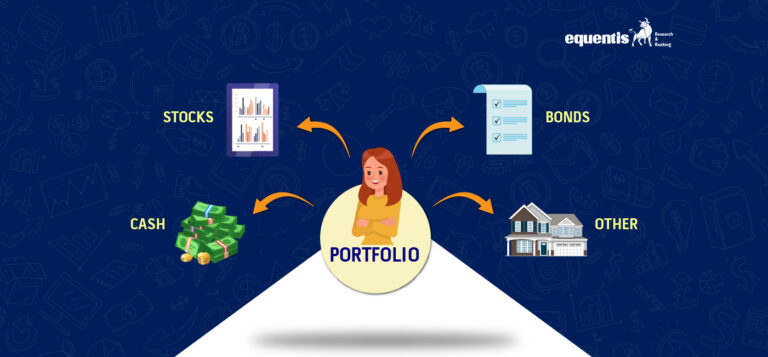
Asset allocation is a strategy for creating a diversified investment portfolio and managing risk and returns. It involves spreading investments across various asset classes, such as stocks, bonds, gold, and real estate.

Each asset class is initially assigned a set percentage of the total portfolio. Over time, the strategy may evolve. Some methods involve rebalancing to maintain the original allocations. Other approaches adjust allocations based on investor age, increasing allocation to safer assets like bonds and reducing exposure to riskier assets like stocks as the investor ages.

Asset allocation helps manage risk by spreading investments across different asset classes, reducing dependency on one type of investment. Based on financial goals and risk tolerance, it can also lead to better risk-adjusted returns. Additionally, asset allocation strategies assist in achieving financial goals by diversifying investments according to one’s risk-taking ability. 

Categories of asset classes:

Indian investors have four main asset categories to consider:

  • Equities: This involves direct investment in listed companies, where you acquire short-term or long-term investment stocks. It’s a riskier option due to market volatility. You can invest in equities through mutual funds and individual company stocks.
  • Fixed Income: These low-risk investments offer regular income over a fixed period. Options include FDs, money market instruments, and corporate and government bonds.
  • Real Estate: Investing in properties is an option for appreciation and rental income, though it requires substantial funds. Real Estate Investment Trusts (REITs) offer a way to invest without owning physical properties, providing income through dividends and potential capital gains.
  • Gold: Adding gold to your portfolio reduces risk through diversification. Gold prices often move inversely to stock markets, serving as a hedge against market volatility. Experts recommend limiting gold exposure to 5-10% of total investments.

Additional investment options include international equities, digital assets, infrastructure projects (via infrastructure investment trusts), and commodities like silver, cotton, and zinc (through ETFs). You can also turn to cash and cash equivalents, such as CBLO and TREPs, to provide essential liquidity despite yielding low returns. Investors and institutions utilize these short-term instruments like certificates of deposit for easy fund access and security. Whatever the combination of assets, asset allocation should align with your diversification strategy and investment goals.

Asset Allocation Strategies:

  1. Strategic Asset Allocation:

Strategic asset allocation involves deciding and maintaining your portfolio’s right mix of asset classes. This mix is determined based on factors like your age and risk tolerance. Periodic rebalancing keeps the proportion of assets at predetermined levels.

For instance, with the NPS’s auto-choice option, investors can select an equity allocation ranging from 25% to 75% until they reach 35. After that, the equity portion is reduced annually by a fixed percentage. This adjustment aligns the NPS asset allocation with the investor’s age.

  1. Tactical Asset Allocation:

Tactical asset allocation means adjusting a portfolio’s mix of asset classes based on market changes. The goal is to profit from short-term market trends in stocks and bonds. For instance, during a market decline, increasing the share of stocks in a portfolio can capitalize on lower stock prices. Later, when the market rebounds, selling these stocks at a higher price can yield greater returns. This strategy aims to exploit temporary market movements to enhance investment performance.

  1. Dynamic Asset Allocation:

Dynamic asset allocation, like tactical asset allocation, involves adjusting short-term allocations of asset classes to respond to market changes. Unlike tactical allocation, which is manual, dynamic allocation uses automated systems driven by financial models. Investors seeking this strategy can invest in balanced advantage funds, also called dynamic asset-allocation funds, for managed portfolios.

  1. Life-Cycle Funds:

In life-cycle or targeted-date funds, investors optimize ROI (Return on Investment) based on investment goals, risk tolerance, and age. This portfolio approach is intricate due to individual variations in these factors. 

For instance, if Theo’s original mix is 50% bonds and 50% stocks, his risk tolerance for stocks might rise by 15% after five years. Consequently, he might sell 15% of bonds and reinvest in stocks, changing his mix to 65% stocks and 35% bonds. This allocation can evolve according to investment objectives, risk tolerance, and age.

  1. Age-based Asset Allocation:

The age-based asset allocation strategy bases your equity mutual fund allocation on your age. One common approach is subtracting your current age from 100 to determine your equity allocation. For instance, at age 25, allocate 75% (100-25) to equity and 25% to debt or other asset classes.

  1. Insured Asset Allocation:

For risk-averse investors, insured asset allocation is the optimal strategy. This method establishes a minimum asset value for the portfolio. If the value declines below this baseline, the investor reacts to mitigate risk. Conversely, if the portfolio maintains a value slightly above the baseline, the investor can confidently manage assets through buying, holding, or selling.

Factors Affecting Asset Allocation:

Personal goals, risk tolerance, and investment horizon guide your portfolio distribution. Goal factors represent individual aspirations, influencing investment decisions based on desired returns or specific savings objectives. Risk tolerance reflects an individual’s readiness to withstand potential losses against potential higher returns. Risk-averse investors favor secure assets, while more aggressive investors accept higher risks for potentially greater rewards. Time horizon refers to the duration an investor plans to invest, often aligned with their investment goals. Long-term strategies may involve riskier portfolios, as economic dynamics could favor such investments over time. Conversely, short-term goals typically steer investors away from higher-risk portfolios due to the unpredictability of immediate returns. Understanding these factors helps you tailor your portfolios to match your unique circumstances and objectives.

Bottom line:

Proper fund allocation across diverse assets optimizes returns and reduces risk. Asset allocation varies per investor, depending on goals and risk tolerance. Strategies adapt to individual financial goals and investment horizons. Asset mix should adjust with age and changing financial objectives.One way to ensure the right asset allocation for your portfolio is to consult a SEBI-registered share market advisory. Their expertise will help you learn more about asset preservation and asset allocation based on your financial profile.

FAQs

  1. What should be my asset allocation?

    Though there is no fixed formula for the proper asset allocation that will suit everyone alike, going by the generally adopted ratios, you can allocate as follows-
    60% equity and 40% debt instruments (most followed)
    70% equity, 20% debt instruments, and 10% gold (tilting towards equity)
    50% equity, 40% debt instruments and 10% gold (balanced allocation)
    34% equity, 33% debt instruments, 33% gold (equally weighted)

  2. What are the three asset allocation models?

    The three asset allocation models include-
    Strategic Asset Allocation (where the asset ratios are decided and rebalanced regularly to maintain it)
    Tactical Asset Allocation (where investors keep revising the asset mix based on the market changes)
    Dynamic Asset Allocation (involves short-term allocation adjustments using financial model systems)

  3. What is asset allocation and diversification?

    Asset allocation and diversification aim to balance risk and return in your portfolio. Asset allocation means assigning varying proportions of stocks, bonds, and cash. Diversification goes further by spreading investments across different assets within each category. Instead of predicting top-performing stocks or bonds, diversification involves investing in multiple types of assets.

  4. What is asset preservation?

    Asset preservation involves methods, plans, and legal measures to safeguard assets owned by individuals and businesses from dangers involving bankruptcy or any legal claim against the owner.

Introduction

Want to know how to do trend analysis for the stock market? Read on to know more. Market trends are vital for stock trading. Experienced traders stress the importance of understanding market trends to avoid confusion. Trends indicate upward, downward, or stable market direction and offer insights into potential future movements.

Many traders analyze past trends under similar economic circumstances to forecast stock returns. While regular stock market analysis helps identify promising investment sectors, understanding stock market analysis helps make more calculated investment decisions. How can stock market analysis be used to make profitable trades? Let’s begin with the basics. 

What is a trend?

A trend indicates the direction of a stock’s price movement, typically up or down based on market sentiment. Stock prices are often volatile in the short term and don’t follow a straight path. When identifying trends during stock market analysis, you need to fix a timeframe and analyze them. 

Longer-term price movements reveal more apparent market trends. The longer a trend persists, the easier it is to recognize. Trends reflect the overall market direction over time, either upward (bullish) or downward (bearish). No set minimum duration defines a trend; however, longer-lasting trends are more significant. 

Types of Trends:

Stock market trend analysis involves using historical numerical data, typically from financial statements or alternative sources, to identify patterns. Three main trends can be observed after plotting this data on a chart.

  1. Upward Trend:

The trend shows a series of increasing data points. Rising stock prices suggest favorable conditions and make the stock seem like a good investment. An upward trend also signals a bull market, a stock market phase when prices grow and market sentiment is optimistic.

  1. Downward Trend:

A downward trend signifies a decreasing variable value. For example, a sharp drop in a company’s profits should caution traders and investors about the falling price of a risky stock. This principle applies to various economic and financial variables showing a downward trend. Similarly, a drop in stock price indicates a bearish market.

  1. Horizontal Trend:

This trend suggests stagnation, indicating that stock prices or other metrics are not changing significantly. A stagnant trend fluctuates temporarily but generally remains flat over time. It’s risky to base investment decisions on such horizontal trends.

What is Trend Analysis?

Technical analysis involves evaluating investments and spotting trading opportunities using statistical data from trading activities, such as historical price movements and volume. Trend analysis, or stock market analysis, is a technique within stock market technical analysis. 

Traders use stock market analysis to forecast future trends based on historical data, comparing data points over specific periods to identify trends across short, intermediate, and long terms. This is a form of comparative analysis where current observations predict future ones, gauging whether trends like sector gains will continue or spread to other areas. While it involves vast data, it doesn’t assure accuracy. 

The stock market analysis forecasts trends like a bull market or a market shift from bull to bear, aiding investors who profit by following trends rather than opposing them. A consistent trend over time suggests stability and certainty, but active investors often prefer frequent trend changes for their potential high rewards despite risks. 

Methods of Fundamental Analysis of Stock Market:

Moving Average

Source: TradingView

The moving average (MA) is an indicator that helps smooth out short-term price fluctuations over a specific period. Traders using this strategy usually enter long positions (long-term investment) when the short-term moving average rises above a long-term moving average. Conversely, they enter short positions when the short-term MA falls below the long-term MA.

Momentum Indicator

This tool helps investors assess stock price strength and weakness by gauging the rate of increase or decrease. Traders enter long positions when a stock price rises or falls rapidly with significant momentum. They exit these positions when the stock’s momentum begins to decline. Common momentum indicators include 

  • Moving Average Convergence Divergence (MACD) is a momentum indicator that defines the relationship between two moving stock price averages.
9jLh18Vwb1XuJKUd4q6IDJwd4LkkI3xMzNkrpQgH3v665ZhuOCTvf9jskozBXpbMHP KNz9xgo9U5NYgRJ1K1lcC0O4XYQHmd7bg95rsiCgosja3chukPPik8 NhsOhk7j8AwGEO4rszkrIGUWPr I0
Source: TradingView

Relative Strength Index (RSI)

Relative Strength Index (RSI)- assesses the magnitude of price changes to identify oversold and overbought conditions.

daC4Z ePNjH2zLqJ1iwE9CcsDTIwmun2aHMgQP4qtHIpe2dpBx2U1GXAUNwaRjlZ34NWwGBjgXs12GkqlvCmABv f OKZxgYetTcA8oYqFxuoerbd4mP0TYaW4qW JjJ741Dr my41o1tKaFqZa7CTA
Source: TradingView

Chart Patterns and Trend Lines

Tczidbm2QcrChedE2rhjms89FxzI2xv swZ48puwFVifMtaAzK
Source: TradingView

Trend lines are sequences of lines and curves used in technical analysis to identify price patterns. Traders use these to determine support and resistance levels. When a company’s shares trend higher, traders using this strategy enter long positions and place stop-loss orders below support levels.

How do we know if a trend is established?

You need to follow specific guidelines to determine whether a stock market trend is valid in the analysis. Here are five rules for accurate stock market chart analysis:

  • Three Data Points: A trend requires at least three data points to be considered valid.
  • Direction: Trends move up, down, or sideways. Long-term price analysis reveals all three trends on a single chart.
  • Slope: The slope of a trend line indicates its strength. Steep lines suggest a strong trend, while flat lines raise doubts about validity and predictability.
  • Time Frame: Longer time frames, such as monthly prices, hold more significance than weekly or daily fluctuations.
  • Durability: The longer a trend persists, the more reliable it becomes

Bottom Line

Stock market analysis requires sorting through extensive data. Initially, you must pinpoint the sector for analysis before delving into the specifics, then dive into the external and internal influences that shape market trends. Finally, you can leverage this data to forecast market trajectories during stock market analysis.

Stock market analysis guides your stock selection through changing geopolitical events, market sentiment, and economic conditions, such as India’s GDP growth and retail inflation trends. Experts recommend combining stock market analysis methods to devise effective trading strategies. Consult a SEBI-registered financial advisor to learn about data analysis strategies and techniques. They can help you invest in short—and long-term investment stocks according to your financial profile.

FAQs

  1. How to do a stock market analysis?

    The primary stock market analysis involves checking whether the market is following an upward trend and moving toward a bullish market, is in a declining stage and changing to a bearish market, or is following a horizontal trend. You must consider three or more data points to establish a trend in the securities price chart.

  2. Can I invest Rs.10 in the share market?

    There is no minimum investment requirement in the Indian share market. You can start with a small amount. The initial trading amount depends on individual investment goals and risk tolerance. However, transaction costs or brokerage fees can affect the quantity you buy with Rs.10.

  3. What do you mean by PE ratio?

    The Price-to-Earnings Ratio compares the current share price with earnings per share (EPS). It’s a vital tool for valuing stocks, indicating whether they are overvalued or undervalued. This ratio helps assess whether a stock is affordable and aids investment decisions during a stock market analysis.

Introduction

In the dynamic realm of investing, understanding psychology in stock market is essential for making informed decisions and accurate predictions. Psychology in stock market refers to the collective emotions, sentiments, and behaviors of investors that influence stock prices and market trends. By delving into the intricacies of psychology in stock market, investors can gain valuable insights into market movements and enhance their predictive abilities.

Why Psychology Plays a Crucial Role in Stock Market Decisions

Psychology is vital in the stock market as it drives investor behavior and shapes market dynamics. Emotions like fear, greed, optimism, and pessimism often override rational decision-making, leading to market trends that deviate from fundamental valuations. Recognizing these patterns helps investors make better-informed decisions and avoid common pitfalls.

Understanding the Basics of Market Psychology and Its Impact on Investors

Market psychology refers to the collective sentiment and emotions of investors that influence their trading decisions. Key psychological factors include fear, greed, herd mentality, and loss aversion. Fear can lead to panic selling during market downturns, while greed can result in overconfidence and poor investment choices. Herd mentality involves following the crowd without proper analysis, and loss aversion causes investors to hold onto losing stocks to avoid realizing a loss. These psychological factors significantly impact share prices, creating fluctuations and trends in the market.

Understanding market psychology is crucial for making informed investment decisions. By recognizing and managing emotional influences, investors can develop strategies to overcome biases and maintain a disciplined approach. This includes practicing mindfulness, building a rule-based investment strategy, and focusing on long-term goals. Mastering market psychology can lead to more rational decision-making and improved financial outcomes.

What is Psychology in Stock Market?

The Concept of Market Psychology: Emotional vs Rational Decisions

Market psychology encompasses the emotional and rational aspects of decision-making by investors. While rational decisions are based on data and analysis, emotional decisions often stem from fear or greed, leading to unpredictable market movements.

How Investor Behavior Shapes Market Trends and Volatility

Investor behavior influences market trends significantly. Collective actions, such as panic selling or speculative buying, can create volatility and cause markets to deviate from their intrinsic value. Understanding these behaviors is crucial for anticipating market movements.

Key Psychological Factors Affecting Stock Market Decisions

1. Fear: The Role of Panic Selling and Market Crashes

Fear often drives investors to sell assets during market downturns, amplifying price declines and creating negative feedback loops.

2. Greed: How Overconfidence Leads to Poor Investment Choices

Greed pushes investors toward speculative investments, often resulting in bubbles and subsequent market corrections.

3. Herd Mentality: Following the Crowd Without Analysis

Many investors follow the majority without conducting independent research, leading to exaggerated market trends.

4. Loss Aversion: Why Investors Hold on to Failing Stocks

Investors often hold onto losing positions due to an aversion to realizing losses, leading to missed opportunities.

How Market Psychology Impacts Share Prices

1. Bull Markets: The Optimistic Investor Mindset

In bull markets, optimism drives demand, causing prices to rise and reinforcing positive sentiment.

2. Bear Markets: Emotional Selling and Pessimism

Bear markets are characterized by fear-driven selling, which suppresses prices and dampens investor confidence.

3. Volatility: How Psychological Reactions Create Market Fluctuations

Sudden changes in sentiment lead to heightened volatility, as investors react to news, events, or economic data.

The Role of Share Market Psychology in Investment Strategies

1. Behavioral Biases That Hinder Rational Decision-Making

Biases like anchoring, confirmation bias, and overconfidence can cloud judgment and impact investment outcomes.

2. Strategies to Overcome Emotional Investing

Implementing systematic approaches, such as rule-based investing and diversification, can reduce emotional influence.

3. Long-Term vs Short-Term Thinking: Staying Disciplined

Focusing on long-term goals helps investors avoid impulsive decisions driven by short-term market fluctuations.

How to Master Stock Market Psychology

1. Recognizing Common Psychological Biases

Anchoring Bias

Focusing too much on past stock prices can reduce your ability to make flexible decisions.

Confirmation Bias

Seeking information that aligns with existing beliefs while ignoring contradictory evidence.

2. Practicing Mindfulness and Emotional Control in Trading

Developing emotional awareness and mindfulness can help traders stay composed during volatile markets.

3. Building a Rule-Based Investment Approach

Establishing predefined rules for entry, exit, and risk management minimizes emotional interference.

Lessons From Behavioral Economics in Stock Markets

1. Case Studies: Famous Market Crashes and Investor Psychology

Dot-Com Bubble

Excessive optimism during the late 1990s led to the overvaluation of internet stocks, followed by a significant crash.

COVID-19 Pandemic

Initial fear caused sharp declines, but subsequent optimism over recovery and government interventions fueled market rebounds.

2. Understanding Risk Perception and Decision-Making Under Pressure

Behavioral economics highlights how risk perception changes under stress, influencing investor actions during crises.

Conclusion

Why Understanding Market Psychology is Key to Investment Success

Psychology in stock market is a powerful force that shapes market dynamics and influences investor behavior. By understanding the psychological factors driving market trends, investors can make more informed decisions, anticipate market movements, and navigate volatile conditions more confidently. Incorporating insights from psychology in stock market into investment strategies can lead to improved risk management and long-term success.

FAQs

  1. Is stock market 70% psychology?

    While exact percentages are debatable, psychology undeniably plays a significant role in stock market movements, influencing investor behavior and impacting stock prices alongside fundamental and technical factors.

  2. How to develop psychology in stock market?

    Developing a strong psychology in the stock market involves educating oneself about market dynamics, practicing emotional discipline, implementing risk management strategies, and maintaining mindfulness and patience in decision-making.

  3. What are the 4 emotions in stock market?

    Four primary emotions influencing the stock market are fear (leading to selling pressure), greed (driving speculative buying), optimism (fueling bullish sentiment), and pessimism (causing selling pressure during uncertain times). Understanding and managing these emotions are crucial for successful investing.

What is Socially Responsible Investment (SRI)? Including environmental, social, and governance (ESG) factors. Learn about examples of SRI investments, such as renewable energy companies and ethical funds, and discover the strategies involved in SRI, including positive and negative screening, engagement, and impact measurement.

In recent years, investors have grown interested in aligning their investment decisions with their values and societal impact. This has led to the rise of Socially Responsible Investing (SRI), a strategy that focuses on financial returns and environmental, social, and governance (ESG) factors. Let’s delve into what SRI entails, its principles, benefits, and how investors can participate in this meaningful approach to investing.

Understanding Socially Responsible Investing (SRI)

Socially Responsible Investing (SRI) involves investing in companies, funds, or projects that align with ethical, environmental, and social values. Rather than solely focusing on financial metrics, SRI considers factors such as sustainable practices, corporate governance, community impact, human rights, and environmental stewardship as investment options for gen-z it’s crucial for them to learn how to navigate investment risks while being socially responsible investors.

Principles of Socially Responsible Investing

  • Environmental Sustainability: Socially Responsible Investing emphasizes investing in companies that prioritize environmental conservation, reduce carbon footprint, promote renewable energy, and adopt eco-friendly practices.
  • Social Justice: SRI means investing in companies that demonstrate fair labor practices, diversity and inclusion, respect for human rights, and positive contributions to the communities in which they operate.
  • Corporate Governance: Socially Responsible Investing evaluates companies based on their 
  • transparent and ethical governance structures, responsible executive compensation, and shareholder rights, and accountability to stakeholders. This process can be made more accessible with the help of portfolio management services.

Benefits of Socially Responsible Investing

  • Alignment with Values: Socially Responsible Investing portfolios allow investors to support causes and values they care about, such as environmental protection, social justice, and ethical business practices.
  • Risk Management: Companies with strong ESG practices manage risks better, including regulatory, reputational, and operational risks, which can contribute to more stable long-term returns. A stock market advisory can make this more foolproof.
  • Long-Term Performance: This will be high on the pros and cons of socially responsible investing. Studies show that companies with strong ESG performance often exhibit resilience, innovation, and long-term financial sustainability, potentially leading to competitive returns for investors.

How to Participate in Socially Responsible Investing

  • Research and Screening: Conduct thorough research or work with financial advisors specializing in SRI to identify investment opportunities aligned with your values and ESG criteria.
  • Investment Vehicles: Invest in Socially Responsible Investing through mutual funds, exchange-traded funds (ETFs), impact investing platforms, or directly in socially responsible companies or projects.
  • Engagement and Advocacy: Participate in shareholder activism, engage with companies on ESG issues, and support initiatives promoting sustainable and responsible business practices.

Also Read: Top 10 Solar Energy Stocks in India

Conclusion on Socially Responsible Investment (SRI)

A guide to socially responsible investing represents a paradigm shift in the investment landscape, emphasizing financial returns and positive societal and environmental impact. By integrating ESG factors into investment decisions, investors can contribute to a more sustainable and equitable world while potentially achieving competitive financial returns. Embracing the history of Socially Responsible Investing shows that it is not just about making money—it’s about investing with purpose and creating a better future for generations to come.

FAQs on Socially Responsible Investment (SRI)

  1. What is socially responsible investing?

    Socially Responsible Investing (SRI) is an investment approach considering environmental, social, and governance (ESG) factors alongside financial returns. It involves investing in companies, funds, or projects that align with ethical values, sustainability practices, social justice, and responsible corporate governance.

  2. What are examples of socially responsible investments?

    Examples of socially responsible investments include:
    Renewable Energy Companies: Investing in companies that develop and promote renewable energy sources such as solar, wind, or hydroelectric power.
    Ethical Funds: Investing in mutual funds or ETFs that screen companies based on ESG criteria, excluding industries such as tobacco, weapons, or those with poor environmental records.
    Community Development Projects: Investing in initiatives that support affordable housing, education, healthcare, or sustainable infrastructure in underserved communities.
    Impact Investing involves allocating capital to projects or companies that aim to generate positive social or environmental impact alongside financial returns, such as microfinance institutions or clean water initiatives.

  3. What is the socially responsible investment strategy?

    The socially responsible investment strategy involves several key principles:
    ESG Integration: Incorporating environmental, social, and governance factors into investment analysis and decision-making processes.
    Positive Screening involves investing in companies or projects with strong ESG performance, ethical practices, and contributions to societal well-being.
    Negative Screening: Avoiding investments in industries or companies involved in controversial activities such as tobacco, weapons, or environmental degradation.
    Engagement and Advocacy: Engaging with companies as responsible shareholders to encourage sustainable practices, transparency, and accountability through shareholder activism and dialogue.
    Impact Measurement: Evaluating and monitoring the social and environmental impact of investments to ensure alignment with Socially Responsible Investing goals and objectives.

  4. What are socially responsible investing values?

    Socially responsible investing (SRI) values emphasize aligning investment choices with ethical, social, and environmental principles. These values typically encompass environmental responsibility, where investors prioritize companies that focus on sustainability, renewable energy, and environmental protection. Social impact is another key value, guiding investments towards businesses that promote social justice, human rights, and community development. Corporate governance also plays a crucial role, with a preference for companies that demonstrate transparent, ethical practices and responsible management. Additionally, SRI values often involve the exclusion of harmful industries, such as tobacco, weapons, and fossil fuels, to avoid supporting sectors that negatively impact society and the environment. Positive screening is also common, where investors seek out companies with strong records in Environmental, Social, and Governance (ESG) criteria. Lastly, community investment is a significant aspect, directing funds towards local and underserved communities to foster economic growth and development.

  5. What is the difference between ESG investing and socially responsible investing?

    Environmental, Social, and Governance (ESG) investing and Socially Responsible Investing (SRI) both integrate ethical and sustainability considerations into investment decisions, but they differ in their approaches and focus. ESG investing evaluates companies based on specific criteria: environmental impact, social responsibility, and governance practices. It aims to identify companies that excel in these areas, believing that strong ESG performance can lead to better financial returns and reduced risks over time. On the other hand, SRI involves selecting or excluding investments based on specific ethical guidelines or moral values. This approach often includes screening out industries or companies that are deemed harmful, such as tobacco, weapons, or fossil fuels, and actively choosing investments that align with the investor’s ethical beliefs. While ESG investing focuses on integrating a broad set of criteria to identify overall sustainability and ethical performance, SRI places more emphasis on aligning investments with the investor’s personal values and societal impact goals.

  6. What is another term for socially responsible investing?

    Another term for socially responsible investing (SRI) is ethical investing. This term emphasizes the focus on aligning investments with personal ethics and values, ensuring that the investor’s money supports causes and industries that reflect their moral principles and societal concerns.

Since its introduction in the 1970s, the windfall tax has stirred ongoing discussions. While proponents of the tax argue for its societal benefits, opponents raise concerns about its potential impact on business profitability and innovation.

Understanding this pivotal aspect of taxation is essential for entrepreneurs or those aspiring to venture into business. Let’s delve into the concept of windfall tax, exploring its implications, advantages, disadvantages, and more.

What is Windfall Tax?

A windfall tax is a fiscal measure governments implement to target specific industries that unexpectedly enjoy significant profits. When certain sectors experience a sudden and notable increase in earnings, the government intervenes by imposing this additional tax.

The term “windfall” denotes an unforeseen and substantial boost in profits, while “tax” signifies the government’s response to this sudden wealth accumulation. This tax is typically applied when authorities detect a rapid surge in revenue within a particular industry.

For instance, the oil and gas sectors may witness a sudden profit spike during geopolitical instability like the recent Russia-Ukraine conflict. In such cases, governments may implement a windfall tax on these industries.

Importantly, these increased profits are often unrelated to the companies’ active business strategies or expansions. Instead, they stem from external factors beyond their control. Thus, the imposition of a windfall tax aims to ensure that these unexpected gains are shared with society. You can also learn about the concept of taxation from our blog.

For example, In 2011, the UK government imposed a windfall tax on profits from oil and gas companies operating in the North Sea. The tax was intended to capture some of the extraordinary profits of high oil prices.

What is the Purpose of Windfall Tax?

  • Revenue Generation: One primary purpose of a windfall tax is to generate additional revenue for the government. Governments can fund public services, infrastructure projects, or other initiatives by taxing excessive profits without imposing additional burdens on the general population.
  • Fairness and Equity: Windfall taxes are also seen as a means of promoting fairness and equity in society. By taxing windfall profits, governments can prevent a small number of entities from disproportionately benefiting from favorable circumstances, ensuring a more equitable distribution of wealth.
  • Market Stabilization: In some cases, windfall taxes stabilize markets and prevent excessive speculation or exploitation of resources. Governments can discourage excessive risk-taking and promote stable economic conditions by taxing windfall profits.

How does Windfall Taxation Function?

For investors eyeing an upcoming Initial Public Offering (IPO), the prospect of a Windfall Tax may not be a pressing concern. Typically targeted at well-established enterprises poised to profit from external circumstances, Windfall Taxes are designed to capture unexpected gains.

In essence, Windfall Profits denote sudden gains, and taxes levied on such gains are dubbed Windfall Taxes. They aim to tax windfall beneficiaries arising from novel or unforeseen events, such as the crisis between Russia and Ukraine. Unlike taxes tied to production processes or deliberate corporate strategies, Windfall Taxes are a one-time levy imposed retrospectively atop standard tax rates.

Traders often discuss Windfall Taxes within volatile stock markets and commodities prone to price fluctuations.

How is Windfall Tax Calculated?

The government assesses profits exceeding a specified baseline over a defined period to calculate the windfall tax. Initially, a baseline profit level is established, often based on industry or business average profits from previous years.

After identifying the baseline profits, the excess profits generated during the windfall period are deducted to determine the surplus. The windfall tax is then computed as a percentage of this surplus.

It’s important to note that the windfall tax rate and the surplus calculation can vary based on government policies or specific circumstances. Additionally, governments may occasionally offer windfall tax rebates to taxpayers.

What are the Advantages and Disadvantages of Windfall Tax?

Here’s a detailed understanding of the advantages and disadvantages:

Windfall Tax in India – Latest Update:

On Monday, 15th April 2024,  the Indian government declared a rise in the windfall tax on petroleum crude, elevating it from ₹6,800 to ₹9,600 per metric ton, effective April 16. This periodic tax adjustment, undertaken every fortnight, will continue to stand at zero for diesel and aviation turbine fuel.

The reason being stated for this is that the decline in oil prices mirrored a shift in market sentiment, seemingly diminishing concerns about a wider regional conflict in the aftermath of Iran’s weekend attack on Israel.

In conclusion, a windfall tax is a targeted levy imposed on businesses or industries that experience sudden and unusually high profits. It is designed to capture some excess profits for society’s benefit and promote fairness, equity, and market stability. 

FAQs

  1. What triggers a windfall tax?

     A windfall tax is typically triggered by a sudden and significant profit increase due to external factors such as changes in market conditions, government policy, or natural resource discoveries.

  2. How is the rate of a windfall tax determined?

    The windfall tax rate is often determined based on the level of excess profits generated by the affected businesses or industries. Governments may use various methods to calculate this excess, such as comparing current profits to historical averages or industry norms.

  3. Are windfall taxes permanent or temporary measures?

    Windfall taxes are temporary measures to address specific economic challenges or policy goals. Once these goals are achieved or the economic conditions change, the tax may be repealed or modified accordingly.

World Earth Day, which was observed on April 22 this year, highlights the importance of environmental conservation and sustainability. It encourages us to band together and take action to make the world healthier and brighter.

To honor Earth Day, which inspires change and promotes the close connection between sustainability and financial wellness, we introduce the concept of Eco-smart Finance.

Eco-smart finance is a strategy that promotes the inclusion of sustainable practices into financial planning. It is about achieving long-term financial health while following environmentally friendly practices.

As we commemorate this day dedicated to planetary well-being, we’ve compiled a list of five easy hacks you can use to boost your financial growth while also benefiting the environment. Let’s get on board.

What is Eco-smart Finance?

Eco-smart finance, also known as sustainable, socially responsible, or green investing, is a strategy that involves making investment decisions based on the environmental, social, and governance (ESG) performance of companies, industries, and assets.

Eco-smart investing is gaining traction as more investors seek to align their financial goals with their personal values and contribute to a sustainable future. Before delving further down, here are some key aspects of eco-smart investing or finance to consider:

  • Environmental Considerations: Investors focus on companies that positively impact the environment, such as those involved in renewable energy or pollution reduction.
  • Social Responsibility: We invest in companies that use fair labor practices, promote human rights, and engage positively with their communities.
  • Governance: Investors look for companies with ethical governance practices, including transparency, shareholder rights, and fair executive compensation.
  • Impact Investing: This goes beyond ESG criteria by actively seeking out investments that can generate measurable social or environmental benefits alongside financial returns.

Also Read: Top 10 Solar Energy Stocks in India

Tips For Making Eco-smart Finance Choices

Sustainable finance is becoming increasingly important for individuals who want to align their financial activities with environmental responsibility.

Here are five eco-smart strategies that can help you achieve financial prosperity while contributing to a sustainable future.

1. Invest in Green Bonds and Stocks:

Consider allocating a portion of your investment portfolio to green bonds and stocks in companies that value sustainability.

Green Bonds are fixed-income securities used to finance projects with environmental benefits, such as clean energy or sustainable infrastructure. These sectors can include renewable energy, sustainable agriculture, and green technology.

Green StocksSub-sector
Adani Green EnergyRenewable Energy
Zodiac EnergyRenewable Energy Equipment and Services
KPI Green EnergyRenewable Energy
Inox Green Energy ServicesConstruction and Engineering

List of Green Bonds In India

Green BondIssue DateMaturity DateAmountTenure
L&T Infrastructure Finance Company Ltd29/06/201718/11/2024Rs. 667 Cr7.39 years
Tata Cleantech Capital Limited18/12/201818/12/2023Rs. 180 Cr5 years
Indore Municipal Corporation20/02/202320/02/2026- 20/02/2032Rs. 244 Cr3 -9 years
green debt 1
Source: SEBI | Green Debt Securities

2. Support companies with eco-friendly initiatives

Adopting eco-smart investing means choosing financial products and services that support sustainable practices. For example, some banks offer credit and debit cards made from recycled or biodegradable materials, and tailored programs are available for businesses to help them adopt greener practices. Some of the Banks that switched to recyclable or biodegradable debit/credit cards are-

  • HSBC India has introduced credit cards made from recycled PVC plastic (rPVC) and plans to phase out single-use PVC cards by the end of 2026 as part of its environmental initiatives.
  • Airtel Payment Bank has launched an eco-friendly debit card made from recycled polyvinyl chloride (rPVC), a major step towards environmentally responsible banking.

These initiatives reflect a growing trend in the banking industry to adopt more sustainable practices and reduce the environmental impact of plastic waste.

Also Read: Exploring Socially Responsible Investment

2. Opt for Green Loans for Eco-Friendly Projects

If you’re planning to finance a home renovation or purchase an electric vehicle, look for green loans that offer favorable terms for eco-friendly projects. Some of the key advantages of Green Loans include-

  • Lower Interest Rates: Green loans typically come with lower interest rates than traditional financing options, making them more cost-efficient.
  • Subsidies and Incentives: Depending on the region and the specific green loan program, borrowers may be eligible for subsidies, tax benefits, or other financial incentives.
  • Long-Term Financing: Some green banks or financial institutions provide long-term loans, which can benefit projects with a longer payback period.
  • Additional Loan Proceeds: Borrowers might receive extra loan proceeds to cover additional costs associated with their green projects.

3. Support Sustainable Companies: Use your purchasing power to help companies that prioritize environmental, social, and governance (ESG) practices. SKOCH’s recent report, “India Involved Index 2023,” assesses India’s commitment to becoming a developed nation by 2047 and how well its actions align with ESG parameters.

Here, sharing a glimpse of the report highlights-

  • Reliance Industries ranks first, followed by Hindustan Unilever, and the Adani Group demonstrates the highest commitment to Viksit Bharat.
  • Hindustan Unilever leads India’s ESG involvement ranking; Adani Group is second, and Britannia is third.
  • Jio Platforms leads India’s involvement in digital transformation, with Lupin coming in second and Heritage Foods third.
  • Bank of India ranks first in India for corporate excellence, followed by HDFC Life Insurance and Aditya Birla Health Insurance.
image 22
Source: The Week

4. Practice Energy-Efficient Habits

Adopting energy-efficient habits at home can reduce your carbon footprint and save you money. These include using LED lighting, energy-saving appliances, switching to renewable energy sources like Solar or wind energy, and reducing water waste.

5. Financial Recycling: Applying the principles of “reduce, reuse, recycle” to personal

Financial Recycling is a concept inspired by the environmental mantra “reduce, reuse, and recycle.” It is about using these principles to manage money sustainably and efficiently. Here’s a breakdown of how each principle can be applied:

Reduce: This includes reducing unneeded costs and debt. It’s about being more aware of your spending habits and looking for ways to cut costs without sacrificing your quality of life.

Reuse: This principle promotes the use of existing financial resources in new ways. It could include reinvesting dividends from investments or finding new uses for saved money, such as using a shopping-day fund for an investment opportunity.

Recycle: Recycling means taking the profits from one investment and putting them into another, keeping the money active and working for you.

It can also refer to strategies such as debt recycling, which involves replacing non-deductible debt (such as a home loan or a car loan) with deductible debt (such as an investment loan) to reduce taxes and increase wealth potentially.

The Bottom Line

Combining eco-friendliness with financial growth can lead to financial benefits such as tax incentives, lower utility bills, and potentially higher returns on investments. In this article, we’ve shared five super-useful hacks you can use to keep up with the growing trend of sustainability.

By adopting eco-friendly practices, from investing in green stocks or bonds to supporting green business operations, we can pave the way for a healthier planet. Furthermore, green deposits are an excellent way to achieve eco-smart finance, as banks offer competitive interest rates and promote sustainable practices. Central Bank offers the CENT Green Time Deposit, AU Bank the AU Green Fixed Deposit, and SBI the Green Rupee Term Deposit.

All of these Eco-smart investments share the goal of using the deposits to lend to renewable energy projects, green building projects, and waste management. Do your research on Eco-smart finance thoroughly. Understanding the impact of your financial decisions can lead to more mindful choices.

FAQs

  1. How can eco-smart investments contribute to a healthier planet?

    Investors can drive innovation and support India’s commitment to the Sustainable Development Goals by channeling funds into renewable energy, clean technology, and sustainable agriculture.

  2. What sectors in India are prime for eco-smart investments?

    Sectors like clean energy, electric vehicles, and green infrastructure are ripe for investments that align with both profitability and ecological impact

  3. Can eco-smart investments also be financially rewarding?

    Absolutely; with India’s growing focus on sustainability, eco-smart investments are increasingly seen as opportunities for robust financial growth and long-term value creation.

  4. Can small investors participate in eco-smart investments?

    Yes. Some platforms and funds allow retail investors to contribute to eco-friendly projects with smaller capital outlays.

  5. What are the risks associated with eco-smart investments?

    While eco-smart investments are forward-looking, they may carry risks like regulatory changes and market volatility, which should be carefully evaluated.

In an increasingly interconnected world, the ability to quickly and cheaply transfer money across borders is more than a convenience; it’s a necessity. 

Whether you are a student studying abroad, a family helping loved ones back home, or you run a company handling international transactions, the stakes are high, and every penny counts. 

This article will help you navigate the maze of exchange rates, transfer fees, and hidden charges. We will explore the complexities of cross-border money transfers and discuss the challenges and how to overcome them.

So, let’s get started.

What Are Cross-Border Remittances?

International money transfers or remittances are money people working away from their home country send back to their families. It’s a simple idea but has a big impact, especially in India.

ol9 6we5APM g bru QiN2e9M UOBFc3VT3MTnCLRJe4fJi7rFeV5KT3zIeJtQsucPShDCCQ lSQ
Source: Chart: The World’s Top Remittance Recipients | Statista

According to the World Bank, India’s inward remittances grew 12.3% to $125 billion in 2023. India remains the top recipient of remittances globally, followed by Mexico ($67 billion) and China ($50 billion). People from India who live and work in other countries send money back home, which benefits India’s economy. 

Importance of Remittance on the Global Economy

Money transfers back home significantly impact companies with international business and Indian students studying abroad. 

Remittances can help companies grow globally. For example, a business in India dealing with clients overseas can benefit from efficient remittance systems. They can reduce transaction times, ensure timely payments, and improve cash flow, which is crucial for maintaining a healthy business and expanding to new markets.

They are essential for Indian students studying in foreign countries. They help cover living expenses, tuition fees, and other costs. However, recent changes in tax laws mean that any money sent abroad for purposes other than education or health will face a higher tax rate. This can make it more expensive for families to support their children studying overseas.

Companies and students rely on remittances to effectively manage their finances across borders. It’s a vital part of the global economy that connects businesses, families, and students worldwide.

How is Cross-Border Remittance Cost Calculated?

The fees for cross-border payments can fluctuate based on factors such as the transaction amount, payment method, transfer destination, and prevailing exchange rates. Typically, these charges fall within 0.3% to 20% of the transaction amount.

  • Transfer Amount: The size of the remittance can affect the cost, with some services charging a percentage of the total amount.
  • Service Fees: Fixed fees may be applied by the service provider for processing the transaction.
  • Exchange Rate Margin: The difference between the market exchange rate and the rate offered to customers.
  • Payment Method: Costs may vary depending on the remittance mode- whether through the bank, digital money transfer services or platforms, or cash transfers.
  • Urgency: Expedited transfers can incur additional charges.

For example, according to the World Bank, the global average cost of sending $200 from one country to another was about $12.50 in early 2023, which is approximately 6.25%. In India, the average cost of cross-border remittance is about 6.2% of the transaction’s value. 

To reduce the expenses associated with remittances globally, comparing different service providers to find the most cost-effective option for your needs is always a good idea.

The challenges associated with Cross-border Transfers

  • Multiple Intermediaries: Money passes through several banks and services, and multiple checks for ensuring  Know Your Customer/Anti Money Laundering guidelines potentially taking a fee.
  • Currency Conversion: Fluctuating exchange rates can reduce the value of the money being sent.
  • Lack of Standard Regulations: Each country has its systems and regulatory authorities to protect consumers and their data, prevent fraud, and curb illegal activities related to cross-border payments. Complying with international laws and regulations can be complex and costly.
  • Speed: While several countries, such as Singapore, Mexico, the UK, and Australia, have successfully implemented real-time cross-border payment systems, many developing countries, like India, still encounter delays.
  • Message Formats- Cross-border retail payments rely heavily on the SWIFT MT103 messaging format, which is reliable but has limitations in carrying detailed information. 

The key challenge lies in interoperability. Faster payments reduce transaction time, but translation becomes necessary without compatible systems and messages. This process is time-consuming and raises the risk of errors.

India proposes Reducing the cost of cross-border Transfers

During the 13th WTO ministerial conference in Abu Dhabi, India suggested a work plan to reduce the costs of sending money to other countries. 

The proposal emphasizes making these transfers faster, cheaper, and more transparent for Least Developed Countries (LDCs) and developing nations. Also boosting international trade.

Why It Matters:

Big Savings: Sending money internationally currently costs quite a bit. India’s idea is to bring these costs down, which could save people a lot of money.

Supporting Families: Many people in India work in different countries and send money back home. Lower costs mean more money for their families.

Aligning With UN SDG Global Targets: India reaffirms its commitment to the UN SDG Goal of reducing transaction costs of remittances to less than 3% and eliminating remittance corridors with costs higher than 5% by 2030. 

Digital Push: India also encourages digital systems for these money transfers because they’re usually cheaper than traditional methods.

India’s move at the WTO is a big deal because it could help not just Indians, but people worldwide who need to send money to their loved ones. It’s about making life a little easier for everyone.

Tips and solutions for cross-border transfers

Compare Providers: Like shopping, compare different services to find the best rates and lowest fees.

Use Digital Platforms: Online services often have lower fees than traditional banks.

Plan Ahead: Avoid rush fees by sending money ahead of time when you can.

Send Larger Amounts Less Often: Fewer, larger transactions can reduce costs compared to many small ones.

Stay Informed on Exchange Rates: Knowing the best time to send money can save you a lot on conversion rates.

How Does Reduction in Cross-Border Transfers Impact Our Lives?

India’s initiative to reduce cross-border transfer costs is a game-changer, especially for individuals and businesses involved in international transactions. Here’s how it could impact our lives:

More Money Home: For the millions of Indians working abroad, lower transfer costs mean more of their hard-earned money can reach their families back home.

Boost to Economy: Remittances are a significant part of India’s GDP, and reduced costs could increase the total remittances received, giving the economy a healthy boost.

Encourages Formal Channels: By making formal channels cheaper, people are less likely to use informal, unregulated methods to send money, which are often riskier.

Supports Students Abroad: Indian students studying overseas will benefit from lower costs when receiving money for tuition or living expenses.

Business Growth: Indian businesses with international dealings can save on transaction costs, making them more competitive globally.

Digital Advancement: The push for digital solutions like UPI in cross-border payments could simplify transactions, making them faster and more user-friendly.

Overall, this initiative aims to make cross-border money transfers more accessible and affordable, positively affecting the lives of many by enhancing financial inclusion and supporting economic development.

The Bottom Line

At the WTO conference, India focused on cost-effective cross-border remittances promoting sustainable development worldwide. Achieving this goal is crucial for reducing inequality within and among countries, which aligns with the WTO’s development agenda.

Saving money on remittances is crucial for maximizing the value of cross-border transfers. Adopting digital solutions and standardized information sharing across borders can significantly expedite payment processing.

By researching the best transfer rates, avoiding high fees, and choosing the right time to send money, individuals can ensure their hard-earned money goes further. 

  1. What impact do currency fluctuations have on cross-border transactions? 

    Currency fluctuations can significantly affect the final amount received in a cross-border transaction, making it crucial for businesses to monitor exchange rates closely.

  2. What impact do cross-border transfers have on the global economy?

    Cross-border payments are essential for global trade, supporting economic growth by enabling the flow of capital and goods across international borders.

  3. What are the key benefits of using cross-border payments for businesses? 

    Cross-border payments enable businesses to tap into international markets, offering a broader customer base and opportunities for growth.

  4. How do recent WTO discussions impact remittance costs for individuals? 

    The WTO has supported India’s proposal to reduce remittance costs, which could lead to cheaper, faster, and more accessible cross-border payments, benefiting individuals and businesses.

  5. What role does the Reserve Bank of India play in regulating remittances? 

    The RBI regulates foreign exchange and remittances, ensuring the secure and legal transfer of funds and maintaining the rupee’s value in the global economy.

Congratulations on the exciting news of your pregnancy! How are you feeling about it?”

Responses typically range from “delighted” to “worried,” with concerns often revolving around the well-being of the expectant mother and the baby and the financial implications of prenatal, perinatal, and postnatal care. While the prospect of becoming parents is cause for celebration, it also underscores the importance of careful planning. 

Family planning is a pivotal step in assessing a couple’s physical, psychological, and financial readiness. Considering the significant costs associated with childbirth and healthcare, exploring options like maternity insurance becomes crucial in ensuring a smoother transition into parenthood, albeit with its own set of considerations and benefits.

What exactly is Maternity Health Insurance?

Maternity health insurance is a safety net, providing financial support for individuals facing pregnancy-related expenses such as medical treatments and procedures. This policy typically covers both the expectant mother and the newborn (the latter is usually included in most plans).

With the steep rise in healthcare costs and the growing complexities surrounding childbirth, coupled with escalating expenses for newborn care, many couples find themselves in urgent need of financial assistance when planning for a family.

Responding to this increasing demand, health insurance providers now offer maternity insurance policies, which can either stand alone or be added onto existing plans, depending on the insurer’s offerings.

What are the Pros and Cons of Maternity Coverage in India?

ProsCons
1. Healthier Pregnancy: Maternity coverage ensures expecting mothers receive necessary prenatal care, improving maternal and child health outcomes.1. Limited Coverage: Some maternity policies may have limitations on coverage, such as waiting periods or exclusions for pre-existing conditions.
2. Financial Support: Maternity coverage provides financial assistance to cover medical expenses related to childbirth, reducing the financial burden on families.2. High Premiums: Comprehensive maternity coverage plans may come with high premiums, making them unaffordable for some individuals or families.
3. Access to Quality Healthcare: Maternity insurance often includes access to quality healthcare facilities and specialists, ensuring mothers receive the best possible care during pregnancy and delivery.3. Complex Claim Procedures: Some insurance companies may have complex claim procedures or require extensive documentation, which can lead to delays or denials in reimbursement.
4. Maternity Leave Benefits: Certain employment-based maternity coverage offers paid maternity leave, allowing mothers to take time off work to care for their newborn without financial strain.4. Limited Coverage for Complications: Some policies may have limited coverage for pregnancy complications or emergency procedures, leaving the policyholder vulnerable to unexpected expenses.
5. Support for Neonatal Care: Maternity coverage may extend to cover neonatal care expenses, ensuring comprehensive support for both mother and baby post-delivery.5. Exclusions for Certain Services: Certain maternity policies may exclude coverage for specific services or treatments, leaving policyholders to bear the cost.
6. Preventive Services: Maternity coverage often includes coverage for preventive services such as prenatal screenings and vaccinations, promoting the health and well-being of both mother and child.6. Limited Network Providers: Some insurance plans may have a limited network of healthcare providers, restricting access to preferred doctors or hospitals.
7. Risk of Policy Cancellation: If premiums are not paid on time or if the policyholder’s health status changes, the policy may be canceled or non-renewal.7. Risk of Policy Cancellation: There is a risk of policy cancellation or non-renewal if premiums are not paid on time or if the policyholder’s health status changes.
8. Pre-existing Condition Exclusions: Some maternity policies may exclude coverage for pre-existing conditions related to pregnancy, limiting the benefits for individuals with existing health issues.

After discovering the details of maternity coverage in India, it is essential to discuss the factors to consider and tips for making the right choice.

What are the Factors to Consider When Choosing Maternity Cover?

  • Coverage Details: Review the coverage offered by different plans to ensure it meets your needs. Consider prenatal care, childbirth options, hospital accommodation, and postnatal support.
  • Cost and Affordability: Evaluate each plan’s premiums, deductibles, and out-of-pocket expenses. While a comprehensive plan may offer extensive coverage, it may cost more.
  • Network Providers: Check if the maternity cover includes your preferred healthcare providers and hospitals. A plan with a broad network ensures access to quality care during pregnancy and childbirth.
  • Waiting Periods: Be aware of any waiting periods before maternity benefits become effective. Some plans require policyholders to wait a certain period before accessing maternity-related benefits.
  • Additional Benefits: Explore additional perks maternity cover offers, such as newborn care, lactation support, and childcare services. These extras can enhance the overall experience for new parents.
  • Flexibility and Customization: Look for flexible plans to tailor coverage to your unique needs. This might include options to add coverage for complications during pregnancy or extend maternity leave beyond standard durations.

What are Tips for Making the Right Choice?

  • Start Early: Research maternity cover options as soon as you start planning for pregnancy. Understanding your choices beforehand allows you to make informed decisions without feeling rushed.
  • Compare Multiple Plans: Don’t settle for the first option. Compare multiple maternity cover plans to find the one that best aligns with your requirements and budget.
  • Read the Fine Print: Pay attention to the terms and conditions of each plan, including exclusions, limitations, and claim procedures. Understanding the fine print helps avoid surprises later on.
  • Seek Expert Advice: If unsure which maternity cover to choose, consider consulting with an insurance advisor or healthcare professional. They can provide personalized guidance based on your circumstances.
  • Consider Future Needs: Think beyond the immediate future and consider how your needs might evolve. Choose a maternity cover that offers long-term benefits and flexibility to adapt to changing family dynamics.

What Maternity Cover Plans Are Available?

  • Aditya Birla Activ Fit Plan: This plan covers up to two pregnancy events under the preferred variant.
  • Bajaj Allianz Health Guard Plan: Covers maternity and newborn expenses with a limit of two deliveries or terminations.
  • Digit Health Care Plus Policy: Offers maternity benefits and newborn baby coverage as an optional benefit.
  • Future Generali Health Absolute Plan: Covers medical expenses during pregnancy with additional coverage for a girl child.
  • Kotak Mahindra Health Premier Plan: Offers comprehensive coverage for medical expenses during pregnancy with a limit of two deliveries.
  • ManipalCigna ProHealth Insurance Plan: Covers maternity expenses with an optional reduction in the waiting period.
  • New India Yuva Bharat Health Policy: This policy offers comprehensive coverage against medical expenses arising from pregnancy, with an enhanced maternity limit benefit as a rider.
  • Reliance Health Infinity Insurance Plan: This plan covers medical expenses during pregnancy and the treatment of a newborn baby for 3-year policies only.
  • Tata AIG Medicare Premier Plan: Offers maternity cover for unlimited pregnancies with a higher coverage limit for girl child.

While you research, many more options are available. Evaluate each plan carefully before making the final choice. Maternity insurance is vital in ensuring financial security and peace of mind during the journey to parenthood. Remember, proactive planning and careful consideration are key to making the most of maternity insurance in India.

FAQs

  1.  When is the best time to purchase maternity insurance?

     It’s advisable to purchase maternity insurance well before conception, as most policies have a waiting period ranging from nine months to two years. Buying the policy early ensures that you can avail of maternity benefits when the time comes.

  2. Does maternity insurance cover cesarean deliveries?

    Yes, most maternity insurance plans cover both normal and cesarean deliveries. However, reviewing the policy terms and conditions is essential to understand the extent of coverage and any exclusions related to delivery procedures.

  3. Can I add maternity coverage to an existing health insurance policy?

     Some health insurance policies offer the option to add maternity coverage as a rider or an add-on benefit. However, this may come with additional premiums and waiting periods. It’s recommended to consult with your insurer to explore the available options and make an informed decision.

Operating a four-wheeler comes with various risks, but having insurance can protect against them. In India, all vehicle owners must have third-party liability insurance. If this insurance doesn’t cover your vehicle, you won’t be allowed to drive it. In the event of an accident, you must promptly file a claim with your insurance provider.

After you file a claim, the insurance company will review the necessary documents. If your claim is valid, they will compensate you for the damages to your car. This article will delve into personal damage insurance and the process for settling claims.

What Does Standalone Own-Damage Car Insurance Cover?

Introduced in September 2019 per the Insurance Regulatory Development Authority of India’s (IRDAI) guidelines, standalone own-damage insurance is a distinct policy that provides financial protection for your vehicle. This coverage includes damages from fire, accidents, theft, or natural disasters. However, it is contingent on having active third-party coverage for your car. Additionally, you can enhance your policy’s coverage by adding riders.

What are the Documents Required?

To file a claim for the damaged cars, several documents are necessary to facilitate the compensation process:

  • A copy of your insurance policy
  • A copy of the FIR report submitted to the police
  • A completed and signed claim form
  • A copy of the car’s registration certificate
  • A copy of your valid driver’s license
  • Details of repair estimates
  • For physical injuries, the original medical receipts
  • Original receipts for any other related expenses

How Do You Claim Insurance for Car Damage?

Here’s a guide on the procedure for claiming insurance for car damage:

  • Contact Your Insurance Provider: Inform your insurance company about the incident and provide details regarding the damage to your car. Being transparent with your insurer facilitates smooth resolution without potential disputes.
  • File a Police Report (FIR) if Necessary: If the situation warrants, file a First Information Report (FIR) promptly after reporting the incident to the police.FIRs are typically required for theft, accidents, or fires involving your vehicle, especially if third parties are involved.
  • Document the Damage: Capture comprehensive photographic evidence of the accident scene and the damage incurred. Clear, detailed images will aid your insurance provider in accurately assessing the damages and expediting your claim.
  • Submit Required Documentation: Gather and provide all necessary paperwork, including your insurance policy copy, FIR, owner’s license, driver’s car registration, and other relevant documents.
  • Arrange Repairs: You can take your car to a repair shop or request your insurer to handle the repairs. If your claim is approved, you will receive reimbursement, or your insurer will cover the repairs directly.
  • Settlement Process: For cashless settlement, repair costs are transferred to the network garage upon receipt of the surveyor’s report. With reimbursement settlement, claims are settled upon submission of repair receipts, though you will typically be responsible for a deductible.

Remember the deductible, the portion of repair costs you must cover even with insurance assistance.

Tips for Filing a Car Insurance Claim

  • Thoroughly inspect your vehicle for damages after an incident, and check for any injuries to yourself or passengers.
  • Register your claim within the timeframe specified by your insurance provider, often within 24 hours.
  • Note the model, number, and color of all vehicles involved in the accident.
  • Collect contact details of any witnesses to help determine fault.
  • Assess the damage and promptly contact your insurer.
  • Take your vehicle to a network garage for repairs and bill settlement if possible.

To conclude, claiming car insurance for own damage in India involves several steps, from filing a police report to submitting the required documents and inspecting your vehicle. By following these steps carefully, you can ensure a smoother and hassle-free claim process.

FAQs

  1. Is it necessary to file a police report claiming car insurance for own damage in India?

    Yes, filing a First Information Report (FIR) at the nearest police station is necessary to process your insurance claim and provide legal validity to it.

  2. What documents are required to claim car insurance for own damage in India?

    Documents required include the FIR, insurance policy details, driving license, vehicle registration certificate, and estimate for repair costs.

  3. How long does settling a car insurance claim for own damage in India take?

    The time taken to settle a claim varies depending on the insurance company and the complexity of the claim.

Urban living isn’t always a breeze, but for those who relish the challenge, it offers boundless opportunities for growth and excitement. The city’s pulse is infectious, drawing you in with its myriad possibilities from dawn to dusk.

Yet, amid the hustle and bustle, it’s easy to get swept away in a whirlwind of expenses. From dining out at trendy eateries to exploring the latest entertainment hotspots, city life can quickly drain your wallet if you’re not careful.

Here are some practical strategies for navigating the urban jungle while keeping your finances in check, helping you thrive without breaking the bank.

Create a Budget and Stick to It

  • Calculate your total monthly income: Gather all sources of income, including wages, benefits, and any additional earnings, and sum them up to determine your total monthly income.
  • List your monthly expenses: Write down all your regular monthly expenses, such as rent, utilities, groceries, transportation, and debt payments. Ensure you include every recurring expense to get an accurate picture.
  • Subtract expenses from income: Deduct your total monthly expenses from your total monthly income. This calculation will reveal your discretionary income, the amount you have left after covering essential expenses.
  • Allocate discretionary income: Decide how to utilize your discretionary income wisely. Prioritize savings or paying off debt to secure your financial future.
  • Track spending: Use budgeting tools like apps or spreadsheets to monitor your spending habits. Review your expenses regularly against your budget to identify areas for improvement and ensure you’re staying on track.
  • Adjust and adapt: Be flexible with your budget. Life circumstances and expenses may change, so adjust your budget to maintain financial stability and meet your long-term goals.

Takeaway: Establishing and adhering to a budget is key to financial stability. It provides a clear roadmap for managing expenses and savings.

Minimize Fixed Expenses

  • Housing: Consider downsizing to a more affordable apartment or sharing living expenses with roommates.
  • Utilities: Use energy-efficient appliances, reduce water usage, and adjust your thermostat to save on heating and cooling costs.
  • Overall strategy: Look for ways to reduce fixed expenses to free up more money in your budget for other necessities.

Takeaway: Lowering fixed expenses frees up more funds for essential needs and savings, contributing to overall financial well-being.

Maximize Income

  • Consider taking on a part-time or freelance job to supplement your primary income.
  • Find ways to monetize your skills or hobbies, such as freelance writing, graphic design, or tutoring.
  • Explore opportunities for advancement or additional training in your current job to increase your earning potential over time.

Takeaway: Diversifying income sources enhances financial resilience, helping to cope with unexpected expenses and build a stronger financial foundation.

Prioritize Essential Spending

  • Identify essential expenses: List necessities like housing, food, healthcare, and transportation.
  • Distinguish needs from wants: Differentiate between essential and non-essential purchases.
  • Set priorities: Allocate funds to cover essential expenses before discretionary spending.
  • Stick to your budget: Avoid impulse purchases and stay within your financial limits.
  • Avoid debt: Ensure essential expenses are covered without relying on credit.

Takeaway: Prioritizing essential expenses ensures financial stability and prevents overspending on non-essentials, promoting long-term financial health.

Utilize Community Resources

  • Identify available community resources such as food banks, clothing closets, and utility assistance programs.
  • Research free or low-cost healthcare services offered by local clinics or community health centers.
  • Seek financial education workshops and job training programs from community organizations and nonprofits.
  • Explore assistance programs for finding affordable housing options in your area.
  • Utilize these resources to stretch your budget and improve your financial situation.

Takeaway: Community resources provide valuable support, supplementing income and offering personal and professional growth opportunities.

Build an Emergency Fund

  • Start small: Dedicate a portion of each paycheck to your emergency fund.
  • Gradually increase savings: Aim to save three to six months of living expenses.
  • Use a savings account: Keep funds easily accessible for emergencies.
  • Prioritize consistency: Maintain regular contributions to build your financial safety net.
  • Find peace of mind: Knowing you have a buffer against unexpected expenses brings security.

Takeaway: Establishing an emergency fund is crucial for financial resilience, providing peace of mind and security in the face of unforeseen circumstances.

Invest in Yourself

  • Acquire new skills: Seek out online courses, workshops, or seminars to enhance your skill set.
  • Prioritize health: Dedicate time to exercise, practice mindfulness, and maintain a healthy work-life balance.
  • Professional development: Join relevant professional organizations and network with peers in your field.
  • Long-term benefits: Investing in yourself can increase your earning potential, improve your job prospects, and improve your quality of life.

Takeaway: Investing in oneself pays long-term dividends, enhancing career prospects, income potential, and overall quality of life.

Affordability Index of Leading Eight Cities of India

According to a study, the Affordability Index shows that Ahmedabad is the most affordable housing market among the top eight cities, with a ratio of 23 percent, followed by Pune and Kolkata at 26 percent each. This Index indicates the proportion of income that a household requires to fund the monthly installment (EMI) of a housing unit in a particular city.

 CityEMI to Income Ratio
20102019202020212022H1 2023
Mumbai93%67%61%52%53%55%
Hyderabad47%34%31%28%30%31%
NCR53%34%38%28%29%30%
Bengaluru48%32%28%26%27%28%
Chennai51%30%26%24%27%28%
Pune39%29%26%24%25%26%
Kolkata45%32%30%25%25%26%
Ahmedabad46%25%24%20%22%23%

How does the Affordability Index help? 

This index serves as a crucial tool for individuals to assess their housing affordability in different cities. It allows them to gauge the portion of their income required for housing expenses, aiding in informed decision-making when considering relocation or property investment. By understanding this index, users can make strategic choices aligned with their financial capabilities and goals.

Conclusion

Surviving on a low income in a metropolitan area requires careful planning, discipline, and resourcefulness. Following these seven effective money management tips, you can stretch your budget, cover essential expenses, and work towards financial stability despite financial constraints.

Remember to create a budget, minimize fixed expenses, maximize income, prioritize essential spending, utilize community resources, build an emergency fund, and invest in yourself to thrive in any economic environment.

FAQs

  1. How can I stretch my budget when living on a low income in a metro area?

    To stretch your budget, focus on minimizing fixed expenses, maximizing income through additional work or freelance opportunities, prioritizing essential spending, and utilizing community resources for assistance.

  2. Is it possible to save money while living in a low-income in a metropolitan area?

    Yes, saving money, even with a low income, is possible by creating a budget, cutting expenses, building an emergency fund, and investing in yourself to increase your earning potential over time.

  3. What should I do if I face unexpected expenses while living on a low income in a metro area?

     If you encounter unexpected expenses, tap into your emergency fund to cover the costs. If you don’t have an emergency fund, explore options for assistance through community resources or consider taking on additional work temporarily to generate extra income.

Frequently asked questions

Get answers to the most pertinent questions on your mind now.

[faq_listing]
What is an Investment Advisory Firm?

An investment advisory firm is a company that helps investors make decisions about buying and selling securities (like stocks) in exchange for a fee. They can advise clients directly or provide advisory reports and other publications about specific securities, such as high growth stock recommendations. Some firms use both methods, like Research & Ranking, India’s leading stock advisory company, specializing in smart investments and long-term stocks since 2015.

An investment advisory firm is a company that helps investors make decisions about buying and selling securities (like stocks) in exchange for a fee. They can advise clients directly or provide advisory reports and other publications about specific securities, such as high growth stock recommendations. Some firms use both methods, like Research & Ranking, India’s leading stock advisory company, specializing in smart investments and long-term stocks since 2015.

An investment advisory firm is a company that helps investors make decisions about buying and selling securities (like stocks) in exchange for a fee. They can advise clients directly or provide advisory reports and other publications about specific securities, such as high growth stock recommendations. Some firms use both methods, like Research & Ranking, India’s leading stock advisory company, specializing in smart investments and long-term stocks since 2015.

An investment advisory firm is a company that helps investors make decisions about buying and selling securities (like stocks) in exchange for a fee. They can advise clients directly or provide advisory reports and other publications about specific securities, such as high growth stock recommendations. Some firms use both methods, like Research & Ranking, India’s leading stock advisory company, specializing in smart investments and long-term stocks since 2015.