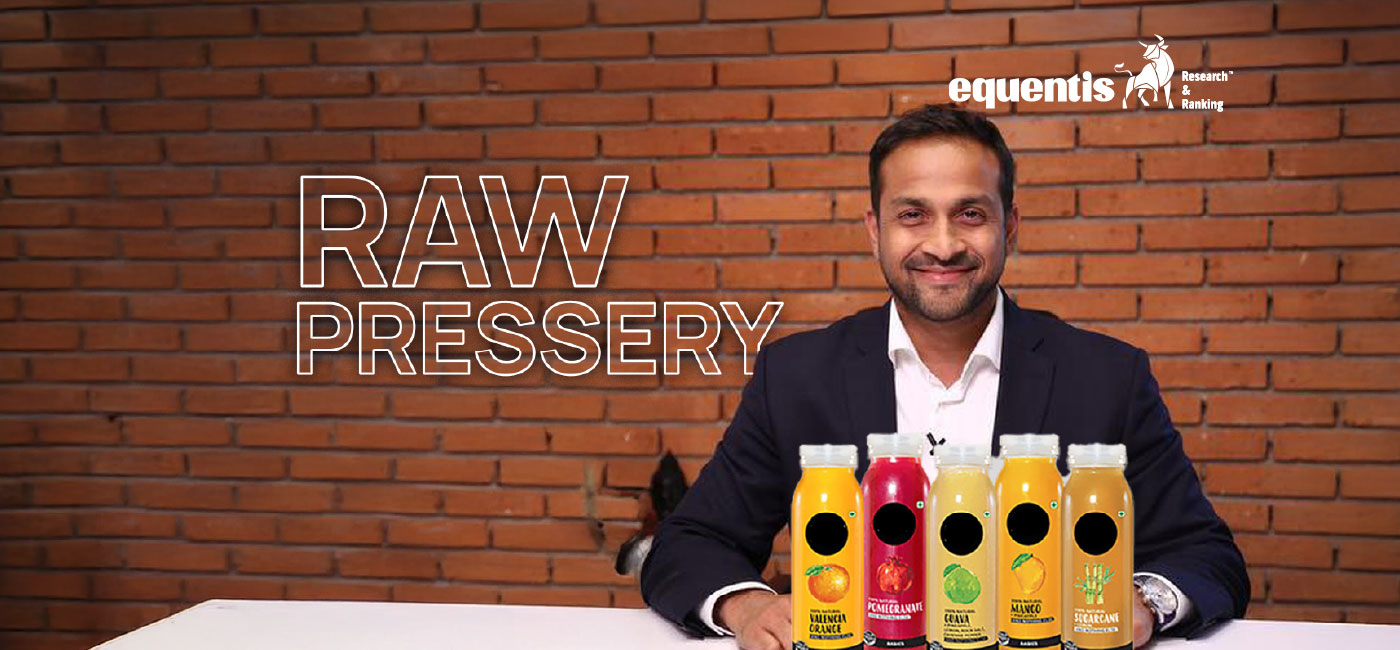

There was a time when juice came in steel glasses at home or at the roadside vendors. Orange juice for the summers, mosambi for when you were down with a fever, and pomegranate for the hemoglobin. They were poured fresh and didn’t come with preservatives.
Then came tetra packs. The long shelf lives. The “100% Natural” claims, but loaded with additives and preservatives.
Until someone realized there was a pressing need to fill this gap.
Read on to find how India got its own range of fresh, all-natural cold-pressed juice.
and Some Borrowed Money
Back in 2013, Anuj Rakyan felt that gap. He had just returned from the US, where cold-pressed juices were part of his fitness routine. In Mumbai, he couldn’t find a single one that didn’t come with sugar, preservatives, or concentrate. So, he started making it himself.
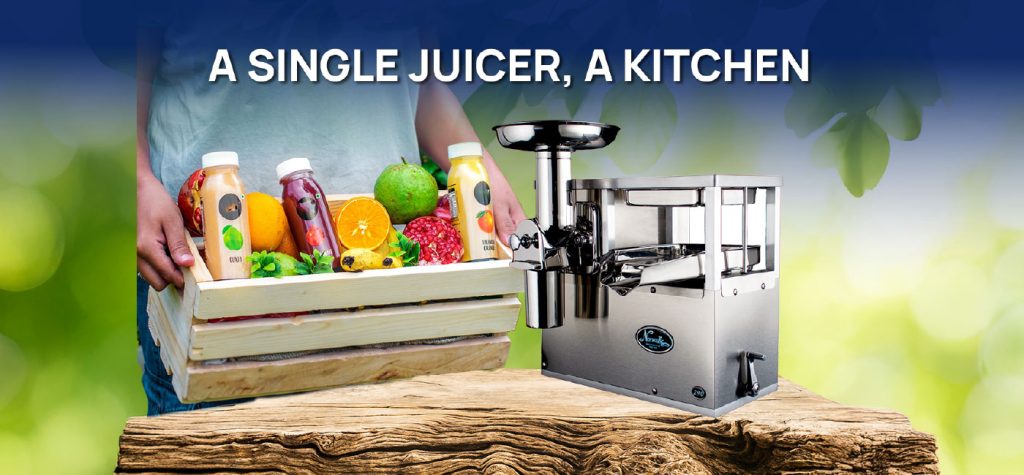
Armed with a single Norwalk juicer and loan from family and friends, adding his own ₹80 lakhs, Anuj set up a small operation in his kitchen. He had a simple motto: pure fruit juice, nothing else. He called it Raw Pressery.
How the Word Spread
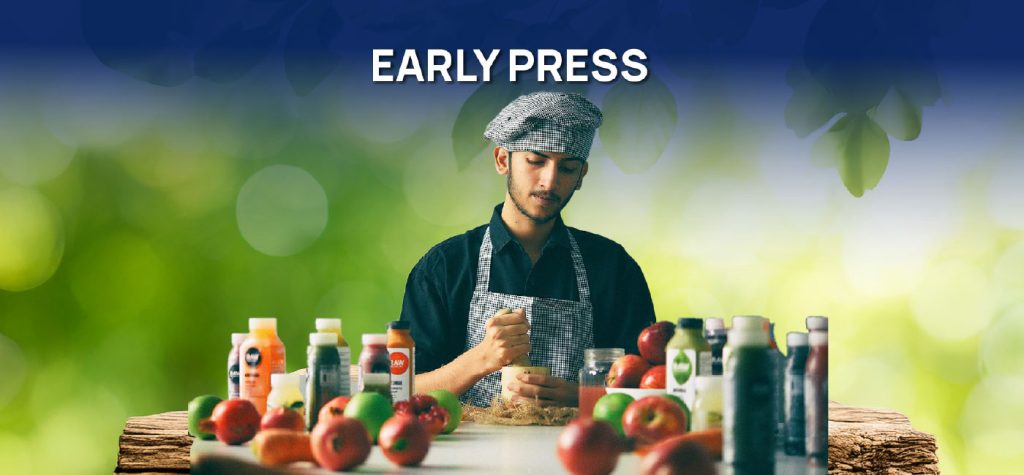
Anuj would start at 4 AM. Sourcing fruit from local markets, washing, peeling, chopping, juicing, and bottling it all by himself. Then jumping in his car to deliver it across Mumbai.
The first 20 bottles went to friends. Then their friends. And soon, word spread — someone in Mumbai was hand-delivering real juice. No concentrate. No added sugar. No shelf tricks.
but the Dabbawalas Came to Rescue
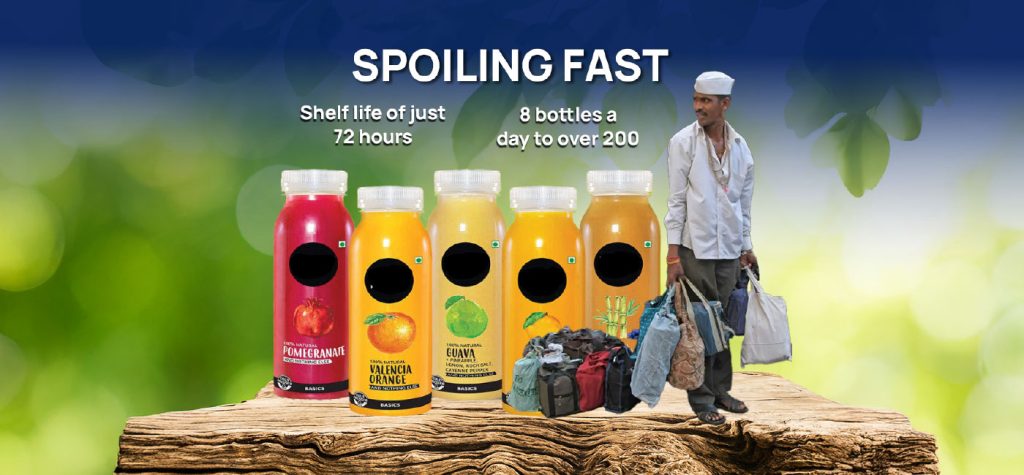
Here was the problem: juice without preservatives doesn’t wait and spoils quickly. And back then, Raw Pressery had a shelf life of just 72 hours! That meant it had to move fast — from kitchen to customer within hours. Every bottle was a sprint. But when has Mumbai traffic cared about your shelf life?
So Anuj found a solution only Mumbai could offer: the dabbawalas.
The city’s most reliable delivery system known for never missing a lunch now carried crates of Raw Pressery. Same codes. Same efficiency. Except this time, it was juice instead of food.
That one partnership scaled deliveries from 8 bottles a day to over 200.
Processing Leap
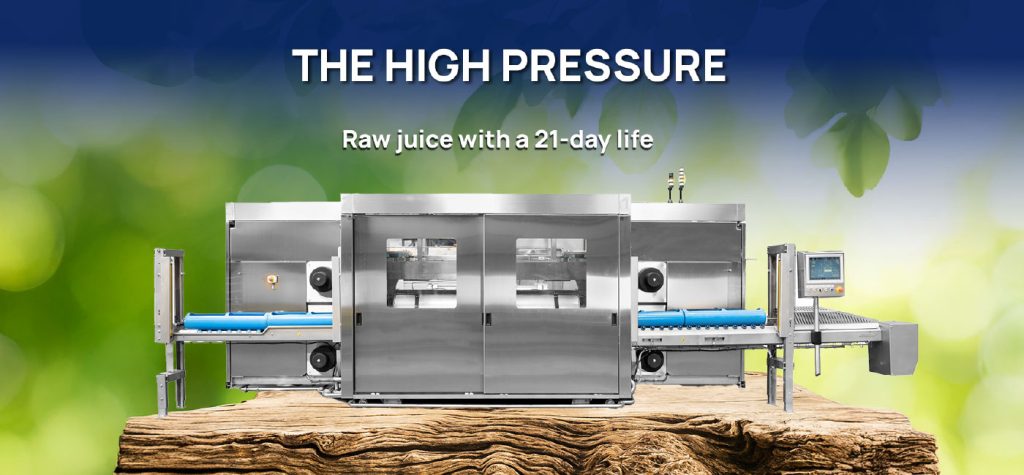
Anuj wanted more than home subscriptions. He wanted retail. To get there, he needed shelf life, without killing the juice. The answer? High Pressure Processing (HPP) — an imported machine. Expensive, rare, and virtually unseen in India back then. But it worked. The pressure killed bacteria without heat. The result was raw juice with a 21-day life.
The bet paid off and Raw Pressery landed on shelves at Foodhall, Nature’s Basket, and premium gyms. It wasn’t just a product anymore. It was a brand.
With Purpose
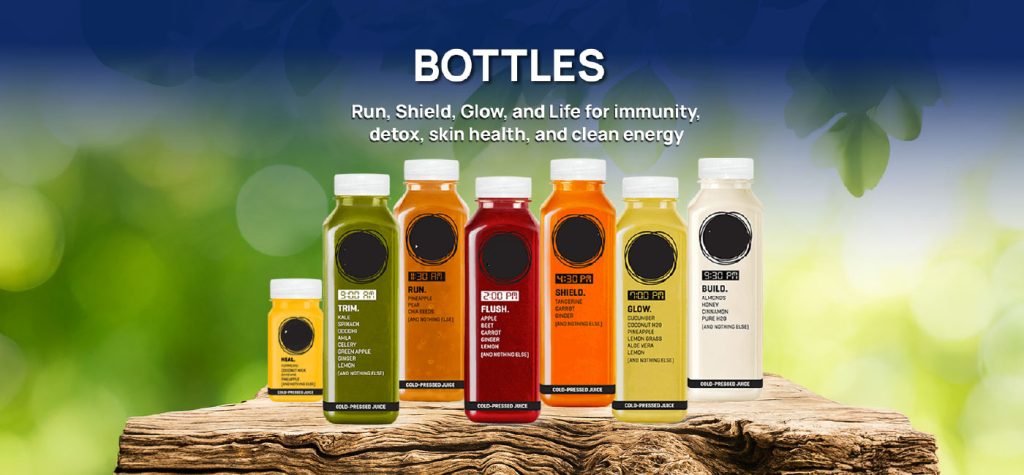
Every bottle had a name and served a function. Run, Shield, Glow, and Life for immunity, detox, skin health, and clean energy. Anuj was no longer just pressing juice. He was building a lifestyle.
Soon came almond milk, protein shakes, soups, and tiny wellness shots. The SKUs, machines, and ambition multiplied.
Bollywood joined in. Jacqueline Fernandez became the face of the brand. Even Spider-Man showed up on a limited-edition bottle. People weren’t just drinking juice. They were joining the Raw revolution.
but at a Cost
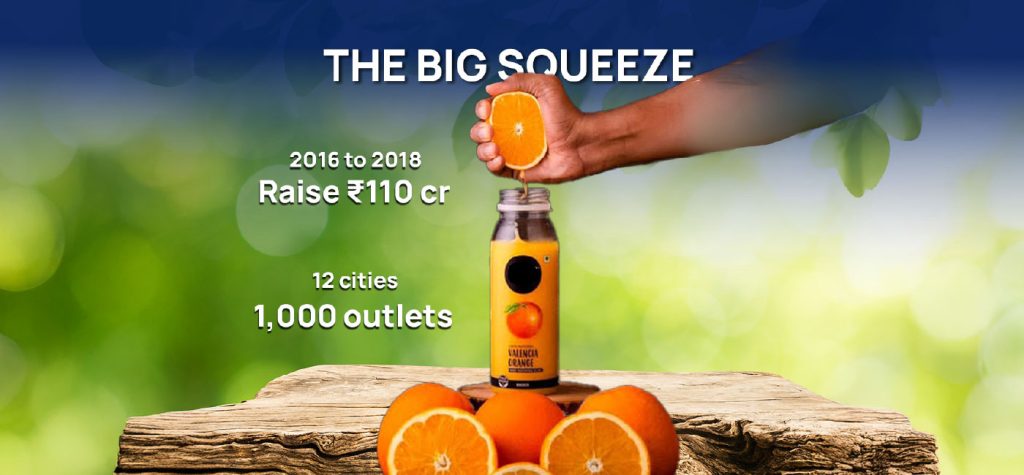
It took just two years, 2016 to 2018, for Raw Pressery to raise ₹110 crore from Sequoia Capital, DSG Consumer Partners, and others. It entered 12 cities. Sold in over 1,000 outlets. Partnered with Indigo Airlines. Started exporting to the Middle East.
At its peak, the brand was valued close to ₹500 crore.
But the growth came at a cost. Raw Pressery relied on a cold chain from start to finish, whether factory, storage, transport, or storage; every link needed refrigeration.
Margins were tight. Wastage was real. With more cities, the complexity multiplied. The product stayed clean, but the model started burning.
and Shutdown
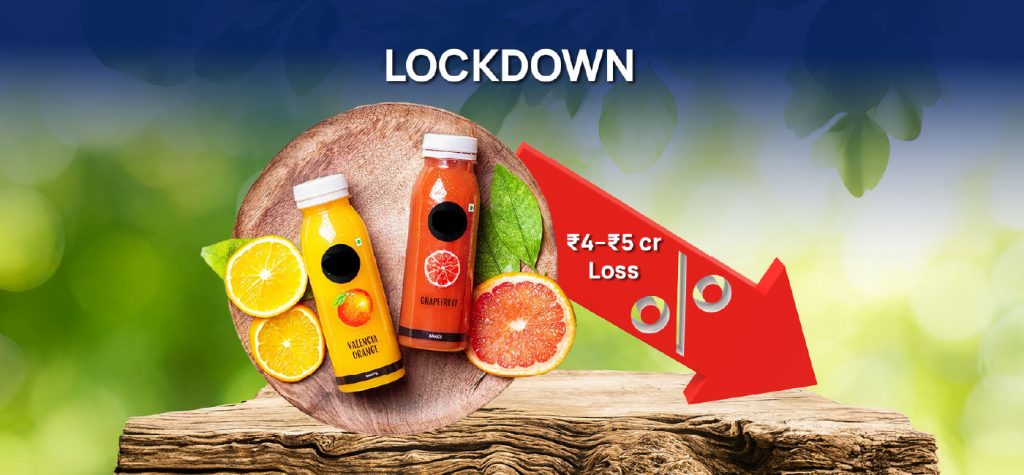
Raw Pressery was trying to stay afloat when COVID-19 struck. Gyms closed, cafes shut, airport lounges emptied, and Raw Pressery’s entire distribution model stalled. Losses hit hard, at a reported ₹4–₹5 crore a month.
The company tried direct-to-consumer channels, new blends, and wellness boosters, but a frozen supply chain didn’t help.
Situation
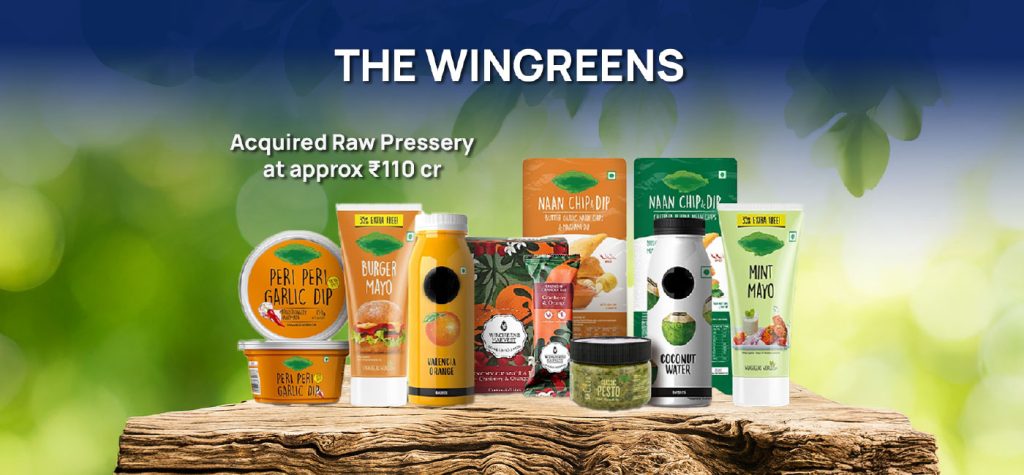
While the cash-strapped business tried to control the losses for a year, in early 2021, Wingreens Farms, a dips and sauces brand, acquired Raw Pressery at approximately ₹110 crore. A huge discount from the ₹500 crore valuation, but a shot in the arm. Wingreens got a premium beverage brand and Raw Pressery got infrastructure, retail power, and a second innings.
Anuj exited the business. The bottles stayed on.

Fresh and Purposeful
Even as it grew, Raw Pressery stuck to its core values. Bottles nearing expiry were pulled back by Day 16, and were not to be thrown out, but distributed at marathons, wellness events, and yoga camps.
Plastic bottles weren’t wasted either. They were recycled into polyester, then stitched into school uniforms for children in need. It wasn’t just about selling juice. It was about doing good deeds.
New Formats
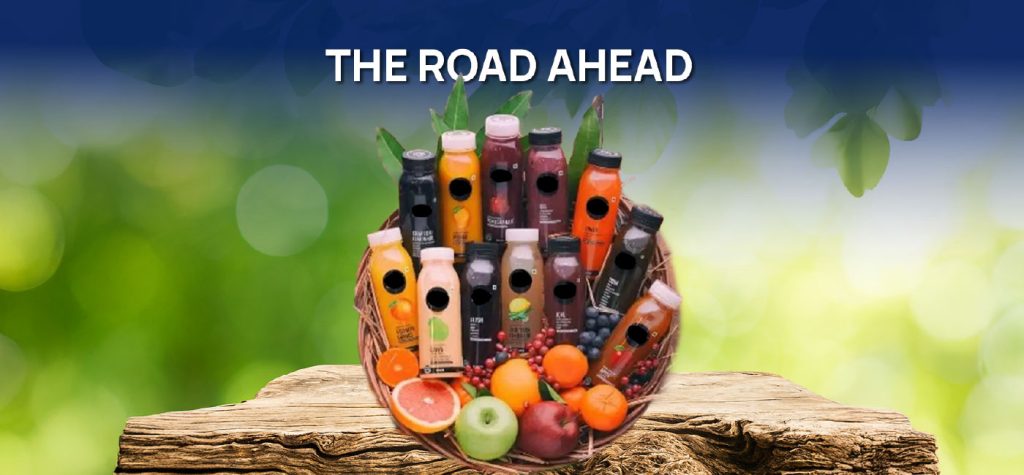
Now part of Wingreens Farms, Raw Pressery has a larger platform and better supply chains, wider reach, and new formats to explore. The brand is not just selling juice, but a healthy revolution that’s still raw, real, and fresh!

Yash Vora is a financial writer with the Informed InvestoRR team at Equentis. He has followed the stock markets right from his early college days. So, Yash has a keen eye for the big market movers. His clear and crisp writeups offer sharp insights on market moving stocks, fund flows, economic data and IPOs. When not looking at stocks, Yash loves a game of table tennis or chess.