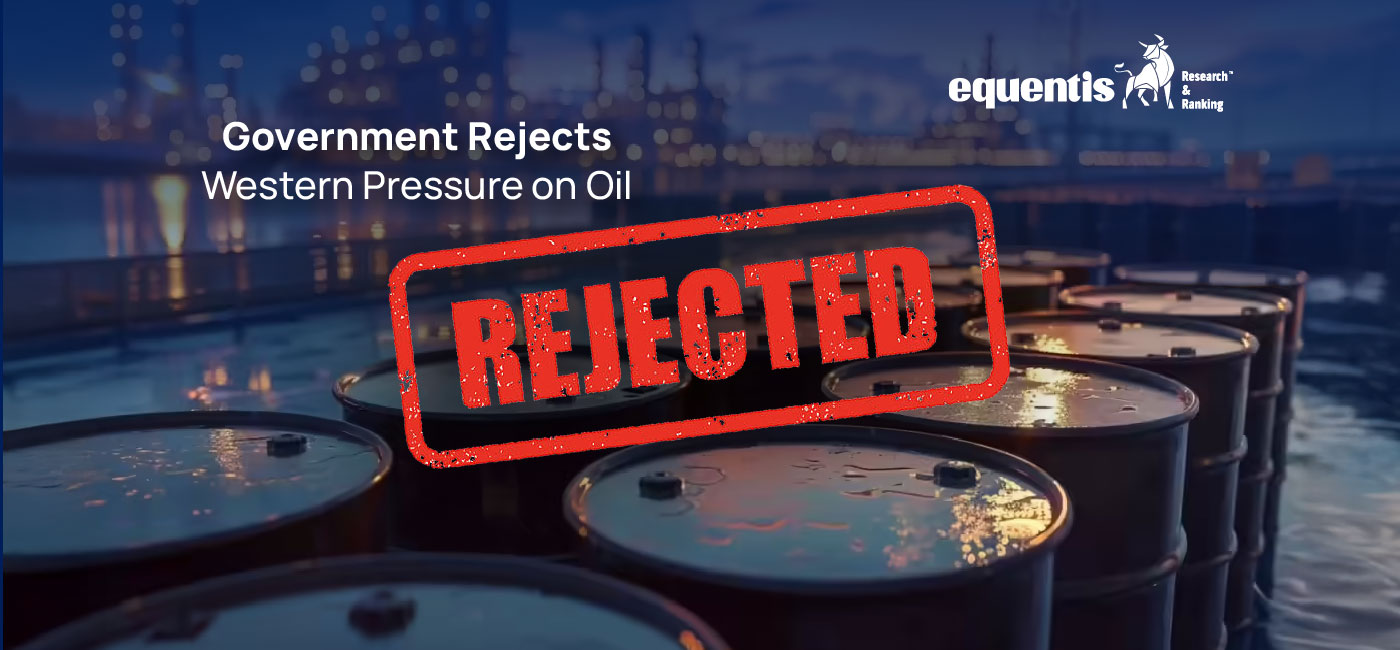

India is once again in the spotlight of global trade talks. As tensions rise, Prime Minister Narendra Modi has firmly pushed back against mounting pressure from U.S. President Donald Trump over India’s ongoing oil imports from Russia.
Over the weekend, Modi highlighted the importance of protecting India’s economic interests amid global uncertainty. His comments followed the Trump administration’s move to slap a 25% tariff on Indian exports to the U.S. The White House has also warned of more steps if India continues to buy Russian oil.
Modi’s strong stand comes at a time of rising trade and energy tensions worldwide, with growing tariffs and shifting alliances. While many countries are cutting ties with Russian oil, India has stayed the course, putting national interest and energy security first.
Source: Economic Times
India’s Growing Energy Needs
India is the world’s third-largest oil importer, and its energy demand continues to grow rapidly. With over 1.4 billion people and a fast-expanding economy, India needs a stable and affordable supply of oil. After the Russia-Ukraine war began in 2022, many Western countries placed heavy sanctions on Russian oil. However, India chose to continue buying Russian crude, often at discounted prices, helping it control domestic inflation and manage its import bills.
Trump’s Renewed Pressure on India
Donald Trump, known for his “America First” approach, has stepped up his criticism of India’s oil imports from Russia. He accused India of weakening global efforts to isolate Russia and hinted at possible trade penalties, including a review of tariffs on Indian products.
Trump also took aim at India’s participation in the BRICS group, claiming that countries aligned with Russia are pulling their economies down together. He argued that any nation supporting Russia’s economy during this time is going against global security interests.
Urging India to shift its energy partnerships, Trump suggested that countries like India should buy oil from democratic allies instead. This was widely seen as a push to reduce India’s dependence on Russian oil and rely more on supplies from the U.S. and the Middle East.
Source: Economic Times
Indian Government’s Defiant Stand
Prime Minister Modi has made it clear that India will make decisions based on national interest. Responding to Trump’s remarks, Modi emphasized that India cannot compromise on energy security, especially when global oil prices remain volatile.
At a recent event in New Delhi, Modi emphasized that India would prioritize sourcing oil based on the most competitive pricing, keeping in mind the country’s status as a developing nation and the need to ensure affordable energy for its people.
Modi’s statement is in line with India’s long-standing foreign policy approach—non-alignment and strategic autonomy. India does not want to be seen as choosing sides in global conflicts, especially when it affects domestic welfare.
Source: Bloomberg
Government Pushes for Economic Self-Reliance
In parallel with defending oil purchases from Russia, Modi has also renewed his call for Indians to support local products and reduce dependence on imports.
Modi urged Indian citizens to embrace the “Vocal for Local” campaign more aggressively. The move is aimed at preparing the Indian economy to withstand any trade restrictions or tariffs that may arise from Western nations.
This dual approach, defending energy imports while promoting local production, is part of a broader push towards “Atmanirbhar Bharat” or “Self-Reliant India.” It highlights the government’s long-term vision of reducing economic vulnerability in a rapidly changing world order.
Source: Bloomberg
Why Russia Matters to India
Here are some key reasons why India continues to purchase oil from Russia:
- Discounted Prices: Russia offers crude oil at prices lower than global benchmarks, helping India manage inflation.
- Long-Term Contracts: India and Russia have agreements in place that ensure stable supplies.
- Strategic Diversification: Buying oil from multiple sources reduces India’s over-reliance on any one country.
- Geopolitical Balance: Maintaining relations with Russia keeps India’s foreign policy flexible and multi-polar.
- Refinery Compatibility: Many Indian refineries are equipped to handle Russian grades of crude.
Global Implications
India’s defiance is not just a bilateral issue between India and the U.S. It could shape future global alliances. As India deepens its trade with Russia, China, and the Middle East, it could form new economic groups outside the influence of the West.
Meanwhile, the United States and European countries may respond with stricter tariffs or restrictions. Trump’s past record shows that he is willing to impose heavy duties on imports from countries that don’t align with U.S. interests.
Domestic Reactions in India
Within India, Modi’s stance has found wide support. Many economists and energy experts agree that India cannot afford to disrupt its oil imports, especially when prices remain unpredictable.
Some opposition parties have warned about potential diplomatic fallouts but have largely backed the government’s stand on energy security.
Indian industries, especially in the manufacturing and transport sectors, also support the move, as affordable oil directly affects production costs and inflation.
Challenges Ahead for India
While Modi’s defiance showcases strong leadership, it does not come without risks. India may face:
- Tariff Barriers: The U.S. may impose higher duties on Indian goods like textiles, pharmaceuticals, and steel.
- Investment Slowdown: U.S. and EU investors may take a cautious approach towards India.
- Diplomatic Strain: India may find itself isolated in global forums where the West dominates.
To manage these risks, India needs to build stronger trade partnerships with Southeast Asia, Africa, and Latin America. At the same time, it must boost domestic industries to make up for any external shocks.
Conclusion
Prime Minister Modi’s response to Donald Trump’s pressure over Russian oil imports reflects a larger message, India will prioritize its national interests without bowing to external demands. Whether it’s about oil, trade, or diplomacy, India is asserting itself as a sovereign power in a multipolar world.
While tensions with the U.S. may increase in the short term, Modi’s push for local manufacturing and economic self-reliance could make India more resilient in the long run. The path won’t be easy, but it marks a bold shift in how India engages with global powers.
Disclaimer Note: The securities quoted, if any, are for illustration only and are not recommendatory. This article is for education purposes only and shall not be considered as a recommendation or investment advice by Equentis – Research & Ranking. We will not be liable for any losses that may occur. Investments in the securities market are subject to market risks. Read all the related documents carefully before investing. Registration granted by SEBI, membership of BASL & certification from NISM in no way guarantee the performance of the intermediary or provide any assurance of returns to investors.

Yash Vora is a financial writer with the Informed InvestoRR team at Equentis. He has followed the stock markets right from his early college days. So, Yash has a keen eye for the big market movers. His clear and crisp writeups offer sharp insights on market moving stocks, fund flows, economic data and IPOs. When not looking at stocks, Yash loves a game of table tennis or chess.