
Introduction: A Legacy Forged Beneath the Surface
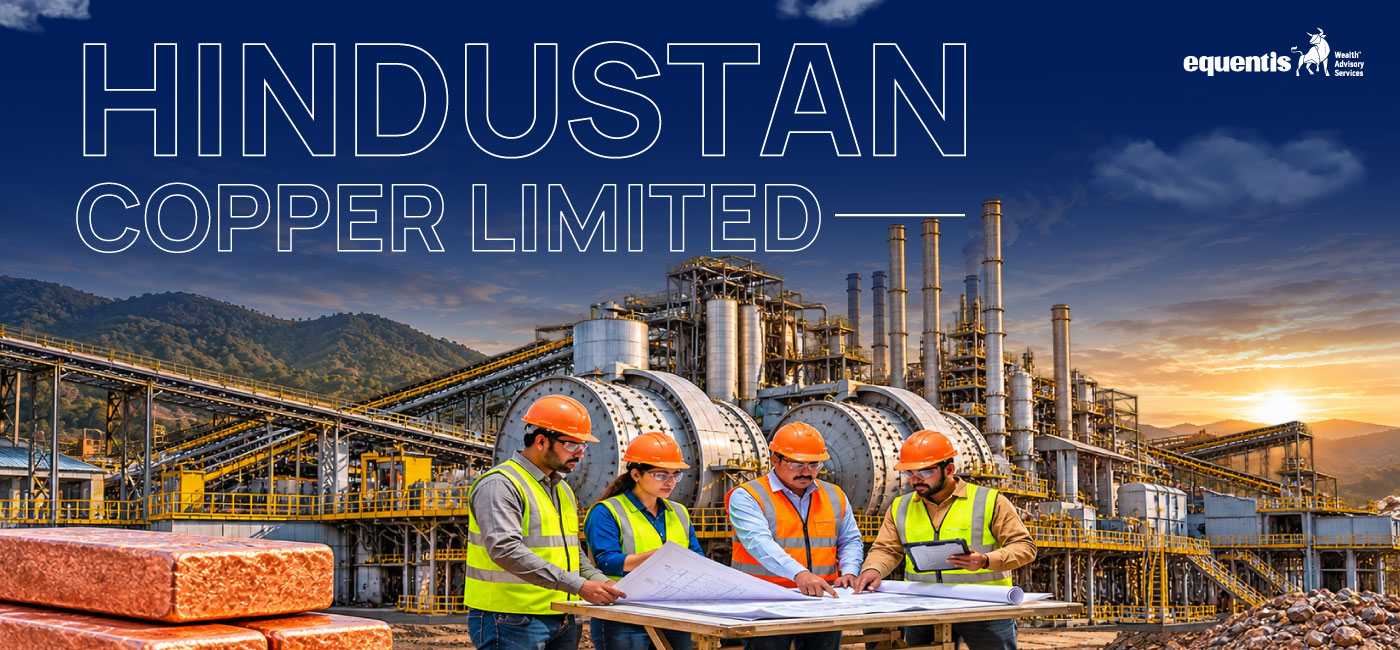
Every great industrial story begins with a resource. But the story of Hindustan Copper Limited (HCL) is about much more than the metal beneath India’s soil. It is about a nation’s ambition to strengthen its industrial foundation, a company’s determination to build capabilities over decades, and an evolving business that is increasingly relevant to India’s future.
Established on November 9, 1967, Hindustan Copper has grown from a government initiative into a strategically important enterprise in India’s mining industry. Its journey reflects the changing priorities of the Indian economy, from industrial development and infrastructure creation to electrification, renewable energy and domestic manufacturing.
What makes the Hindustan Copper brand compelling is its connection between a historic industrial legacy and a future increasingly shaped by copper. Its FY2025-26 performance, featuring revenue from operations of ₹3,077.92 crore and a 49% year-on-year increase, demonstrates how a traditional mining business can translate operational progress into financial momentum. That momentum continued into the new financial year. In the June 2026 quarter, revenue from operations rose 81% to ₹936.50 crore, compared with ₹516.37 crore in the same quarter a year earlier.
1967: The Beginning of India’s Copper Ambition
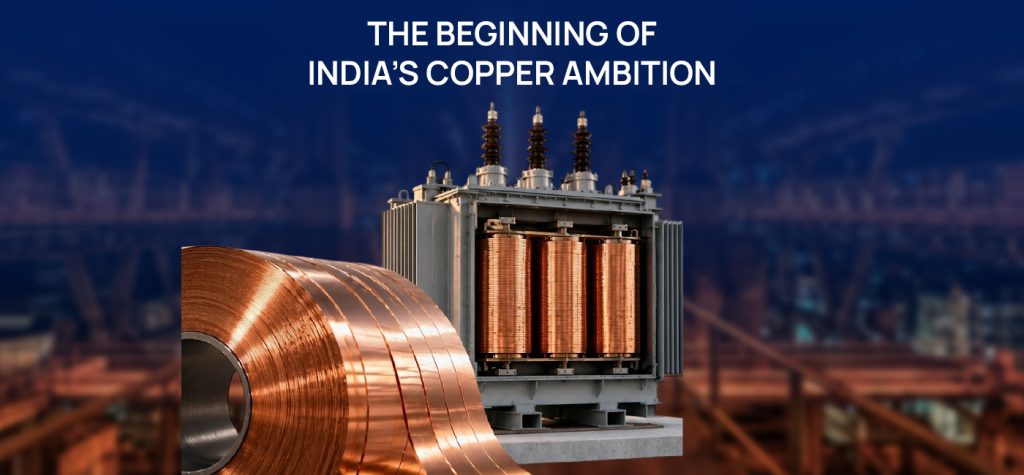
Hindustan Copper Limited was established as a Government of India enterprise under the Ministry of Mines to take over copper-related projects, exploration activities and operations from the National Mineral Development Corporation.
At the time, India’s industrial ambitions were expanding. Infrastructure, engineering, manufacturing and electrical industries required dependable mineral resources. Copper, with its importance in electrical conductivity, industrial applications and infrastructure, was becoming increasingly essential.
The establishment of HCL represented an important step towards developing domestic copper capabilities.
The company’s journey gained another significant milestone in March 1972, when Indian Copper Corporation Limited at Ghatsila, Jharkhand, was nationalised and integrated into Hindustan Copper. This brought additional smelting and refining capabilities into its operations.
Rather than remaining a mining organisation, the company gradually developed an integrated industrial identity.
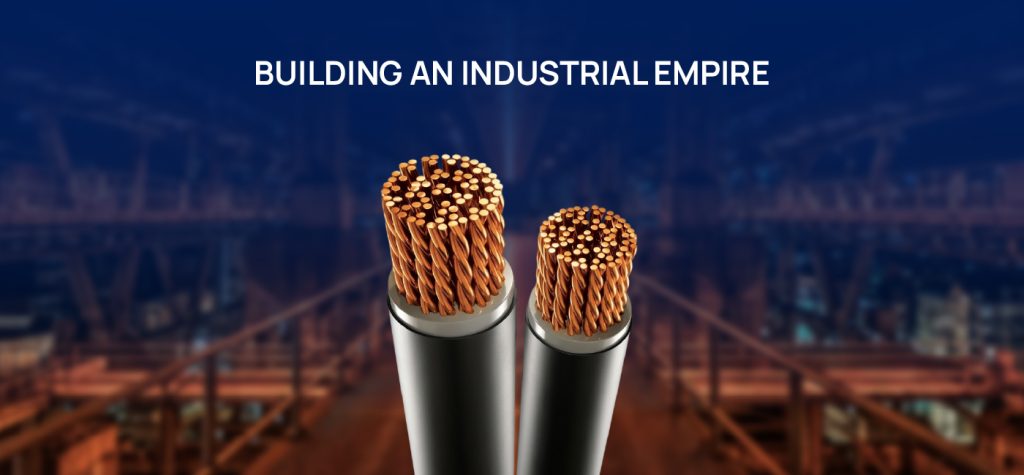
Building an Industrial Empire: The Milestones That Defined Growth
The 1970s and 1980s were transformational years for Hindustan Copper.
In February 1975, the Khetri Copper Complex in Rajasthan became operational as an integrated copper facility. Its development strengthened the company’s ability to undertake mining, processing and downstream activities.
The next major chapter arrived in November 1982, when the Malanjkhand Copper Project in Madhya Pradesh was commissioned. Located in the Balaghat district, Malanjkhand became one of India’s significant open-pit copper mining operations and an important contributor to HCL’s production capabilities.
By expanding its mining footprint, Hindustan Copper strengthened its position within India’s domestic mineral ecosystem.
In December 1989, the company commissioned its Continuous Cast Copper Wire Rod plant at Taloja, Maharashtra. This marked another important step in value addition, connecting copper production with applications in electrical wires and cables.
These milestones were not merely additions to the company’s infrastructure. They represented a long-term strategy of developing industrial capabilities, expanding operational reach and creating a stronger foundation for future growth.
From Industrial Enterprise to Recognised Corporate Brand
For a mining company, brand building works differently from consumer marketing.
Hindustan Copper does not primarily depend on advertisements, celebrity endorsements or retail campaigns to establish its identity. Its brand reputation has been shaped through operational credibility, product quality, institutional relationships, industrial capabilities and its role in national development.
The company’s Miniratna Category-I status, awarded in 2008, became another important milestone in its institutional journey.
Its operations across Rajasthan, Madhya Pradesh, Jharkhand, Maharashtra and Gujarat established a geographically diversified industrial presence.
Its identity is built around a distinctive proposition: Hindustan Copper is India’s only company engaged in copper ore mining and holds all operating mining leases for copper ore in the country.
This position gives the company strategic importance within the domestic copper ecosystem.
Its brand story also benefits from a powerful emotional connection with national development. Copper is not an abstract commodity. It is a material that connects electricity, infrastructure, manufacturing and technology with everyday life.
The Marketing Strategy: Selling Industrial Reliability and National Relevance
Hindustan Copper’s marketing strategy is fundamentally business-to-business oriented.
The company serves industrial customers and operates within a market influenced by global copper prices, product specifications, supply availability and customer requirements.
Its principal commercial focus today is copper concentrate, supported by its mining and beneficiation capabilities. The company’s historical downstream capabilities also include refined copper production and continuous cast copper wire rods.
Its marketing and brand positioning can be understood through four central pillars.
1. Institutional credibility
Being a Government of India enterprise under the Ministry of Mines provides an established institutional identity. Its decades of operations reinforce recognition among industrial stakeholders.
2. Operational capabilities
Mining, beneficiation and associated copper-processing infrastructure form the foundation of its business proposition. Its capabilities and operating locations support its industrial positioning.
3. National self-reliance
The company contributes to India’s ambition to develop domestic copper resources and strengthen mineral security. This connects its business identity with the broader national development narrative.
4. Future-focused positioning
As India expands renewable energy, power infrastructure, manufacturing and electric mobility, copper becomes increasingly important. Hindustan Copper’s growth strategy is closely connected with these emerging requirements.
This combination allows the company to maintain a strong industrial identity while gradually strengthening its relevance to a changing economy.
The Challenges: When Legacy Meets Business Reality
Hindustan Copper’s journey has also involved significant operational and commercial challenges.
Mining is capital-intensive. Underground operations require investments in infrastructure, machinery, ventilation, safety systems, exploration and workforce development. Production expansion often involves long project timelines and complex execution.
The company has also faced changes in its downstream operations. Its Ghatsila and Jhagadia smelting and refining facilities have remained suspended since 2019 due to business considerations, while its Taloja plant currently undertakes third-party tolling activities.
These developments demonstrate the importance of adapting business models to changing market conditions.
The company has increasingly focused on strengthening mining and beneficiation operations, improving production and expanding capacity.
It is also reviving dormant assets. The Kendadih copper mine in Jharkhand’s East Singhbhum district restarted on January 15, 2026, and pre-mining work has begun at the Rakha copper mine. In Gujarat, HCL’s board approved a contract with Lohum Materials to restart the Gujarat Copper Plant on a revenue-sharing basis.
Its approach reflects a broader industrial lesson: a legacy brand cannot rely only on its historical achievements. It must continuously evolve its operating model, investment priorities and growth strategy.
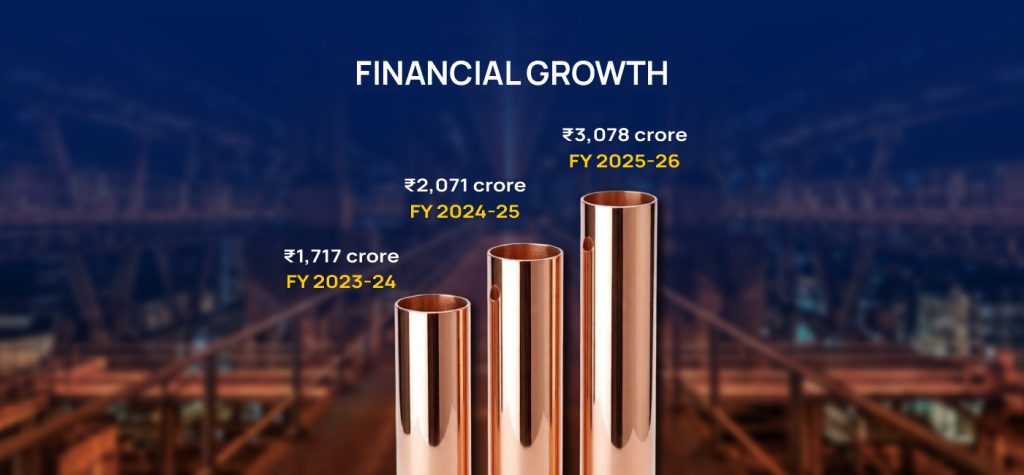
Financial Growth: From ₹1,717 Crore to ₹3,078 Crore
The financial performance of Hindustan Copper provides a measurable picture of its transformation
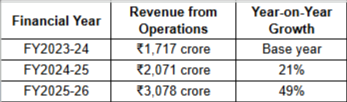
The progression is significant. Revenue increased from approximately ₹1,717 crore in FY2023-24 to ₹3,077.92 crore in FY2025-26, representing nearly 79% cumulative growth over two years.
However, revenue alone does not tell the complete story.
In FY2025-26, the company recorded:
- Profit before tax of ₹1,232.73 crore, up 95% year-on-year.
- Profit after tax of ₹920.67 crore, up 97%.
- EBITDA margin of 48.7%, compared with 37.97% in FY2024-25.
- Ore production of 3.67 million tonnes, increasing 6%.
- Metal-in-concentrate production of 27,421 tonnes, increasing 9%.
- Copper metal-in-concentrate sales of approximately 27,369 tonnes, increasing 12%.
These results indicate that the company’s growth was supported not only by higher revenue but also by improved profitability and operational performance.
Its financial trajectory has become an important part of the Hindustan Copper growth story, demonstrating how operational execution and market conditions can influence business outcomes.
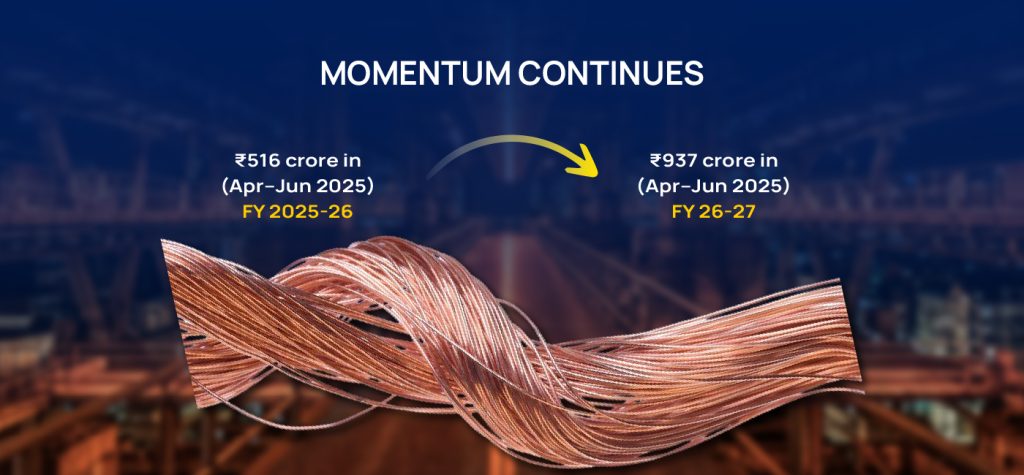
FY2026-27 So Far: Momentum Continues (April–October 2026)
The first quarter of FY2026-27 extended the company’s growth run.
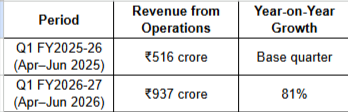
The Board approved the June 2026 quarter results at a meeting in Kolkata on 10 August 2026.
In Q1 FY2026-27, the company recorded:
- Profit before tax of ₹471.77 crore, roughly 163% higher than the same quarter of the previous year.
- Profit after tax of ₹352.61 crore, up 163%.
- EBITDA of ₹507.5 crore, more than double the ₹212.3 crore a year earlier, with the margin improving to 54% from 41%.
- Ore production of 0.968 million tonnes.
Other key developments between April and October 2026:
- Anupam Misra took charge as Chairman and Managing Director on July 1, 2026, succeeding Sanjiv Kumar Singh.
- On August 24, 2026, the Government of India launched an Offer for Sale of up to 6% of its stake in the company, at a floor price of ₹514 per share.
- In September 2026, copper prices hit a record high, lifting Hindustan Copper’s shares.
- At the 59th AGM on 23 September 2026, shareholders approved a final dividend of ₹1.86 per share for FY2025-26, which was paid on 16 October 2026.
- The AGM agenda also included enabling resolutions for a QIP of up to 9.69 crore equity shares and up to ₹500 crore of NCDs through private placement.
The Road Ahead: Hindustan Copper’s Growth Strategy Towards 2030
The next chapter of Hindustan Copper’s journey is being shaped by its Corporate Plan 2030.
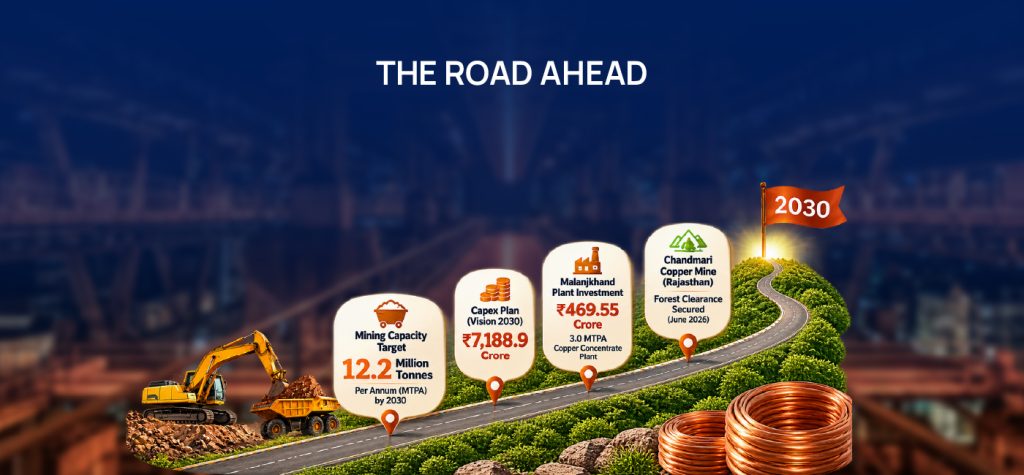
The company has set an ambitious target of achieving mining capacity of 12.2 million tonnes per annum by 2030. This expansion strategy reflects the increasing importance of domestic copper production and the need to strengthen India’s mineral security.
The plan is backed by significant investment. The company is advancing a five-year capex plan of ₹7,188.9 crore under Vision 2030. This includes an approved investment of ₹469.55 crore for a 3.0 million tonnes per annum copper concentrate plant at Malanjkhand. In Rajasthan, HCL secured forest clearance for its Chandmari copper mine in June 2026.
Its future growth priorities include expanding mining operations, developing additional resources, improving productivity and strengthening operational efficiency.
Hindustan Copper is also connected with India’s wider critical mineral ambitions through its participation in Khanij Bidesh India Limited (KABIL), a joint venture mandated to acquire and develop critical mineral assets overseas.
Its overseas ambitions are now taking shape. The company says it is moving in a positive direction on taking over four copper blocks from Chile’s Codelco, with transaction advisors studying the data, and it is bidding jointly with NTPC Mining and Coal India. In September 2026, the CMD said a reserve report on the four blocks was expected in two to three months. Even after the blocks are secured, mining and concentrate production are still about a decade away.
This positions the company within a broader conversation about resource security, strategic minerals and India’s long-term industrial competitiveness.
As demand for copper continues to be influenced by infrastructure, power transmission, renewable energy and electrification, the company’s expansion ambitions could play an important role in shaping its future.
Conclusion: A Brand Built on Legacy, Relevance and Resilience
From its incorporation in 1967 to its record financial performance in FY2025-26, Hindustan Copper has travelled a remarkable distance.
Its story is not simply about mining copper. It is about developing industrial capabilities, adapting to business challenges, strengthening operational performance and remaining relevant to India’s changing economic priorities.
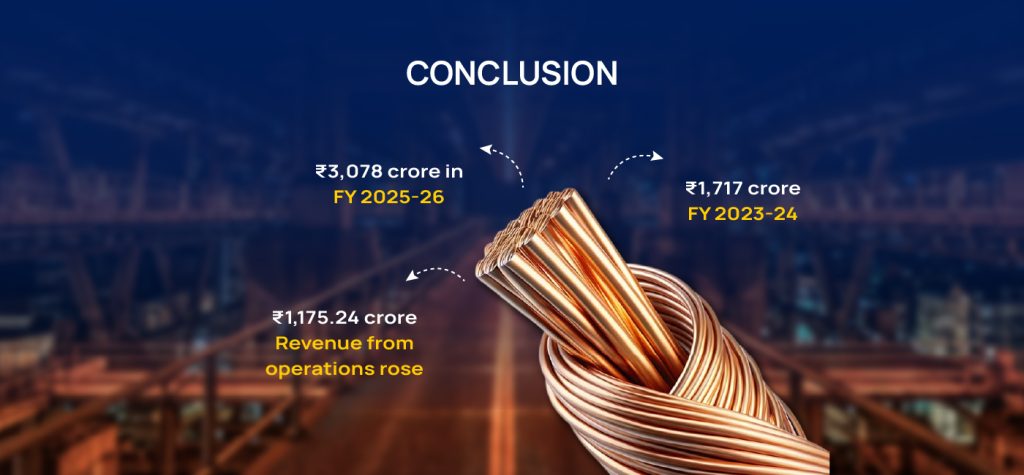
The company’s growth from ₹1,717 crore in revenue in FY2023-24 to ₹3,078 crore in FY2025-26 demonstrates the scale of its recent financial progress. Its strong start to FY2026-27, production achievements and ambitious 2030 expansion plan provide another dimension to its long-term business narrative.
For business readers, Hindustan Copper offers an important perspective on brand legacy and corporate transformation. Strong industrial brands are built through consistent capabilities, institutional trust, strategic investments and an ability to respond to changing market conditions.
As India moves towards a more electrified, infrastructure-driven and manufacturing-oriented economy, Hindustan Copper’s story continues to evolve.
The metal it produces may be hidden inside cables, machinery and infrastructure. But the company’s contribution to India’s industrial journey is becoming increasingly visible.
And that is what makes Hindustan Copper’s growth story worth watching: a legacy rooted in 1967, strengthened by decades of industrial development, and now looking towards a much larger future.

Jaspreet Singh Arora is the Chief Investment Officer at Equentis, where he heads a seasoned team of equity analysts and turns two decades of market experience into portfolios that consistently beat the benchmark. A go-to voice on cement, building-materials, real-estate, and construction stocks, Jaspreet previously ran research desks at leading brokerages, honing an eye for the metrics that truly move share prices. His plain-spoken analysis helps investors cut through noise and act with conviction. When he’s not deep-diving into earnings calls, you’ll find him unwinding over sports, weekend cricket or a good history podcast.