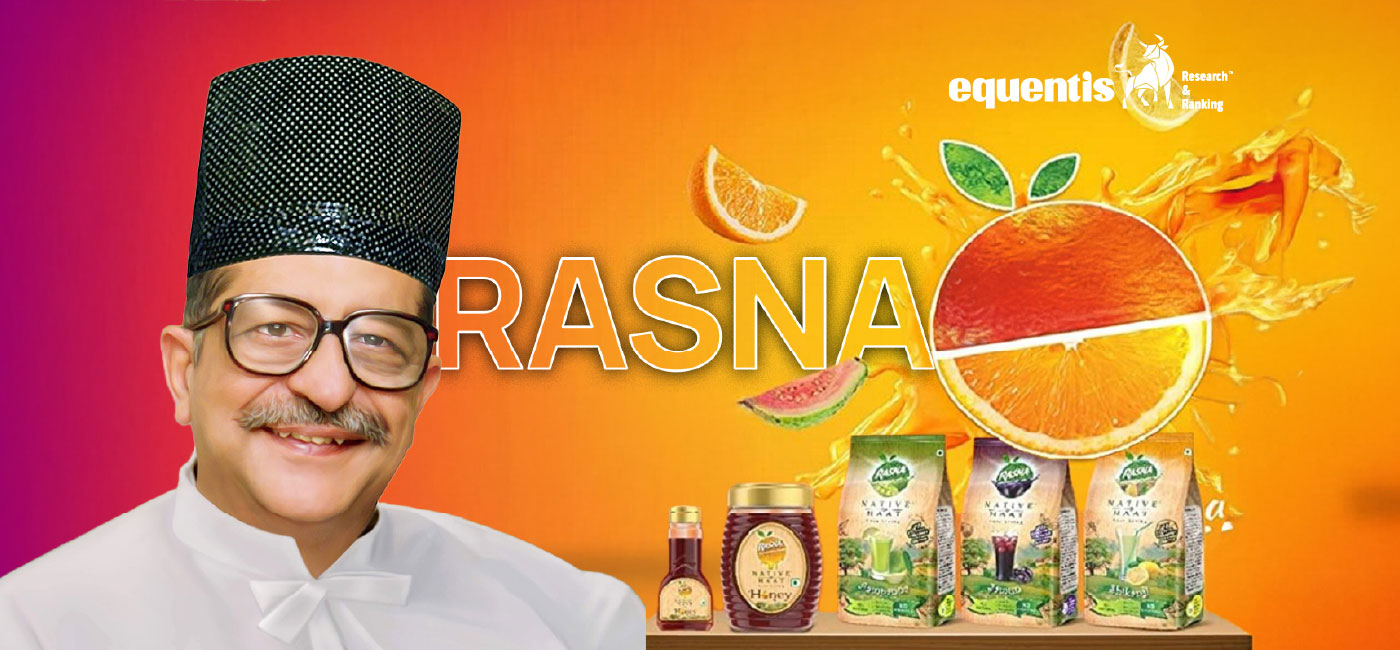

Close your eyes and think back…
To those golden afternoons when you came home sunburnt and sweaty, and your mother handed you a glass of something cold, sweet, and instantly comforting. Or the joy of birthday parties where your favourite cousin poured that colourful drink into paper cups, and suddenly, the room felt like magic.
It wasn’t just a refreshment. It was home in a glass. And it belonged to everyone. Rich or poor, cities or villages, this drink united us in taste, joy, and simplicity. Long before “Made in India” became a movement, it became a revolution, crafted in Ahmedabad, loved across the nation.Today, it’s a global player in over 60 countries, chasing a ₹1,000 crore dream. A true symbol of Atmanirbhar Bharat.
But to understand its magic, you’ve got to go back to where it all began.
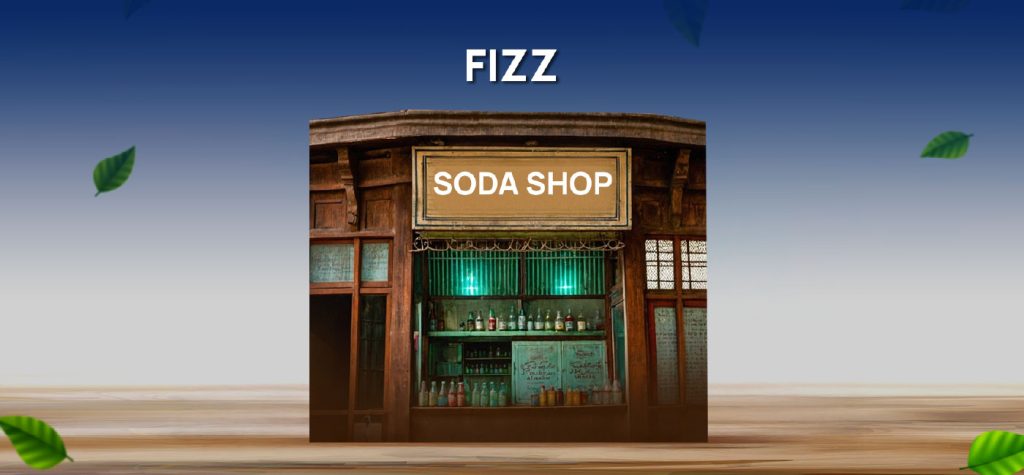
in the Genes – Fizz
It all began post-Independence in Ahmedabad, inside a modest soda shop run by the Khambatta family. A man named Phirojshaw Khambatta, an early entrepreneur with a nose for flavour and a business head, started selling soft drink concentrates in bulk to B2B clients in the 1940s.
Back then, the product was known as Jaffe. Simple, unassuming, and under the radar.
What Phirojshaw didn’t know then was that this concentrate would one day rule India’s summer season. But the true spark came when the second generation stepped in.
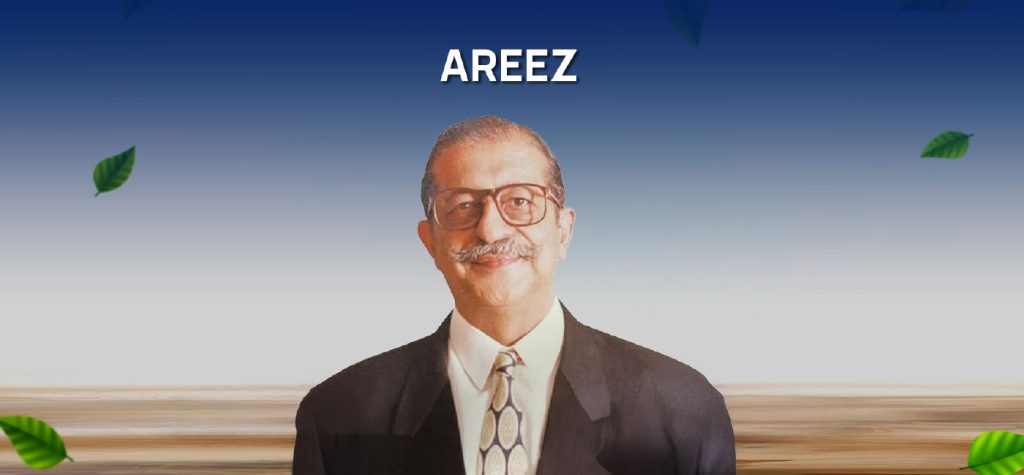
the Alchemist – Areez
In 1962, his son Areez Pirojshaw Khambatta joined the business—not just as an heir, but as a visionary. Areez was a trained chemist and flavour technologist, with a dream that bordered on radical for its time: bring soft drinks to the masses.
He believed that a fizzy or fruity refreshment shouldn’t be a luxury. It should be an everyday delight for every Indian family, regardless of income. By the 1970s, he began selling Jaffe directly to consumers.
But it was in 1976 that he made a move that would change Indian FMCG forever—he renamed the product Rasna, derived from the Sanskrit word “Rasa”, meaning juice or essence.
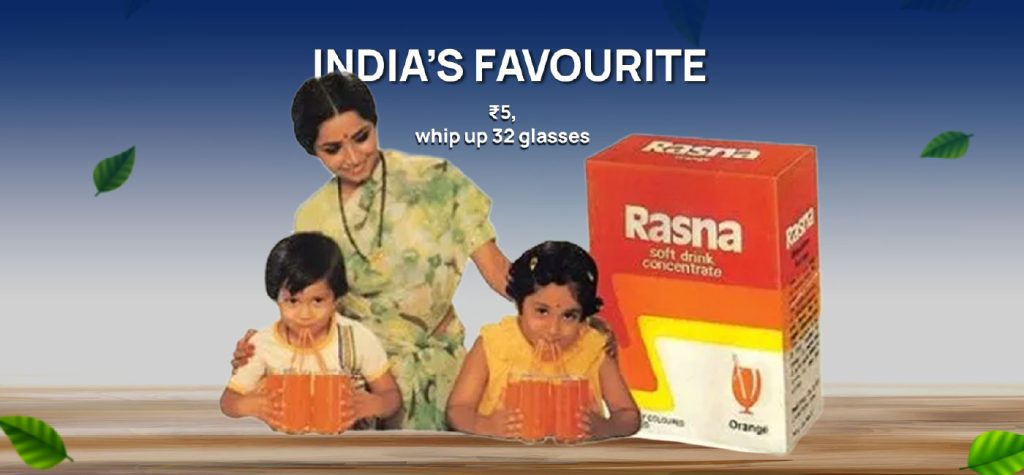
₹5 Party Trick – India’s Favourite
Rasna wasn’t just another drink. It was genius in a sachet.
At just ₹5, you could whip up 32 glasses of delicious fruit-flavoured drink by simply adding water and sugar. It wasn’t just cheap—it was reliable, tasty, and joyfully DIY.
For middle-class families across India, Rasna became a staple. Summer holidays, birthday parties, school gatherings—Rasna was always there. In a time before Coke and Pepsi became household names, Rasna ruled with warmth, affordability, and flavour.
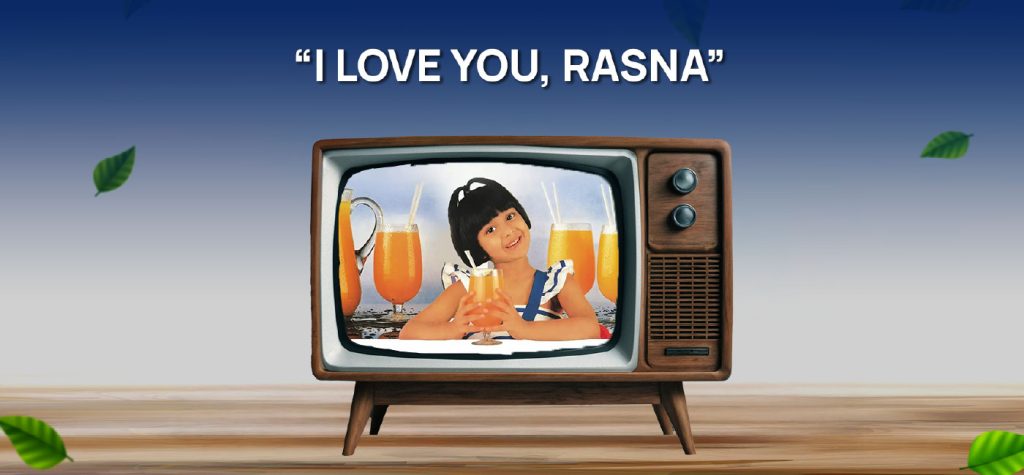
The Slogan That Stuck – “I Love You, Rasna”
And then came the ad that stole hearts.
In the early 1980s, Rasna took a bold leap by launching a national TV commercial—an unheard-of move for a drink concentrate. The adorable little girl on screen, smiling wide and saying, “I love you, Rasna,” became the face of childhood summers.
It wasn’t just a commercial—it was a cultural reset. Every Indian kid knew that line. Rasna wasn’t just a drink; it was a sentiment, a symbol of homegrown love.
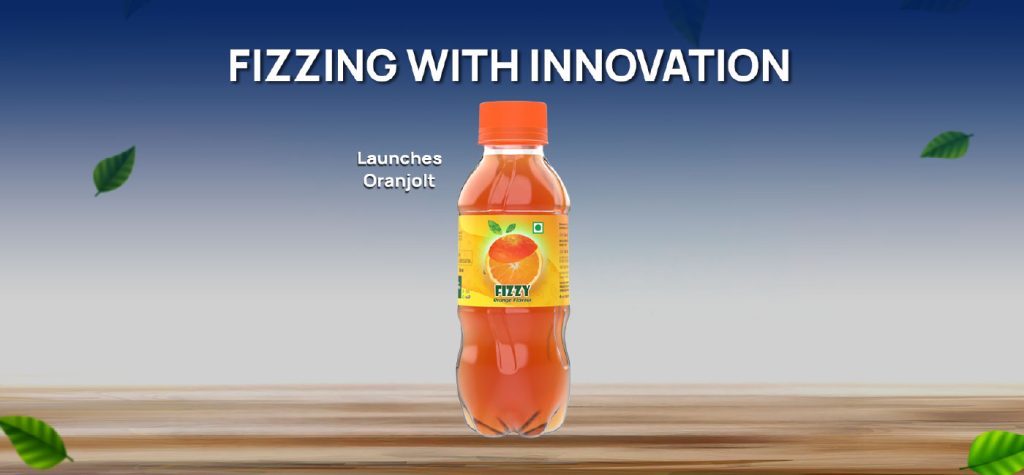
(and a Few Flat Moments) – Fizzing with Innovation
Of course, not every Rasna move was a hit. In the 2000s, it tried launching Oranjolt, a fizzy fruit drink that fizzled out fast. But Rasna never let a failed experiment stop it. By 2010, the brand pivoted again, entering health drinks and fortified variants to match a new generation’s demands.
Then came Rasna Vitos in 2017—a ₹100 crore bet on the healthy snack market. Mocktail bars under Rasna Buzz, teas, pickles, fruit jams, ready-to-eat curries—the brand wasn’t just resting on nostalgia. It was hungry to stay relevant.
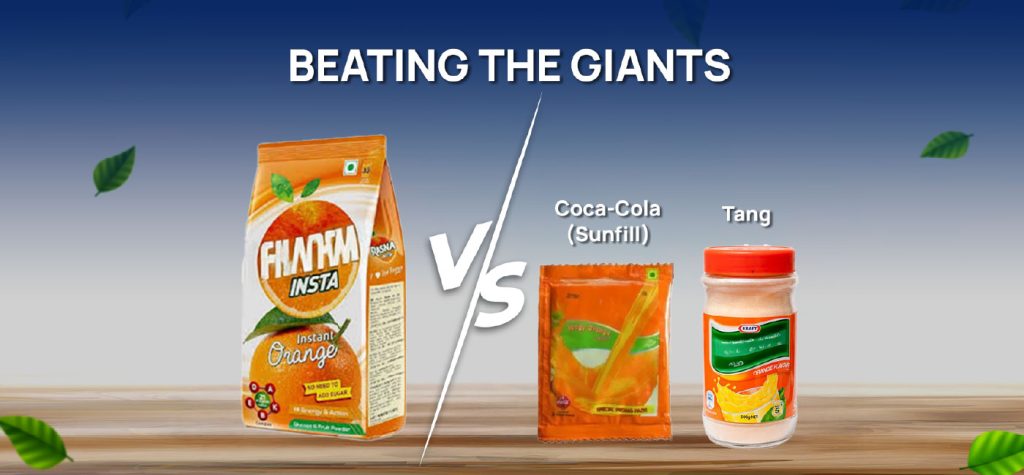
with Emotion and Economy – Beating the Giants
When global heavyweights like Coca-Cola (Sunfill) and Tang came knocking in the 1990s and 2000s, Rasna stood tall.Sunfill fizzled out by 2004. Tang is still trying to find the kind of emotional and cultural connect Rasna nailed decades ago. Why? Because Rasna understood the Indian kitchen better. It wasn’t just about taste—it was about trust, family, and affordability.
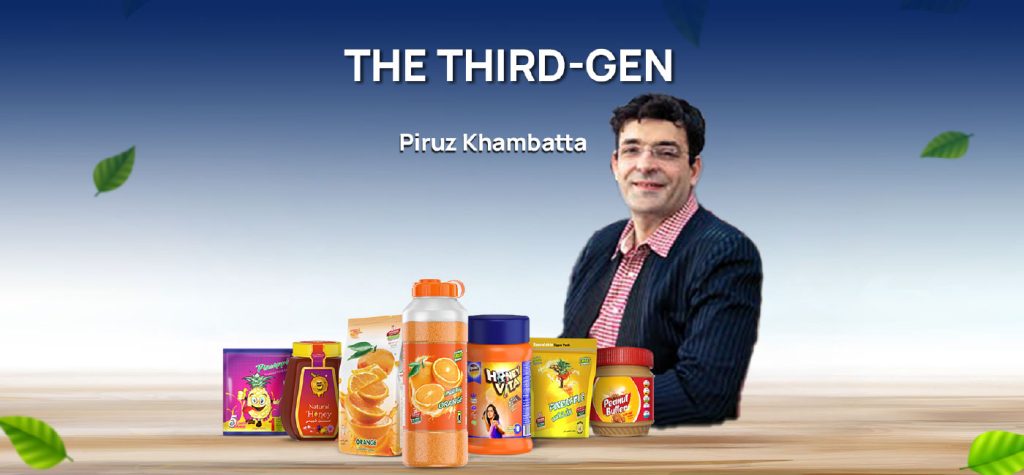
Torchbearer – The Third-Gen
Enter Piruz Khambatta, Areez’s son, who took over as Chairman and expanded Rasna’s ambitions far beyond concentrates. He pushed for a more health-conscious lineup, modernised packaging, and ventured into exports with manufacturing units in Dubai, Bangladesh, Egypt, and Saudi Arabia.
Under Piruz, Rasna also upgraded its domestic scale—9 production plants, 26 depots, and distribution reaching deep into both urban centres and dusty village shops.
Today, Rasna is exported to over 60 countries, quenching thirsts in the Middle East, Africa, and beyond. Whether it’s in a Dhaka kiosk or a Dubai hypermarket, Rasna has made itself known as a global Indian brand—without losing its desi charm.
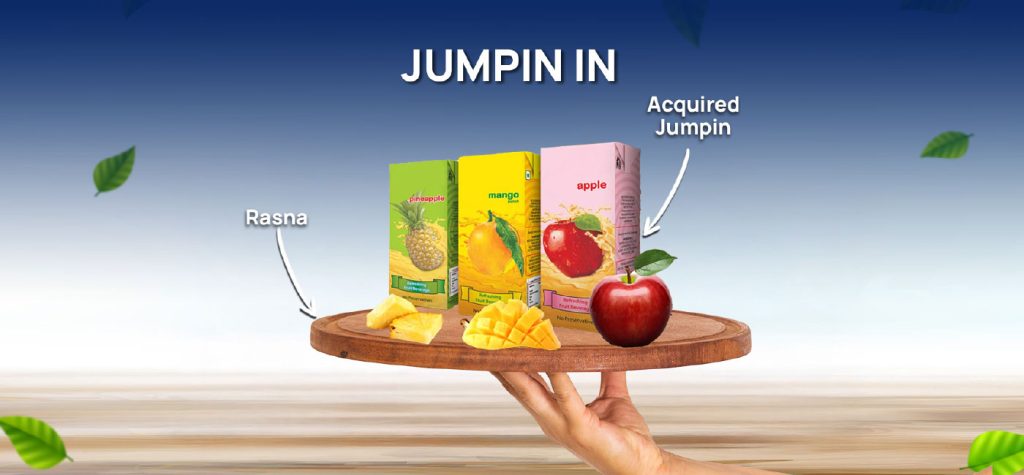
and Doubling Down – Jumpin In
Rasna isn’t slowing down. In a recent aggressive move, it acquired Jumpin from Hershey’s, signalling serious intent in the ready-to-drink space.
The company is aiming for ₹1,000 crore in revenue within two years, powered by new launches, quick commerce partnerships, and an all-new ₹50 crore manufacturing plant in Patna dedicated to litchi concentrate.
Also on the cards? A fruit drink powder touted to be “richer, thicker, tastier”, squarely aiming at India’s ₹20,000 crore fruit beverage market.
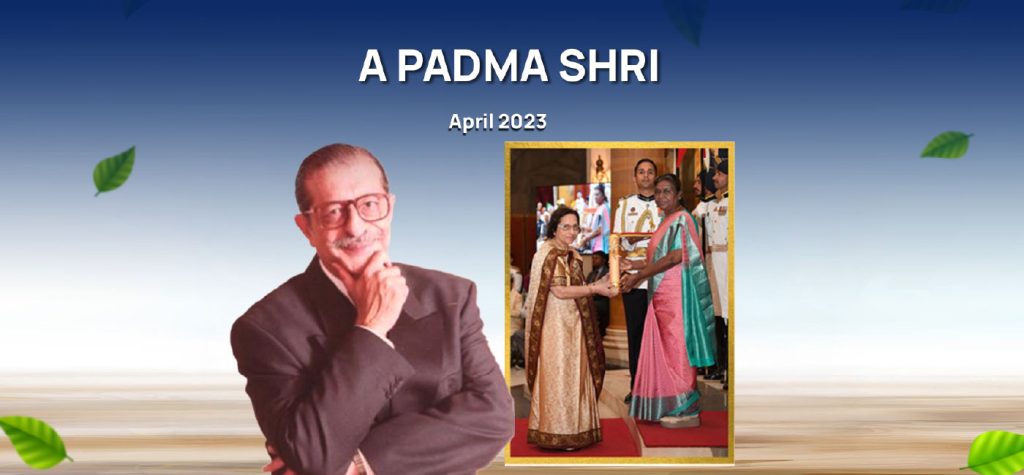
and a Patriarch’s Legacy – A Padma Shri
In April 2023, Areez Khambatta was posthumously awarded the Padma Shri—a well-deserved recognition of a man who built more than just a brand.
Areez not only gave India its favourite drink but also engaged in philanthropy, community upliftment, and youth education—values Rasna still supports through its initiatives today.
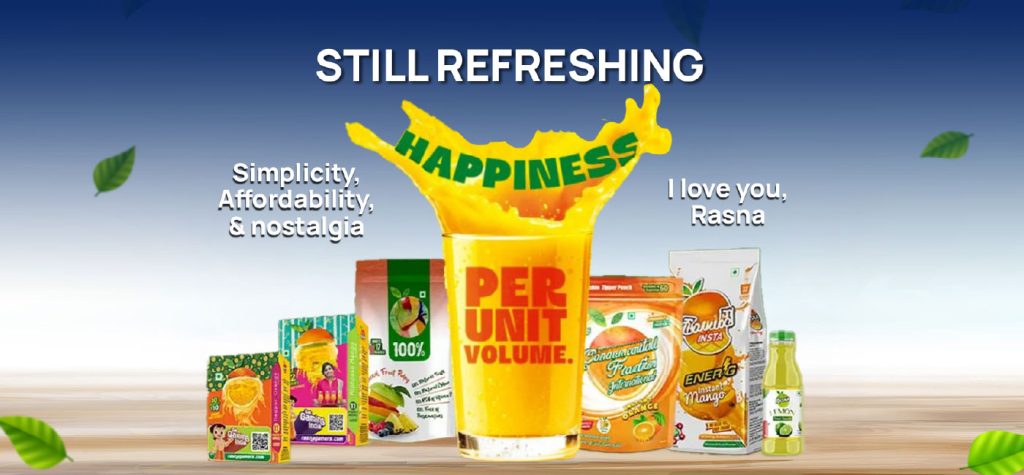
After All These Years – Still Refreshing
So, what keeps Rasna relevant?
Simplicity, affordability, and nostalgia—served with a twist of innovation. Whether it’s sugar-free, vitamin-enriched variants or tapping into D2C channels and e-commerce, Rasna hasn’t lost its core: making tasty drinks accessible to all.
From a soda shop in Ahmedabad to the shelves of 60 countries, Rasna’s journey is a story of flavours, family, and foresight. And it’s far from over.
As we raise a glass. Yes! Mixed at home with that familiar powder and syrup, we say it once again, with feeling: I love you, Rasna.

Yash Vora is a financial writer with the Informed InvestoRR team at Equentis. He has followed the stock markets right from his early college days. So, Yash has a keen eye for the big market movers. His clear and crisp writeups offer sharp insights on market moving stocks, fund flows, economic data and IPOs. When not looking at stocks, Yash loves a game of table tennis or chess.