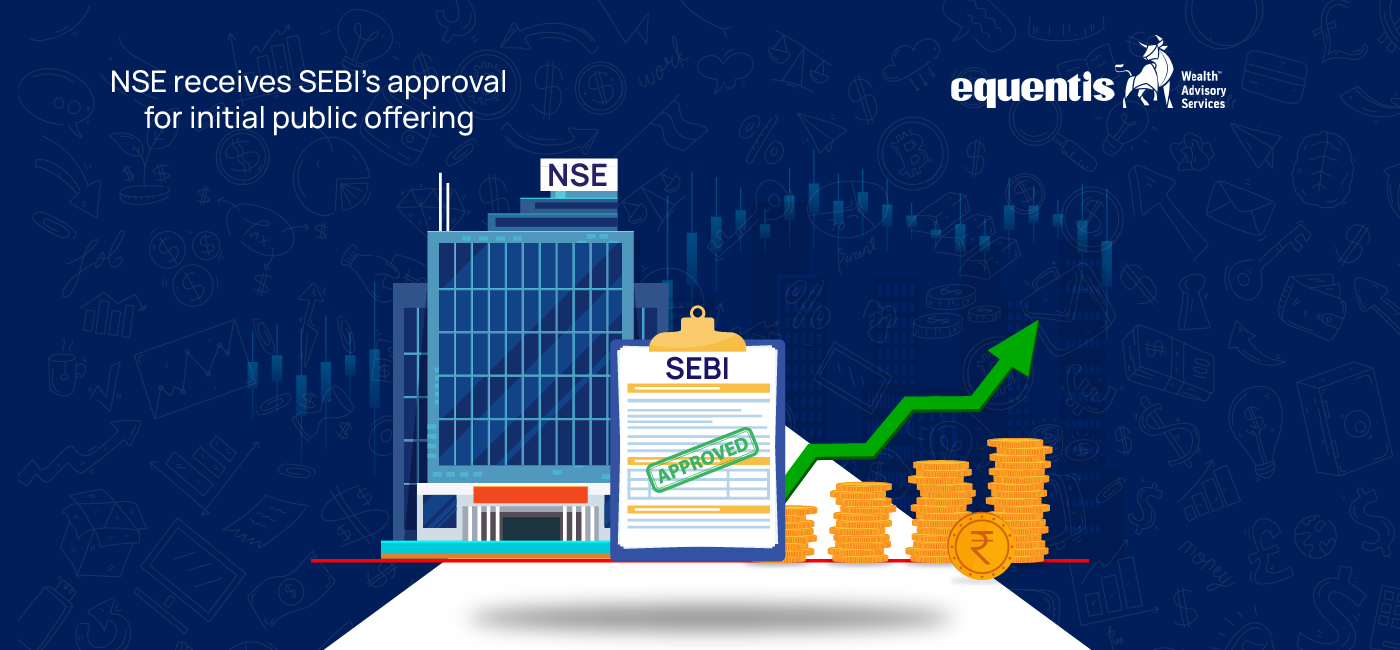

The announcement that the National Stock Exchange of India has received approval from the Securities and Exchange Board of India for its initial public offering has reignited conversations across Dalal Street. For years, the NSE IPO has been one of the most anticipated listings in India’s financial ecosystem. Its progress matters not just to investors but also to market participants, institutions, and retail traders who interact with the exchange daily. The approval signals a significant step toward greater transparency and market maturity at a time when India’s capital markets are drawing increasing global attention.
Context and Background: Why the NSE IPO Matters
The NSE plays a central role in India’s financial markets. It dominates equity and derivatives trading volumes and acts as critical infrastructure for price discovery and liquidity. Despite this importance, the exchange has remained unlisted, unlike many global peers that are already publicly traded.
Plans for the NSE IPO have existed for several years but were delayed due to regulatory concerns, governance issues, and legal matters involving past management. Over time, reforms, settlements, and tighter compliance helped clear many of these hurdles. SEBI’s approval now suggests that the regulator is satisfied with the exchange’s preparedness to meet public market standards. This step is being seen as a sign of confidence in the NSE’s governance framework and disclosures.
Key Developments Leading to the Approval
The approval did not come overnight. In recent years, the NSE undertook several measures to strengthen internal controls and transparency. These included changes in leadership, improved oversight mechanisms, and closer engagement with the regulator. The exchange also worked on resolving legacy issues that had previously stalled the IPO process.
Another key development has been the broader push by regulators to enhance trust in market institutions. With rising retail participation and deeper integration with global markets, ensuring strong governance at the exchange level has become increasingly important. The approval indicates that the NSE has aligned itself with these expectations.
From a market perspective, the timing is notable. Indian equity markets have expanded significantly, both in terms of participation and market depth. Listing the country’s largest exchange during this phase reflects confidence in the long term growth of India’s capital markets.
Impact on Investors, Market Participants, and Businesses
For existing shareholders of the NSE, many of whom include institutions and strategic investors, the IPO offers a potential route to liquidity and price discovery. It allows the market to assign a transparent valuation to a company that sits at the heart of India’s trading ecosystem.
Retail investors are also likely to view the NSE IPO with interest. While access details will depend on the final structure, the listing could provide an opportunity to invest in a business that benefits from market activity, trading volumes, and financialisation trends.
For brokers, listed companies, and businesses linked to capital markets, the IPO could enhance accountability and disclosure standards. A listed exchange is subject to continuous scrutiny from investors and analysts, which can improve operational discipline and long term credibility.
Opportunities and Risks to Consider
The NSE IPO presents several opportunities. India’s expanding investor base, rising use of derivatives, and increasing adoption of technology driven trading platforms support the long term business outlook for the exchange. Revenue streams linked to transaction fees, data services, and clearing operations are closely tied to overall market growth.
However, investors should also weigh the risks carefully. Regulatory oversight will remain intense, given the systemic importance of the exchange. Any operational lapses or technology failures could have broader market implications. Competition from other exchanges and alternative trading platforms also needs consideration, even though the NSE currently enjoys a strong position.
Valuation will be another key factor. Given the exchange’s dominance, expectations could be high. Investors will need to assess whether the pricing leaves adequate room for long term returns without relying solely on market sentiment.
Conclusion: A Milestone with Long Term Implications
SEBI’s approval for the NSE IPO marks a defining moment for India’s financial markets. It reflects progress in governance, regulatory alignment, and market confidence. While the final outcome will depend on pricing, structure, and timing, the move itself underscores the growing maturity of India’s capital market framework.
For investors, the IPO represents both an opportunity and a reminder to stay disciplined. Understanding the business model, regulatory environment, and long term growth drivers will be crucial. As India’s markets continue to evolve, the listing of its largest exchange could set a new benchmark for transparency and institutional strength in the years ahead.
Disclaimer Note: The securities quoted, if any, are for illustration only and are not recommendatory. This article is for education purposes only and shall not be considered as a recommendation or investment advice by Equentis – Research & Ranking. We will not be liable for any losses that may occur. Investments in the securities market are subject to market risks. Read all the related documents carefully before investing. Registration granted by SEBI, membership of BASL & certification from NISM in no way guarantee the performance of the intermediary or provide any assurance of returns to investors.

Parvati Rai is the Vice President of the Research team at Equentis. She has over 15 years of equity-research and strategy-consulting experience. A specialist in deep-dive valuations, financial modelling, and forecasting, she has built research desks from the ground up, by steering buy-side, sell-side, and independent coverage across sectors. When she isn’t fine-tuning models, Parvati unwinds on nature treks and mentors aspiring analysts.