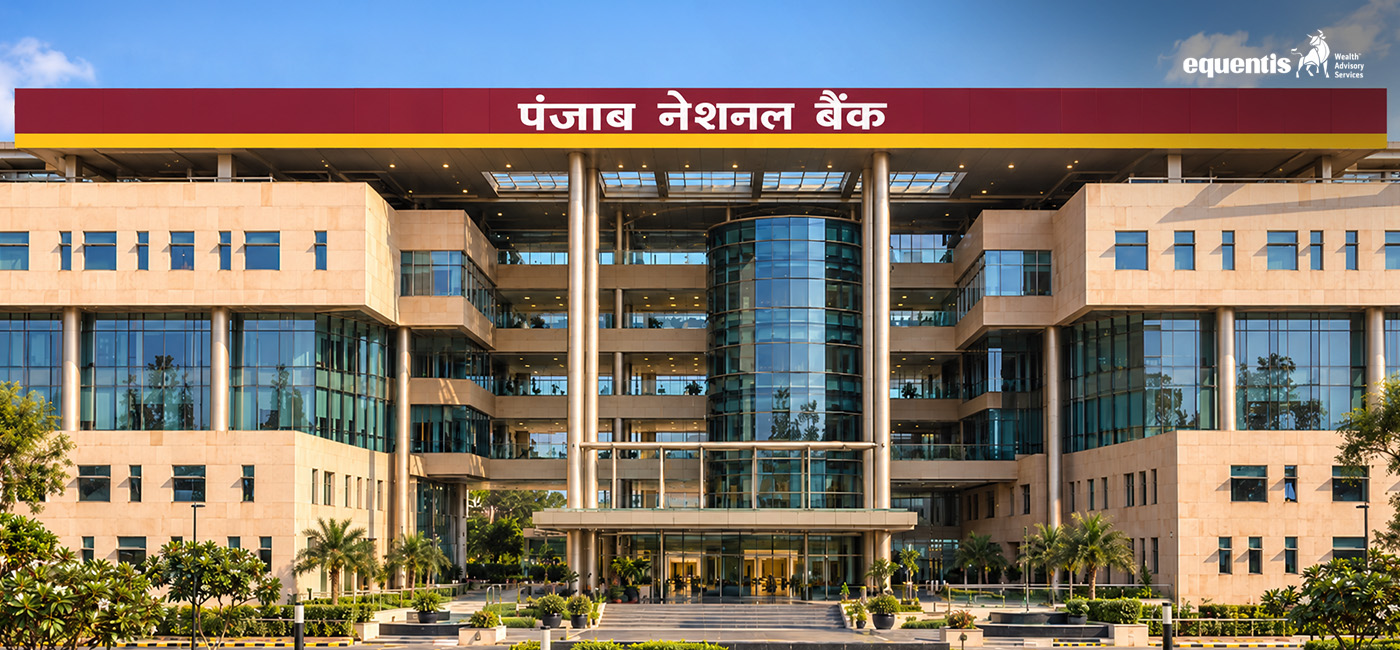

Punjab National Bank reported a standalone net profit of ₹5,532 crore for Q2 FY27, up 12.8% from ₹4,904 crore in the corresponding quarter last year. Net interest income increased 10.8% year on year to ₹11,601 crore, while net interest margin improved to 2.58% from 2.50% in the previous quarter.
Three factors help explain the market’s positive reaction.
Higher core income: Net interest income reflects the difference between interest earned on loans and interest paid on deposits. Growth in this measure indicates that PNB generated more income from its core lending operations.
Lower provisions: Provisions for bad loans fell sharply, supporting reported profitability. However, lower provisions can sometimes reflect the timing of recoveries and credit costs rather than a permanent improvement in earnings.
Improving asset quality: PNB’s gross non-performing asset ratio declined to 2.55% from 3.45% a year earlier, while the net NPA ratio improved to 0.25% from 0.46%. These trends indicate progress in managing stressed loans.
The important distinction is that higher core income can support recurring earnings, while one-off recoveries and unusually low provisions may not repeat at the same level in future quarters.
CLSA vs Citi on PNB Shares: Why Do Their Views Differ?
Brokerages have interpreted PNB’s quarterly performance differently, particularly when assessing how much of the earnings improvement can continue.
| Brokerage | Recommendation | Target price | Key view |
|---|---|---|---|
| CLSA | Outperform | ₹140 | Better-than-expected earnings, improving margins and loan growth |
| Citi | Sell | ₹110 | Cautious outlook despite raising its target price |
Why is CLSA bullish on PNB?
CLSA has an Outperform rating and a target price of ₹140 per share. It noted that PNB’s profit exceeded its estimate by around 20%, supported by stronger net interest income and recoveries.
CLSA also highlighted loan growth of approximately 16% year on year and stable deposit growth of around 10%. Improving margins and credit quality could support earnings if these trends continue.
Why is Citi cautious?
Citi maintained a Sell rating despite raising its target price to ₹110 per share. Its cautious position reflects concerns about the sustainability of earnings improvements and the possibility that lower provisions and one-off recoveries may not continue at the same pace.
The difference between the two views highlights an important point: analysts may agree that a bank has delivered a strong quarter but disagree about how much future growth is already reflected in its share price.
Brokerage targets are estimates, not guarantees. Investors should consider the assumptions behind each rating and their own assessment of PNB’s financial performance.
Should You Chase the PNB Share Price Rally?
Chasing the rally solely because PNB shares have jumped more than 6% is a risky approach. The earnings improvement provides a reason to reassess the bank, but a sharp price increase can also raise the risk of buying at an unfavourable entry point.
Before making a decision, investors should examine three factors.
1. Valuation after the rally: Compare PNB’s price-to-book ratio and price-to-earnings ratio with its historical valuations and comparable banks. A good quarterly result does not automatically mean the stock remains attractively valued.
2. Sustainability of margins: Monitor whether the net interest margin remains near or above 2.58%. Competition for deposits, changes in lending rates and funding costs can influence future margins.
3. Credit quality and provisions: Track fresh loan defaults, recoveries and credit costs. Although NPAs have improved, new loan slippages could increase provisions and put pressure on future profits.
Investors who already own PNB should reassess their original investment thesis rather than making decisions based only on a single day’s price movement. Those considering a fresh entry may prefer to evaluate valuation and subsequent quarterly results instead of reacting to short-term momentum.
Opportunities and Risks for PNB Investors
PNB could benefit from continued credit growth, stronger core income, improved recoveries and better control over stressed loans. As a public sector bank, it may also benefit when business activity and demand for credit expand across the economy.
However, risks remain. Lower provisions may not be sustainable, deposit costs could rise, and a slowdown in economic activity could affect borrower repayment capacity. Broader market volatility and changes in interest rates may also influence the stock.
The next few quarters will help determine whether PNB can convert its recent improvement into consistent earnings growth.
Conclusion
PNB’s Q2 FY27 results have strengthened the case for examining its earnings recovery, with net profit rising 12.8%, net interest income increasing 10.8% and asset quality improving. CLSA sees further potential, while Citi remains cautious about the stock’s outlook.
The key question is whether these improvements can continue and whether the current share price adequately reflects them. Investors should avoid treating the rally or any brokerage target as a guarantee of returns and instead evaluate valuation, margins, credit costs and future earnings together.
Frequently Asked Questions
1. Why did PNB shares rise after Q2 FY27 results?
PNB shares rallied after the bank reported a 12.8% year on year increase in net profit to ₹5,532 crore. Higher net interest income, improved margins and lower provisions supported earnings. Improving asset quality also strengthened investor sentiment, although the sustainability of these improvements remains important for future performance.
2. What was PNB’s net profit in Q2 FY27?
Punjab National Bank reported a standalone net profit of ₹5,532 crore for the September 2026 quarter, compared with ₹4,904 crore in the same quarter a year earlier. This represented year on year growth of approximately 12.8%, supported by higher core income and lower provisioning expenses.
3. What is PNB’s net interest margin in Q2 FY27?
PNB’s net interest margin increased to 2.58% in Q2 FY27 from 2.50% in the previous quarter. NIM measures the difference between interest earned on assets and interest paid on funding relative to the relevant asset base. Sustained margin improvement can support earnings, but funding costs and lending rates remain important variables.
4. What is CLSA’s target price for PNB shares?
CLSA has an Outperform rating on PNB with a target price of ₹140 per share, according to reports published on October 19, 2026. Its positive view reflects stronger-than-expected quarterly earnings, improving margins and loan growth. The target is an analyst estimate and does not guarantee future share price performance.
5. What is Citi’s view on PNB shares?
Citi maintained a Sell rating on PNB while raising its target price to ₹110 per share. Its cautious assessment reflects concerns about the sustainability of earnings improvements. Investors should review the assumptions behind Citi’s valuation rather than relying solely on its recommendation.
6. Is PNB a good stock to buy after the rally?
A sharp rally alone is not a sufficient reason to buy PNB shares. Investors should assess the bank’s valuation, earnings outlook, deposit growth, margins and asset quality. Whether the stock suits an investor depends on their risk tolerance, investment horizon and assessment of the price relative to future earnings.
7. What is PNB’s gross NPA ratio?
PNB’s gross NPA ratio declined to 2.55% in Q2 FY27 from 3.45% a year earlier. Gross NPAs represent loans classified as non-performing before accounting for applicable provisions. A declining ratio generally indicates improving asset quality, but fresh defaults and recoveries should also be monitored.
8. Why are lower provisions important for PNB’s profits?
Banks set aside provisions to cover potential losses from loans that may not be repaid. When provisions decline, more income can flow through to reported profit. However, lower provisions do not always indicate permanently stronger earnings, as future defaults or changes in recovery timing can increase credit costs again.
9. What should investors watch in PNB’s next quarterly results?
Investors should monitor net interest margin, loan growth, deposit growth, fresh loan slippages, gross and net NPAs, and provisioning expenses. Consistent improvement across these measures would provide stronger evidence of a sustainable earnings recovery than a single quarter of higher profit.
10. Can PNB shares continue rising after the Q2 results rally?
Further gains are possible, but they are not guaranteed. Future performance will depend on earnings growth, valuation, interest rates, asset quality and broader market sentiment. Investors should also consider whether the latest rally already reflects expectations of stronger financial performance before making an investment decision.
Disclaimer Note: The securities quoted, if any, are for illustration only and are not recommendatory. This article is for education purposes only and shall not be considered as a recommendation or investment advice by Equentis – Research & Ranking. We will not be liable for any losses that may occur. Investments in the securities market are subject to market risks. Read all the related documents carefully before investing. Registration granted by SEBI, membership of BASL & certification from NISM in no way guarantee the performance of the intermediary or provide any assurance of returns to investors.

Parvati Rai is the Vice President of the Research team at Equentis. She has over 15 years of equity-research and strategy-consulting experience. A specialist in deep-dive valuations, financial modelling, and forecasting, she has built research desks from the ground up, by steering buy-side, sell-side, and independent coverage across sectors. When she isn’t fine-tuning models, Parvati unwinds on nature treks and mentors aspiring analysts.