

The Tempsens IPO opened for subscription on August 20, 2026, and is attracting attention because of the company’s specialised industrial business, improving financial performance and planned use of IPO proceeds. The ₹650 crore issue has a price band of ₹285 to ₹300 per share, with a minimum application of 50 shares, requiring ₹15,000 at the upper price band. Before considering the issue, investors should look beyond market buzz and understand the business, financials, IPO structure, valuation and key risks.
1. Tempsens IPO Dates, Price Band and Lot Size
Tempsens Instruments India is launching a mainboard IPO from August 20 to August 24, 2026. The price band has been fixed at ₹285 to ₹300 per equity share, with a face value of ₹4.
The minimum bid is 50 shares, meaning a retail investor bidding at ₹300 would need ₹15,000. Applications can be made in multiples of 50 shares. The shares are proposed to be listed on both the NSE and BSE. Current exchange and broker schedules indicate listing around August 27 to August 28, subject to finalisation of the issue process.
2. The IPO Size Is ₹650 Crore
The second important point is the structure of the Tempsens IPO. The total issue size is ₹650 crore, comprising a fresh issue of ₹95 crore and an offer for sale, or OFS, of ₹555 crore.
The distinction matters. Money raised through the fresh issue goes to the company, while proceeds from the OFS go to existing shareholders selling their shares.
For investors, the relatively large OFS component means most of the IPO proceeds will not directly strengthen the company’s balance sheet. This is something to consider when assessing the purpose and potential impact of the issue.
3. What Does Tempsens Instruments Do?
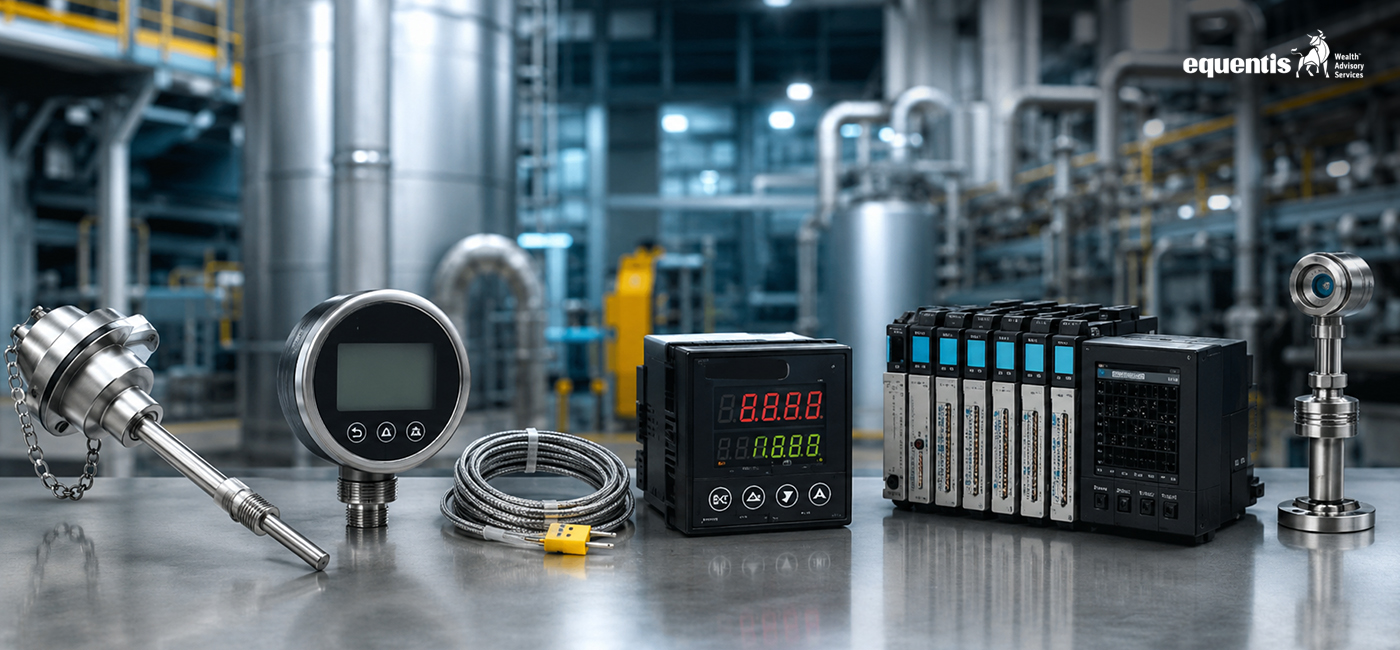
Tempsens Instruments operates in thermal engineering and manufactures products used for temperature measurement, electrical heating and specialised cable applications.
Its products include temperature sensors and related industrial solutions used across sectors such as metals, power, oil and gas, petrochemicals, pharmaceuticals, automotive, aerospace and other industrial applications. The company also has an international presence, with exports contributing a meaningful share of revenue.
According to company-related market research cited in IPO materials, Tempsens was India’s largest manufacturer of contact and non-contact temperature sensors by revenue as of March 31, 2026, with an estimated 10.5% market share.
This makes the IPO different from consumer-focused offerings. Its performance is closely connected to industrial activity and capital spending.
4. Financial Performance Has Improved
Tempsens has reported growth in both revenue and profitability over the past few years.
For FY26, revenue from operations was around ₹444.88 crore, compared with ₹378.53 crore in FY25. Profit after tax increased to ₹71.07 crore from ₹62.56 crore during the same period. EBITDA stood at approximately ₹113.17 crore in FY26.
The company also reported an EBITDA margin of about 24.8% and a PAT margin of around 15.6% in FY26. Debt-to-equity was approximately 0.15 times, indicating relatively modest leverage compared with many capital-intensive businesses.
However, investors should also examine cash flows and working capital. Tempsens’ net working capital days increased to around 210 days in FY26, which means cash can remain tied up in receivables and inventory for a considerable period.
5. How Will the Fresh IPO Money Be Used?
The ₹95 crore fresh issue has specific planned uses.
Around ₹55 crore is intended for repayment or prepayment of borrowings, while approximately ₹18.13 crore is earmarked for capital expenditure related to electrical heating and specialised cable solutions. The balance is intended for general corporate purposes.
Debt repayment can reduce interest costs and improve financial flexibility. At the same time, the relatively limited size of the fresh issue means investors should assess whether the planned capital expenditure is sufficient to support the company’s expansion ambitions.
6. Why Could Tempsens Attract Investor Interest?
One factor is its presence in a specialised industrial niche. Temperature sensing and thermal solutions are important for processes where accurate measurement and control are required.
The company also operates a customised, make-to-order business model and has manufacturing capabilities that cover several stages of production. Its export business provides exposure to international markets, while its customer base spans multiple industrial sectors.
The broader adoption of automation and demand for industrial measurement and control systems could support long-term demand. However, growth ultimately depends on actual order flow, execution and industrial capital expenditure.
7. What Are the Key Risks in the Tempsens IPO?
The business has several risks that investors should consider before applying.
One concern is working capital intensity. The 210-day net working capital cycle indicates that the company needs substantial funds to support day-to-day operations. Delays in customer payments or inventory movement could affect cash generation.
The company also depends on raw materials such as metals, alloys, polymers and specialised components. Price fluctuations or supply disruptions could put pressure on margins. Its manufacturing operations are concentrated significantly in Udaipur, creating location-related operational risk.
Another factor is industry cyclicality. More than 40% of revenue is linked to sectors such as metals and petrochemicals, while exports account for roughly 29% of revenue, exposing the company to industrial cycles, foreign exchange movements and international market conditions.
Is the Tempsens IPO Worth Considering?
The Tempsens IPO presents a combination of improving financial performance, a specialised industrial product portfolio and international exposure. The planned debt repayment is also relevant for the company’s financial position.
At the same time, investors should not evaluate the issue solely on its business positioning or grey market premium. Valuation, working capital requirements, customer and sector concentration, raw-material costs and the large OFS component deserve equal attention.
For retail investors, the key question is whether the company’s earnings and cash flows can support the valuation over the long term rather than whether the stock can deliver a strong listing.
Conclusion
The Tempsens IPO offers investors exposure to a specialised thermal engineering and industrial solutions business. The seven factors to understand are the IPO timeline and price band, ₹650 crore issue structure, business model, financial performance, use of fresh proceeds, potential growth drivers and key risks.
With the issue open until August 24, investors have time to study the company’s financial statements, valuation and risk factors before making a decision. The company’s ability to convert revenue growth into sustainable cash flow while managing working capital and expanding efficiently will be important to watch after listing.
Frequently Asked Questions
1. What is the Tempsens IPO?
The Tempsens IPO is a mainboard public issue of Tempsens Instruments India Ltd. The company is raising up to ₹650 crore through a combination of a ₹95 crore fresh issue and a ₹555 crore offer for sale. The IPO is open from August 20 to August 24, 2026, with a price band of ₹285 to ₹300 per share.
2. What is the minimum investment required for the Tempsens IPO?
The minimum lot size is 50 shares. At the upper price band of ₹300 per share, one retail lot requires an investment of ₹15,000. Investors can bid for additional shares only in multiples of the specified lot size, subject to applicable category limits.
3. When does the Tempsens IPO close?
The Tempsens IPO opened on August 20, 2026, and is scheduled to close on August 24, 2026. Investors should complete their application and UPI mandate within the prescribed timelines rather than waiting until the final hours.
4. What does Tempsens Instruments manufacture?
Tempsens manufactures thermal engineering products, including temperature sensors, electrical heating solutions and specialised cables. Its products are used across industries such as metals, power, oil and gas, petrochemicals, pharmaceuticals, automotive and other industrial applications.
5. What is the price band of the Tempsens IPO?
The price band has been fixed at ₹285 to ₹300 per equity share, with a face value of ₹4 per share. Investors can bid within this price range, while retail investors must apply for at least 50 shares.
6. How will Tempsens use the IPO proceeds?
The ₹95 crore fresh issue is planned to fund capital expenditure, repayment or prepayment of borrowings and general corporate purposes. Approximately ₹55 crore is earmarked for debt repayment, while ₹18.13 crore is planned for capital expenditure related to electrical heating and specialised cable solutions.
7. Is the Tempsens IPO a fresh issue or an OFS?
It contains both components. The IPO includes a ₹95 crore fresh issue, where funds go to the company, and an OFS of up to ₹555 crore, where proceeds go to existing shareholders selling their shares. Therefore, most of the total issue is an offer for sale.
8. What are the major risks of the Tempsens IPO?
Key risks include high working capital requirements, raw-material price fluctuations, dependence on cyclical industrial sectors, export and foreign exchange exposure, supplier concentration and manufacturing concentration in Udaipur. Investors should also assess competition and the company’s ability to maintain margins as it expands.
9. How has Tempsens performed financially?
Tempsens reported revenue from operations of about ₹444.88 crore and profit after tax of ₹71.07 crore in FY26, compared with ₹378.53 crore and ₹62.56 crore respectively in FY25. EBITDA was approximately ₹113.17 crore in FY26.
10. Should investors apply for the Tempsens IPO?
Whether to apply depends on an investor’s risk tolerance, investment horizon and assessment of the company’s valuation and future cash flows. The business has growth drivers, but working capital intensity, industrial cyclicality and other operational risks should also be considered. A strong grey market premium, if present, should not be treated as a guarantee of listing gains or future returns.
Disclaimer Note: The securities quoted, if any, are for illustration only and are not recommendatory. This article is for education purposes only and shall not be considered as a recommendation or investment advice by Equentis. We will not be liable for any losses that may occur. Investments in the securities market are subject to market risks. Read all the related documents carefully before investing. Registration granted by SEBI, membership of BASL & certification from NISM in no way guarantee the performance of the intermediary or provide any assurance of returns to investors.

Jaspreet Singh Arora is the Chief Investment Officer at Equentis, where he heads a seasoned team of equity analysts and turns two decades of market experience into portfolios that consistently beat the benchmark. A go-to voice on cement, building-materials, real-estate, and construction stocks, Jaspreet previously ran research desks at leading brokerages, honing an eye for the metrics that truly move share prices. His plain-spoken analysis helps investors cut through noise and act with conviction. When he’s not deep-diving into earnings calls, you’ll find him unwinding over sports, weekend cricket or a good history podcast.










