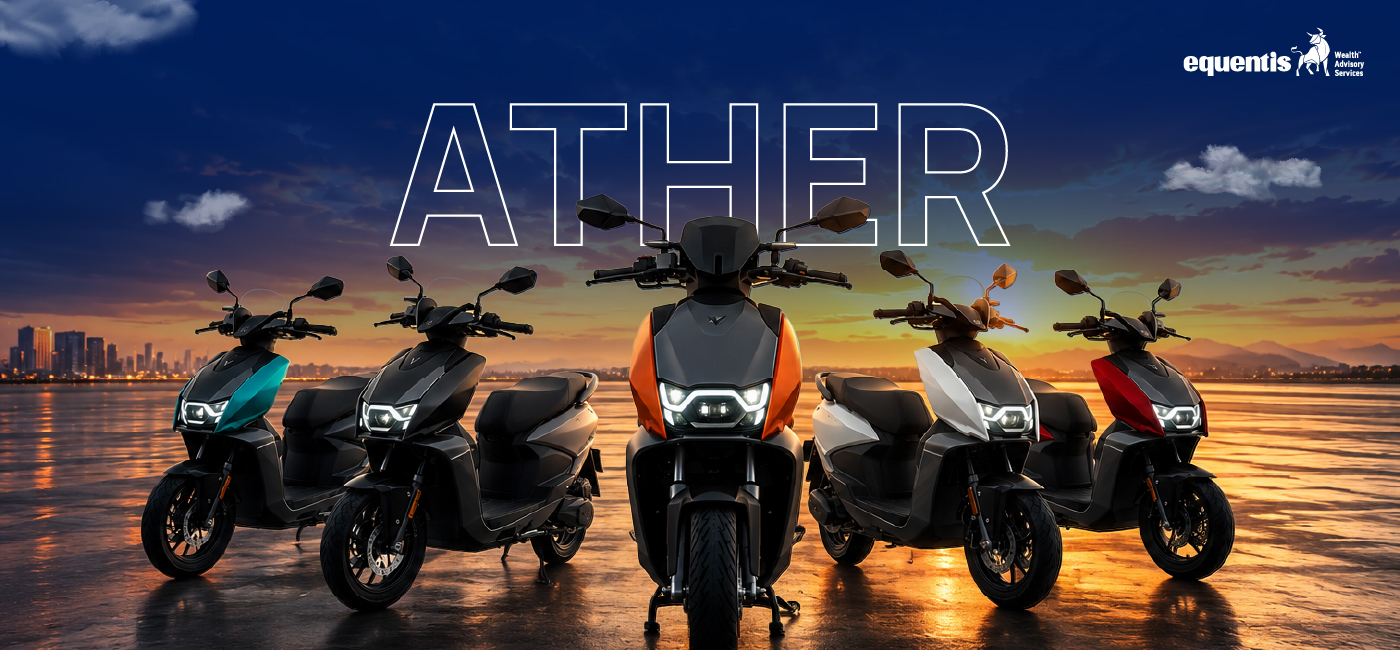

In 2013, when electric vehicles in India were largely viewed as niche experiments, two IIT Madras graduates believed the future of mobility could be different. Tarun Mehta and Swapnil Jain were not trying to build just another scooter. They wanted to create a product that could make Indians excited about electric mobility.
Thirteen years later, that vision has evolved into one of India’s most recognized electric two-wheeler brands. Ather Energy has sold more than 2.6 lakh vehicles in FY26, achieved a market share of 18.6%, generated ₹3,823 crore in annual income, and commands a market capitalization of over ₹57,302 crore. What began as a college project has become a defining chapter in India’s EV revolution.
The Beginning: Challenging the Status Quo
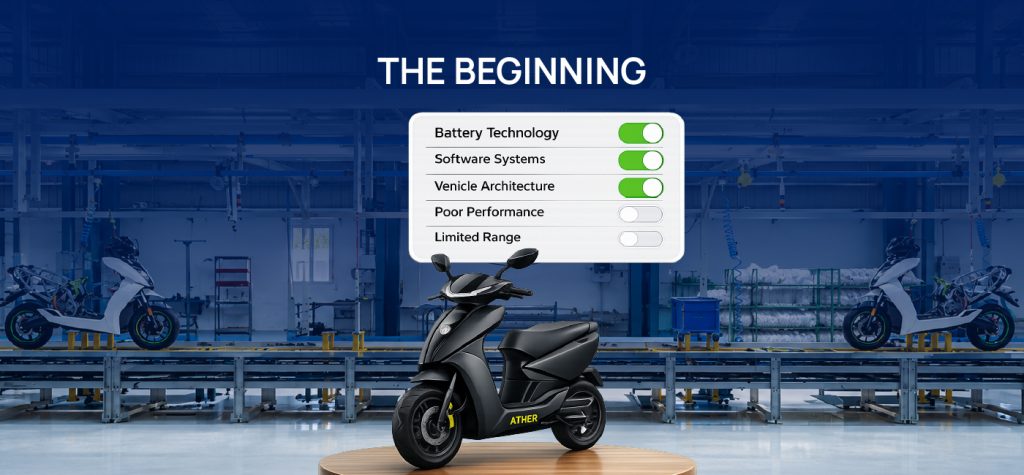
When Ather was founded, India’s roads were dominated by petrol-powered scooters. Electric vehicles suffered from poor performance, limited range, and low consumer trust.
Instead of competing on affordability alone, Ather focused on engineering and innovation. The founders spent years developing battery technology, software systems, and vehicle architecture from the ground up. Their goal was simple: build an electric scooter that could outperform conventional alternatives rather than merely replace them.
This philosophy would eventually become the foundation of the Ather brand.
Building a Premium EV Experience
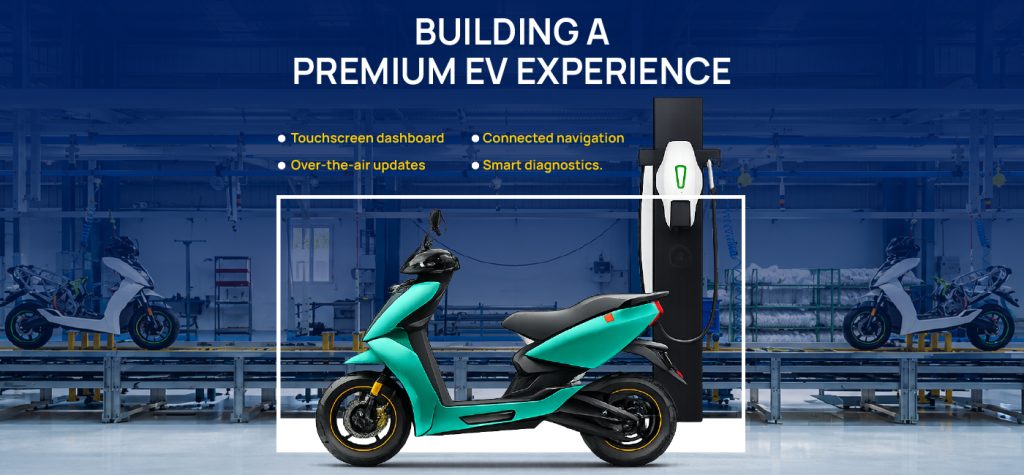
The launch of the Ather 450 marked a turning point for the company. The scooter introduced features that were uncommon in the Indian two-wheeler market, including a touchscreen dashboard, connected navigation, over-the-air updates, and smart diagnostics.
Ather was not selling transportation alone. It was selling technology, convenience, and a glimpse into the future.
The company also recognized that a successful EV ecosystem required more than a vehicle. It invested heavily in charging infrastructure through Ather Grid, helping address one of the biggest barriers to EV adoption: range anxiety.
This ecosystem-first strategy differentiated Ather from many competitors and strengthened customer confidence in electric mobility.
Growth Through Consumer Connection
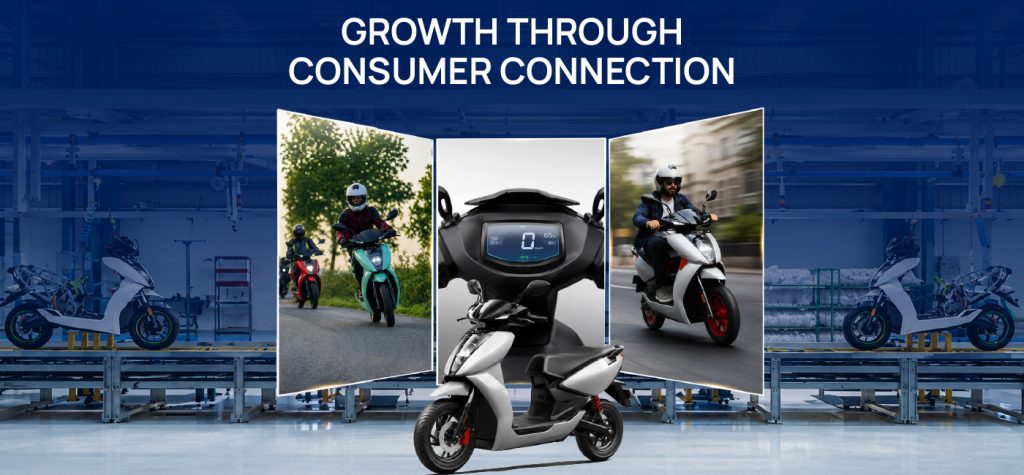
Ather’s marketing strategy focused less on celebrity endorsements and more on building a community.
The company relied on customer advocacy, digital storytelling, test ride experiences, and technology-led branding. Its experience centers were designed to educate consumers rather than simply sell products.
This approach helped create a loyal customer base that viewed Ather as an innovation brand rather than just a vehicle manufacturer.
The brand’s messaging consistently highlighted smart mobility, sustainability, and technology, making it particularly relevant among urban professionals and younger consumers looking for modern transportation solutions.
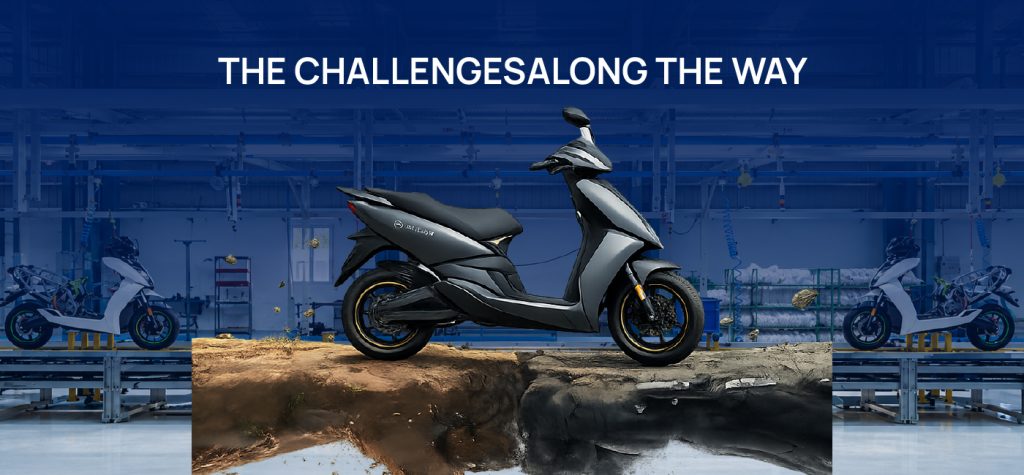
The Challenges Along the Way
The journey was far from smooth.
Ather entered a market that lacked widespread charging infrastructure and consumer awareness. The company also faced intense competition from startups and established automotive manufacturers entering the EV segment.
Supply chain disruptions, rising battery costs, policy changes, and the pressure to scale operations created additional hurdles. Financial losses mounted as Ather invested heavily in research, manufacturing capacity, retail expansion, and charging networks.
Yet the company continued investing in innovation while improving operational efficiency. This long-term mindset helped Ather strengthen its position even during difficult periods.
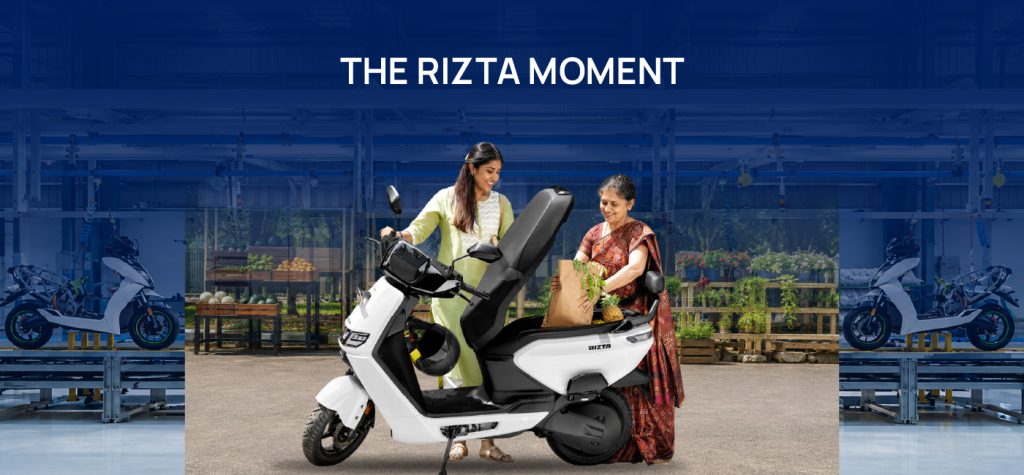
The Rizta Moment
One of the most significant milestones in Ather’s growth story came with the launch of the Rizta family scooter.
While the Ather 450 series appealed largely to technology enthusiasts, Rizta targeted a much broader audience. The product allowed the company to enter the family scooter segment, one of the largest categories in the Indian two-wheeler market.
The strategy paid off.
Strong demand for Rizta helped drive record sales, improved financial performance, and accelerated market share gains. Analysts and investors increasingly viewed the company as a serious contender in India’s rapidly expanding EV market.
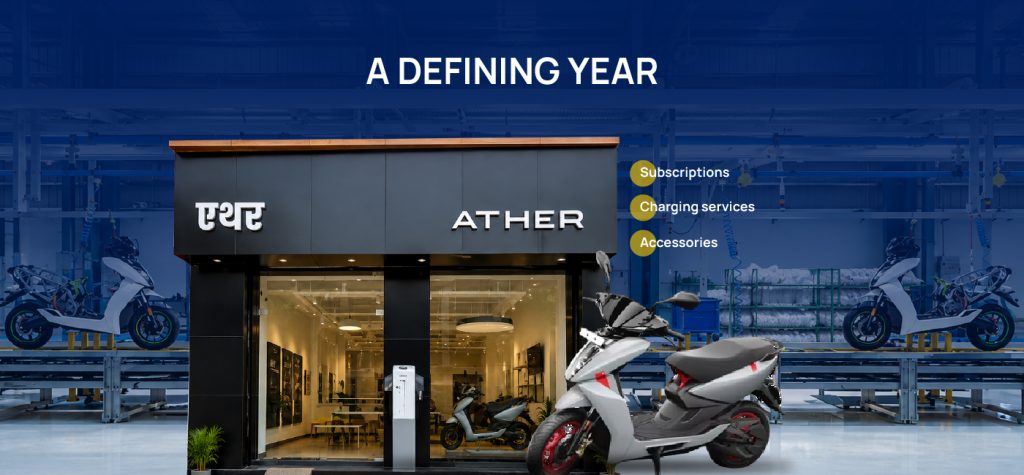
FY26: A Defining Year
FY26 became the strongest year in Ather’s history.
The company sold a record 2,62,942 vehicles, representing 69% year-on-year growth. Total income surged 66% to ₹3,823 crore, while market share climbed to 18.6%. The company also significantly reduced its losses, with net loss narrowing to ₹517 crore from ₹812 crore in the previous year.
Ather’s retail footprint expanded to 700 experience centers across India, nearly doubling from the previous year. The company’s software ecosystem also gained traction, with non-vehicle revenue streams such as subscriptions, charging services, accessories, and after-sales support contributing a growing share of total income.
These numbers reflected more than financial growth. They demonstrated increasing consumer trust in the brand and in electric mobility itself.
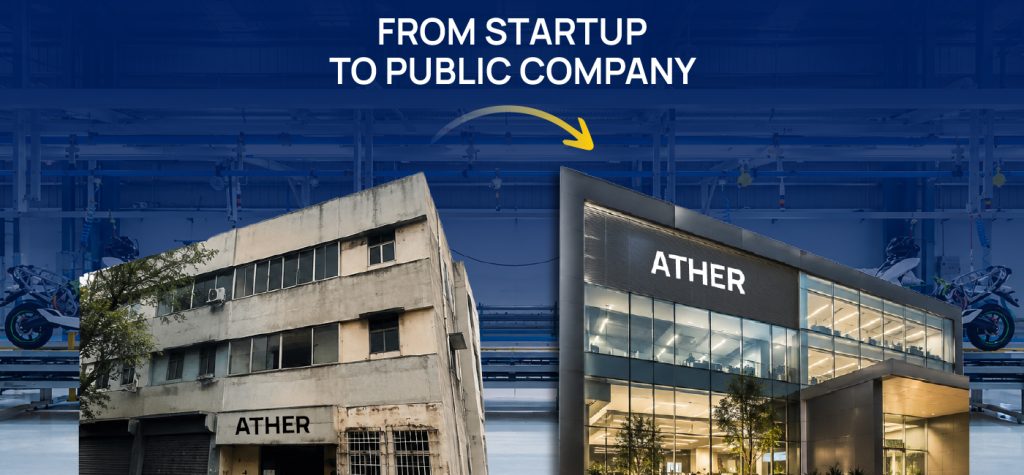
From Startup to Public Company
Ather’s public market debut marked another major milestone.
Investors saw the company not merely as a scooter manufacturer but as a technology-led mobility platform positioned at the center of India’s EV transformation. As operating performance improved and losses narrowed, investor confidence strengthened significantly.
By August 2026, Ather’s market capitalization had crossed ₹57,302 crore, highlighting how far the company had progressed from its startup roots. The market’s response reflected confidence in Ather’s ability to scale, innovate, and capture a larger share of India’s electric two-wheeler opportunity.
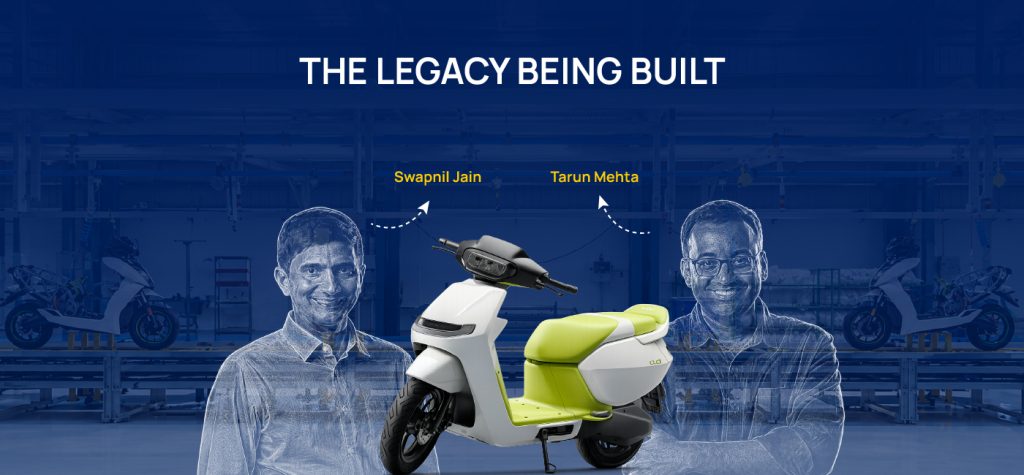
The Legacy Being Built
Ather Energy’s story is ultimately about persistence.
It is the story of two engineers who challenged conventional thinking, a company that invested in infrastructure before demand existed, and a brand that focused on consumer experience as much as technology.
Today, Ather stands as one of the key forces shaping India’s electric mobility landscape. Its journey from a college project to a ₹57,302 crore company demonstrates how innovation, long-term thinking, and customer-centric execution can create both cultural relevance and business success.
As India’s EV adoption accelerates, Ather’s next chapter may be even more significant than its first thirteen years.

Parvati Rai is the Vice President of the Research team at Equentis. She has over 15 years of equity-research and strategy-consulting experience. A specialist in deep-dive valuations, financial modelling, and forecasting, she has built research desks from the ground up, by steering buy-side, sell-side, and independent coverage across sectors. When she isn’t fine-tuning models, Parvati unwinds on nature treks and mentors aspiring analysts.