
Shankesh Jewellers shares made a stronger-than-expected stock market debut on August 25, 2026, listing at ₹103.30 on the NSE, an 11.08% premium over its IPO price of ₹93. On the BSE, the stock opened at ₹102.20, up 9.89%. The positive debut came despite the IPO’s relatively moderate 2.80-times subscription and muted grey-market premium before listing. For investors who received an allotment, the focus now shifts from the listing gain to the company’s growth prospects, debt reduction plans, financial performance and valuation.
Shankesh Jewellers IPO: What Happened on Listing Day?
Shankesh Jewellers’ IPO was open for subscription from August 18 to August 20, 2026. The company raised ₹367.18 crore through a combination of a fresh issue and an offer for sale (OFS), with the price band fixed at ₹88–₹93 per share. The minimum application lot was 160 shares, requiring ₹14,880 at the upper end of the price band.
The issue was subscribed 2.80 times overall. Qualified institutional buyers subscribed 1.32 times, non-institutional investors 5.68 times and retail investors 2.42 times. The final listing performance was therefore notably stronger than the grey-market indications immediately before the debut, which had pointed towards a much smaller premium.
At the NSE opening price of ₹103.30, investors allotted one lot at ₹93 had a notional gain of ₹10.30 per share, or ₹1,648 for 160 shares, before applicable charges and taxes.
What Does Shankesh Jewellers Do?
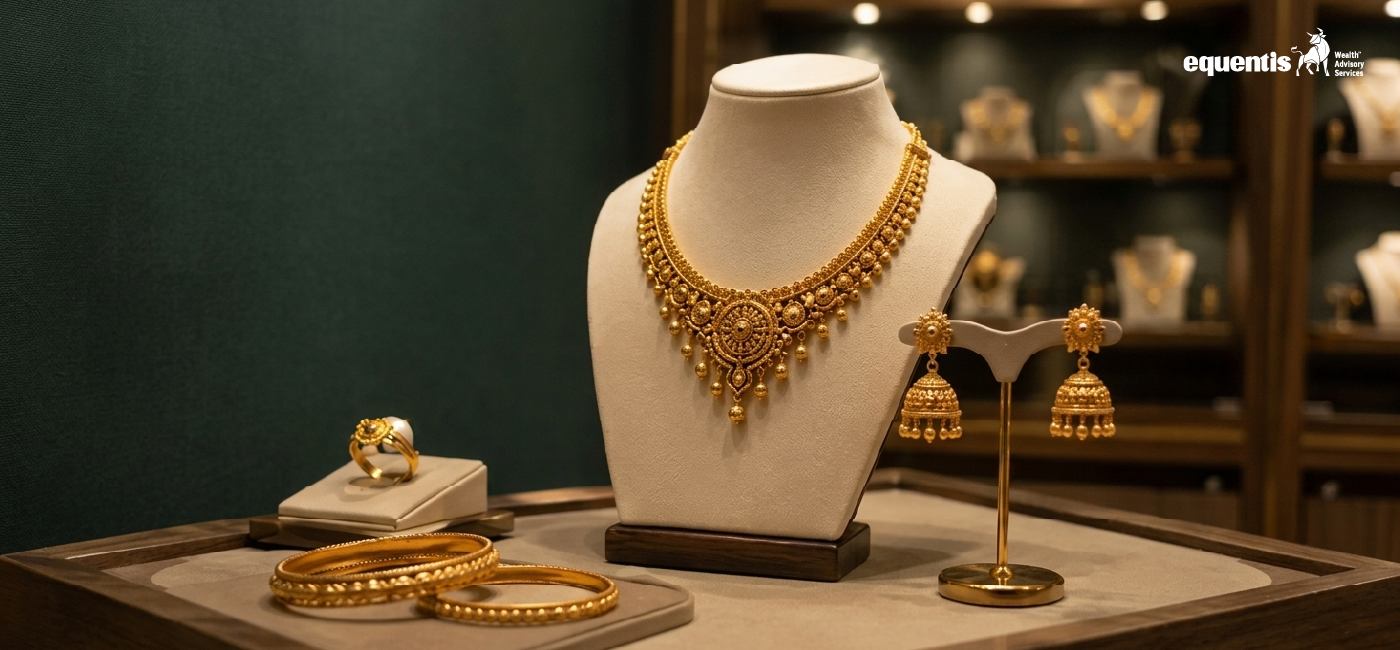
Shankesh Jewellers is a Mumbai-based jewellery company incorporated in 2005. Its business focuses on the manufacturing and supply of customised handcrafted gold jewellery, with a significant B2B orientation.
The jewellery industry is closely linked to gold prices, consumer demand, wedding spending and broader economic conditions. For a jewellery manufacturer, profitability can also depend on inventory management, working-capital efficiency and the ability to manage fluctuations in gold prices.
This makes the company’s post-listing performance worth evaluating on business fundamentals rather than simply the initial market premium.
How Was the IPO Structured?
The ₹367.18-crore issue consisted of:
- Fresh issue: ₹274.18 crore
- Offer for sale: ₹93 crore
- Price band: ₹88–₹93 per share
- Lot size: 160 shares
- Listing: NSE and BSE on August 25, 2026
The fresh issue is particularly relevant because these funds are available to the company for its stated corporate purposes. The OFS portion, by contrast, represents shares sold by existing shareholders.
Where Will the IPO Money Be Used?
A substantial part of the fresh issue proceeds is intended for debt reduction. The company plans to use approximately ₹158 crore to repay or pre-pay certain borrowings.
Another ₹38 crore is earmarked for working-capital requirements, with the remaining proceeds intended for general corporate purposes.
Debt repayment can be important for a jewellery business because lower borrowing requirements may reduce interest costs and ease pressure on the balance sheet. At the same time, investors should check whether the company’s future growth can be funded without creating significant additional debt.
Why Did Shankesh Jewellers List Above ₹100?
The stock’s debut reflects stronger demand in the secondary market than the grey-market signals had suggested. Ahead of listing, the reported GMP was only around ₹2.75 per share, implying an estimated listing price of roughly ₹95.75. The actual NSE opening price of ₹103.30 was substantially higher.
However, the listing premium should be viewed as a starting point rather than proof of long-term value. Newly listed stocks can experience sharp price movements as IPO allottees book profits and new investors enter the counter.
What Does the Listing Mean for Investors?
For investors who received an IPO allotment, the immediate gain provides a choice between booking some profits and continuing to hold the shares.
A listing gain is generally more relevant to short-term investors, while a long-term investor should focus on whether the company’s earnings and cash flows can justify the valuation at which the shares are now trading.
The stock’s market capitalisation after listing was around ₹1,500 crore, depending on the reference price used. That makes the company’s future earnings growth particularly important when assessing whether the post-listing valuation remains reasonable.
Opportunities for Shankesh Jewellers
The Indian jewellery market offers structural opportunities through wedding demand, festive purchases and continued consumer spending on gold jewellery. A company focused on customised handcrafted products may also benefit if it expands its customer base and improves manufacturing capacity.
The IPO’s debt-reduction component could strengthen the balance sheet, while additional working capital could support business expansion.
But these are potential benefits, not guaranteed outcomes. Execution will determine whether the company can convert market opportunities into sustainable earnings.
Key Risks to Watch
Investors should also consider the risks associated with the jewellery business.
Gold-price volatility can affect inventory values, working-capital requirements and customer demand. Sharp increases in gold prices can also influence consumer purchasing behaviour.
The company is additionally exposed to working-capital requirements, which are important in a business where inventory and receivables can tie up significant funds.
Competition is another consideration. India’s jewellery market includes large organised players as well as numerous regional and local businesses, making pricing, product differentiation and customer relationships important.
Finally, the stock has already listed above its IPO price. If earnings growth fails to keep pace with market expectations, the premium valuation could come under pressure.
Hold, Sell or Watch After the 11% Listing Gain?
There is no universal answer because the appropriate decision depends on why an investor bought the shares.
Those who applied primarily for a listing gain may evaluate whether locking in part of the profit fits their strategy. Investors with a longer investment horizon may instead want to track the company’s quarterly results before making a decision.
The important metrics to watch include revenue growth, margins, debt levels, interest costs, working-capital requirements and cash flows. The company’s ability to reduce debt while maintaining growth will be particularly relevant.
Investors considering buying after listing should also avoid treating the ₹93 IPO price as an automatic measure of value. The relevant question is whether the current market price is justified by future earnings and business prospects.
Conclusion
Shankesh Jewellers’ 11.08% premium listing at ₹103.30 on the NSE was a positive debut, especially compared with the modest GMP indications before listing. The company’s ₹367.18-crore IPO, plans to reduce borrowings and exposure to India’s jewellery market provide areas for investors to monitor.
However, the listing gain is only the first chapter. Going forward, investors should focus on earnings growth, debt reduction, working-capital management, gold-price trends and valuation. Whether the stock can sustain its premium will ultimately depend on business performance rather than the strength of its first trading session.
Frequently Asked Questions
1. At what price did Shankesh Jewellers list?
Shankesh Jewellers shares listed at ₹103.30 on the NSE, representing an 11.08% premium over the IPO price of ₹93. On the BSE, the stock opened at ₹102.20, giving investors a 9.89% premium. The actual debut was considerably stronger than the modest grey-market premium indicated before listing.
2. How much did Shankesh Jewellers IPO investors gain?
At the NSE opening price of ₹103.30, investors who received shares at ₹93 gained ₹10.30 per share, equivalent to approximately 11.08%. With the 160-share lot size, the notional gain at the opening price was ₹1,648 before brokerage, taxes and other applicable charges.
3. What was the Shankesh Jewellers IPO price?
The IPO price band was ₹88–₹93 per share, with the issue priced at the upper end at ₹93. The minimum application size was 160 shares, meaning retail investors needed ₹14,880 to apply for one lot at the upper price band.
4. How much did the Shankesh Jewellers IPO raise?
Shankesh Jewellers raised ₹367.18 crore through its IPO. The issue comprised a fresh issue worth ₹274.18 crore and an offer-for-sale component worth ₹93 crore. The fresh issue proceeds are available to the company for debt repayment, working capital and general corporate purposes.
5. How was the Shankesh Jewellers IPO subscribed?
The IPO was subscribed 2.80 times overall. Institutional investors subscribed 1.32 times, non-institutional investors 5.68 times and retail investors 2.42 times. The overall subscription was moderate compared with some heavily oversubscribed IPOs, but the stock nevertheless made a positive debut.
6. What does Shankesh Jewellers do?
Shankesh Jewellers is a Mumbai-based jewellery company that manufactures and provides customised handcrafted gold jewellery. The company operates in India’s jewellery market, where demand is influenced by factors including weddings, festivals, gold prices and consumer spending.
7. How will Shankesh Jewellers use IPO proceeds?
The company plans to use approximately ₹158 crore to repay or pre-pay borrowings and around ₹38 crore to meet working-capital requirements. The balance is intended for general corporate purposes. Debt reduction could help lower interest costs, while working capital can support day-to-day business operations.
8. What are the main risks for Shankesh Jewellers investors?
Key risks include fluctuations in gold prices, working-capital requirements, competition in India’s jewellery market and changes in consumer demand. Since the stock has already listed at a premium to the IPO price, investors should also consider whether the current valuation is supported by the company’s earnings and future growth.
9. Should investors sell Shankesh Jewellers after the 11% listing gain?
There is no single answer. Investors focused on listing gains may consider profit booking according to their strategy, while long-term investors can evaluate the company’s fundamentals before deciding. Quarterly earnings, debt reduction, cash flows and valuation are more useful for a long-term decision than the initial listing premium alone.
10. What should investors watch after the Shankesh Jewellers listing?
Investors should track revenue and profit growth, margins, debt levels, interest costs, inventory, receivables and operating cash flow. Gold-price movements and jewellery demand are also important. Most importantly, investors should assess whether the company’s financial performance grows sufficiently to support the valuation established after its stock-market debut.
Disclaimer Note: The securities quoted, if any, are for illustration only and are not recommendatory. This article is for education purposes only and shall not be considered as a recommendation or investment advice by Equentis. We will not be liable for any losses that may occur. Investments in the securities market are subject to market risks. Read all the related documents carefully before investing. Registration granted by SEBI, membership of BASL & certification from NISM in no way guarantee the performance of the intermediary or provide any assurance of returns to investors.

Jaspreet Singh Arora is the Chief Investment Officer at Equentis, where he heads a seasoned team of equity analysts and turns two decades of market experience into portfolios that consistently beat the benchmark. A go-to voice on cement, building-materials, real-estate, and construction stocks, Jaspreet previously ran research desks at leading brokerages, honing an eye for the metrics that truly move share prices. His plain-spoken analysis helps investors cut through noise and act with conviction. When he’s not deep-diving into earnings calls, you’ll find him unwinding over sports, weekend cricket or a good history podcast.