A New Chapter in Reinvention, Electrification, and Aggression
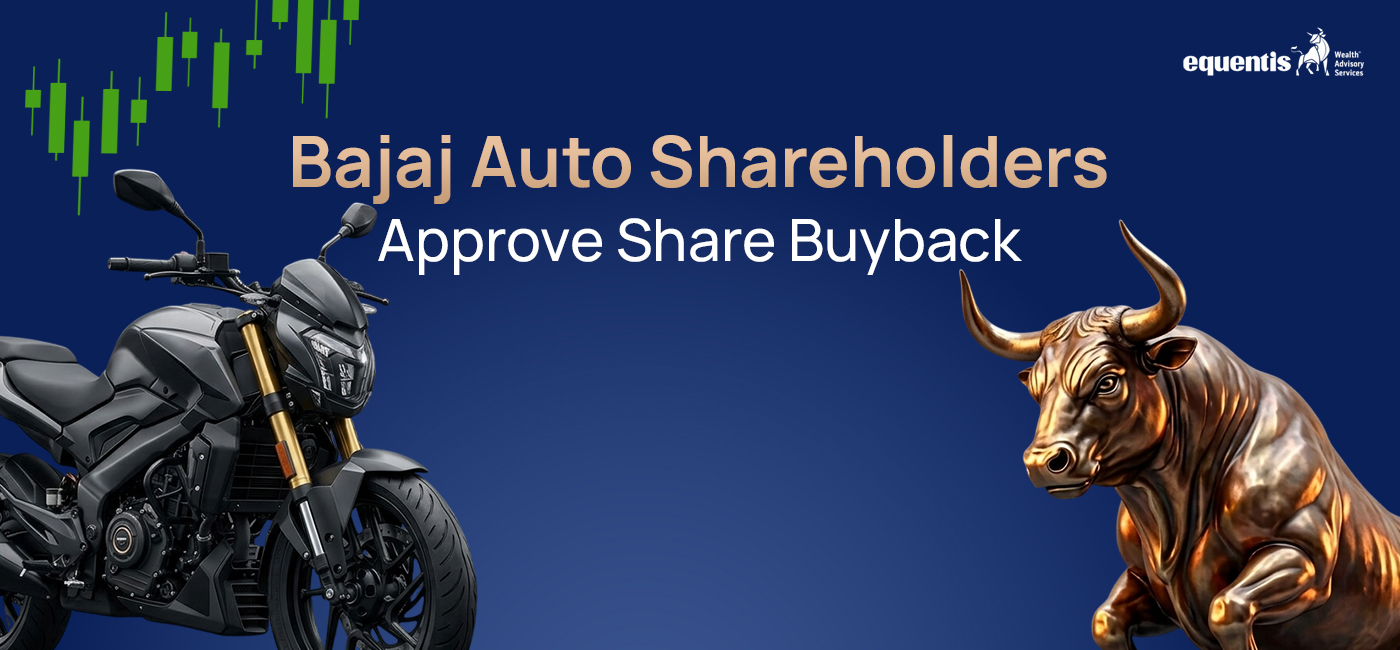
In a decisive move that underscores its robust financial health and commitment to long-term strategic stability, Bajaj Auto shareholders have officially approved a significant share buyback program alongside the reappointment of Pradeep Shrivastava to a key leadership role. These developments come at a pivotal moment for the automotive giant as it navigates the complex transition toward electric mobility while maintaining its dominance in traditional segments.
The dual announcement serves as a signal of both confidence and continuity. By returning capital to shareholders through a buyback, Bajaj Auto leverages its record-breaking cash reserves, while the retention of veteran leadership ensures that the operational excellence driving its current “Act IV” of transformation remains uninterrupted.
The Financial Powerhouse: Contextualizing the Buyback
The approval of the share buyback is backed by unprecedented financial performance. In the fiscal year 2024–25, Bajaj Auto reached a historic milestone, with revenue crossing the ₹50,000 crore mark for the first time. This represented an approximately 12% year-over-year growth from the ₹44,685 crore reported in FY2023–24.
Furthermore, the company’s operational efficiency has reached new heights. Bajaj Auto crossed the ₹10,000 crore threshold in EBITDA, maintaining impressive margins of approximately 20.2%. This level of liquidity provides the company with the flexibility to reward investors without compromising its aggressive expansion plans in the EV sector and international markets.
Key Financial Highlights (FY25)
| Metric | Value (Approx.) | Growth/Margin |
|---|---|---|
| Standalone Revenue | ₹50,010 Crore | 12% YoY Increase |
| EBITDA | ₹10,000+ Crore | 20.2% Margin |
| Q4 FY25 Net Profit | ₹2,049 Crore | Beat Estimates |
| Export Growth (Q4) | – | 20% Jump in Motorcycles |
The decision to beat profit estimates in Q4 FY25 was largely aided by a 20% jump in motorcycle exports and favorable foreign exchange movements, which helped offset a roughly 8% dip in domestic demand.
Leadership Continuity: The Reappointment of Pradeep Shrivastava
The reappointment of Pradeep Shrivastava is a move tailored for operational stability during a period of rapid technological shift. Shrivastava, a veteran within the Bajaj ecosystem, has been instrumental in refining the company’s manufacturing prowess and supply chain resilience.
His role is particularly critical as Bajaj Auto tackles the headwinds inherent in the EV transition. For instance, as of mid-2025, the company flagged potential output constraints for electric scooters—meeting only 50-60% of planned deliveries—due to global shortages in rare earth materials. Having a seasoned leader at the helm is vital for managing these supply chain complexities while scaling up new technologies.
Strategic Pivot: The EV Revolution and the Chetak Revival
Central to Bajaj’s current strategy is the reinvention of the iconic Chetak brand. The transition from a legacy nameplate to a cutting-edge electric scooter has been remarkably successful. By the first half of FY2026, Bajaj’s share in the Indian electric two-wheeler market reached approximately 19%, positioning it as the second-largest player among legacy manufacturers.
EV Expansion Milestones:
- Volume Growth: The Chetak EV line tripled its volumes year-over-year.
- Geographic Reach: The brand’s presence has expanded to 164 cities.
- Technical Upgrades: Product iterations now feature integrated motors, improved MCUs, and floorboard battery designs, all while focusing on cost optimization.
Global Ambition and Premiumization
While the buyback rewards shareholders today, Bajaj’s strategic investments are focused on securing tomorrow’s growth. The company has aggressively expanded its global footprint, particularly in Latin America.
In Brazil, Bajaj established a dedicated manufacturing facility with an annual capacity of 20,000 units. The results have been immediate: the Brazilian arm sold approximately 13,000 units in CY 2024, tripling its sales from the previous year and expanding its dealership network from 10 to 31 outlets.
On the premium front, Bajaj continues to lean into its partnership with KTM. In 2025, the company struck a call option agreement to acquire a controlling stake in KTM, a move designed to give Bajaj end-to-end control over its premium motorcycle strategy. This shift toward “premiumization” over sheer volume is reflected in domestic market share trends; while the two-wheeler share fell slightly from 11.54% in FY24 to 10.78% in the first nine months of 2025, the focus on higher-margin premium segments like Triumph and KTM remains the priority.
Navigating Headwinds: The Road Ahead
Despite the record revenues and successful leadership reappointments, Bajaj Auto faces a landscape of challenges. Beyond the rare earth material crunch affecting EV production, the company has had to absorb recent GST hikes in premium segments to maintain sales momentum.
However, the company’s dominance in the commercial vehicle segment remains a bedrock of its stability. Its RE and Maxima three-wheelers capture nearly 80% market share in specific goods carrier subsegments. The rollout of electric three-wheelers is also seeing early traction, promising a new avenue for growth as urban logistics modernize.
Conclusion
The approval of the share buyback and the reappointment of Pradeep Shrivastava represent a balanced approach to corporate governance: rewarding the shareholders who have supported the company’s journey while ensuring the executive engine remains primed for future challenges.
With revenue at an all-time high and a clear-eyed strategy for electrification and global expansion, Bajaj Auto is not merely reacting to the changing automotive landscape—it is actively shaping it. For investors and industry observers alike, the message is clear: Bajaj Auto is prepared for the long haul, backed by financial strength, strategic aggression, and leadership continuity.
Disclaimer Note: The securities quoted, if any, are for illustration only and are not recommendatory. This article is for education purposes only and shall not be considered as a recommendation or investment advice by Equentis. We will not be liable for any losses that may occur. Investments in the securities market are subject to market risks. Read all the related documents carefully before investing. Registration granted by SEBI, membership of BASL & certification from NISM in no way guarantee the performance of the intermediary or provide any assurance of returns to investors.

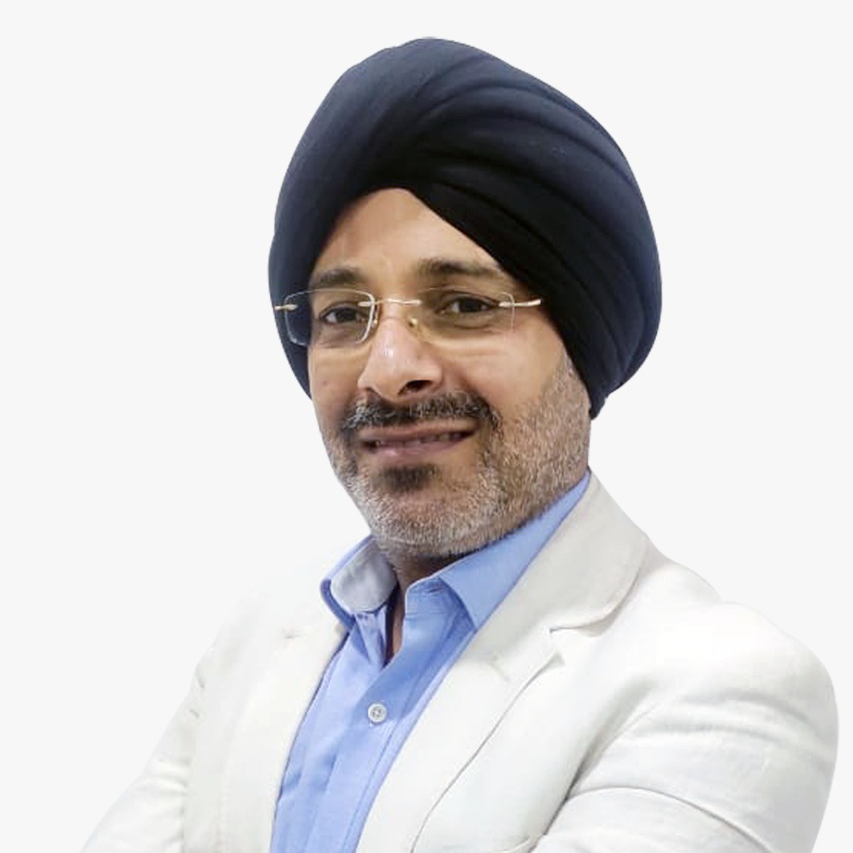
Jaspreet Singh Arora is the Chief Investment Officer at Equentis, where he heads a seasoned team of equity analysts and turns two decades of market experience into portfolios that consistently beat the benchmark. A go-to voice on cement, building-materials, real-estate, and construction stocks, Jaspreet previously ran research desks at leading brokerages, honing an eye for the metrics that truly move share prices. His plain-spoken analysis helps investors cut through noise and act with conviction. When he’s not deep-diving into earnings calls, you’ll find him unwinding over sports, weekend cricket or a good history podcast.