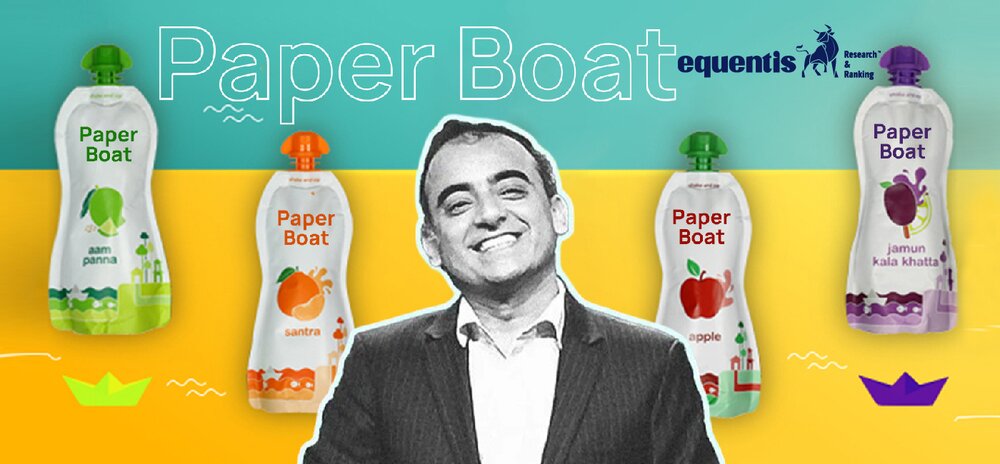

Do you remember those sweltering summer afternoons when the sky was lit bright and your skin turned sticky from hours of playing gully cricket or flying kites? You’d burst into the house, dusty and parched, and there she’d be—your mother, waiting with a steel tumbler of chilled aam panna or jal jeera. It wasn’t just a drink. It was love. It was home. It was everything pure and perfect about childhood.
But somewhere between growing up and getting busy, those simple joys were lost, traded for fizz, chemicals, and flashy bottles in vending machines.
Until four friends decided to bring back their favorite summer drinks.
Armed with nothing but memories and a craving for the real stuff, they set out to bottle nostalgia. What started as a shared yearning for forgotten flavors is today a ₹1,620 crore celebration of India’s most heartfelt beverages.
If you’ve ever tasted summer in a sip, this story is for you. Read on
And A Shared Memory
Some stories begin with business plans. This one started over lunch.
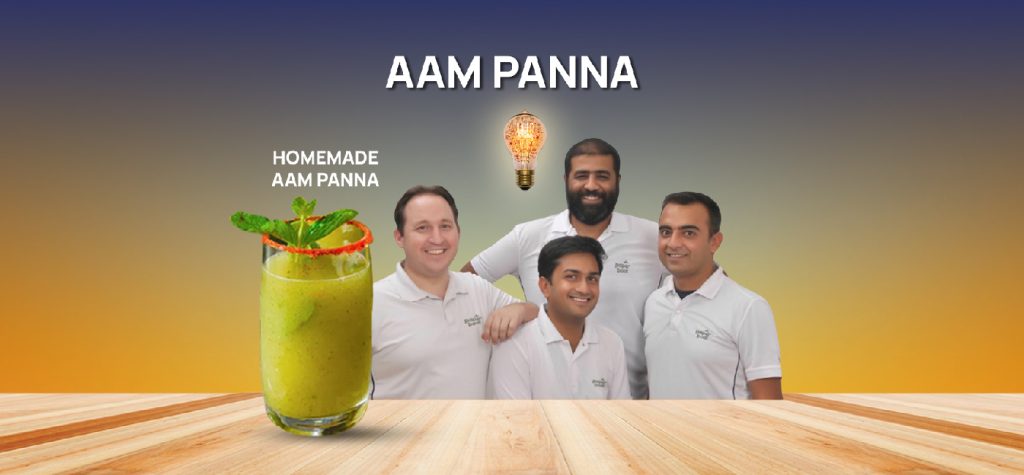
Four friends—Neeraj Kakkar, Suhas Misra, Neeraj Biyani, and James Nutall—were sipping on Suhas’s homemade aam panna, reminiscing about childhood summers and the flavours that defined them.
But they came up empty when they tried to find that same drink on a store shelf. That moment wasn’t just nostalgia—it was an insight.
Why had our traditional Indian drinks, Jal Jeera, Kokum, Aam Ras, and Chilli Guava, once staples in every household, vanished from modern retail? What if, just what if, someone bottled those memories?
They decided to try. And so began Paper Boat—a brand that didn’t just quench thirst but stirred something deeper: emotion.
to Ethnic Delights
Before Paper Boat, the founders had entered the beverage market with Hector Beverages in 2009. Their first product was a protein drink called Frissia.
Then came Tzinga, an energy drink launched in 2011. But their hearts weren’t in caffeine and protein; they wanted to tell a story – India’s story – through taste.
In March 2013, they tested and launched Paper Boat, a brand dedicated solely to ethnic Indian beverages.
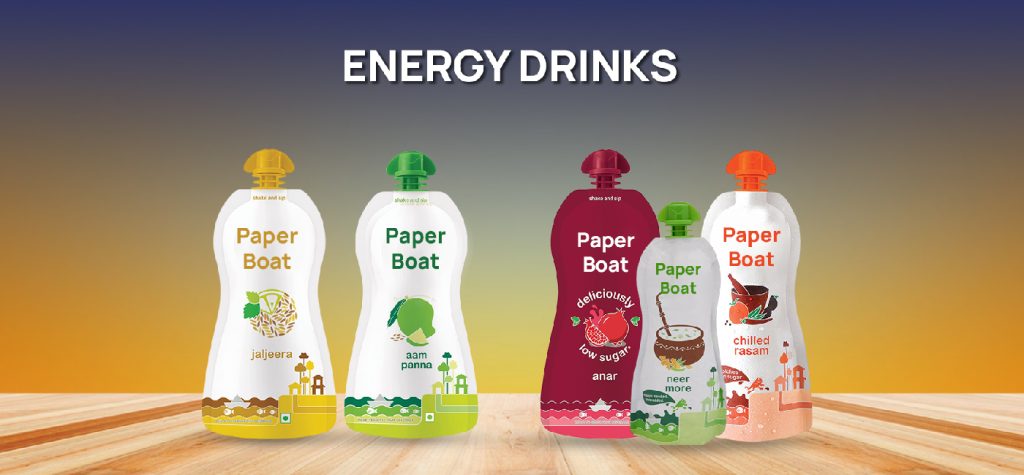
They began with Aam Panna and Jal Jeera. Over time, the menu expanded to include Jamun Kala Khatta, Chilli Guava, Neer More, Chilled Rasam, Anar, and more.
Everything
Choosing the right name was crucial. It had to capture the spirit of nostalgia, childhood, and simplicity.
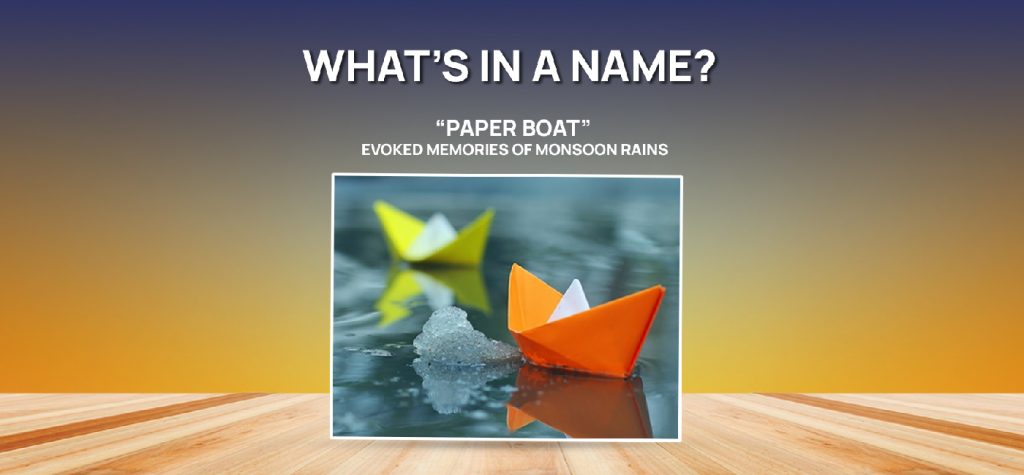
“Paper Boat” evoked memories of monsoon rains, floating paper boats in puddles, and innocent joy.
Like those paper boats carried dreams downstream, the founders hoped their drinks would carry people back to their roots. The brand name was not just catchy – it was an emotion.
A New Category
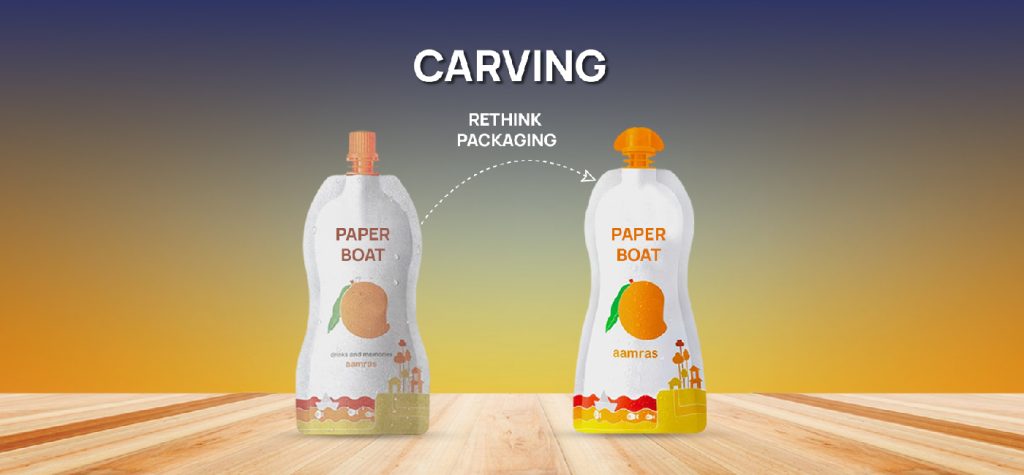
Back then, supermarkets were ruled by carbonated giants and tetra-packed fruit cocktails. No one was asking for aam ras in a pouch.
Paper Boat didn’t care. They created a category, ready-to-drink ethnic beverages. It wasn’t easy. They had to build awareness, educate palates, and even rethink packaging.
But the love flowed in once people tasted what they’d been missing.
Ingredients, Impact & Talk
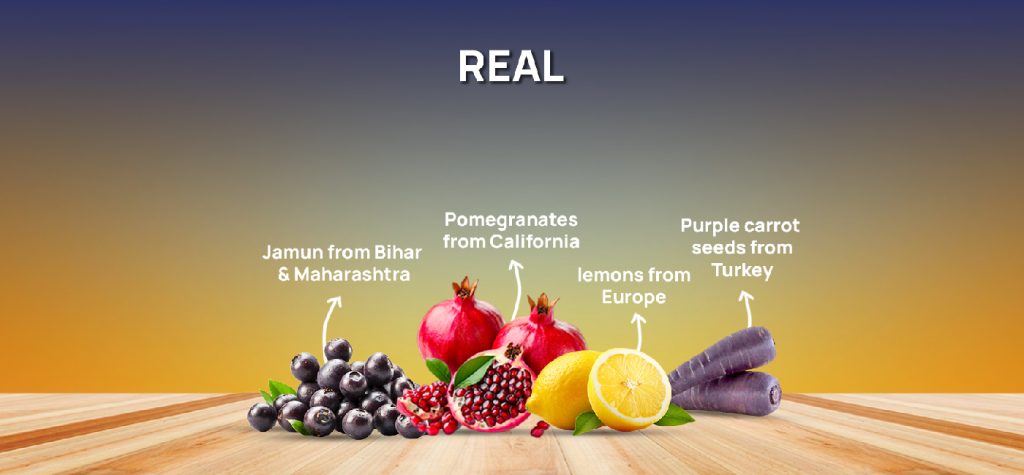
A product is only as good as its ingredients. The founders of Paper Boat knew this well. Their philosophy was clear: no preservatives, added colours, or artificial flavouring.
Instead, they sourced real ingredients from trusted sources, like jamun from Bihar and Maharashtra, pomegranates from California, lemons from Europe, and purple carrot seeds from Turkey (sown in Ooty).
They even collaborated with an NGO to procure ingredients from the tribal regions of Madhya Pradesh.
This rigorous approach to sourcing wasn’t just about taste; it was about telling honest stories through food.
Two state-of-the-art plants, one in Manesar and another in Mysore, ensured pharma-level hygiene and processing standards.

Nostalgia Through Marketing
True to its name and tagline, “Drinks and Memories,” Paper Boat set out to capture the magic of childhood.
The brand’s early television ads tapped into deep nostalgia with music adapted from Malgudi Days.
Its debut campaign was penned and narrated by the legendary Gulzar, with later stories brought to life by lyricist Swanand Kirkire.
For Paper Boat, the journey began with not just taste, but the emotions they evoked. From the start, digital was its playground.
The brand launched with heartwarming illustrations on Facebook, bringing to life tender childhood memories, like a mother teaching her child to peel an anar or slicing kairis for aam panna—each post paired with a nostalgic traditional soundtrack.
After winning hearts in North India, Paper Boat turned its attention southward, promoting flavors like Aamras and Chilli Guava through multilingual TVCs in Tamil, Telugu, and Hindi, capturing the essence of bachpan wali dosti.
With a Soulful Core
Their Bengaluru R&D lab feels more like a startup than a food factory. Each new drink undergoes two years of testing, including flavour, shelf life, and market feedback.
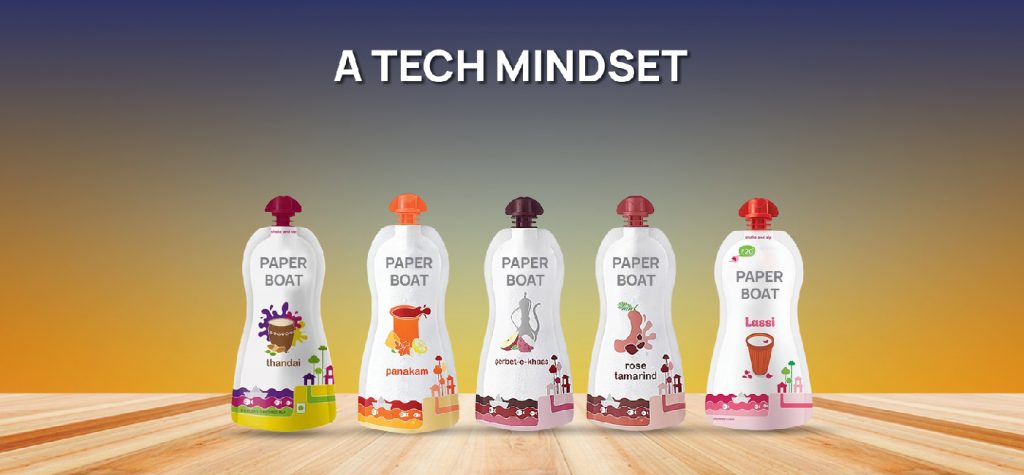
Inspired by Zara’s limited editions, Paper Boat now rolls out seasonal specials like Thandai for Holi, Panakam for Ram Navami, Rose Sherbet during Ramzan, and Kacchi Lassi for Baisakhi. Paper Boat is all things traditional, but trendy too.
That Feels Like a Hug
You don’t just see a Paper Boat pack—you feel it.
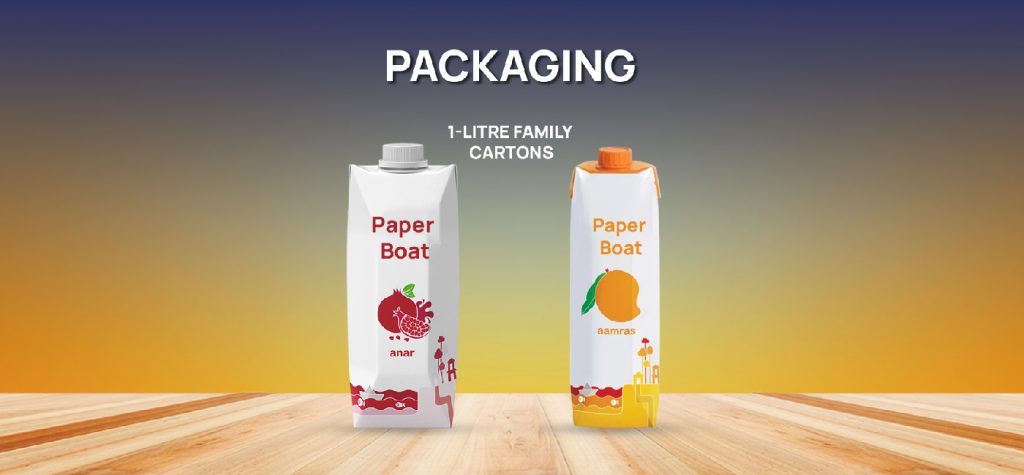
Its soft, doypack design, pastel colours, and curved fonts bring comfort before the first sip. And they’re eco-aware too, with a 10% lower carbon footprint than PET bottles.
Beyond functionality, every design aspect evoked nostalgia – curved fonts, hand-drawn childhood tales, and pastel colours.
Even the pilfer-proof cap was built to balance utility and design. Later came 1-litre family cartons, responding to consumer behaviour with quiet agility.
On the Boat Ride
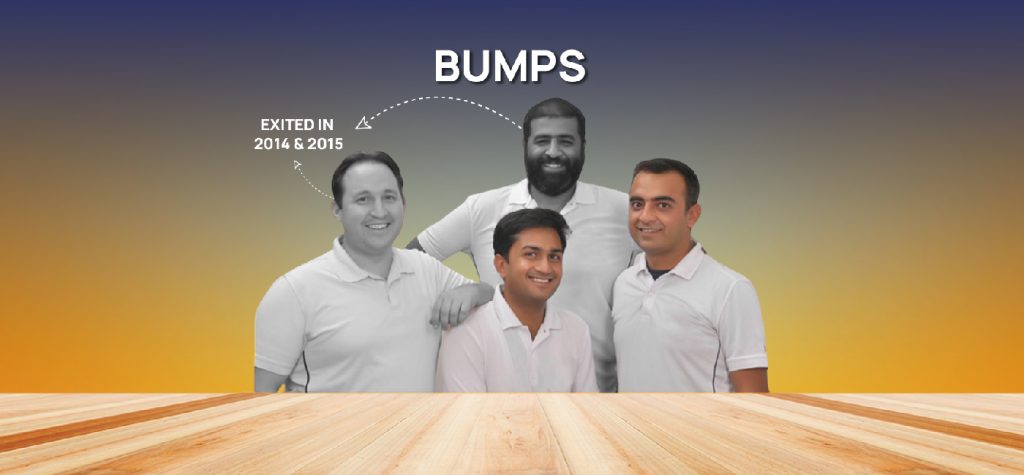
As with every startup, Paper Boat’s journey had its bumps. Two of its co-founders, Suhas Misra and James Nuttall, exited in 2014 and 2015, respectively.
But Neeraj Kakkar and Neeraj Biyani continued to steer the ship with clarity and vision.
The decision to phase out 500 ml packs in 2017 in favour of 1-litre ones was based on market demand and consumer behavior.
Even when something didn’t work, the brand learned and adapted rather than abandoning its mission.
The Taste of Tradition
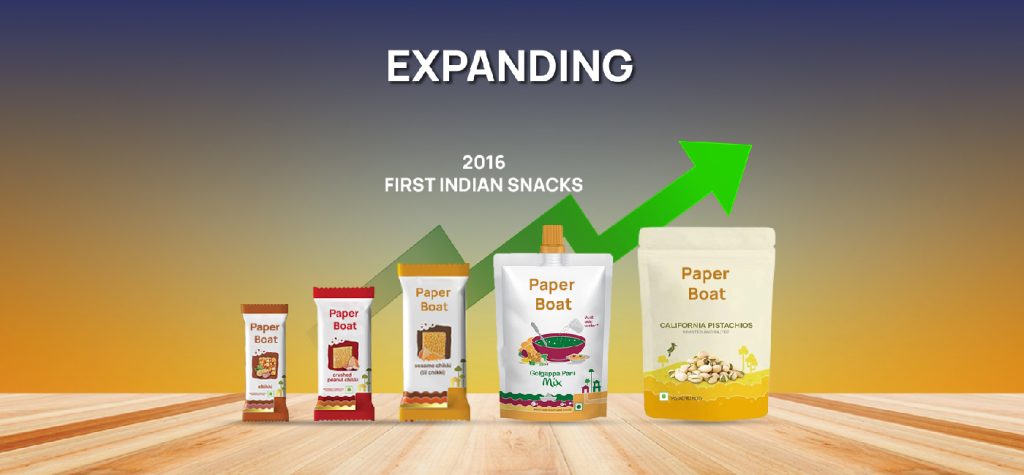
In 2016, Paper Boat took its first step into ethnic Indian snacks with the launch of peanut chikki. But this wasn’t just any chikki—it was Fair Trade certified, ensuring fair wages and ethical practices for everyone involved.
The groundnuts were sourced directly from a farmers’ collective near Rajkot, Gujarat, and bought at Fairtrade minimum prices. Over time, the chikki range expanded to include crushed peanut, sesame, and Rajgira peanut variants.
Paper Boat also introduced other traditional snacks and mixes, including golgappa and aam papad, along with a healthy lineup of nuts, seeds, and trail mixes like almonds, pistachios, and supermixes.
Sips, Stories & Sentiment
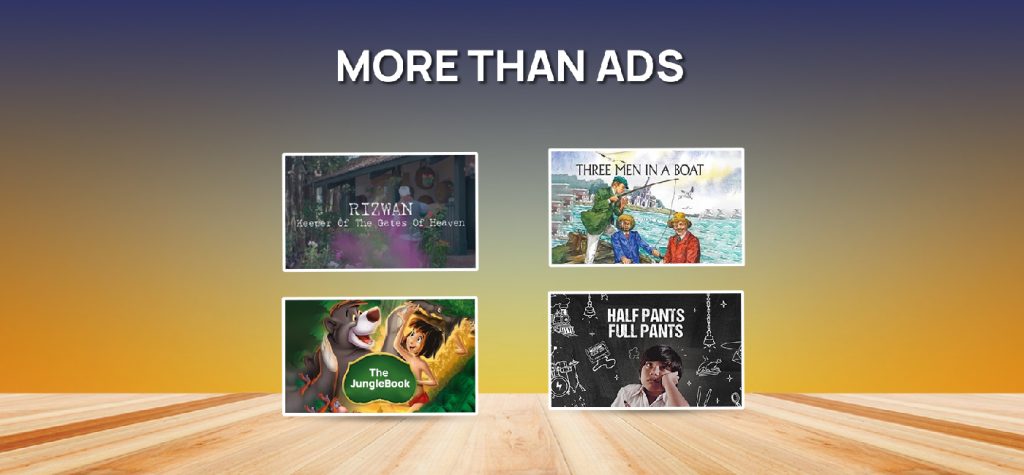
Paper Boat didn’t just stop at ads. It created heartwarming short films like Ride Down the River of Memories, Waiting for Ma, and Rizwan – Keeper of the Gates of Heaven.
Each film reflected the brand’s emotional core. Venturing further, Paper Boat entered publishing. It reprinted classics like
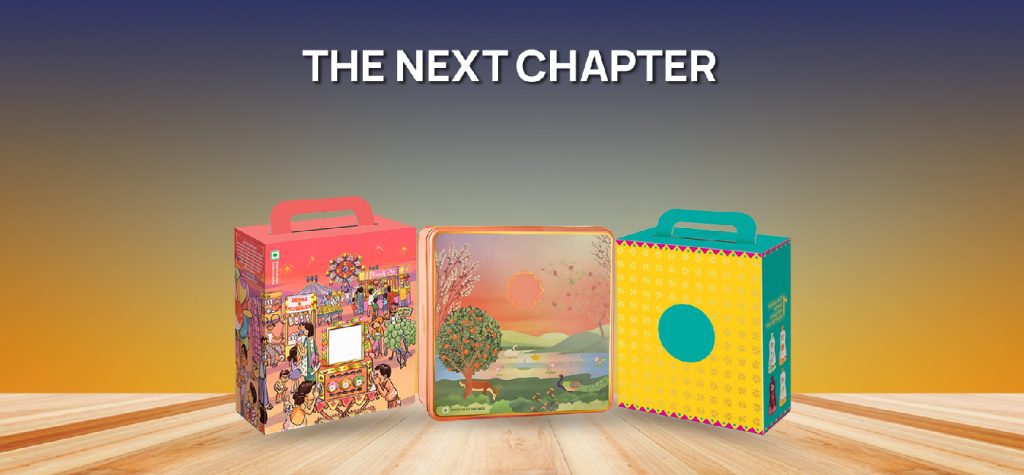
Three Men in a Boat and The Jungle Book, tucked into festive gift boxes. In 2017, it published Half Pants Full Pants by Anand Suspi, a collection of nostalgic stories from a childhood in Shimoga.
Through every sip and story, Paper Boat continues to bottle emotion.
To Rosy Hues
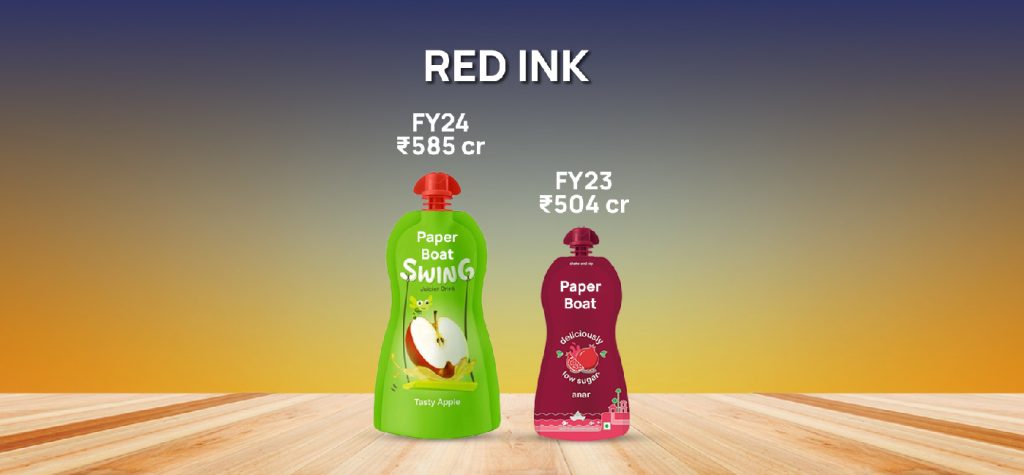
The numbers slowly started smiling as Paper Boat poured memories into every pouch. In FY24, the brand’s revenue from operations climbed to a refreshing ₹585 crore—up from ₹504 crore the previous year.
That’s not just growth—it’s momentum, stirred by emotion and sealed with trust. Even the losses began to dry up. The company narrowed its FY24 loss to ₹47.14 crore, nearly halving it from the ₹90.56 crore reported in FY23.
A stronger revenue stream and growing consumer love helped turn the tide. Backed by the belief of marquee investors like Peak XV Partners, A91 Partners, and Sofina, Paper Boat has raised a robust $185 million in funding.
Today, what began as a shared craving for aam panna is a ₹1,620 crore brand—anchored in memories and buoyed by vision.
Sailing On. But Smarter
With competitors like Farmley and Happilo eyeing the same turf, Paper Boat isn’t sitting still.
From retail shelves to festive gift boxes, from reprinting classics to writing their own, every new move is rooted in their mantra:
“Drinks and Memories.” This isn’t just a brand. It’s a cultural bridge. Between what was and what can be.
From four friends sipping aam panna to millions sipping bottled memories, Paper Boat shows us that some of the most powerful brands don’t shout.
They hum old lullabies, pack them in pastel pouches, and quietly change the game.

Manish Goel is the Founder & Director of Equentis Wealth Advisory, India’s equity-research house on a mission to democratise wealth creation. A qualified Company Secretary, law graduate, and UK-trained Master of International Trade & Finance, Manish brings global finance acumen to India’s investing landscape. His market narratives turn complex data into clear, actionable insights that empower everyday investors. Since launching Equentis in 2009, he has guided thousands toward confident, well-researched stock decisions. Away from the charts, Manish recharges by exploring world cinema and mentoring young entrepreneurs.